
‘Bog’ = 1. An area of soft, wet, muddy, ground. 2. British English (informal). A toilet. (Compact Oxford English dictionary).
For this piece, I shall be using the second definition so there will be language relating to toilets and bodily functions – you have been warned!
Japan has, for a long time now, been famous for its washlet toilets where compulsive button pressers could be in for a surprise especially if they can’t read the Japanese for ‘water jet’! But those more reserved members of society could be reassured that their own actions can be disguised by the playing of a tuneful melody, with a heated seat in the colder months.

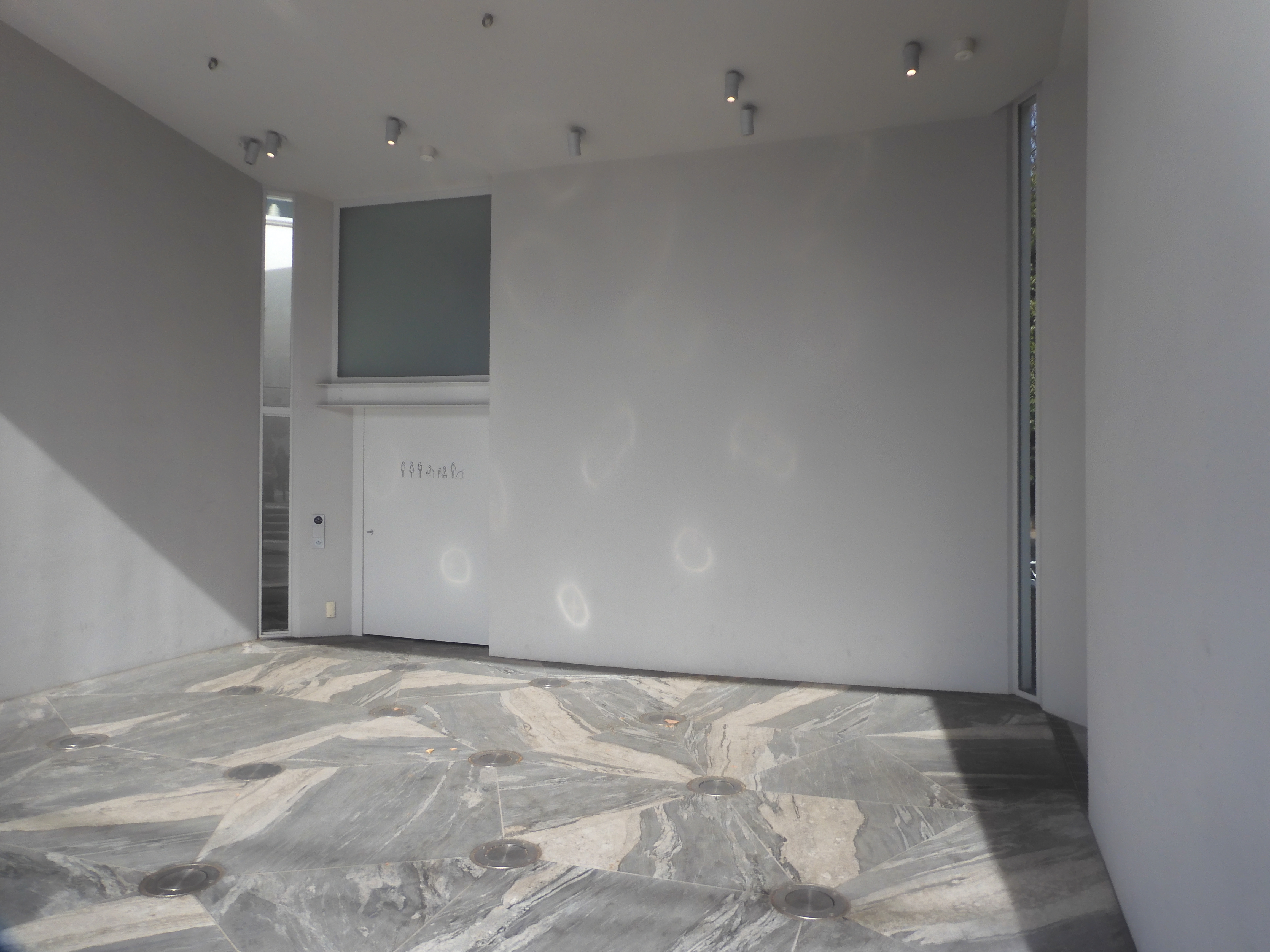
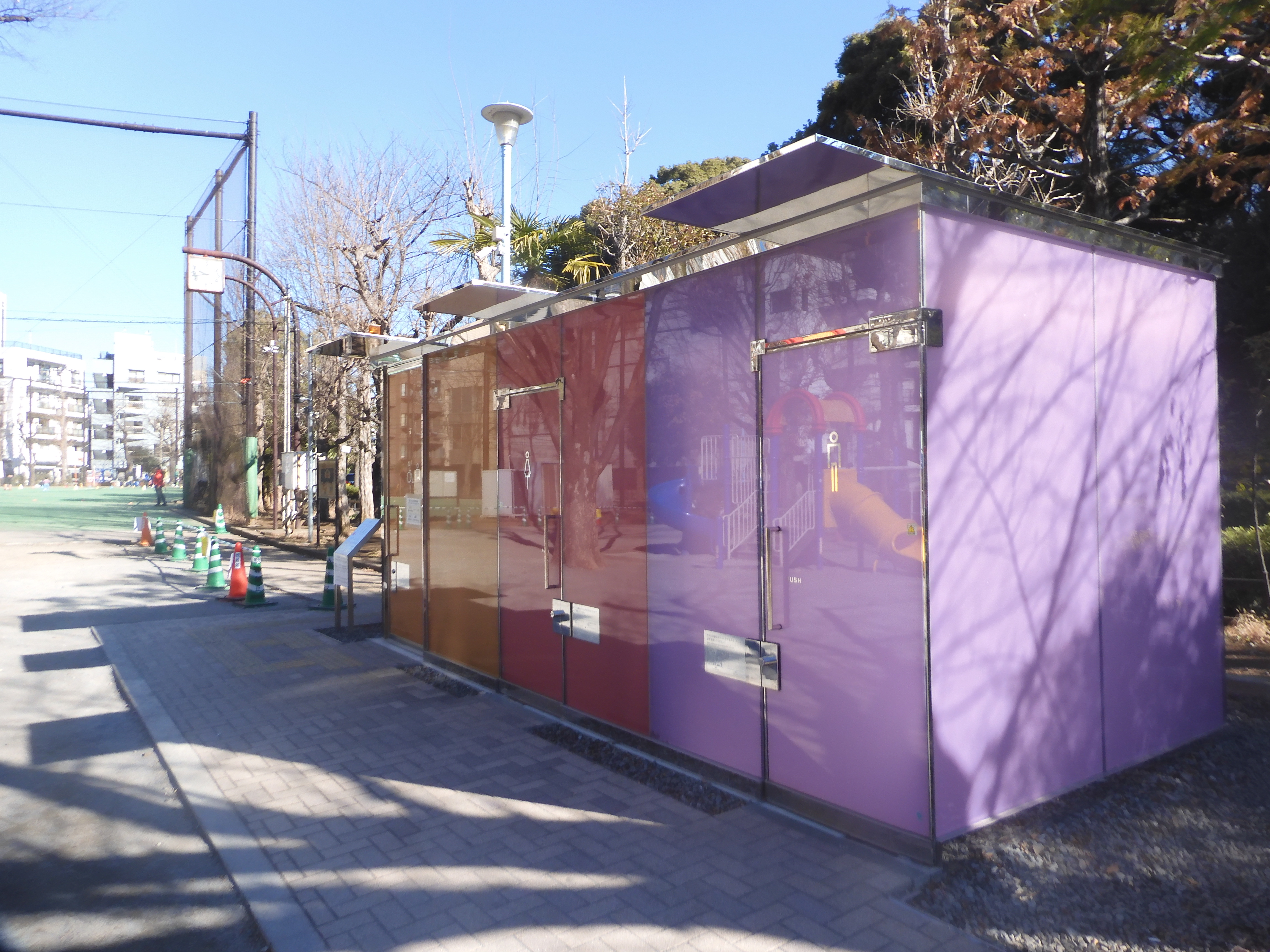
As a middle-aged Englishman who enjoys both a decent cup of coffee and long walks, I am always mindful of the need to be aware of the location of the nearest lavatories especially in towns and cities where, unlike the countryside, a tree is not available to disappear behind for a couple of minutes. Tokyo has always been fairly well equipped with such facilities, and in the build up to both the Rugby World Cup in 2019 and the 2020 Olympics, in anticipation of an influx of cross-legged tourists, there was a fairly extensive renovation programme to smarten up the older ones and to replace the old austere concrete block versions. When Covid caused the Olympics to be postponed for a year, and with the eventual exclusion of spectators at the games, work was able to proceed uninterrupted and gradually some rather fancy, and sometimes space-age, un-toilet-looking toilets started to appear. So, I was curious rather than confused to see the hoardings come down from the renovation works at the two toilet blocks near to Little Nap, my favourite coffee shop in Yoyogi, to reveal a rather revealing structure of coloured glass walls through which one could actually see the facilities and even the occupants until… they followed the instructions to lock the door at which point the walls turned opaque and they and their actions remained hidden from public gaze.
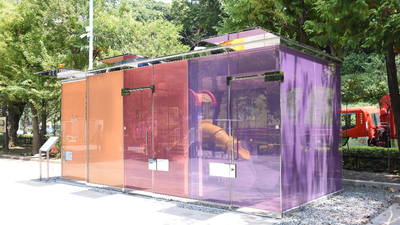

The reasoning behind this is that Japanese views of public restrooms are overwhelmingly negative. In a 2016 Ministry of Land, Infrastructure, Transport, and Tourism survey, slightly more than 1% of respondents said they frequently use toilets at parks and other public areas, compared to some 90% who insisted that they rarely or never utilize these communal conveniences. Over half of respondents said that they avoid them altogether. A major reason people gave for shunning public commodes was their uncleanliness and concerns about safety. So, architect Shigeru Ban designed these particular restrooms with glass walls to dispel the perception that public toilets are dark, dirty, and dangerous. Users can easily see how clean the stalls are and whether they are occupied, putting minds at ease before stepping inside to answer nature’s call and shutting themselves off from public scrutiny.
An article in the local Shibuya free-paper peeked my curiosity further with an explanation about the ‘Tokyo Toilet’ (for want of a better name) project with its own website which explains:
‘The toilet is a symbol of Japan’s world-class culture of hospitality. At 17 locations in Shibuya Ward, public toilets will be reborn one after another. Each toilet was designed with the participation of 16 creators who are active around the world. Please take a look at the unique toilets.’ A challenge I could not resist, so please join me in looking for and at some amazing ‘loos’:
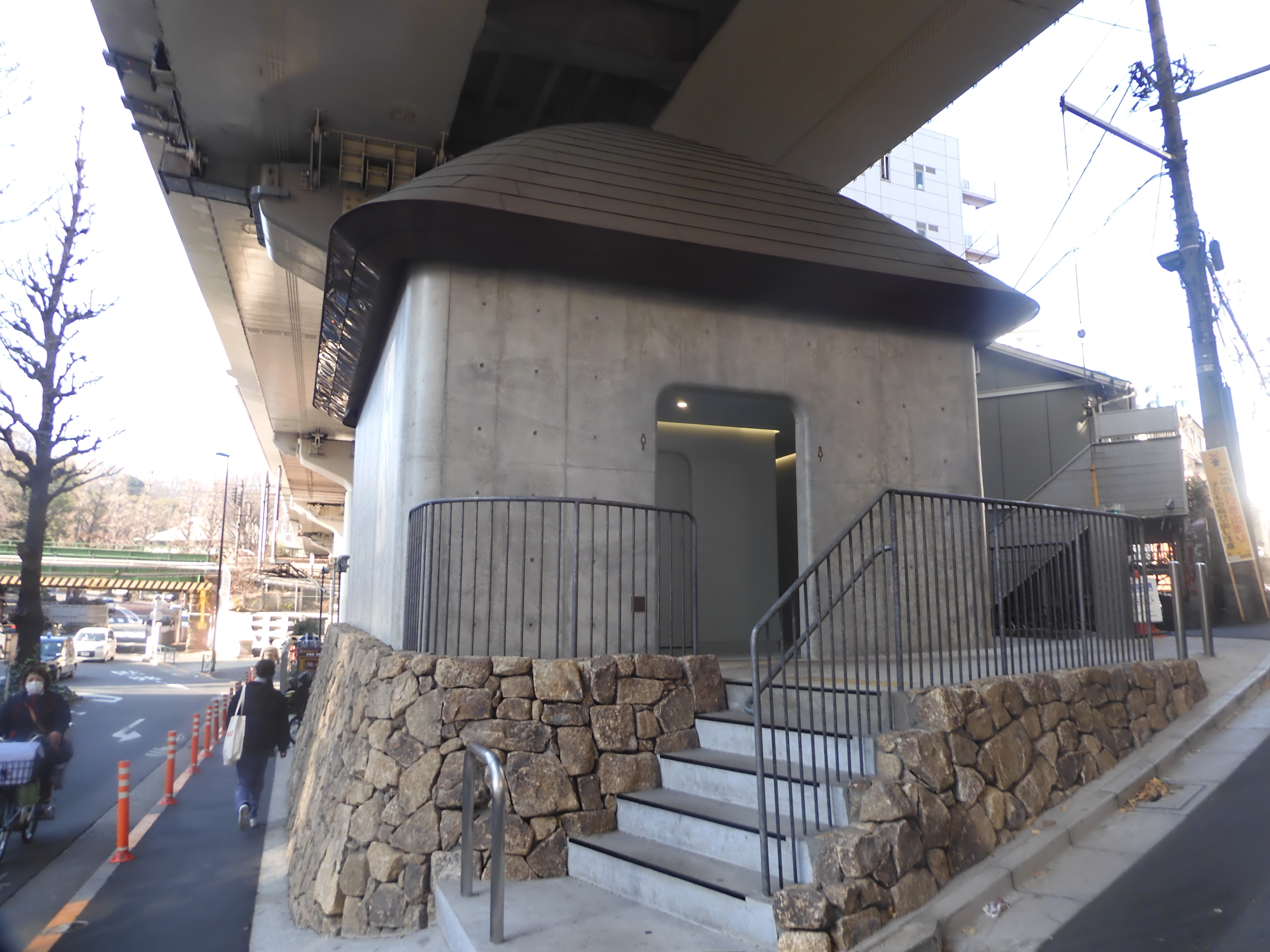


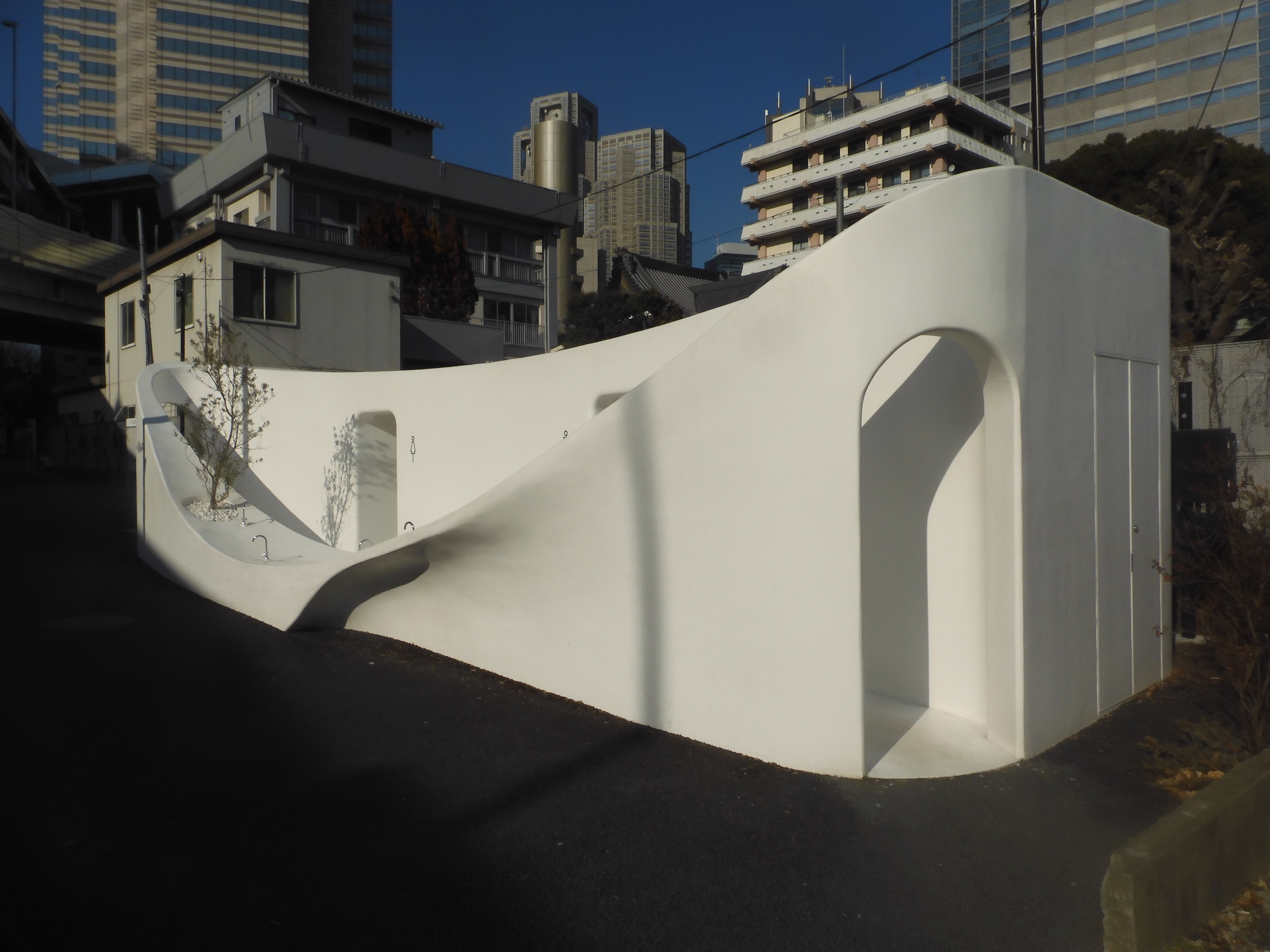


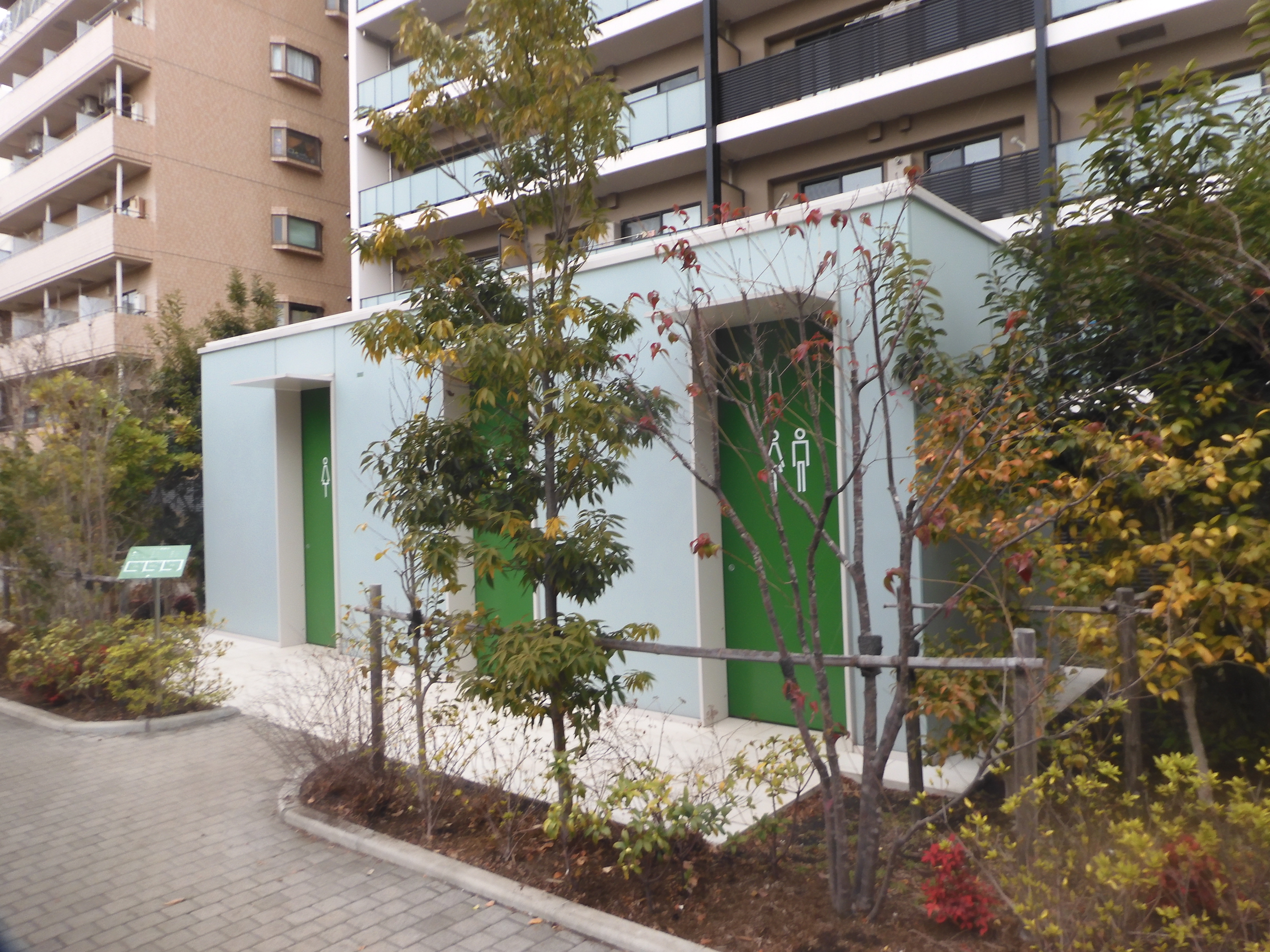

These are the three closest to where I live when in Japan.
Meanwhile a family member alerted me to the release of an award winning 2023 drama film Perfect Days directed by Wim Wenders, from a script written by Wenders and Takuma Takasaki. A co-production between Japan and Germany, the film combines four short stories and stars Koji Yakusho as ‘Hirayama’ in the role of a toilet cleaner wearing the very recognisable ‘Tokyo Toilet’ blue overall.

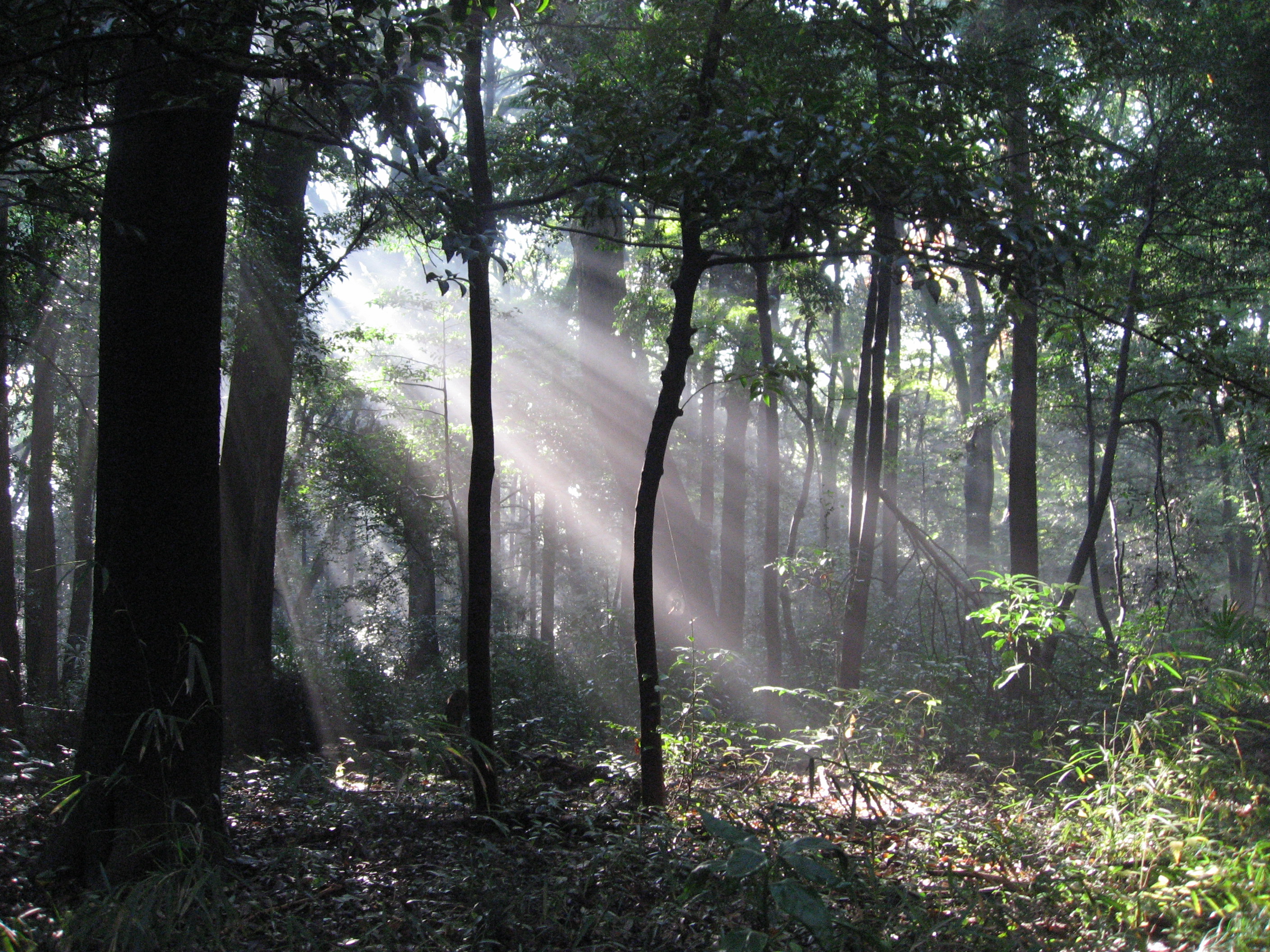
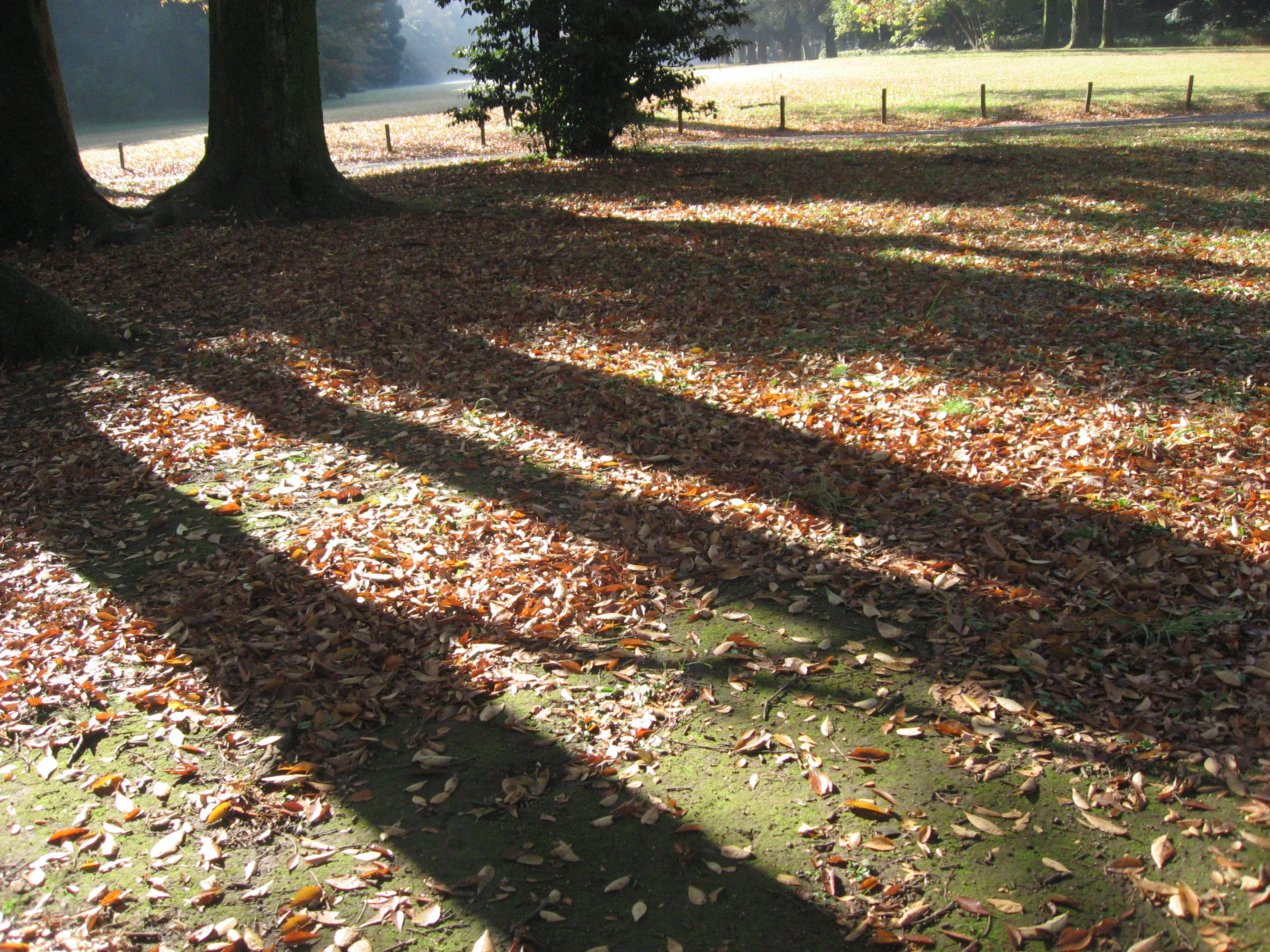
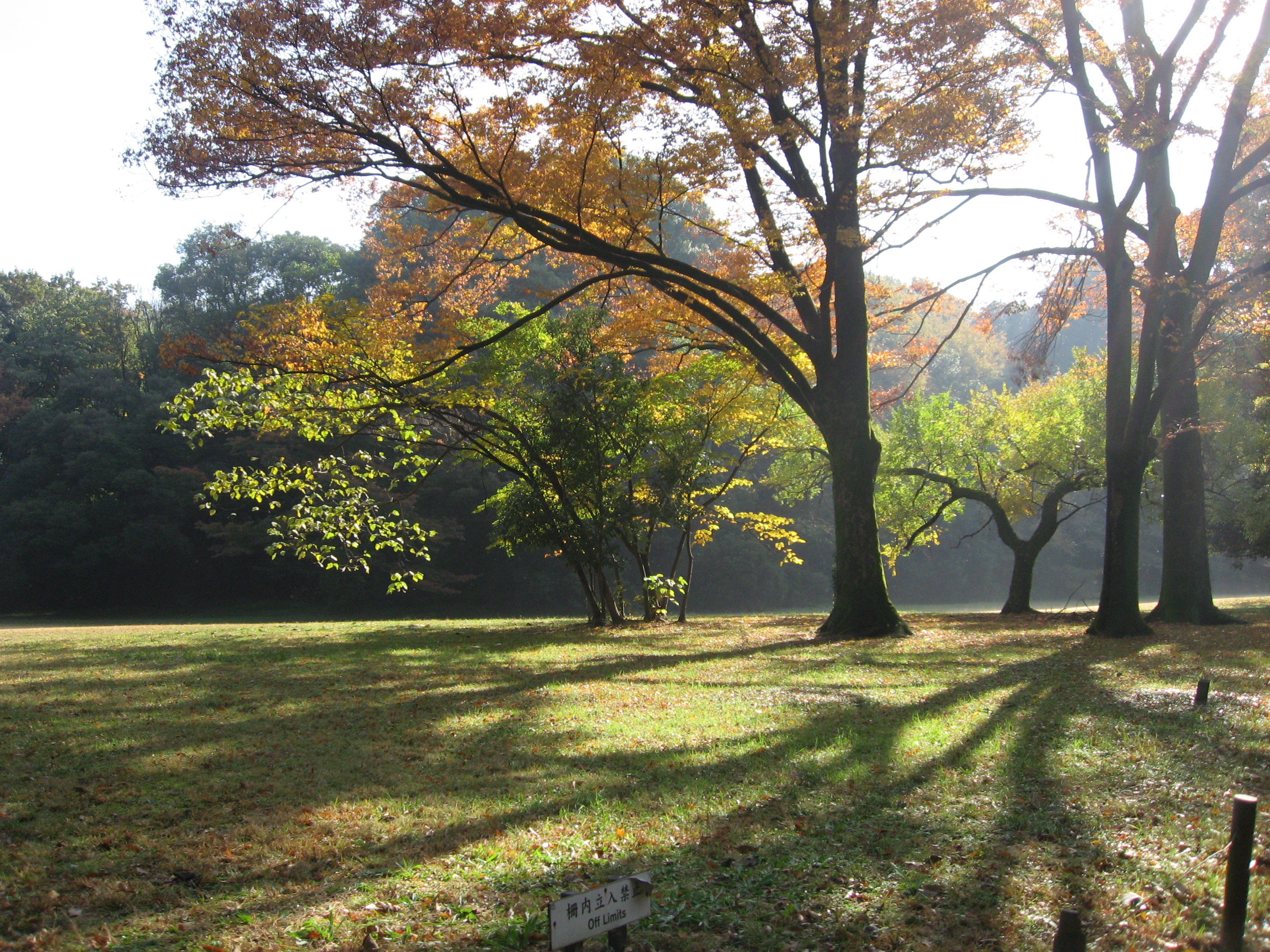
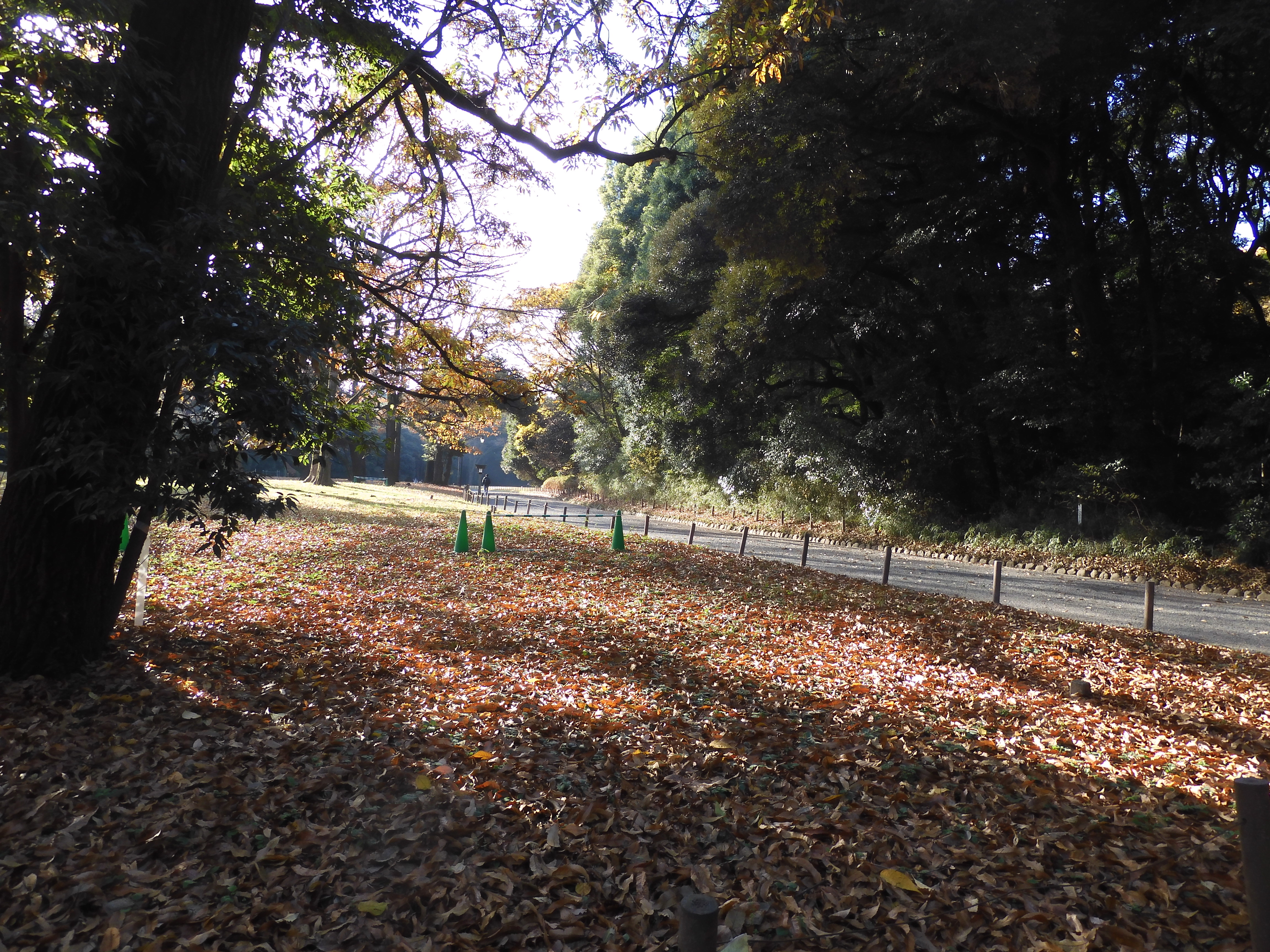
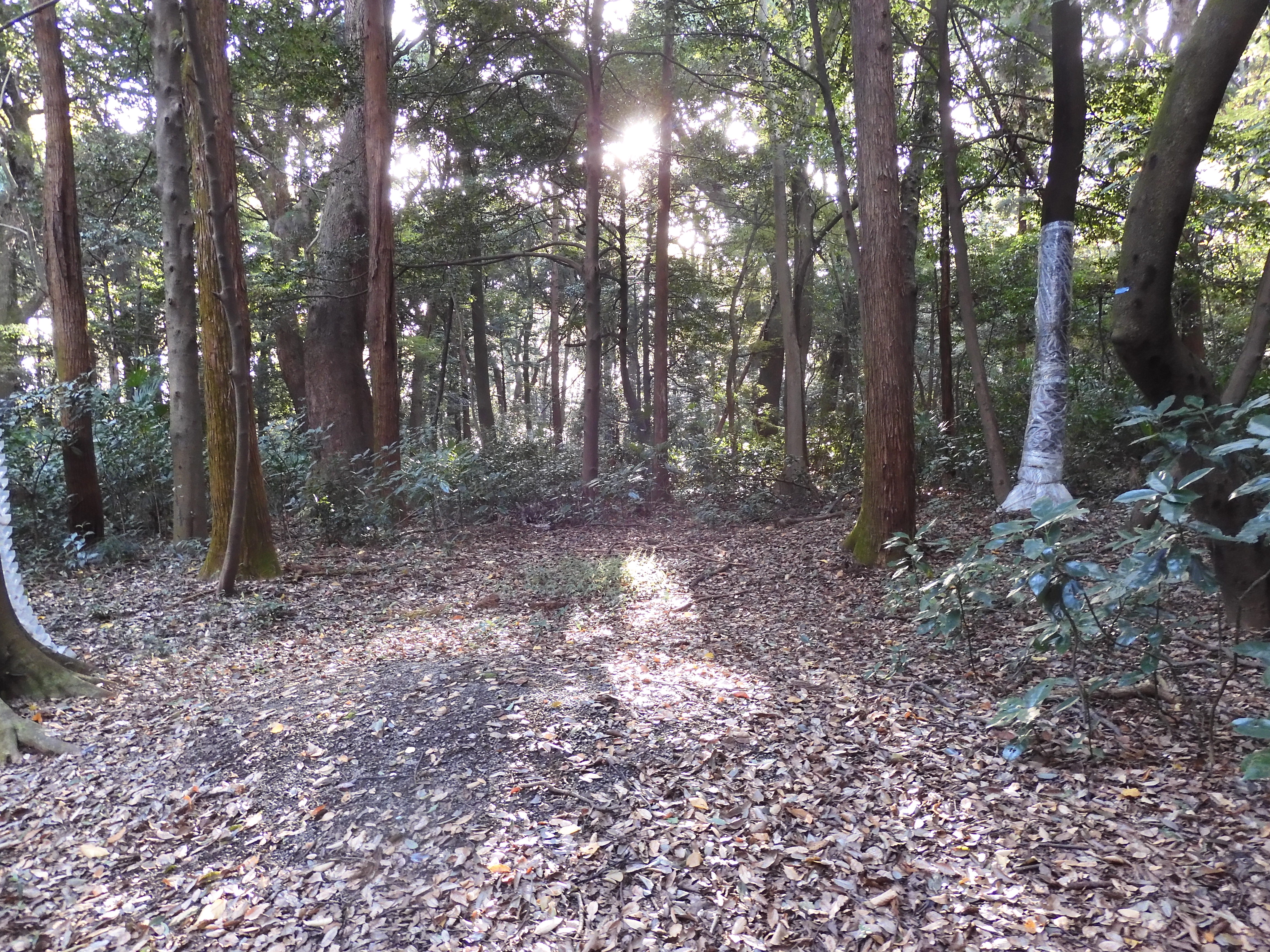
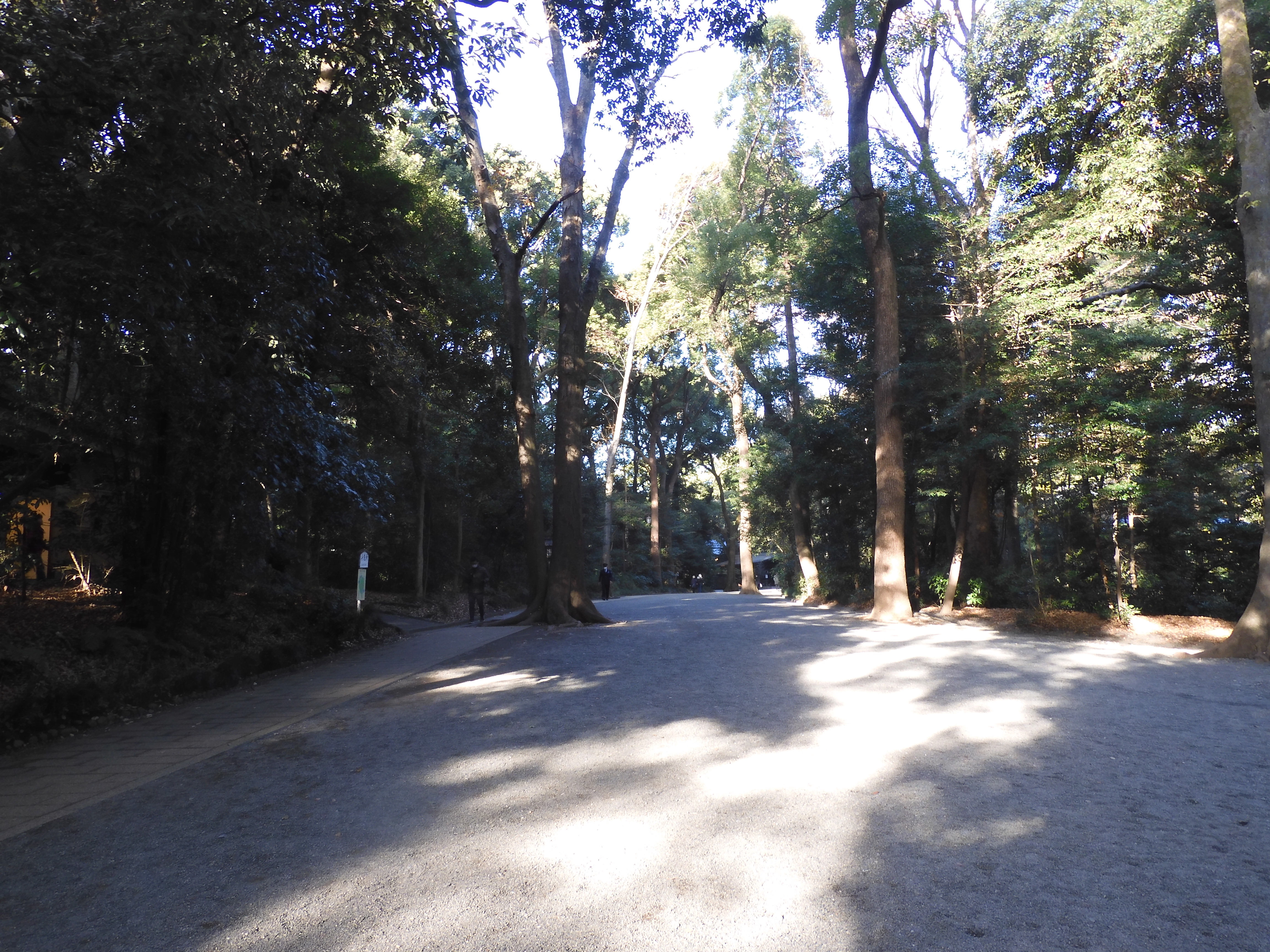
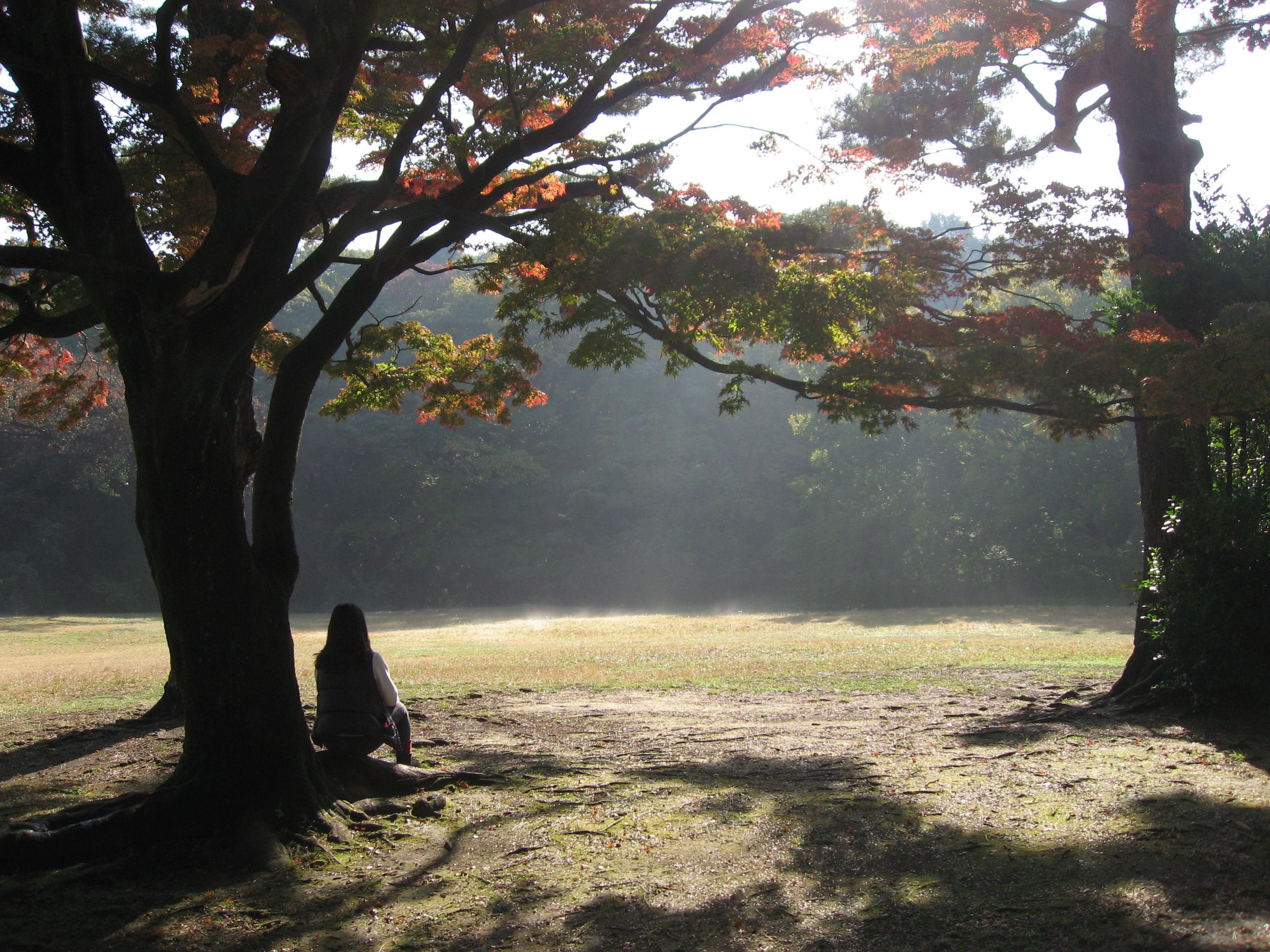
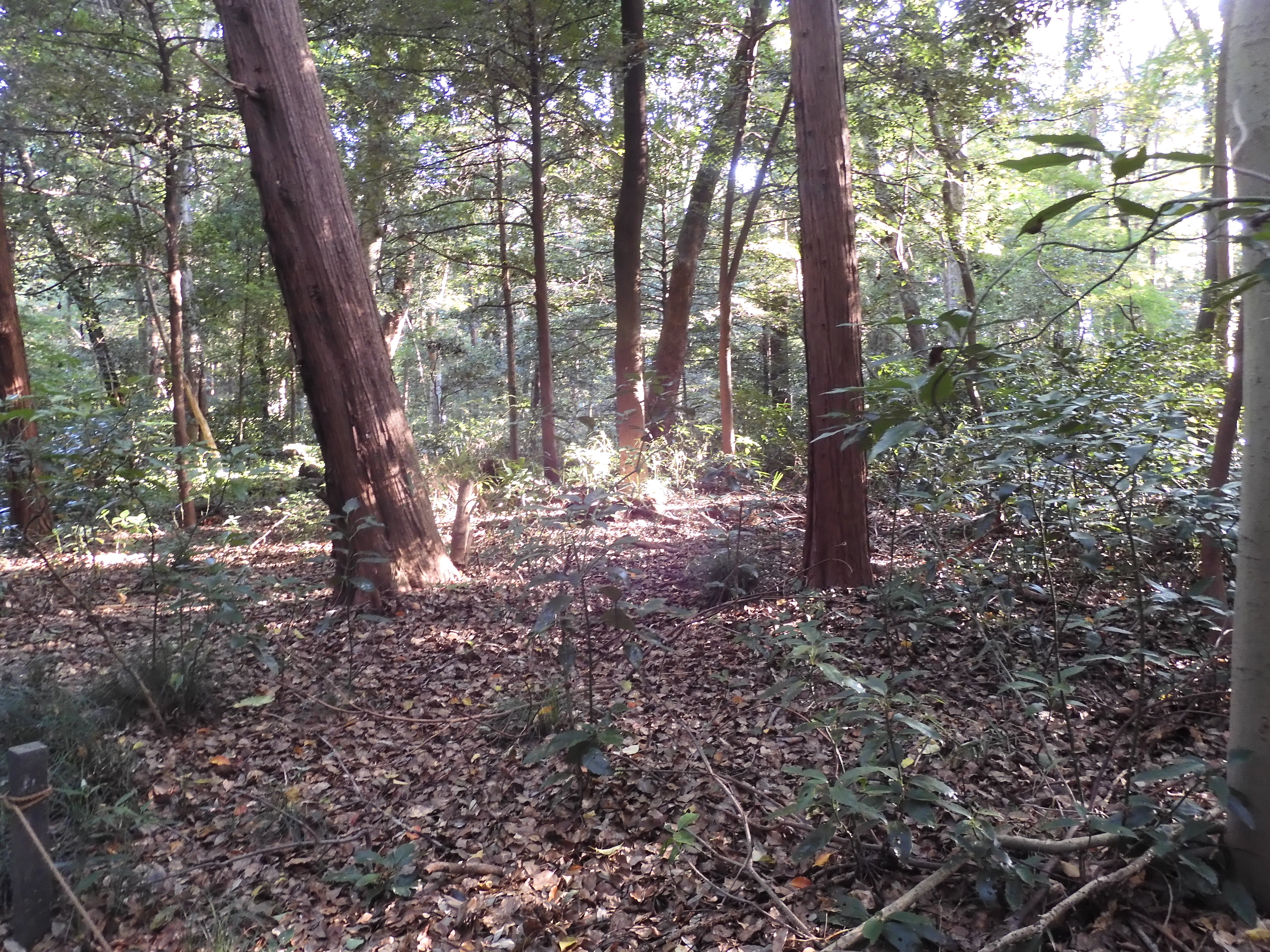
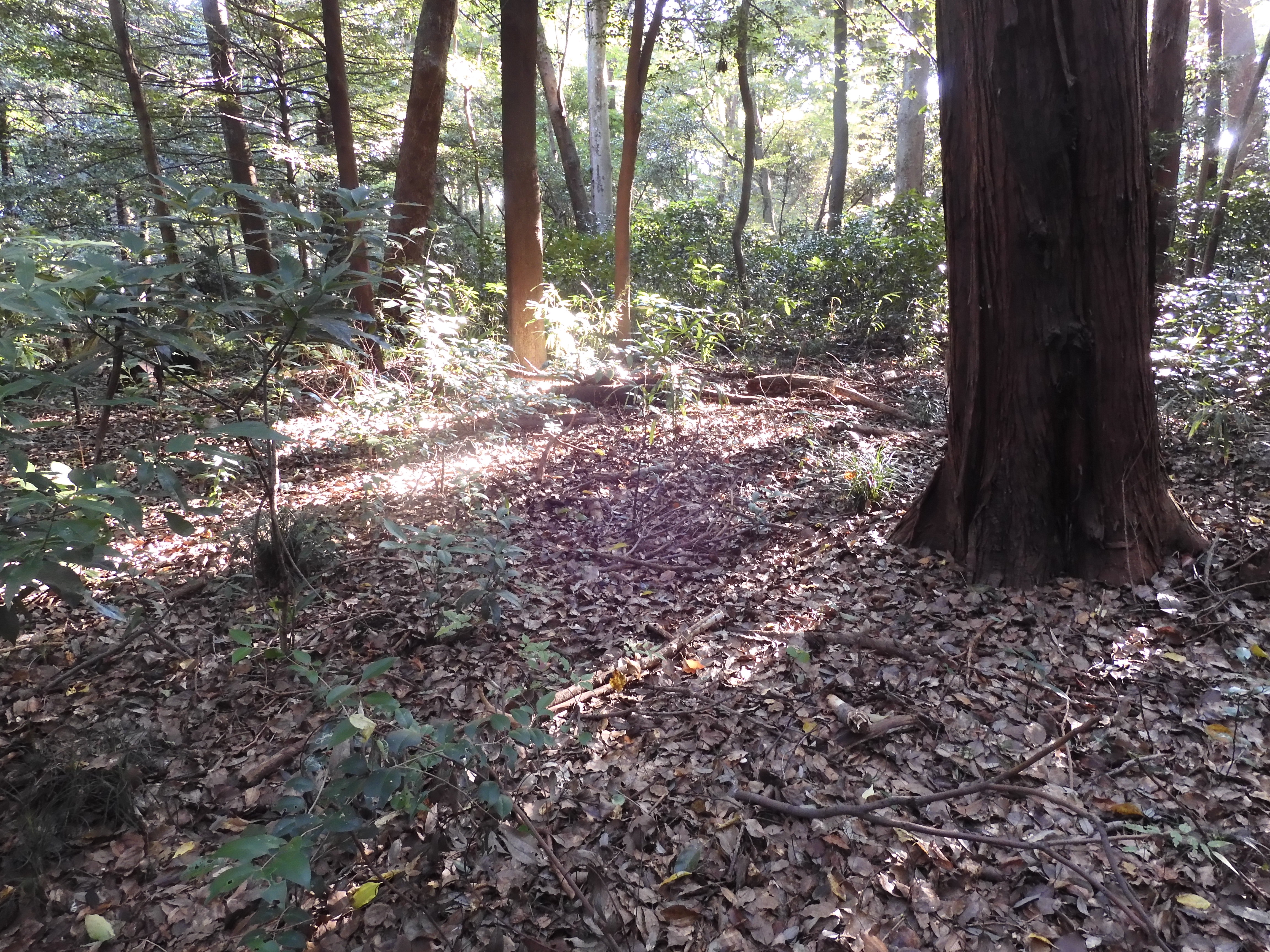
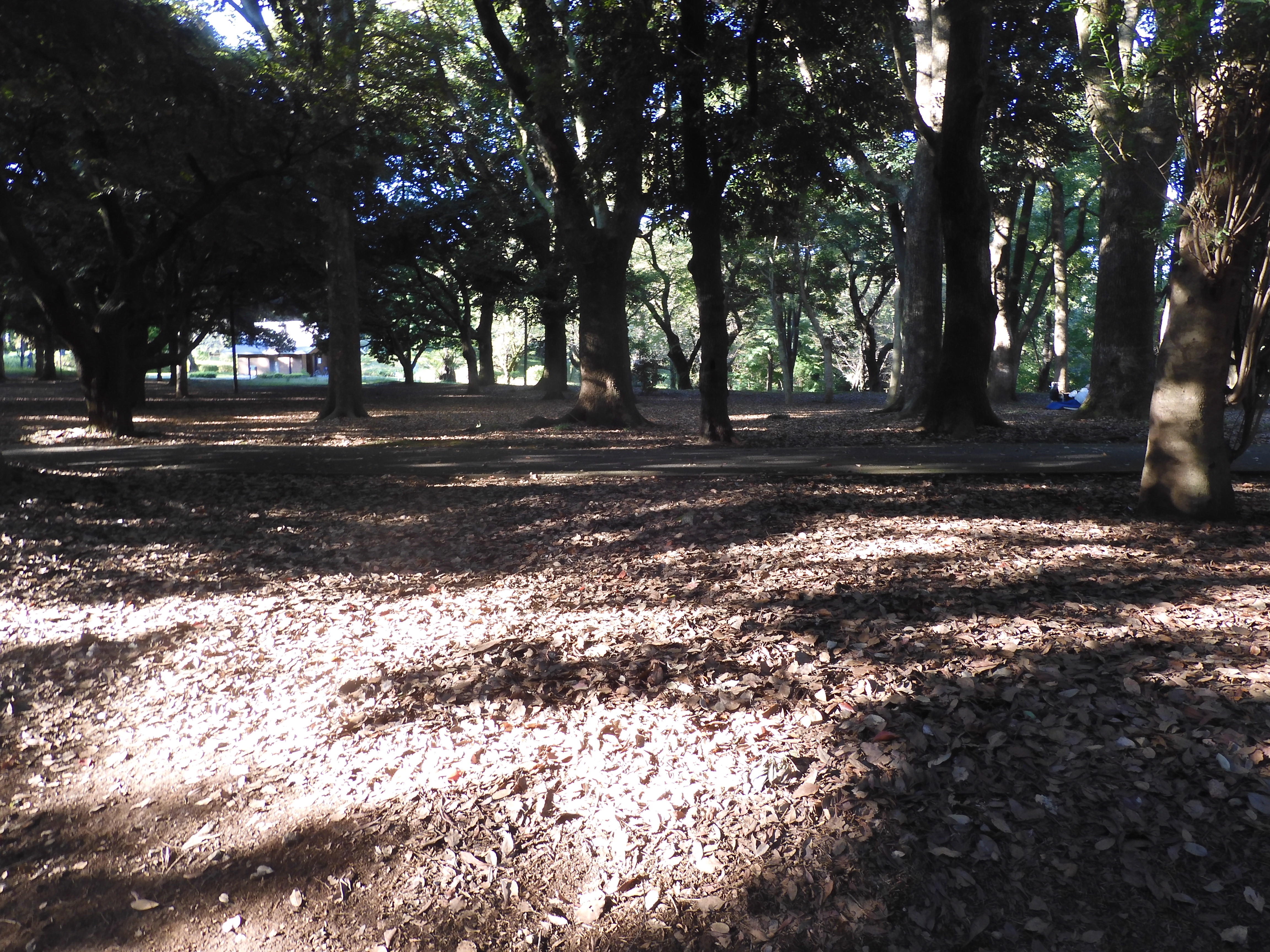
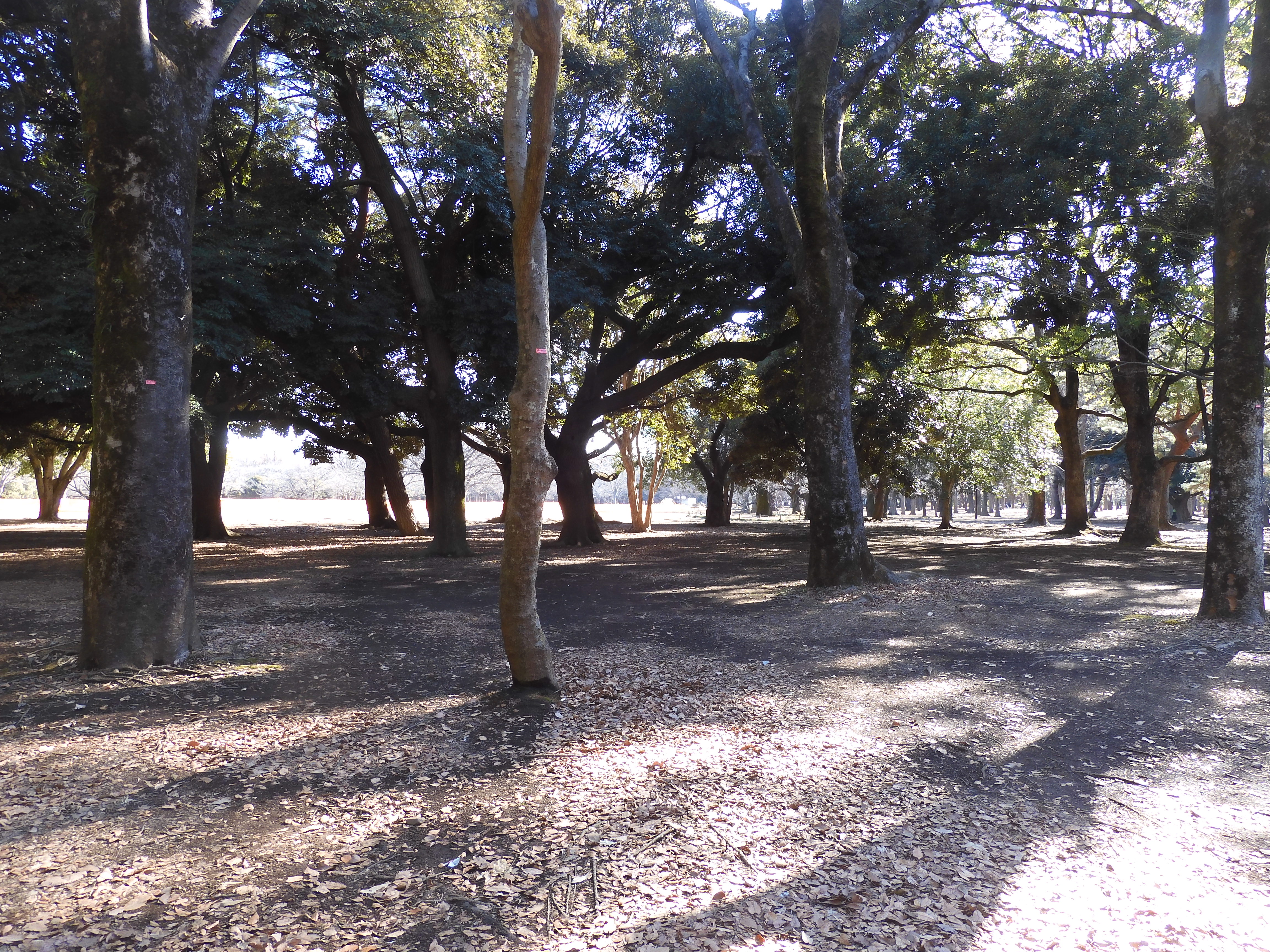
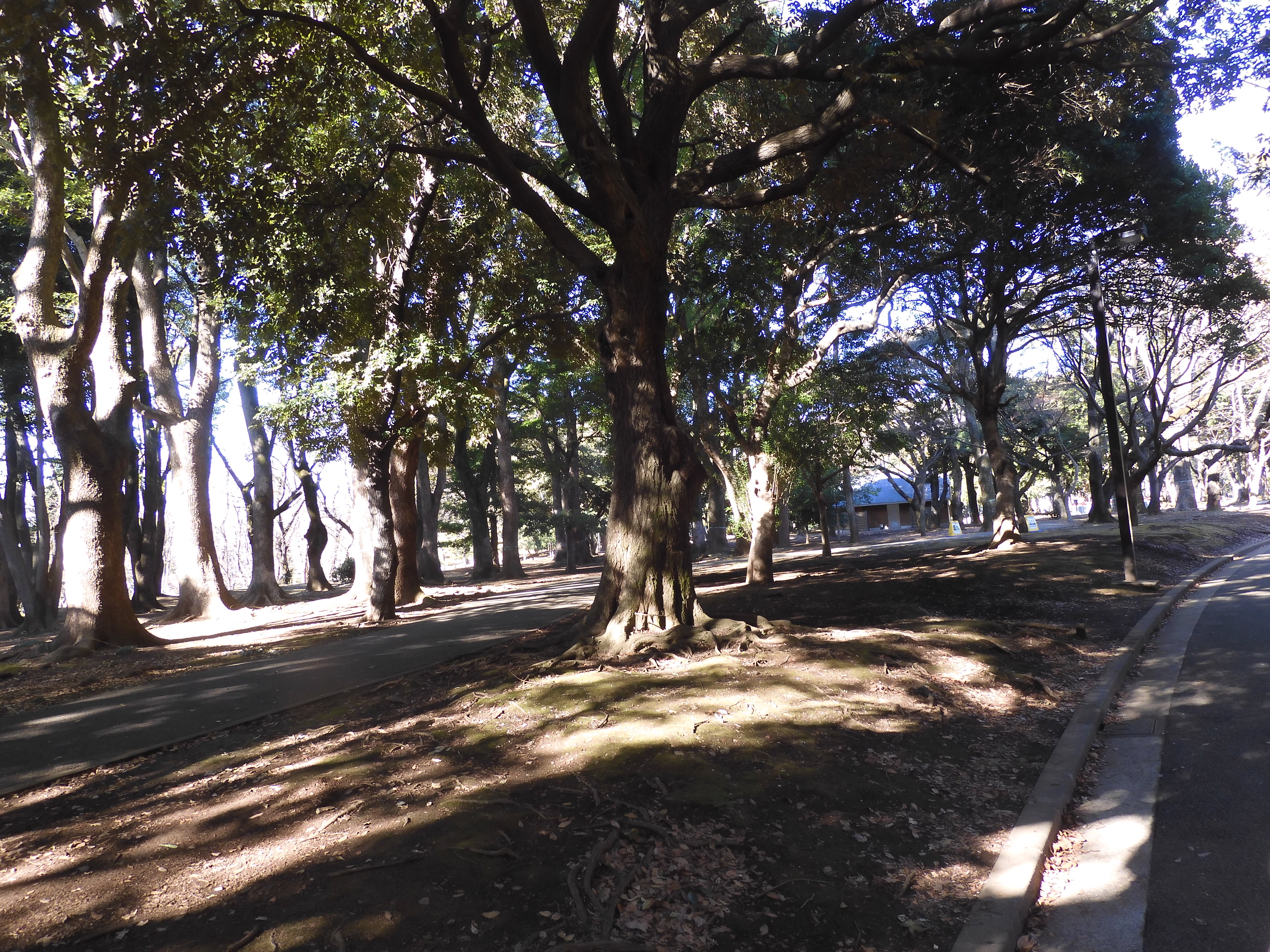
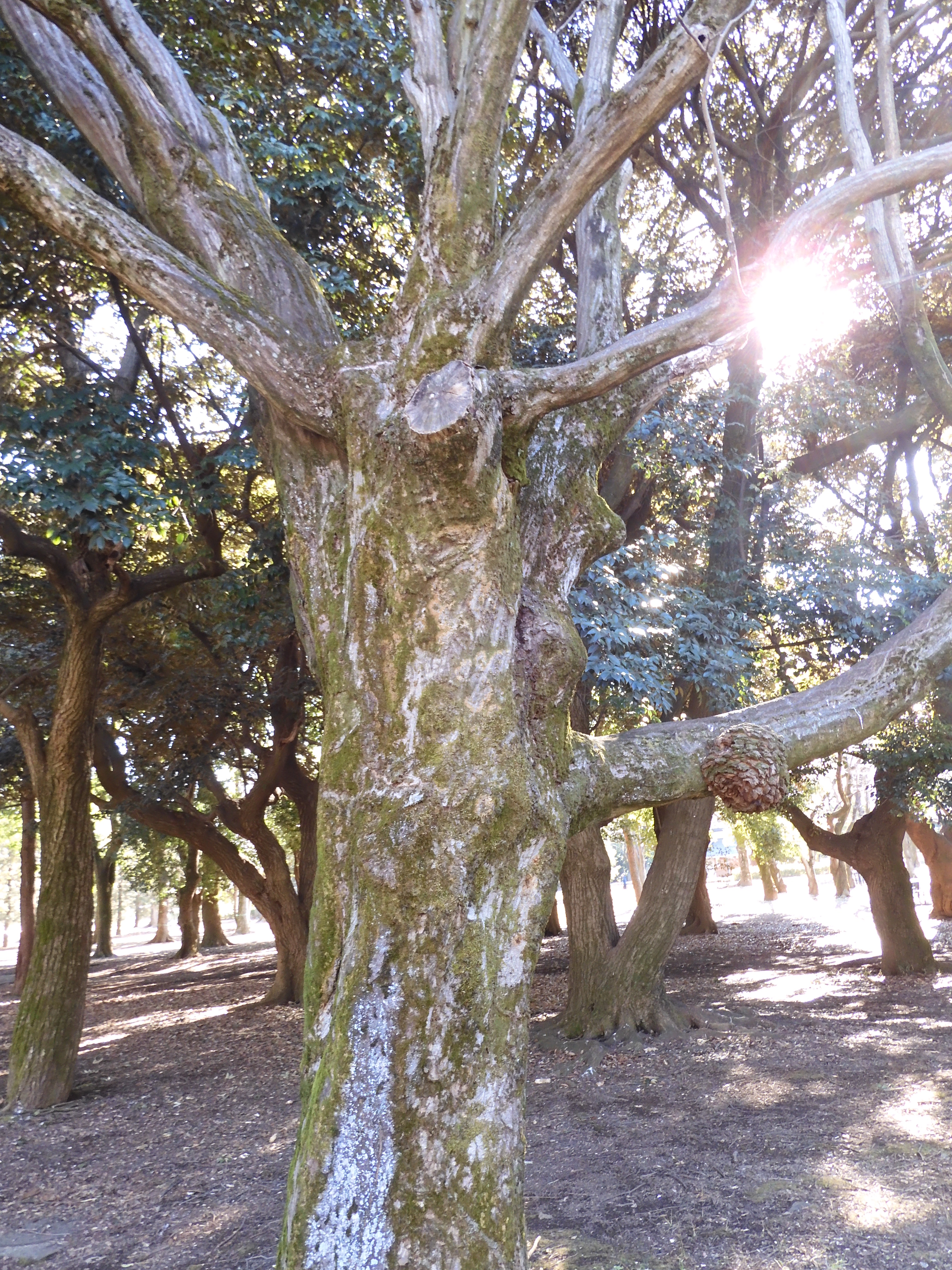
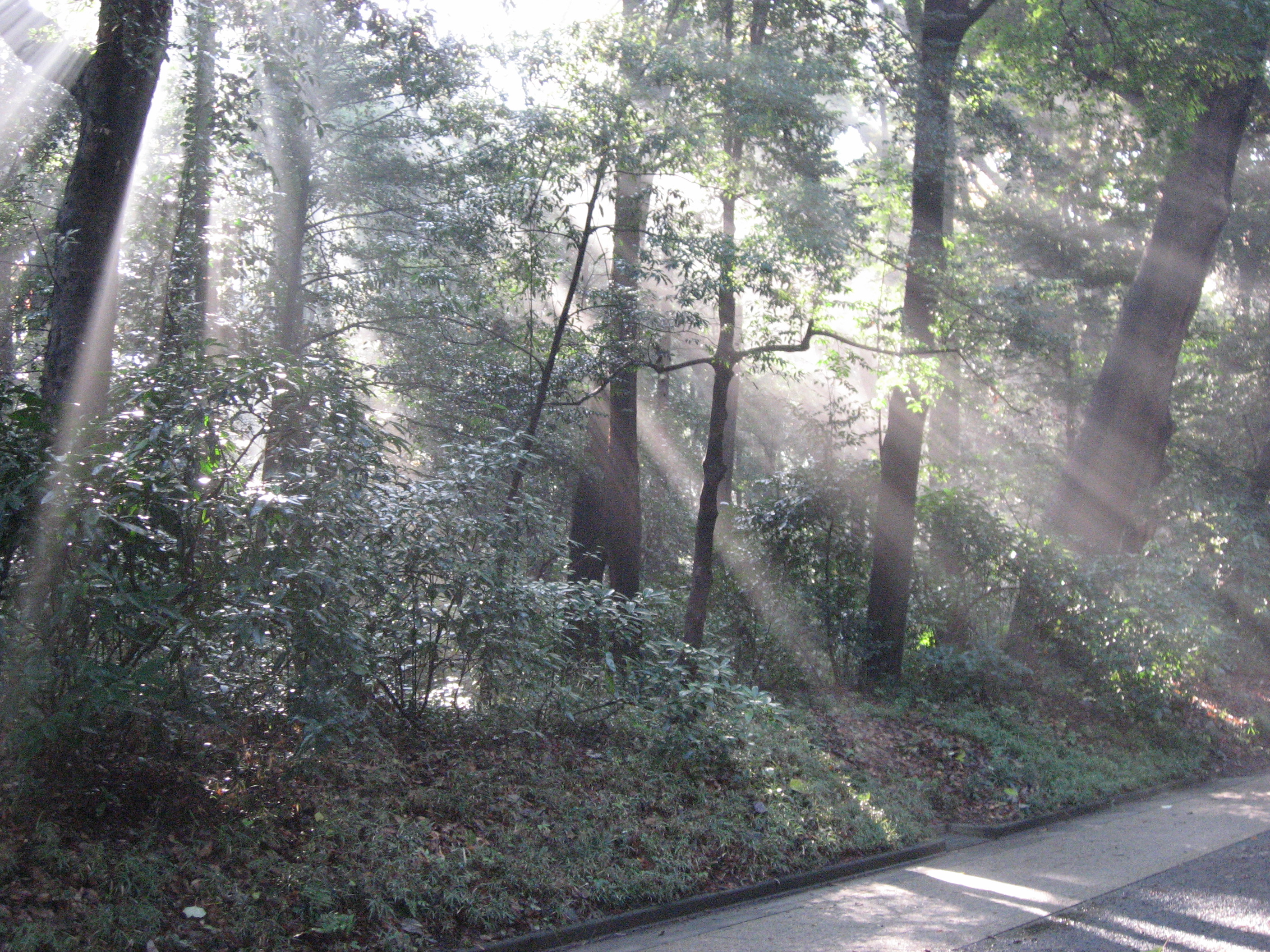
In the film Hirayama is man who leads a simple life, and takes his job seriously; it follows his perfect day of public service with the joys of a second- hand book collection and his cassette tapes (sic!) of some golden oldies from inter alia The Animals, Van Morrison, Lou Reed, The Kinks and The Rolling Stones. A man after my own heart especially as he takes his lunch of a convenience store sandwich and carton of milk in the grounds of Yoyogi Hachiman Shrine surrounded by its trees which he photographs with an old film camera. (seen above). This is a place I know well and visit weekly, at least. In fact, the film credits also refer to his hobby as a love of ‘Komarebi’. Now, where have I heard that before?! (https://jeremyjlhill.com/2022/12/)
So much did the film resonate with me and my life that my wife said to me as we left the cinema that the character of Hirayama reminded her of me. Perhaps she was hinting that I should get myself a retirement job as a cleaner, although that may have been lost in translation. Or maybe I should start a ‘Tokyo Toilet Tours’ company?! If the latter, let’s continue the tour with some of the toilets which feature in the film, starting with Yoyogi Hachiman shrine.


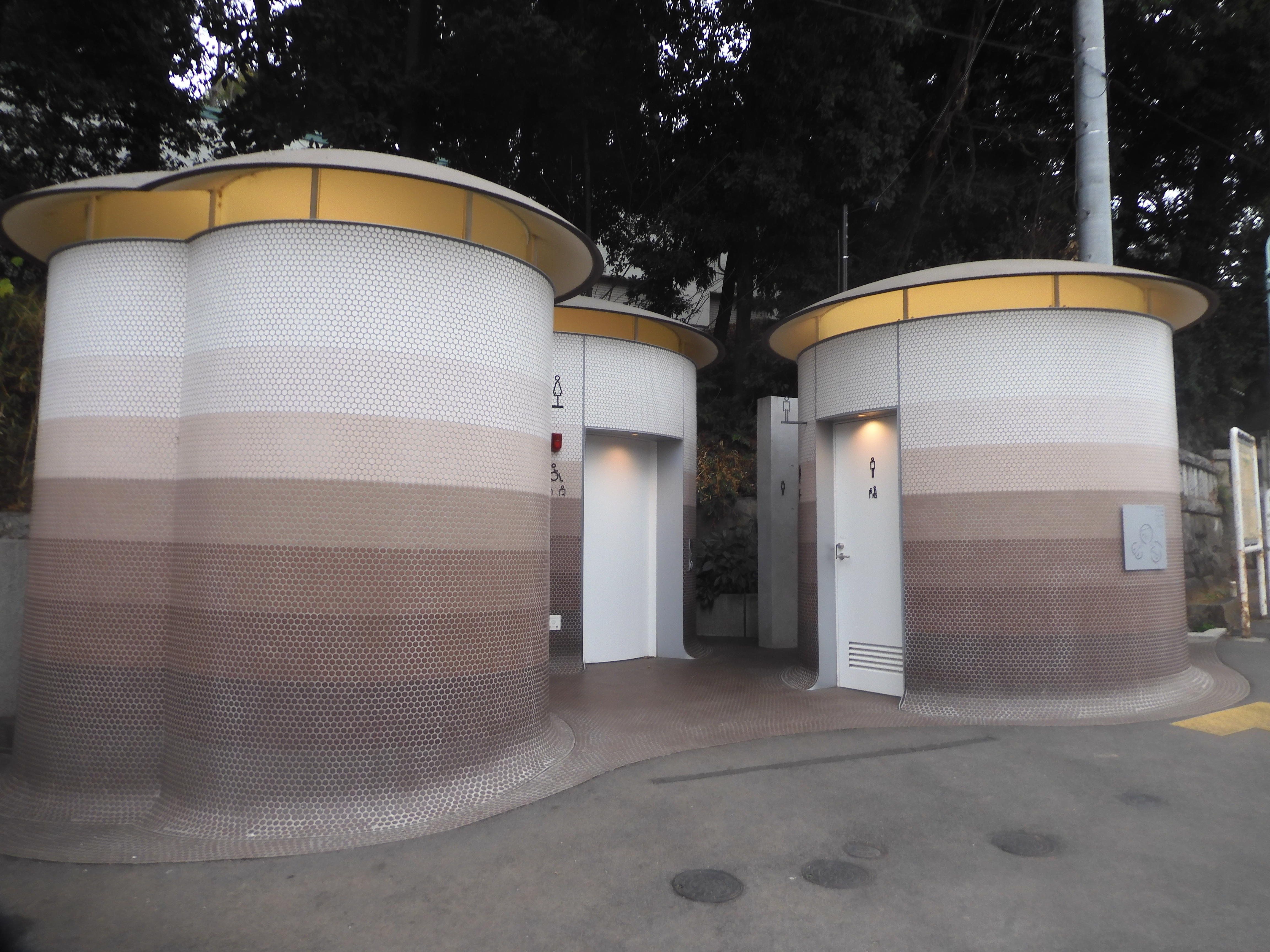
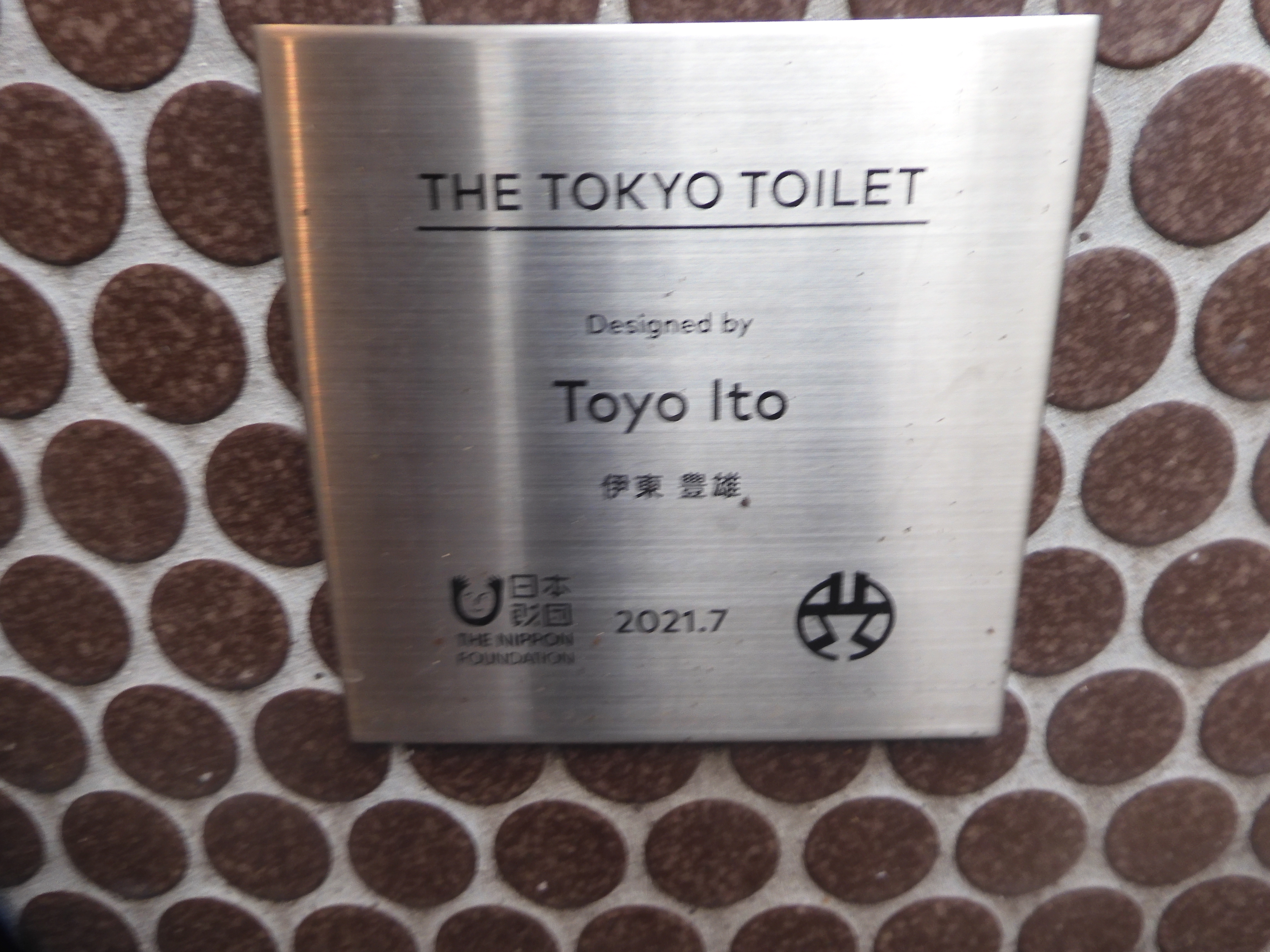
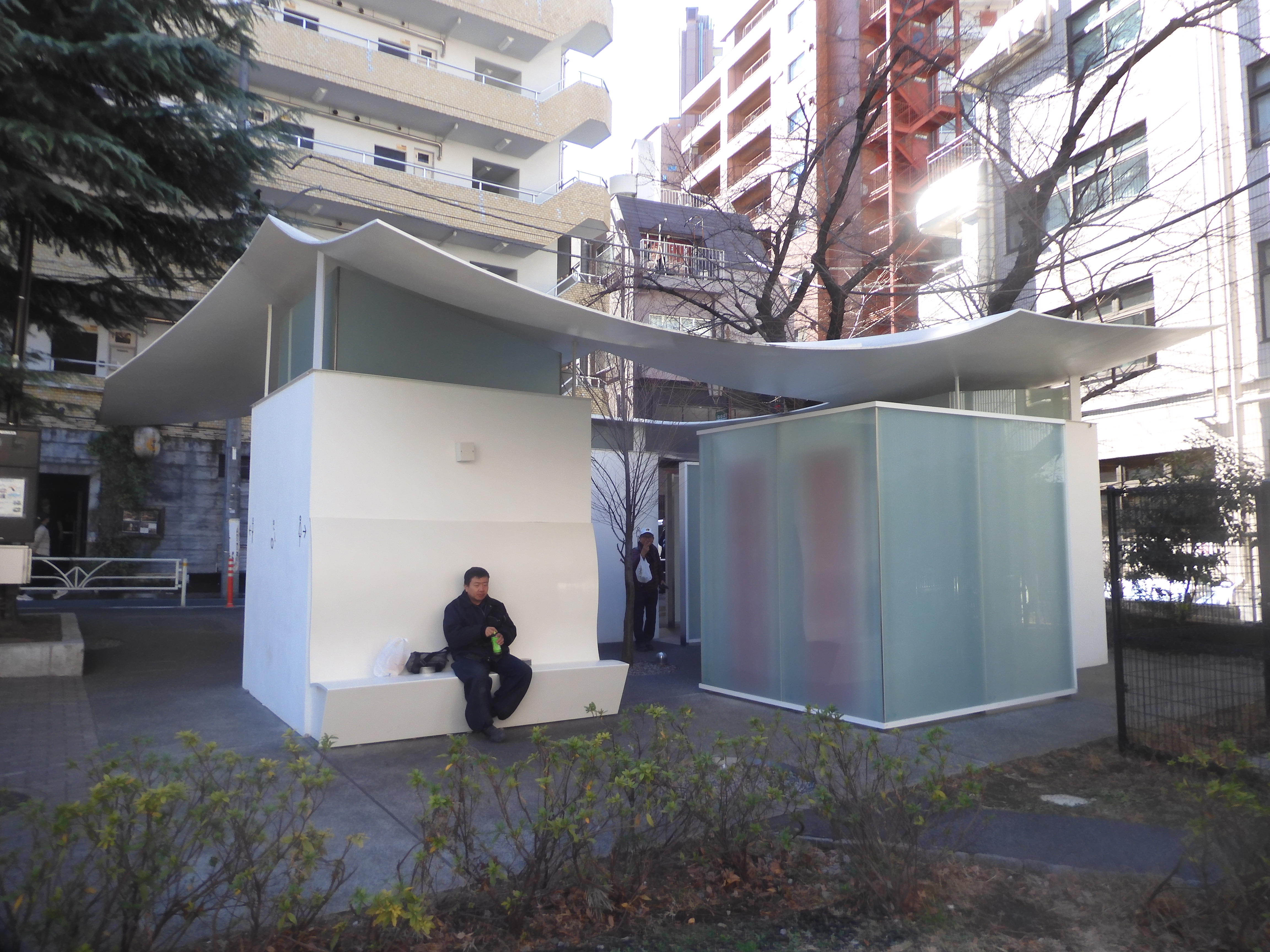
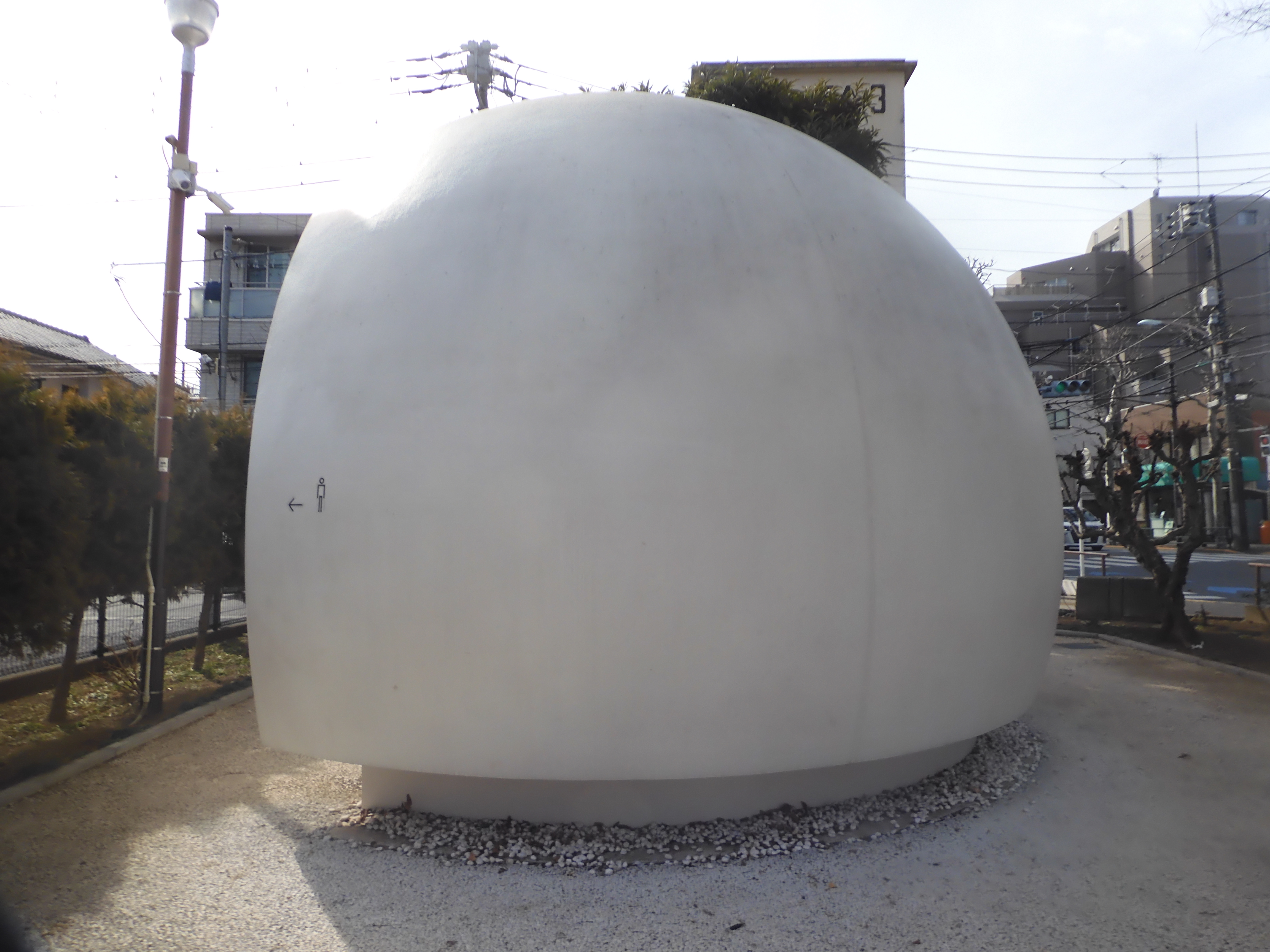
Moving further afield to the outskirts of Shibuya, is this incredible construction in Nabeshima Park, Shoto.
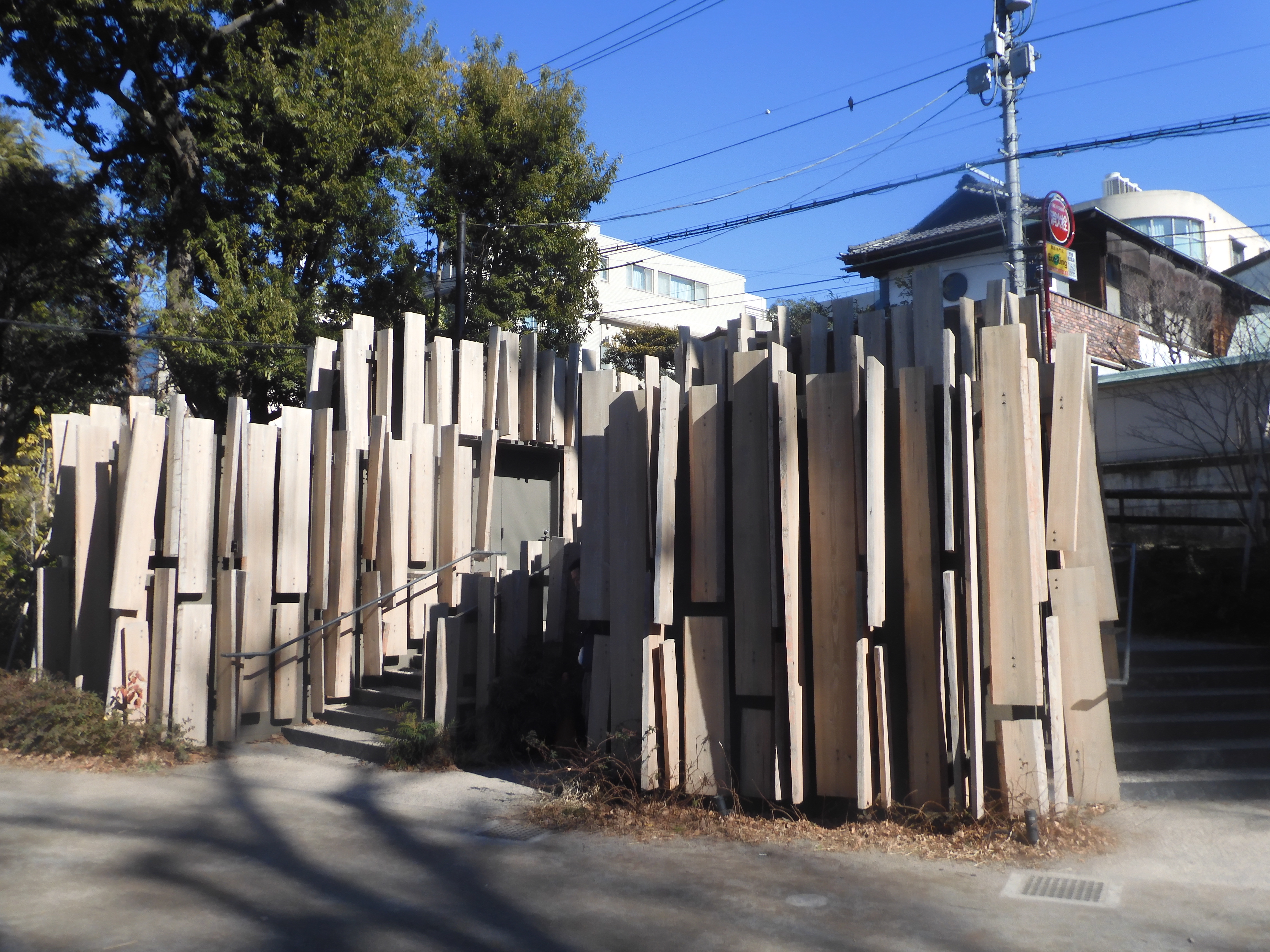
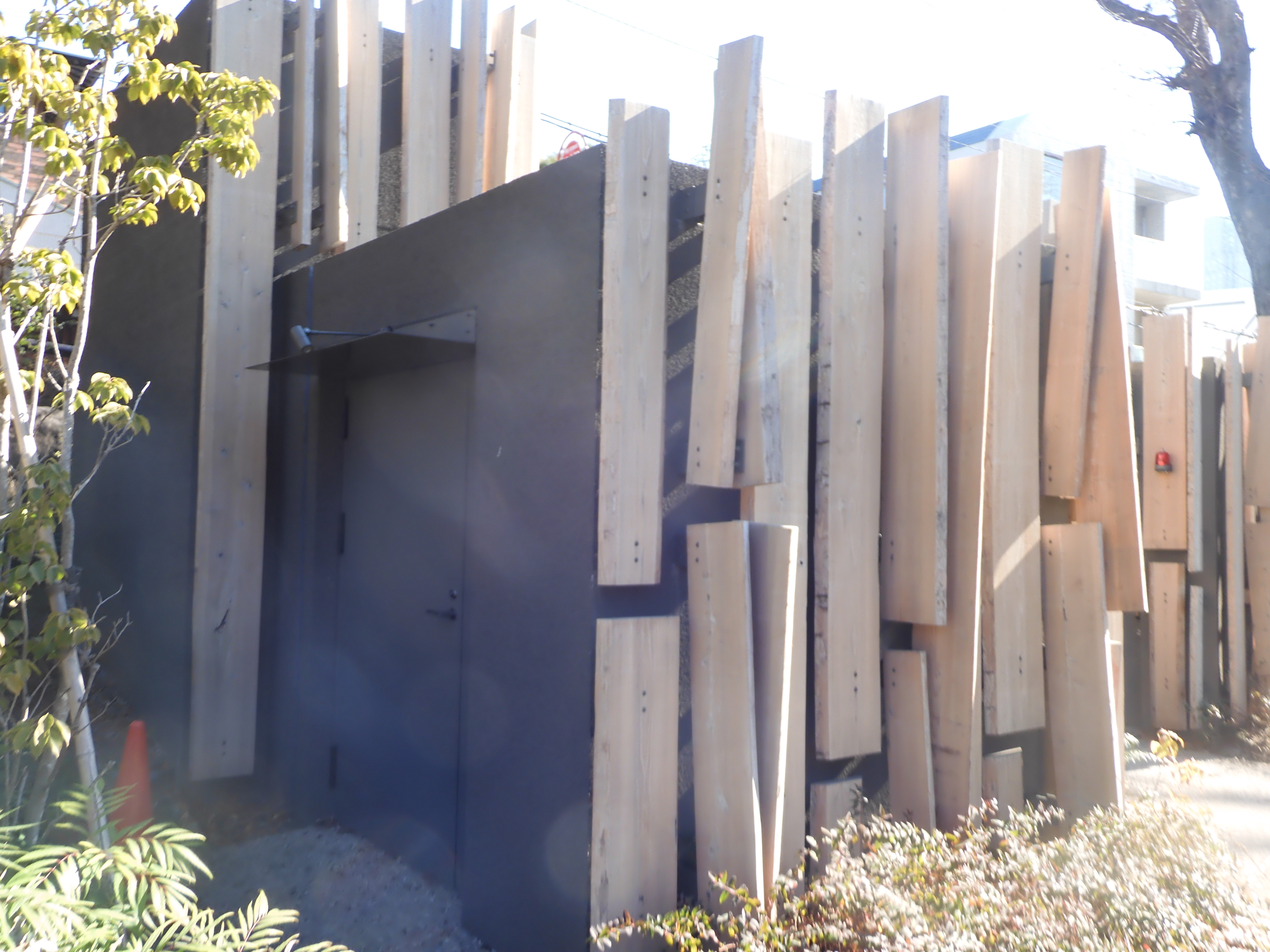


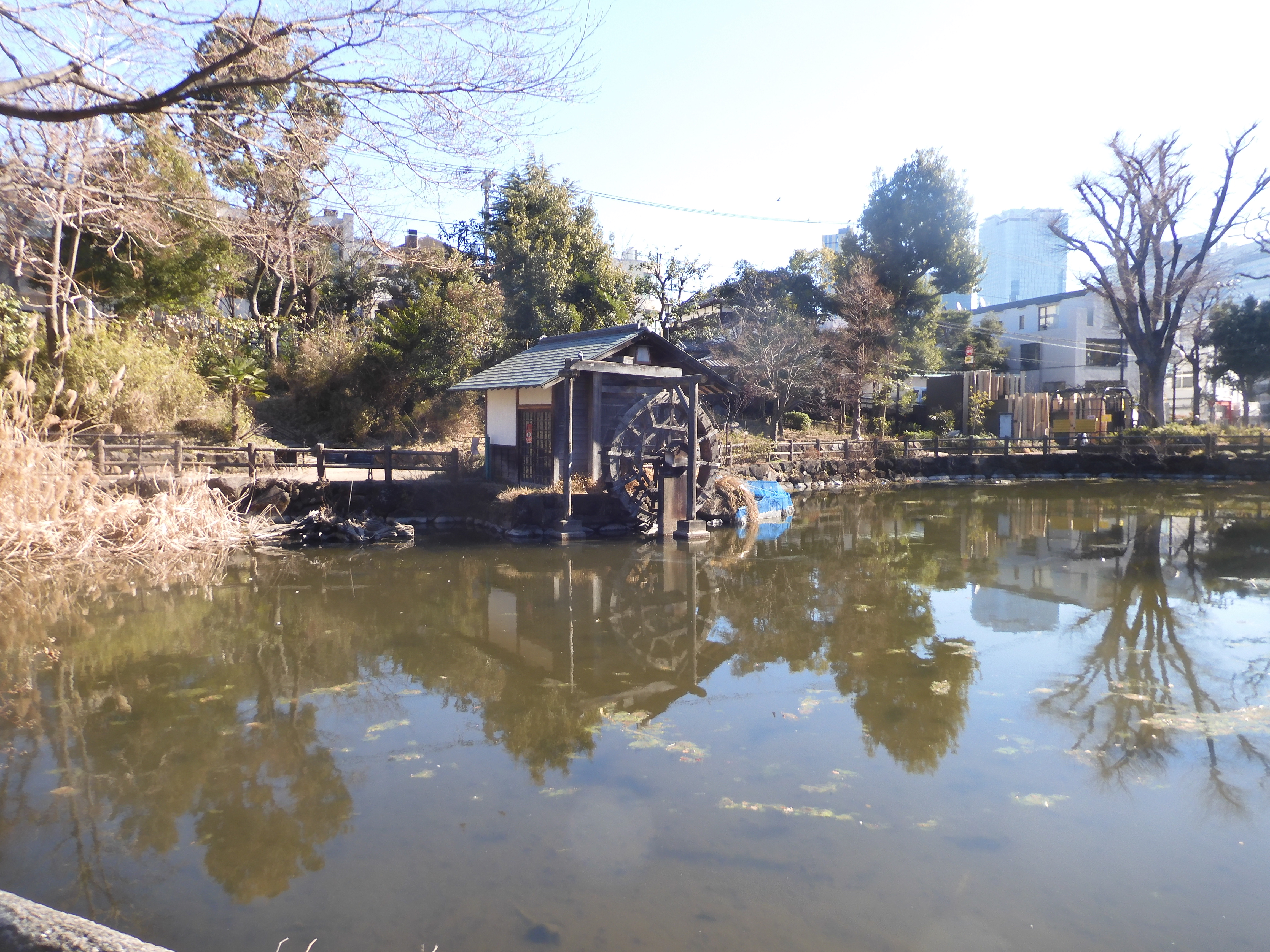
Whilst the park itself is worth pausing in with its pond and small water mill.

From there to the Ebisu Four, which could be the title of a yakuza gangster movie but is just my word for a group of conveniences all convenient for Ebisu station.

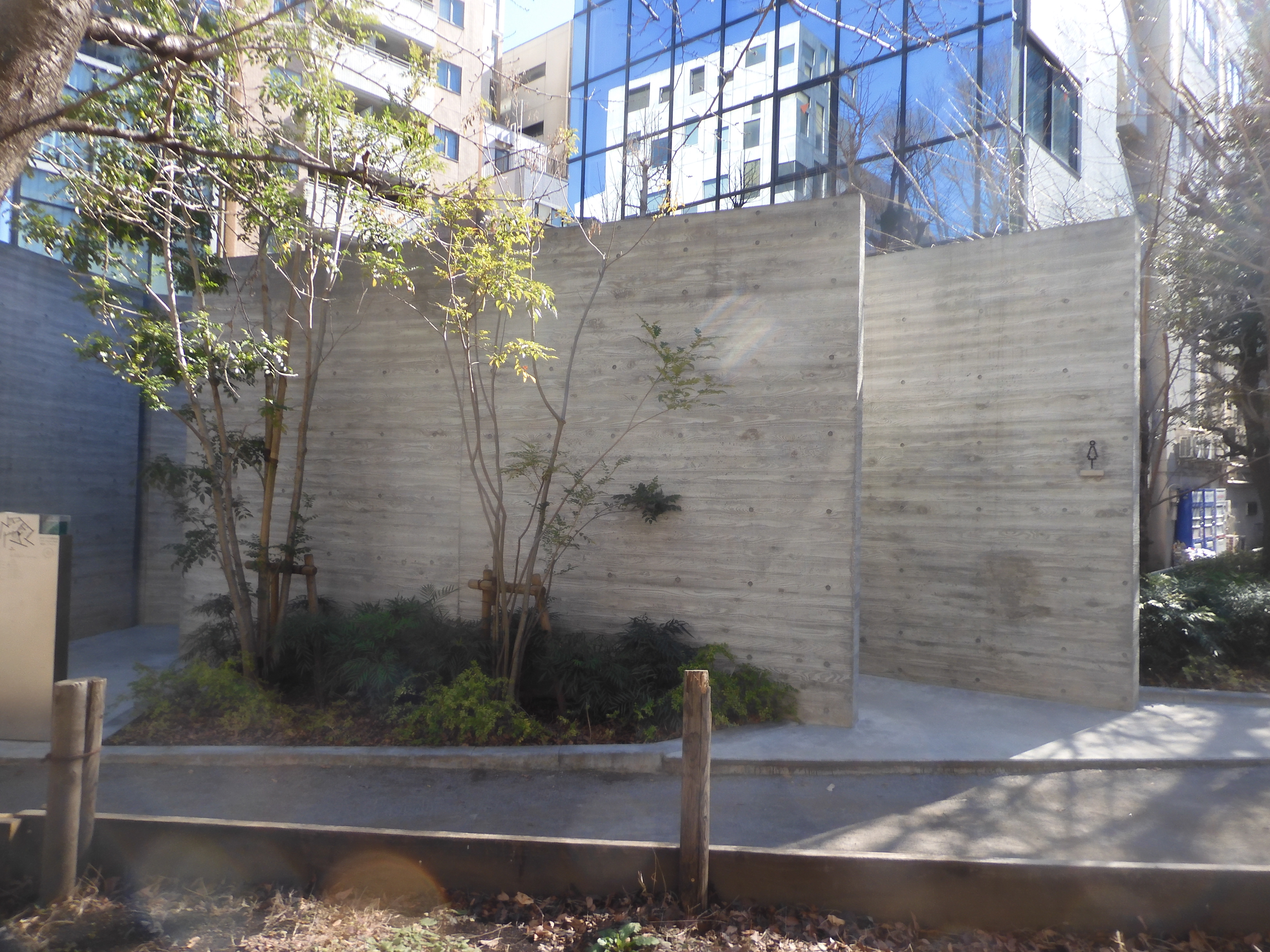
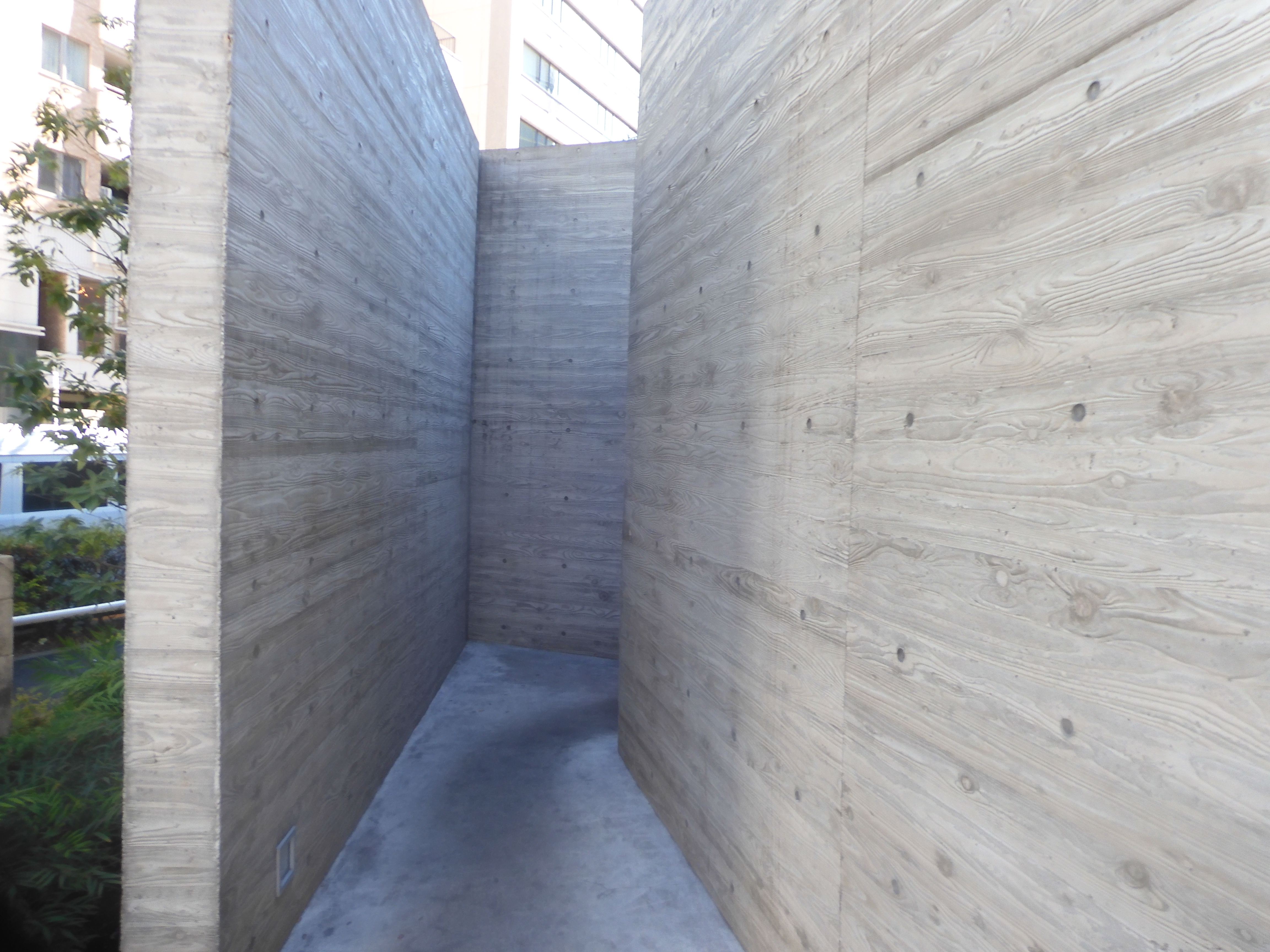
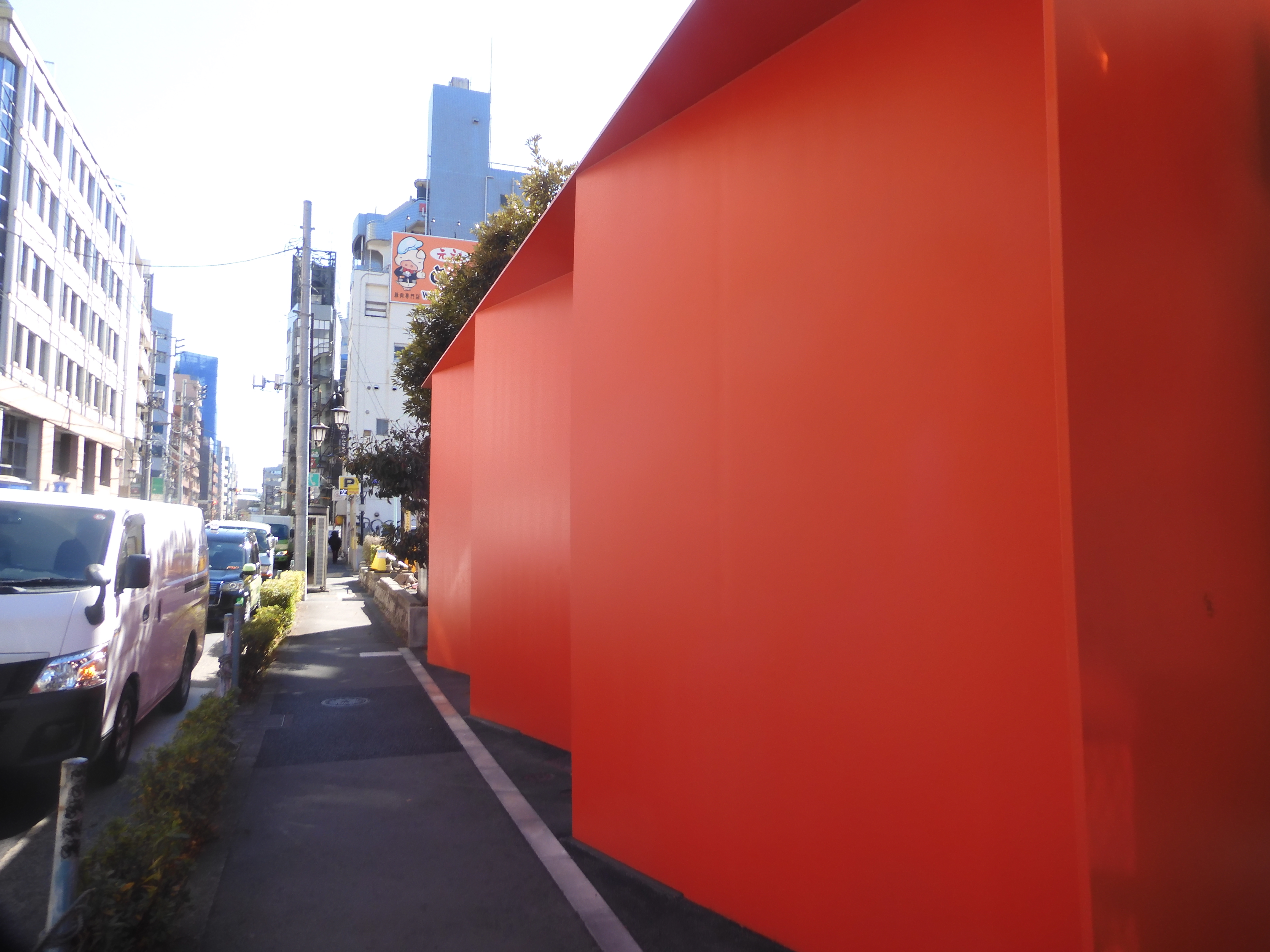


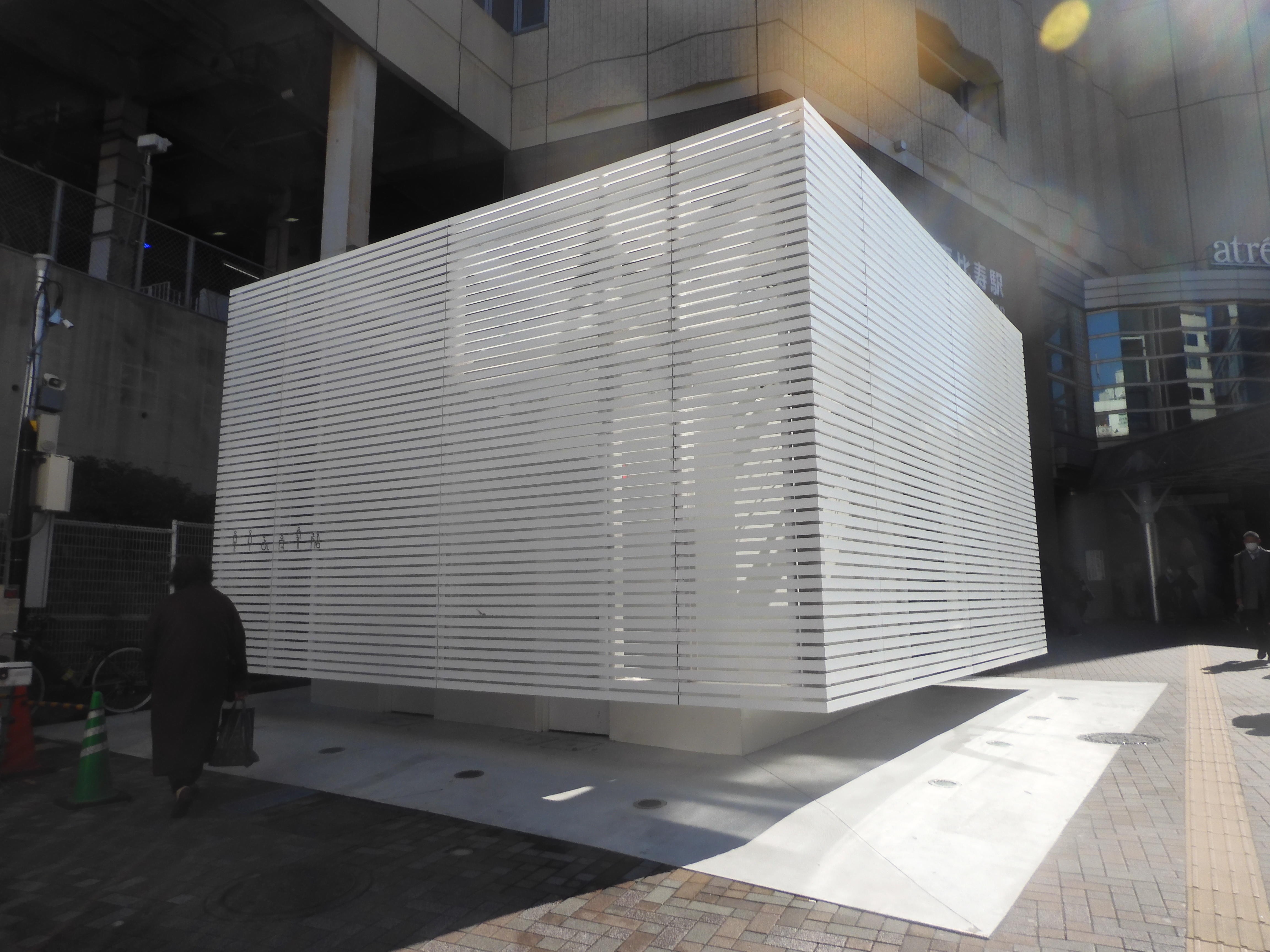
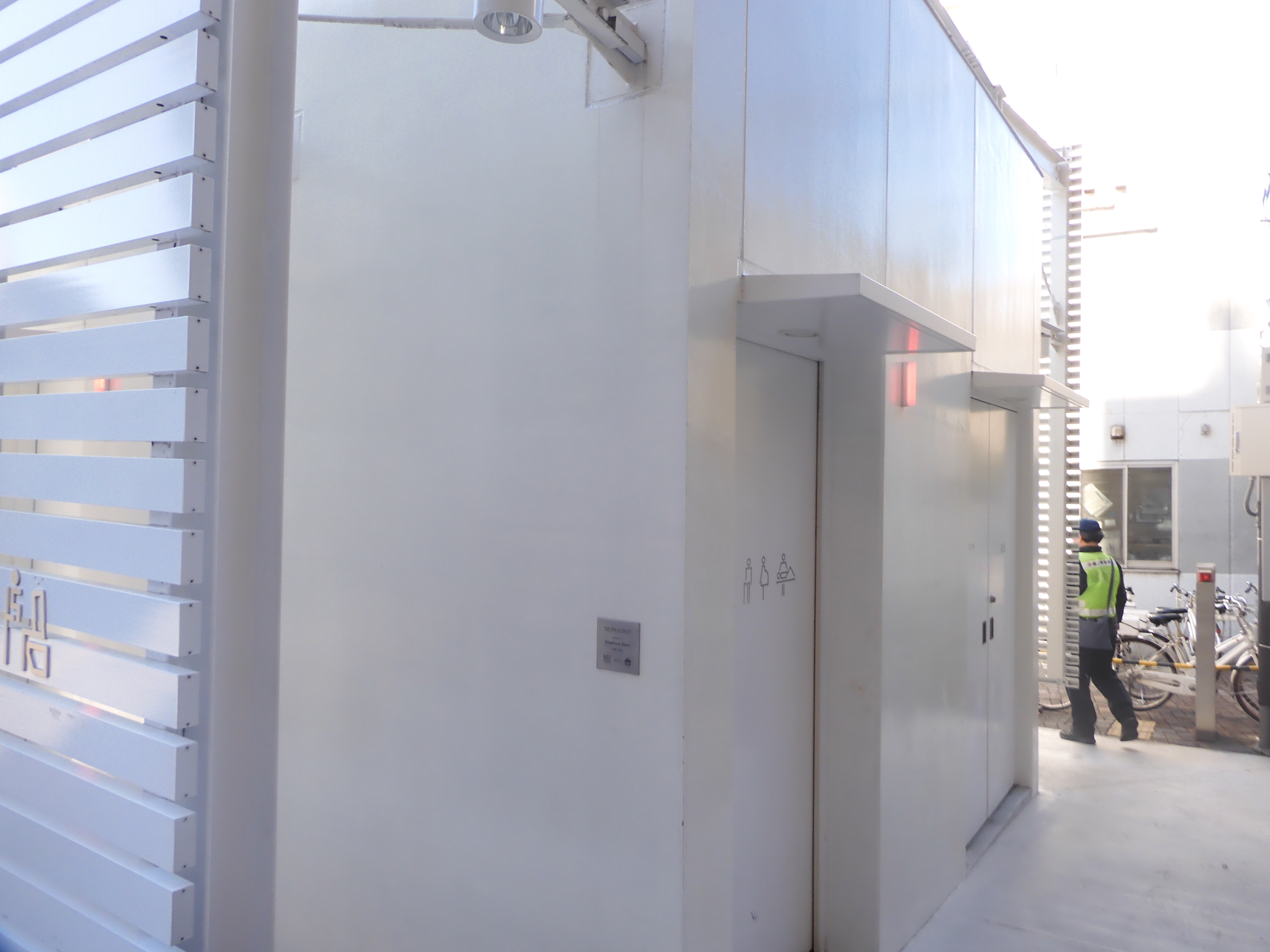


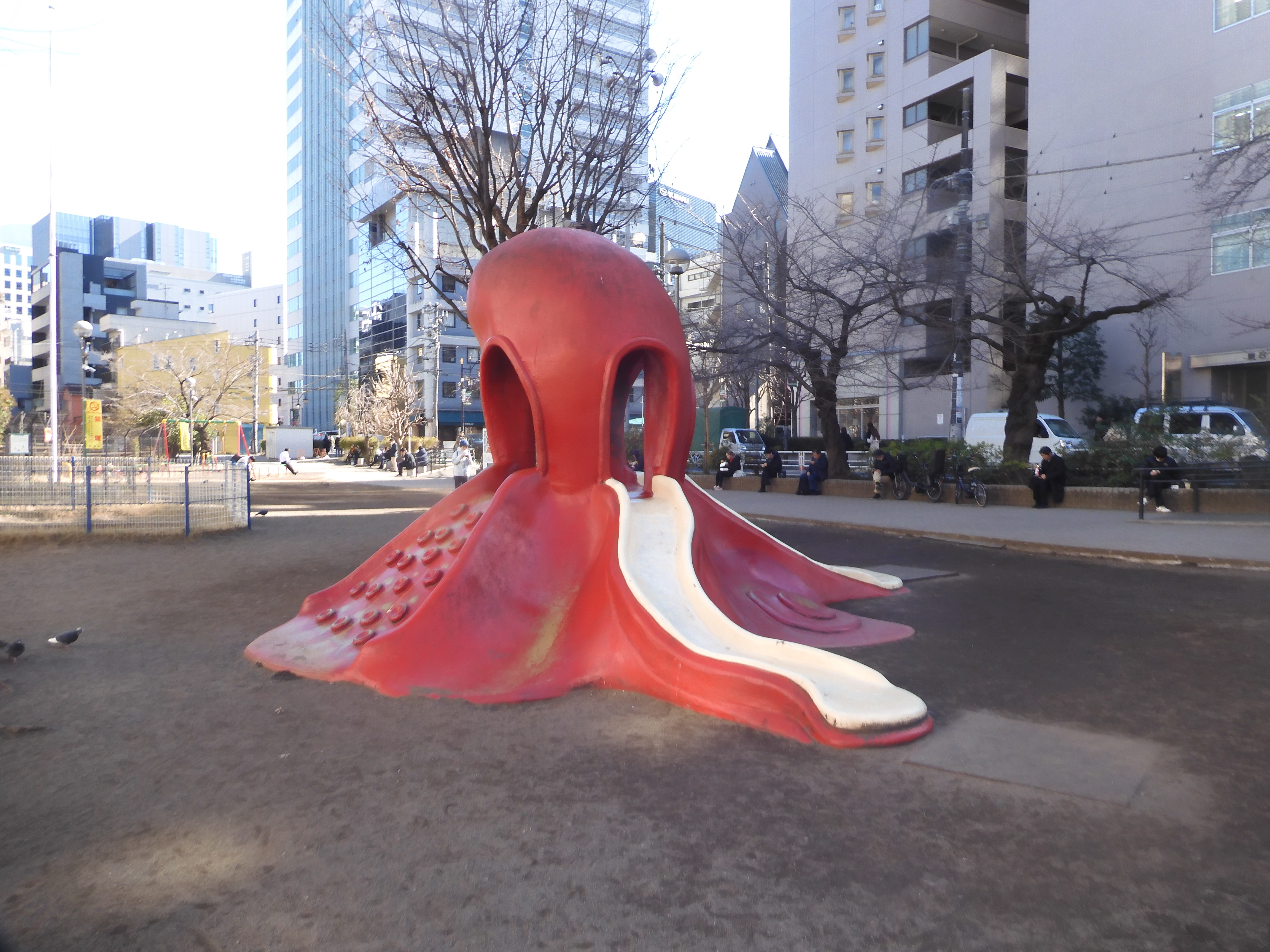
And here’s the creature which gives the park its name!
And now an outlier in fashionable Hiroo district.
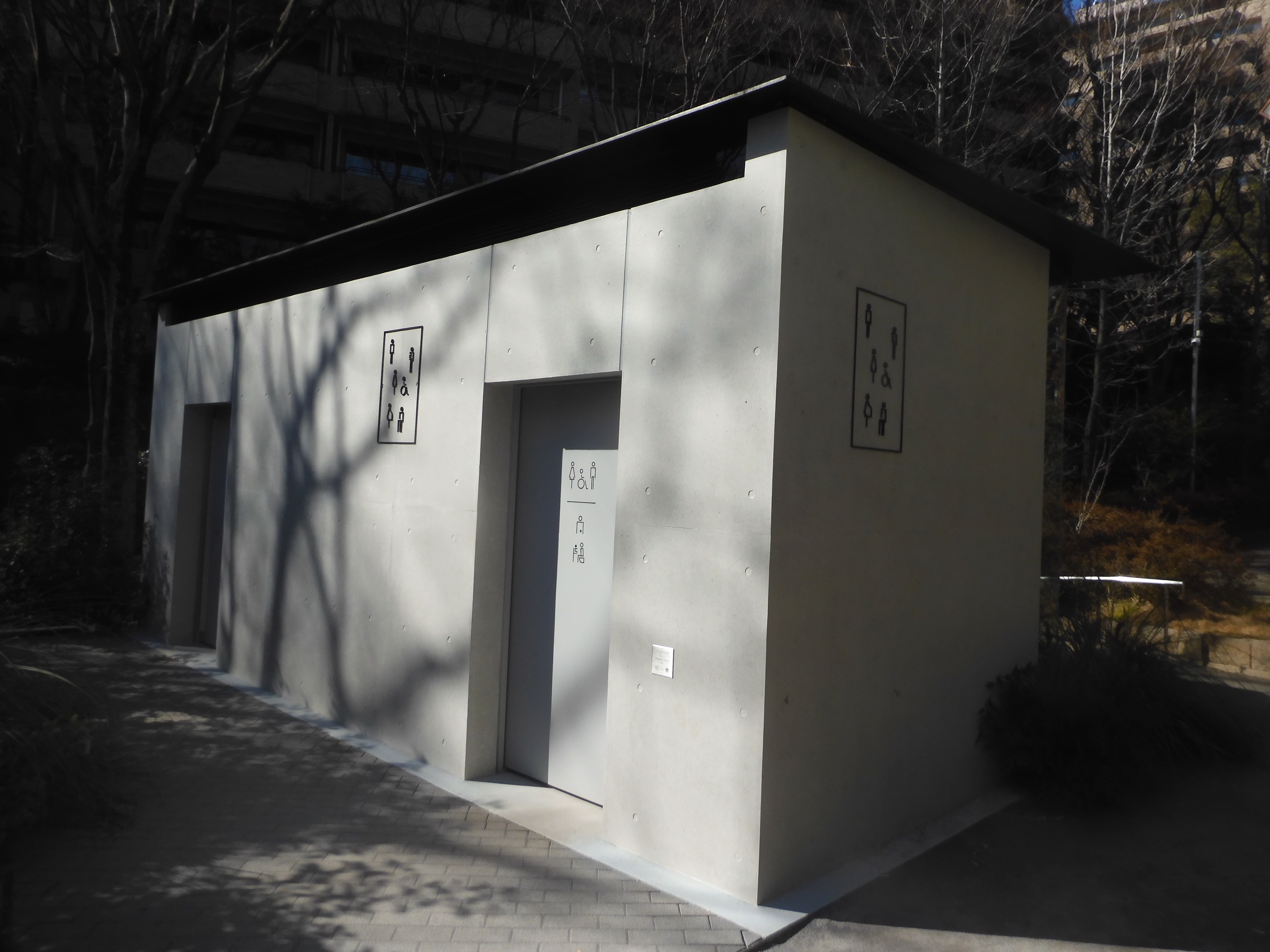
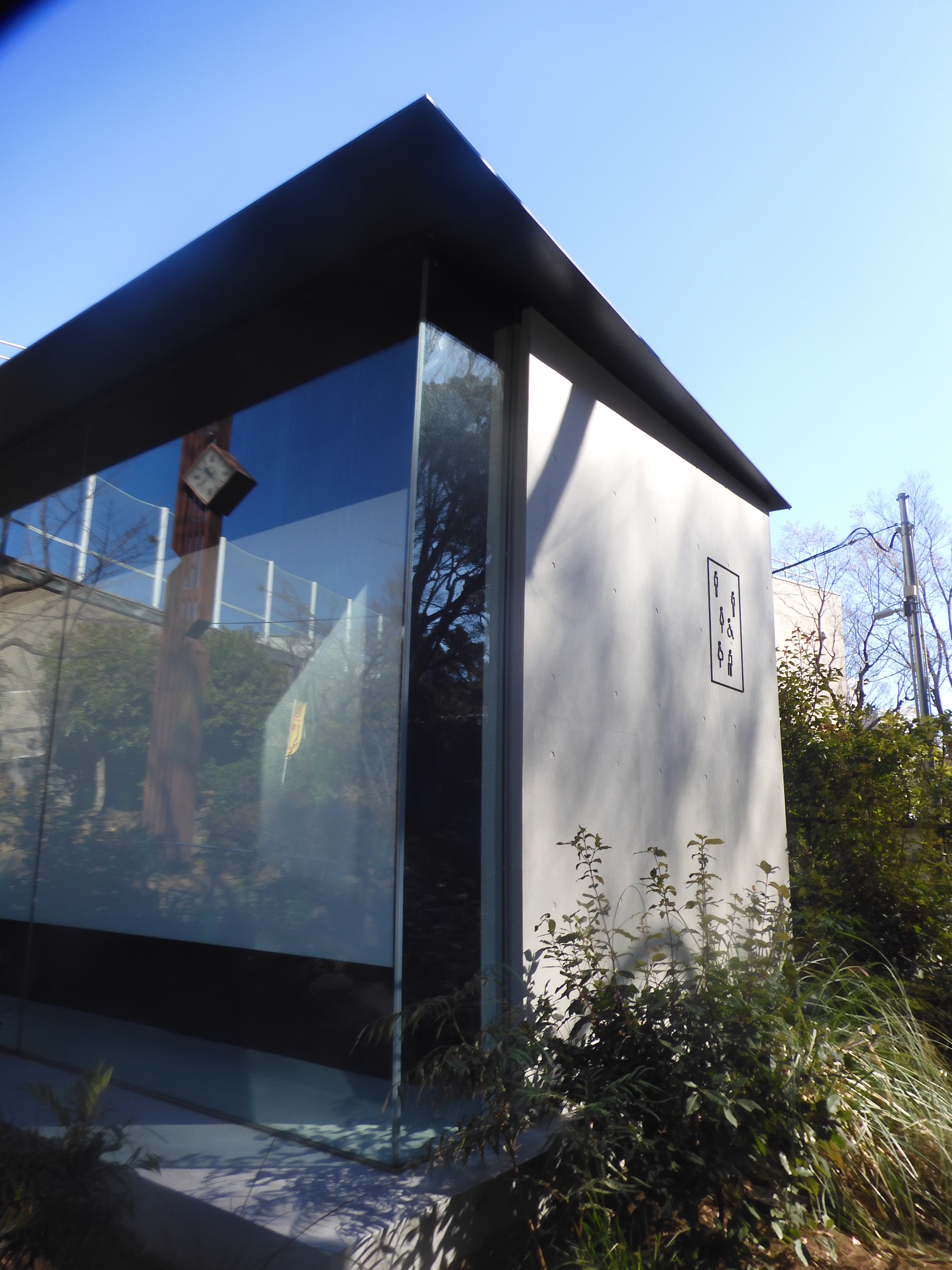
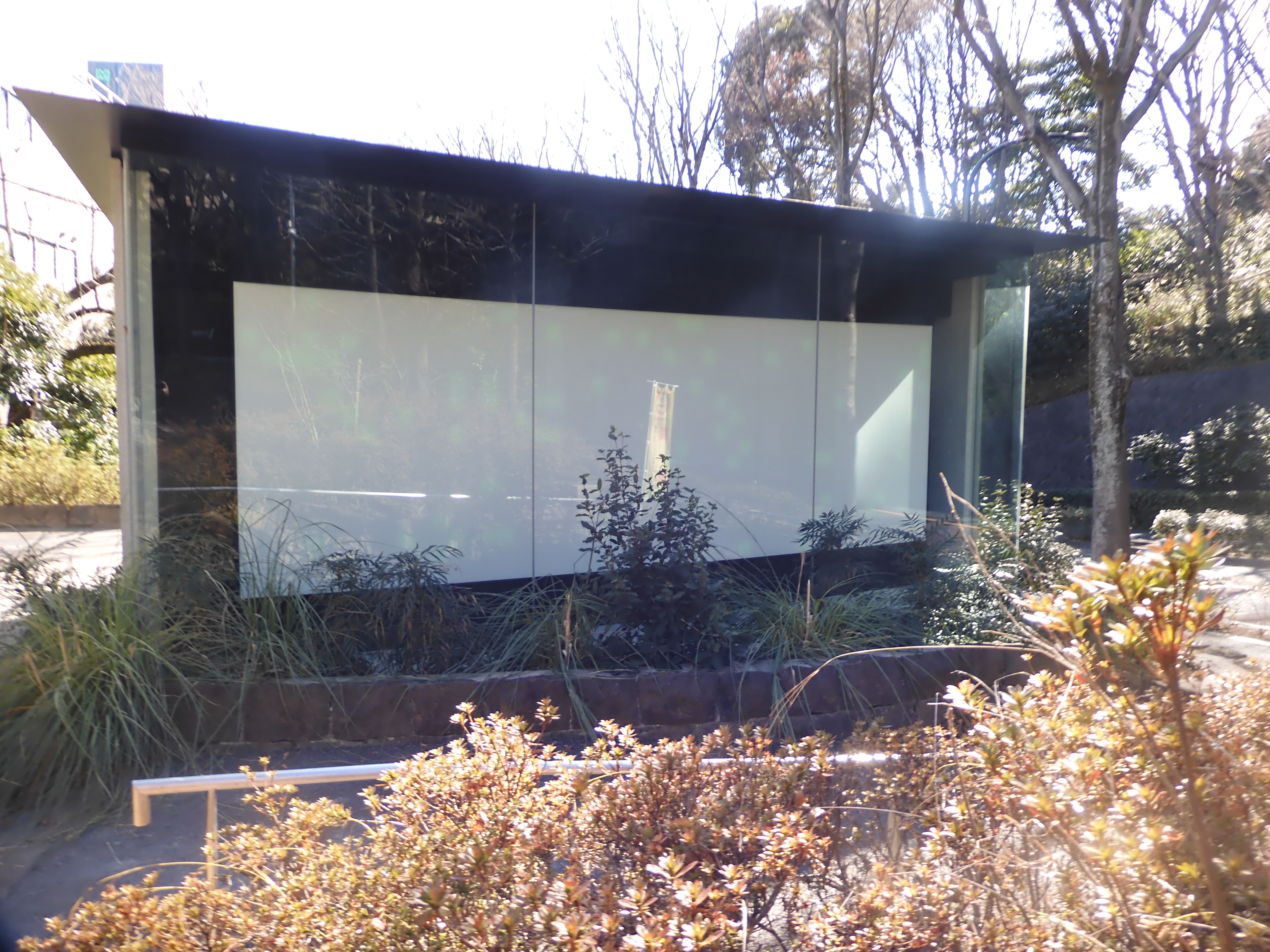
And heading back towards Shibuya
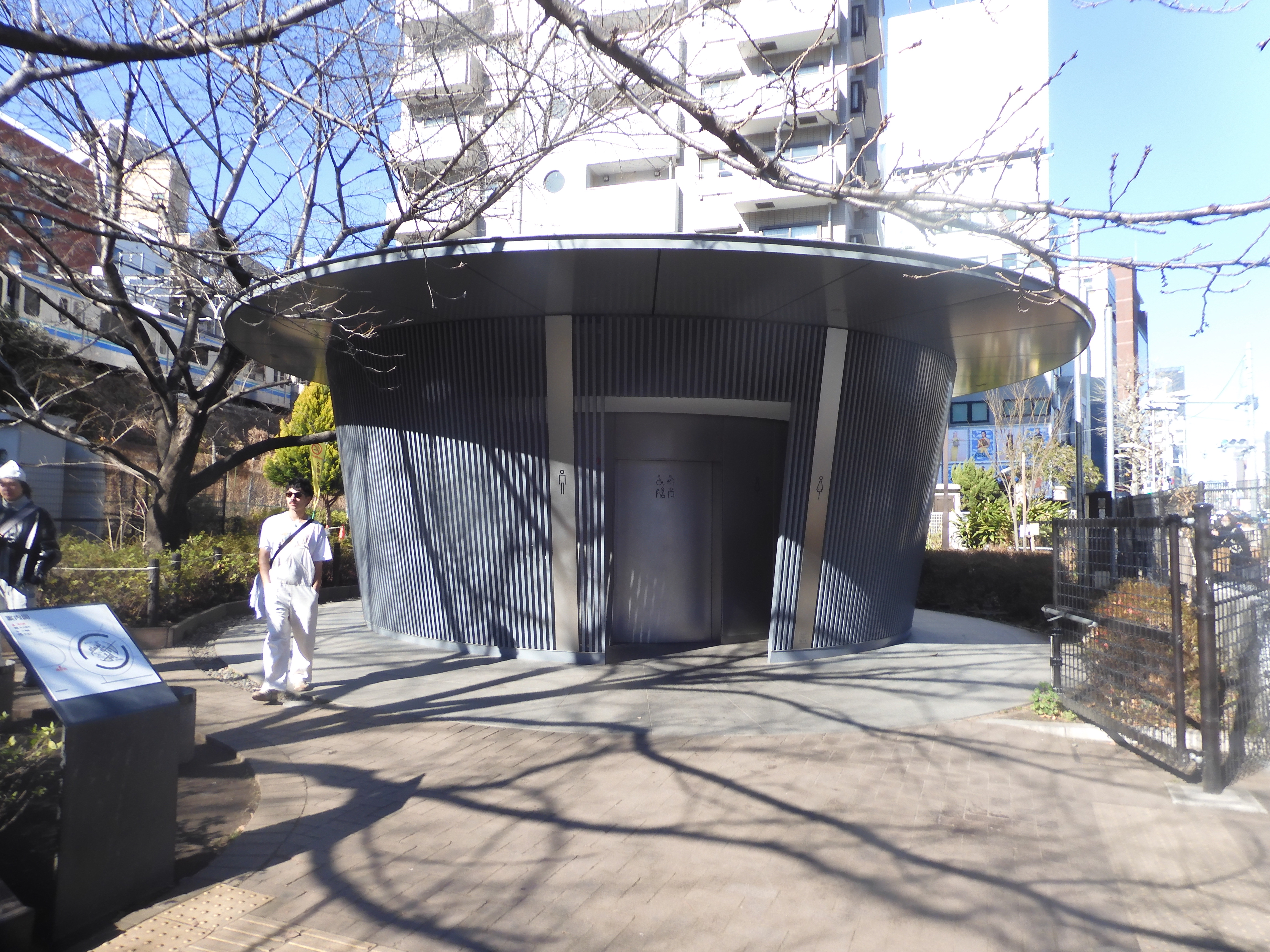

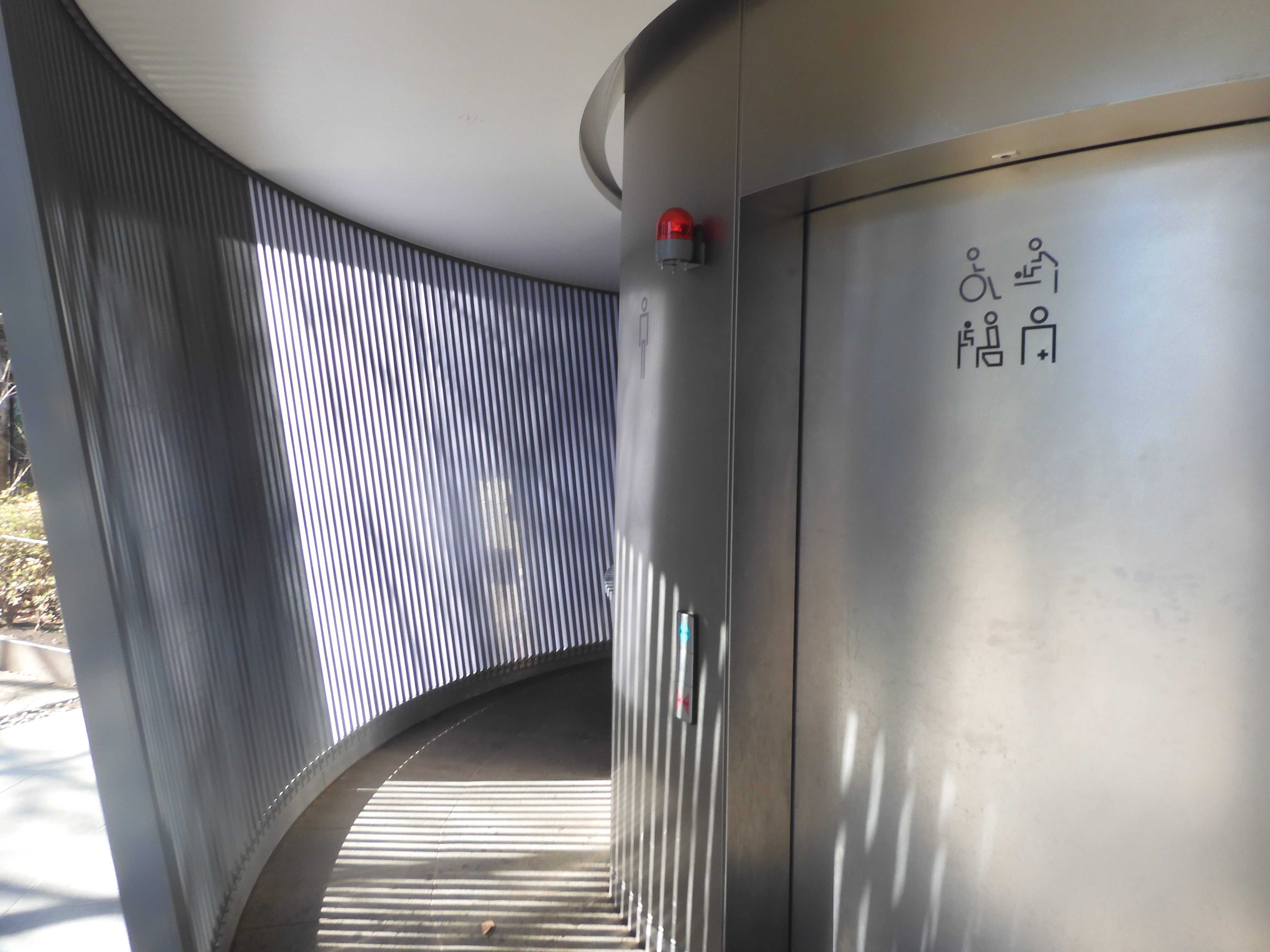
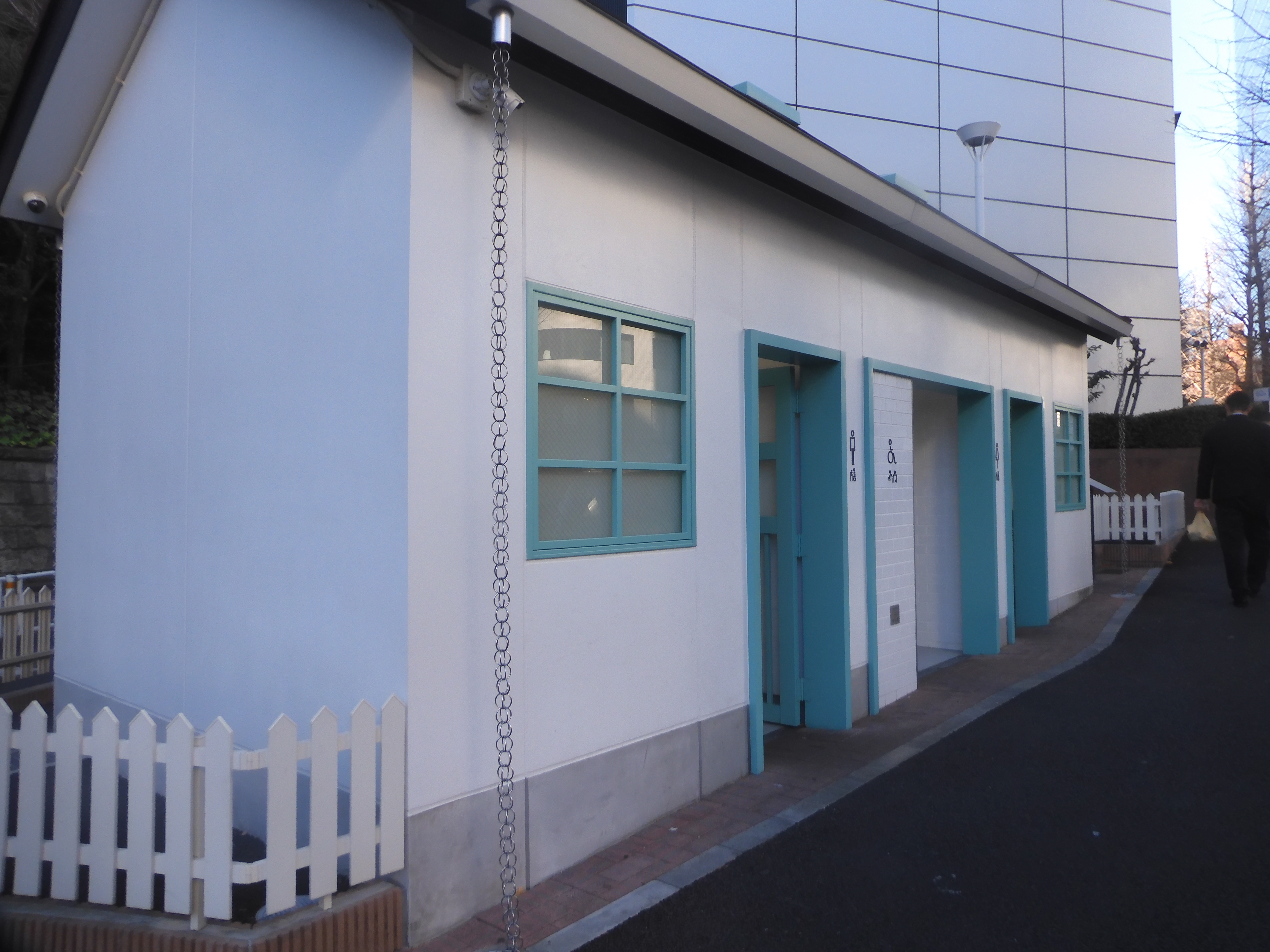

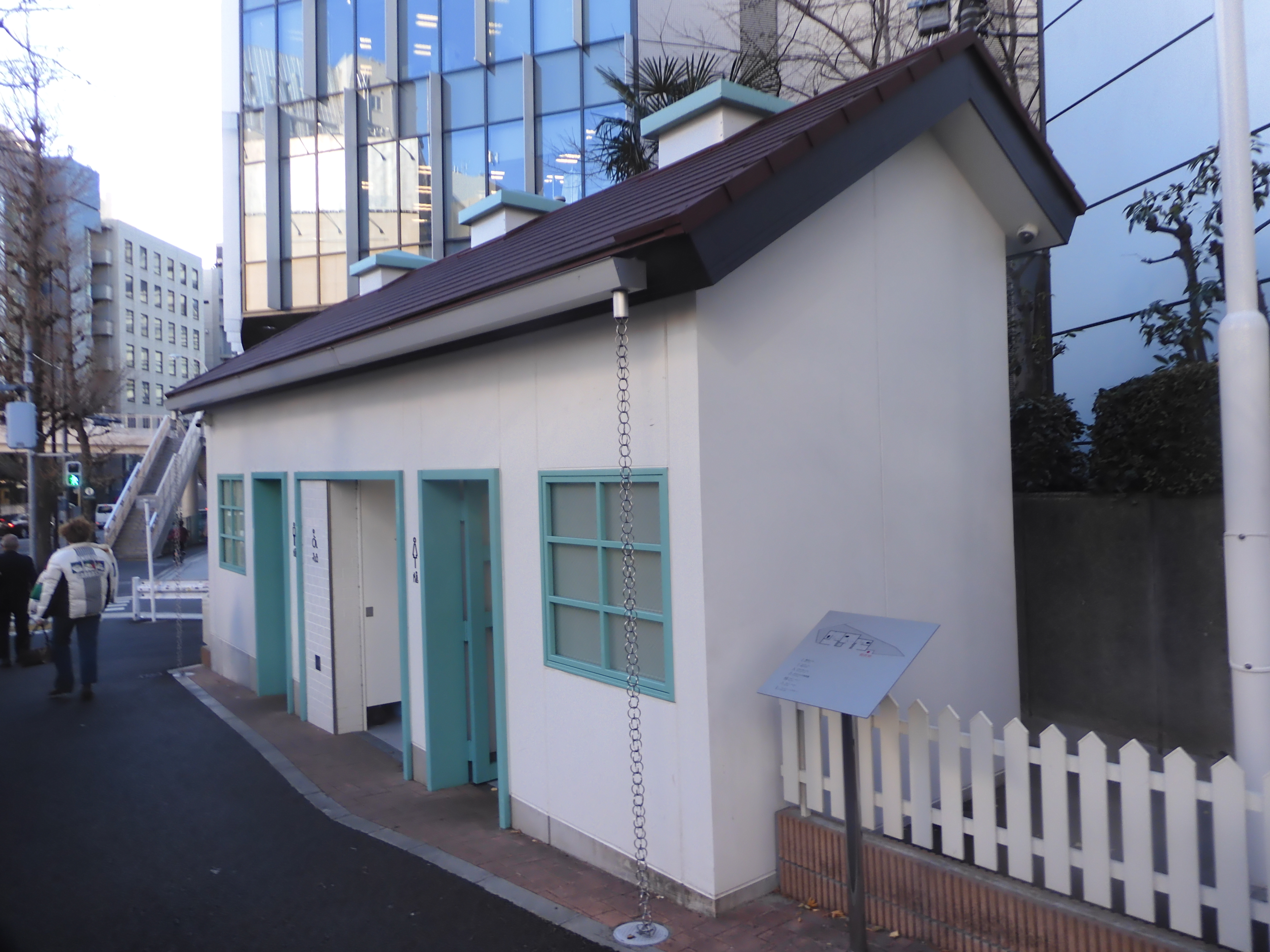
I visited most of these toilets accompanied by my good friend and walking companion, Yu Yoshida who lives in the Sasazuka area of Tokyo which has its own selection of Toilets.


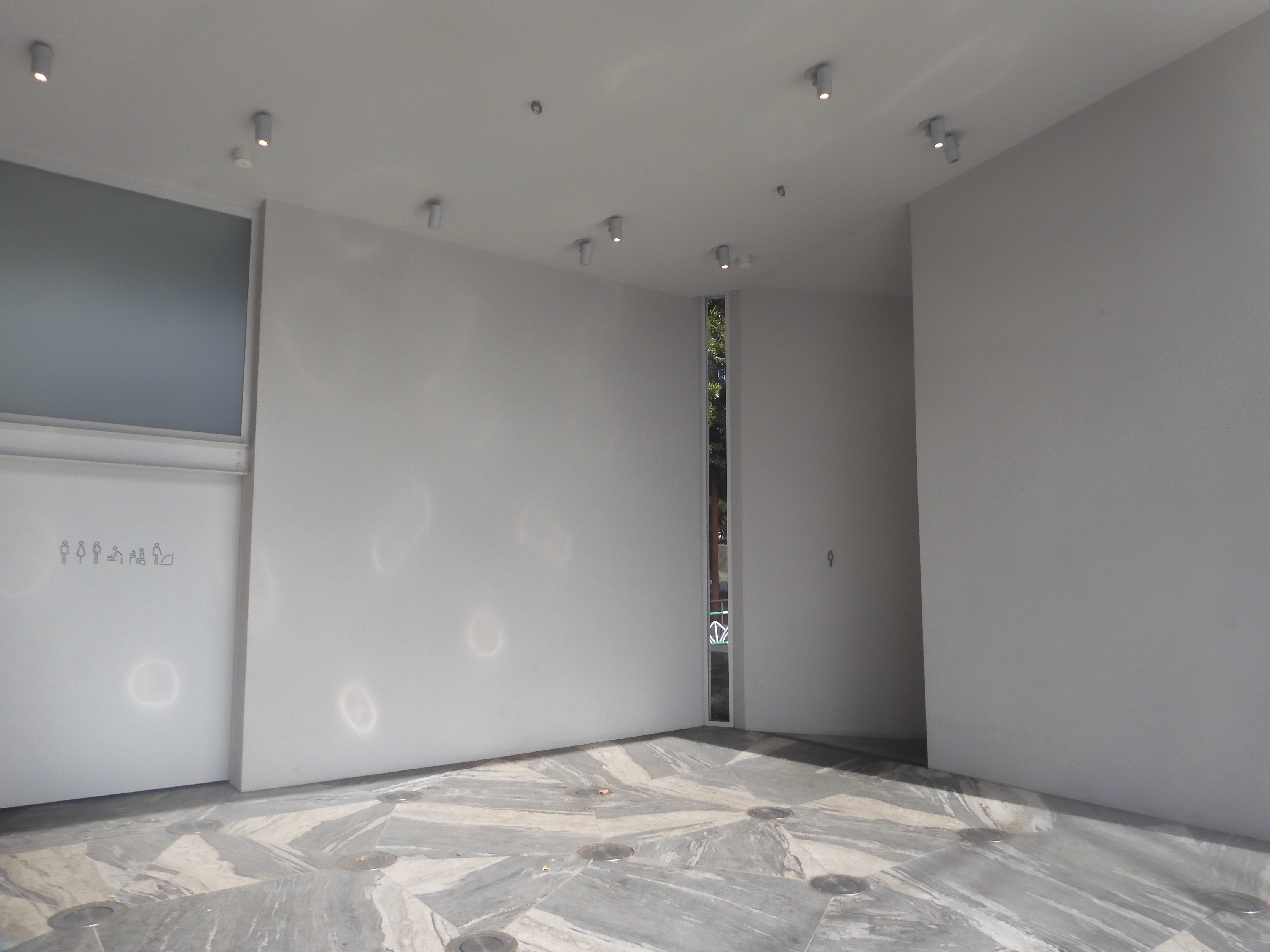


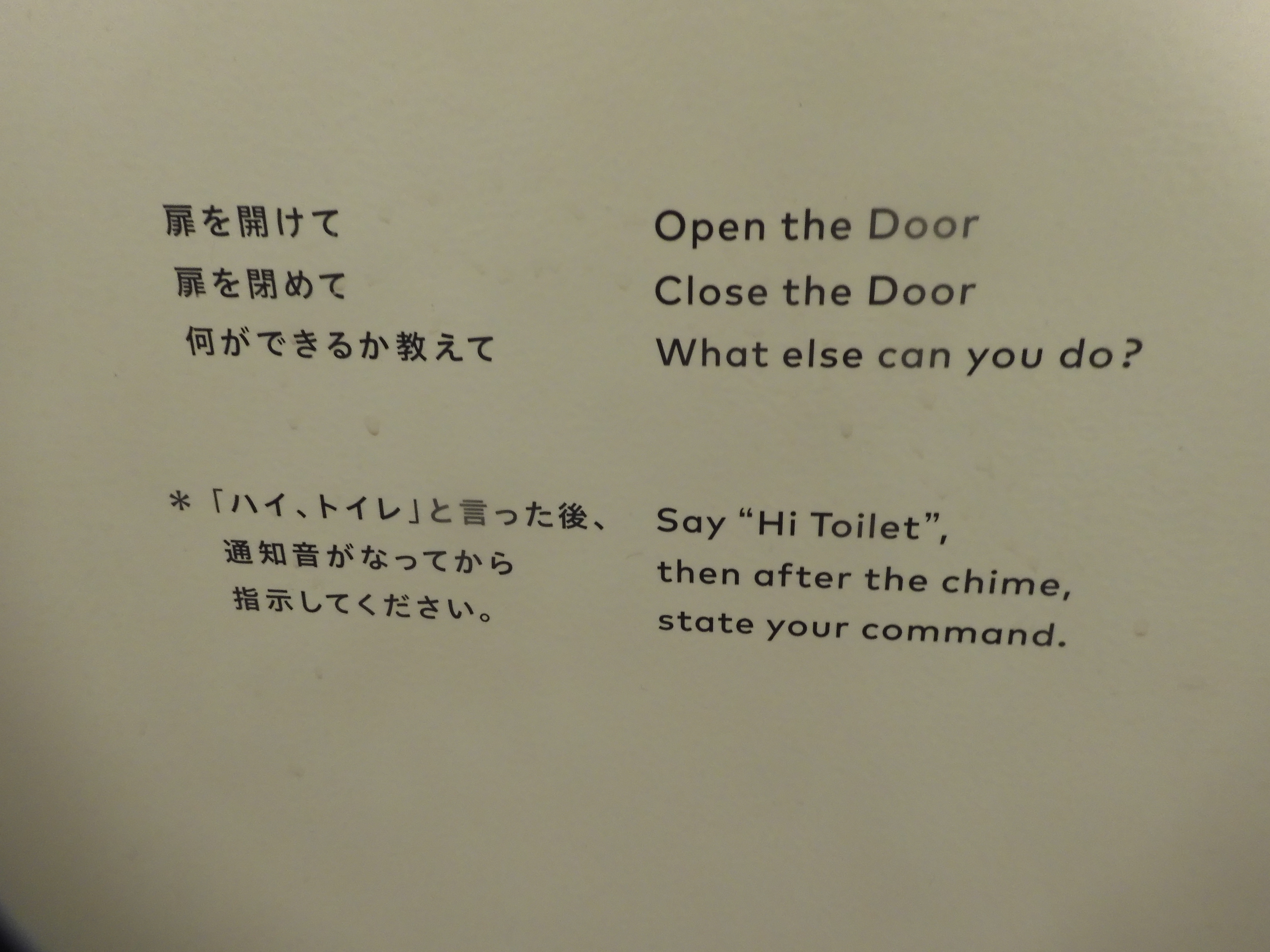
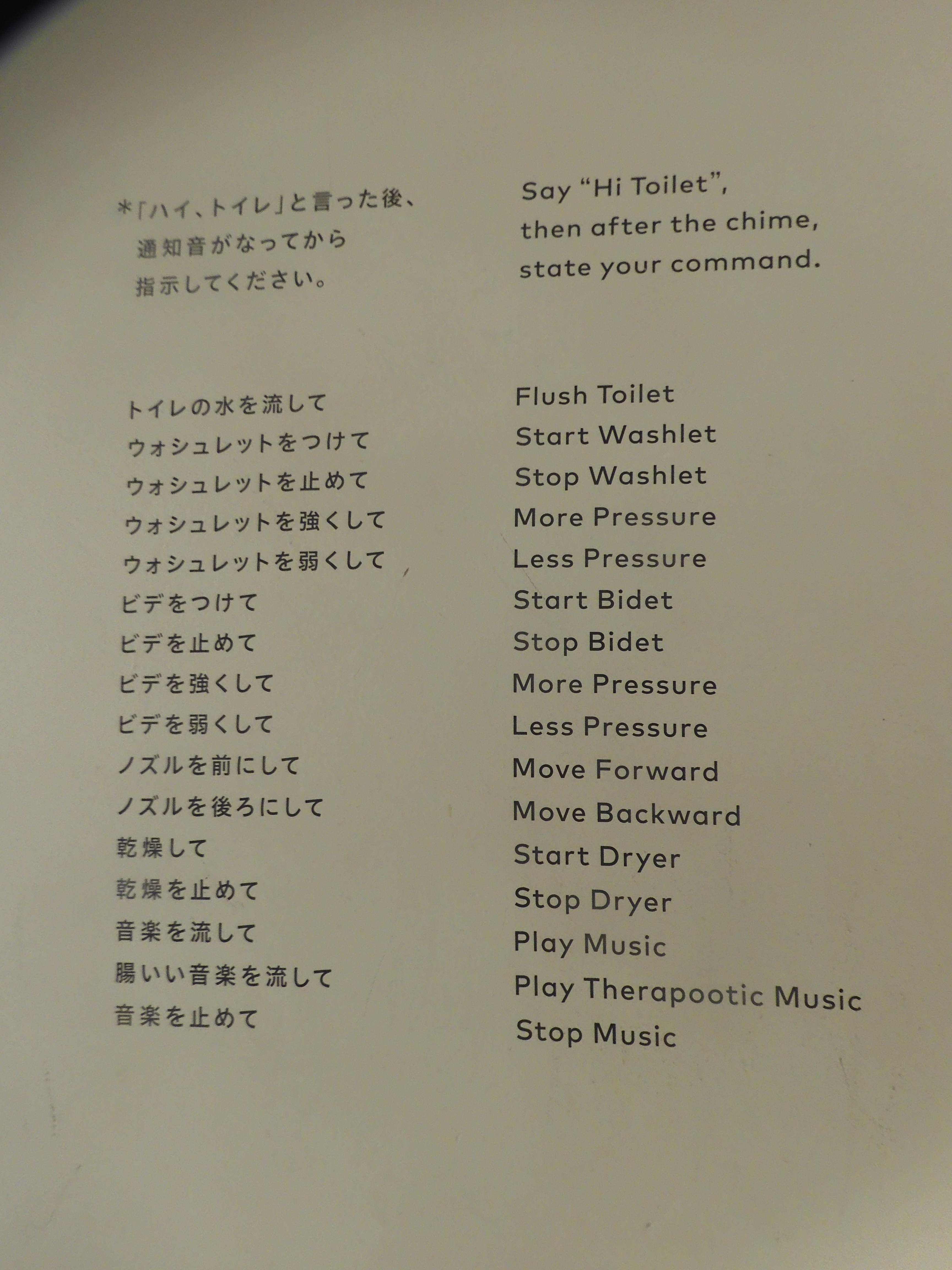
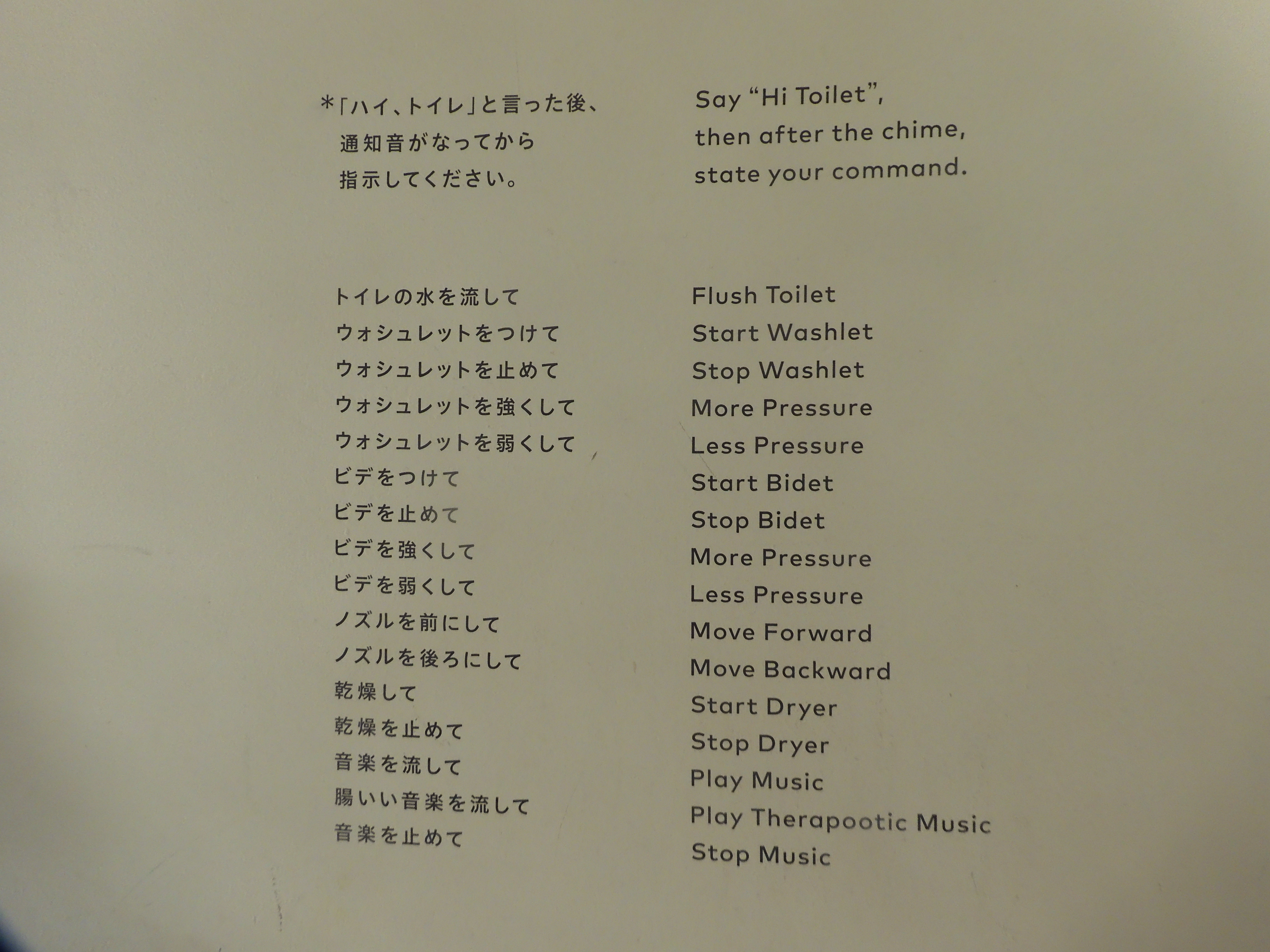
I tried but it didn’t work for me – maybe it wasn’t programmed for a British accent?!
And last, but not least a final look at, but not into those transparent toilets which were were not exactly flushed with success. ‘Due to the drop in temperature, it takes time for the glass walls to become opaque, so this toilet will remain opaque…from October 13, 2023 to mid-May 2024.’
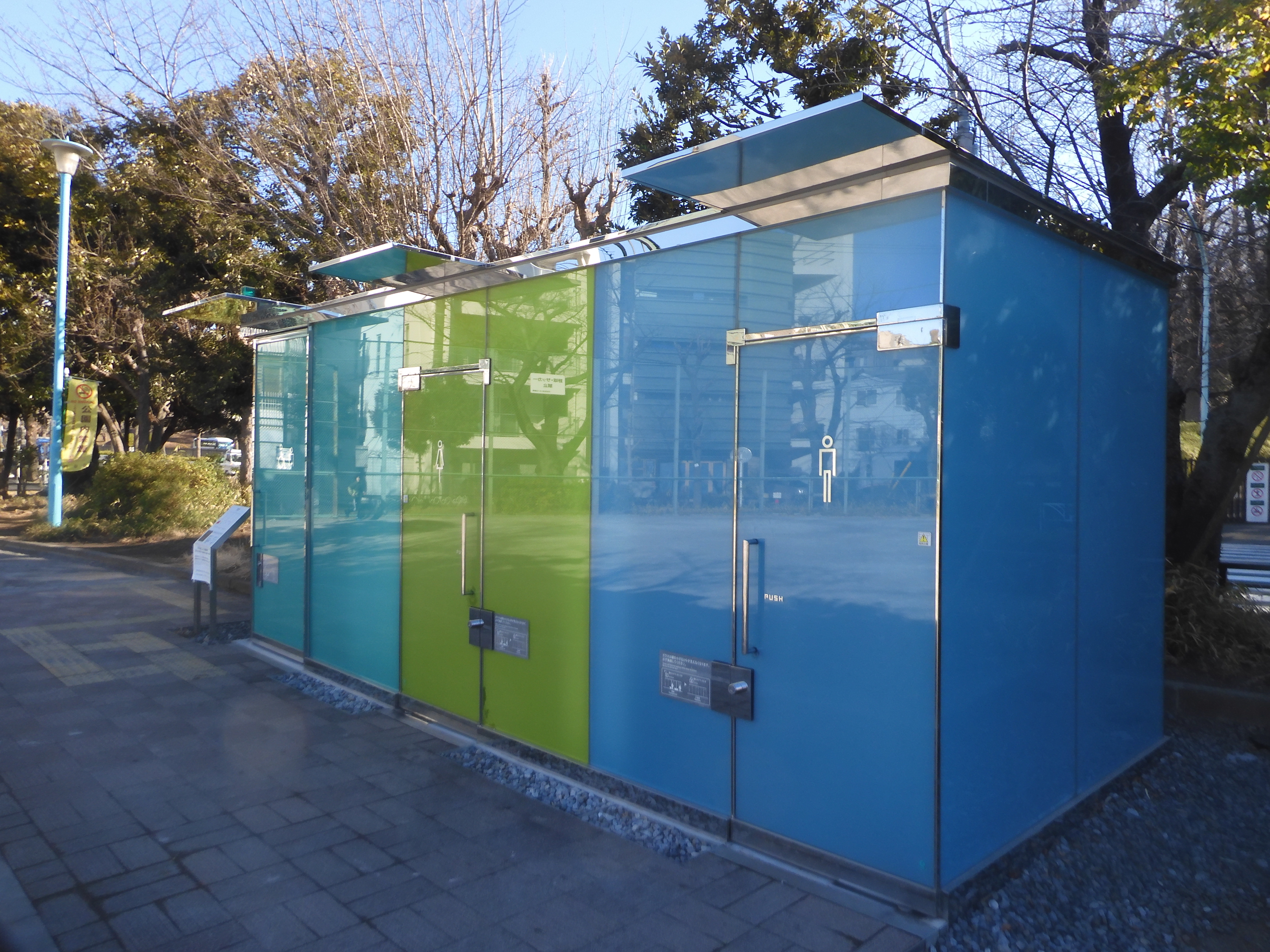
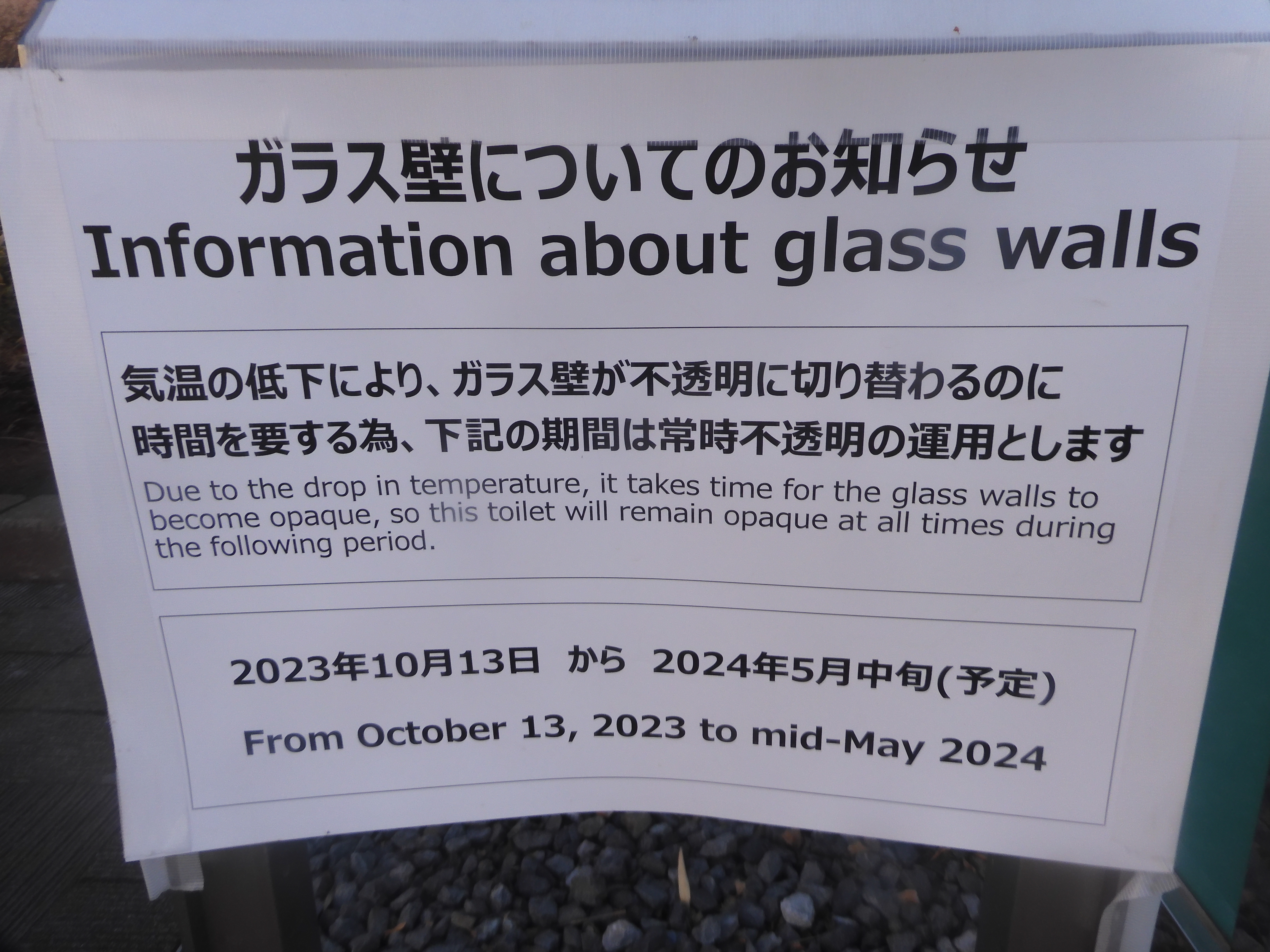
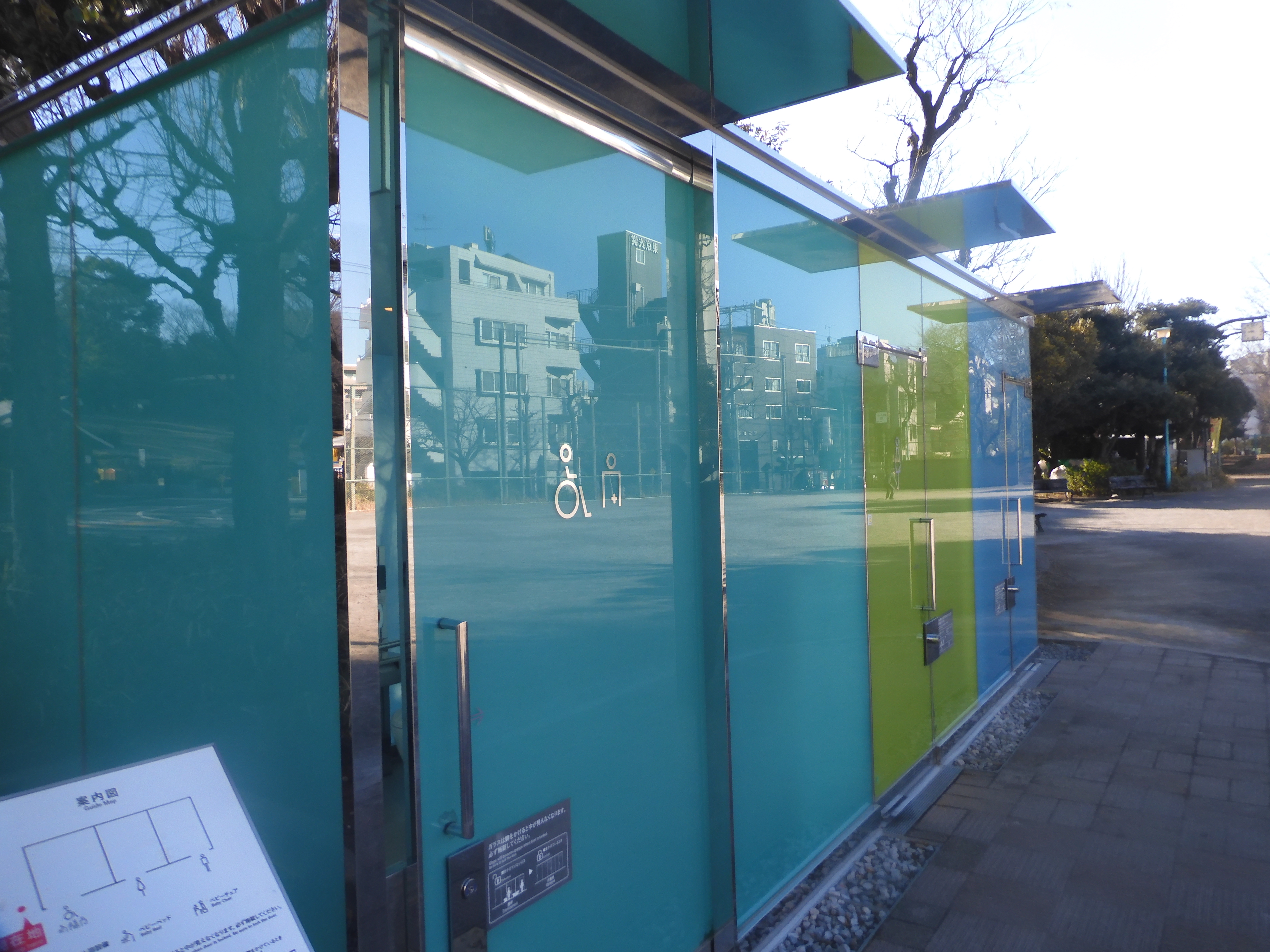
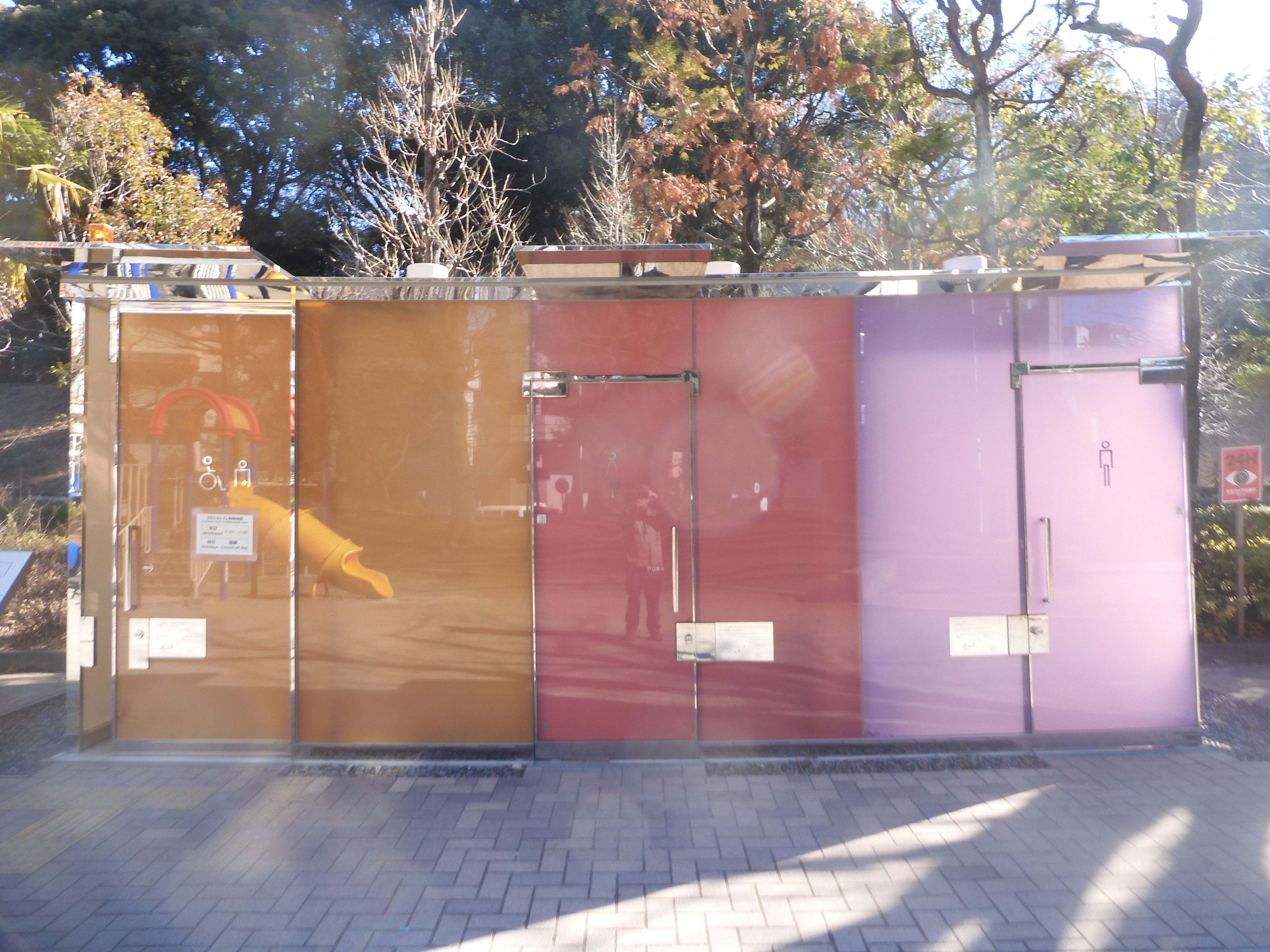
”Houston, we have a problem!” Visitors seeking the now-you-see-me-now- you- don’t experience will have to time their loo trips accordingly.
And now for a few images of ‘Not the Tokyo Toilet’ to show what it meant to be excused before this project took off.

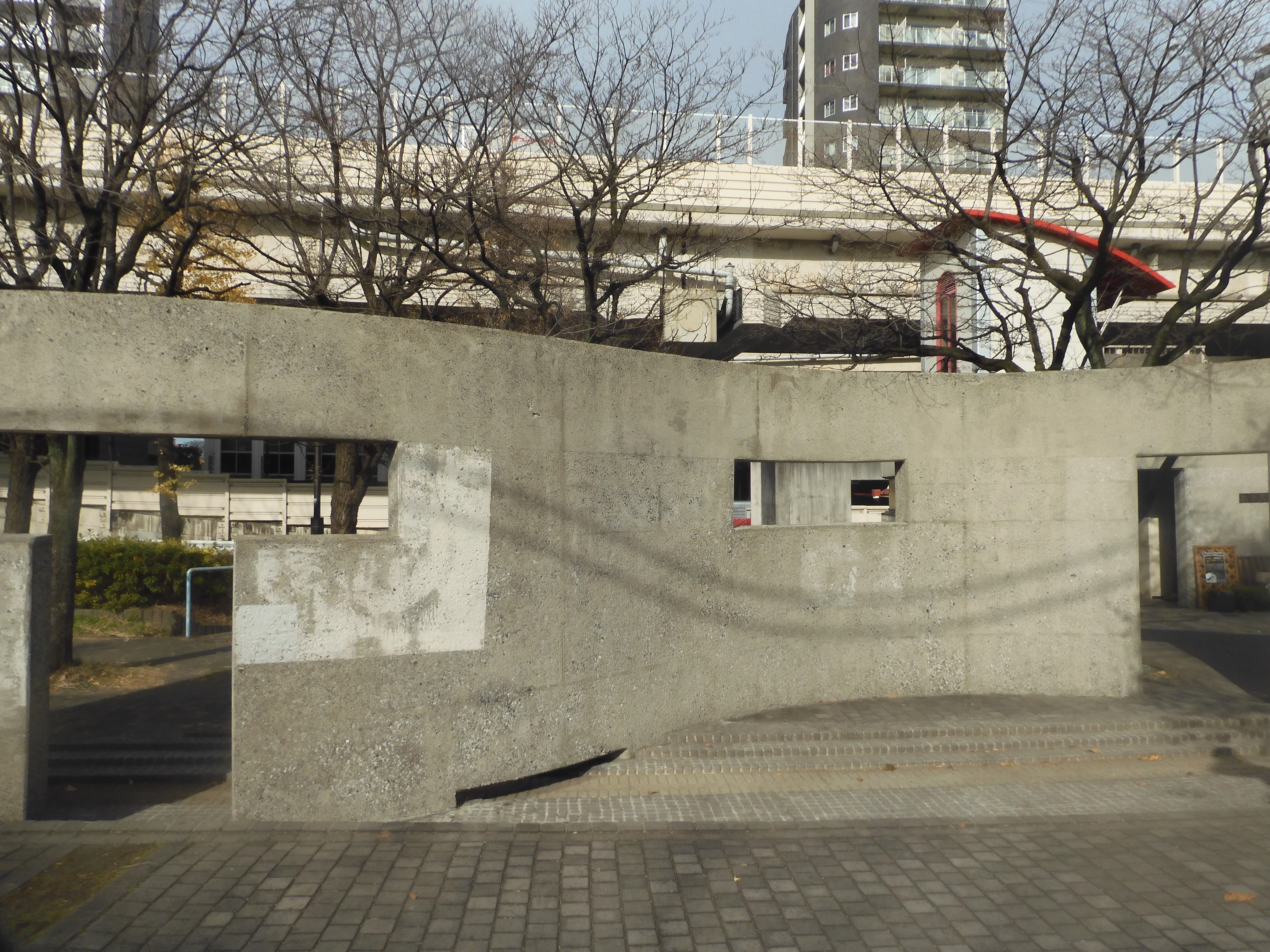

It would be remiss of me not to reflect on a UK angle to all of this as Japanese visitors to the England would be forgiven for having a similar negative and well-founded view on some of our less salubrious attractions. But recent stays back home have given me some hope as far fewer of our public toilets now charge. In fact, ‘to spend a penny’ was once a less direct expression for ‘going to the toilet’ as that was once the pre-decimalisation charge for their use. The only places I was relieved of coinage to relieve myself were Northampton bus station (20 pence) and Birmingham Coach station which charged an extortionate 30 pence (a x70 increase over the original penny.) 30p to have a pee, that’s just taking the p*** isn’t it?












 Albihon