Tag: urban walks

The Bog blog

‘Bog’ = 1. An area of soft, wet, muddy, ground. 2. British English (informal). A toilet. (Compact Oxford English dictionary).

For this piece, I shall be using the second definition so there will be language relating to toilets and bodily functions – you have been warned!

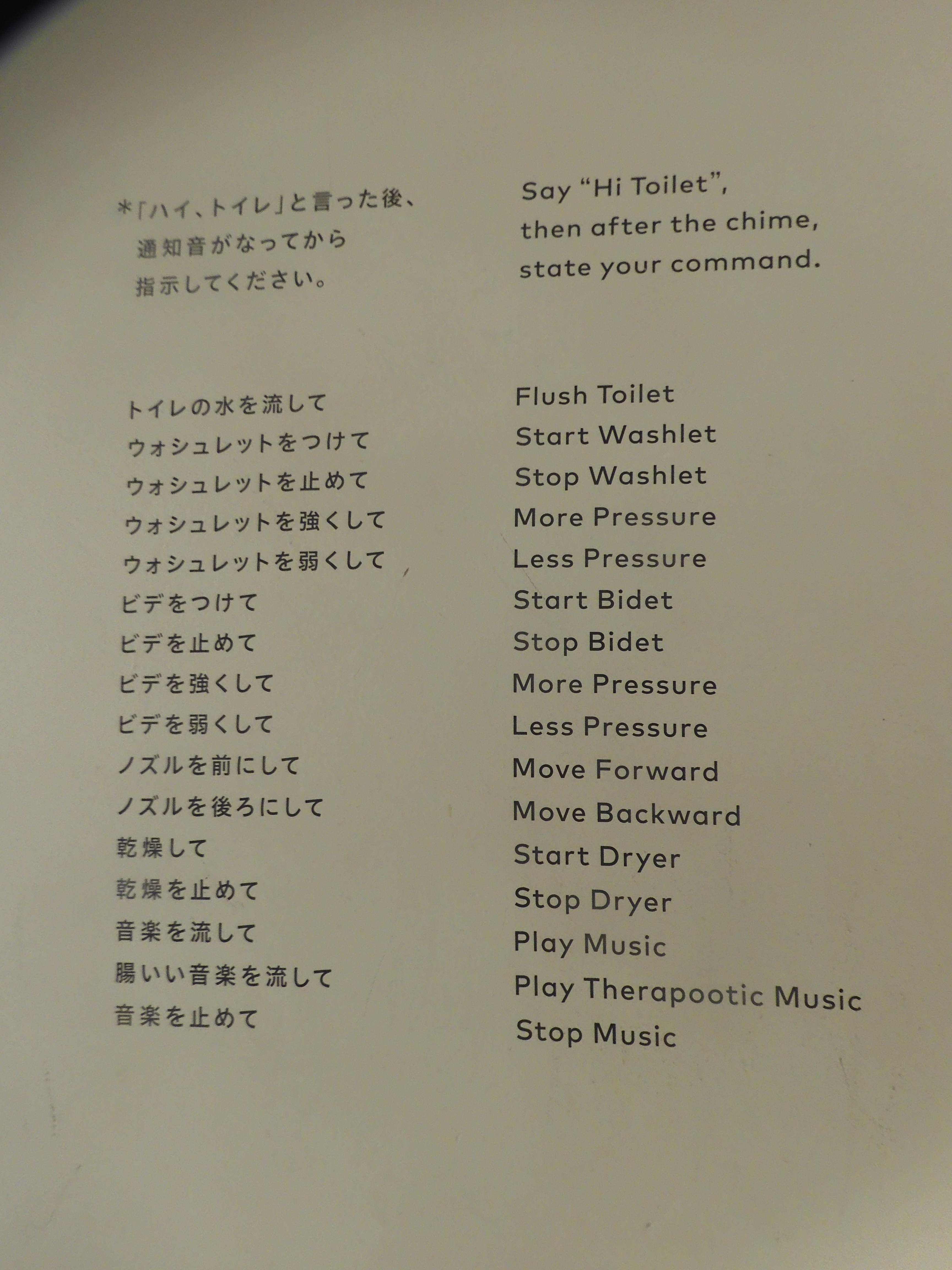
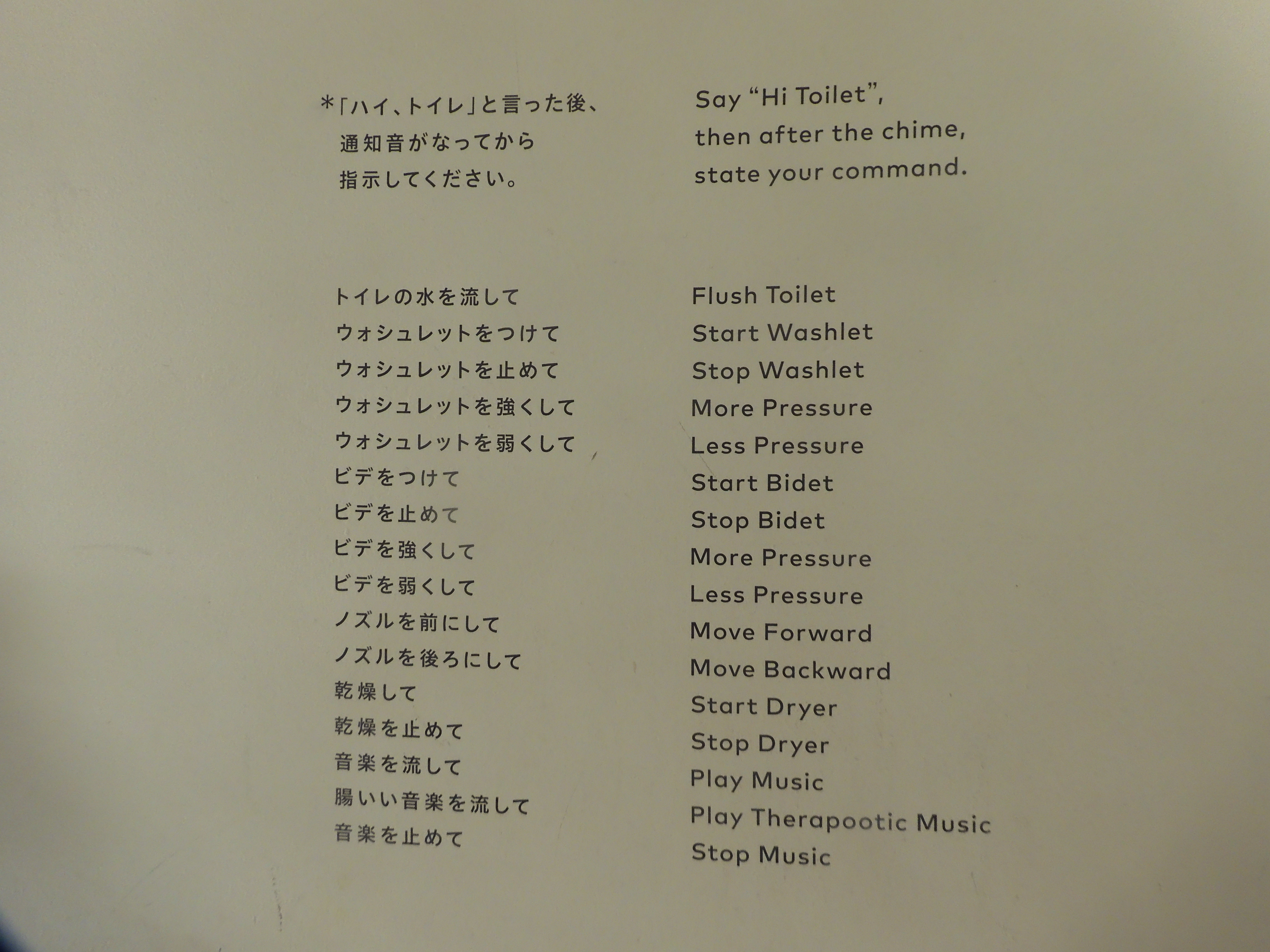
Japan has, for a long time now, been famous for its washlet toilets where compulsive button pressers could be in for a surprise especially if they can’t read the Japanese for ‘water jet’! But those more reserved members of society could be reassured that their own actions can be disguised by the playing of a tuneful melody, with a heated seat in the colder months.

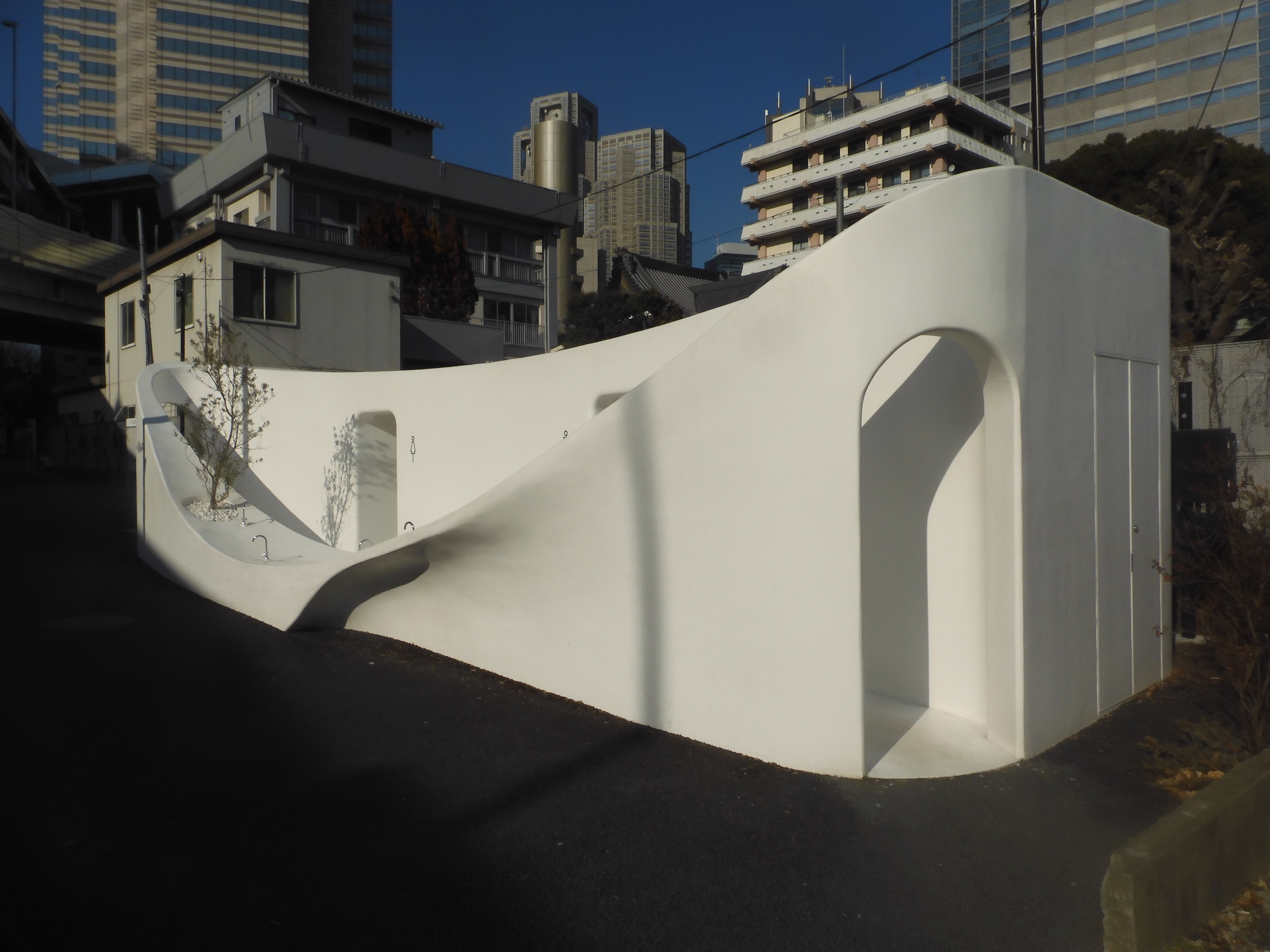
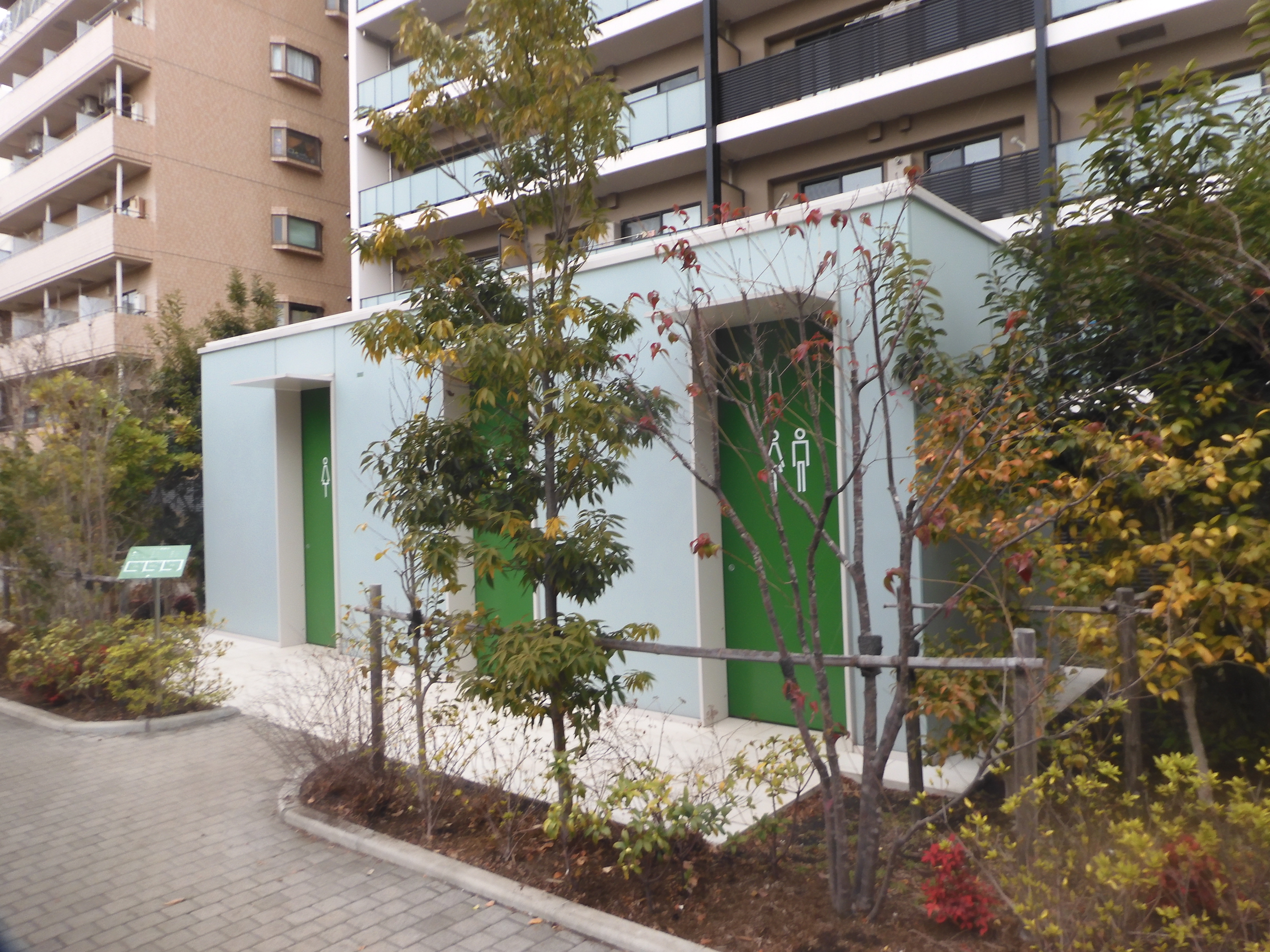
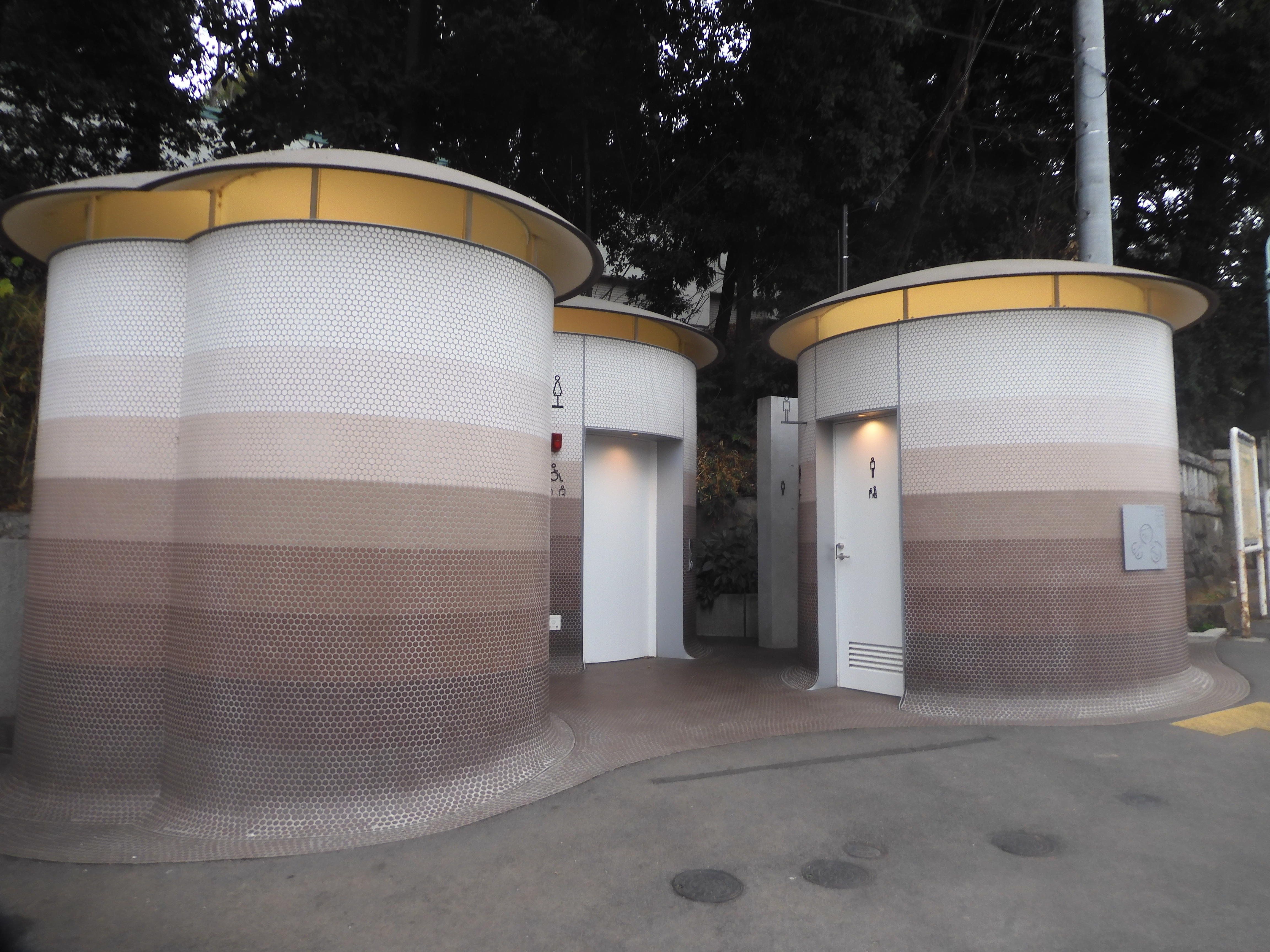
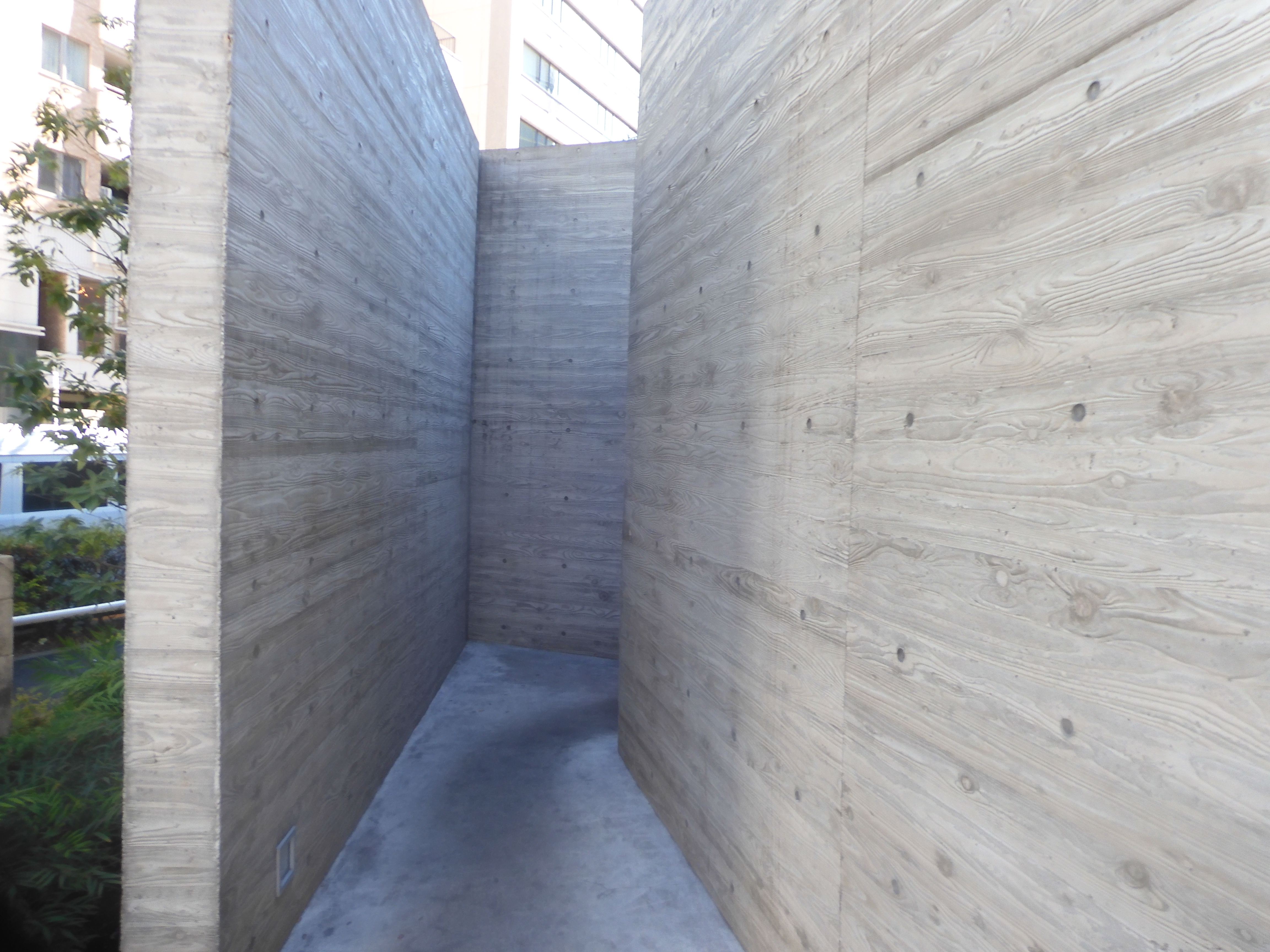
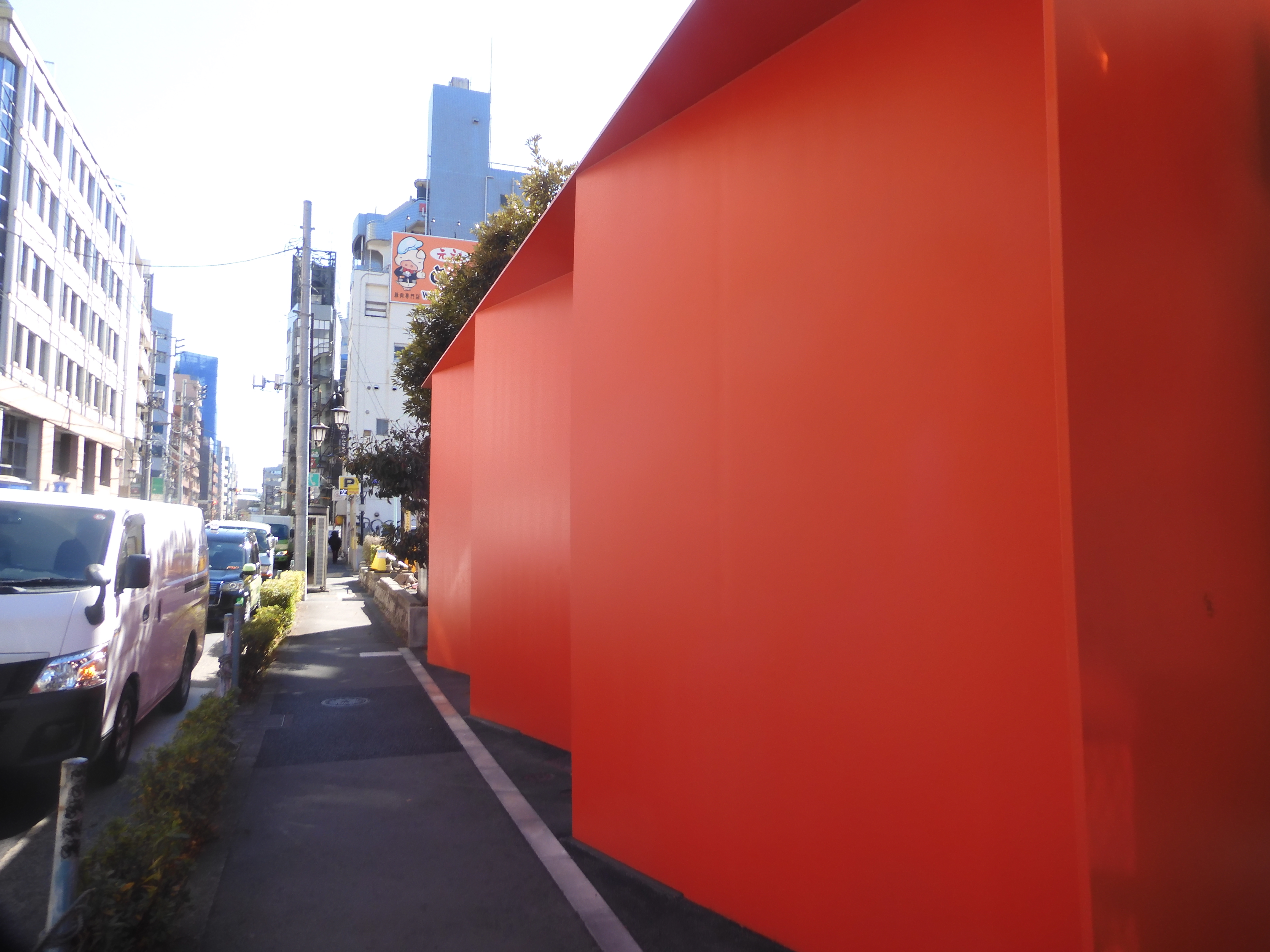
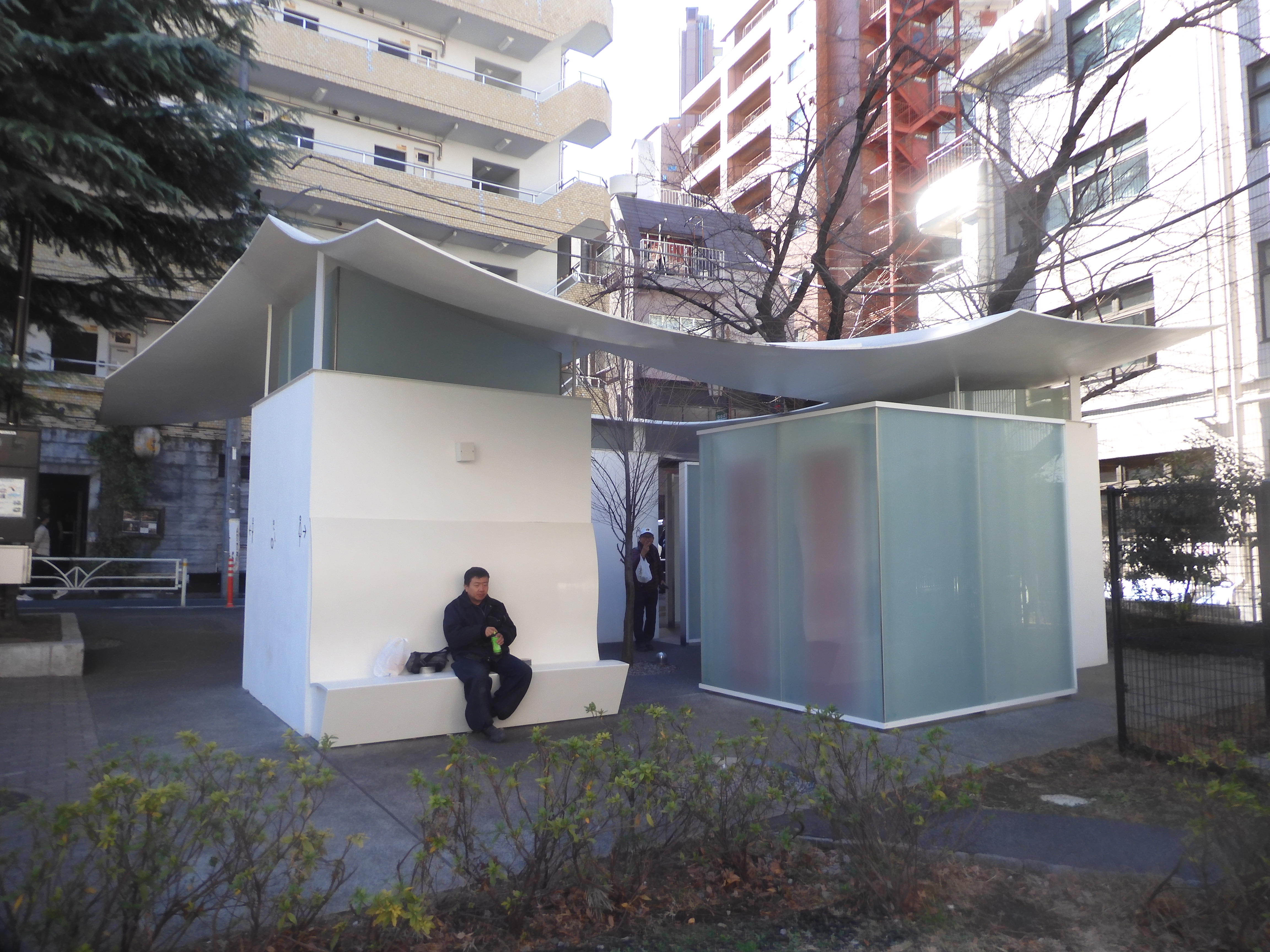
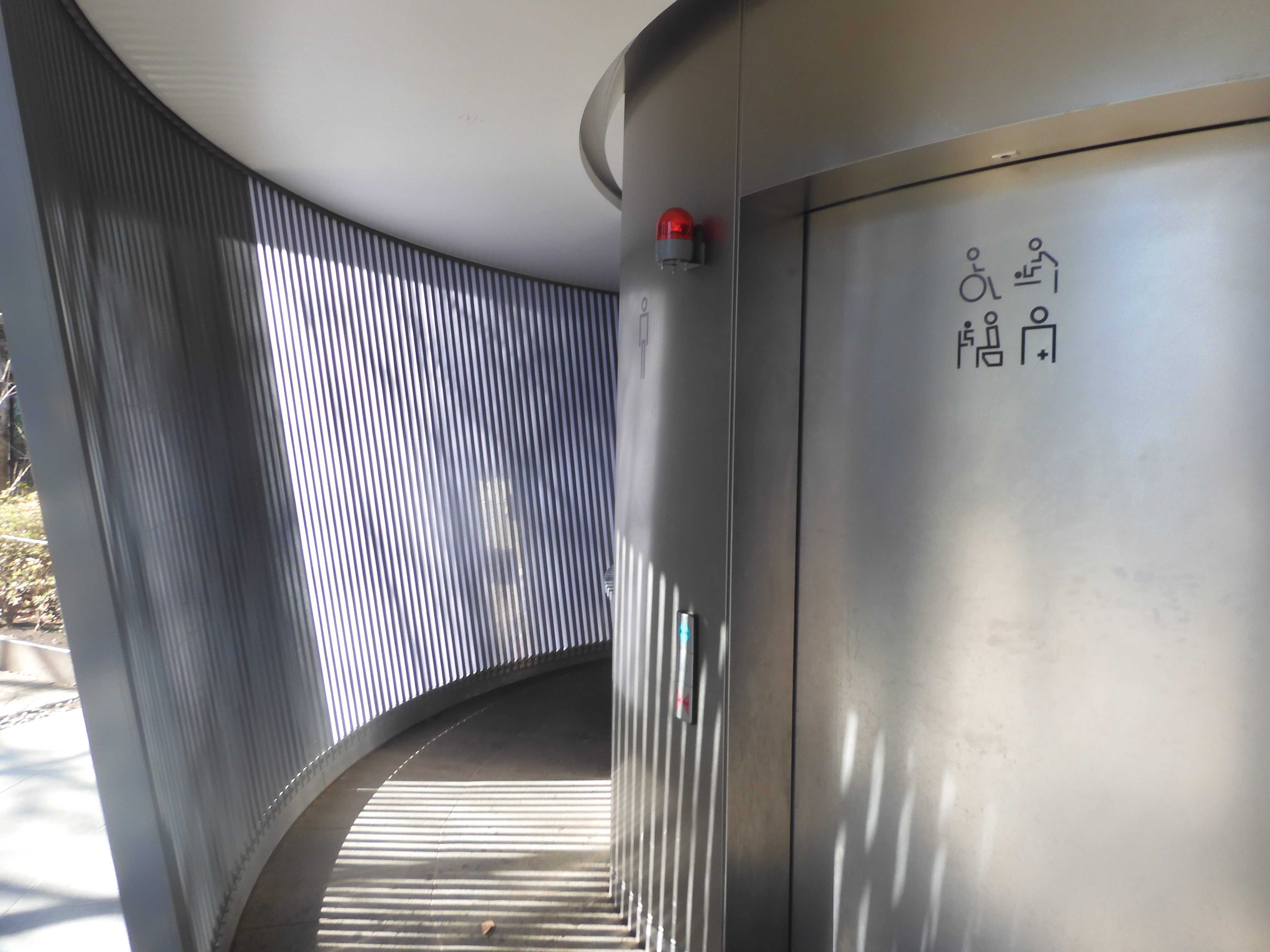
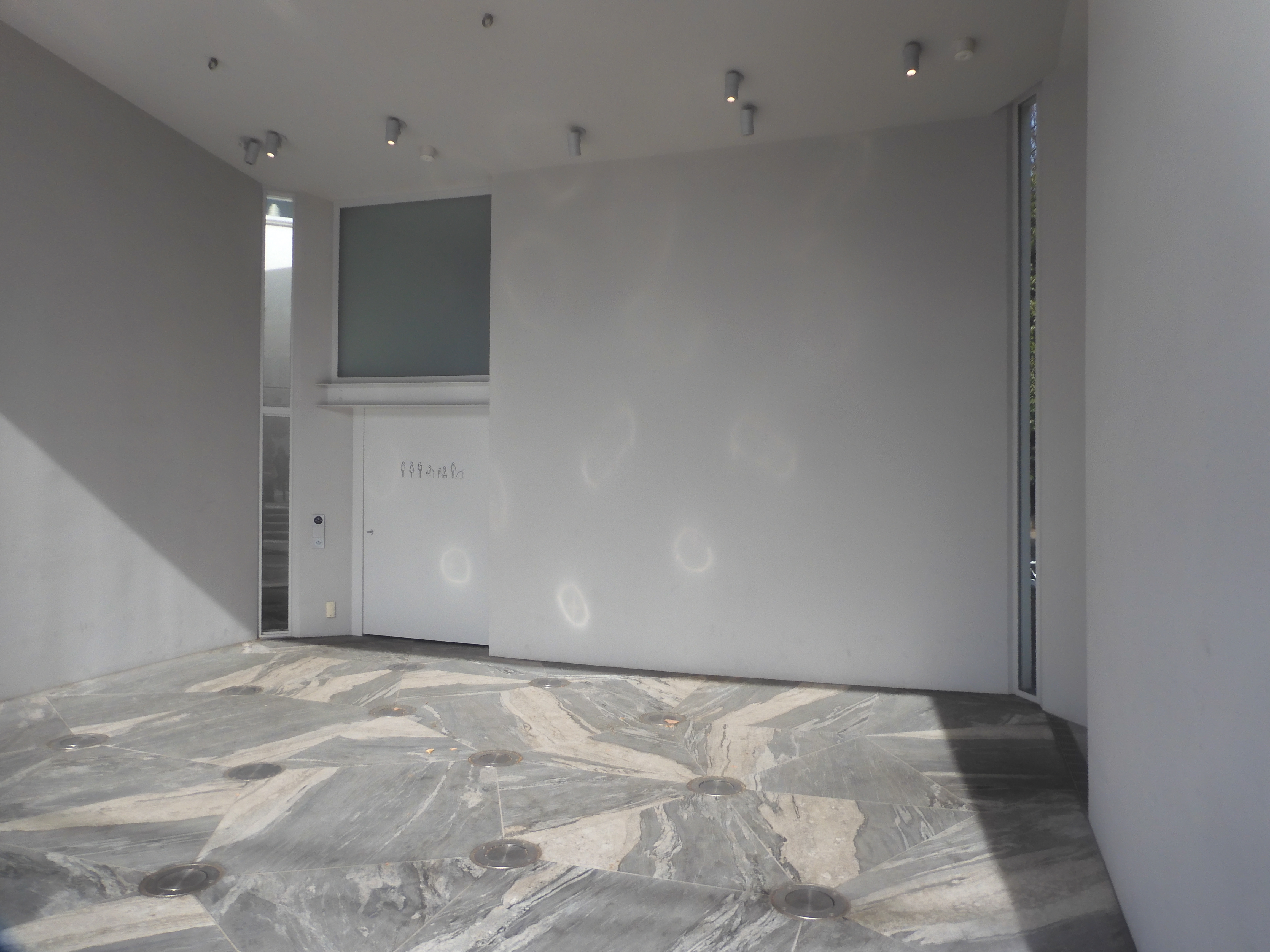
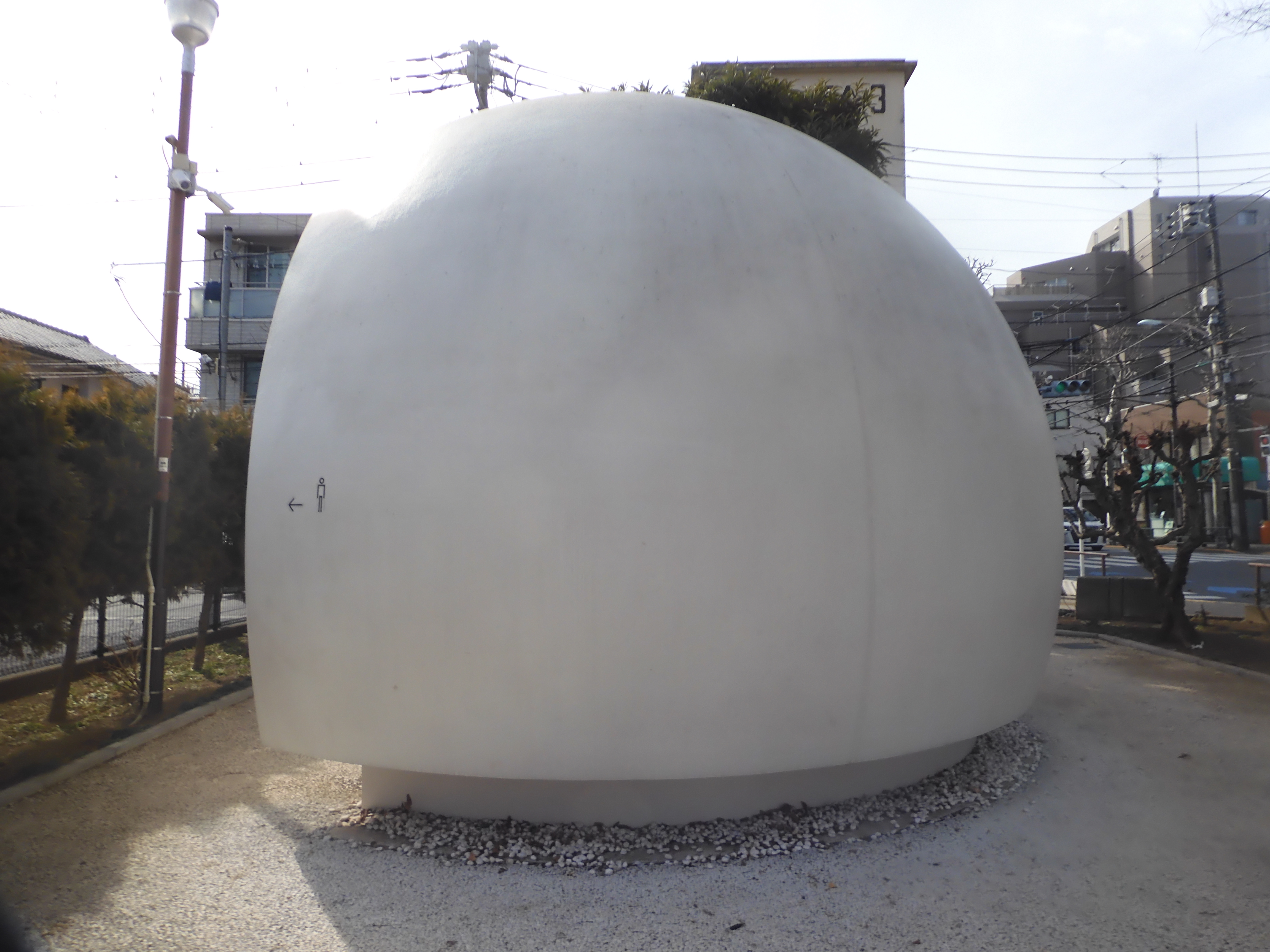
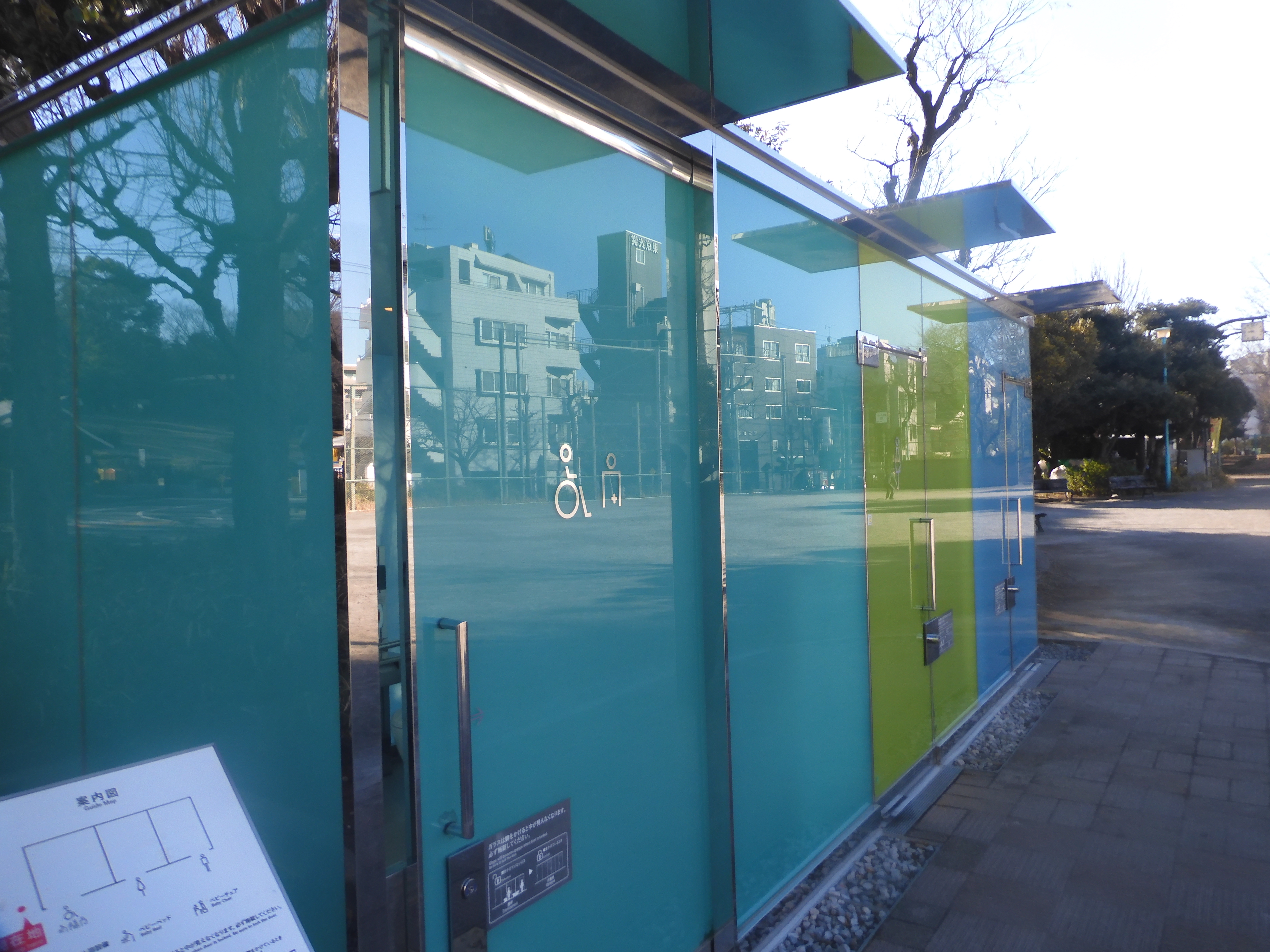
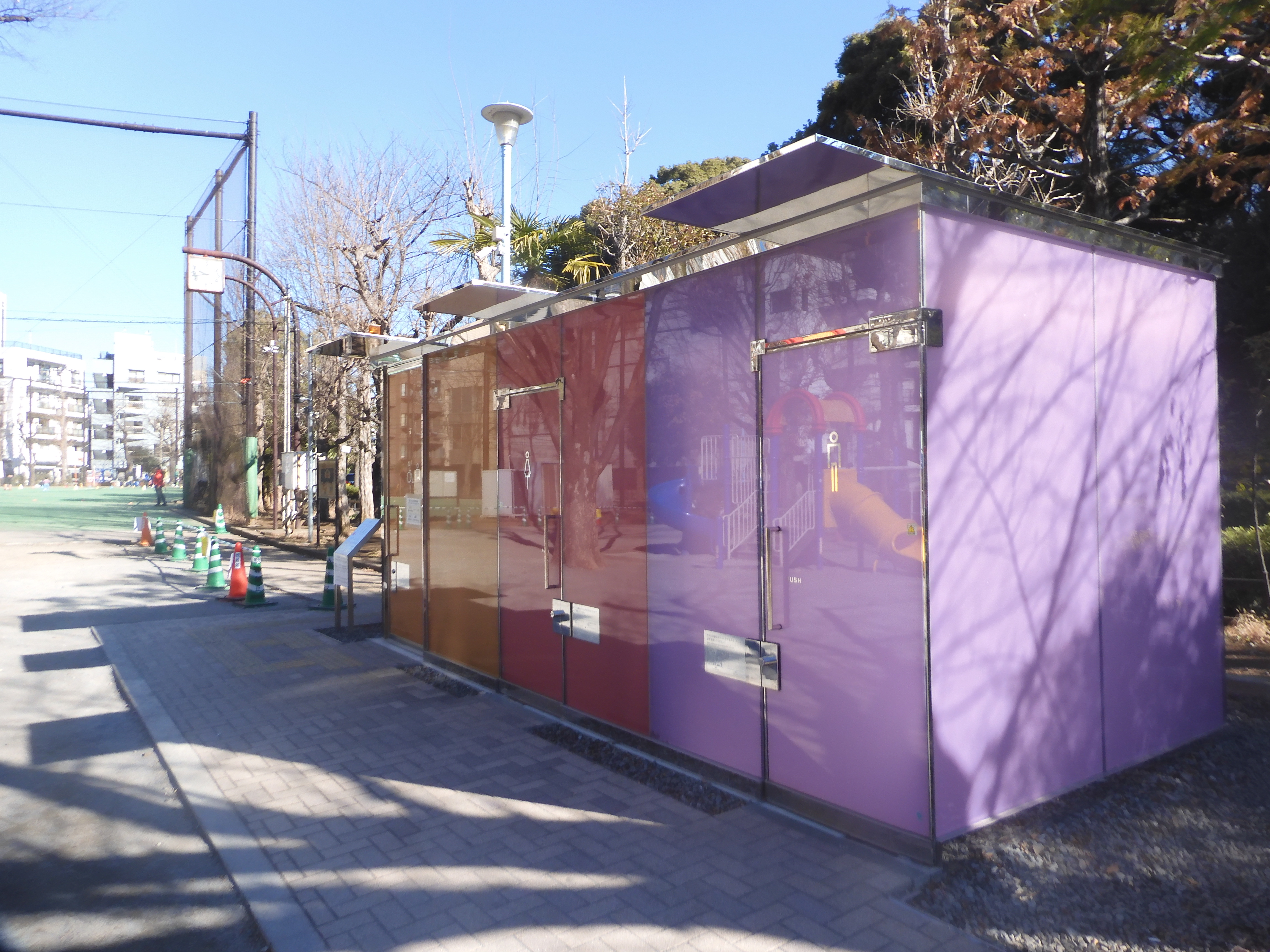
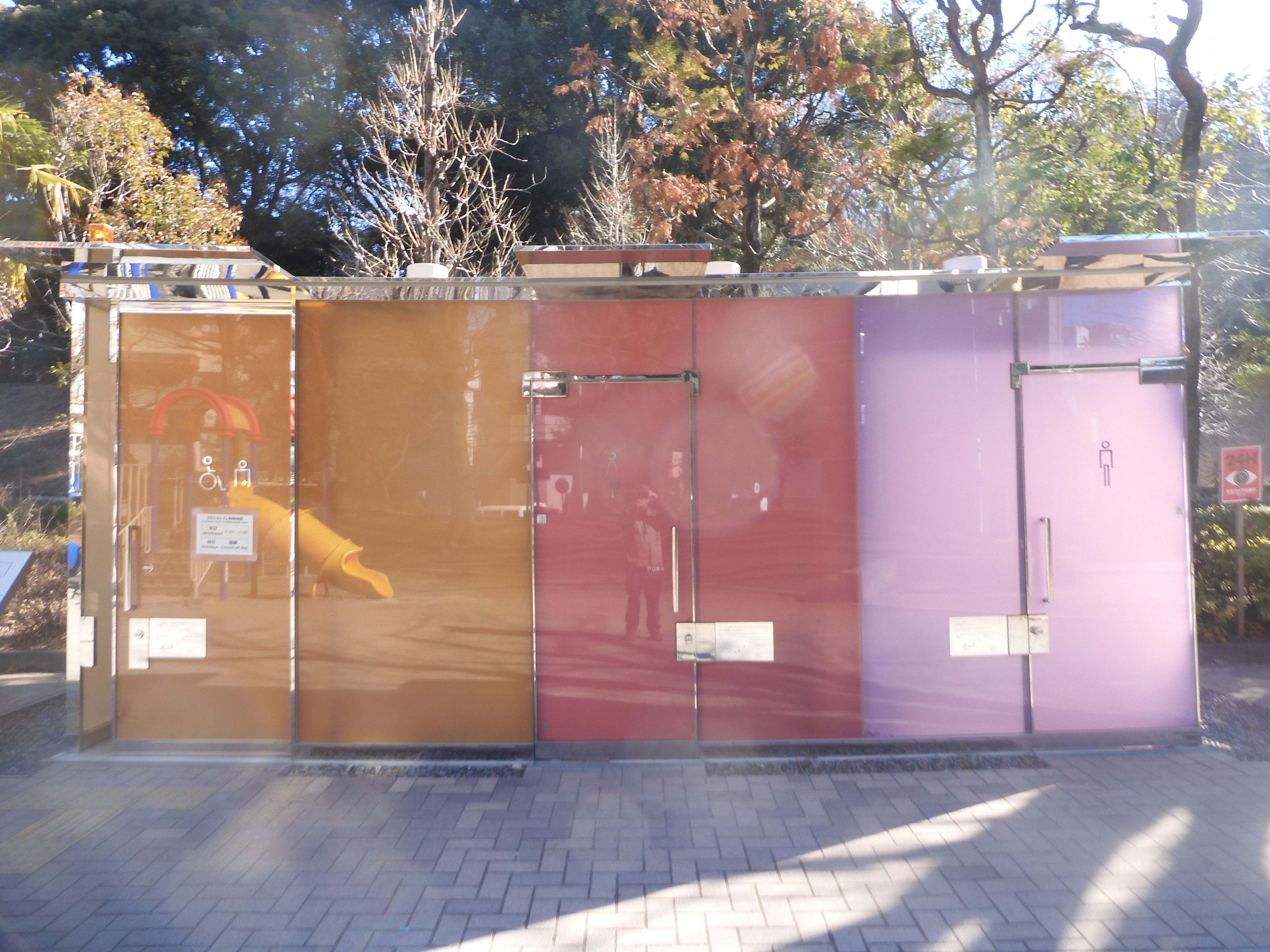
As a middle-aged Englishman who enjoys both a decent cup of coffee and long walks, I am always mindful of the need to be aware of the location of the nearest lavatories especially in towns and cities where, unlike the countryside, a tree is not available to disappear behind for a couple of minutes. Tokyo has always been fairly well equipped with such facilities, and in the build up to both the Rugby World Cup in 2019 and the 2020 Olympics, in anticipation of an influx of cross-legged tourists, there was a fairly extensive renovation programme to smarten up the older ones and to replace the old austere concrete block versions. When Covid caused the Olympics to be postponed for a year, and with the eventual exclusion of spectators at the games, work was able to proceed uninterrupted and gradually some rather fancy, and  sometimes space-age, un-toilet-looking toilets started to appear. So, I was curious rather than confused to see the hoardings come down from the renovation works at the two toilet blocks near to Little Nap, my favourite coffee shop in Yoyogi, to reveal a rather revealing structure of coloured glass walls through which one could actually see the facilities and even the occupants until… they followed the instructions to lock the door at which point the walls turned opaque and they and their actions remained hidden from public gaze.
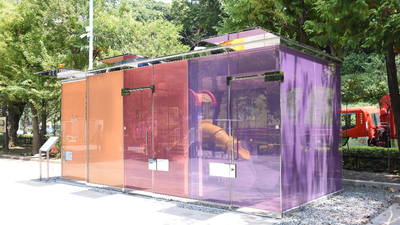
The reasoning behind this is that Japanese views of public restrooms are overwhelmingly negative. In a 2016 Ministry of Land, Infrastructure, Transport, and Tourism survey, slightly more than 1% of respondents said they frequently use toilets at parks and other public areas, compared to some 90% who insisted that they rarely or never utilize these communal conveniences. Over half of respondents said that they avoid them altogether. A major reason people gave for shunning public commodes was their uncleanliness and concerns about safety. So, architect Shigeru Ban designed these particular restrooms with glass walls to dispel the perception that public toilets are dark, dirty, and dangerous. Users can easily see how clean the stalls are and whether they are occupied, putting minds at ease before stepping inside to answer nature’s call and shutting themselves off from public scrutiny.

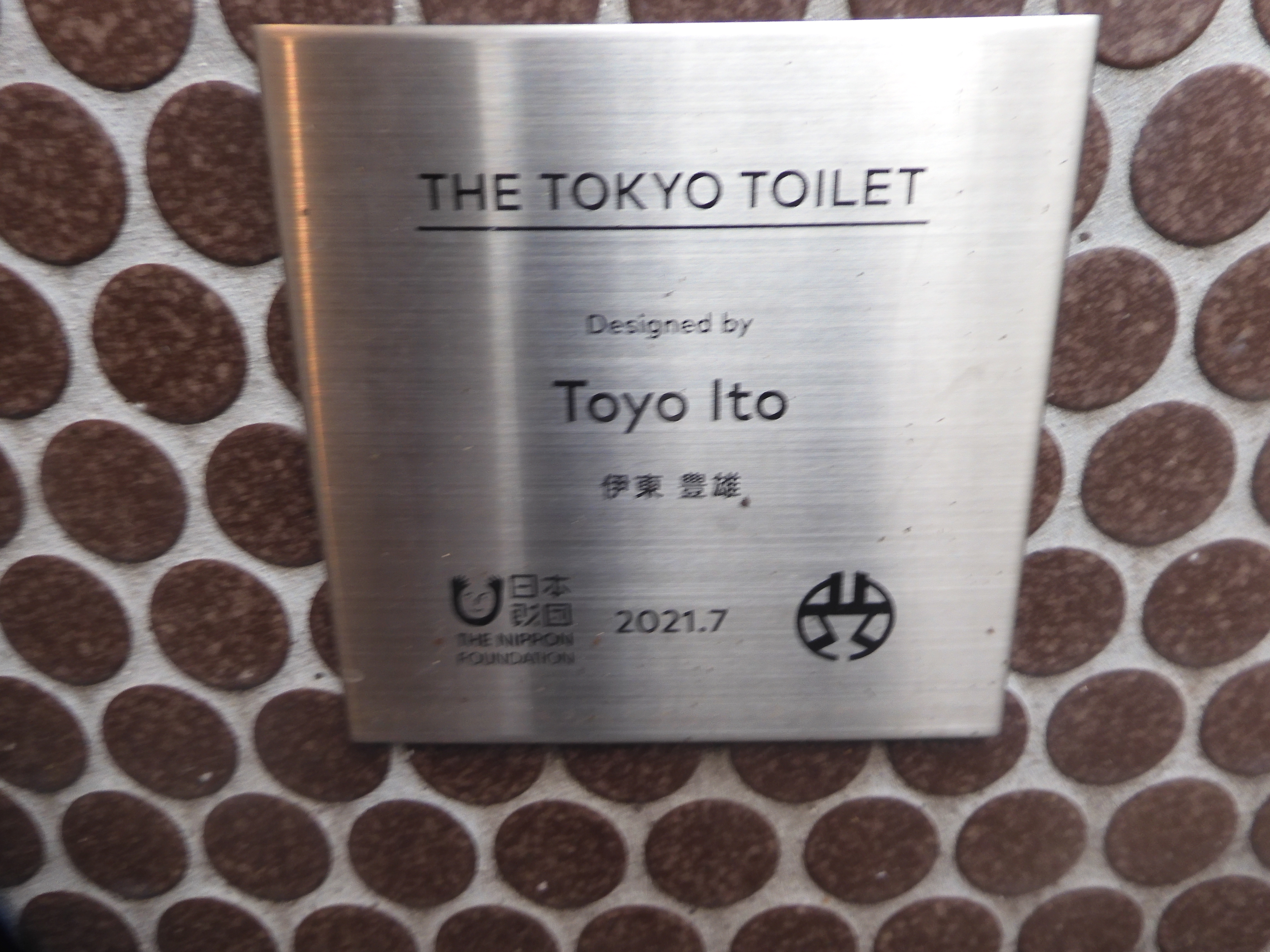
An article in the local Shibuya free-paper peeked my curiosity further with an explanation about the ‘Tokyo Toilet’ (for want of a better name) project with its own website which explains:

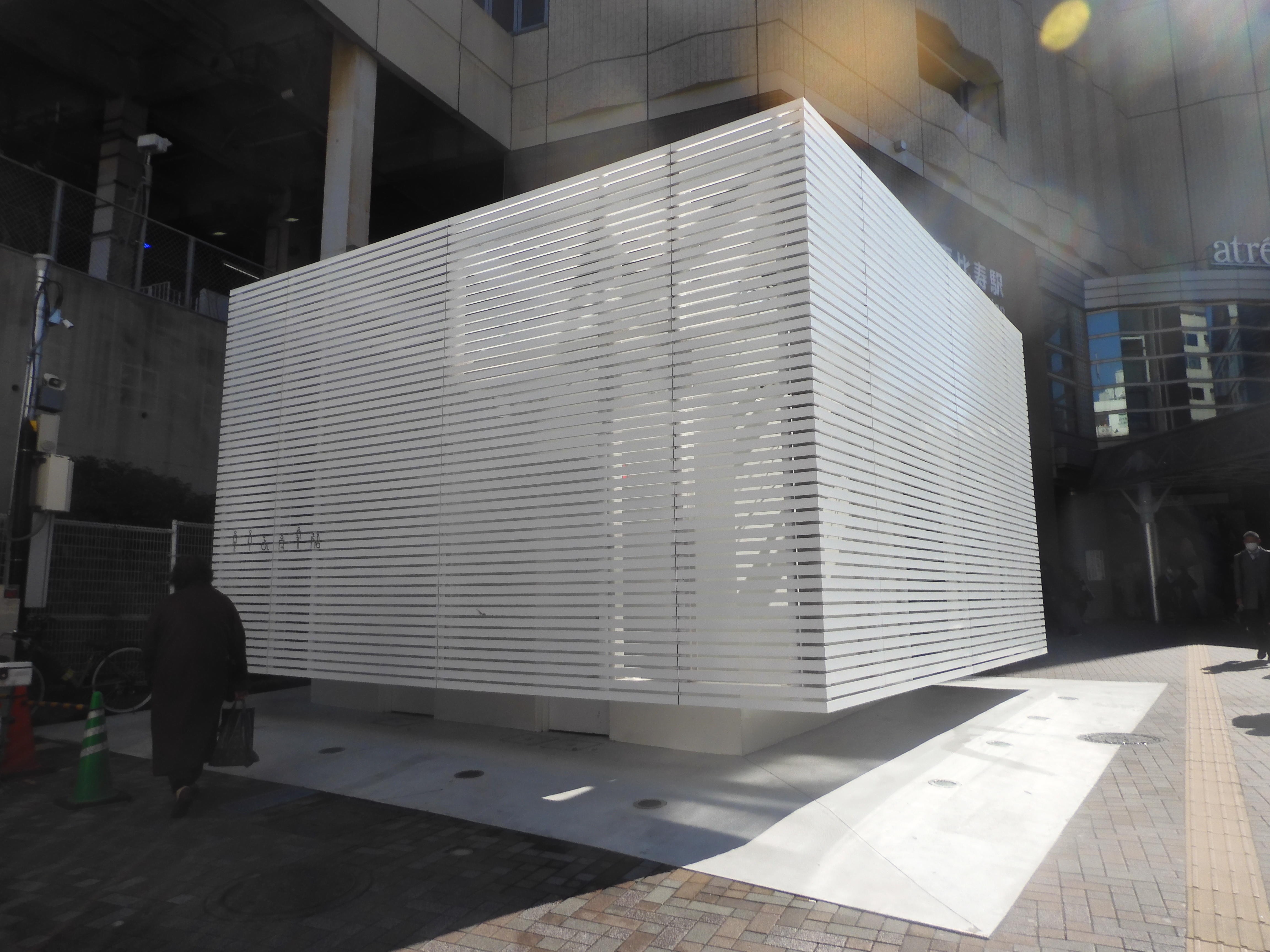
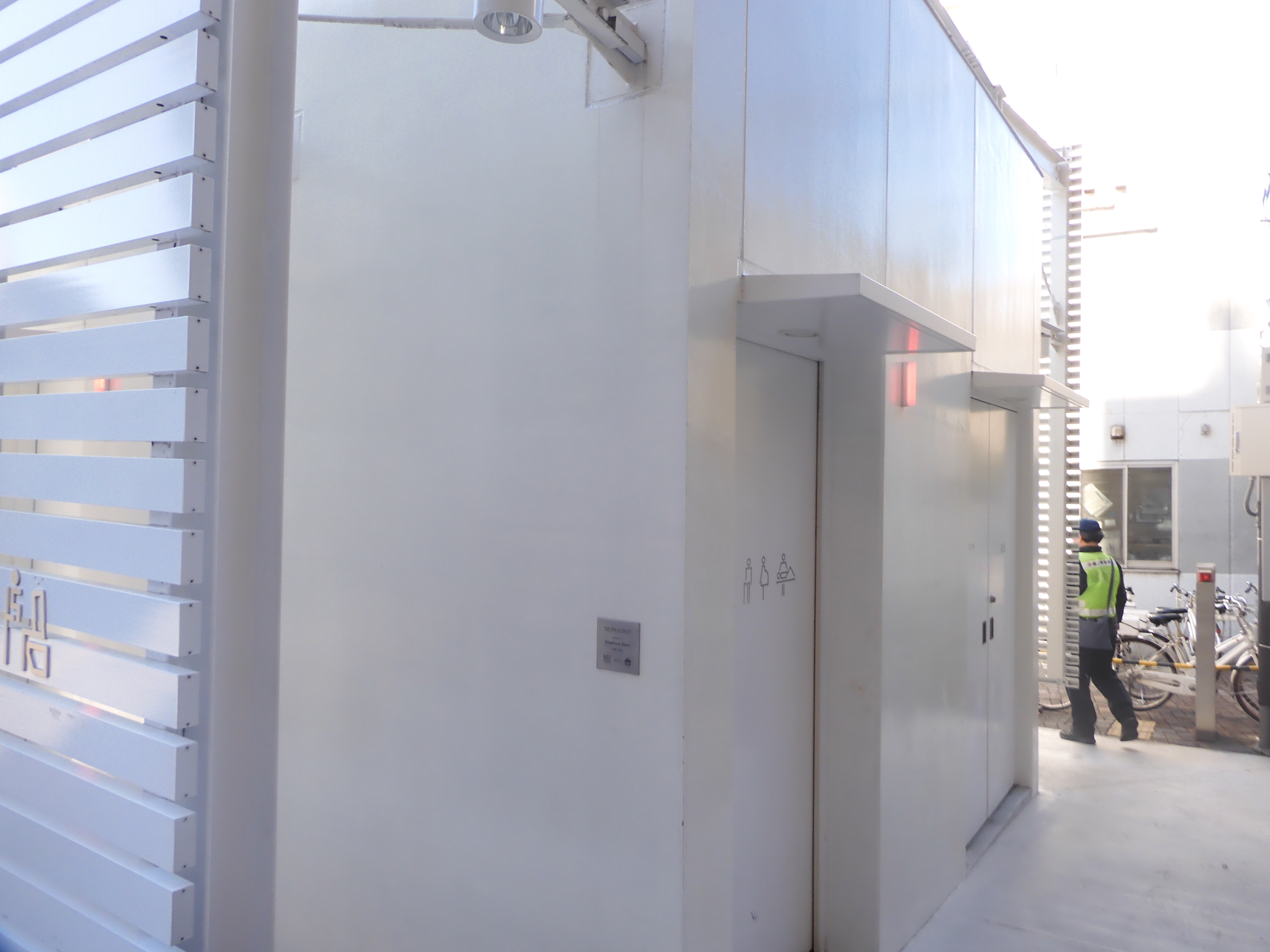
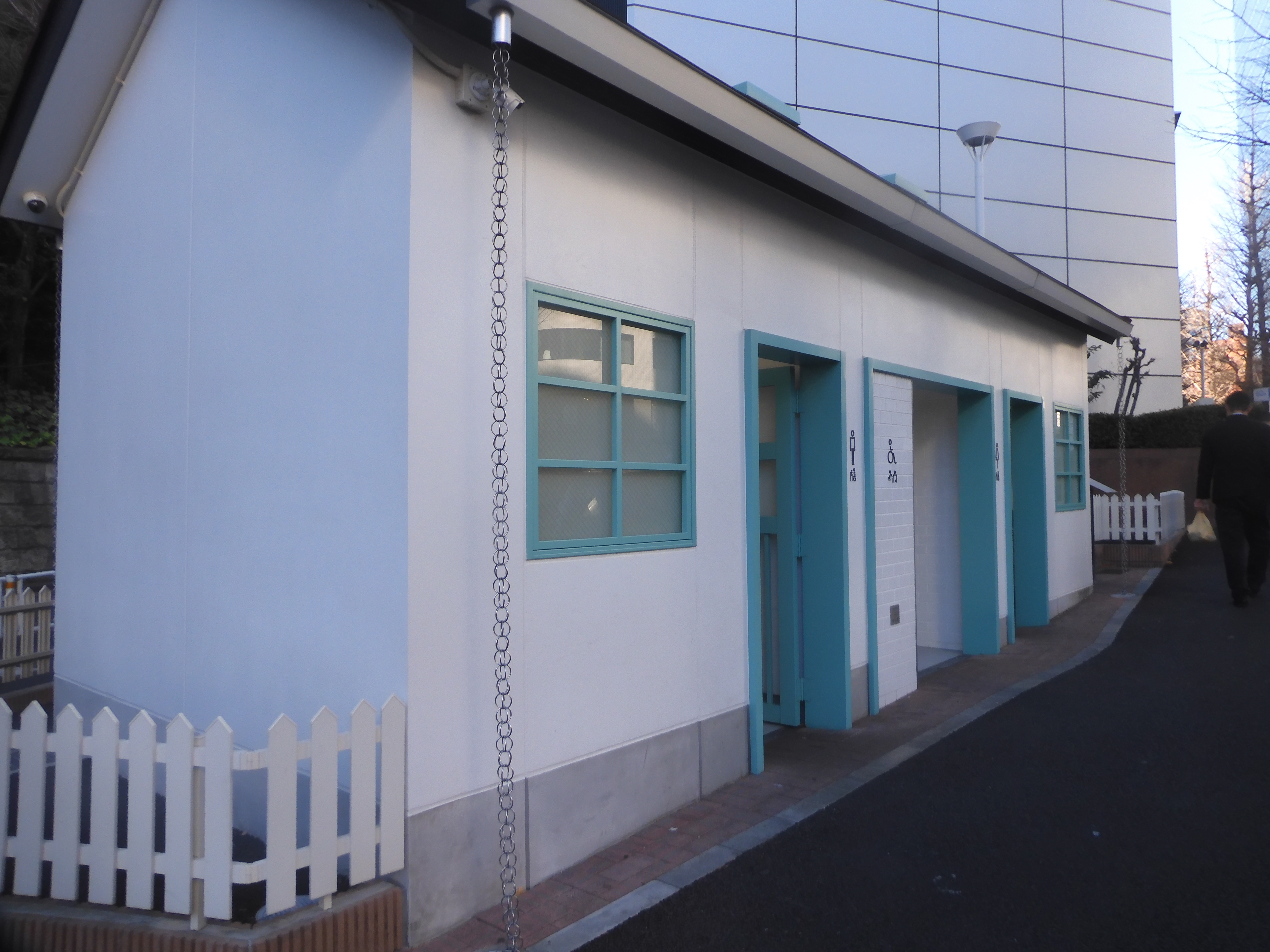
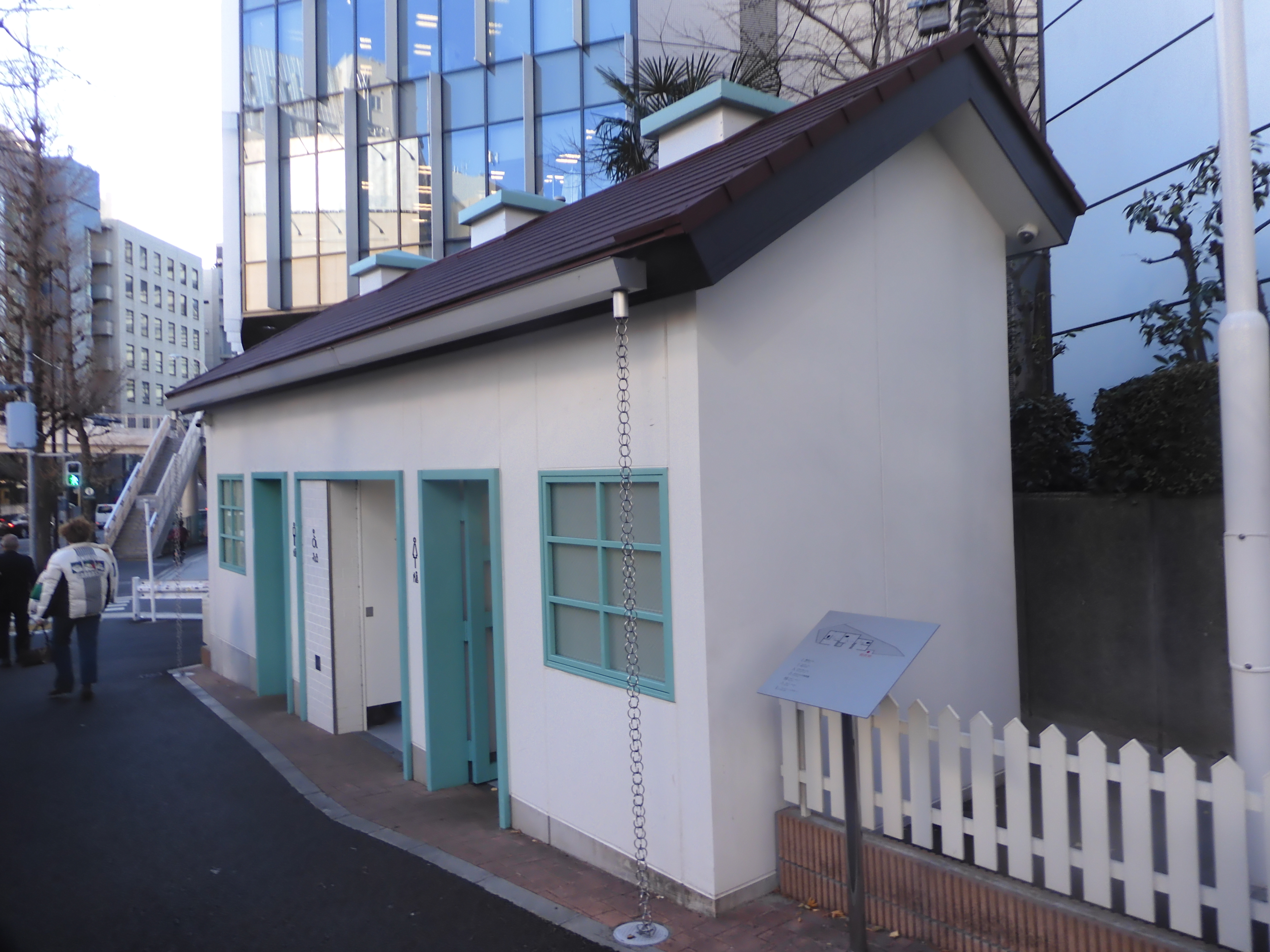
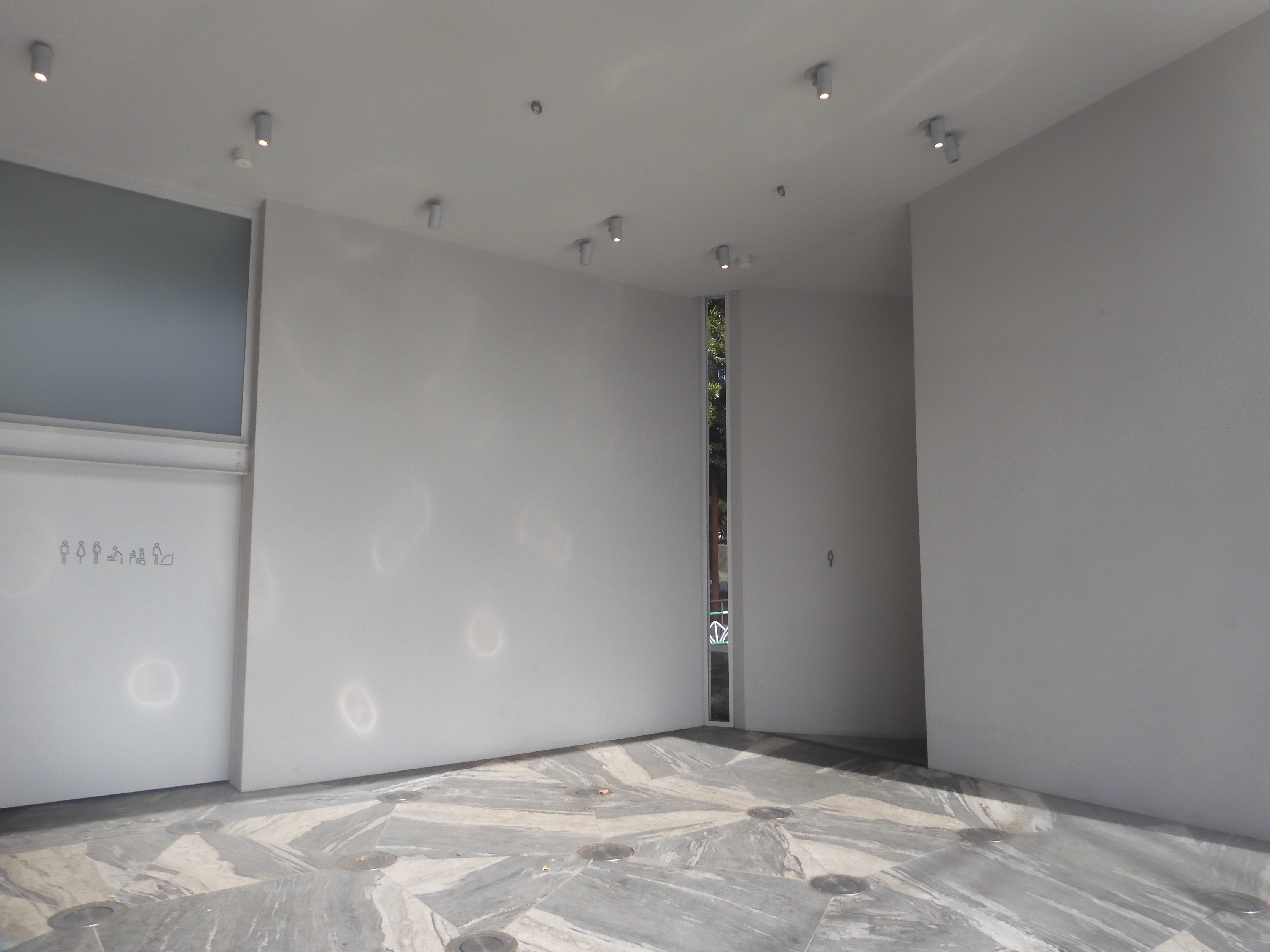
‘The toilet is a symbol of Japan’s world-class culture of hospitality. At 17 locations in Shibuya Ward, public toilets will be reborn one after another. Each toilet was designed with the participation of 16 creators who are active around the world. Please take a look at the unique toilets.’ A challenge I could not resist, so please join me in looking for and at some amazing ‘loos’:
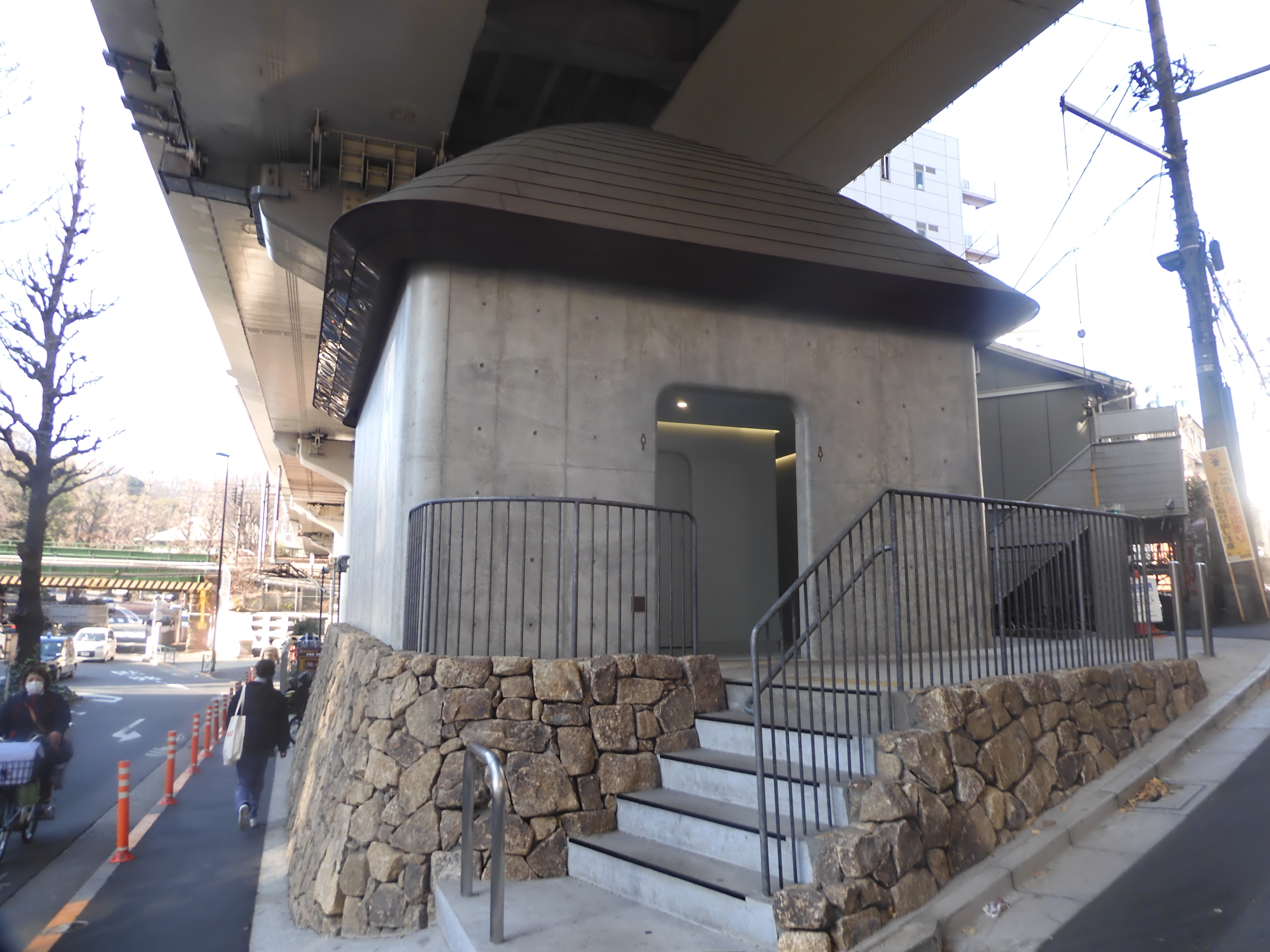
These are the three closest to where I live when in Japan.

Meanwhile a family member alerted me to the release of an award winning 2023  drama film Perfect Days directed by Wim Wenders, from a script written by Wenders and Takuma Takasaki. A co-production between Japan and Germany, the film combines four short stories and stars Koji Yakusho as ‘Hirayama’ in the role of a toilet cleaner wearing the very recognisable ‘Tokyo Toilet’ blue overall. 

In the film Hirayama is man who leads a simple life, and takes his job seriously; it follows his perfect day of public service with the joys of a second- hand book collection and his cassette tapes (sic!) of some golden oldies from inter alia The Animals, Van Morrison, Lou Reed, The Kinks and The Rolling Stones. A man after my own heart especially as he takes his lunch of a convenience store sandwich and carton of milk in the grounds of Yoyogi Hachiman Shrine surrounded by its trees which he photographs with an old film camera. (seen above). This is a place I know well and visit weekly, at least. In fact, the film credits also refer to his hobby as a love of ‘Komarebi’. Now, where have I heard that before?! (https://jeremyjlhill.com/2022/12/)

So much did the film resonate with me and my life that my wife said to me as we left the cinema that the character of Hirayama reminded her of me. Perhaps she was hinting that I should get myself a retirement job as a cleaner, although that may have been lost in translation. Or maybe I should start a ‘Tokyo Toilet Tours’ company?! If the latter, let’s continue the tour with some of the toilets which feature in the film, starting with Yoyogi Hachiman shrine.

Moving further afield to the outskirts of Shibuya, is this incredible construction in Nabeshima Park, Shoto.
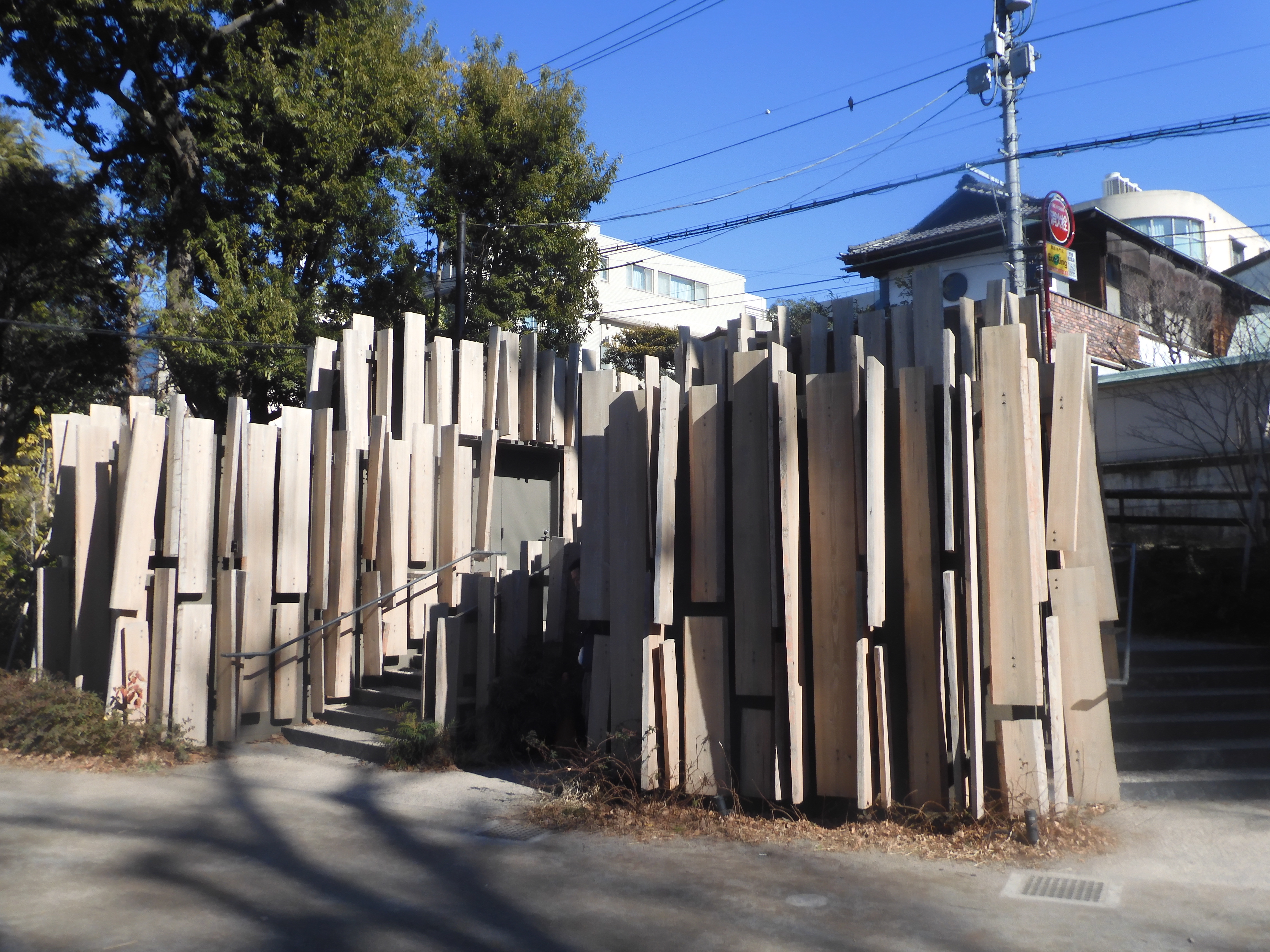
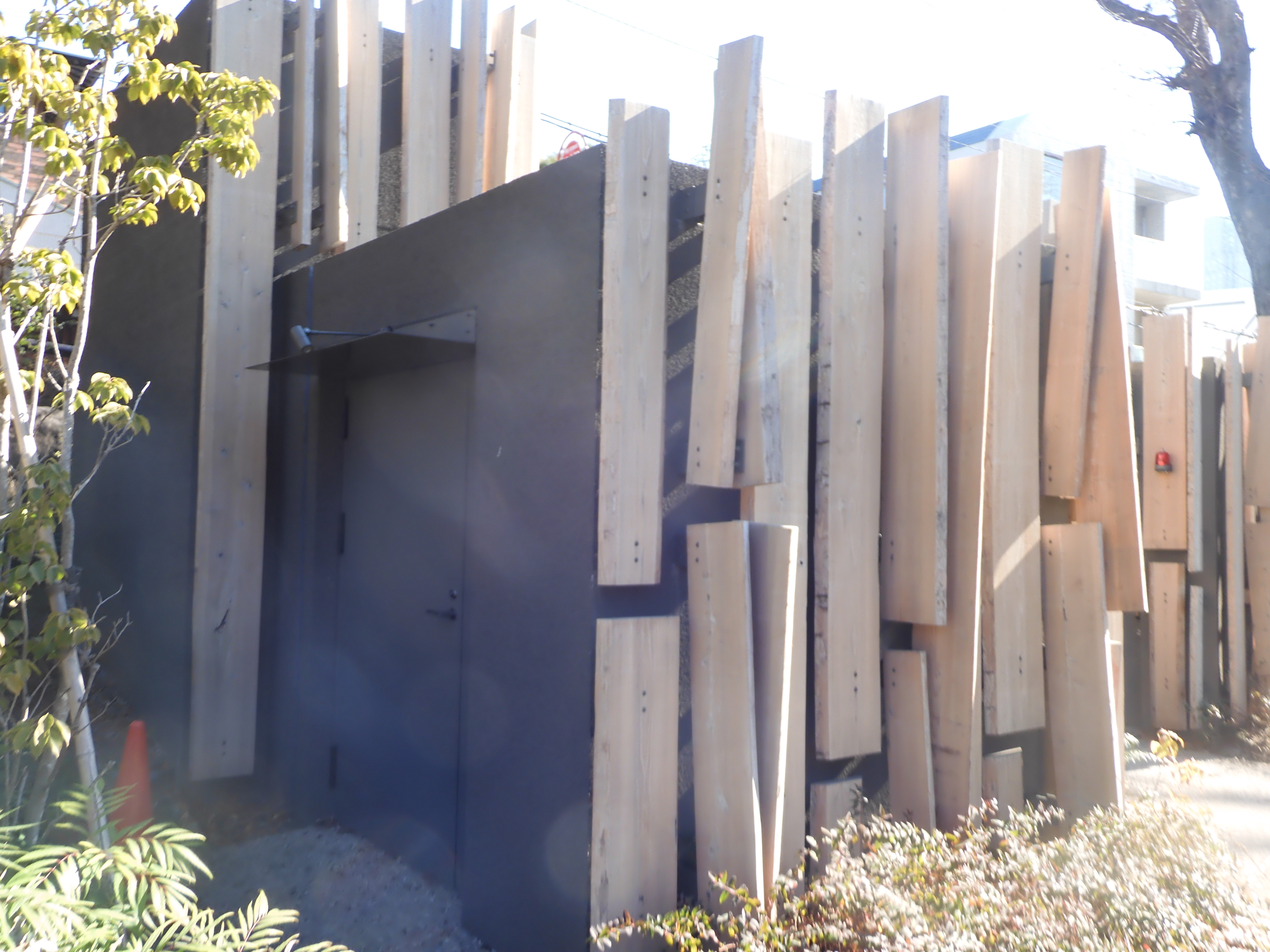
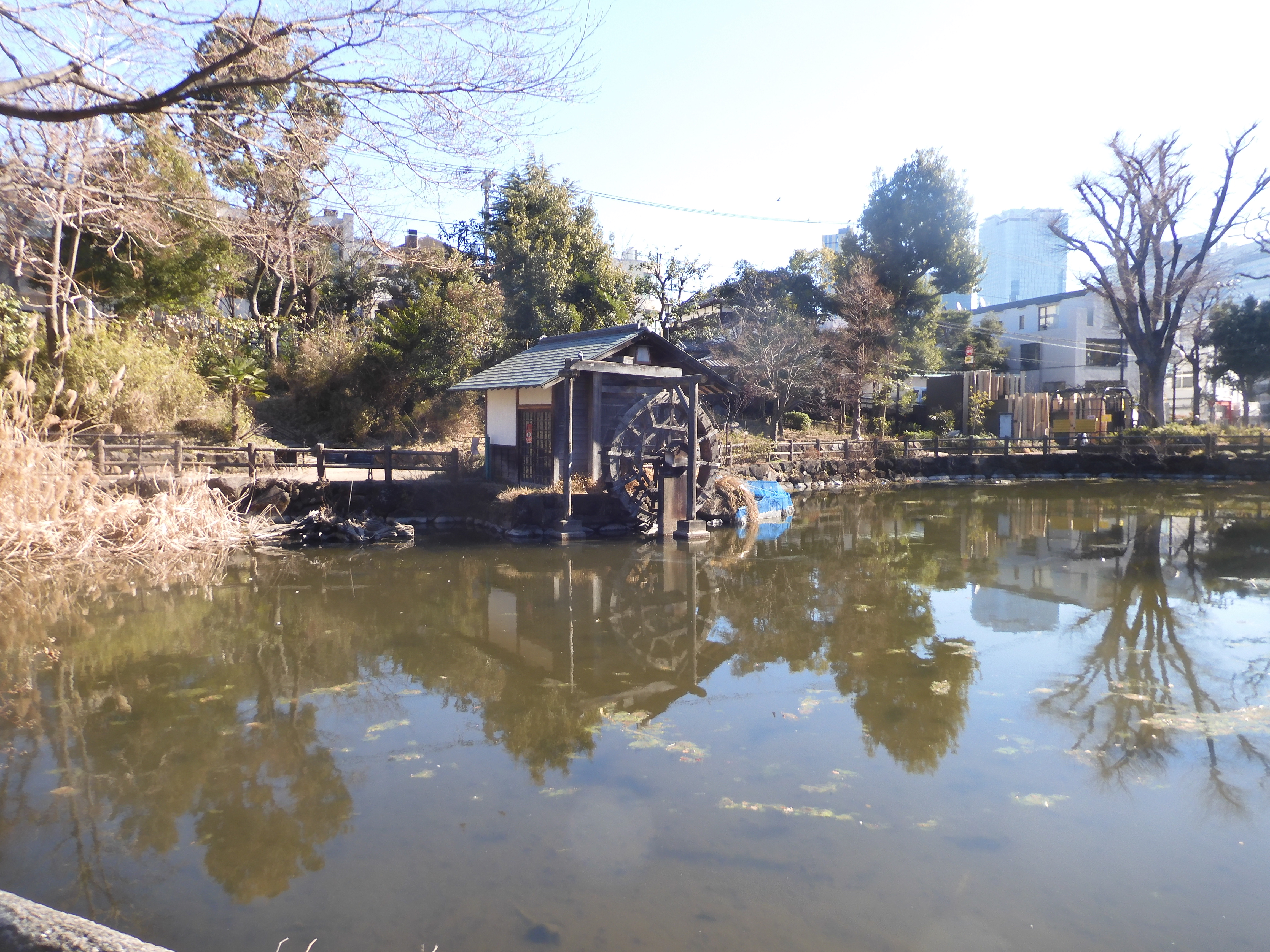
Whilst the park itself is worth pausing in with its pond and small water mill.
From there to the Ebisu Four, which could be the title of a yakuza gangster movie but is just my word for a group of conveniences all convenient for Ebisu station.

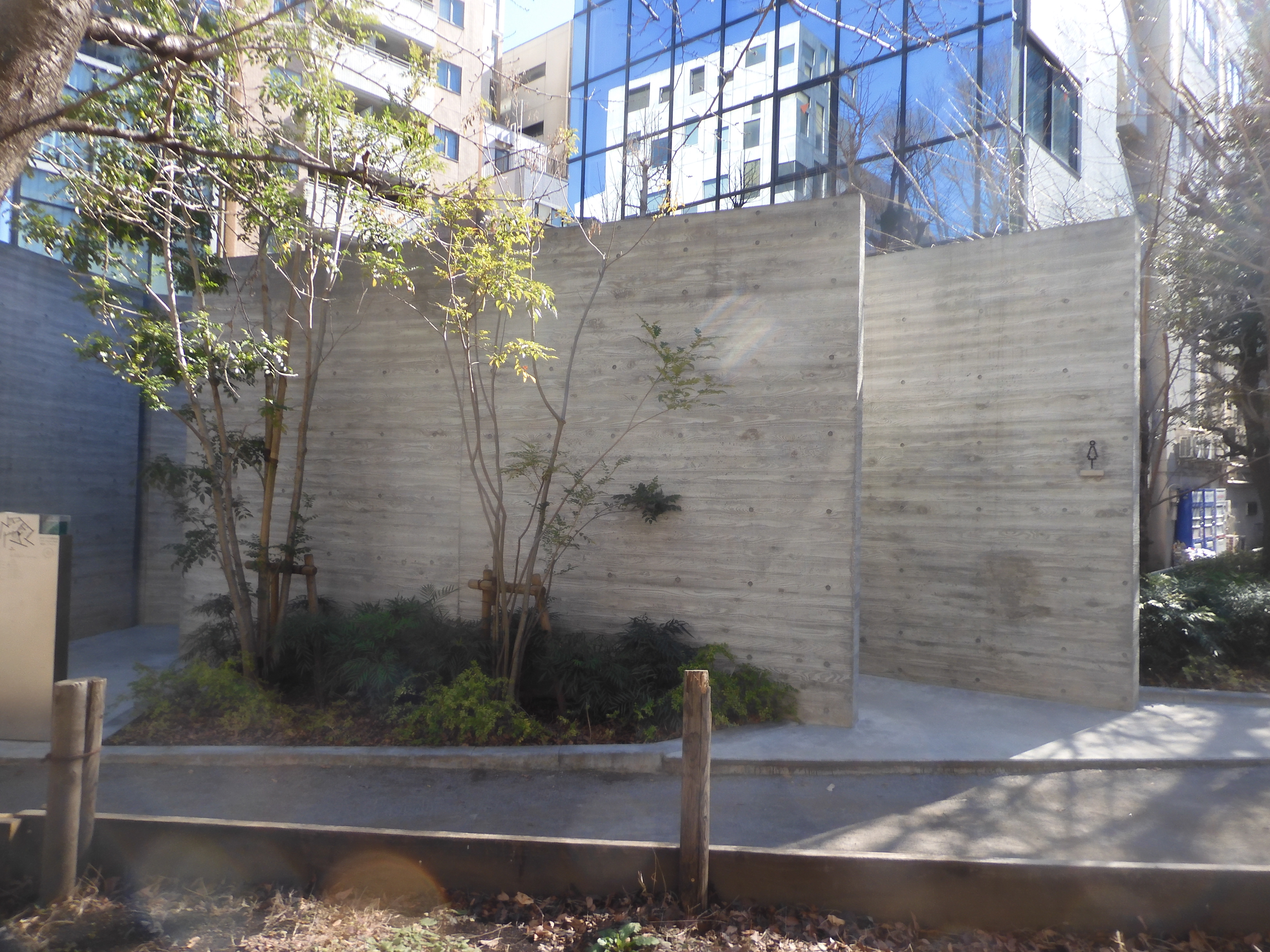
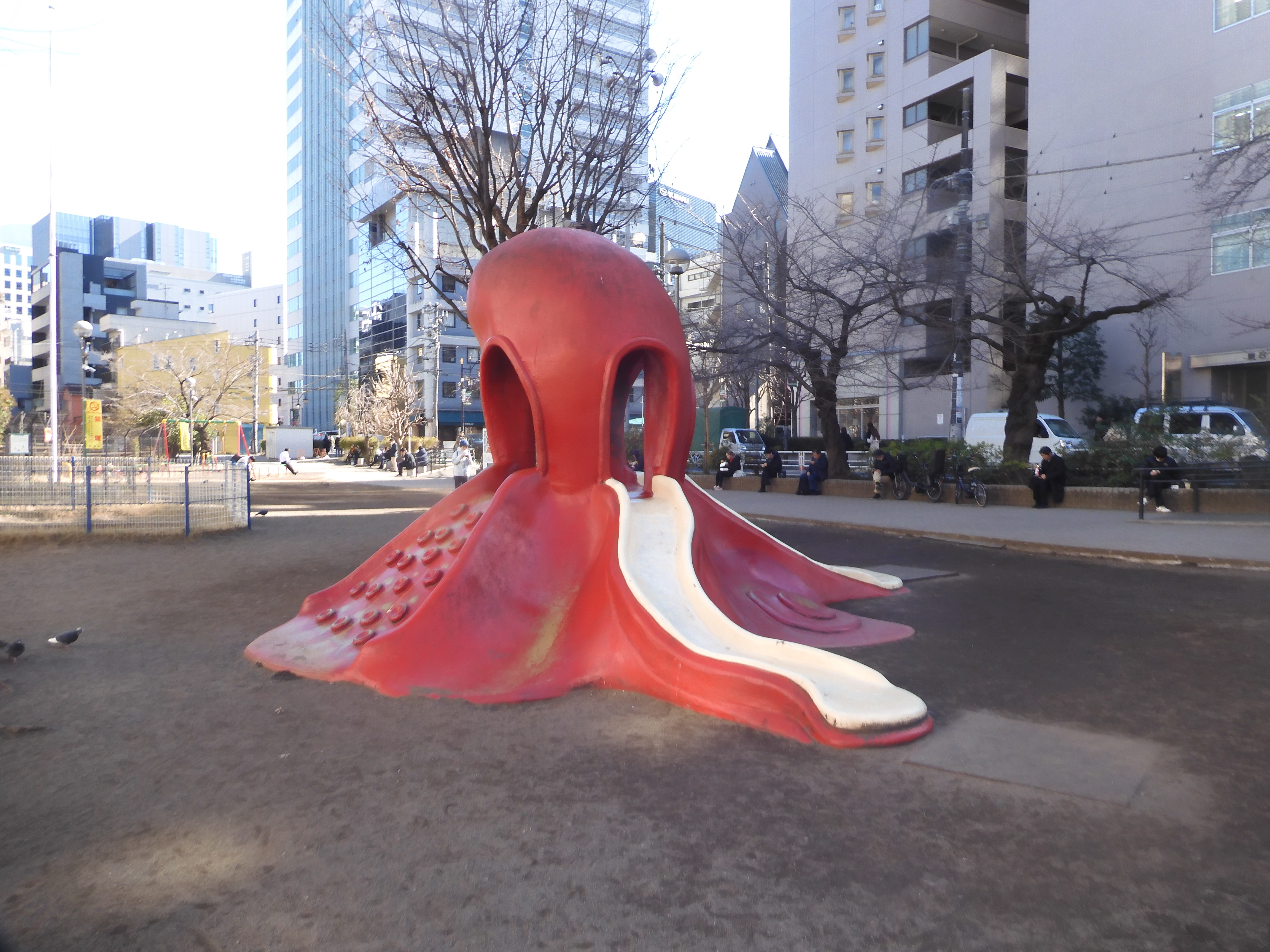
And here’s the creature which gives the park its name!

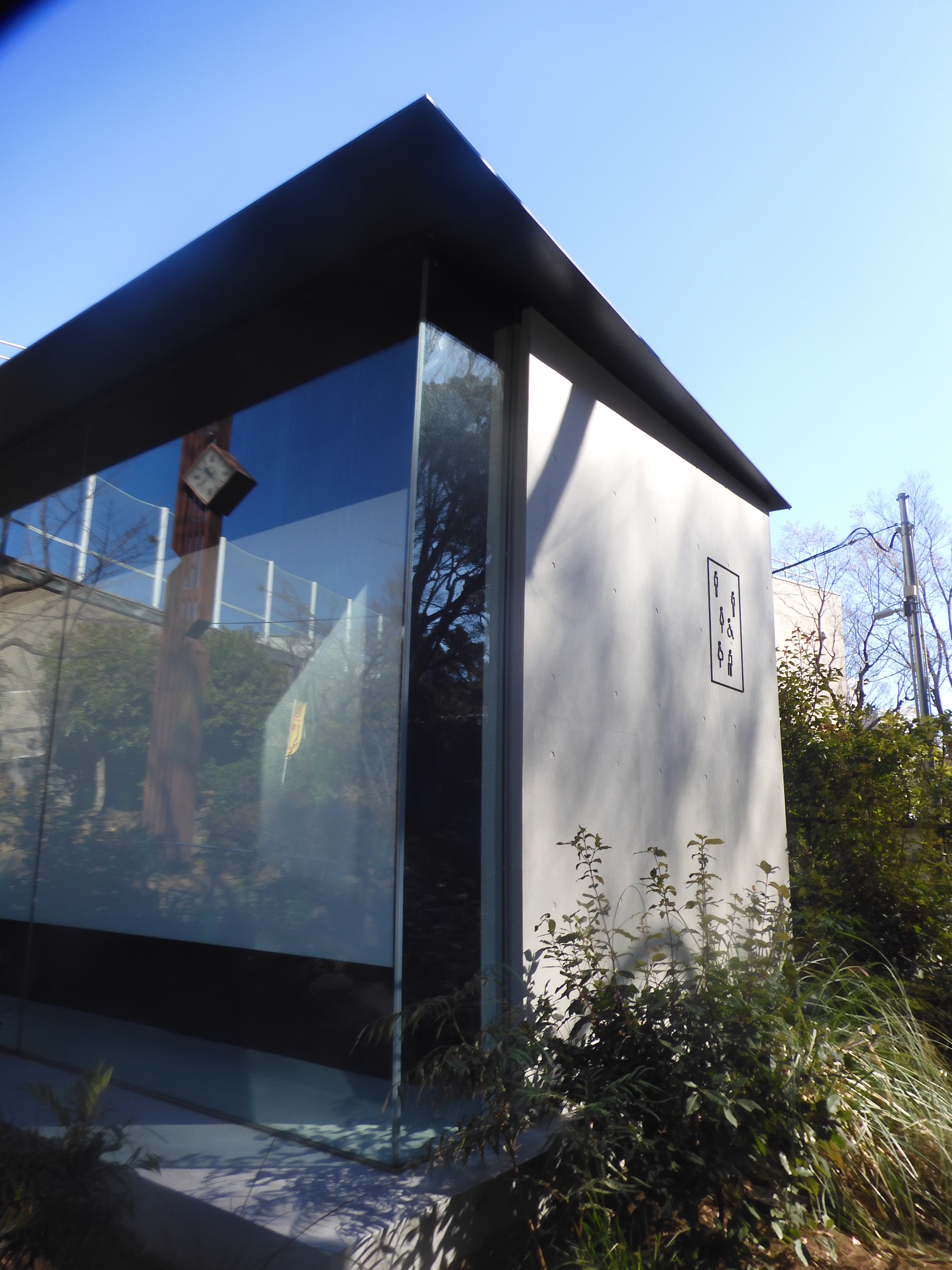
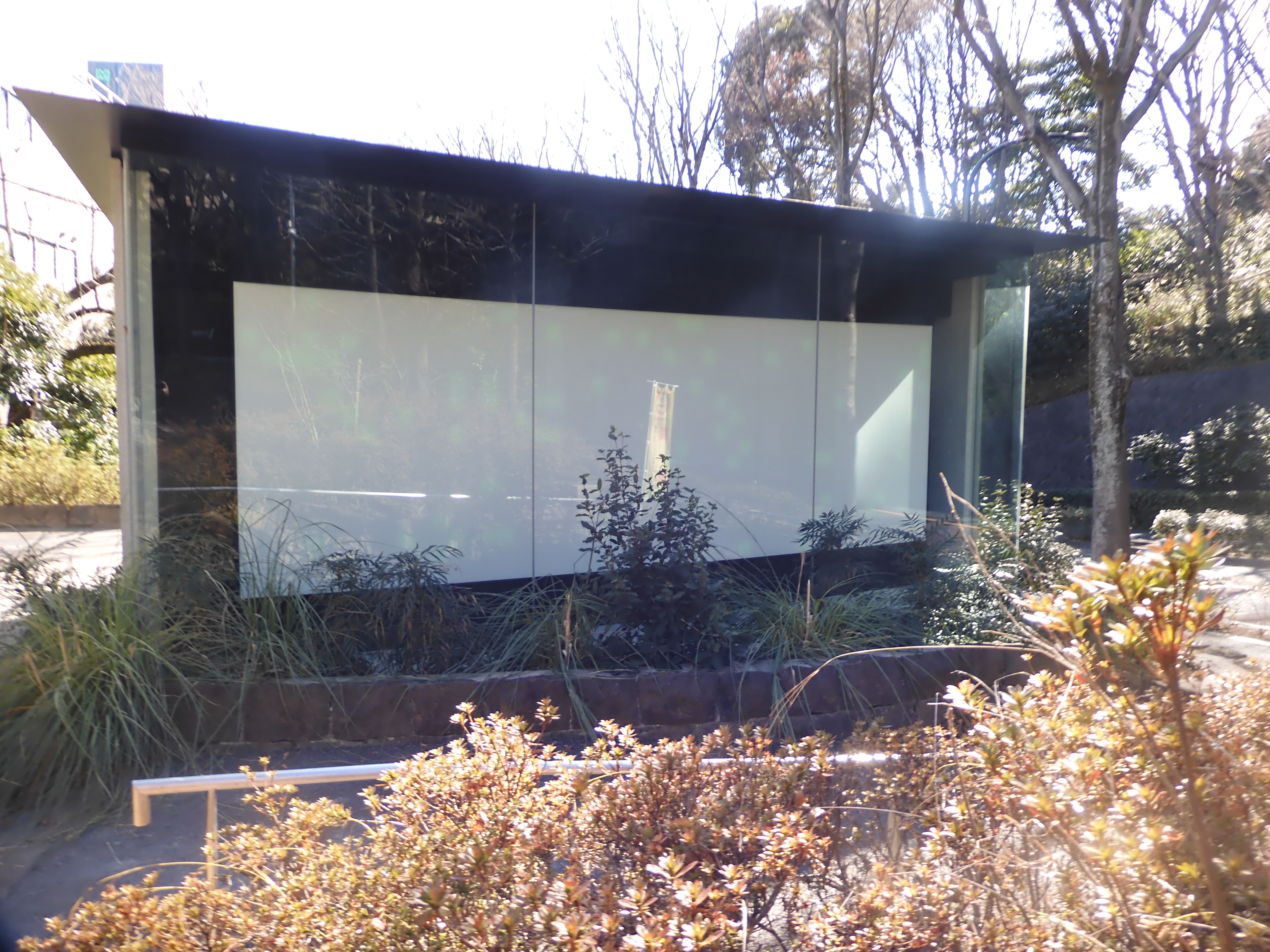
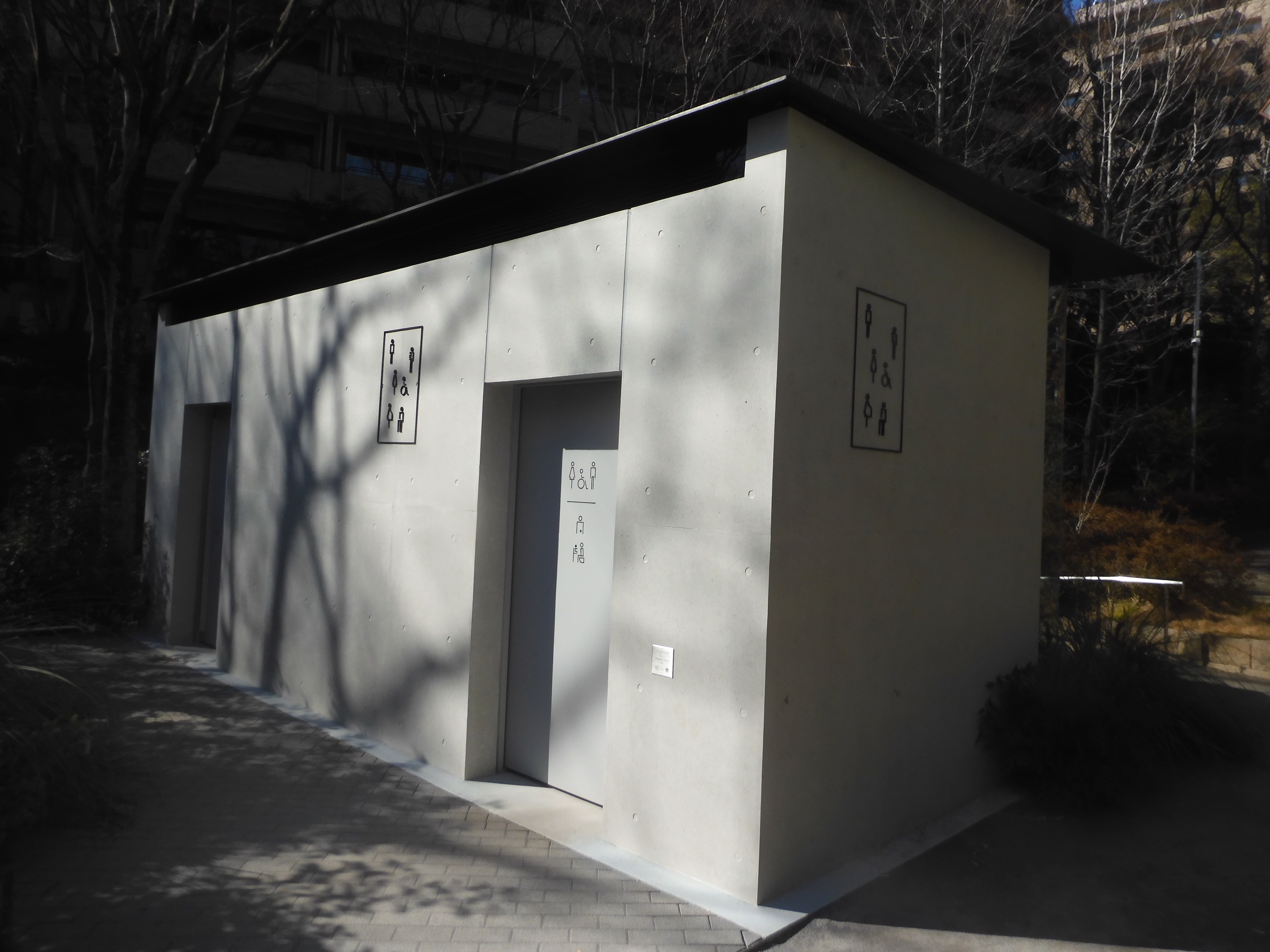
And now an outlier in fashionable Hiroo district.
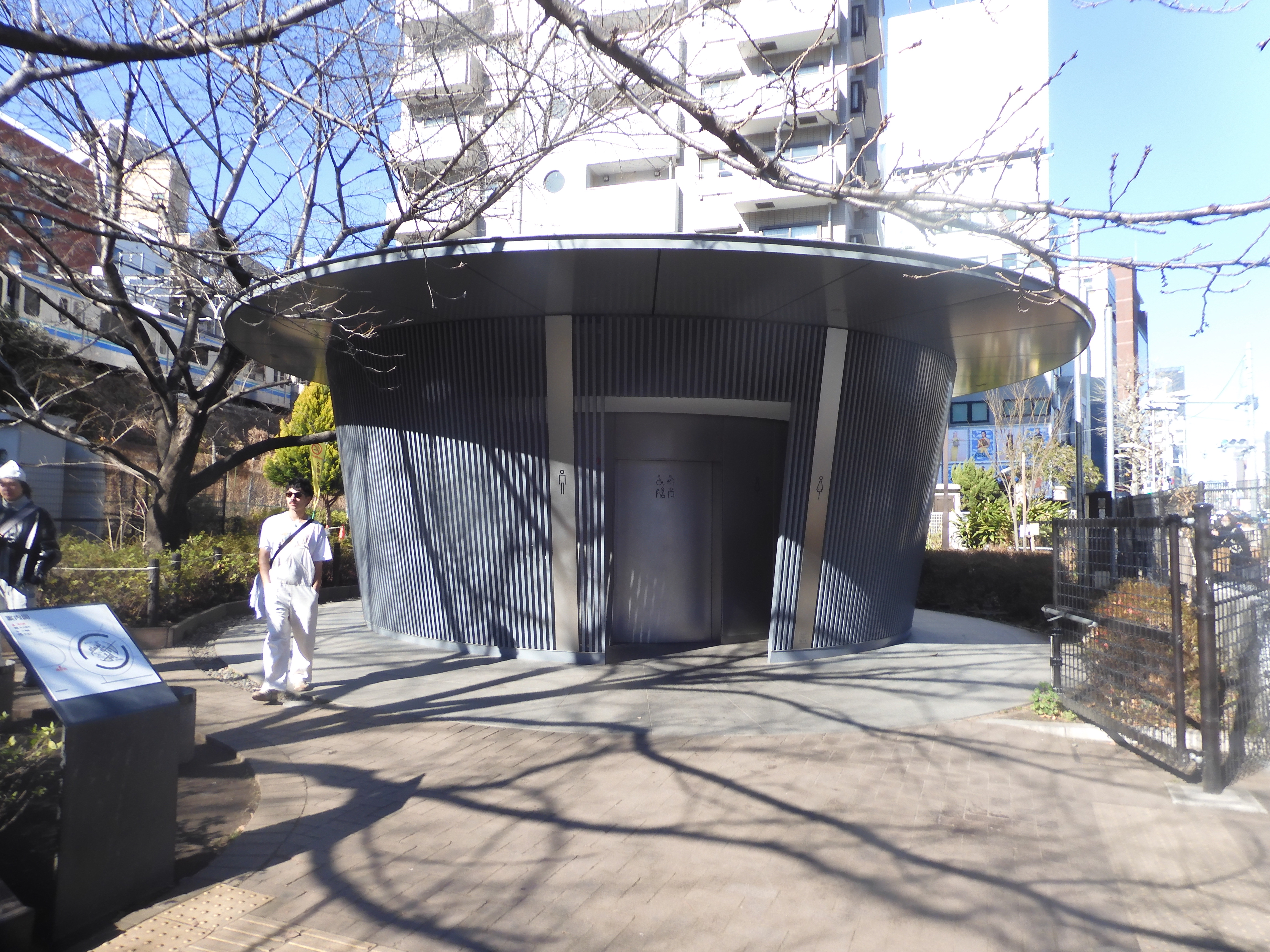
And heading back towards Shibuya
I visited most of these toilets accompanied by my good friend and walking companion, Yu Yoshida who lives in the Sasazuka area of Tokyo which has its own selection of Toilets.

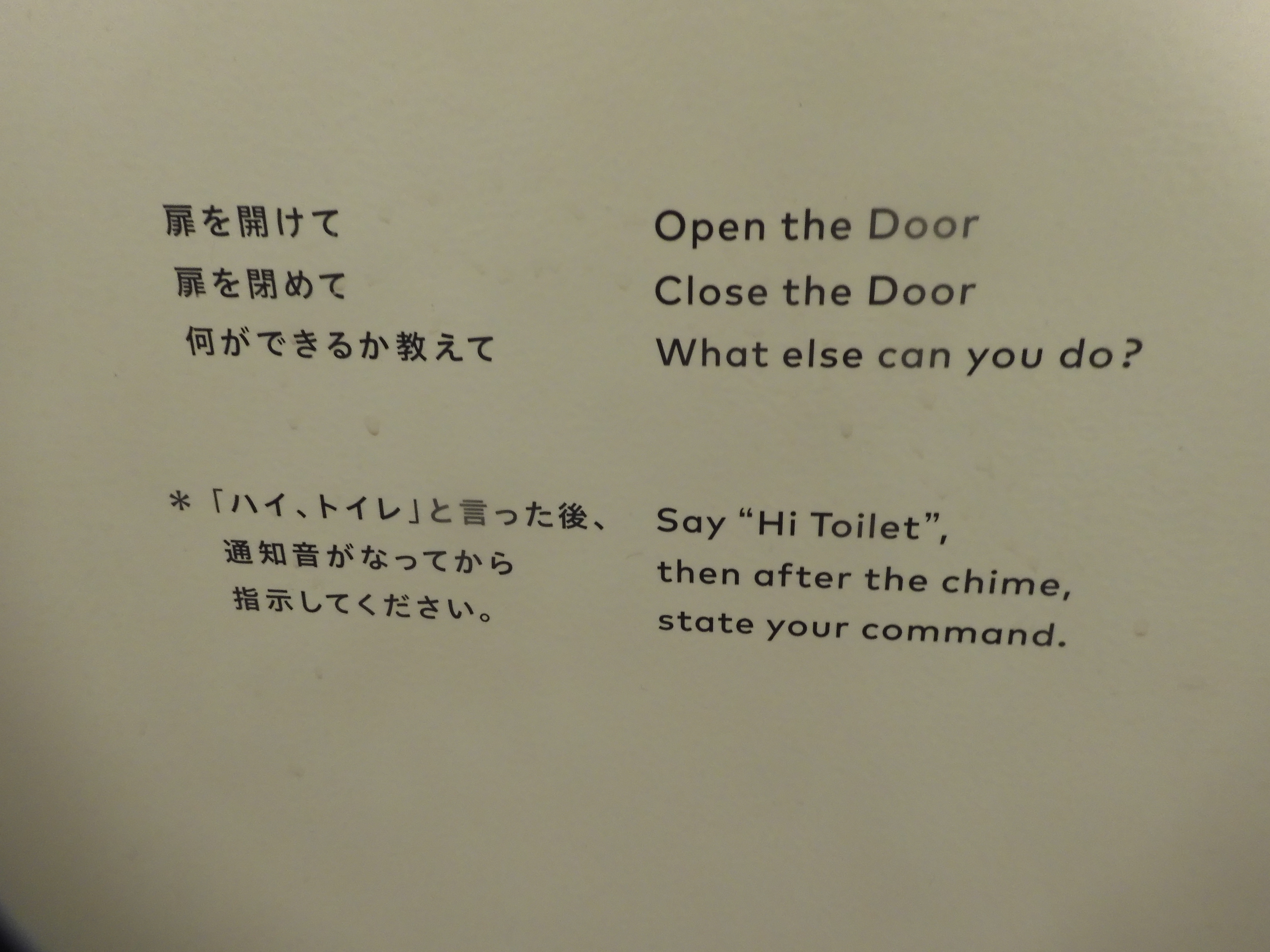
I tried but it didn’t work for me – maybe it wasn’t programmed for a British accent?!

And last, but not least a final look at, but not into those transparent toilets which were were not exactly flushed with success. ‘Due to the drop in temperature, it takes time for the glass walls to become opaque, so this toilet will remain opaque…from October 13, 2023 to mid-May 2024.’
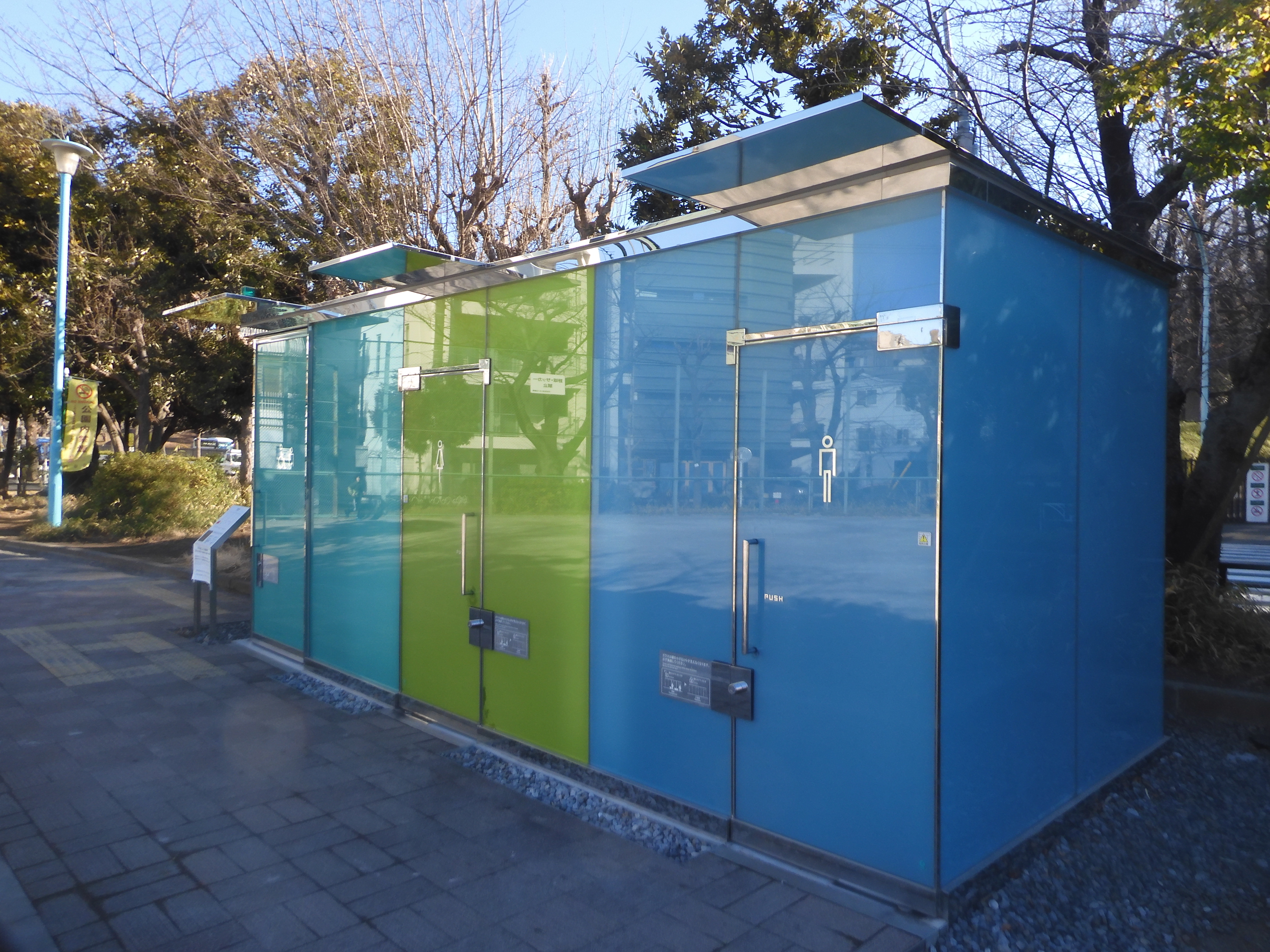
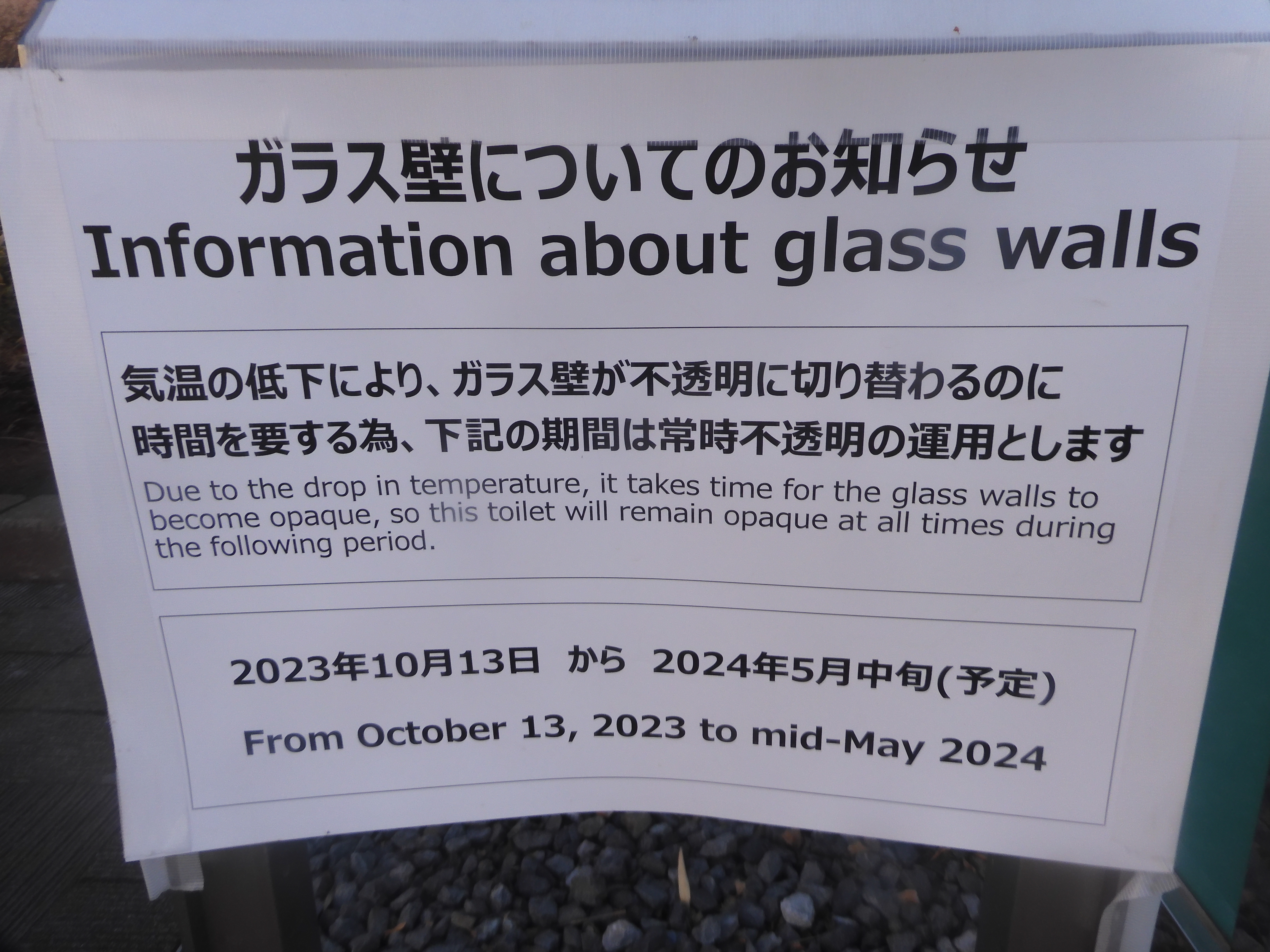
”Houston, we have a problem!” Visitors seeking the now-you-see-me-now- you- don’t experience will have to time their loo trips accordingly.

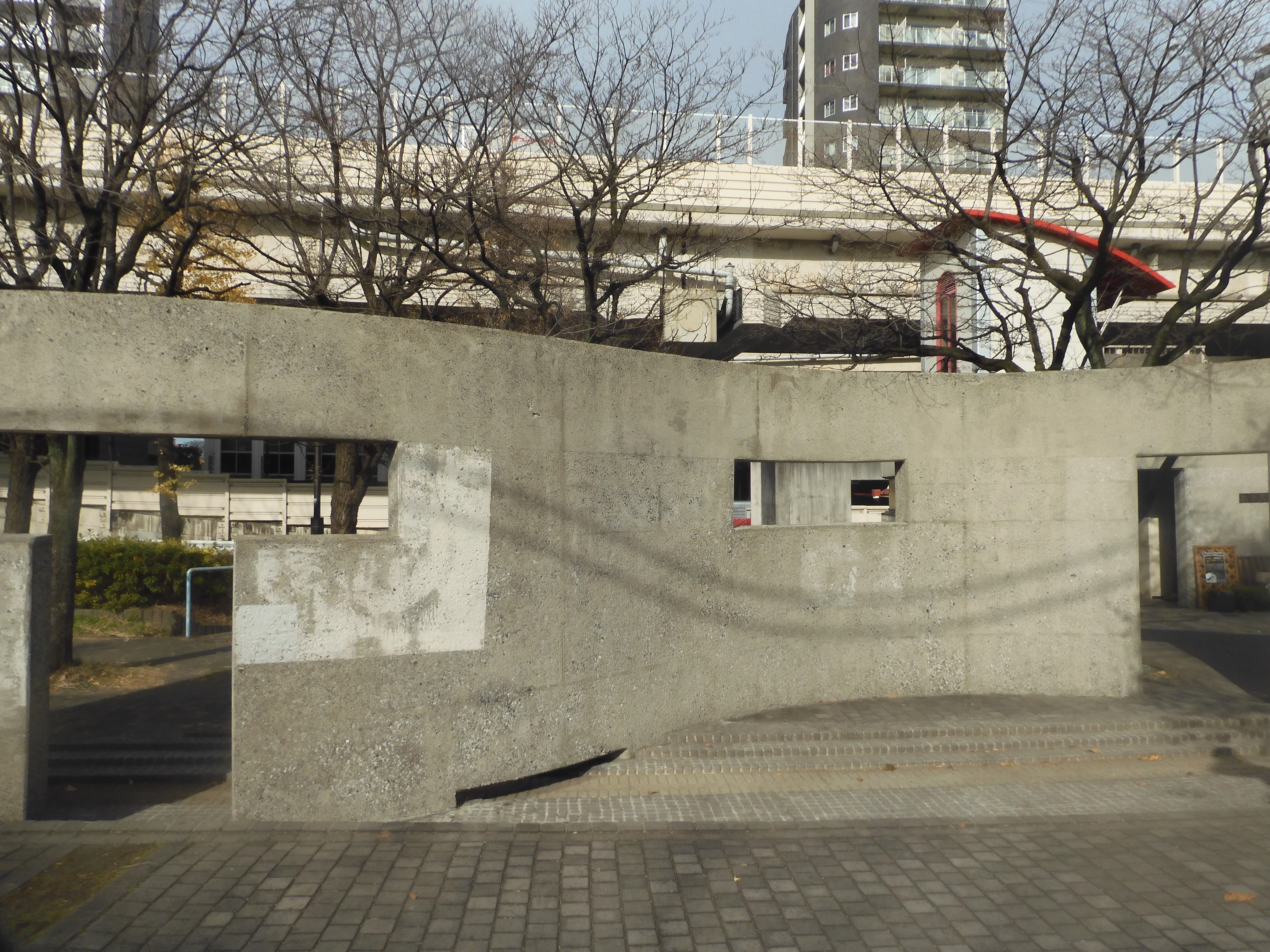
And now for a few images of ‘Not the Tokyo Toilet’ to show what it meant to be excused before this project took off.

It would be remiss of me not to reflect on a UK angle to all of this as Japanese visitors to the England would be forgiven for having a similar negative and well-founded view on some of our less salubrious attractions. But recent stays back home have given me some hope as far fewer of our public toilets now charge. In fact, ‘to spend a penny’ was once a less direct expression for ‘going to the toilet’ as that was once the pre-decimalisation charge for their use. The only places I was relieved of coinage to relieve myself were Northampton bus station (20 pence) and Birmingham Coach station which charged an extortionate 30 pence (a x70 increase over the original penny.) 30p to have a pee, that’s just taking the p*** isn’t it?
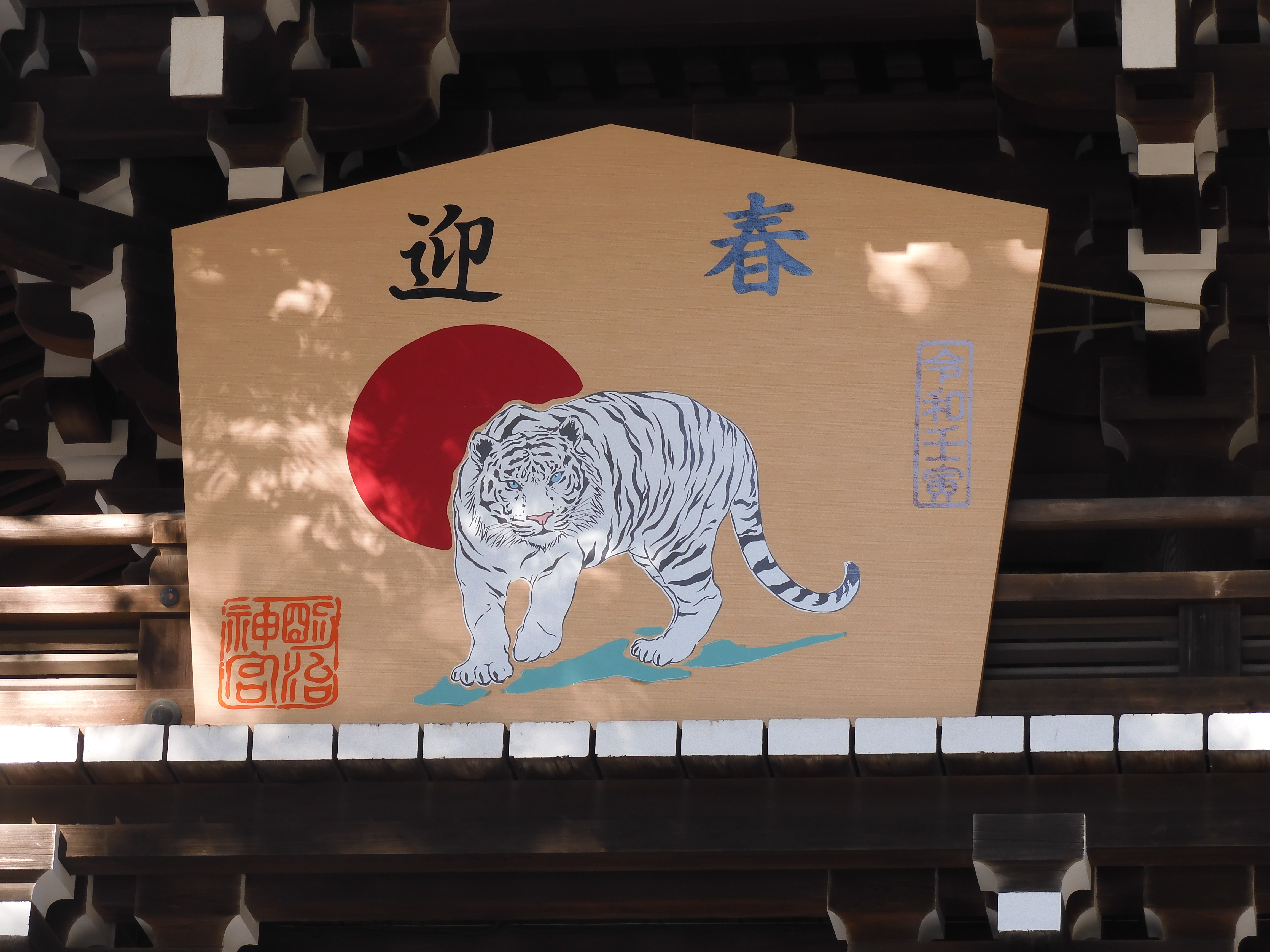
#2: ALL THE TWOs: A Call to adventure

Meiji Shrine, Tokyo

/

This week marked the start of the Year of the Tiger and yesterday was 2nd February 2022 or 2.2.22. It’s also two years since my post retirement freelance work came to and end mainly as a result of the Corona crisis. When I decided to take early retirement from my main career with the UK Government and to remain in Tokyo, to where I was posted at the time, it had been my intention to divide my time equally between my family home in the British Midlands and my adopted home in Japan. To which a good friend remarked “So, you want the best of both worlds?” But, a regular contract as a business writing trainer and coach meant I spent the greater part of my time here in Japan.

However, reality now starts to kick in as one year from now, I’ll need to return to the UK to qualify for my State Pension when I turn 66. Joseph Campbell talks about a Hero’s Journey and although no hero, I like the structure that he advocates especially when embarking on one of life’s adventures. In his book ‘The Hero with a thousand faces’ he says one of the ways in which an adventure can begin is a ‘blunder’:

A blunder – apparently the merest chance- reveals an unsuspected world, and the individual is drawn into a relationship with forces that are not rightly understood. As Freud has shown, blunders are not the merest chance. They are the result of suppressed desires and conflicts….the blunder may amount to the opening of a destiny.

Hero with a Thousand Faces, Chapter 1.Departure, 1. Call to adventure

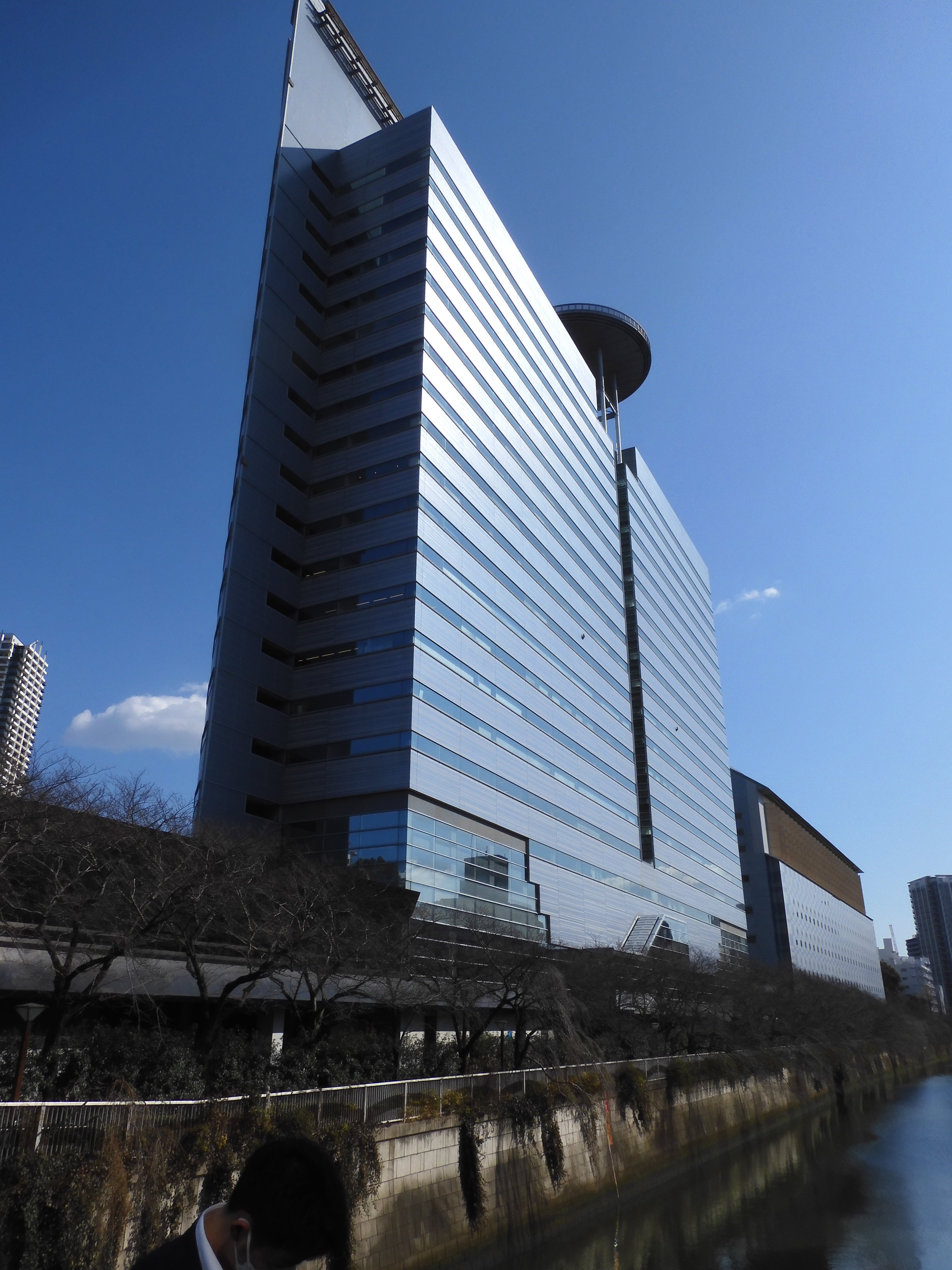
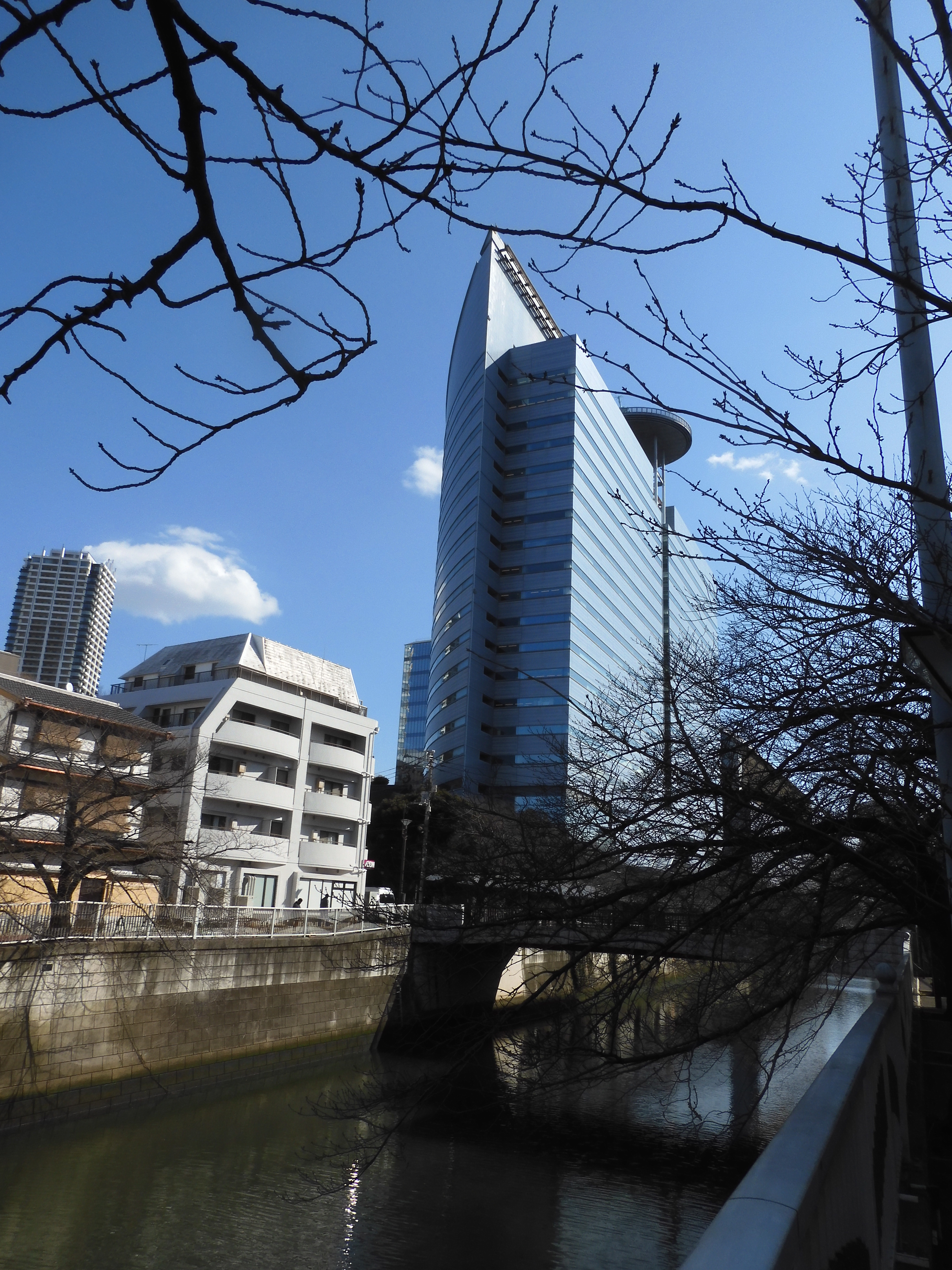
/My failure to find any further freelance work could well be described as my blunder leading to my personal destiny, the call to the adventure of living the Albihon (best of England and Japan) lifestyle as well as writing about it. When I need to think, I usually do so best while walking. My final training contract took place on the 19th floor of the imposing Arco Tower building in Tokyo’s Meguro district.

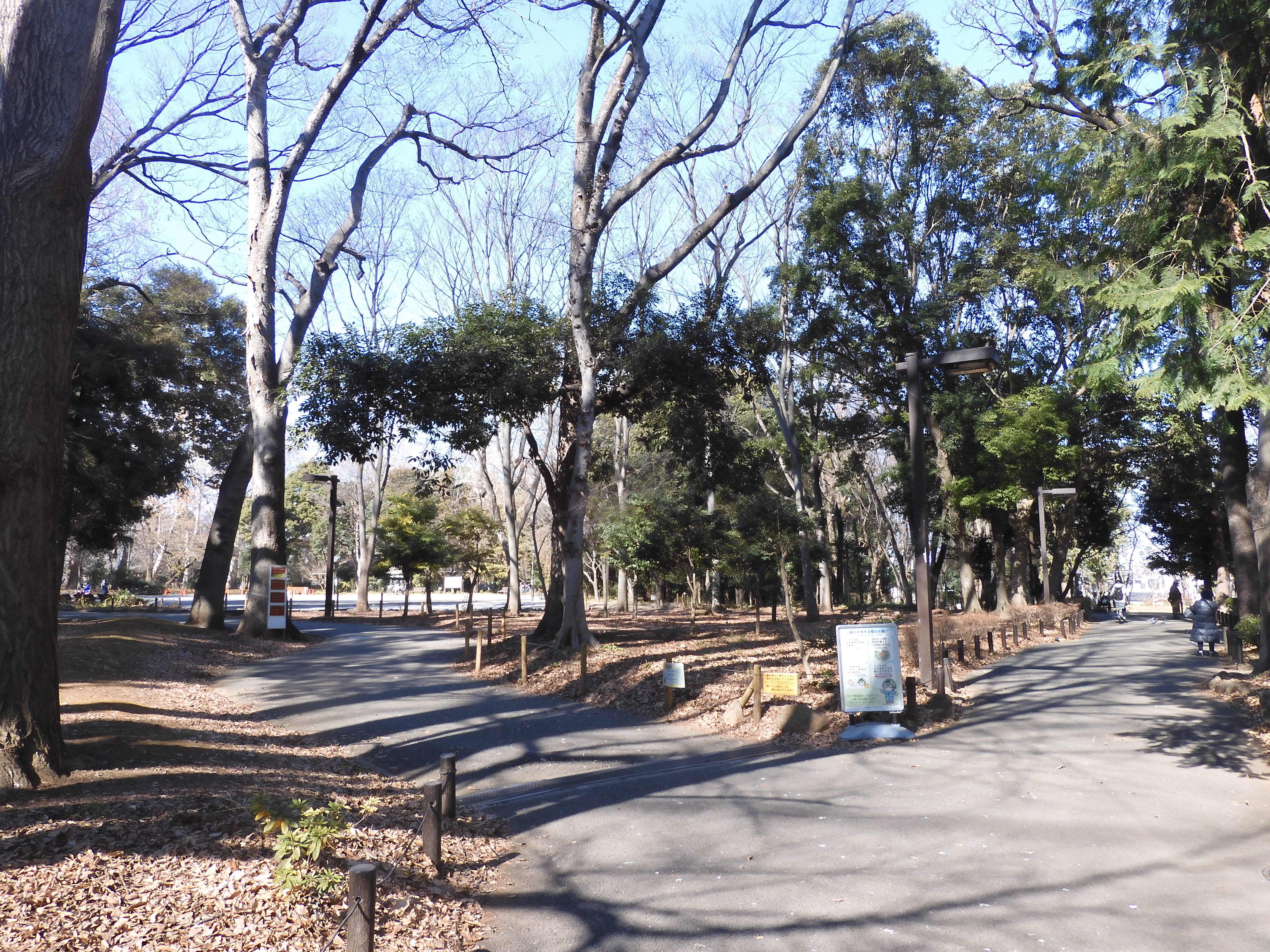
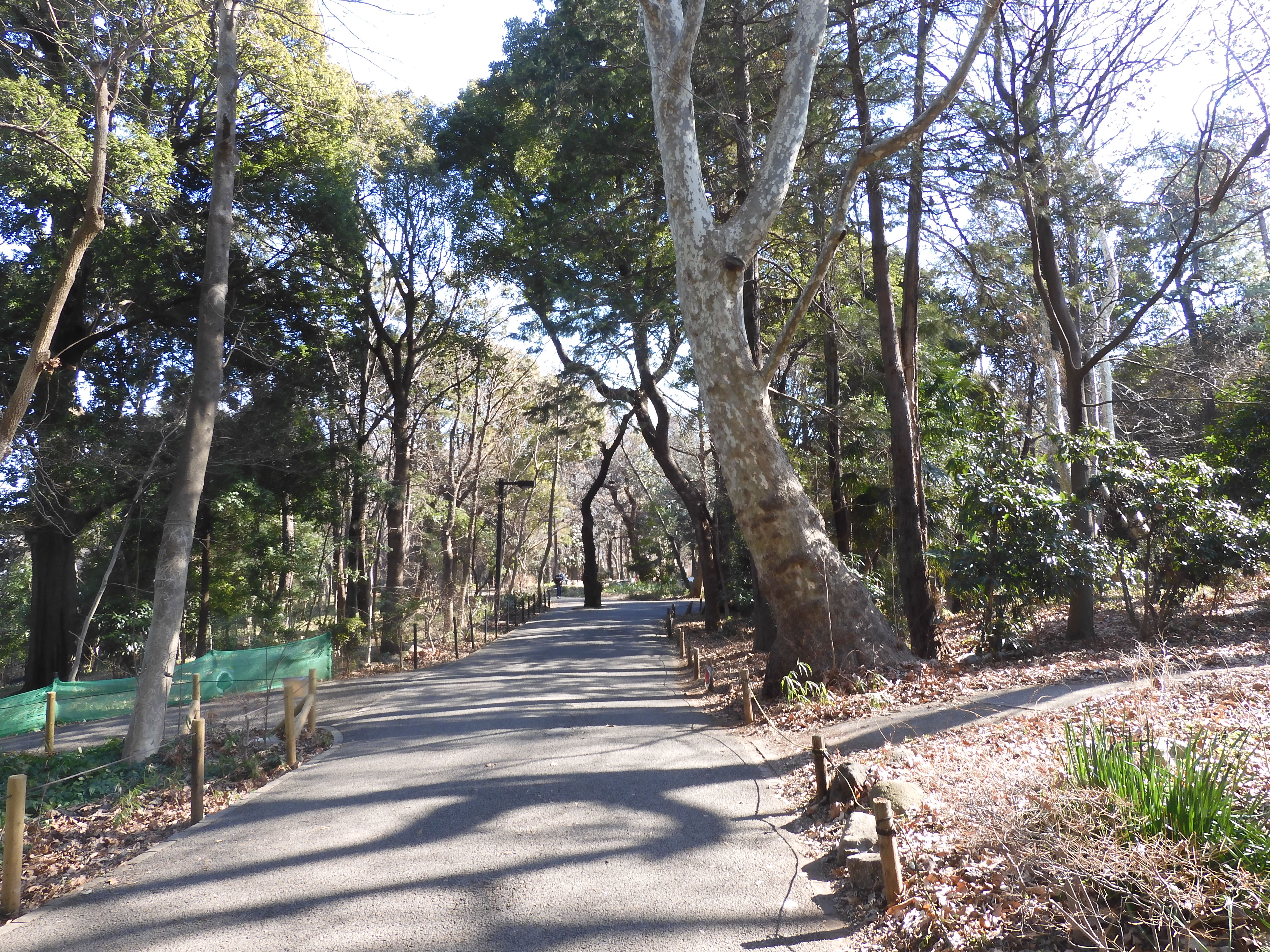
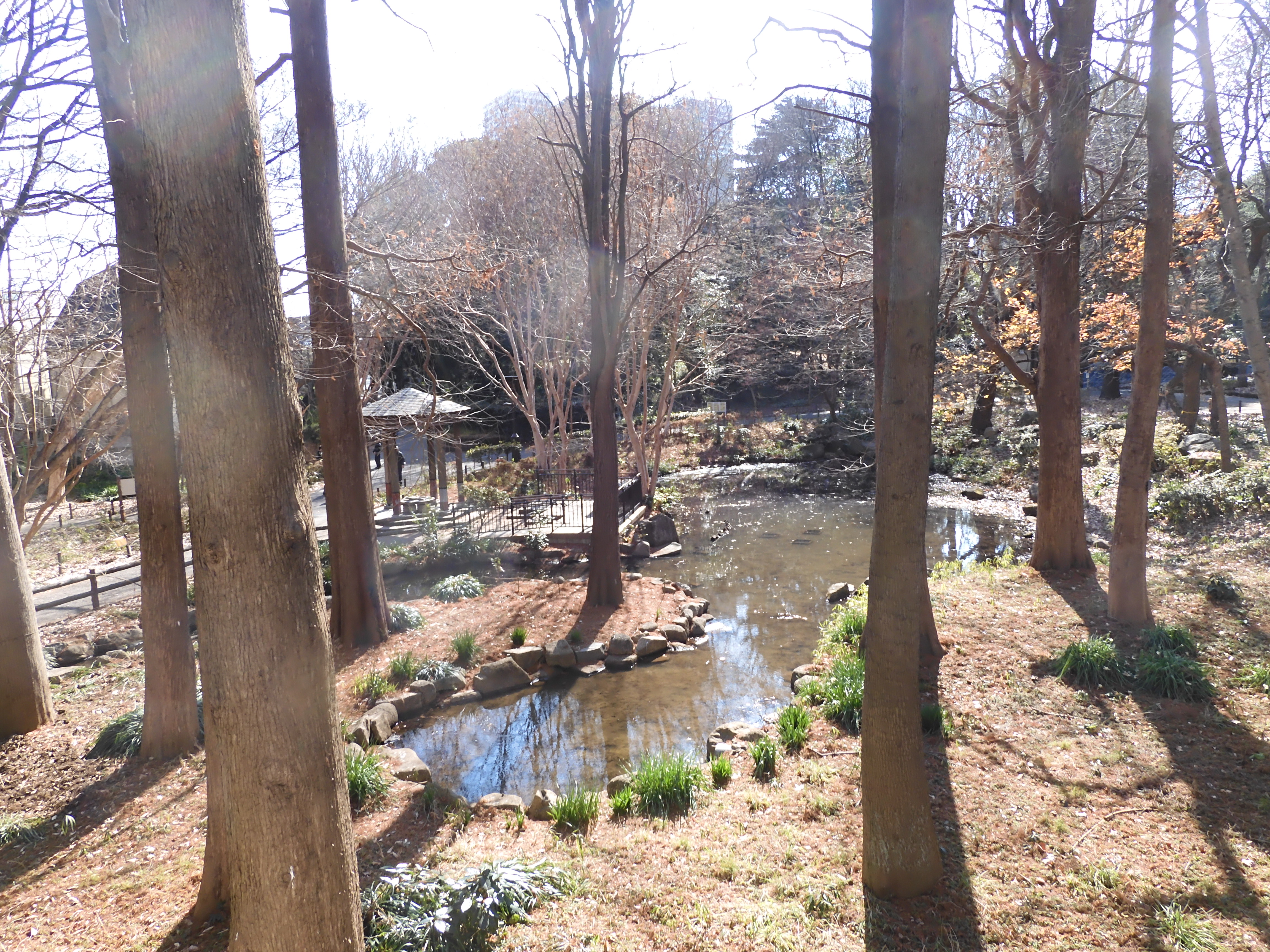
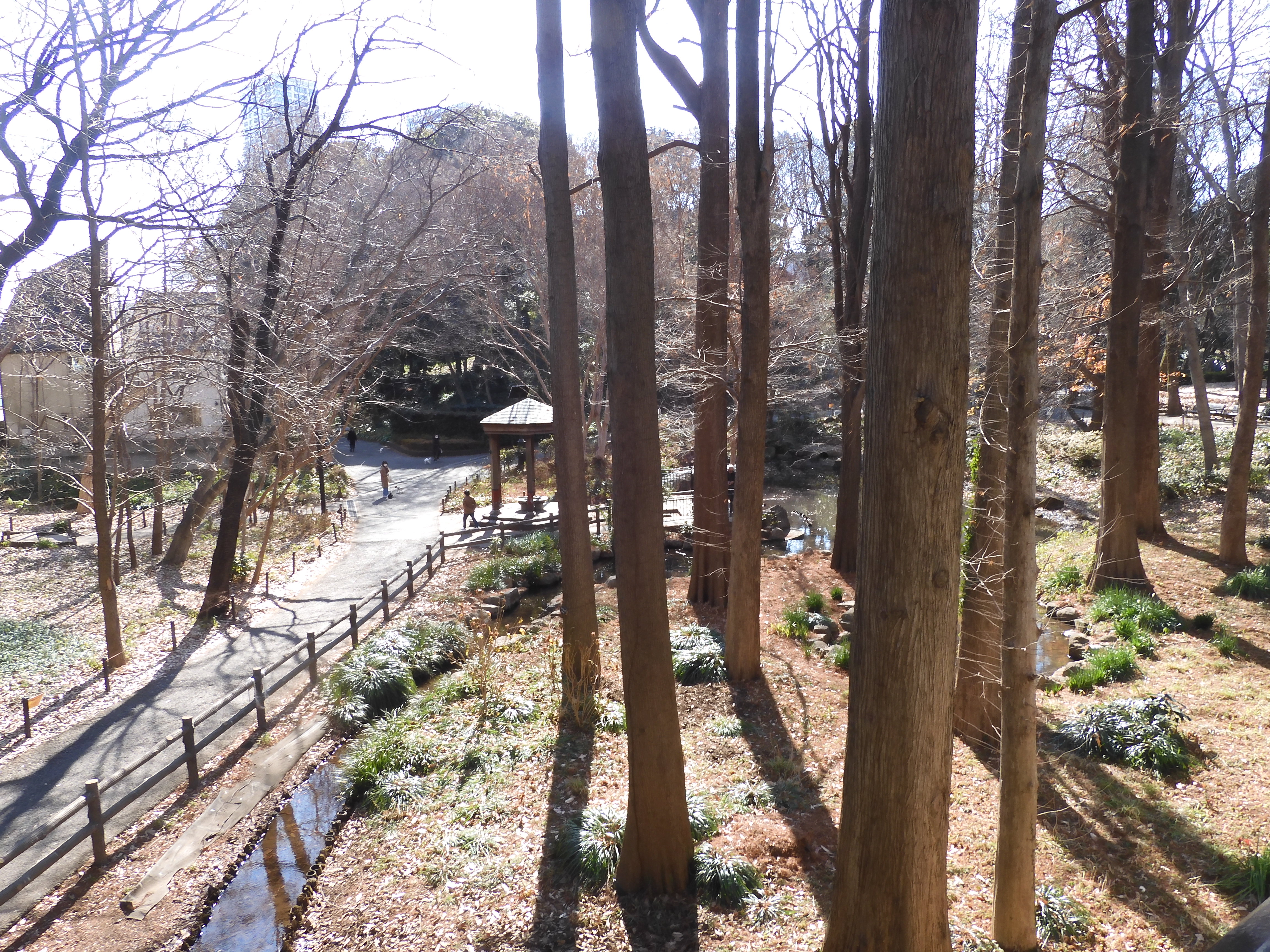
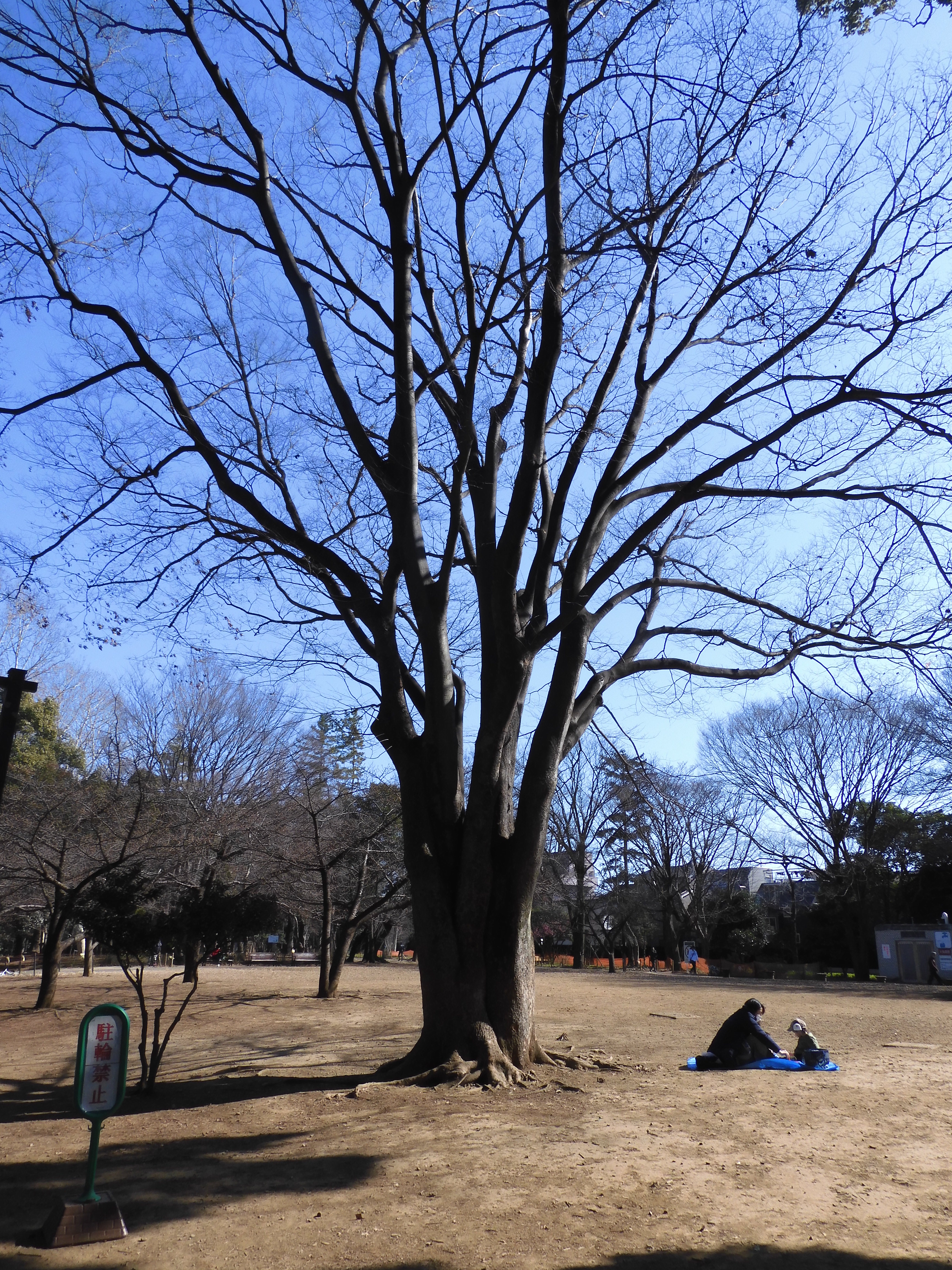
From there we were usually blessed with views of Mt Fuji on the horizon. Whilst climbing Japan’s iconic mountain has long been a challenge I’d love to undertake, it’s not yet the climbing season so that’ll have to wait. A more realistic destination was the woodland area breaking up the suburban sprawl, I used to gaze down on. So yesterday I visited Rinshi no Mori park for the first time. After starting as a Meguro test nursery in 1900, it became Hayashi trial forest park in 1989. Now forest trails, adventure playgrounds, open areas and a pond make this an ideal location for a spot of forest therapy in the heart of the city.

It wasn’t the best season for a park with numerous plum and cherry trees, but it won’t be long until the weather warms up and we can enjoy their respective blossoms.

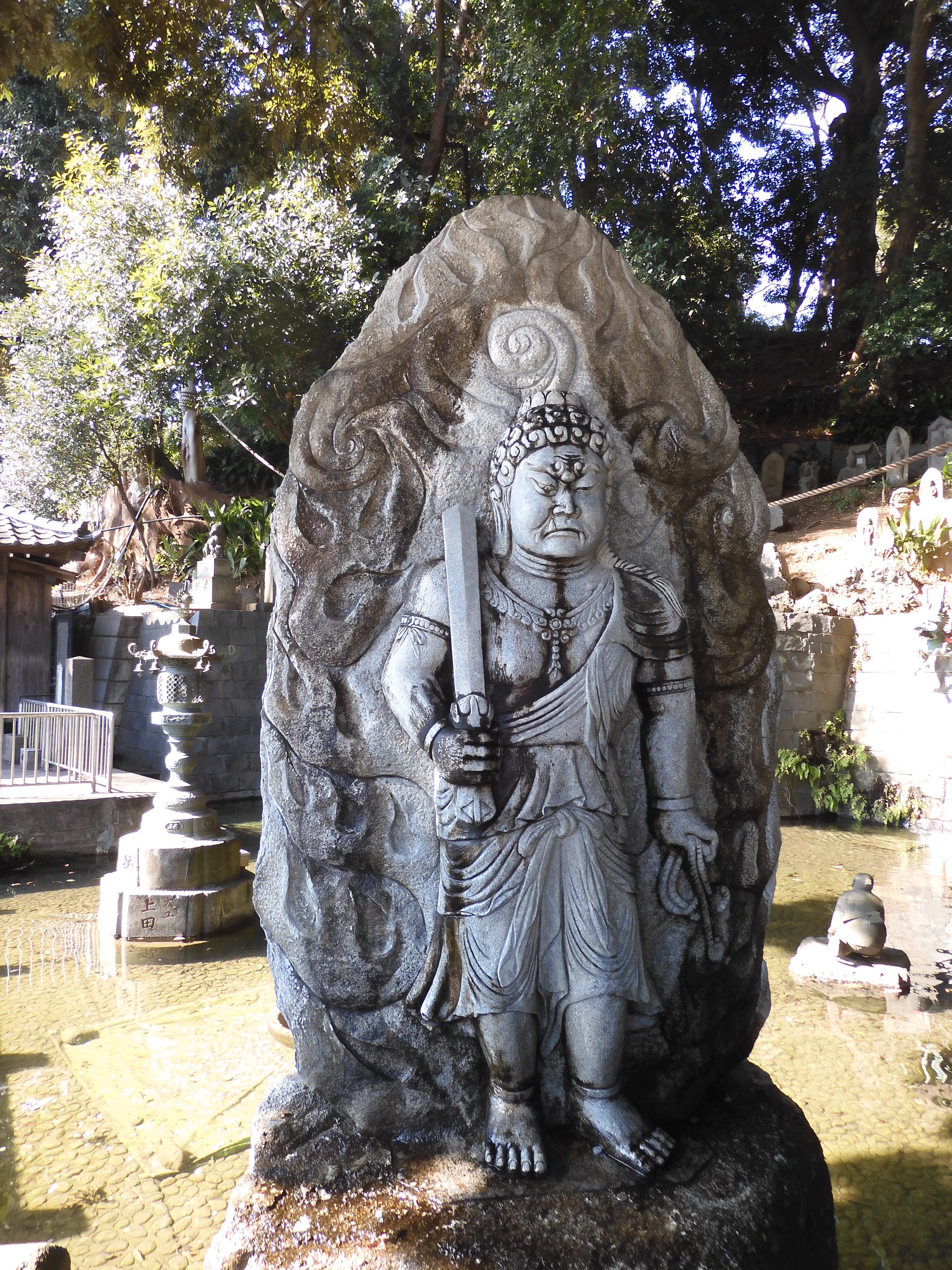
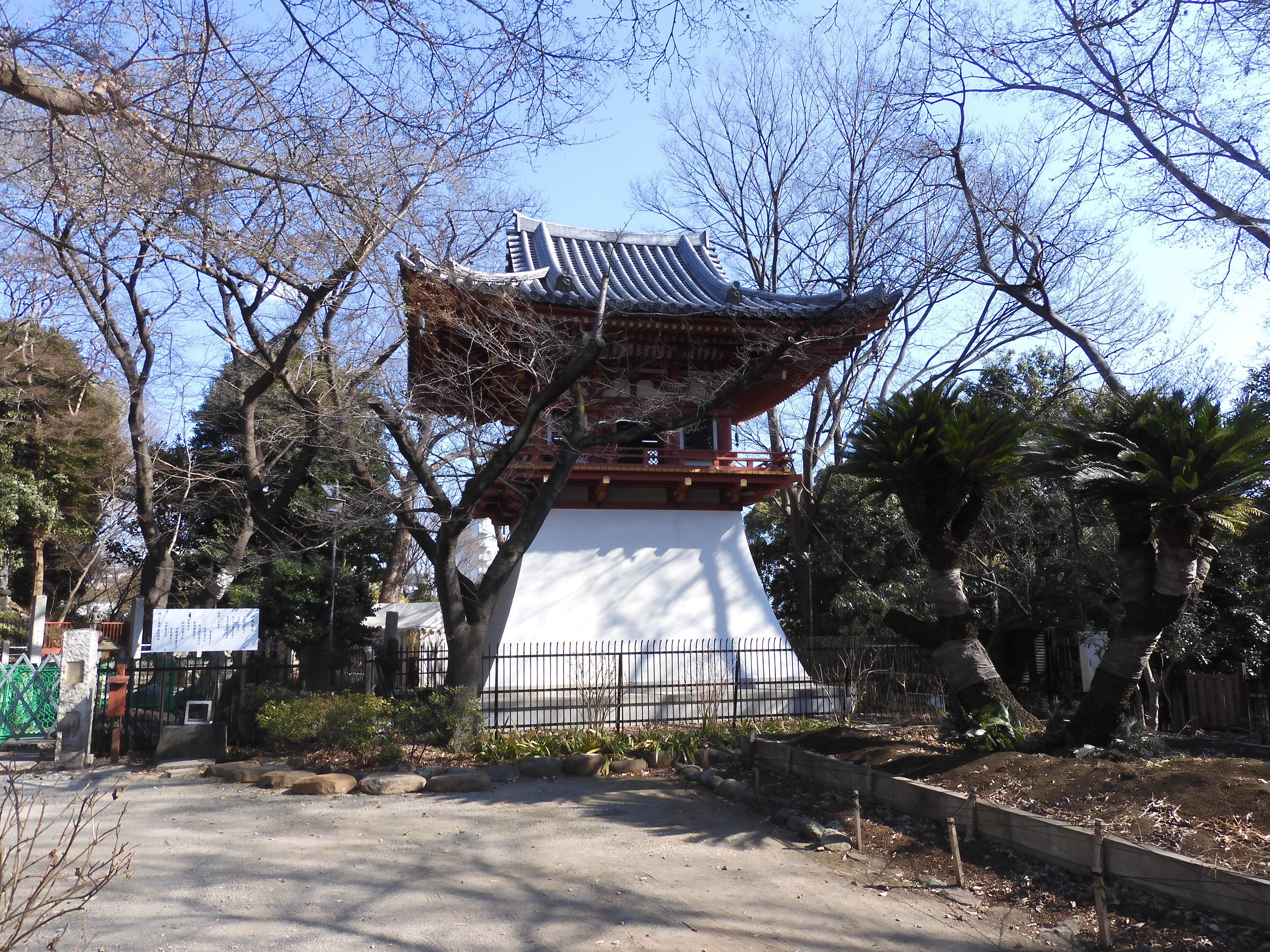
As well as the practicalities of the adventure ahead, I expect I’ll also be questioning my own beliefs. As it will also be a spiritual journey as well as a physical one yesterday’s walk included a visit to the Ryūsenji (瀧泉寺) also known as the Meguro Fudō (目黒不動, Black-eyed Fudō) Buddhist temple. According to the temple legend, Ryūsen-ji was built in 808 by Ennin to enshrine a statue of Fudō-myōō, while he was on a journey from Shimotsuke province to Mount Hiei.

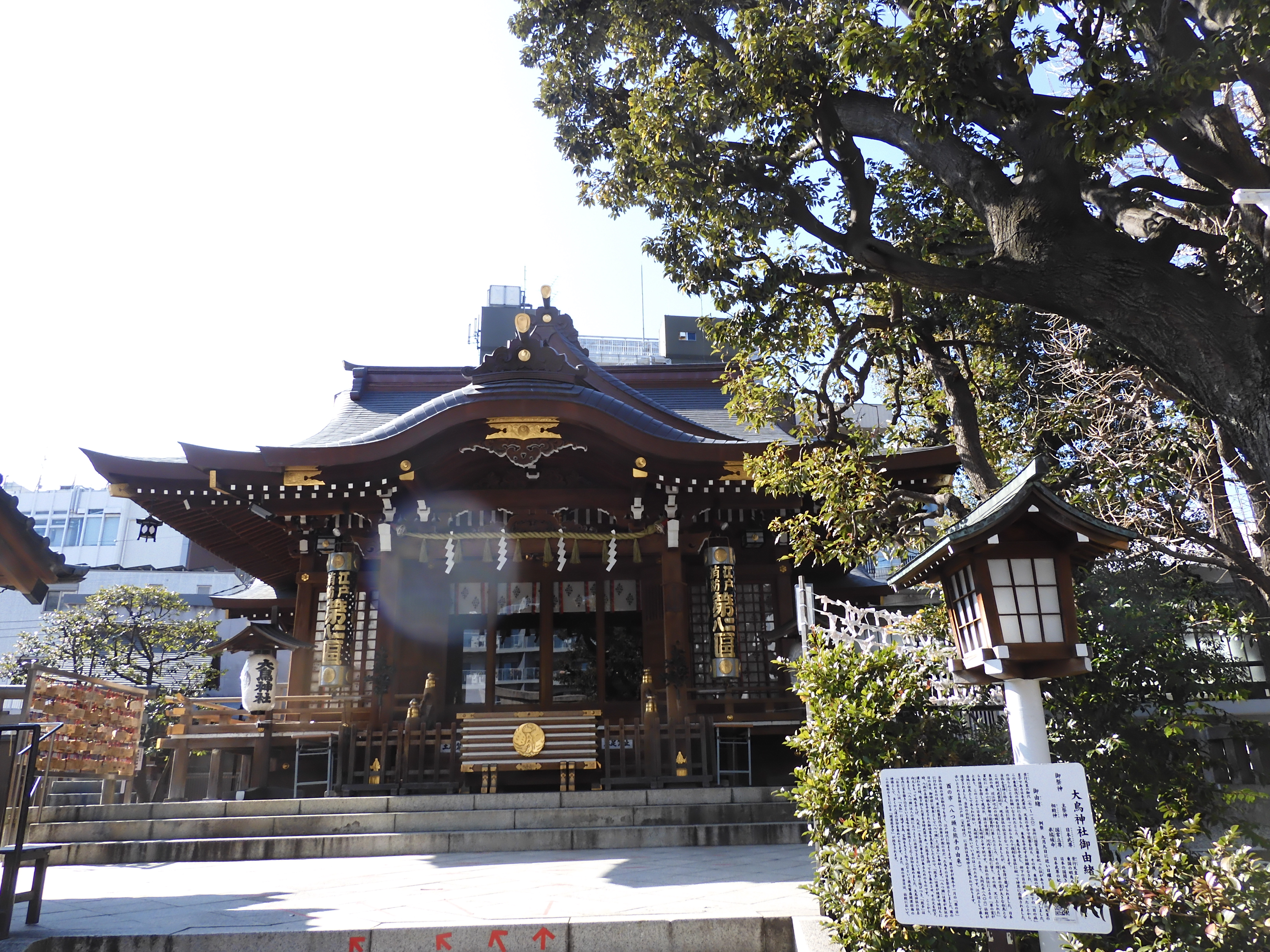
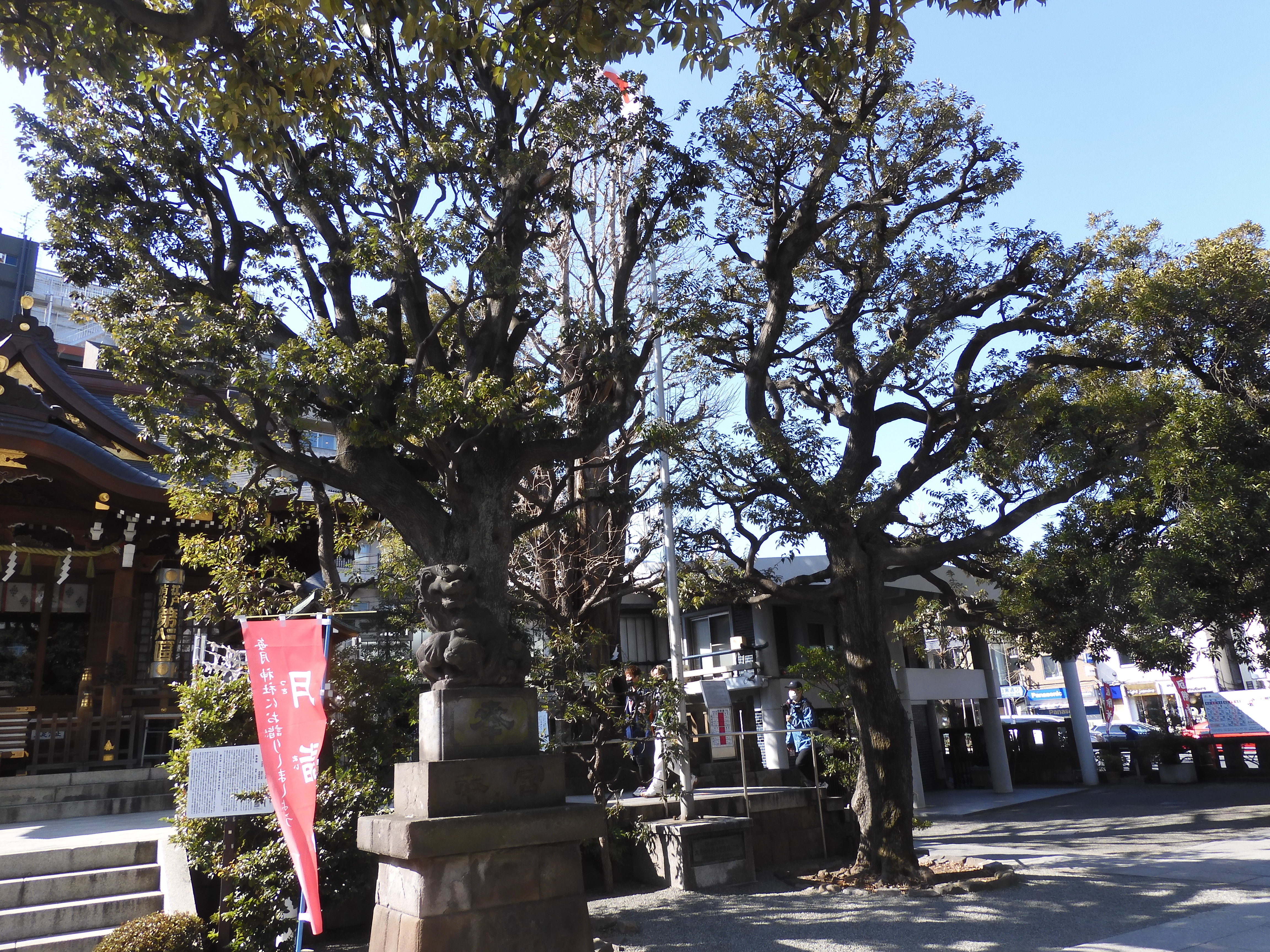
Keeping my options open (I used to be a diplomat after all!) I then called in at the Otori Shinto Shrine, the history of which involved an emperor taking a rest stop after quelling some eastern barbarians.

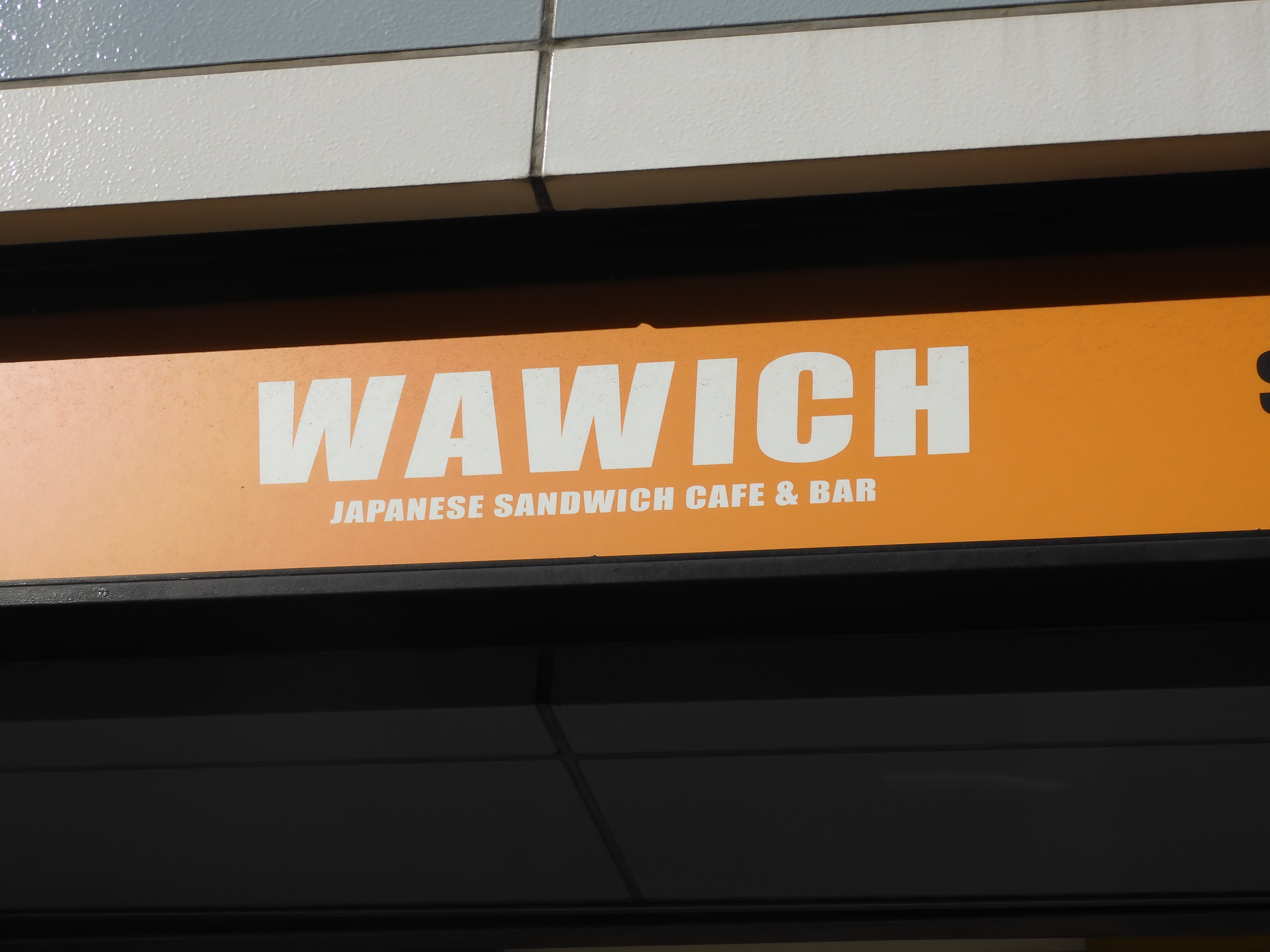
Fortunately, this was something I’d never had to do during my previous career. But the thought of it was making me hungry. In Japanese, the character ‘wa’ (和) can mean ‘harmony or peace’ as well as ‘Japan’, and is often used as a prefix to a compound indicating a Japanese version of the word that follows. I’m familiar with its useage meaning Japanese-style, Japanese-clothes and Japanese-food but the following was new to me.

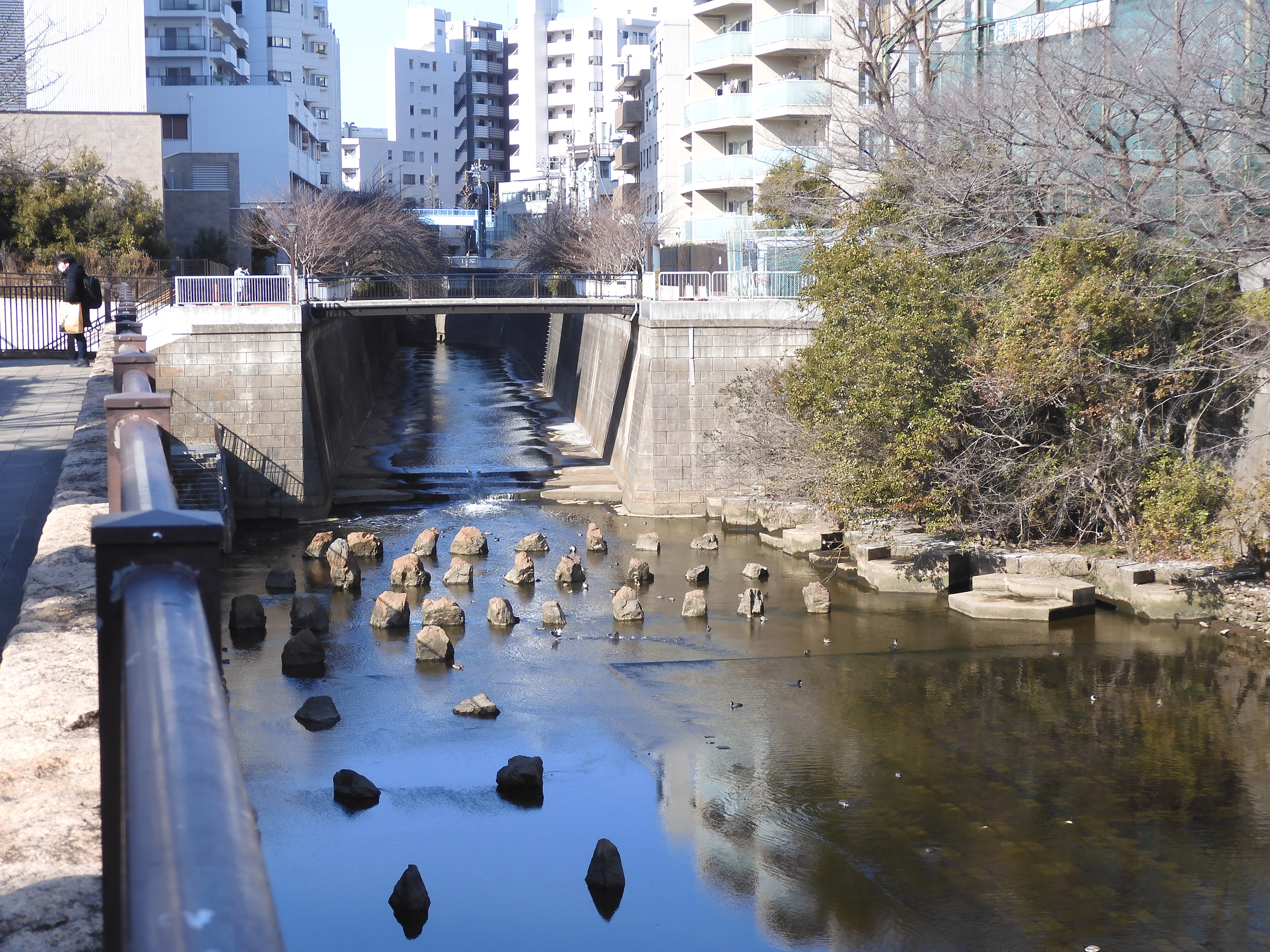
But my mackerel and tomato ‘wawich’ did the job and fuelled me for my walk home along the Meguro River.

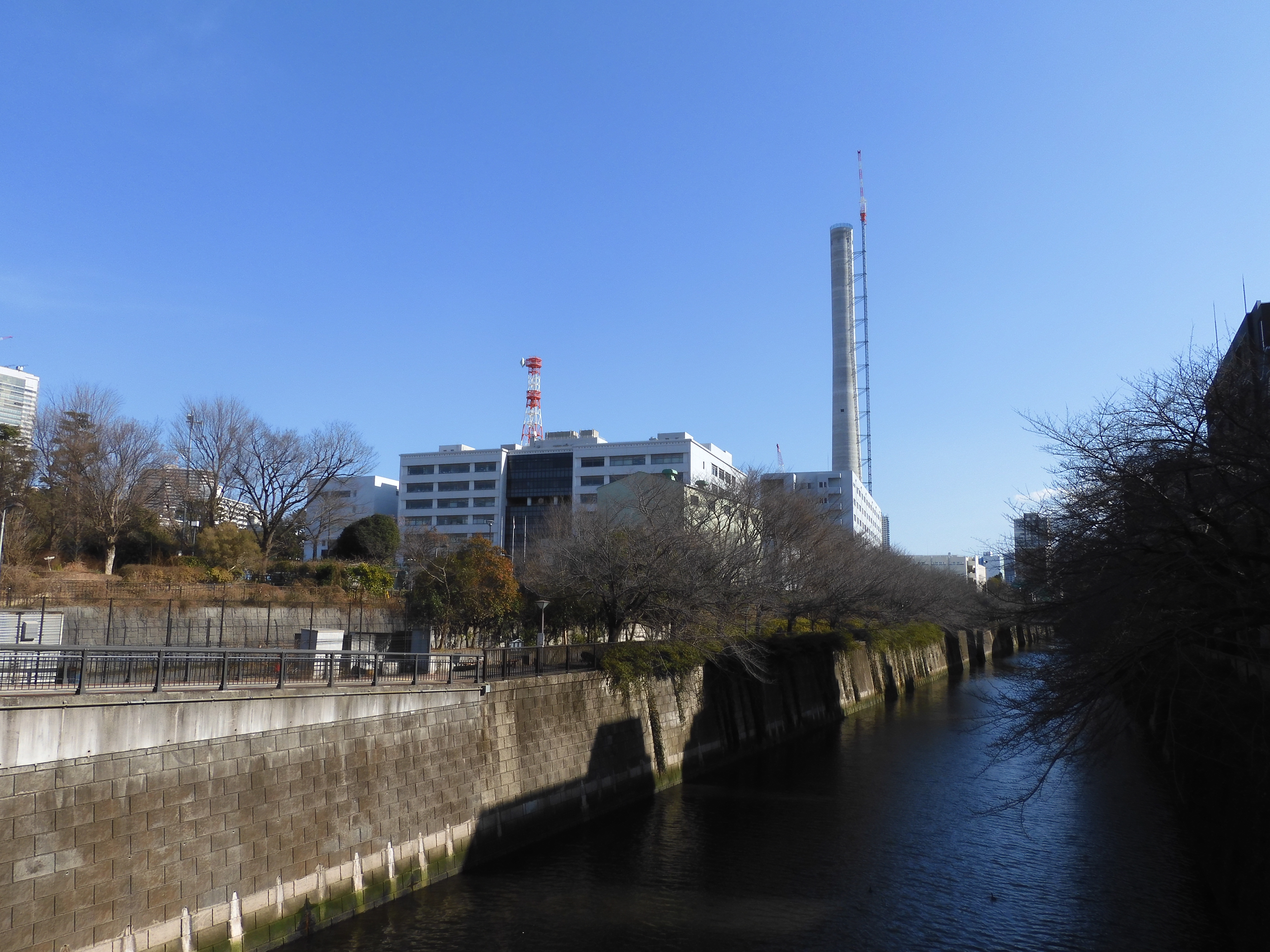
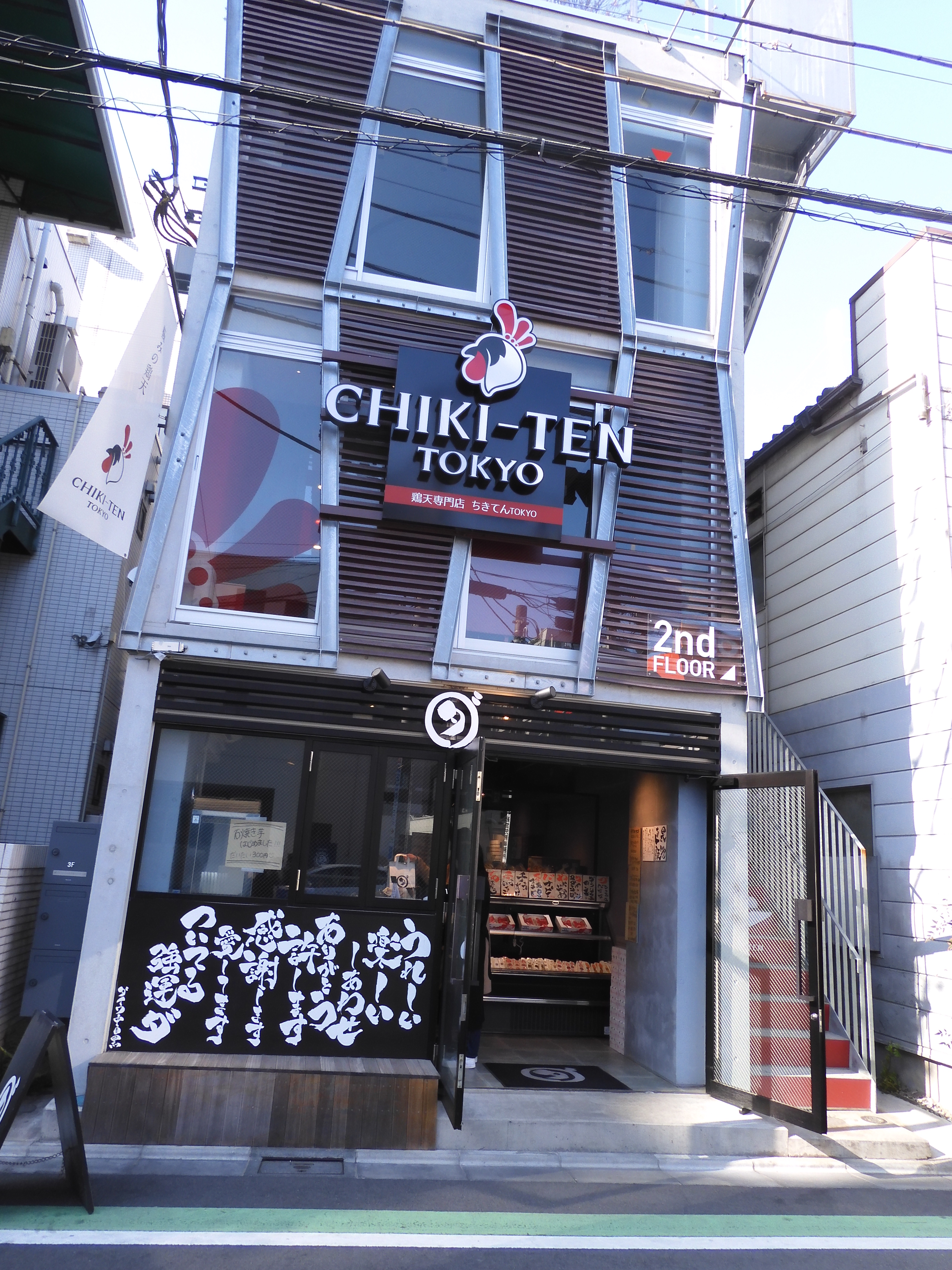
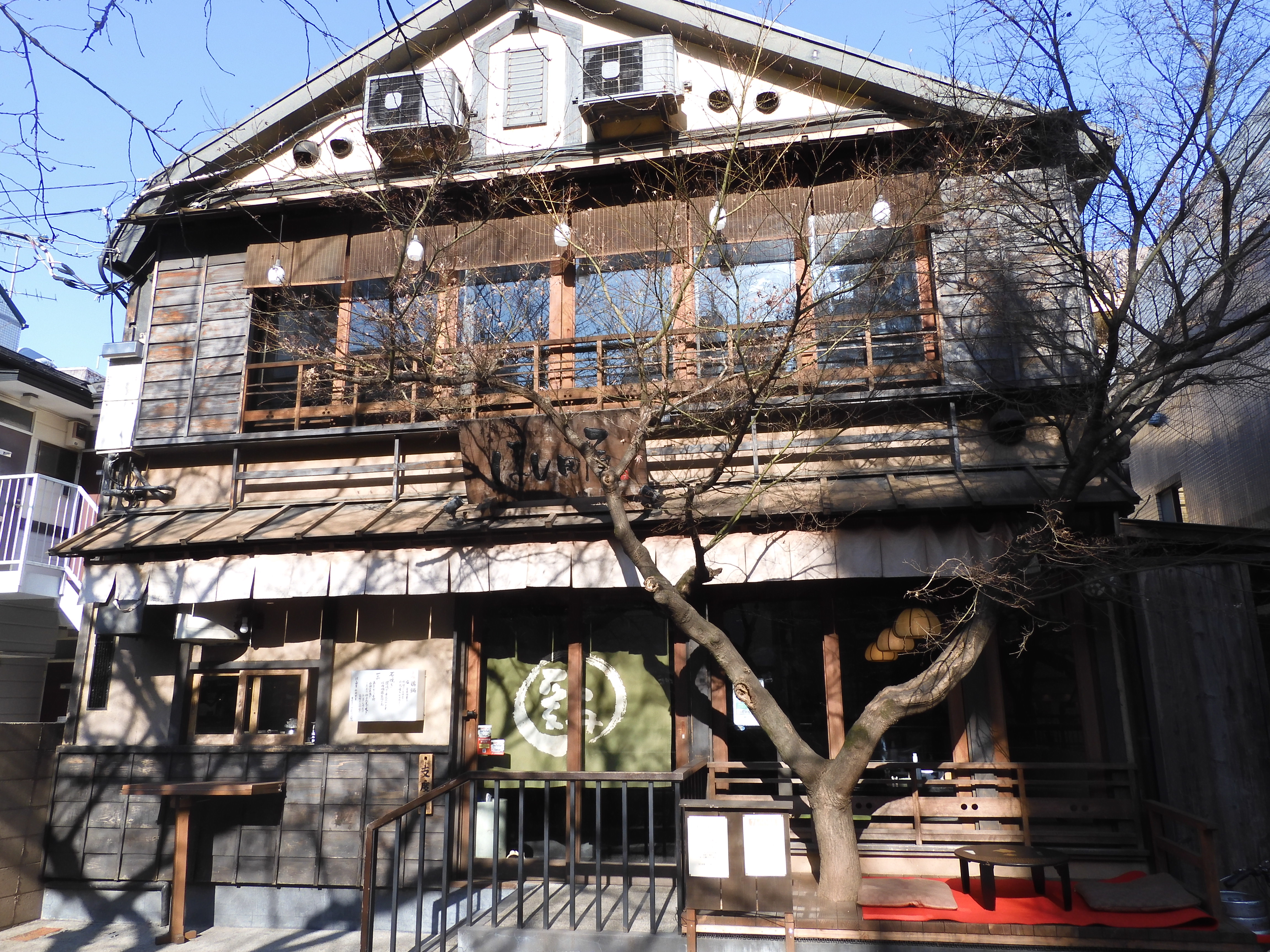
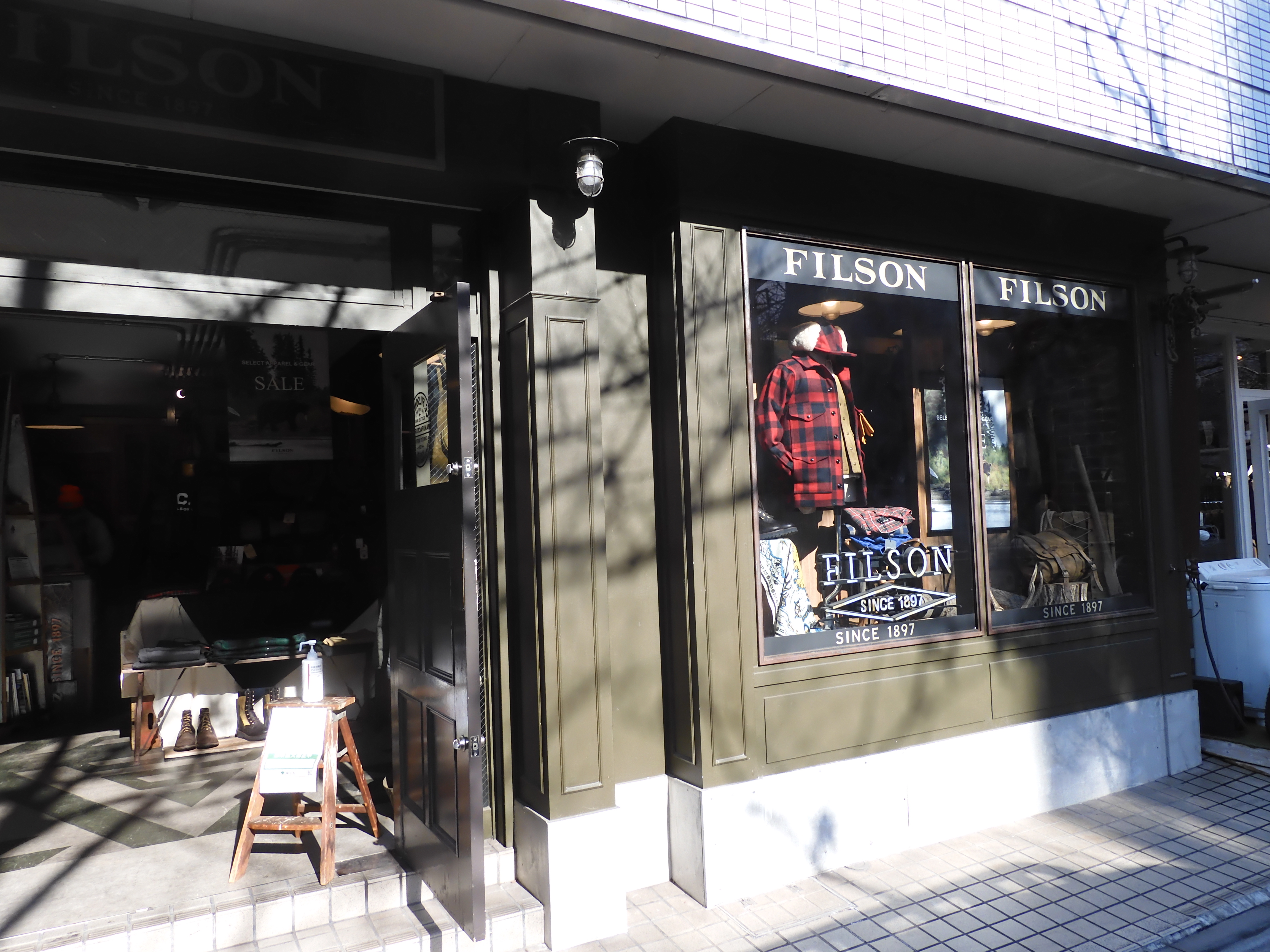
Passing through Naka-Meguro the river pathway is lined with a motley collection of shops, galleries and boutiques, old and new, with a real international flavour to them.

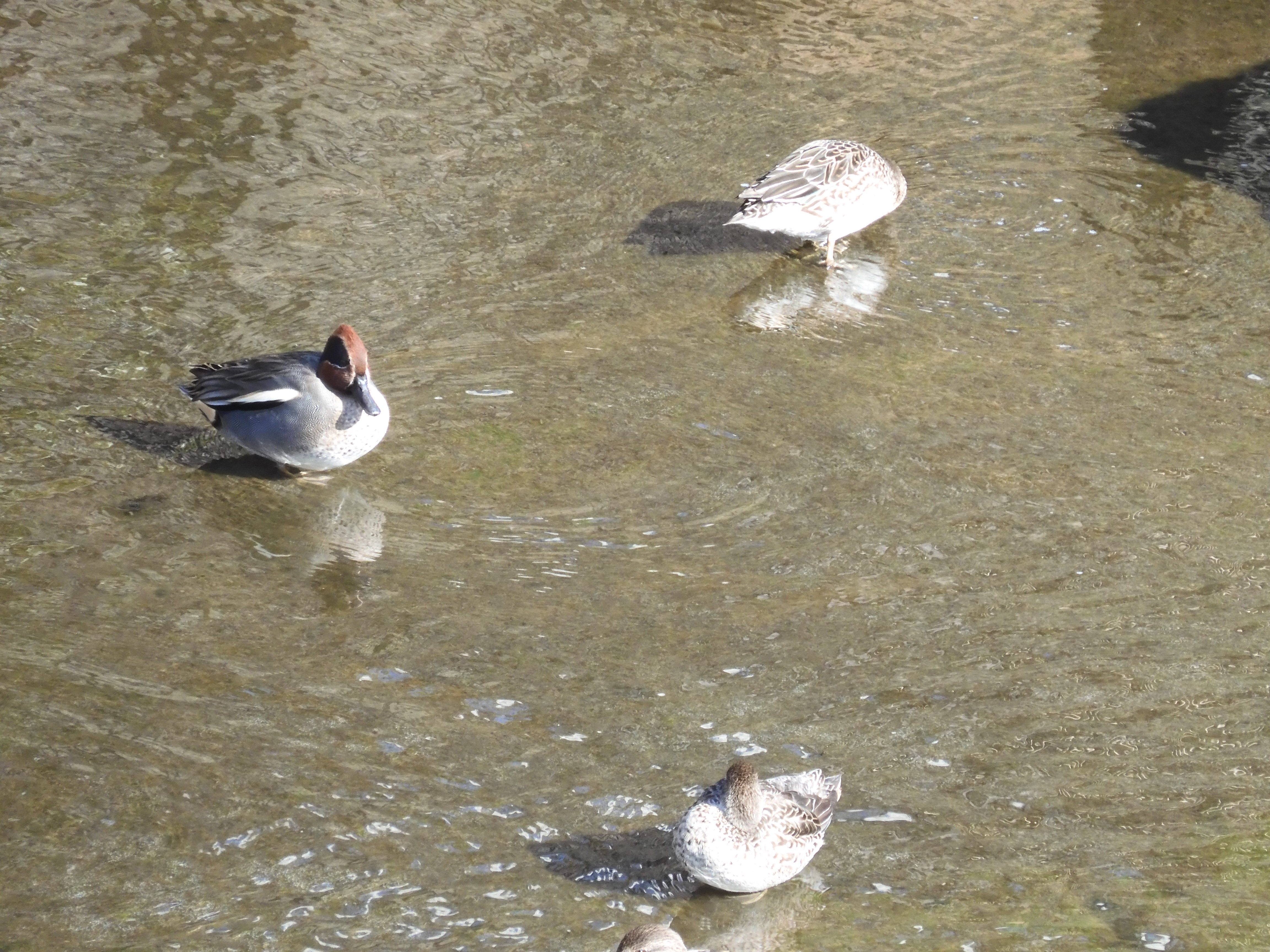
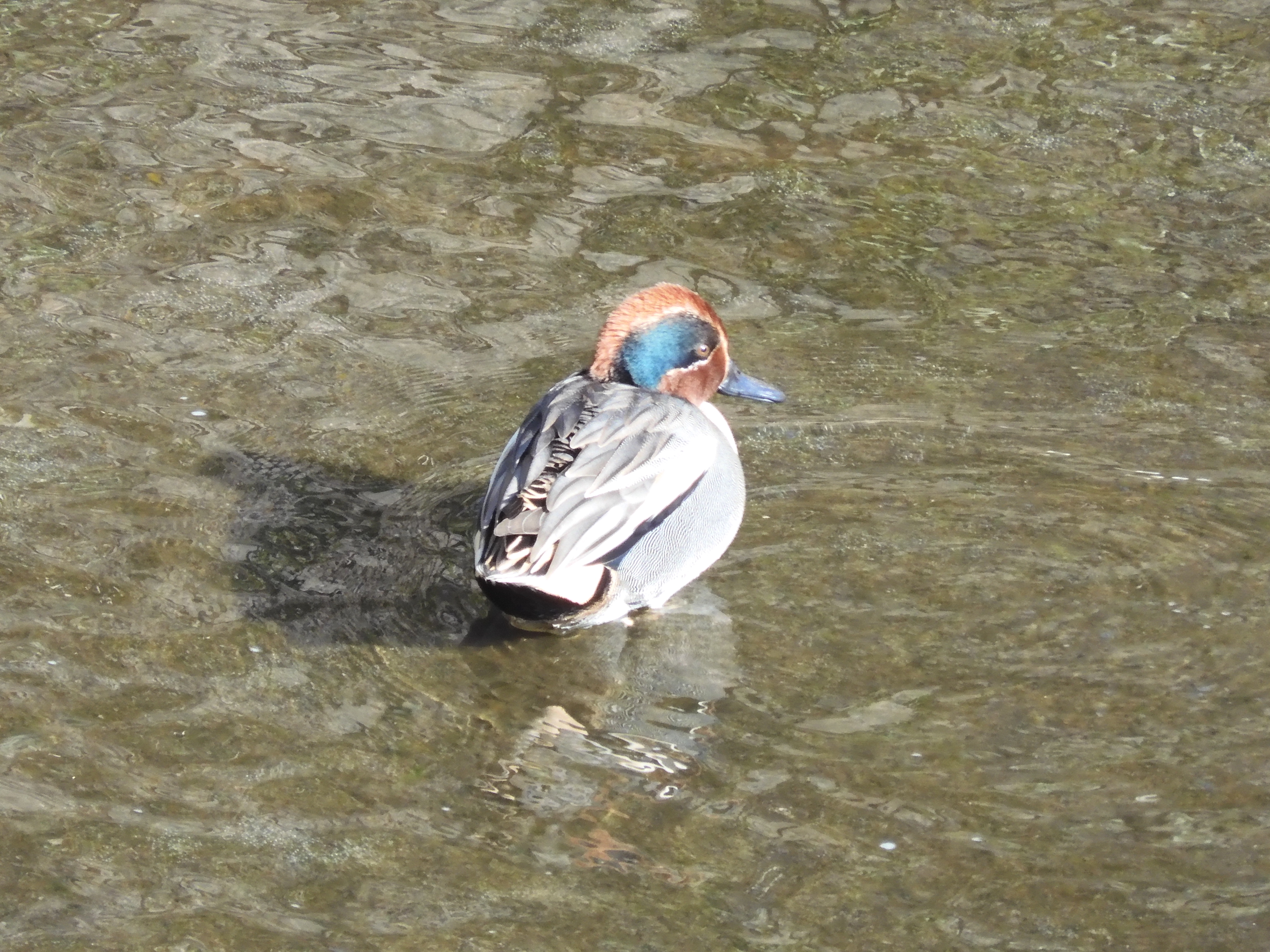
Despite being in central Tokyo, I was still able to indulge in my ornithological interest as well.

/An excellent day’s walk which left me physically tired but spiritually refreshed and ready to face the next stage of my own life’s journey. As I got home, a quick glance at my step-count for the day even left me feeling slightly heroic.

Three more than was needed to have achieved ‘All the twos’! I’ve heard the call and I’m ready to respond

English Psycho in Tokyo

Introduction

Part travel, part memoir, part cultural investigation but overall an exploration of the urban soul of Japan’s capital city while delving into my own psyche while walking the streets.

I’ve lived in Tokyo for about 15 years now. But do I really know the city? Probably not. Do I really know the people? Probably not. Do I really know the language? Definitely not. But I have scratched the surface of it all, and now is the time to dive deeper.
Quarantine, exile, solitary confinement, self-isolation. In these difficult days of the corona-virus we’re all being urged to cut ourselves off from human contact to avoid contagion and infecting others but at the same time to preserve our physical and mental health by taking exercise daily. In the UK family and friends were allowed one hour/day, but no such rules were laid down in Tokyo. But with pools and gyms closed during the State of Emergency and jogging while wearing a mask not conducive to free breathing, walking at a leisurely pace seemed like a good alternative.

Why ‘psycho’? Is this some horror story about stalkers? Certainly not. Is it Freudian-style attempt at self-analysis? Possibly. Is it an attempt to join the ranks of some of the great city walker-writers? Probably. Or is it a growing interest in psychogeography? Definitely.

Psychogeography – sometimes described as the ‘science(?) of walking/wandering aimlessly’. Iain Sinclair, one of the greatest modern proponents says that ‘drifting purposefully is recommended’. As such, psychogeography is not about walking with a pre-determined destination.

A flaneur is a composite figure – vagrant, detective, explorer, dandy and stroller – yes within these many and often contradictory roles, his pre-dominant characteristic is the way in which he makes the street his home and this is the basis of his legacy to psychogeography…soon the mental traveller(Ann Tso quoting from Merlin Coverley’s Psychogeography)

In the introduction to ‘Psychogeography and Psychotherapy’, editor Chris Rose says that:

Walking in a psychogeographical sense is not the same as a stroll or a ramble; it is observant, analytic and self- reflective. Psychogeographers find unfamiliar routes… Walking appears to have an effect that is unrelated to energy expenditure or exercise per se, and is often recommended as a treatment for depression’

James Kirkup in his book ‘Tokyo’ said ‘only by walking the streets can one really hope to know a city and its people’. So, during my retirement years, and certainly in the ‘social distancing’ era, I’ve done just that in the hope that I could get to know the soul of Japan’s capital. I’ve discovered parks, rivers, shrines and back-alley cafes and eateries that are not covered in the mainstream tour guides, and met some fascinating people.

And, by blogging about my experiences, I hope to offer to those with an interest in Japan and its capital city a personal insight and reflection on the place I have called my home for the last ten years.