
Earlier this year, when I returned home to England from Japan, I was reminded that I was not that far from the latter by a visit to my local cinema in Market Harborough. https://jeremyjlhill.com/2023/04/02/never-too-far/ .The reverse was also true when I came back to Japan a couple of months ago. The Toho cinema in Hibiya, Tokyo was showing ‘The Lost King’, a dramatization of the discovery, exhumation, identification and re-burial of the bones of King Richard III (1452 – 1485).
Vilified by history (and Shakespeare) as a crookback, usurper and child murderer, King Richard was the last Plantagenet King of England having taken over the throne as Protector of the Realm from his 12-year-old nephew Edward V in 1483. Edward was subsequently believed to be illegitimate and therefore not entitled to rule, so Richard was crowned King. He then imprisoned his nephews Edward, and brother Richard, Duke of York, in the Tower of London, where they were later believed to have been murdered on King Richard’s orders. But Richard’s reign was not to last long as it ended at the Battle of Bosworth on 22 August 1485 at Market Bosworth in Leicestershire. This was the last major battle in the War of the Roses between the Houses of Lancaster (red rose) led by Henry Tudor, and York (white rose) led by King Richard.

According to Shakespeare’s version, Richard lost his horse, his kingdom, and his life at the battle. He certainly was killed and Henry Tudor was declared King Henry VII thus starting the Tudor dynasty.
But the fate of Richard’s body remained a mystery. Thrown over a horse, procured for the occasion, it was transported to the nearby city of Leicester and, it was believed, buried in the Greyfriars Priory, although rumours were that it was then taken and dumped, unceremoniously, into the River Soar.

As the Priory itself was demolished in 1530, there had never been an opportunity to discover the truth behind this historical mystery.
Step up Philippa Langley, self -styled “housewife and amateur historian from Edinburgh” portrayed in the film by Sally Hawkins. After watching a performance of Shakespeare’s play with her teenage son, she became fascinated with the story, and took it upon herself to try to discover Richard’s remains.
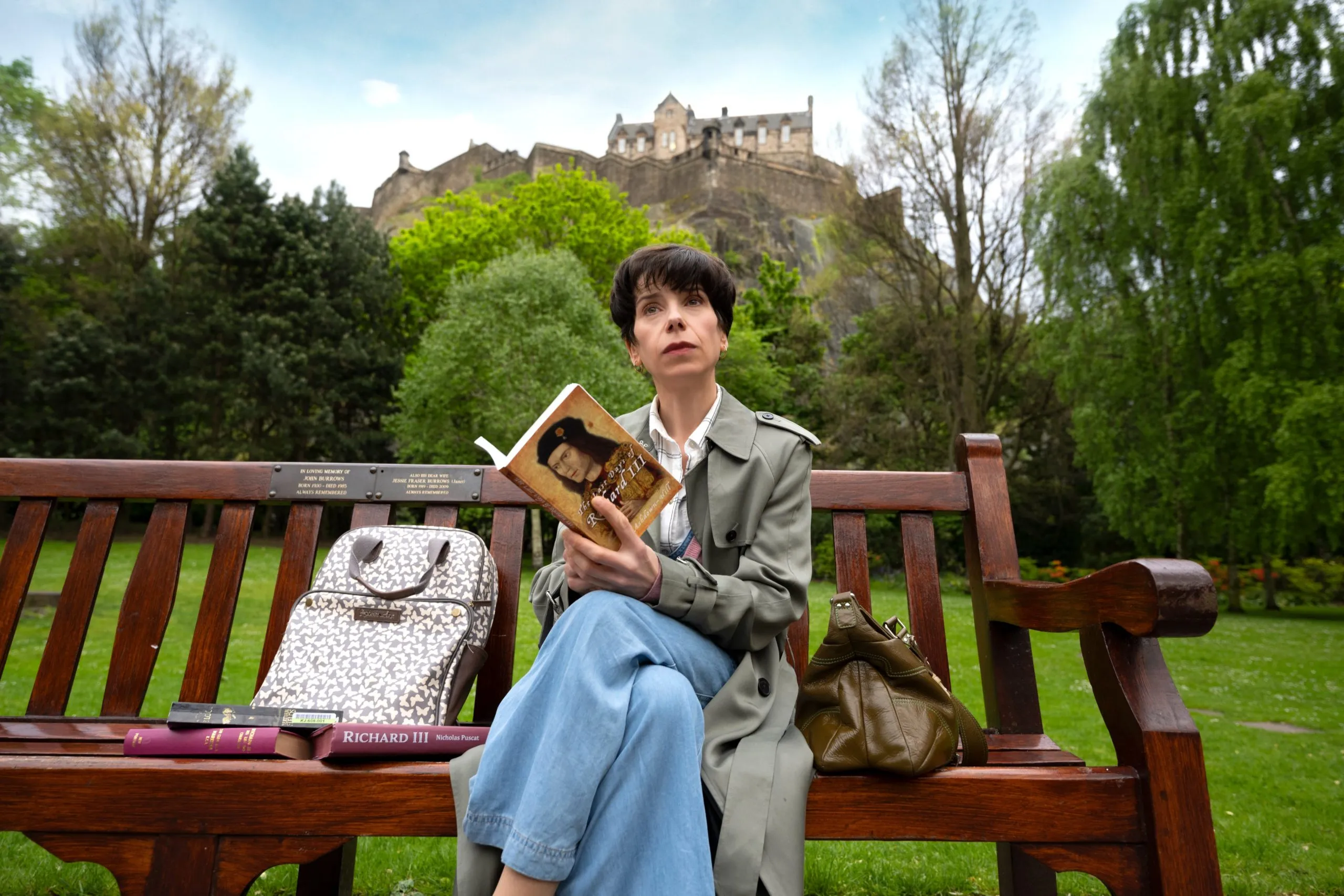
Armed with John Ashdown-Hill’s book ‘The Last Days of Richard III’ which explains how he had been able to trace the only known living ancestor of the late king, Langley made various visits to the city. This was a much longer and more expensive trip for her from Scotland than it is for me as I am just a 45-minute bus ride away (free if I go after 9.00am!) from my home in the south of the county, which I had last done 10 days previously on the morning of my departure from England for Tokyo. Filmed scenes of Leicester made it seem that much closer to me in Japan. With intuition and even visions, dramatized in the film by the appearance of Richard on a white horse leading her to the council car park built over what was believed to be the site of Grey Friars priory, Langley became convinced that she had found the exact spot where her hero was interred. Despite disputes over funding which was initially provided by the University of Leicester but later withdrawn, and later supplied by the Richard III Society, she pushed on down. The excavators moved in and a skeleton was unearthed right where Philippa Langley said it would be.
An initial visual of a male with curvature of the spine from the scoliosis, which had earned him the unfortunate nickname, and a dramatic (fatal) injury to the skull provided the team with enough historical evidence that they had found their man. DNA testing, again explored in detail in Ashdown-Hill’s book, went ahead and science proved the history to be correct.

The late King Richard III could now be exhumed and re-interred in a manner befitting a former monarch of the realm. On 26 March 2015, nearly 530 years after his death, in a ceremony televised around the world he was finally laid to rest in Leicester Cathedral.
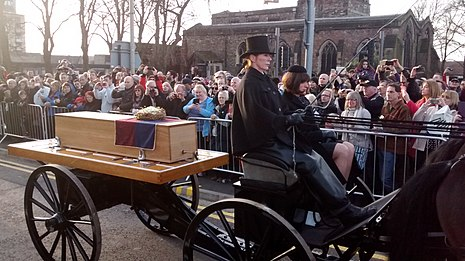
But not at peace, as Phillipa Langley, during the funeral, decided that she wanted to put the final piece of the puzzle into place by clearing his name of the murders of his nephews. And, she has claimed, in a book, and a British TV documentary programme, to have done just that. One wonders whether history, science and significant funding will prove her right this time around. Watch this space! I shall certainly call into the cathedral and neighbouring information centre to pay my respects and ponder on the past when I’m next in Leicester.
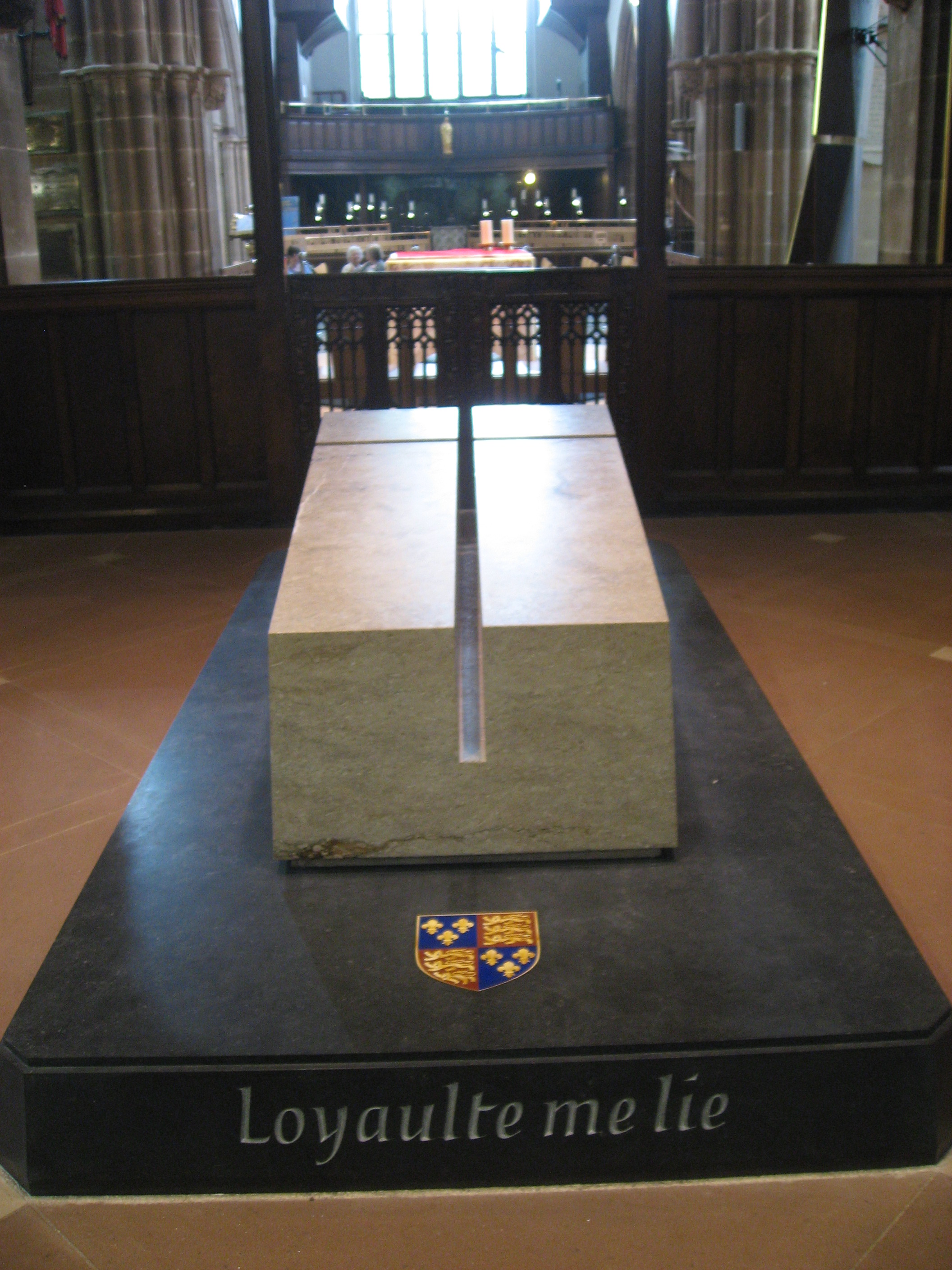
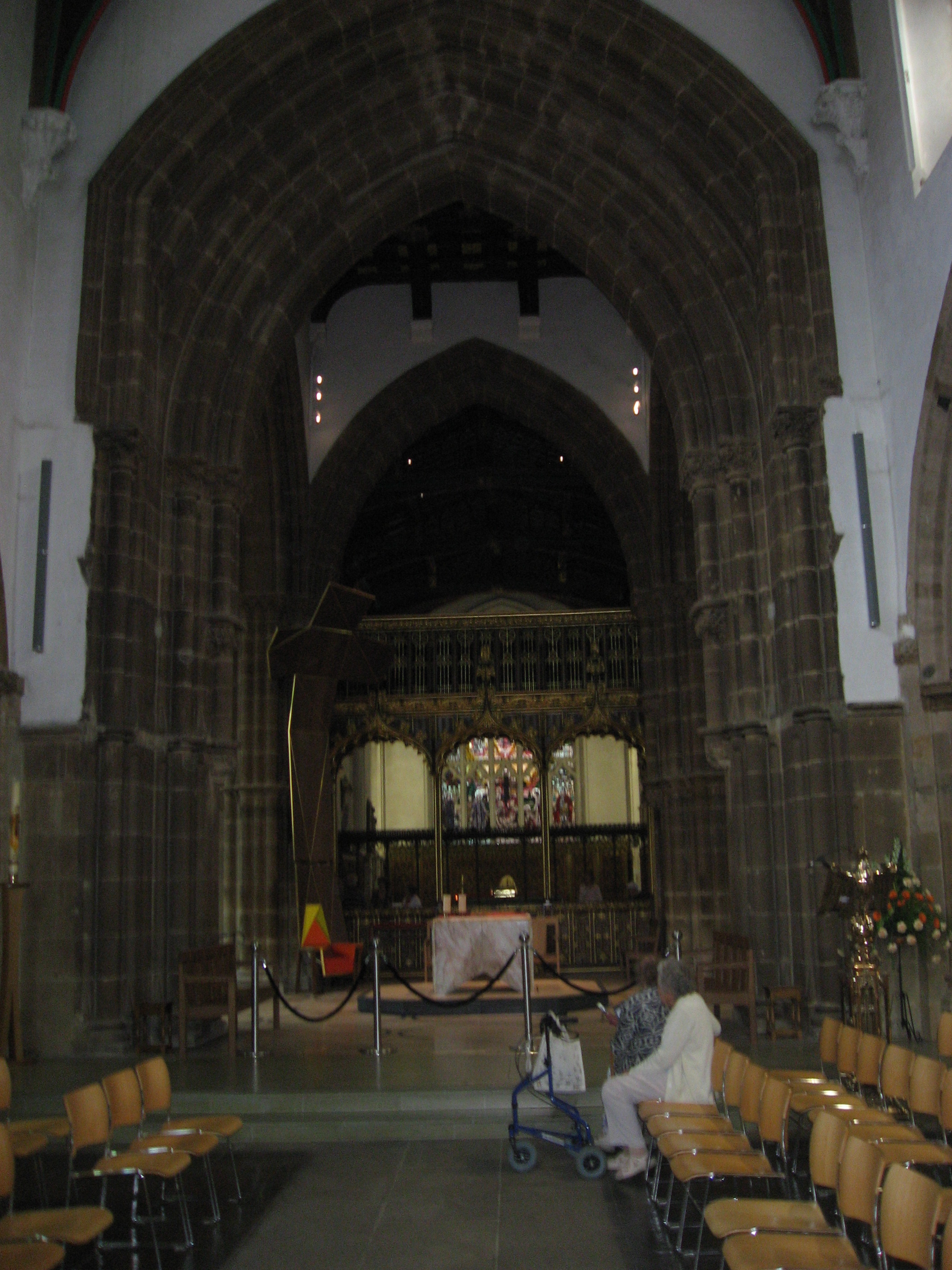


The final words though from John Ashdown-Hill:
“Richard III remains one of the most controversial figures in British history. Some contemporary writers certainly characterised him as a good king”.
I leave it to you to decide.

.
Meanwhile, back in Tokyo, excavations are also taking place in the former grounds of the British Embassy where I worked from 1979-1981 and again in 2007-2011 and the start and conclusion of my diplomatic career.

Construction workers redeveloping the site for commercial purposes have uncovered the remains of 28 ‘pit dwellings’ from the Yayoi period (between 9th century BC and 3rd century AD). Due to time and financial constraints, preservation of the remains will not be possible and the site will be backfilled. Regrettable, but as Ms Langley has shown, to find what was once lost it is sometimes necessary to dig deep into pockets to be able to dig deep into history.
 Albihon