As we move into a new year, it is traditional to reflect on the year past and think of the year future. And I do that by looking at the books I’ve read and thinking of those I plan to read. 2024 was, of course 40 years on from the year of the title of George Orwell’s seminal dystopian masterpiece ‘1984’. 8 June 2024 was the 75th anniversary of the its first publication. So, a rather appropriate year to re-read the book although I can’t remember when I first read it – it certainly wasn’t in 1984!
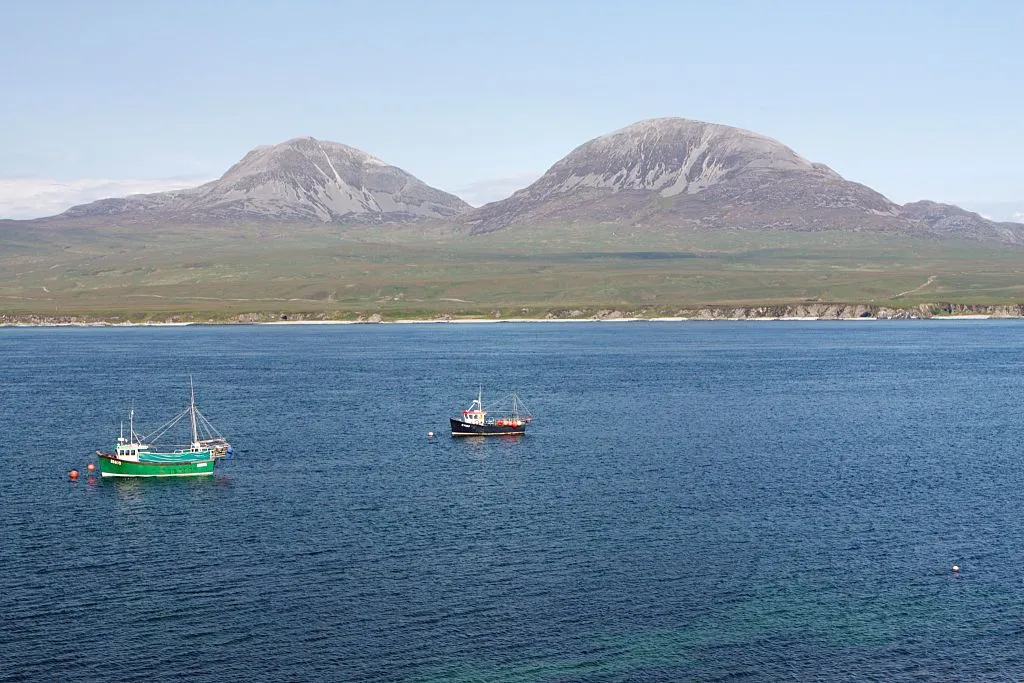
Let’s move on or, as George Orwell, did, let’s move to an isolated corner of the Hebredian Isle of Jura in Scotland to a house he described as being in a ‘most un-get-at-able place’. It sounds like a perfect writing retreat especially as he wanted to escape from polluted London due to his worsening tuberculosis (TB).
The Isle of Jura
Orwell’s House, Barnhill
Set in totalitarian London, far from anyone’s imagination, the story tells of the citizens under surveillance and monitoring from Big Brother with the key character, Winston Smith, being employed by the Ministry of Truth to forge and re-write the truth whilst being under constant threat of ‘vaporisation’ should he step out of line. An illicit affair with a Party member when both are suspected of ‘Crime-Think’ threatens their futures and lives. Reading it in an age of cyber-attacks and A.I. taking over our lives made me realise how advanced it was for its time and relevant to today’s society.
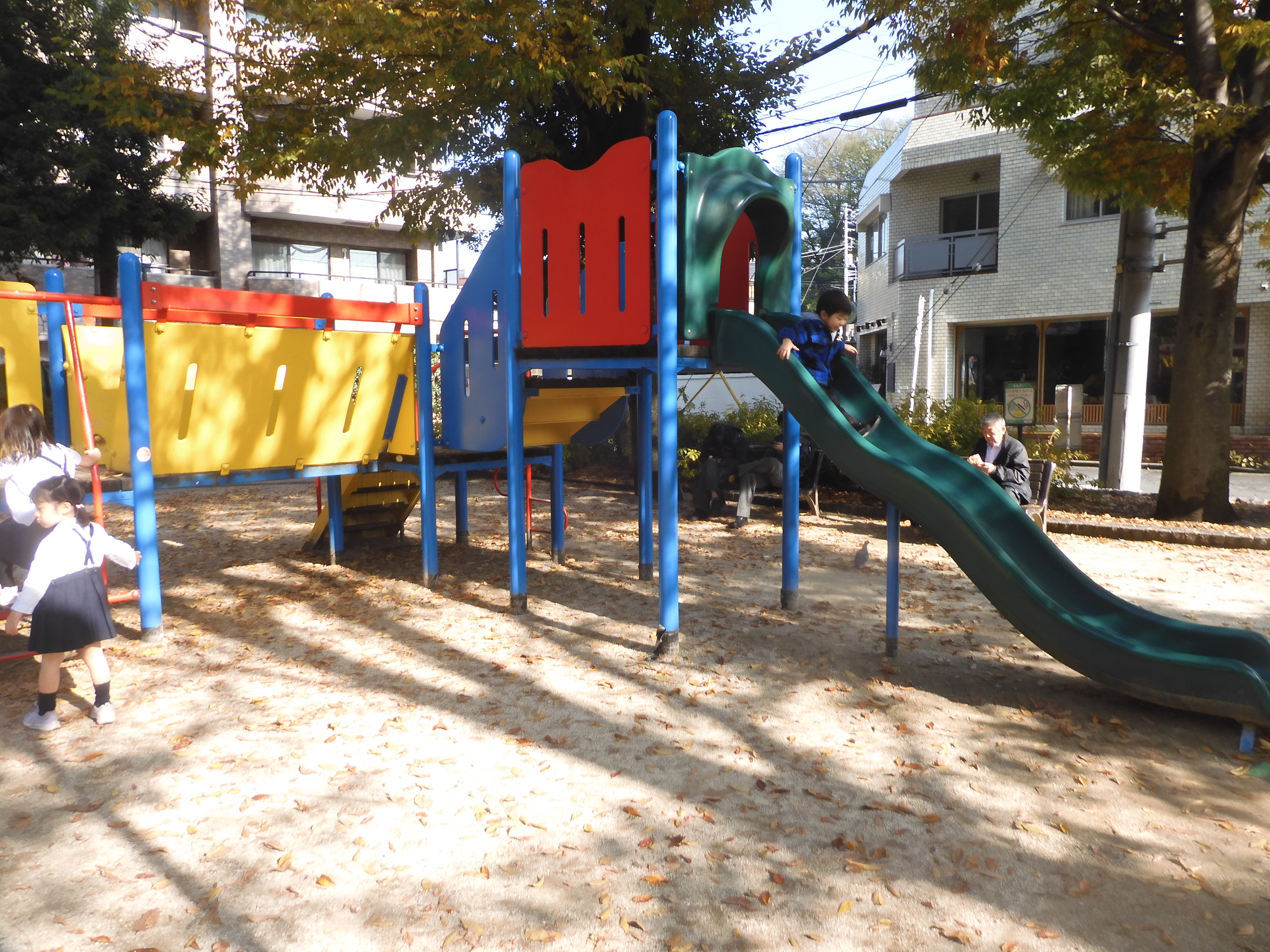
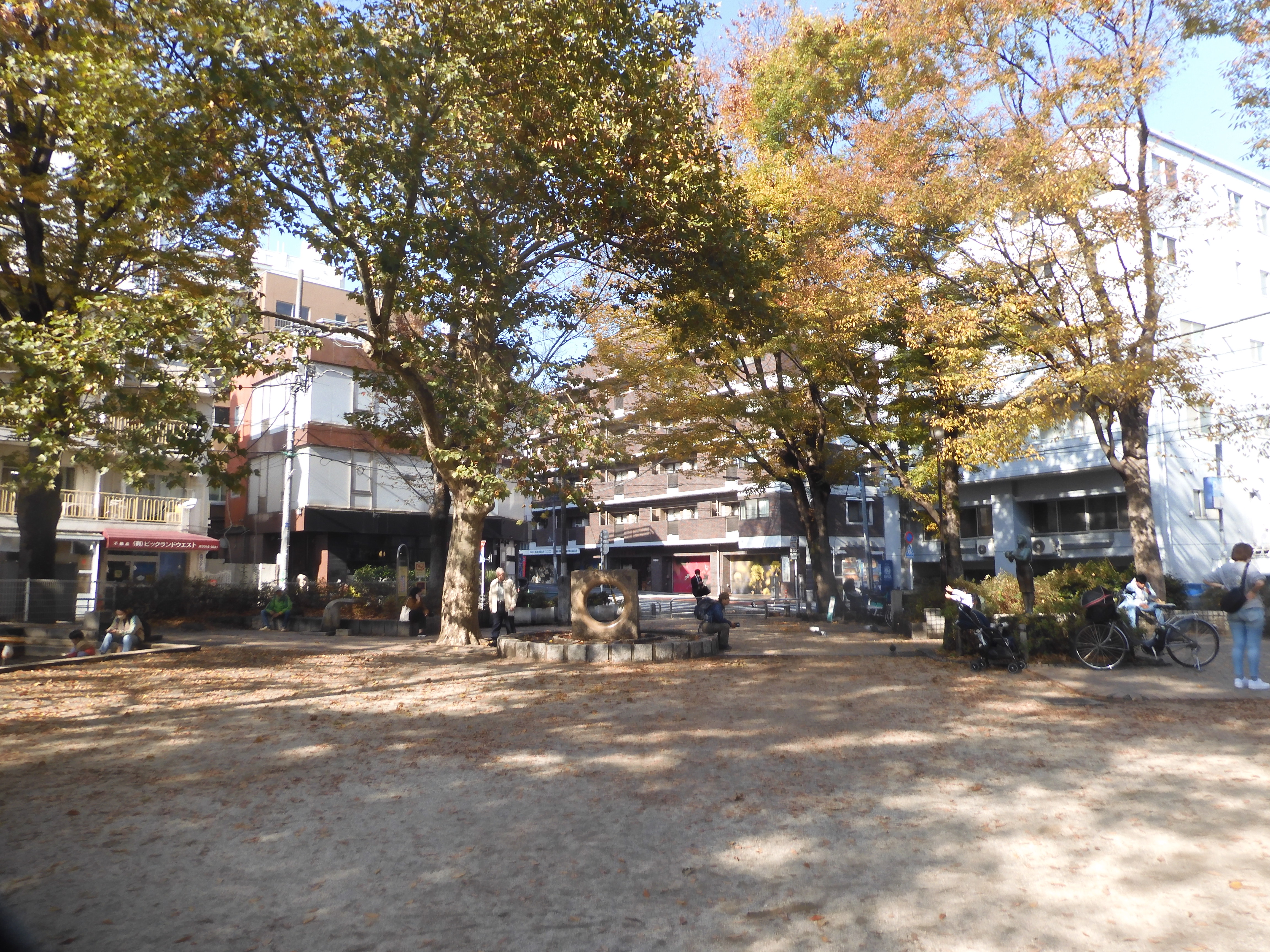
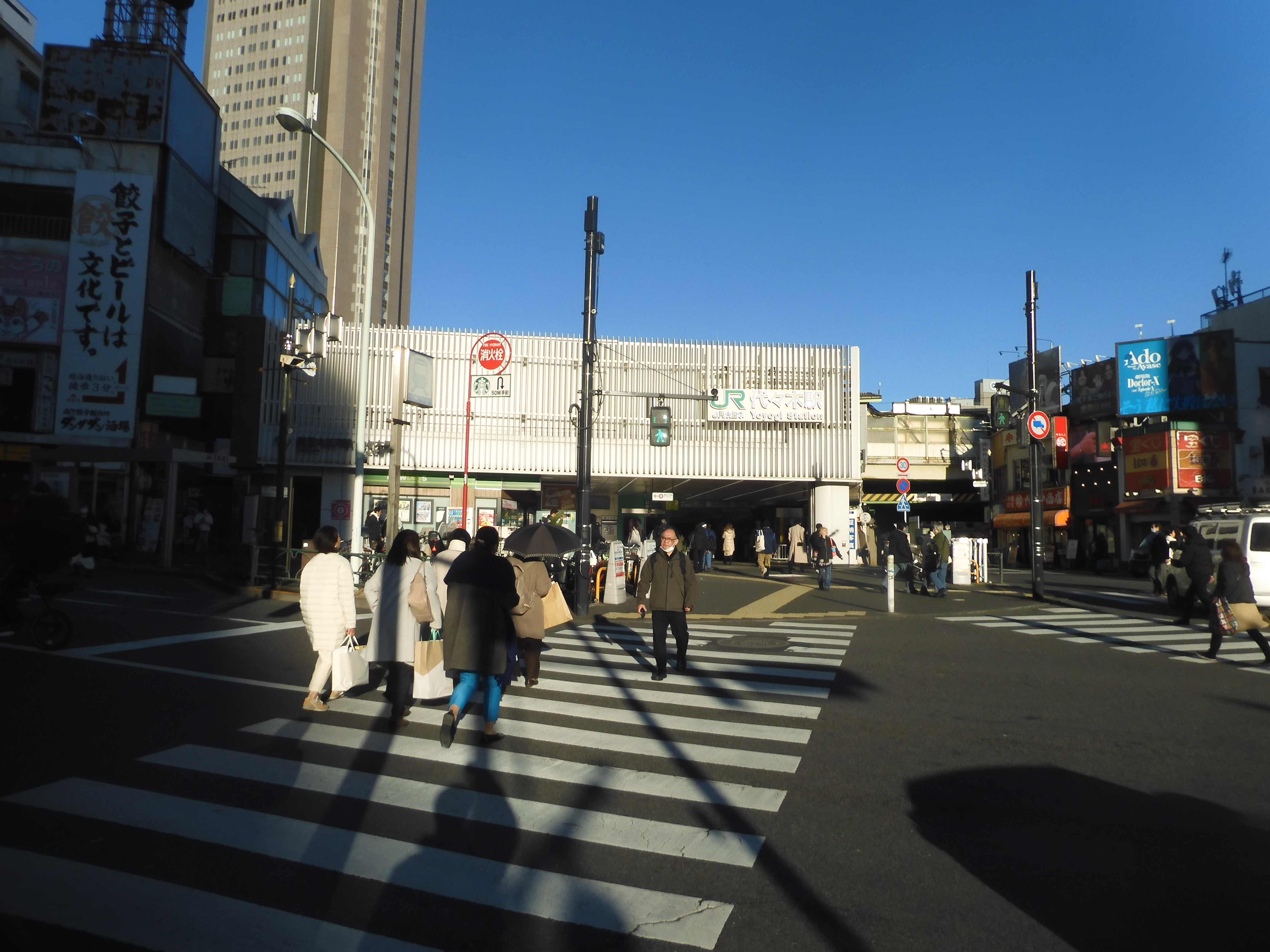
Another book I’d been meaning to read was 1Q84 by my favourite Japanese author, Haruki Murakami. Written as a trilogy, I had the single volume paperback version which runs to 1380 pages and the sheer size of it had been putting me off. But the title 1Q84 is a play on1984; the word for nine in Japanese is ‘kyu’, pronounced just like ‘Q’. With 1984 being the year in which the novel’s action takes place in Tokyo, a long way from Orwell’s London, it seemed like a good time to flex both my arm and reading muscles. As with some of his other works there are parallel universes and timelines with the ‘heroine’, Aomame setting off on a journey to find a childhood sweetheart, Tengo, as well as ‘reality’. Confused? Not surprising as Murakami, complicates things by telling the story from the viewpoint of both protagonists, introducing a third narrative voice along the way, as well as additional plotlines. Despite this not being my normal genre of choice as I like to keep both feet firmly on the ground, Murakami’s imagination captured mine not least because I could relate to several of the settings from the opening scene of a traffic jam on the Metropolitan expressway at Ikejiri in my local Shibuya district to an anodyne children’s playground in Koenji in the western suburbs which becomes important towards the end of the book. My nearest station, Yoyogi, even gets a mention, though in 2024 these places will be rather different to the 1984 locations which appear in the book. I also enjoyed, as is customary from Murakami, regular musical references, sometimes pausing my reading to say ‘Alexa, play…’!
Ikejiri interchange, Shibuyafrom belowSmall park in KoenjiKoenjiA children’s slide features Koenji children’s parkYoyogi station
As is often the case with Murakami, 1Q84 attracted mixed reviews and even a ‘bad sex award! But as a friend, who is not a natural Murakami fan, said, “it’s a fun read”. I certainly had fun reading the entire trilogy in August 2024.
And now, the final part of my literary triptych. Sandra Newman’s ‘Julia’ retells Orwell’s 1984 from the viewpoint of Julia who becomes enamoured of Winston Smith and they start an affair which was not meant to be and doomed to fail, or maybe that was the intention? (Spoiler alert) A fascinating and imaginative take on the original enabling the reader to see Orwell’s world from a feminist angle. However, I felt that Newman was trying too hard to emulate the style of Orwell, the master wordsmith, and it may have been better writing in 21st century language. Perhaps I read it too soon after the original and was naturally comparing the two?
Mission completed!
That’s looking back to 2024 so now forward to 2025, or should that be even further back to
A true 21st century writer whose books I admire and whom I follow on Substack.
Whatever you’re reading now or plan to read I wish you a very Happy New Year. But remember:
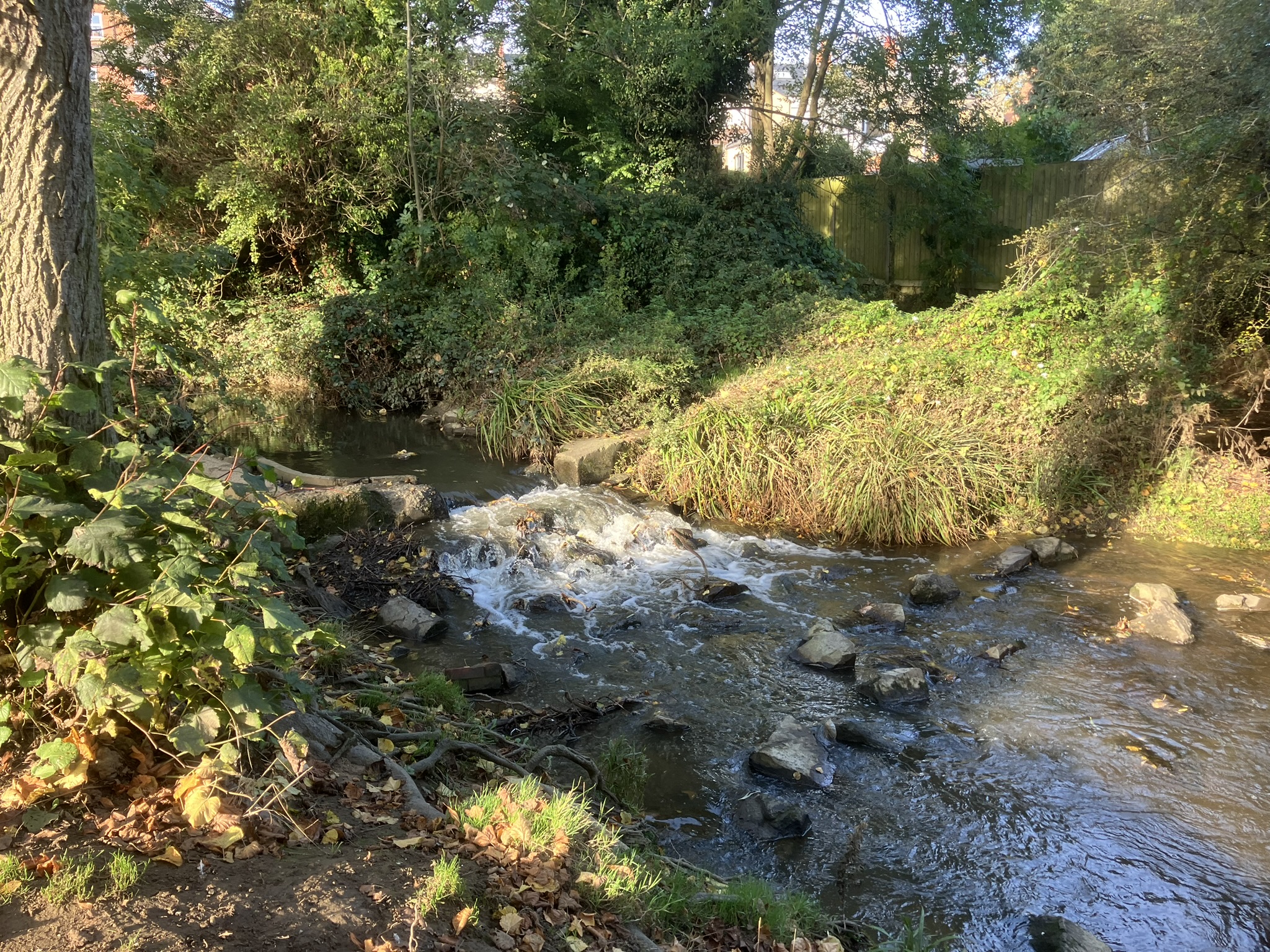
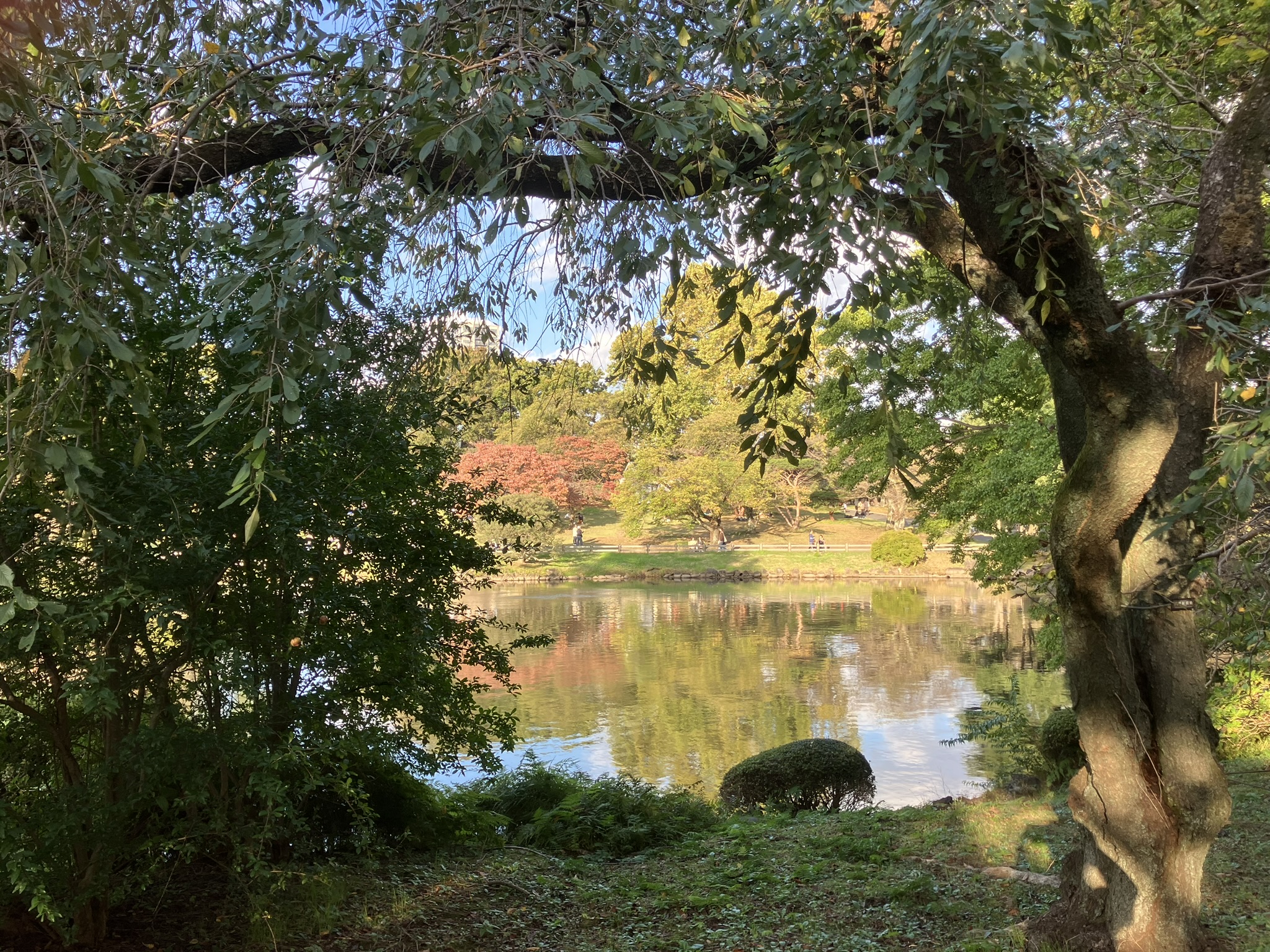
Welland Park, Market Harborough, EnglandShinjuku Park, Tokyo, Japan
Two weeks ago, I travelled back TO Tokyo from England where I had spent a very pleasant six months with family and friends whilst living in my home in Market Harborough, Leicestershire. One of the features of life in England that I have noticed on resuming permanent residence following many years of working and living overseas living is by how much society and local communities rely on volunteers both for services such as the community theatre and cinema, physical activities such as Park Run and the Ramblers, cultural activities such as music groups like choirs bands and choral groups, the Harborough Writers’ Hub of which I’m now a member, and of course the numerous charity shops which now dominate our High Streets. In order to both contribute to as well as to get to know more about my new home town, last year I volunteered to help out at the Oxfam Bookshop which is well-stocked with second-hand (or ‘pre-loved’ as they’re now known) books, CDs, records and other items donated by members of the public for re-sale with proceeds going to support the work of Oxfam (a global organisation that fights inequality to end poverty and injustice). In fact today, 5 November, happens to be International Volunteer Managers Day when we recognise the work done by our Managers and Deputy Managers in the retail outlets.
Obviously part-time staff such as myself do not receive any recompense for services but, in true English tradition, are entitled to tea and biscuits during our breaks! The shop’s kitchen has accumulated a supply of mugs over the years, and it was by coincidence and very appropriate that I should be allocated the following mug promoting an old penguin book a copy of which I have since tracked down and read although it wasn’t the Penguin edition.
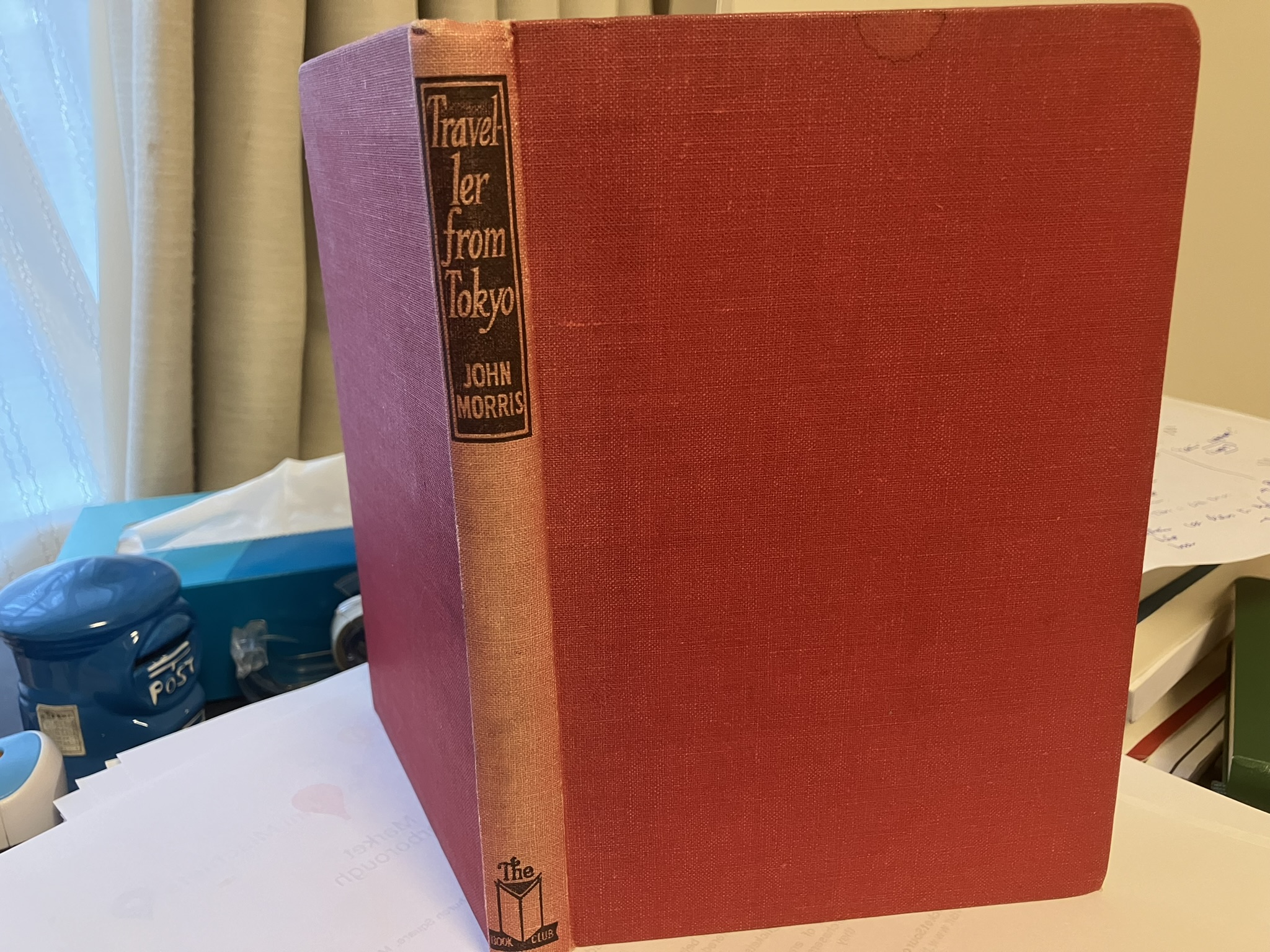
And as one of my Oxfam colleagues commented, it seemed as if it were the book that I was meant to write. However, it wasn’t written by a 21st century retired member of the British Embassy in Tokyo, but by a gentleman appointed in 1938, by the Japanese Embassy in London to work as an adviser to the Japanese Foreign Office in Tokyo as well as doing some English language lecturing in Tokyo Universities. But, one of my final freelance pre-Covid jobs was teaching diplomatic English to the staff of the Japanese Foreign Office, so some cross-over.
Many of John Morris’ first experiences of Japan and its society in 1938 namely bureaucracy; attitudes and resistance towards learning and speaking English; rules and regulations; restaurants and food, were like mine when I first worked in Japan 41 years later in 1979. Given the timing of his stay with Japan’s dramatic entry into the Second World War his departure from Tokyo for England in 1941 was much earlier than he had expected and sadly he never returned. So, I feel a great affinity for John Morris; I am privileged to be able to come back regularly TO Tokyo to continue my own experiences, and to write about them, including the links I’m able to discover between my two homes despite the distance between them.
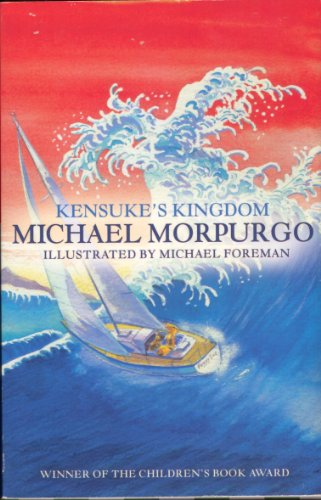
My last full weekend was no exception with another pleasant evening at the Market Harborough cinema to see Kensuke’s Kingdom an animated film based on a children’s book by Michael Murpogo which tells the story of a boy called Michael, who, whilst on a family sailing trip around the world was swept overboard in a storm and ends up on a small island in the Pacific which is inhabited by Kensuke, an elderly Japanese, himself a survivor of a Japanese battleship sunk during the Pacific War. Despite their age differences and linguistic challenges they become good friends until Michael is eventually rescued and they bid each other a fond, and tearful ‘sayonara’. In English but with Kensuke’s few words of Japanese voiced by well-known actor Ken Watanabe.
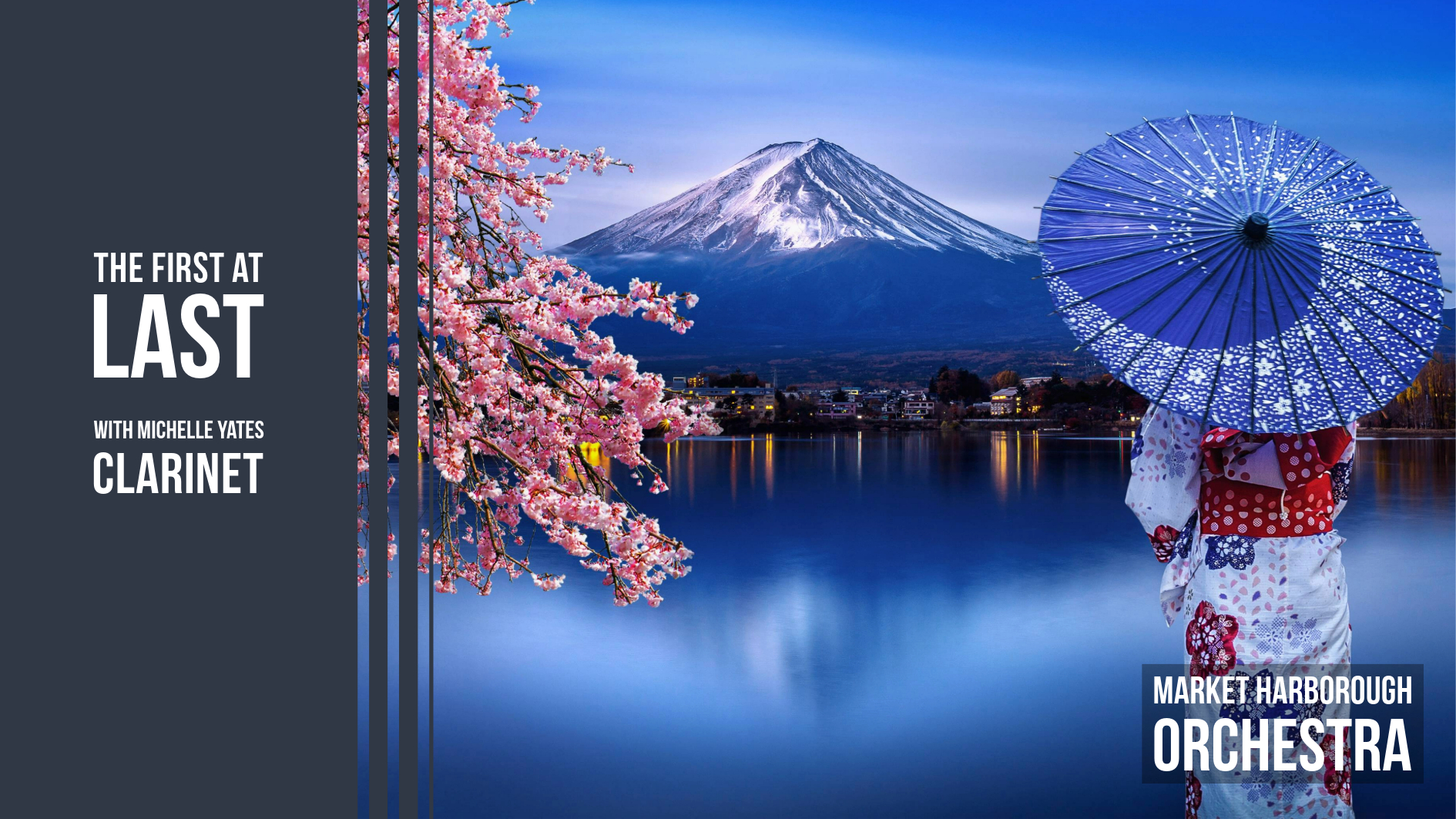
The following day, Japan was once again on the programme when I attended, for the first time, a concert given by the Market Harborough Orchestra, another community project, established in 2012 and now under the enthusiastic and talented baton of conductor Stephen Bell. The first piece they played was the Japanese Suite by British composer Gustav Holst who wrote it in 1915 at the request of a Japanese dancer, Michio Ito, who whistled some traditional Japanese tunes to Holst as he wrote the piece – and she must have been as good a whistler as she was a dancer as they are recognisable to those familiar with Japanese tunes.
And so the time had arrived for me to bid a fond, and tearful sayonara to England’s Green and Pleasant Land to come back to the Land of the Rising Sun, marking departure FROM London via Paddington Station, and return TO Tokyo with traditional gastronomic delights which did not include, much to Paddington’s disappointment, any marmalade sandwiches.
Pie and Mash at the ‘Mad Bishop and Bear’, Paddington StationThat looks goodBut I know what I like‘Tadaima’, I have come back for vegetable ramen in Hatsudai, Tokyo
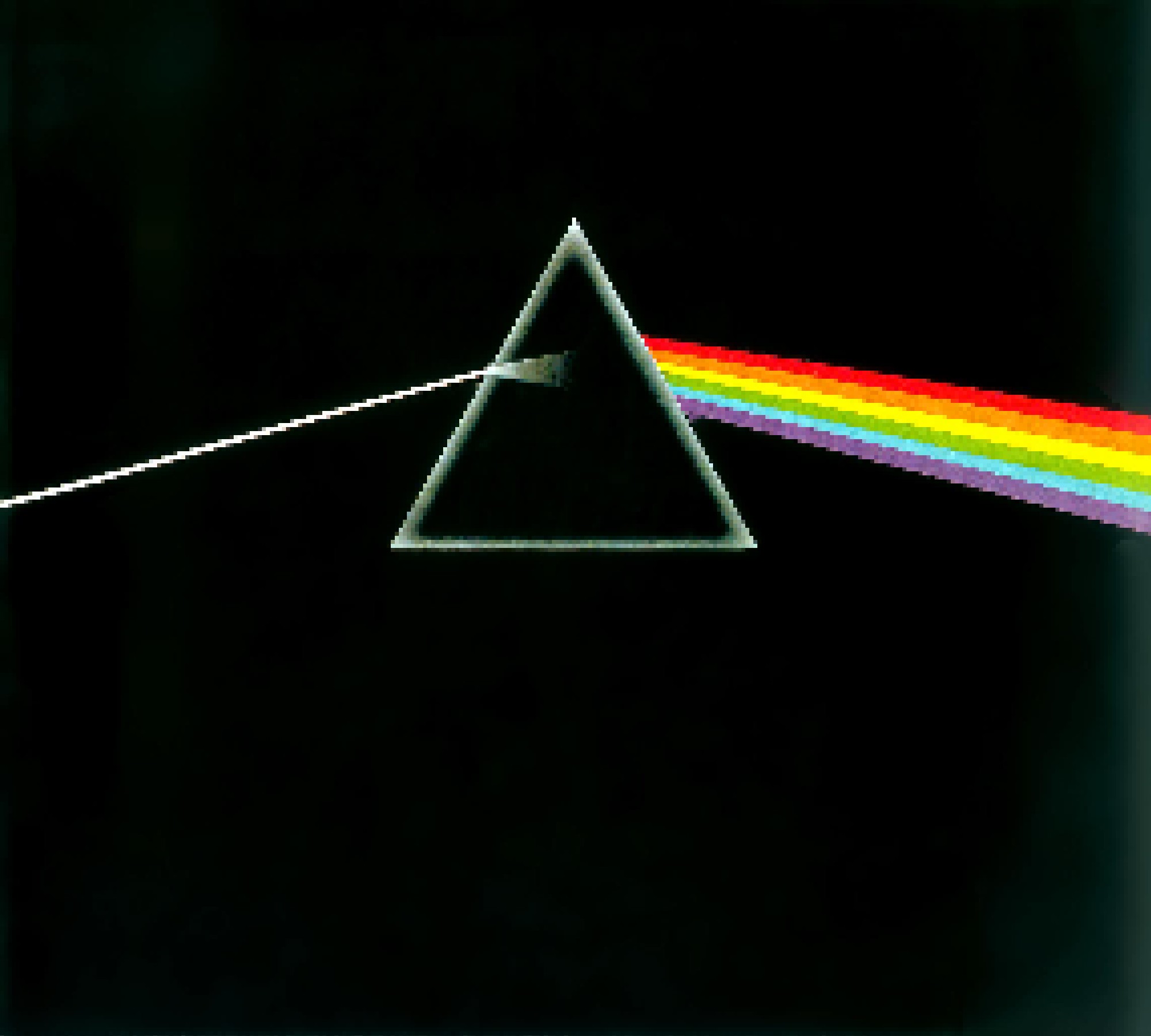
It’s now just over 50 years since Pink Floyd released their seminal album Dark Side of the Moon and as I write this I am listening to the latest re-mastered edition as I’m also celebrating an anniversary – a 15th.
Speak to me
Every January, I remember how lucky I am to be here. In the UK, people are advised to follow the FAST (Face, Arms, Speech, Time) model for reacting to what they may believe to be a stroke in someone else. Fifteen years ago, on a cold winter’s January evening in Tokyo, I was suffering from a heavy cold and my partner had already told me that my ‘face looked funny’, which I thought it had for the previous 50+ years so nothing new there. But when I lurched against her on the sofa, she began to suspect something was wrong. I don’t remember if I said anything but if I did, I was probably pretty incoherent. However, I do have this image of the face of the Joker staring at me from the TV screen as we were watching the Dark Knight Batman movie at the time. And it was no joke as it turned into a very dark night for me with my partner summoning an ambulance.
Breathe
My heavy cold meant that I was bunged up and not breathing that easily so it was a great relief when the white-helmeted paramedics clamped an oxygen mask over my face. I vaguely remember being lifted up from the floor, which is where I had ended up, and being carried out of the house into the waiting ambulance thinking that we might have to postpone our plans for a big shopping trip the next day, a public holiday in Japan.
On the run
Although I speak Japanese, I am by no means fluent, especially in the state that I was in at the time. But, in the back of the ambulance, I recall a lot of chatter as the crew were trying to locate the nearest Emergency Ward capable of admitting the foreigner with the funny face. And to the sound of sirens, it all went very fuzzy.
Time.
The fourth word in the four-letter acronym indicates that time is of the essence when responding to and treating suspected stroke cases. Tissue Plasmimogen Activator (TPA) is a protein involved in the breakdown of blood clots. As long as it is administered within the Golden Hour of the onset of stroke symptoms it can improve the stroke outcome. So, I was most fortunate that on arriving at the A&E of the Toho University Hospital in Ohashi, Shibuya ward, I was thrombolysed as well as being connected to various tubes and devices. Our neighbour, Tim, who’d followed the ambulance to support my partner in her hour of need said that so rapid was the effect of the TPA in clearing the blockage, that I acknowledged him as I was wheeled towards the Intensive Care Unit, although I don’t remember that.
Great Gig in the Sky
But I do remember Tim and Carol being two of my first visitors in ICU where I was connected to the machines that went ‘ping!’ as I gradually became aware of what had happened to me. A whole series of doctors and nurses asked me numerous questions and had me performing simple tasks like raising my arms in a banzai salute. Simple? But not when only my right arm would go up. And the lovely nurses who asked me to squeeze their hands with my left. Administering angels, so maybe I was in heaven after all? But not for long as the reality was that a blockage in my carotid artery had led to a serious ischemic stroke leaving my left side paralysed, so when a senior official from my office called on me, interrupting his own birthday celebrations, he must have had a wry smile when I apologised for having to take a couple of days off work. Those days would become weeks and the weeks would stretch into a couple of months as the long road to recovery started.
Money
Just at the time when I least needed to worry about the practical and financial aspects of my incapacitation of course I was getting extremely anxious about my future and the career implications, especially during the first four weeks of lying in a hospital bed being closely monitored in case of relapse. As an employee of the British Government, I was covered by the NHS which meant that I could take 6 months sick leave before going on to half pay, but what about the longer-term future? Would I be ‘sent home’ from Tokyo to London? Where would I go if I were sent home? Could I travel? Could I work? Could I walk even? A lot was going to be up to me.
Us and Them
But I had a lot of support and help. With access to email and an international phone card I was able to keep in close contact with my family back in England. My sister, an NHS nurse and my son, a first-year medical student had a professional interest in the treatment I was receiving and would often comment ‘You wouldn’t get this in the NHS’. Friends and colleagues in the Embassy visited regularly to remind me that my recovery was more important than worrying about work. Ironically the latter would have involved organising an official visit by the UK Secretary of State for Health to Japan. My team gracefully declined my suggestion that he bring grapes to my bedside but Alan Johnson’s memoirs are still on my ‘to read list’ not just because I admire him as a politician but also because I’m curious to learn whether the Honourable member gave me a honourable mention. My partner visited on a daily basis rushing to get to the hospital during visiting hours after her own busy day at work.
Then there was the medical team at the hospital from the neurosurgeon consultant, who was keen to carry out tests to determine the cause of my stroke, to the head physiotherapist who would put me through my paces to get me walking and using my left arm again. I soon discovered that we had a mutual interest in rock music, so instructions to ‘push, stretch & lift’ etc., were punctuated by the names of our favourite bands. And the nurses with whom I would flirt and joke extending our mutual vocabulary of each other’s language, ‘Poo’ & ‘pee’ proving that an interest in bodily functions extends to the nursing profession worldwide.
Any colour you like
After a month, I was discharged from the hospital for another six weeks of physical and occupational therapy at the Hatsudai Rehabilitation Hospital. The main purpose of this phase of my recovery was to prepare for ‘normal life’ again. Although it was a hospital with ward-type beds we had to get dressed into our normal clothes, and take our meals in a dining room with our fellow patients. I was paired with Nagai-san and Honda-san, who started by complimenting me both on my Japanese and use of chopsticks. But being right-handed meant that I found eating the Asian way easier than trying to co-ordinate a knife and fork but I did not tell my new friends that, formed a good friendship, and I’m still in touch with the latter after all these years. The physical rehabilitation was a mixture of gym work and strength and flexibility exercises to build up strength and stamina. I was also allowed outside for a daily walk with one of the care workers monitoring my physical progress as well as my attentiveness when crossing busy roads. These walks got longer over the weeks and I was encouraged to remember the different routes they took me to get the memory cells functioning again. Memory and number/word association tests formed a large part of the occupational therapy which for me had the additional challenge of being in Japanese. The weather was getting warmer and as the cherry-blossom started to emerge, I was told that I had ‘graduated’ and could be let loose on the outside world again. The cherry blossom season is short-lived and soon those pretty pink petals begin to fall reminding us how tenuous our hold on life really is, as if I needed reminding.
Brain damage
During rehabilitation, we were encouraged to set some personal goals. My son and daughter had retained faith in their old man by going ahead with their plans to visit me during the UK academic Easter holidays. So my goal was to be fully resurrected to go to meet them at the airport for two weeks quality family time. Which I did.
The recovery though was an ongoing process, with follow-up physio and clinical tests to get to the heart of my stroke. And get to the heart they did with a trans-oesophageal endoscopy examination, which involved putting a camera down my throat to examine the heart from behind. Fortunately, this was carried out under sedation so the process was not as difficult as spelling it. With an ultrasound scan of my carotid artery and series of brain scans which revealed the extent of the damage caused when the blockage (now cleared) in the artery had caused the original stroke my very friendly cardiologist declared ‘The exact cause of your stroke will remain a mystery. Don’t work long hours and avoid mental stress. Look after yourself!’
Eclipse
If anything, the mental stress (the unseen damage) was more difficult to handle than the physical recovery. I suffered, and still do, from over-anxiety and loss of confidence prone to tearfulness as I was unable to perform at the high standards I’d previously set myself. So, I applied for an early retirement package, married my partner who’d saved my life, and retrained as a coach and teacher of English to adults, and remained in Japan working as a freelance business communications skills trainer and English writing consultant managing my own time and workload. I’ve renounced alcohol, try to follow a healthy diet and exercise regularly and am looking forward to many more such years ahead of me indulging in my love of extensive and eclectic reading as well as listening to progressive rock music such as Pink Floyd.
But then Covid happened. I was very lucky that in ultra-cautious Japan where mask-wearing is common in any case and most people avoid physical contact, infection, and subsequent death rates were lower than in many other countries especially as working from home quickly became the norm and previously overcrowded commuter trains soon resembled ghost trains, But it took its toll as the demand for training soon dropped off and I found myself, in my early 60s, unable to find new work. So, in trying to turn an obstacle into an opportunity, I decided to focus more on my own writing and took to the streets – keeping physically active discovering little used routes through parks and alongside rivers thus observing strict social distancing. Dark days indeed but whilst looking inwards to my own dark side, it was soon time to seek the light and maybe, just maybe, use the extra time given to me to start work on that childhood ambition to write a novel, or at least a fictionalised version of my memoirs whilst I could still remember.
That’s where I am now, four years after the onset of Covid. I’ve been lucky but, at times when life seems grim, just have to remind myself to:
Shine on you Crazy Diamond
(from Pink Floyd’s follow up album ‘Wish You were Here’ and my favourite track of all times. Therefore this is the long version – most will want to skip!)
This blog is dedicated to fellow Stroke Survivors and Floydies wherever you are
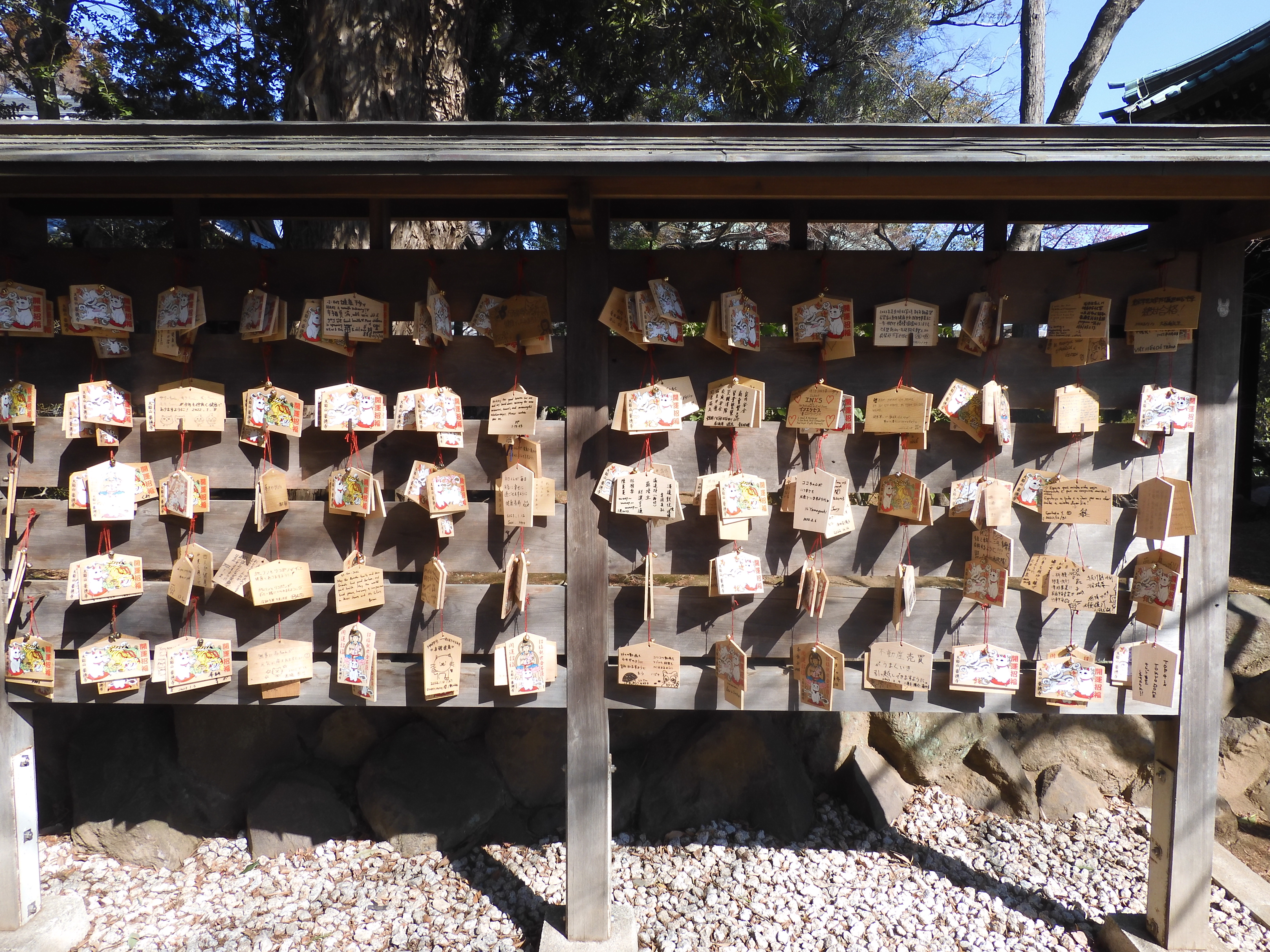
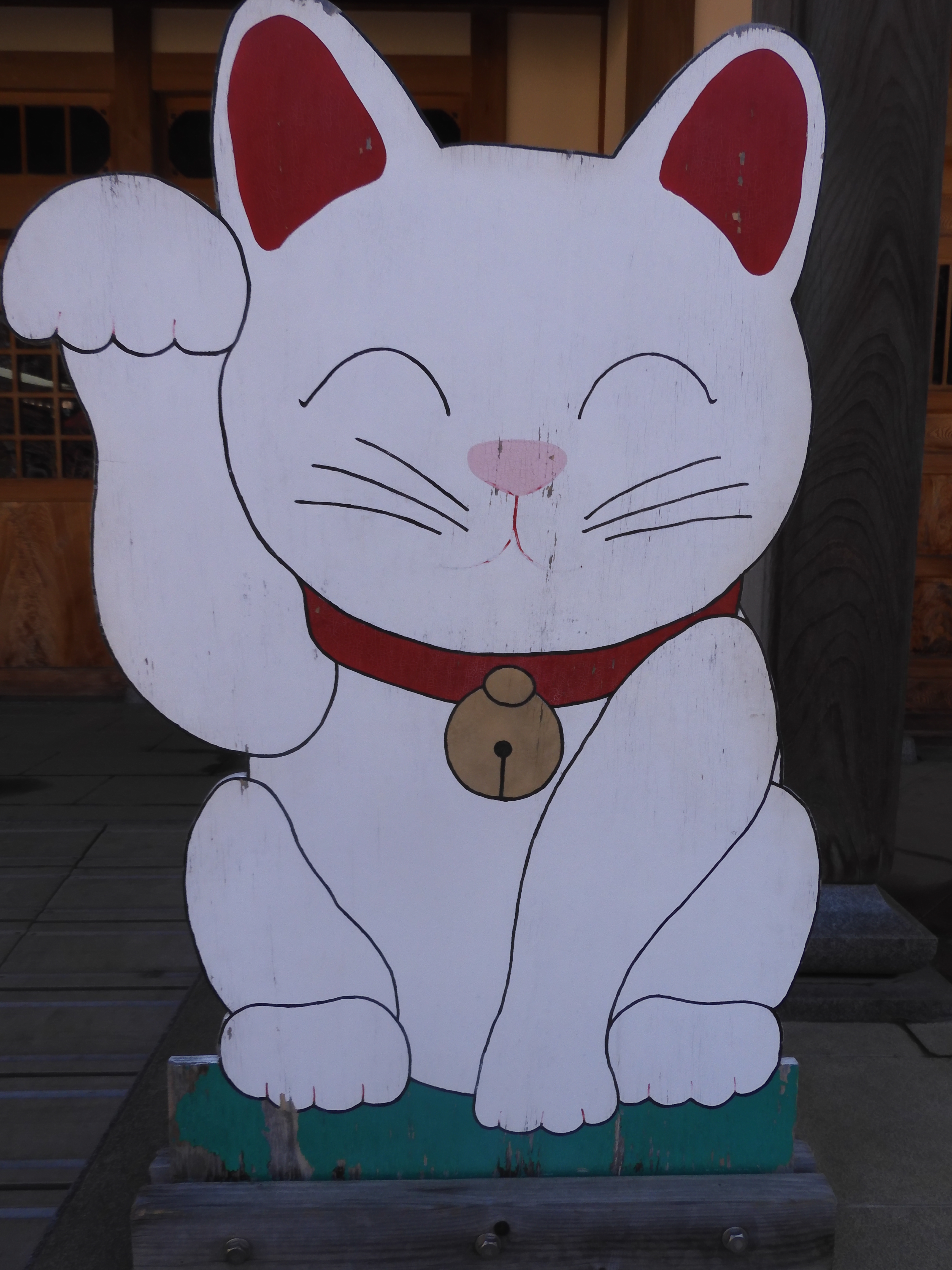
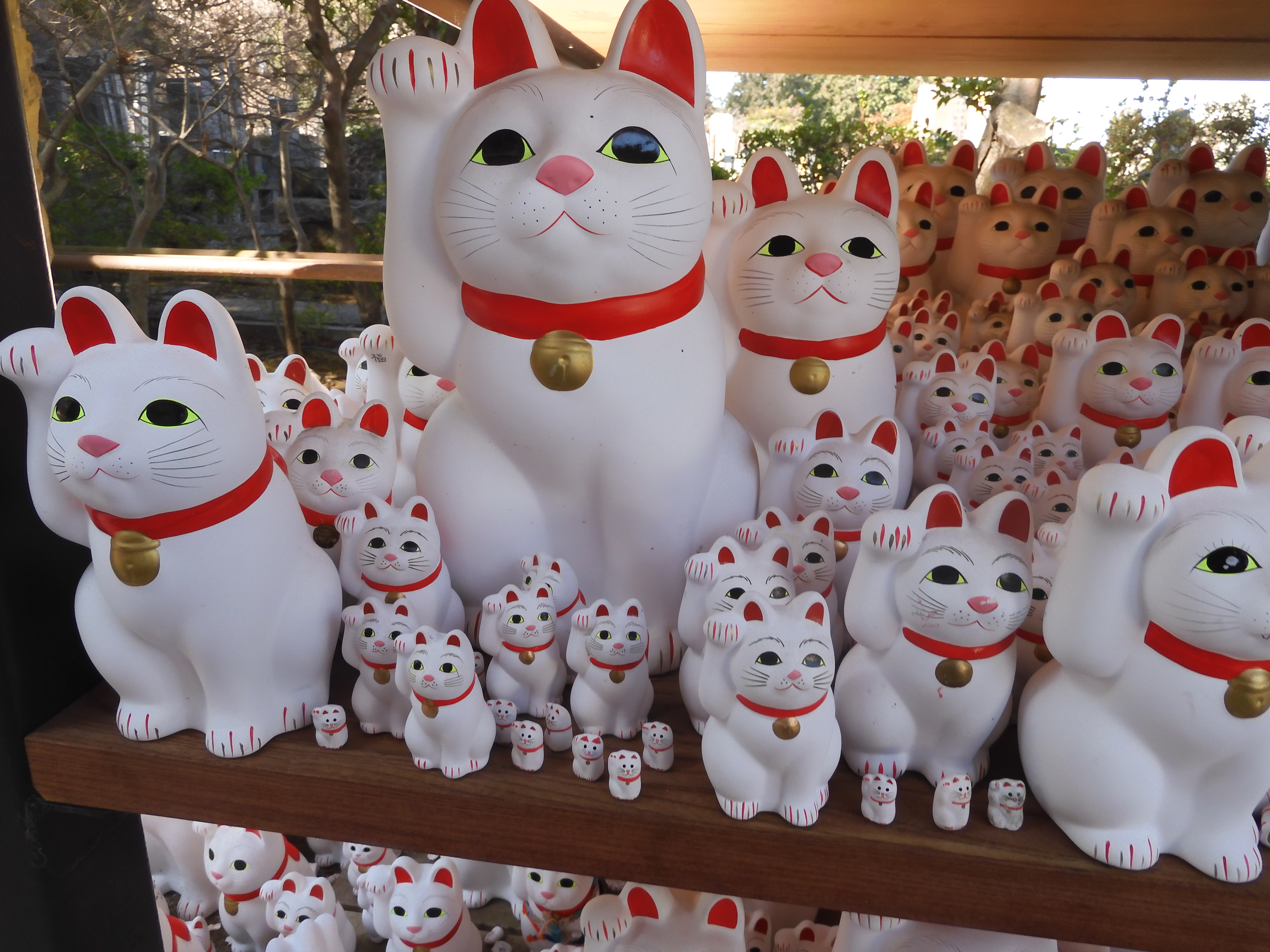
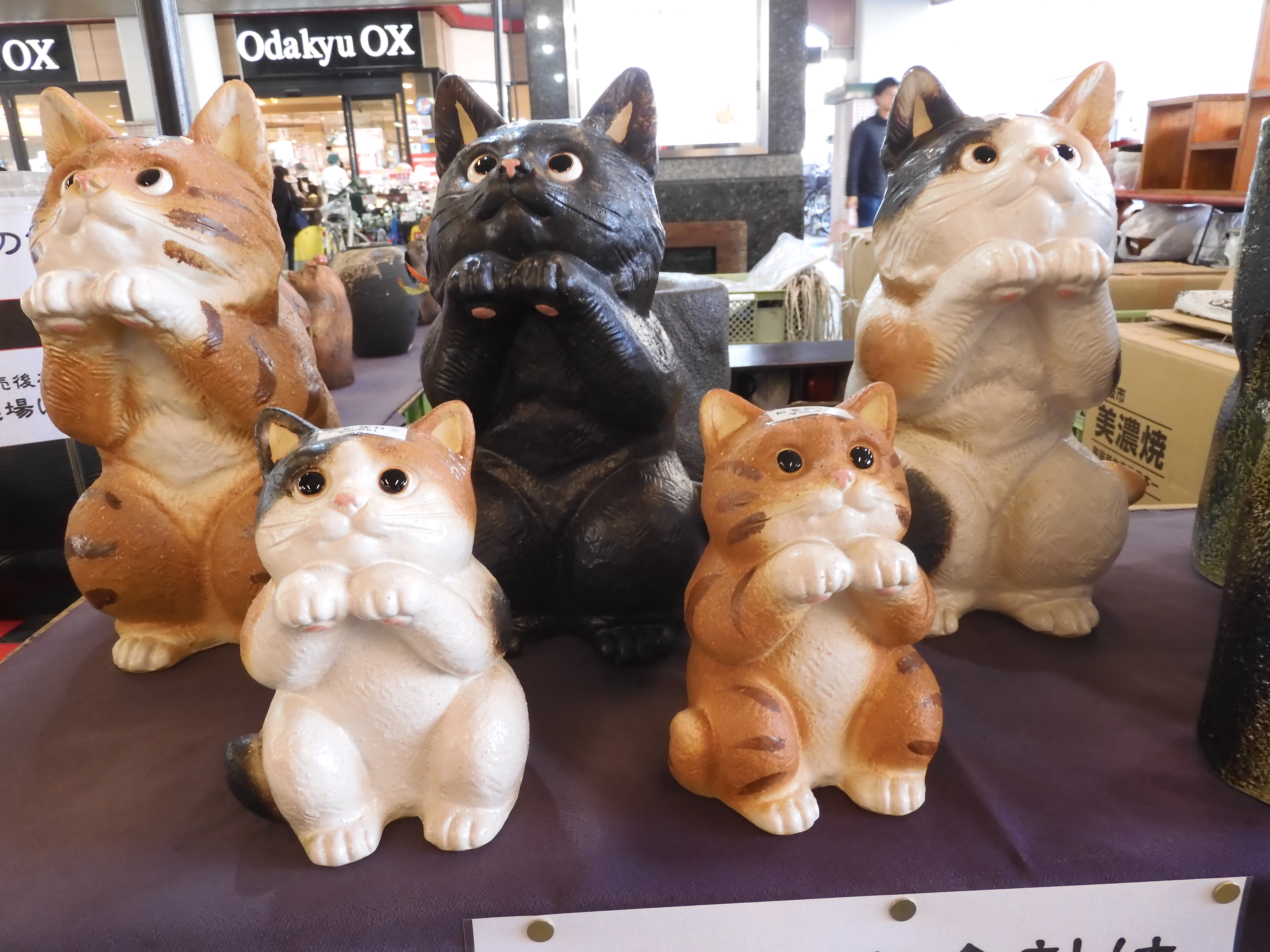
Cats often feature in the books of Haruki Murakami and, indeed, in Japanese literature and folklore in general. Of the latter, the most famous is probably the maneki neko ((招き猫)or beckoning cat, images of which can be seen throughout the country, to bring good fortune to the owners. The origins of the tale are claimed by both the inhabitants of Kyoto and Tokyo (and even the Chinese, not surprisingly), but the principle is the same: an impoverished owner of a failing store took pity on a passing cat and invited him in to share his meagre supplies of food. In gratitude the cat sat outside the store raising his paw to invite in passers-by, thus improving the fortunes of the kind-hearted shop owner.
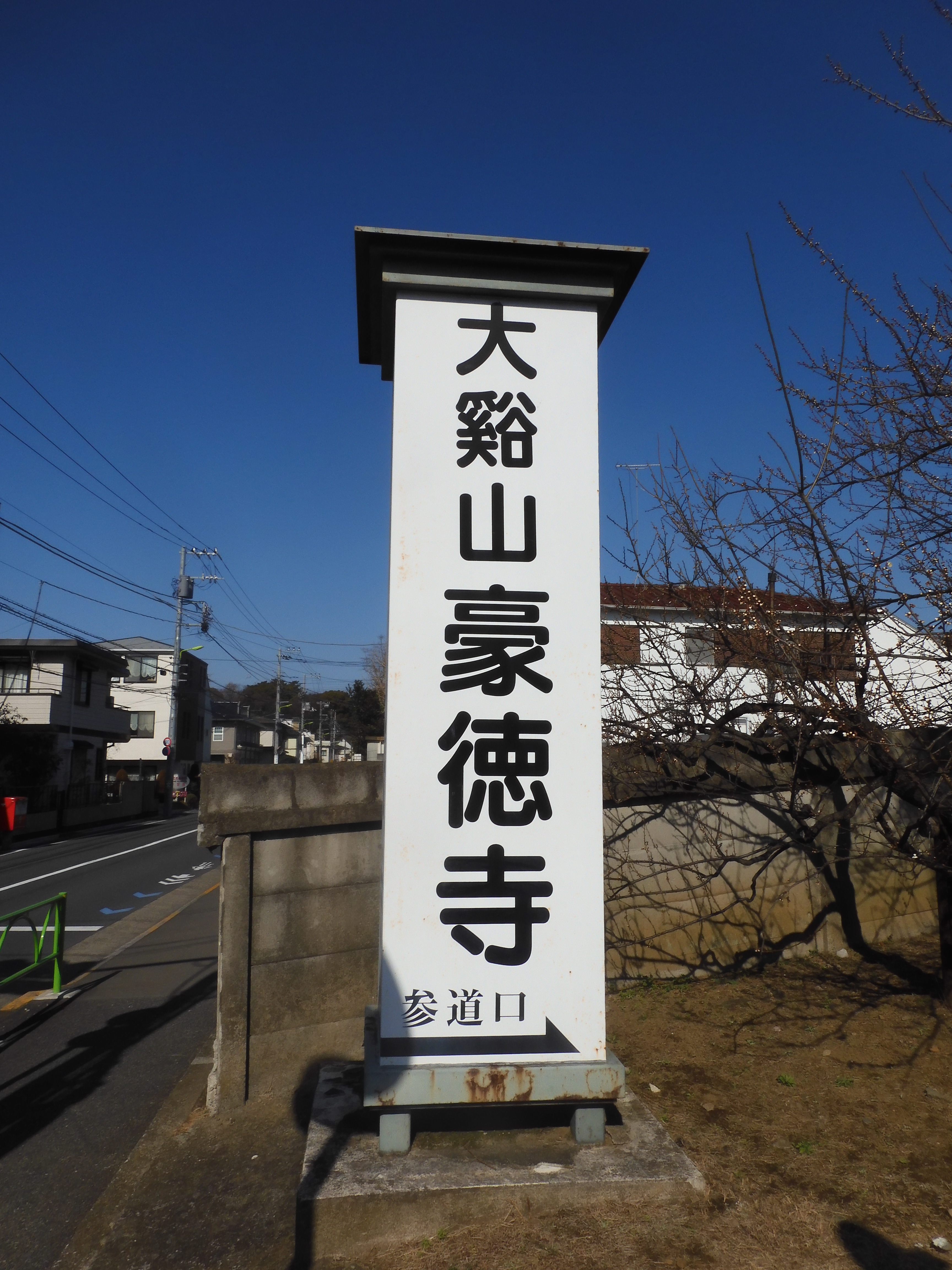
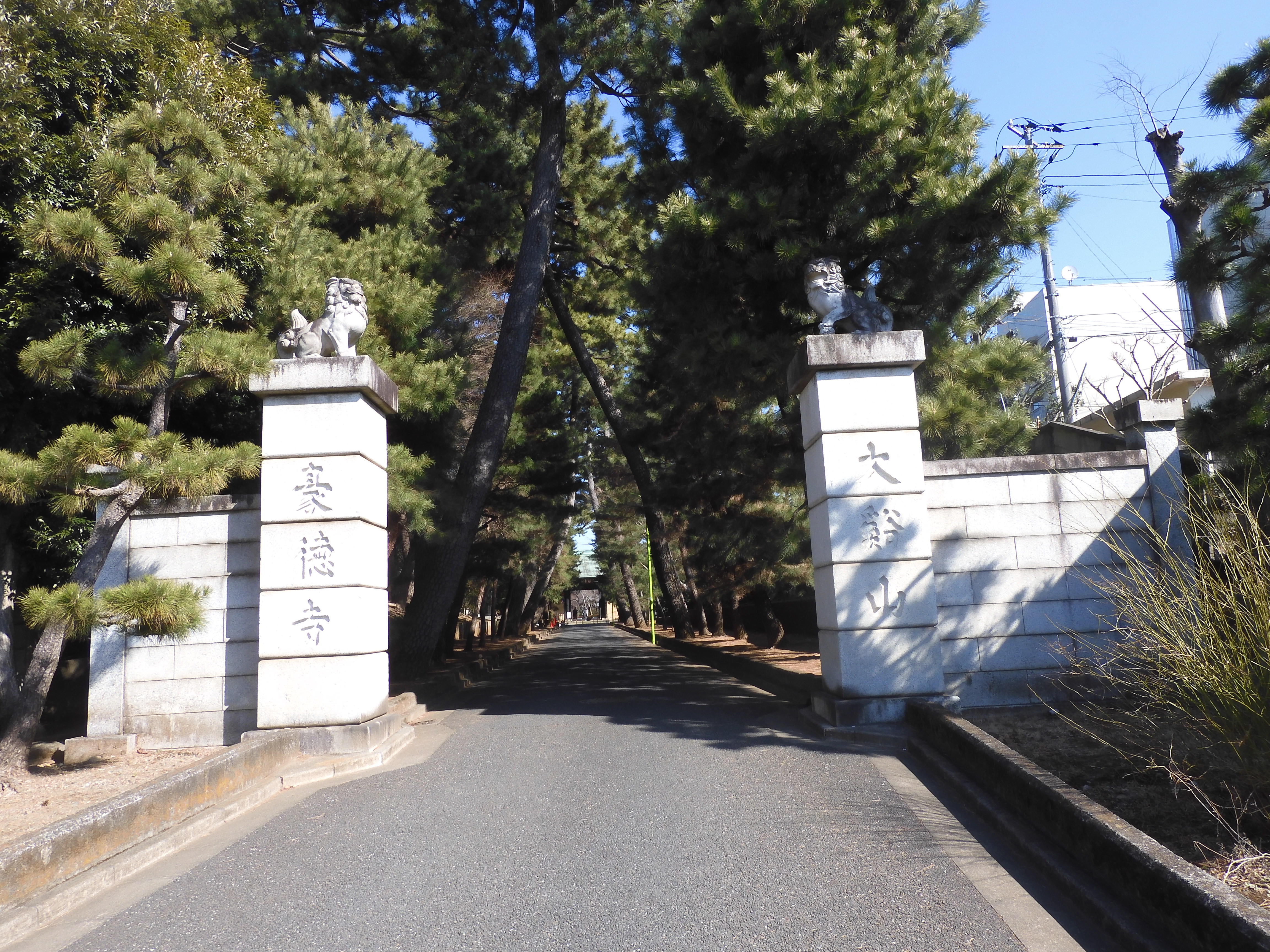
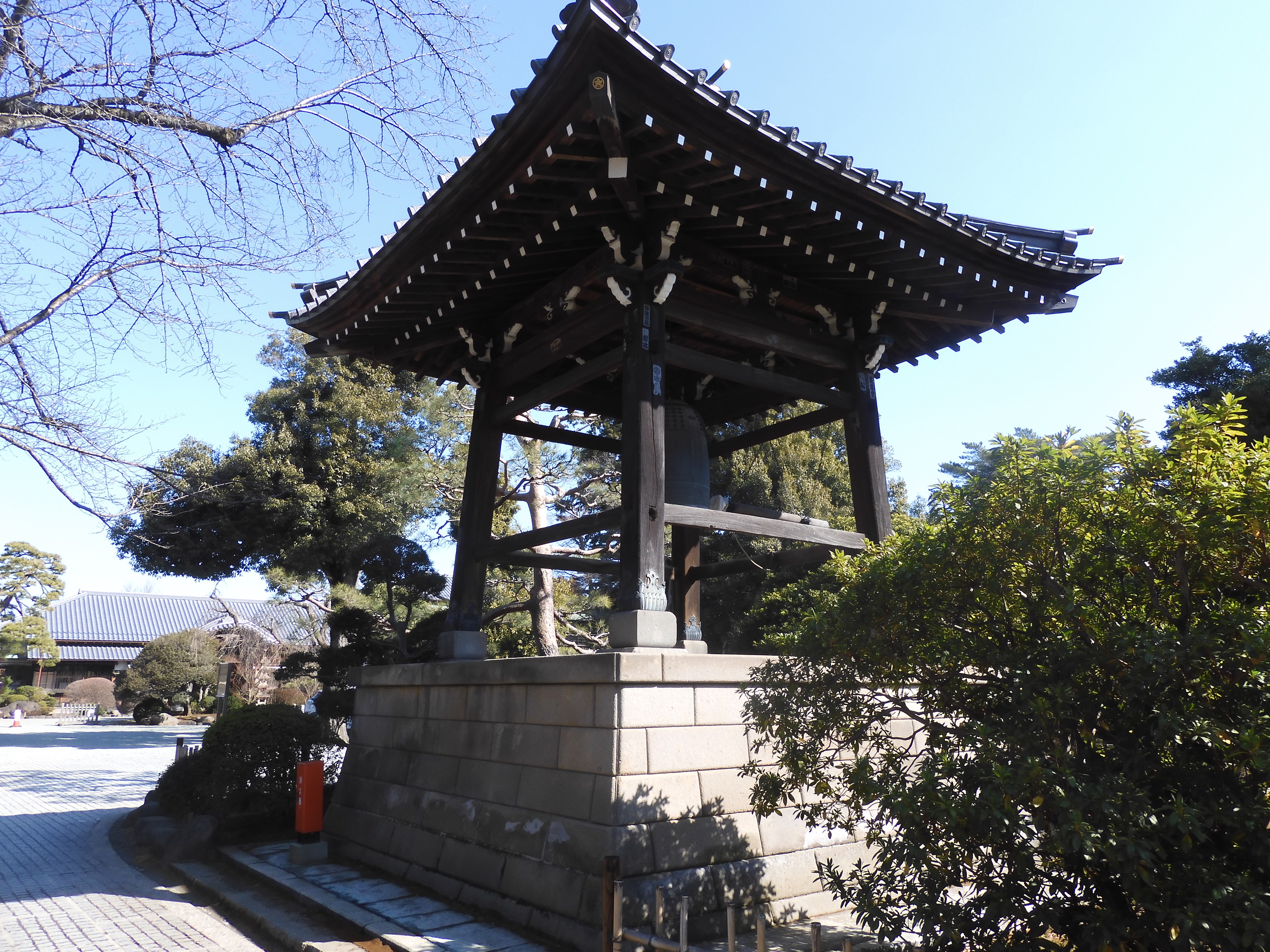
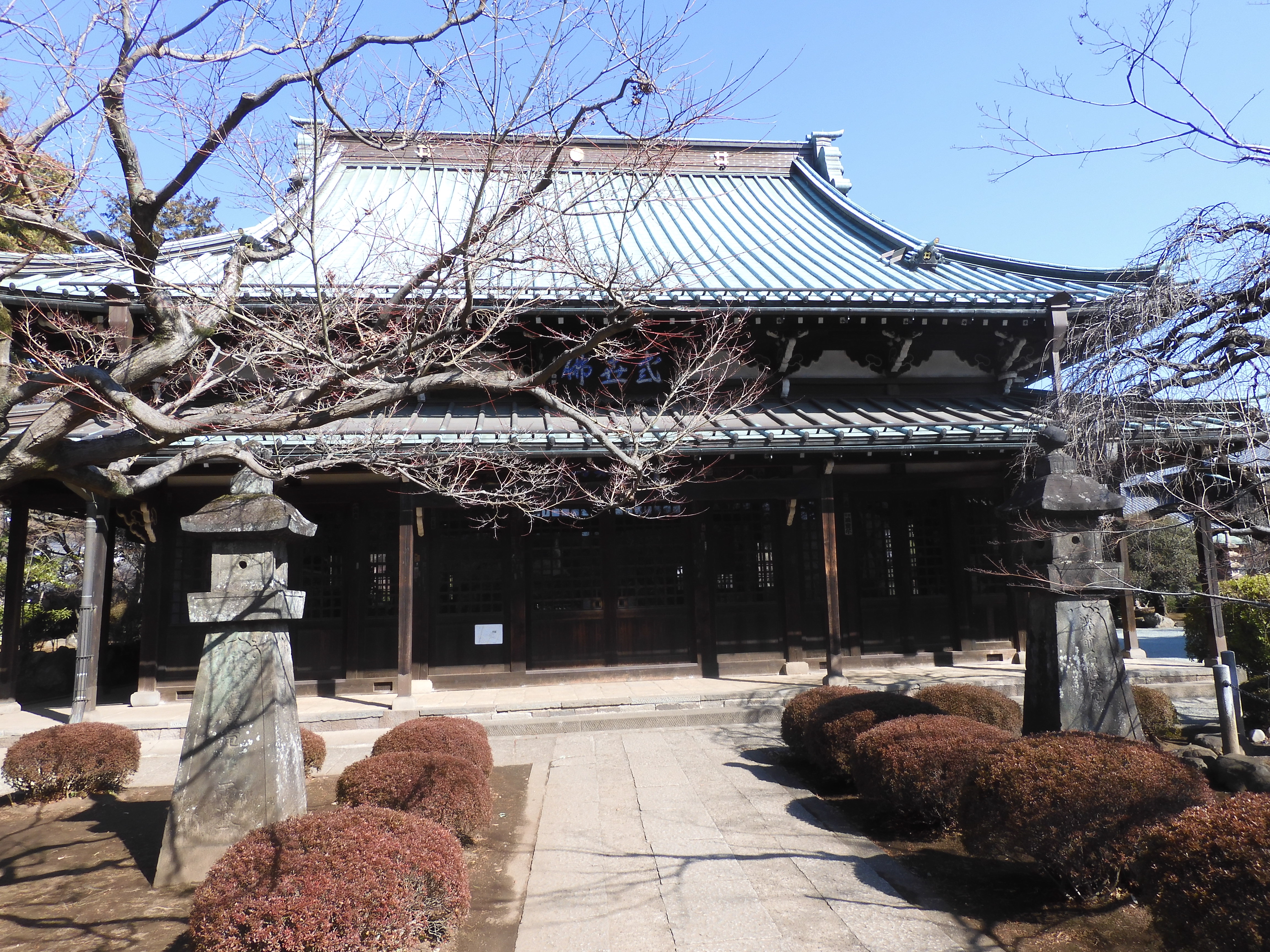
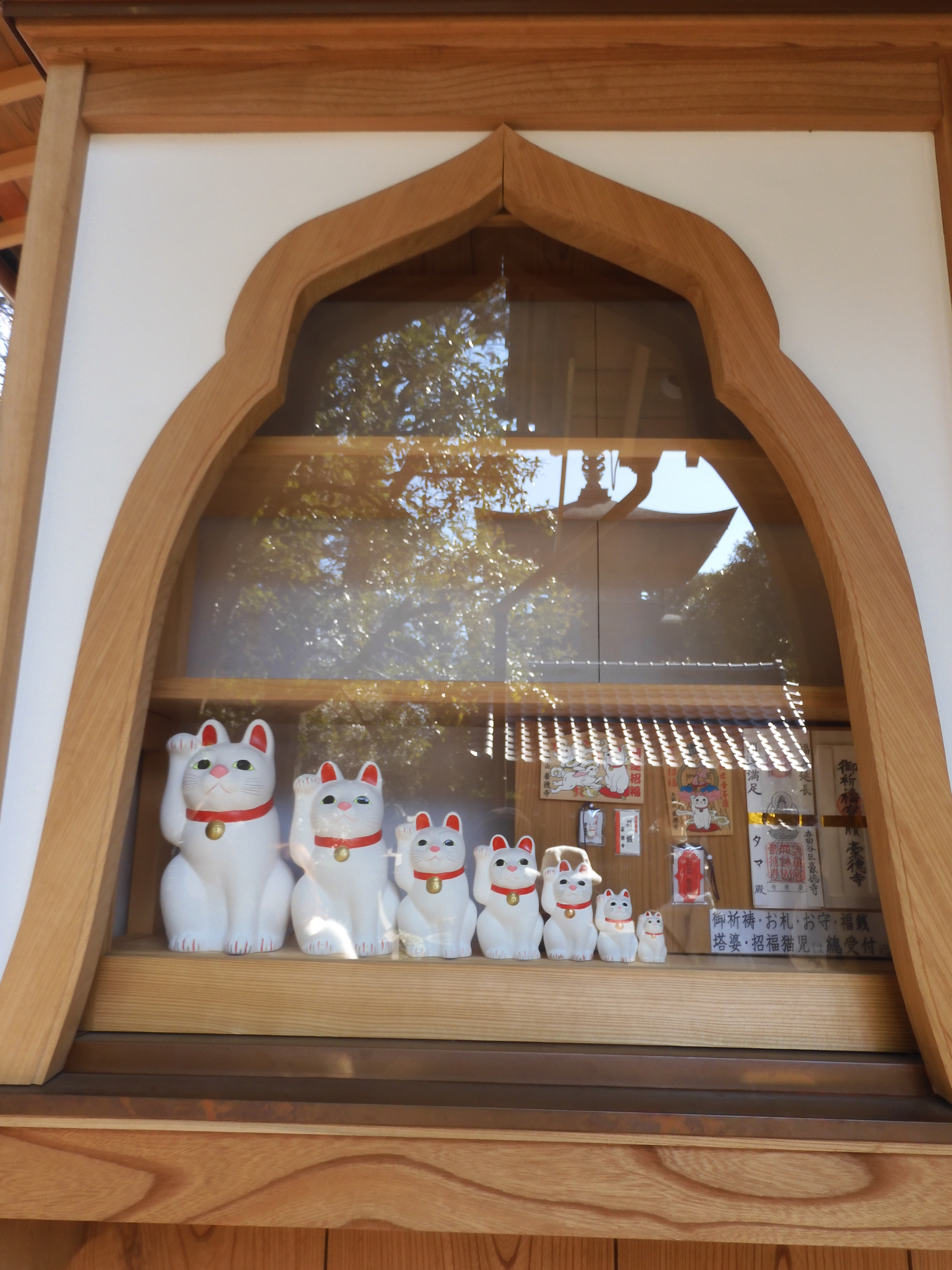
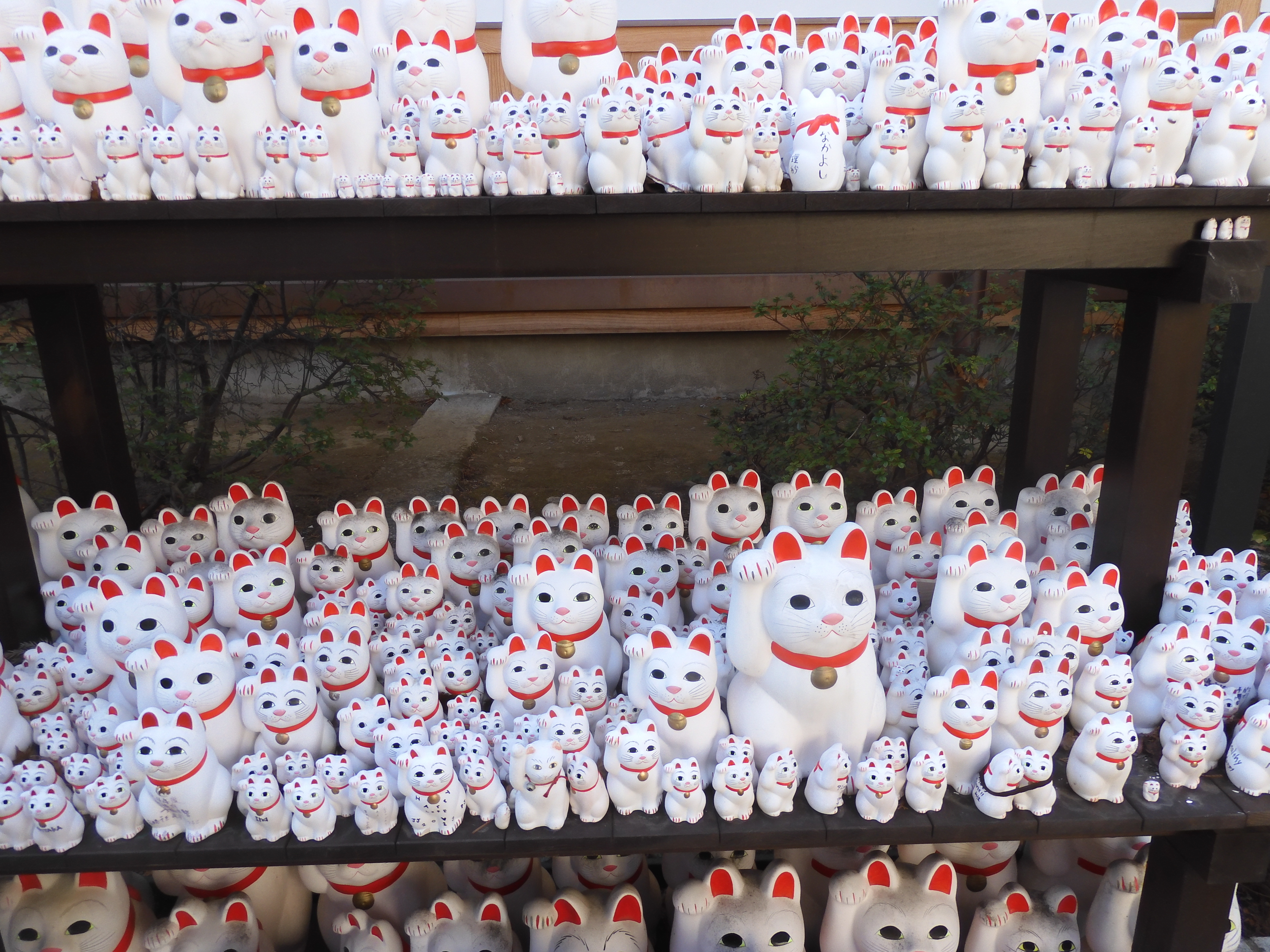
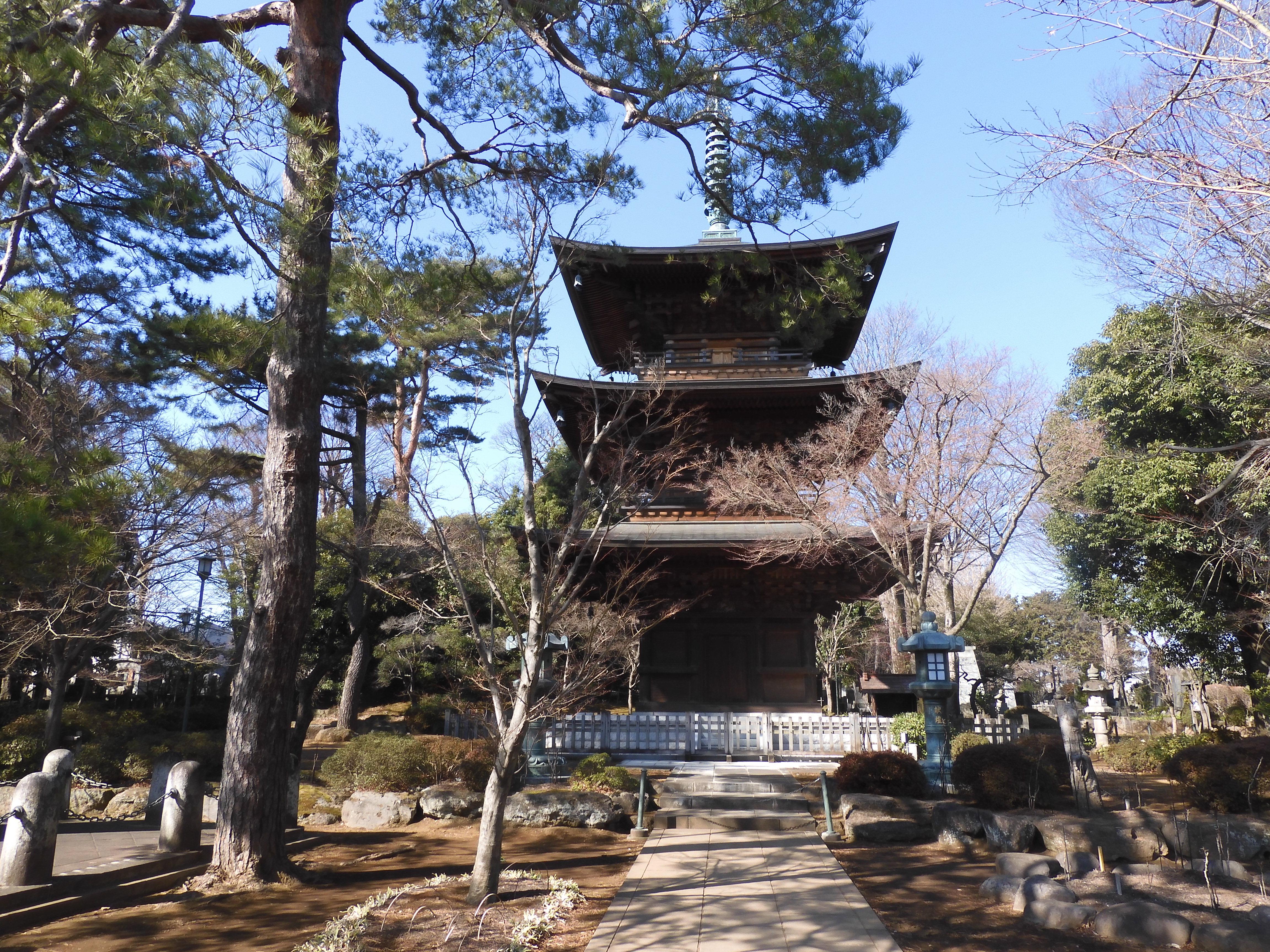
Goutokuji Temple in Setagaya Ward, western Tokyo has its own version. At the end of the 17th century, a lord from Hikone was passing a temple when a thunderstorm was approaching. A cat emerged from the temple and raised its paw as if waving the lord inside, thus saving him from a drenching. In gratitude the lord rebuilt the temple and re-named it Goutokuji in 1697.
Welcome!
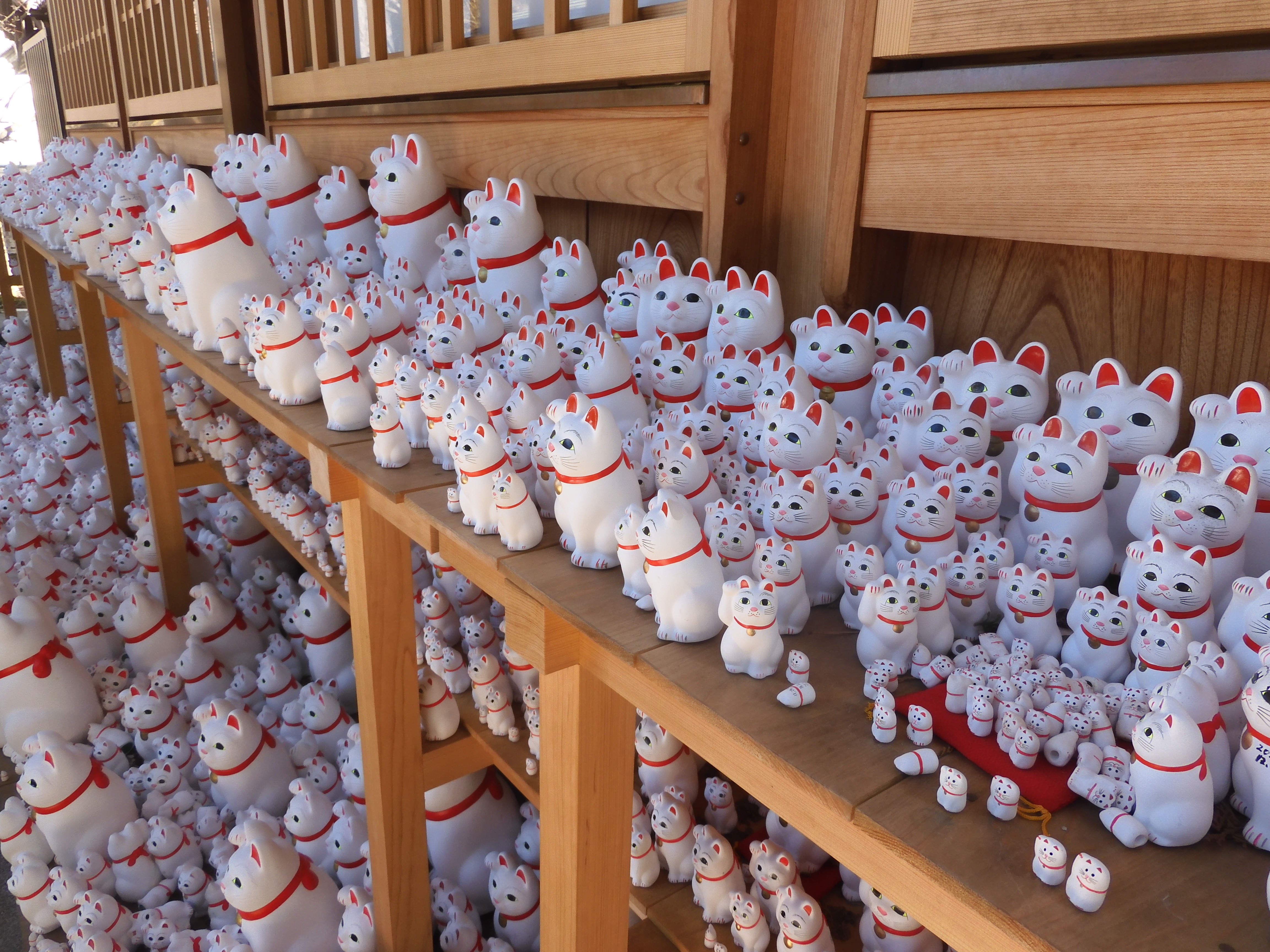
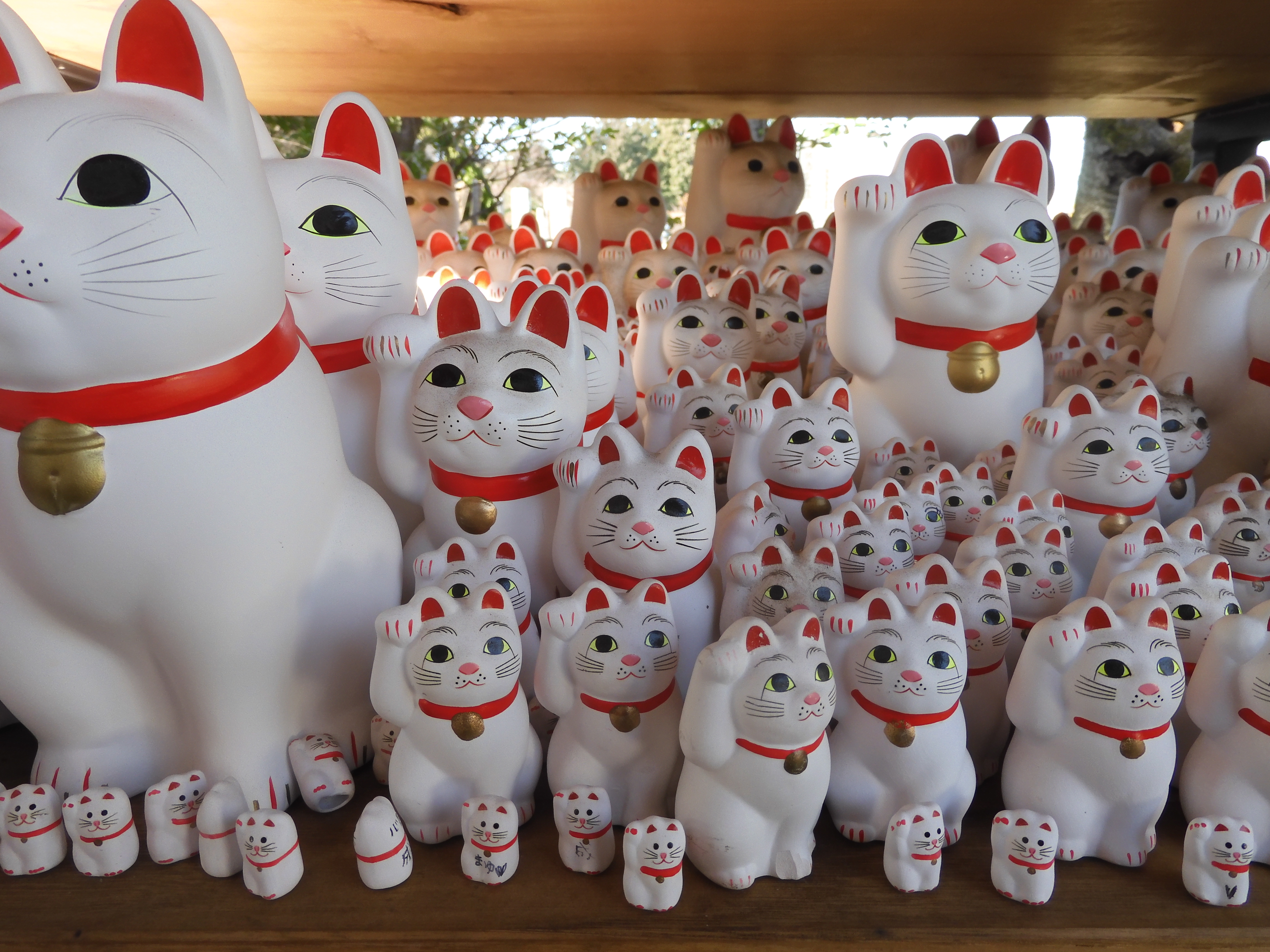
Nowadays this is commemorated by the display of thousands of cats beckoning the few visitors who make their way to this hidden gem off the main tourist trail.
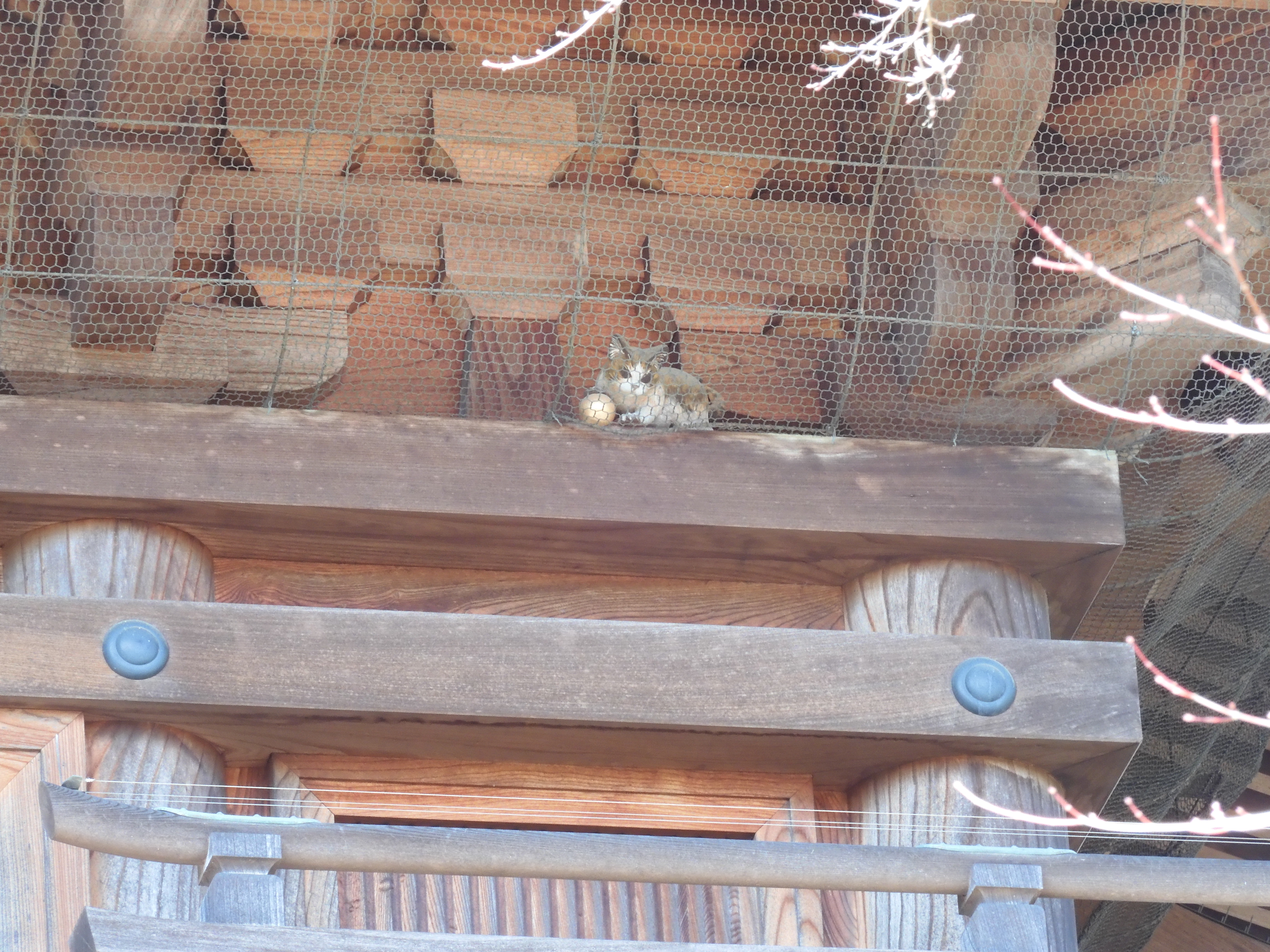
But, in the three storey pagoda, if you look carefully, very carefully, you might just spot, and be spotted by, a cat hiding in the rafters.
Feline fans keen to improve their own luck can buy their own version made from wood, plastic or more commonly ceramics. Some even have battery or solar powered rising paws to give you a greater sense of being welcomed. And pause for thought: the right paw raised is to bring money, the left to bring in more customers. Both raised and you can’t go wrong.
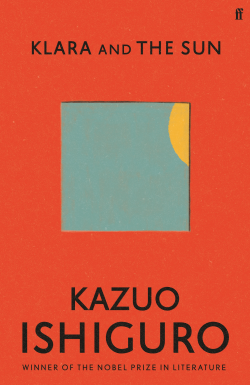
An avid reader, my usual genres of choice range from historical to literary fiction, epic sagas and espionage and psychological thrillers as well as, obviously, books either set in Japan or written by Japanese authors. So, that gives me plenty of scope to hit, and usually exceed, my annual Goodreads challenge of 100 books. Not included on that list is either fantasy or science fiction but I will make an exception if there’s a crossover with one of my other genres of choice. Therefore, I recently read ‘Klara Under the Sun’ by Kazuo Ishiguro a novel about Artificial Intelligence and in particular Artificial Friends or android. It was his first published novel since he received the Nobel Prize for Literature in 2017.
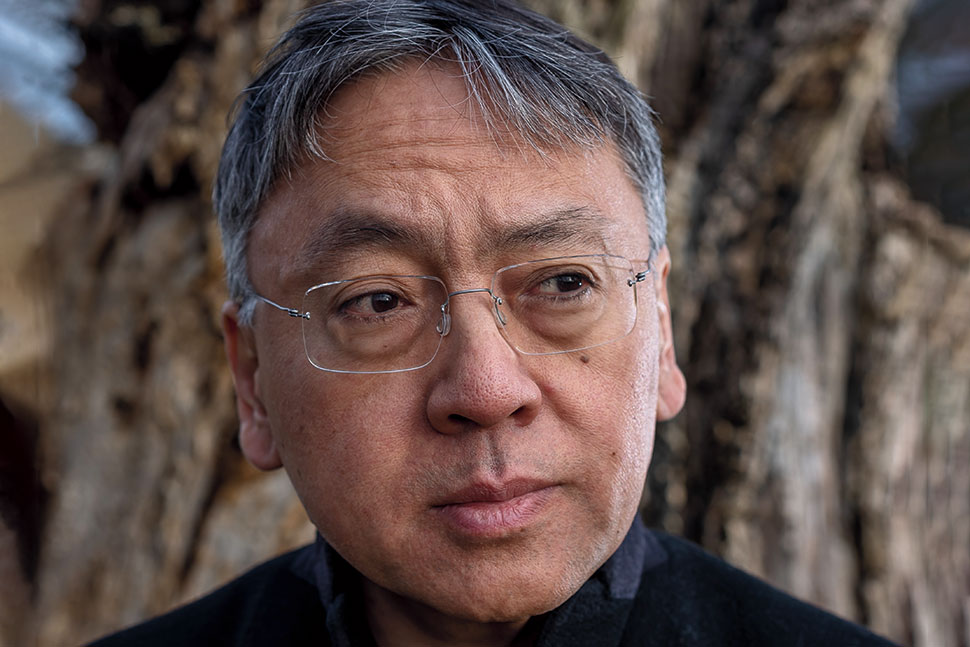
Kaz, or, to give him his full name and title, Sir Kazuo Ishiguro OBE FRSA FRSL, was born in Nagasaki, Japan in 1954 and moved to England with his parents when he was five years old. Now, a naturalized British citizen, he writes in English and much prefers to talk in my mother tongue rather than Japanese. His books range from post-war novels set in Japan (A Pale View of the Hills), to the fictional memoir of an English butler in a stately home (the Booker prize winner, ‘Remains of the Day’) to historical fantasy (A Buried Giant), to the more speculative works such as Never Let Me Go and now Klara Under the Sun. Despite my misgivings about the latter’s subject matter, the purity of his prose had me entranced from the beginning. Told through the eyes of Klara who is chosen from a shop window to be an Artificial Friend to Josie, it explores the developing relationships between Klara and her adoptive family. Suspenseful and at times emotional (yes, robots do have feelings), it’s easy to understand why the author has won some of the world’s top literary awards.
When he won the Nobel, Japanese TV news programmes interviewed residents of Nagasaki for their reaction. Few had read his books, which would have to be translated into Japanese in order for them to do so but most were proud that a native of their city had reached such literary heights.
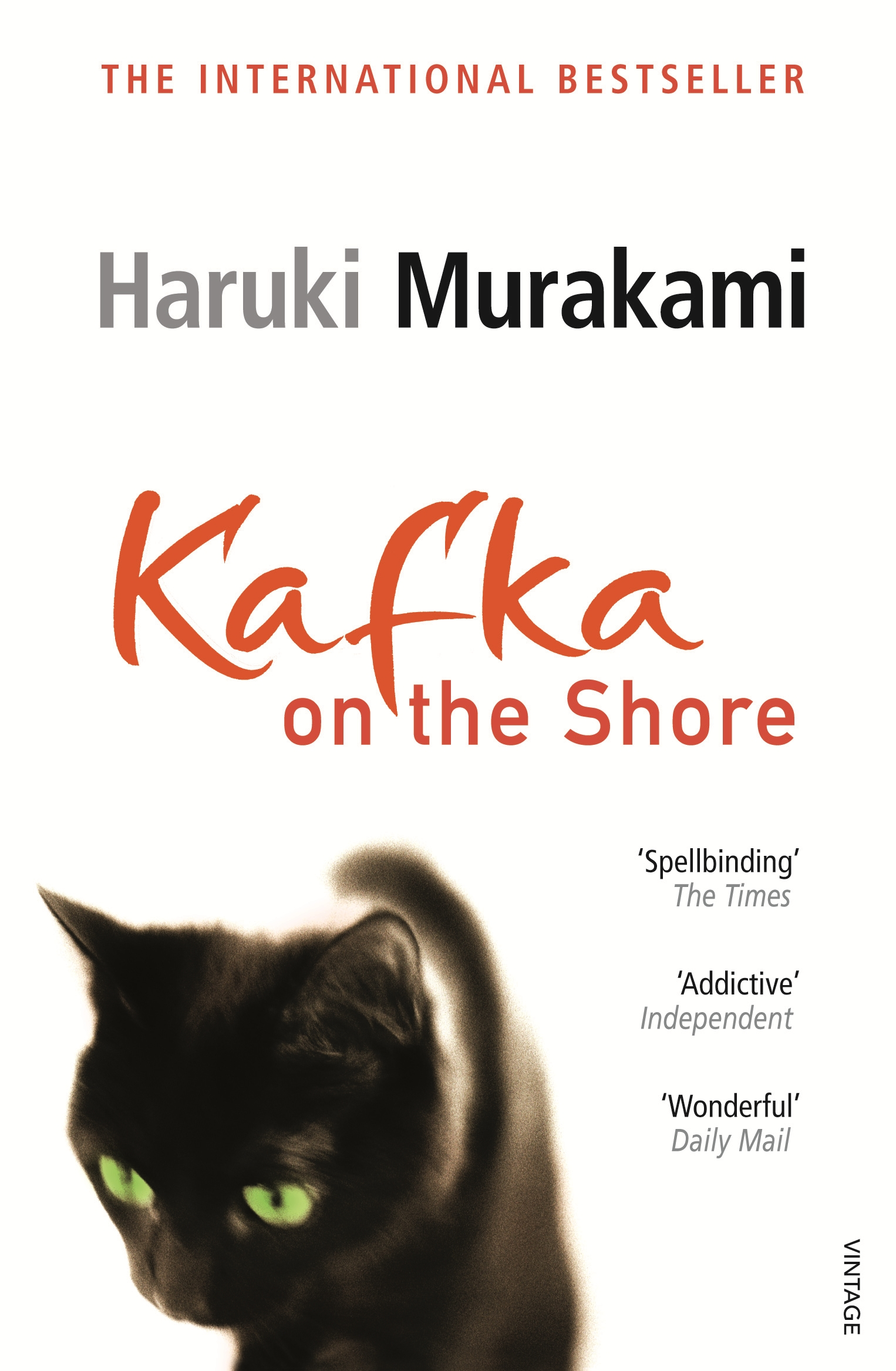
Unlike Haruki Murakami, another Japanese author whose books I’ve read and thoroughly enjoy who is a long-term contender. Despite having had his books translated into many languages and being the recipient of many prizes, he’s always missed out on the ‘big one’ much to his fans’ disappointment. Although his best known books are probably the earlier ones such as ‘Wild Sheep Chase’ and ‘Norwegian Wood’, one of my favourites is ‘Kafka on the Shore’.
Murakami is a great music fan. A former owner of a Jazz café, music often features in his writing, and as the day of the announcement of the winner of the Nobel Prize for literature approaches, his fans ( known as Harukists) gather in Jazz bars waiting to celebrate the success of their hero, whilst bookstore owners prepare to stock the shelves only to have to put his books away until the next year. Divine help is also called upon, as some will visit the Hatanomori Hachiman shrine, tucked away in side street close to the National Stadium to pray for the result. Maybe, his next novel and his first for six years, the publication of which (theme and title unknown) has been announced for 13 April will prove to be the trigger that will bring him and his loyal band of fans the ultimate prize.
A modern day ninja waits for the message to call her into action:
But win or not, I shall certainly buy the English version once published as well as other novels written by a growing list of Japanese authors whose unique style is increasing in popularity and meeting my reading needs as well as filling my bookshelves.
“Greetings Grapple Fans!” was how commentator Kent Walton used to open ITV Sports’ wrestling programme on a Saturday afternoon, a must-watch for this teenage fan in the UK 50 years ago. From the Royal brothers tag team of Bert Royal and Vic Faulkner, to bad boy Mick McManus, the man they loved to hate, from the masked mystery of Kendo Nagasaki to Johnny Kwango, the head-butt specialist, everyone had their favourites. But perhaps the most iconic of this ‘sporting’ phenomenon were the massive Big Daddy (real name Shirley Crabtree) and his erstwhile tag-team partner Giant Haystacks (Martin Ruane) both of whom I had the pleasure to see in a live tournament in London’s Royal Albert Hall in the late 1970s.
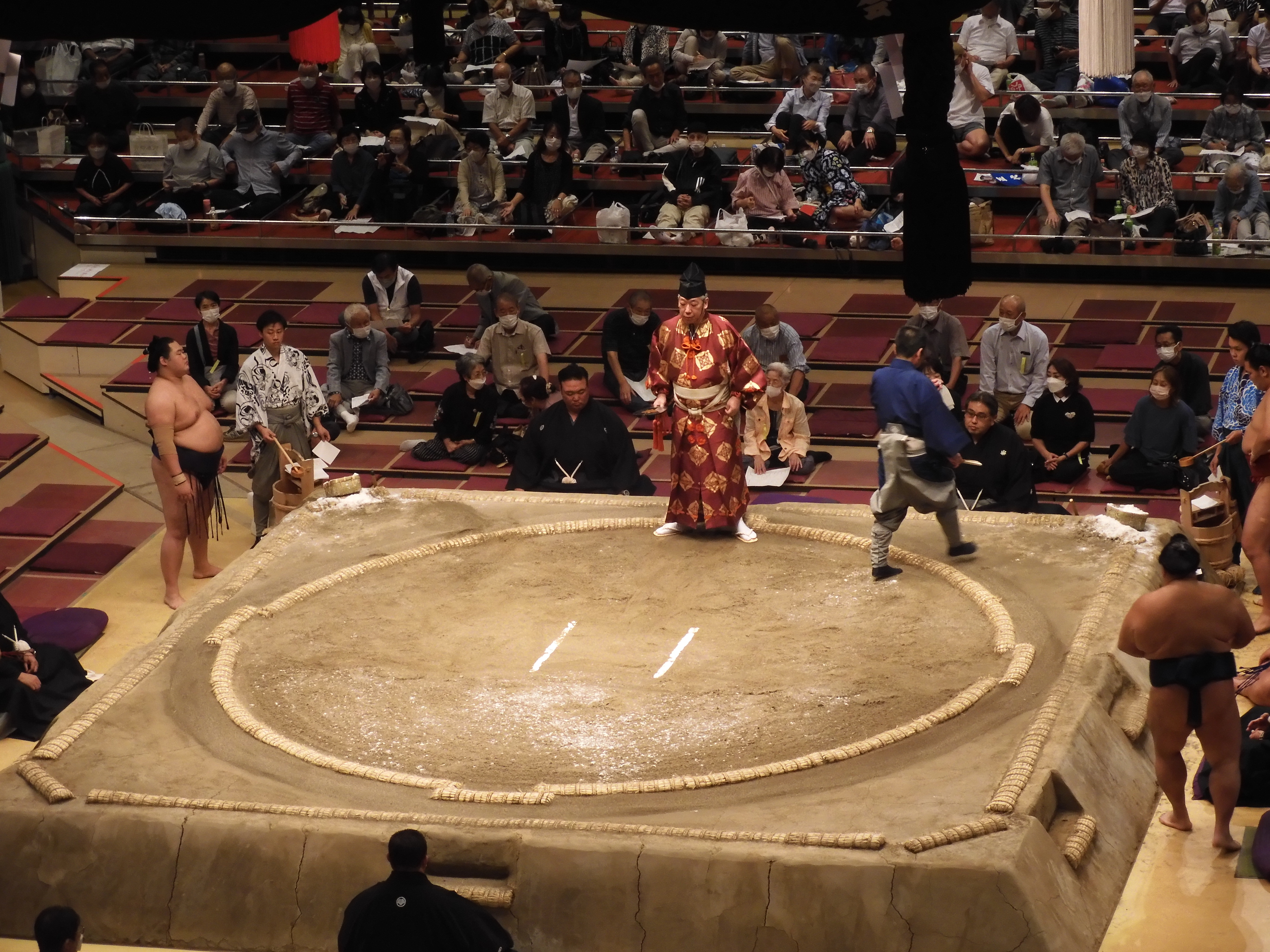
That was shortly before I was first sent to work in Japan. The UK’s grunters and groaners (both sound effects used to good dramatic effect), would not have gone down well in the more refined world of sumo wrestling where displaying emotion is not considered acceptable in this traditional martial art. But I soon grew to enjoy the six televised tournaments a year alternating between Tokyo and regional cities of Osaka, Nagoya and Fukuoka. As well as learning about all the traditions and rituals that accompany the bouts; the techniques of pushing and thrusting or grabbing the opponent’s mawashi belt to force him either out of the ring or onto the floor; and the ranking system from the junior divisions through to the seniors, I got to know and appreciate some of the characters who graced the dohyo ring.
The dohyo, wrestling ring
Not all the wrestlers were Japanese born and bred. One of the more personable was Hawaiian-born Takamiyama (Jesse Kuhaulua). At more than 200 kgs and with his trademark sideburns, he was instantly recognisable and not just to sumo fans. But it was in the ring that he achieved most fame by becoming the first foreign born rikishi wrestler to win a top division yuusho championship back in 1972.
Takamiyama (Jesse)
Closer to home was Chiyonofuji (aka The Wolf) from the northern island of Hokkaido. At ‘only’ 126kgs, and 80kgs lighter than Takamiyama, he was one of the lighter wrestlers relying on his muscular frame and skill to achieve the top rank of Yokozuna grand champion at the age of 26. He held that position for a record 10 years. Following his retirement in 1989, he went on to join the ranks of the sumo elders, owning and running his own ‘stable’ or club.
‘The Wolf’ Chiyonofuji
Chiyonofuji was still around when I returned to Japan in 2011, 30 years after I first took an interest in the sport, and I often was able to see my hero when I, also semi-retired, started to attend tournaments and ceremonial events. But, sadly, the world of sumo lost one of its greatest stars when he died of cancer aged only 61.
At Meiji Shrine in 2014
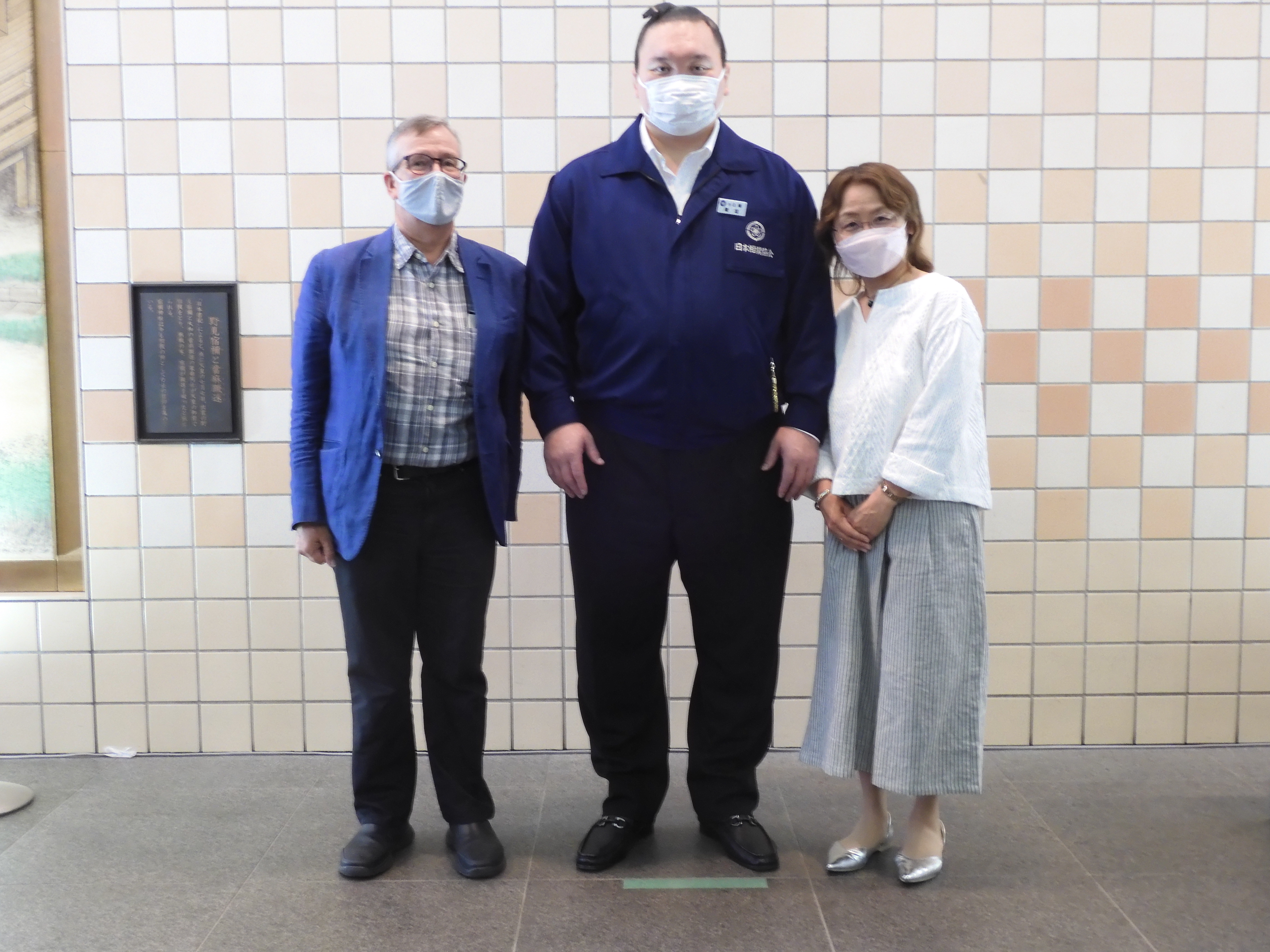
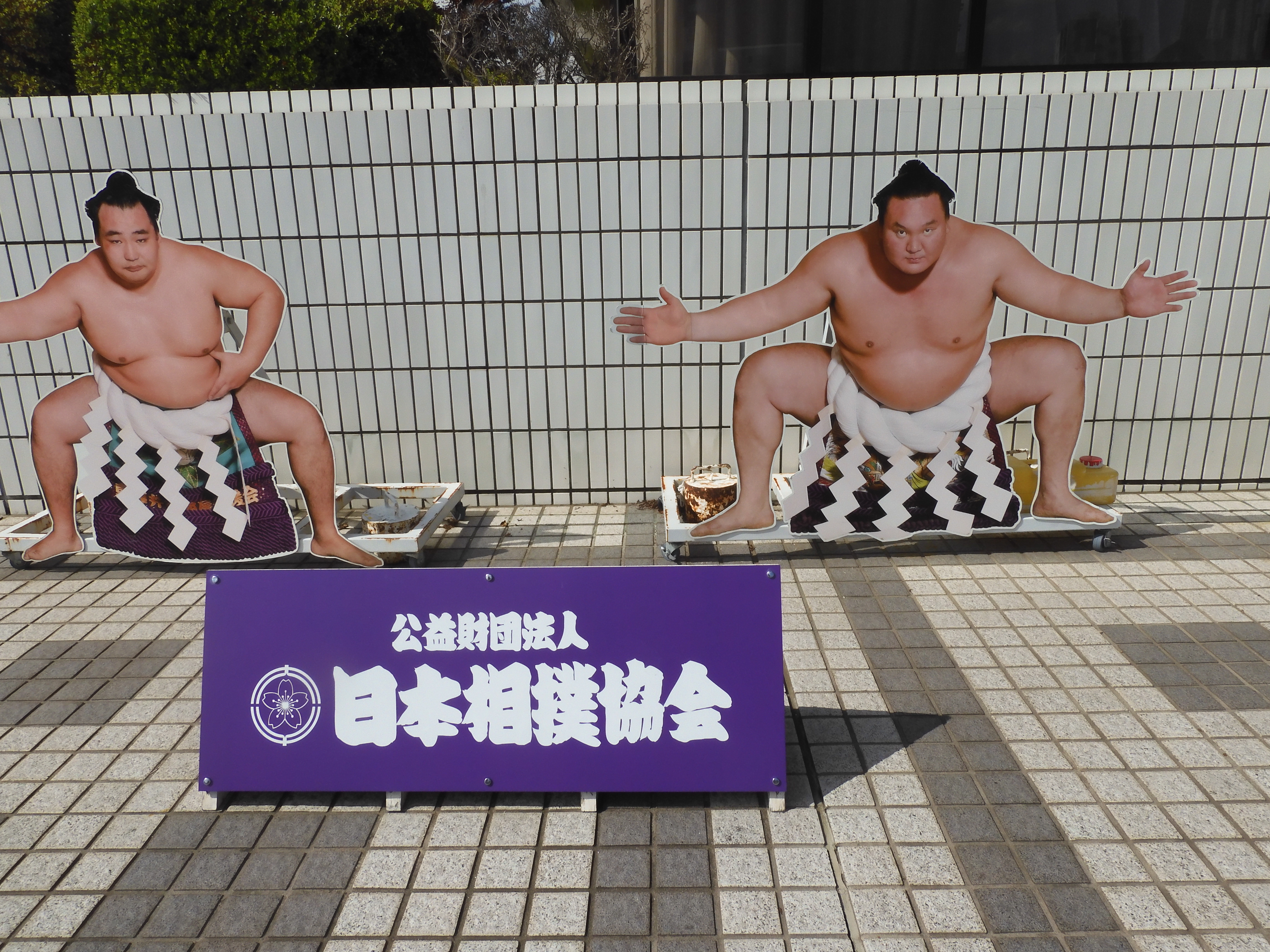
Nowadays, the sport is dominated by wrestlers from Mongolia, none more so than Hakuho (actual name: Mönkhbatyn Davaajargal), who set plenty of records of his own (longest reigning yokozuna, most top division championship wins, most matches in a professional career) surpassing most of his own heroes and role models from which he became known as the King of the Ring. He retired just over a year ago and now runs his own stable as well as getting out to meet his fans and promoting the sport.
Hakuho performsAnd meets his fans
Like most sports which receive wide TV coverage, nothing is better than watching it live and in recent years I’ve been lucky enough to see a few tournaments as well as the ceremonial events such as the Yokozuna performing the entering the ring ceremony at Meiji shrine in the new year.
Braving the chill of winter
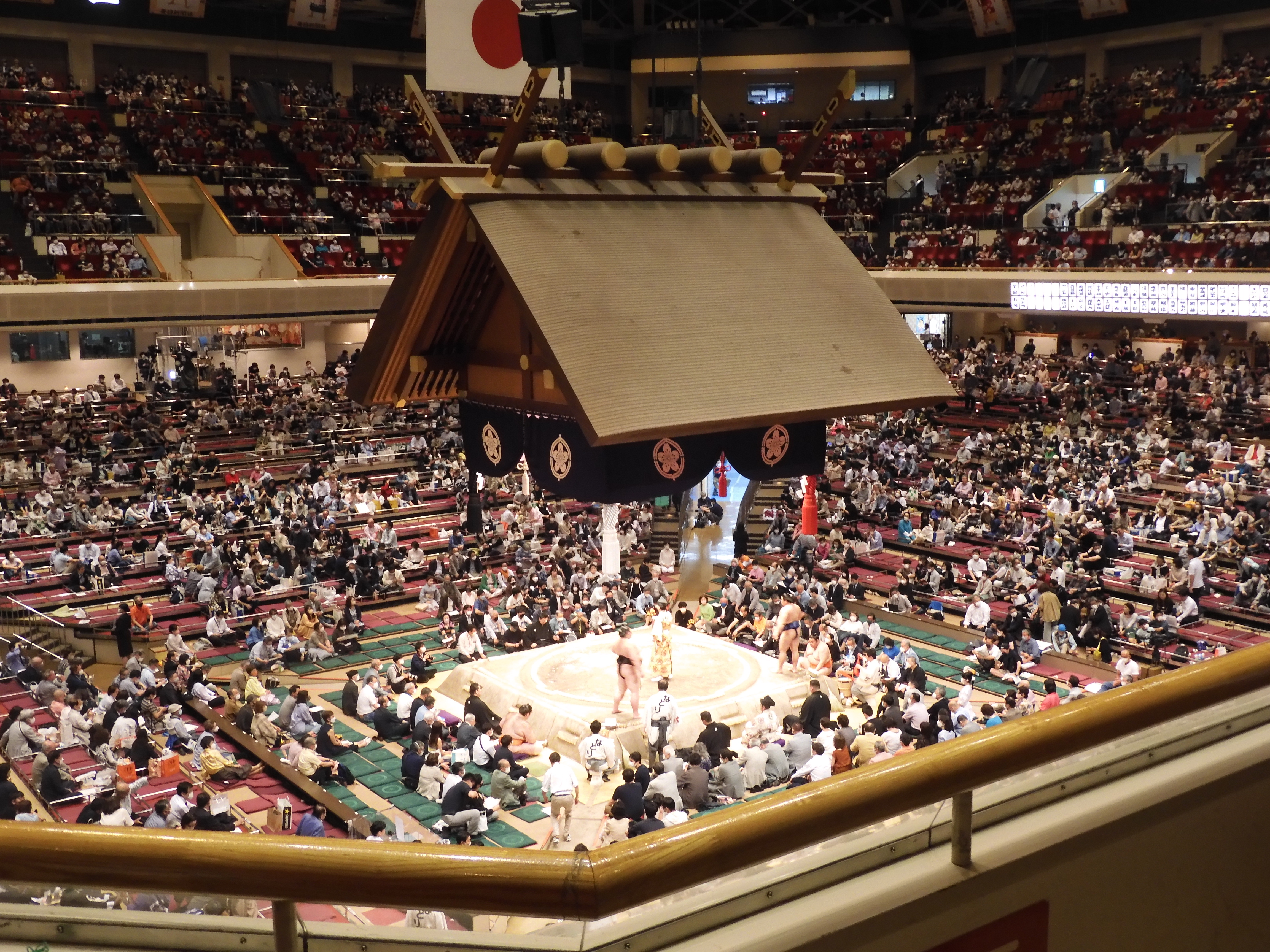
In Tokyo the tournaments are held three times a year in the Rygoku kokugikan stadium on the banks of the Sumida River.
A day out, especially pre-covid, involved turning up early to watch some of the junior division bouts and the rising stars; buying a bento lunch, from one of the many food and souvenir stalls, to eat in your seat, either a mat on the floor or a regular cinema style chair; enjoying the entering of the ring ceremonies as each wrestler is introduced to his fans; and hopefully seeing one of your favourites beating someone from a higher rank to register his suitability for promotion.
The shopsJapanese style seatingBird’s eye viewWaiting for the actionEntering the ringOn parade
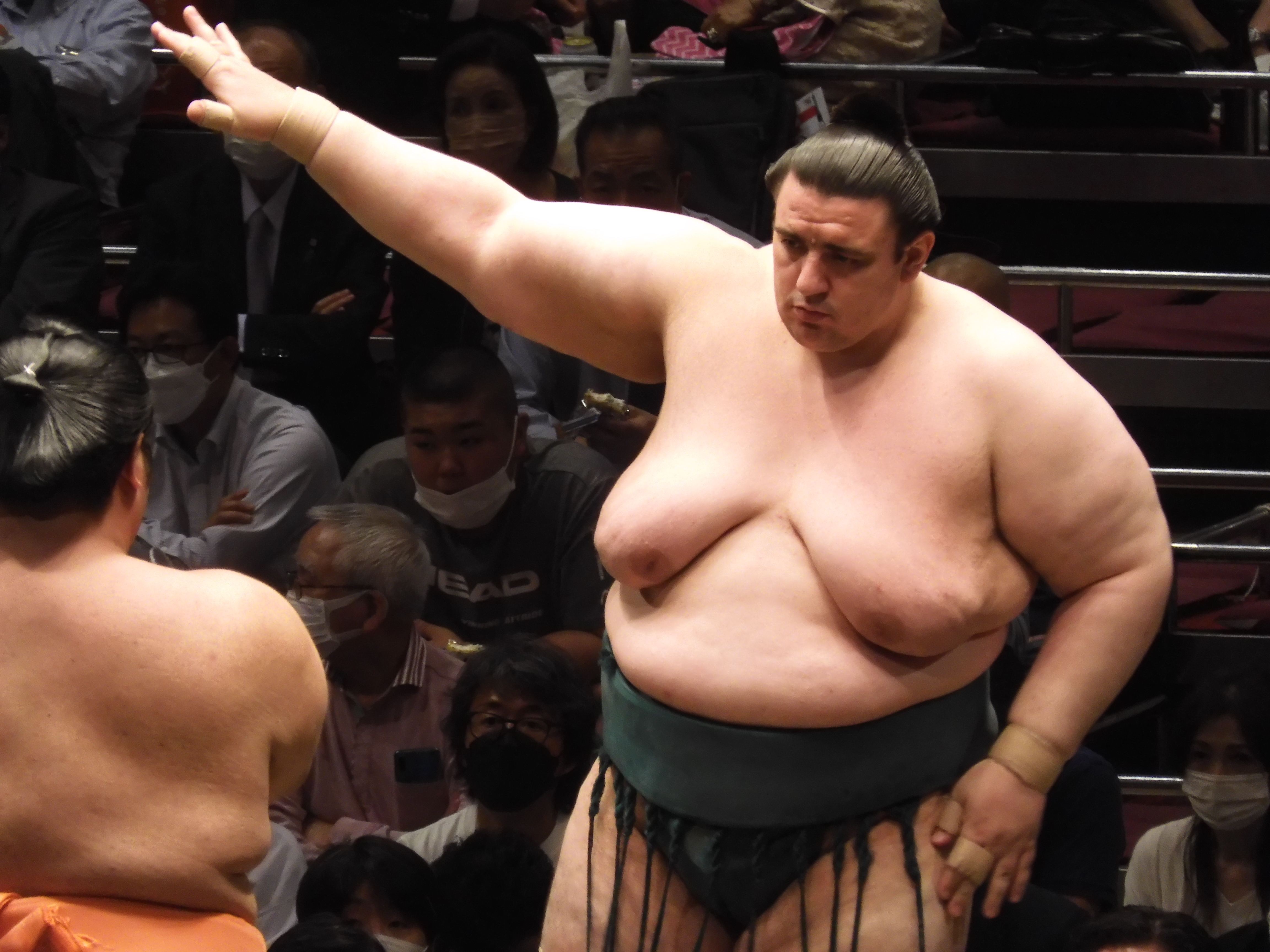
One develops favourites of course, and I follow the careers of some of the (eastern) European wrestlers who have become successful in recent years.
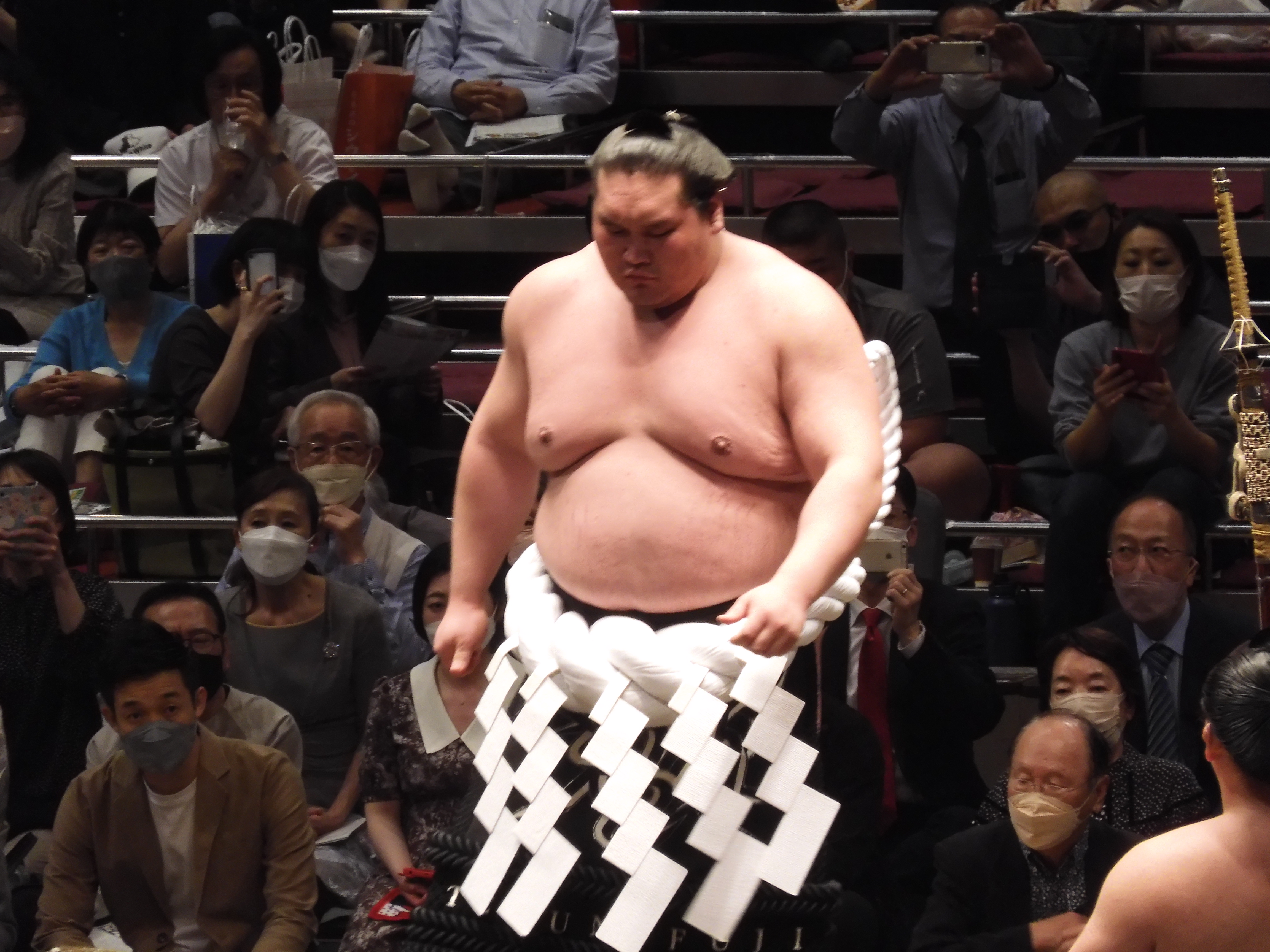
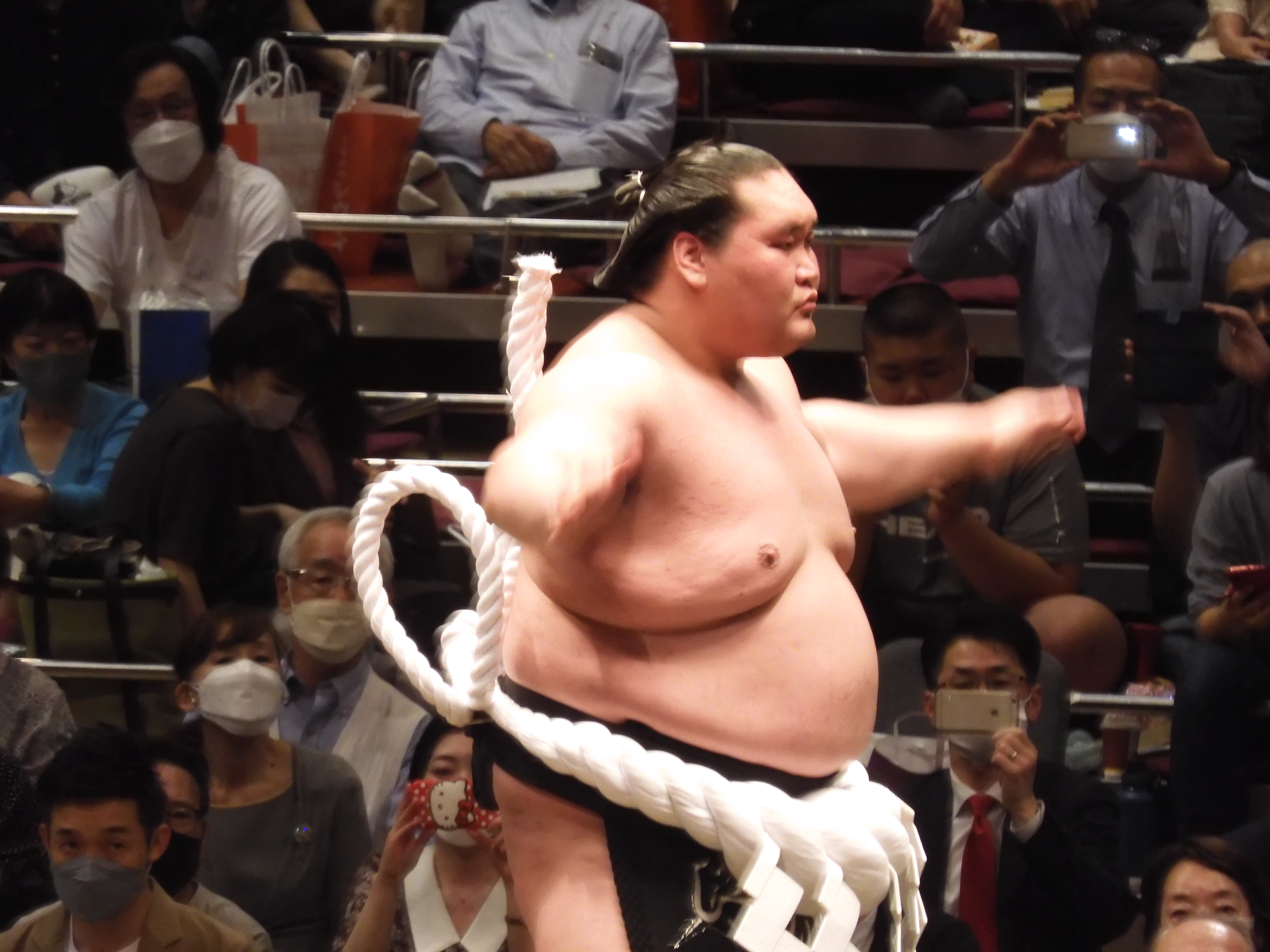
There can be up to four yokozuna grand champions at any one time. But currently, mongolian Terunofuji is the only to one to hold the rank, so he performs a solo entering the ring ceremony.
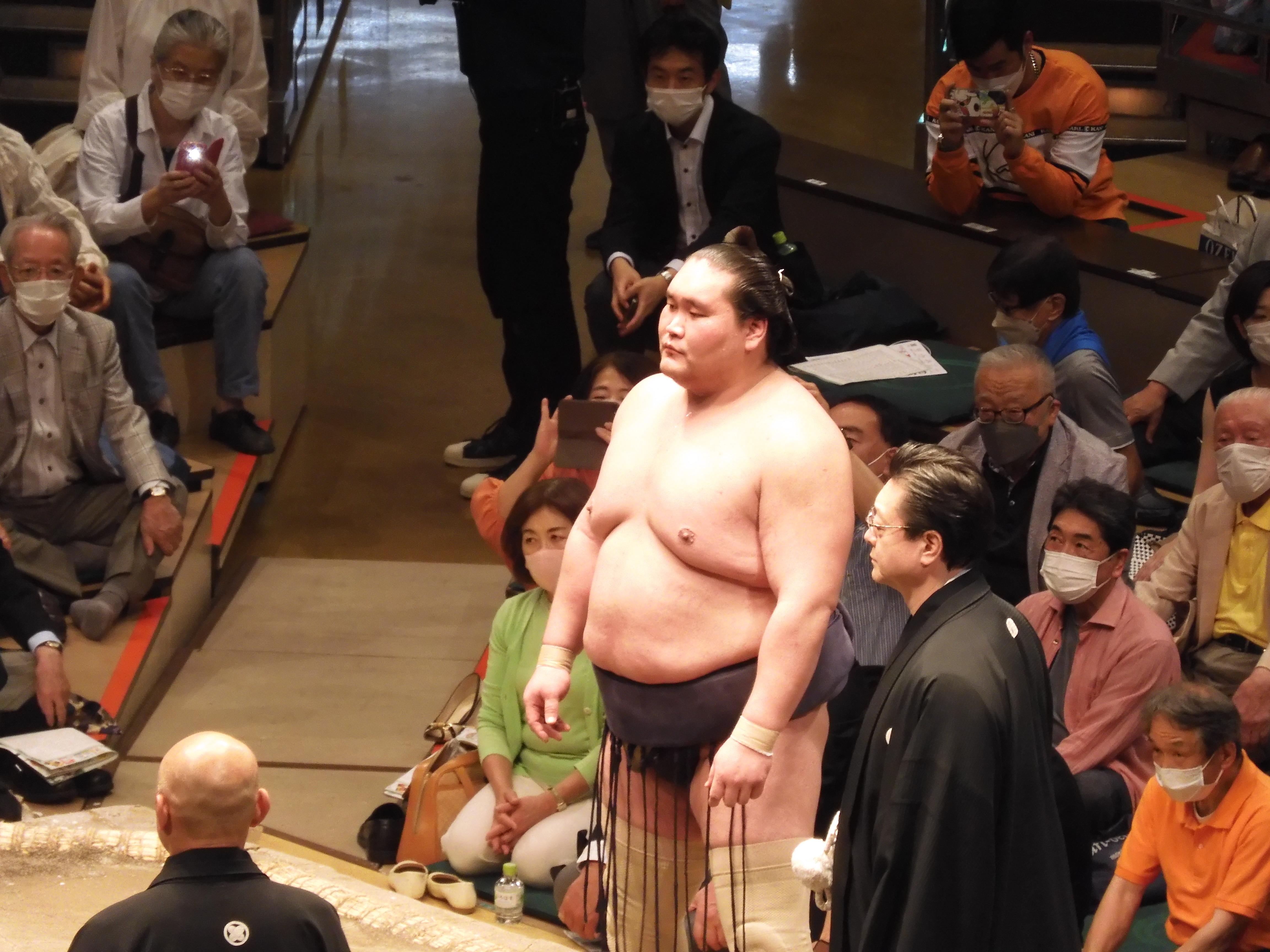
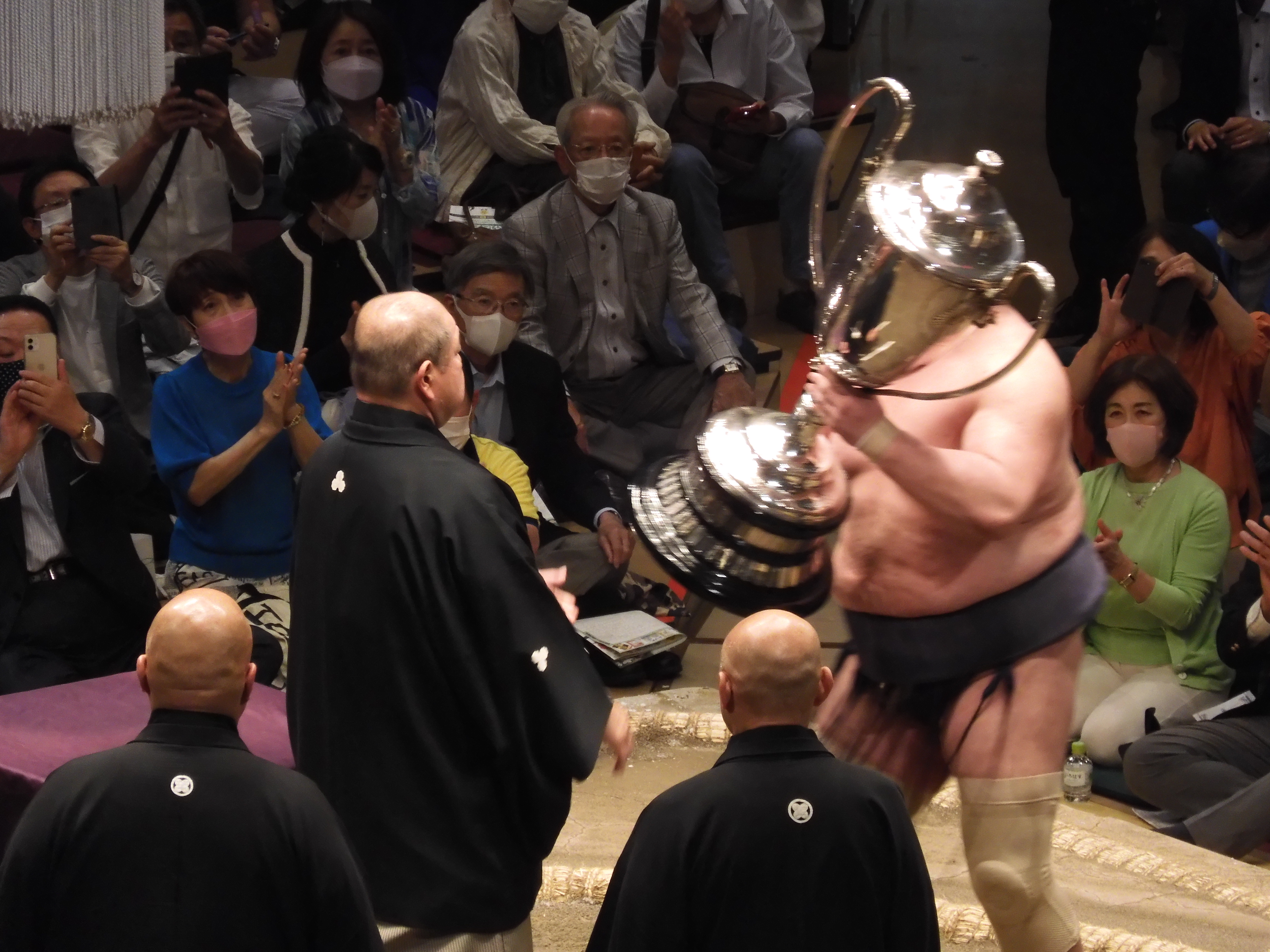
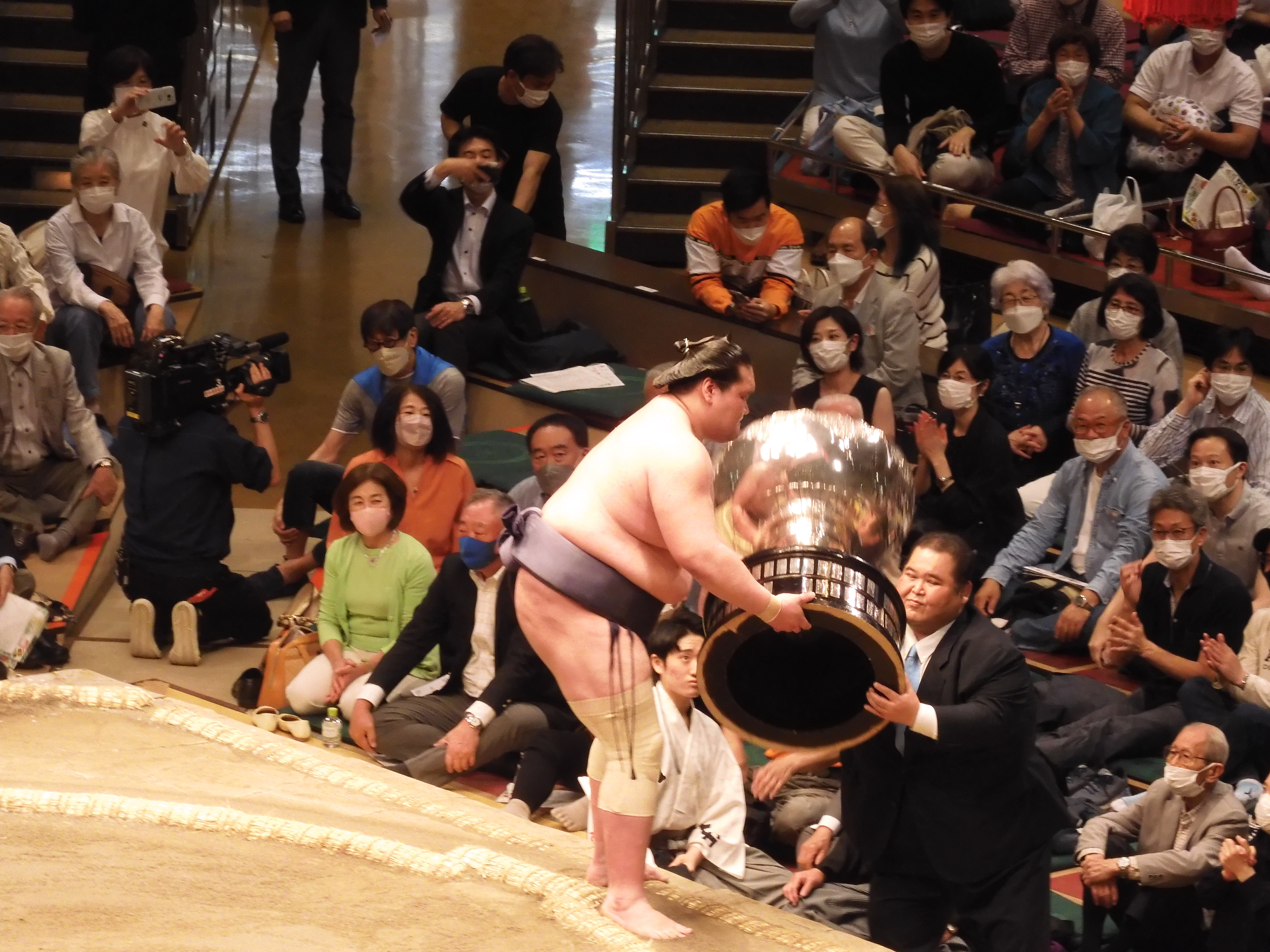
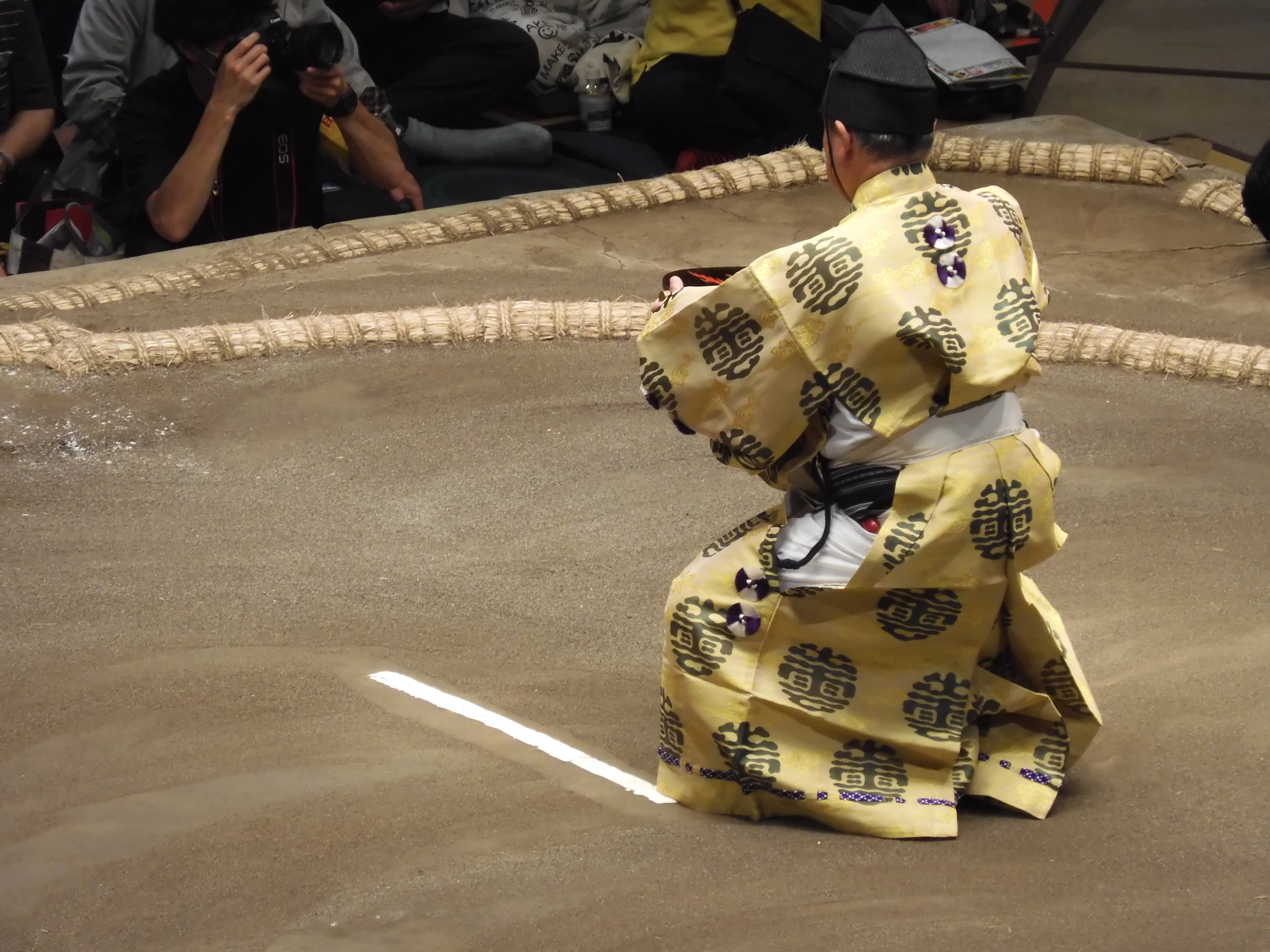
If you’re lucky enough to get a ticket for the final day of the tournament there will also be the climax of the trophy presentations to the winner who just happened to be Terunofuji.
But more than anything else, it’s a day which guarantees drama and good sportsmanship and an insight into this aspect of Japanese culture and tradition dating back more than 1300 years. So, sit back, and when the referee turns his gunbai, ceremonial fan, forward, Let Battle commence.
Part travel, part memoir, part cultural investigation but overall an exploration of the urban soul of Japan’s capital city while delving into my own psyche while walking the streets.
I’ve lived in Tokyo for about 15 years now. But do I really know the city? Probably not. Do I really know the people? Probably not. Do I really know the language? Definitely not. But I have scratched the surface of it all, and now is the time to dive deeper.
Quarantine, exile, solitary confinement, self-isolation. In these difficult days of the corona-virus we’re all being urged to cut ourselves off from human contact to avoid contagion and infecting others but at the same time to preserve our physical and mental health by taking exercise daily. In the UK family and friends were allowed one hour/day, but no such rules were laid down in Tokyo. But with pools and gyms closed during the State of Emergency and jogging while wearing a mask not conducive to free breathing, walking at a leisurely pace seemed like a good alternative.
Why ‘psycho’? Is this some horror story about stalkers? Certainly not. Is it Freudian-style attempt at self-analysis? Possibly. Is it an attempt to join the ranks of some of the great city walker-writers? Probably. Or is it a growing interest in psychogeography? Definitely.
Psychogeography – sometimes described as the ‘science(?) of walking/wandering aimlessly’. Iain Sinclair, one of the greatest modern proponents says that ‘drifting purposefully is recommended’. As such, psychogeography is not about walking with a pre-determined destination.
A flaneur is a composite figure – vagrant, detective, explorer, dandy and stroller – yes within these many and often contradictory roles, his pre-dominant characteristic is the way in which he makes the street his home and this is the basis of his legacy to psychogeography…soon the mental traveller(Ann Tso quoting from Merlin Coverley’s Psychogeography)
In the introduction to ‘Psychogeography and Psychotherapy’, editor Chris Rose says that:
Walking in a psychogeographical sense is not the same as a stroll or a ramble; it is observant, analytic and self- reflective. Psychogeographers find unfamiliar routes… Walking appears to have an effect that is unrelated to energy expenditure or exercise per se, and is often recommended as a treatment for depression’
James Kirkup in his book ‘Tokyo’ said ‘only by walking the streets can one really hope to know a city and its people’. So, during my retirement years, and certainly in the ‘social distancing’ era, I’ve done just that in the hope that I could get to know the soul of Japan’s capital. I’ve discovered parks, rivers, shrines and back-alley cafes and eateries that are not covered in the mainstream tour guides, and met some fascinating people.
And, by blogging about my experiences, I hope to offer to those with an interest in Japan and its capital city a personal insight and reflection on the place I have called my home for the last ten years.







































 Albihon