As we move into a new year, it is traditional to reflect on the year past and think of the year future. And I do that by looking at the books I’ve read and thinking of those I plan to read. 2024 was, of course 40 years on from the year of the title of George Orwell’s seminal dystopian masterpiece ‘1984’. 8 June 2024 was the 75th anniversary of the its first publication. So, a rather appropriate year to re-read the book although I can’t remember when I first read it – it certainly wasn’t in 1984!
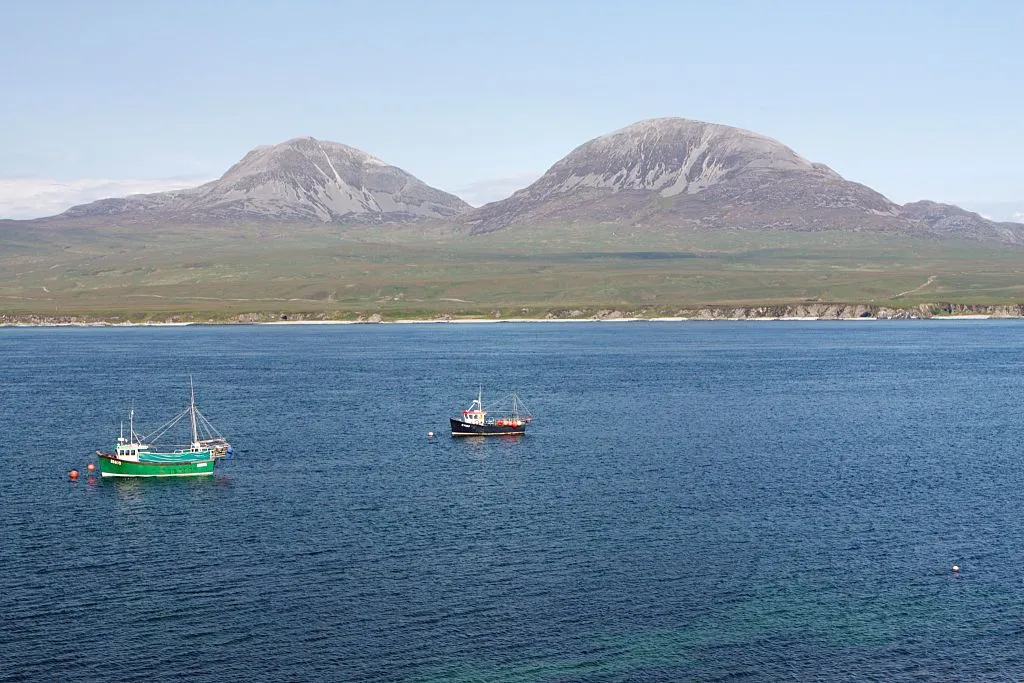
Let’s move on or, as George Orwell, did, let’s move to an isolated corner of the Hebredian Isle of Jura in Scotland to a house he described as being in a ‘most un-get-at-able place’. It sounds like a perfect writing retreat especially as he wanted to escape from polluted London due to his worsening tuberculosis (TB).
The Isle of Jura
Orwell’s House, Barnhill
Set in totalitarian London, far from anyone’s imagination, the story tells of the citizens under surveillance and monitoring from Big Brother with the key character, Winston Smith, being employed by the Ministry of Truth to forge and re-write the truth whilst being under constant threat of ‘vaporisation’ should he step out of line. An illicit affair with a Party member when both are suspected of ‘Crime-Think’ threatens their futures and lives. Reading it in an age of cyber-attacks and A.I. taking over our lives made me realise how advanced it was for its time and relevant to today’s society.
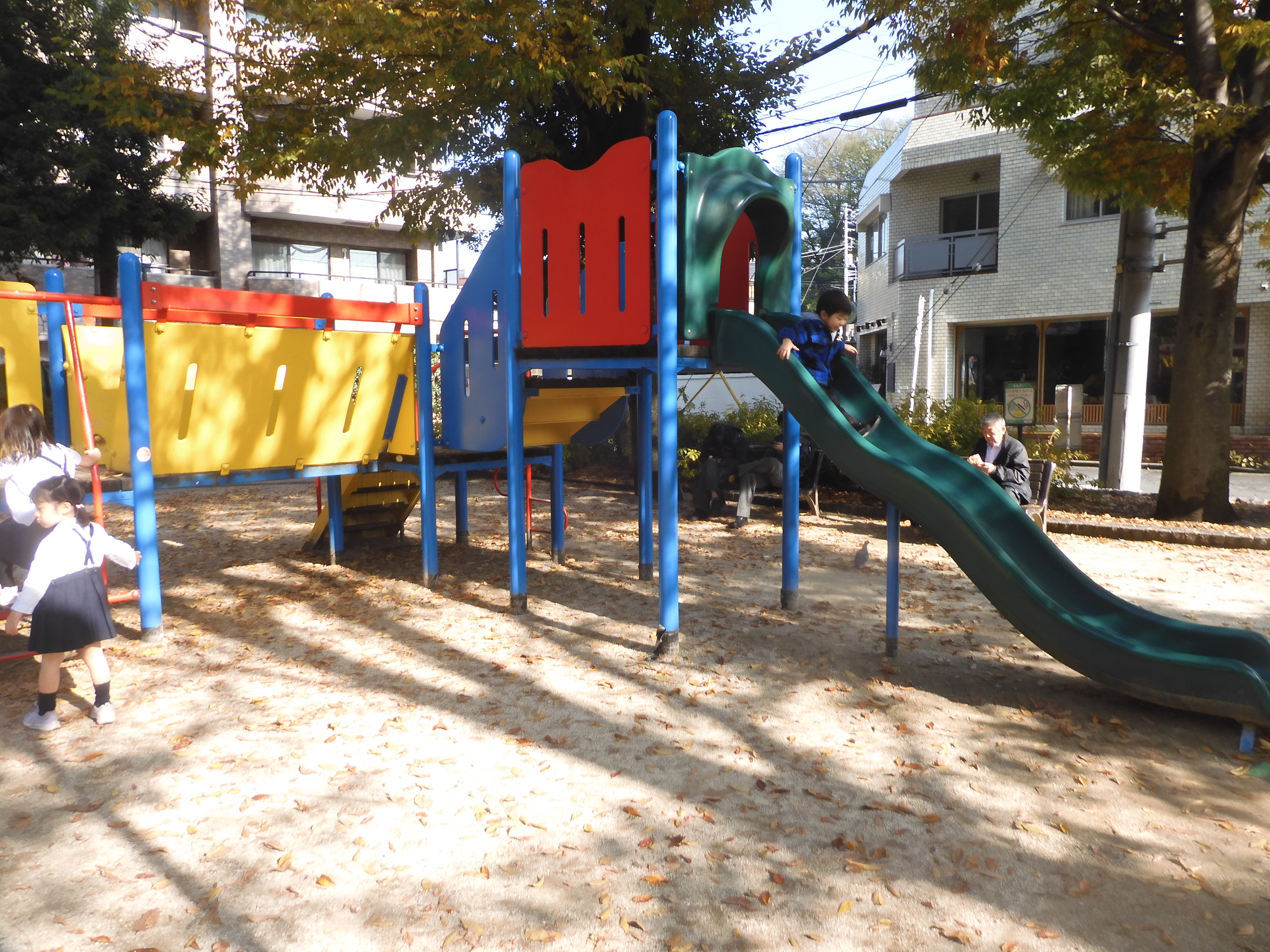
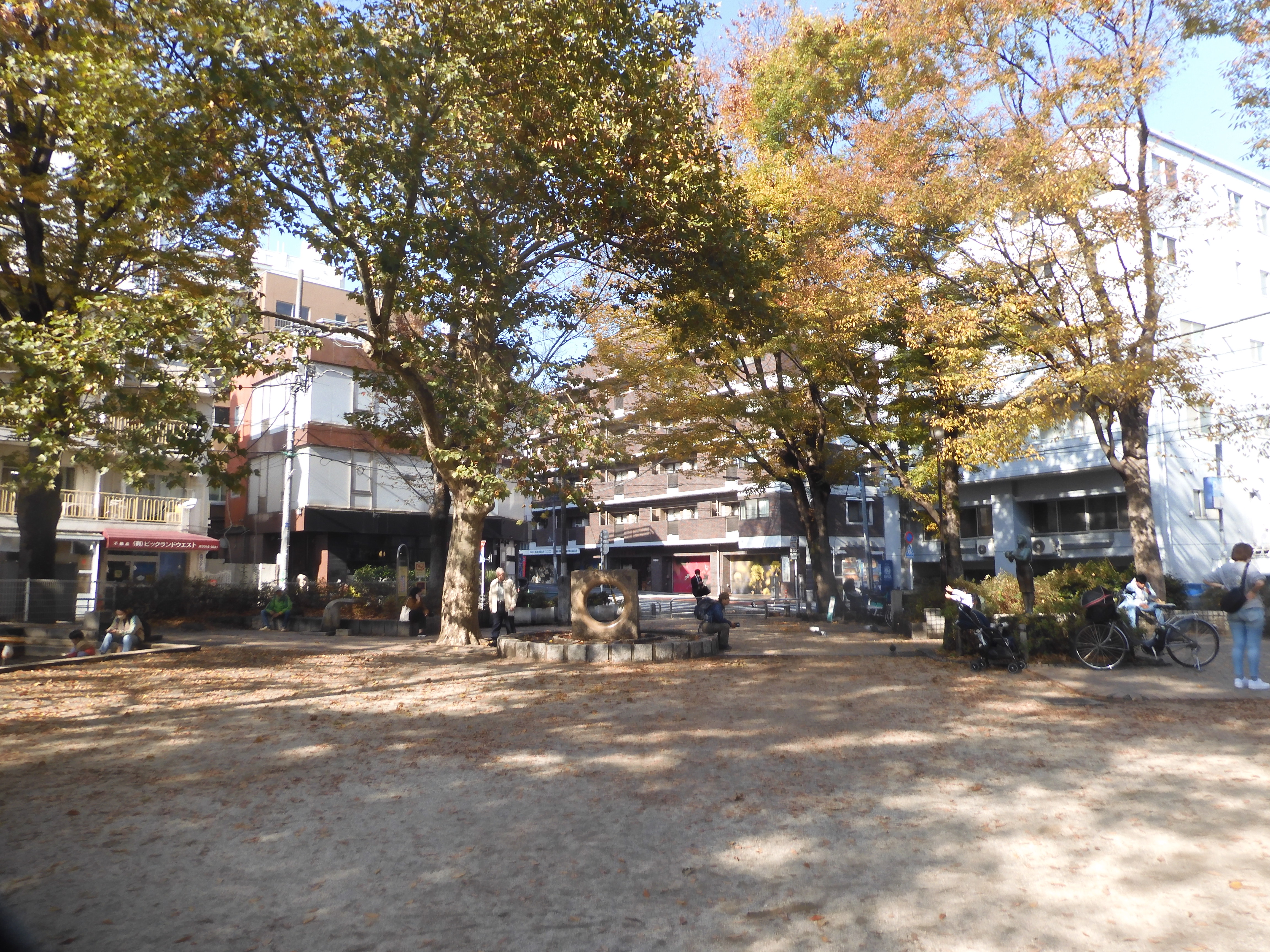
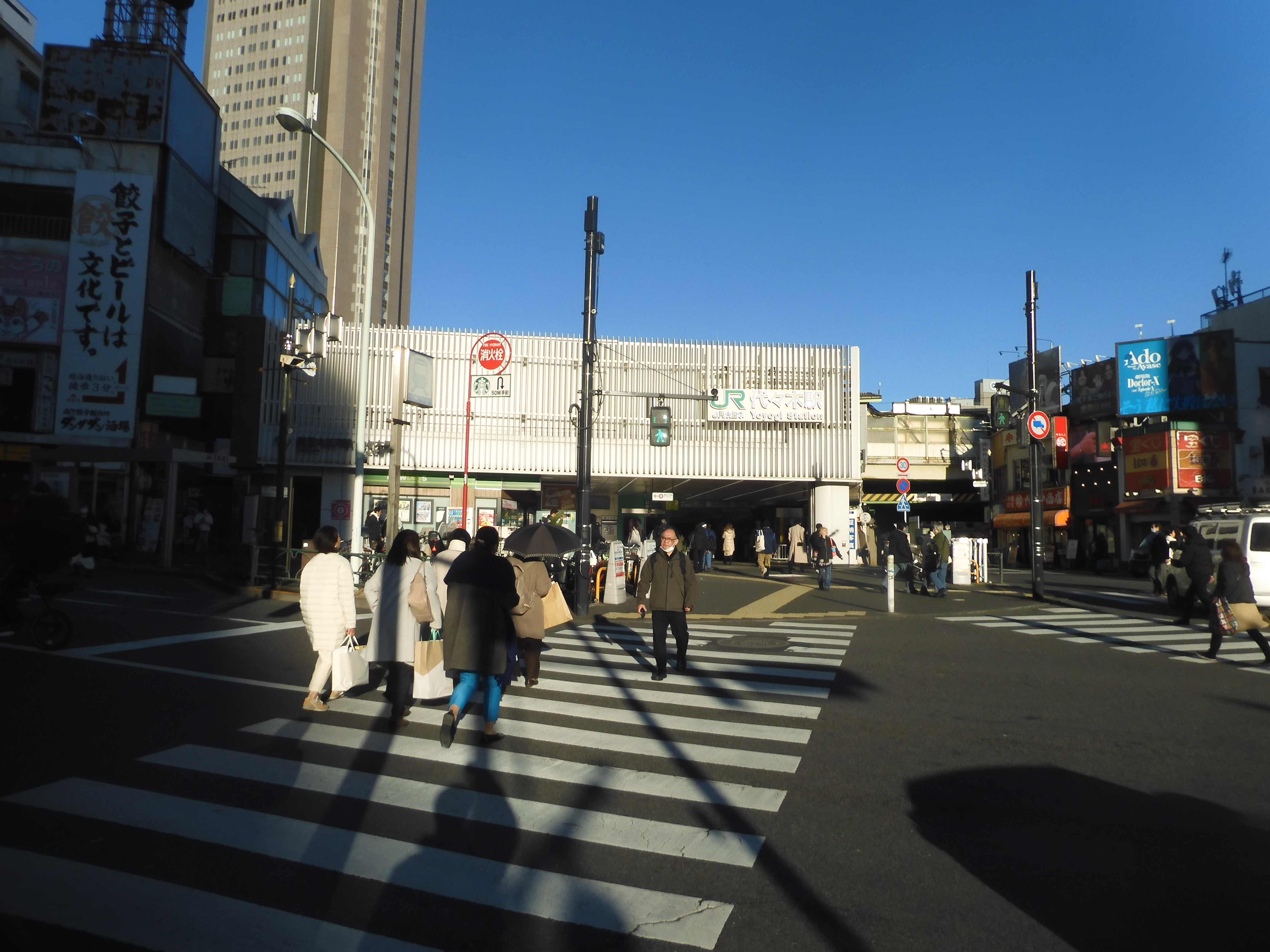
Another book I’d been meaning to read was 1Q84 by my favourite Japanese author, Haruki Murakami. Written as a trilogy, I had the single volume paperback version which runs to 1380 pages and the sheer size of it had been putting me off. But the title 1Q84 is a play on1984; the word for nine in Japanese is ‘kyu’, pronounced just like ‘Q’. With 1984 being the year in which the novel’s action takes place in Tokyo, a long way from Orwell’s London, it seemed like a good time to flex both my arm and reading muscles. As with some of his other works there are parallel universes and timelines with the ‘heroine’, Aomame setting off on a journey to find a childhood sweetheart, Tengo, as well as ‘reality’. Confused? Not surprising as Murakami, complicates things by telling the story from the viewpoint of both protagonists, introducing a third narrative voice along the way, as well as additional plotlines. Despite this not being my normal genre of choice as I like to keep both feet firmly on the ground, Murakami’s imagination captured mine not least because I could relate to several of the settings from the opening scene of a traffic jam on the Metropolitan expressway at Ikejiri in my local Shibuya district to an anodyne children’s playground in Koenji in the western suburbs which becomes important towards the end of the book. My nearest station, Yoyogi, even gets a mention, though in 2024 these places will be rather different to the 1984 locations which appear in the book. I also enjoyed, as is customary from Murakami, regular musical references, sometimes pausing my reading to say ‘Alexa, play…’!
Ikejiri interchange, Shibuyafrom belowSmall park in KoenjiKoenjiA children’s slide features Koenji children’s parkYoyogi station
As is often the case with Murakami, 1Q84 attracted mixed reviews and even a ‘bad sex award! But as a friend, who is not a natural Murakami fan, said, “it’s a fun read”. I certainly had fun reading the entire trilogy in August 2024.
And now, the final part of my literary triptych. Sandra Newman’s ‘Julia’ retells Orwell’s 1984 from the viewpoint of Julia who becomes enamoured of Winston Smith and they start an affair which was not meant to be and doomed to fail, or maybe that was the intention? (Spoiler alert) A fascinating and imaginative take on the original enabling the reader to see Orwell’s world from a feminist angle. However, I felt that Newman was trying too hard to emulate the style of Orwell, the master wordsmith, and it may have been better writing in 21st century language. Perhaps I read it too soon after the original and was naturally comparing the two?
Mission completed!
That’s looking back to 2024 so now forward to 2025, or should that be even further back to
A true 21st century writer whose books I admire and whom I follow on Substack.
Whatever you’re reading now or plan to read I wish you a very Happy New Year. But remember:
Imagine being back in Tokyo in the early 1980s when I lived there on my first overseas experience and the start of, for me, a long relationship with Japan. It was 8 December 1980 and as a member of the Japan -British Society, I had the unenviable task of being Santa at the Junior Group’s Christmas party, dressed for the occasion of course. Fortunately, I don’t have any photographic evidence of the event. After the formal events of the evening had ended, and I’d performed my duties of handing out presents, a group of us continued the seasonal festivities by heading off to the nearest disco in Roppongi, the centre of Tokyo’s nightlife in those days, and may still be today but I’m too old for that sort of thing now.
But I wasn’t then and can remember grooving with the daughter of the Military Attache at the American Embassy when she shouted in my ear (the music was VERY loud) ‘DO YOU KNOW JOHN LENNON?’ to which I replied ‘Not personally, but of course I know of him’. ‘Well, he’s been shot’. Shocked, if it were true, all thoughts of this developing into a romantic encounter of the dance-floor came to an end, and the music suddenly stopped as the official announcement was made, and reality sunk in. The evening obviously then took on a more sombre tone as the DJs tried to keep it going amongst the tears with a tribute to both John’s solo work as well as that of the Beatles.
I was never a real Beatles’ fan per se but, being a child of the 60s, I grew up with them, if not literally but with the extremely important influence they had on the music of the time and especially the amazing catalogue of songs written by Lennon and McCartney which continue to permeate the music scene of all genres more than 50 years after the group broke up. My musical tastes were less pop and more progressive rock especially of the concept albums of the likes of Yes, Genesis, Emerson Lake & Palmer and Pink Floyd. However, it is said that the Beatles’ album Sgt Pepper’s Lonely Heart Club Band was one of rock’s first commercially successful concept albums.
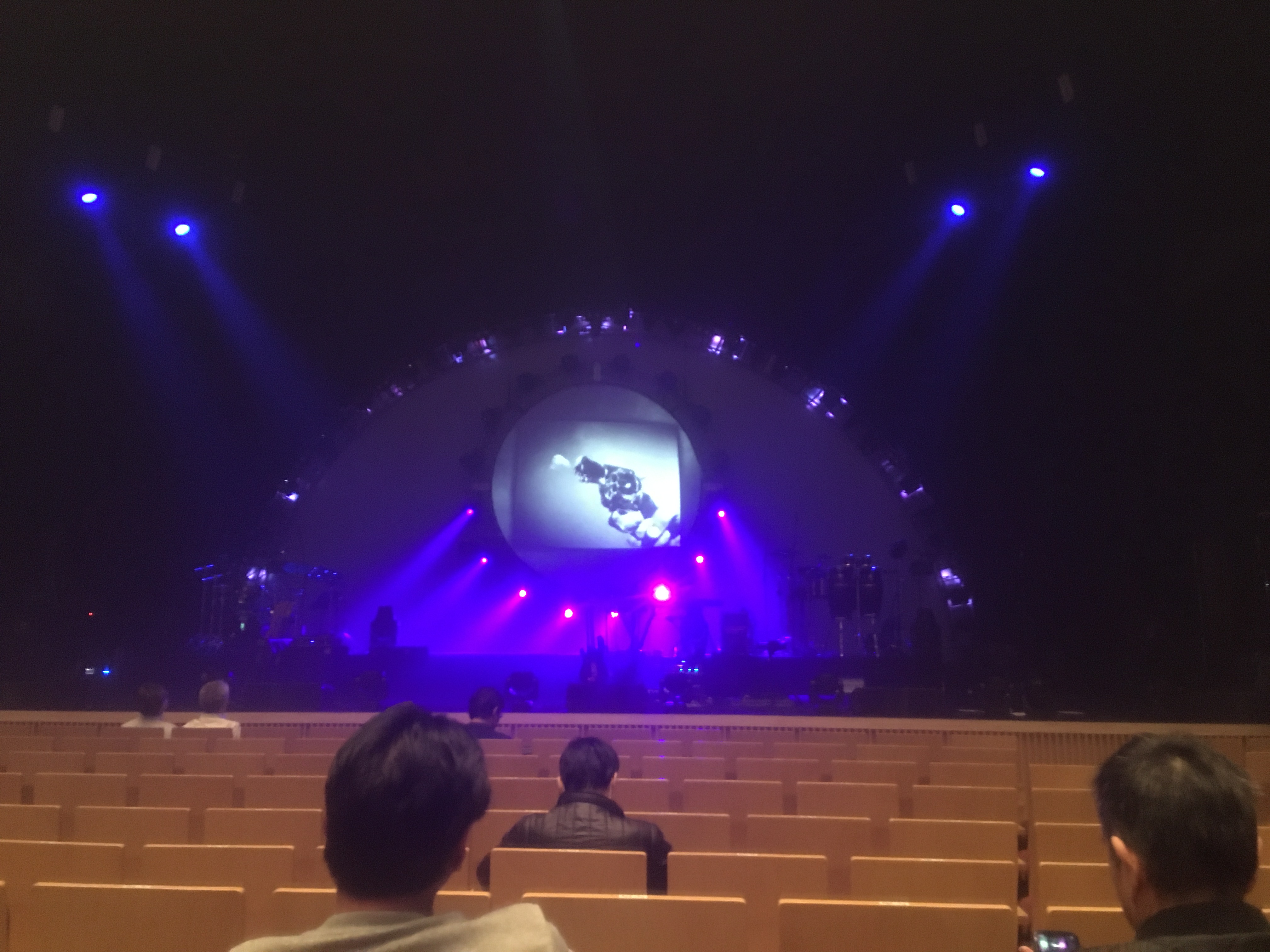
Did I mention Pink Floyd? Of course I did (https://jeremyjlhill.com/2024/01/11/dark-side/)and I did see them live in Wembley stadium in 1988, post- Roger Waters although I have since seen him perform twice in Seoul and London. But with their own following and several extremely good tribute bands keeping their music alive, one is never far from a feast of Floyd. My first time having to wear a face-mask in public at the onset of Covid in Japan was at a BritFloyd concert in Tokyo, as this new virus was starting to have an impact.
Line Cube Shibuya – only half full eventually
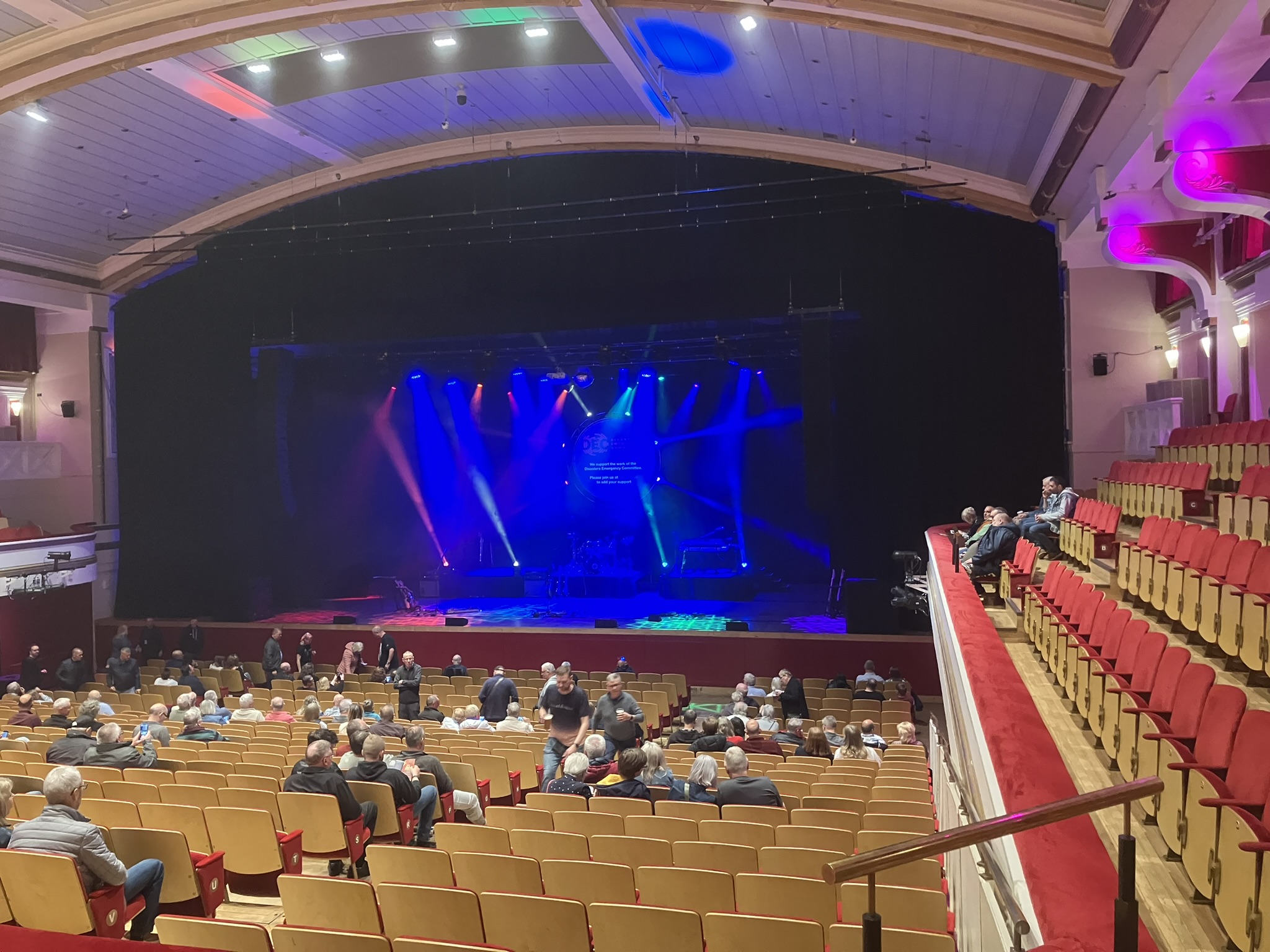
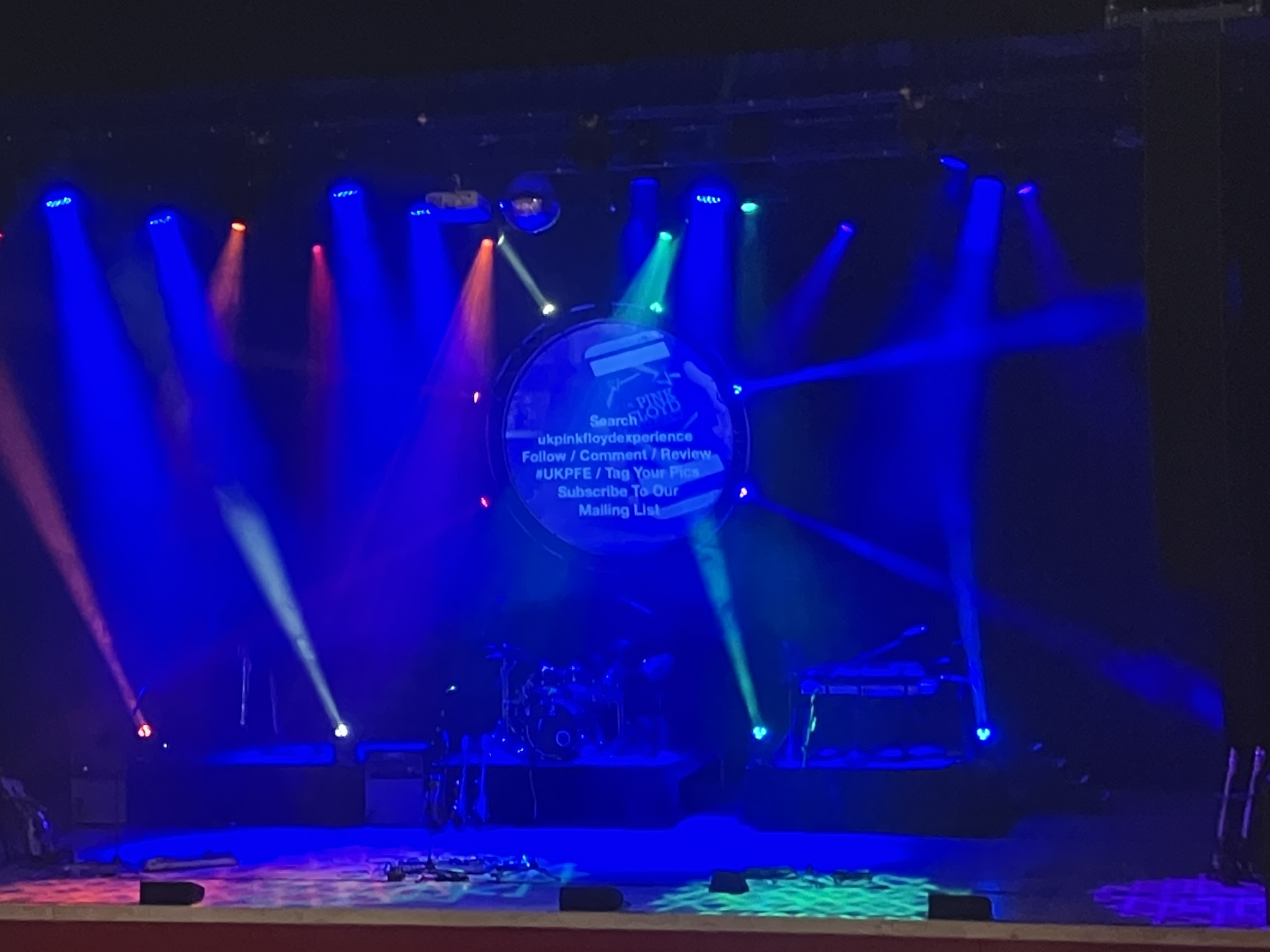
And more recently the UK Pink Floyd Experience in Leicester, England accompanied by my son, Justin (also a fan) and his partner, Kerrie (she soon will be).
De Montfort Hall which was a full house eventually
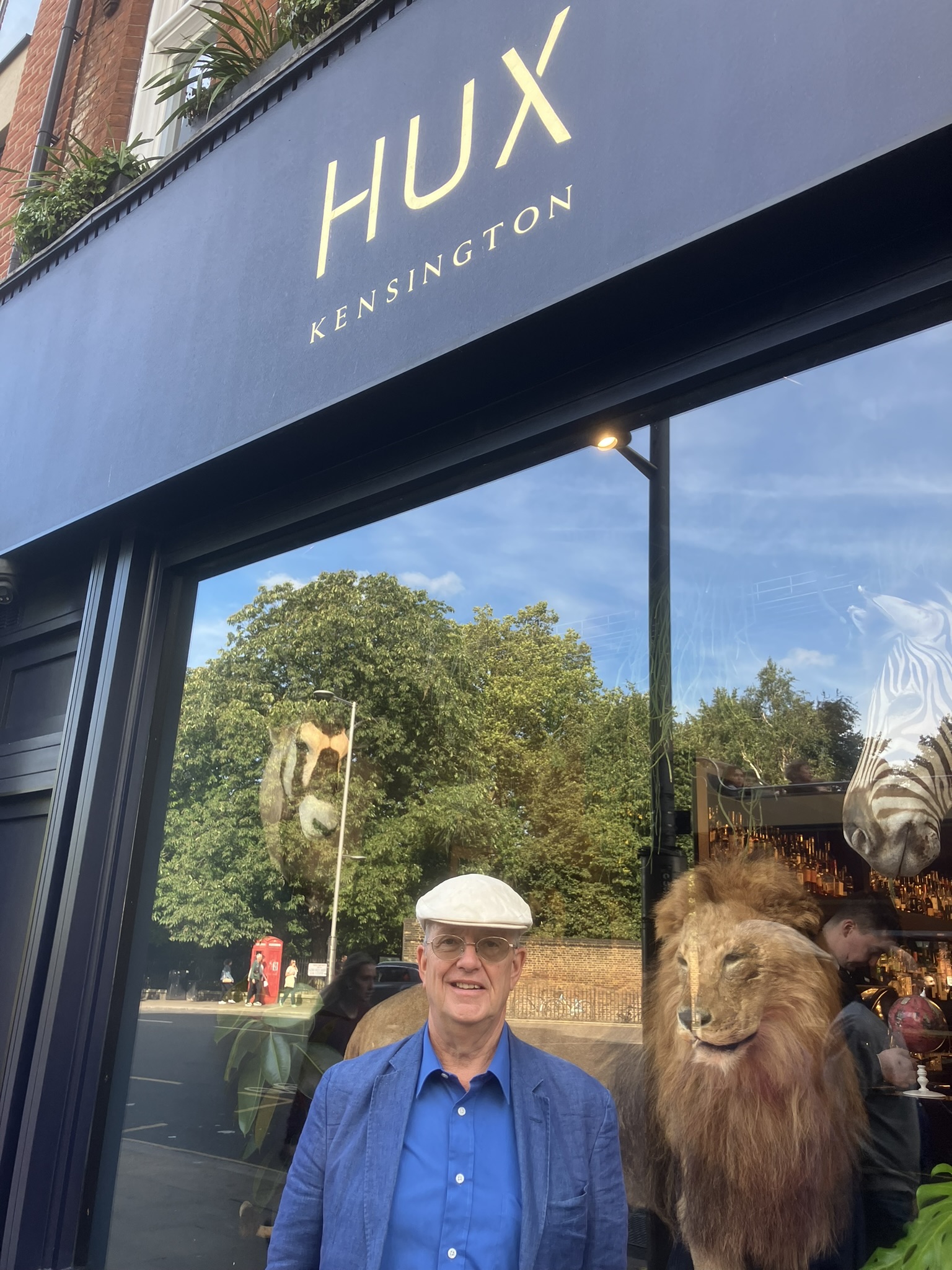
But I digress – or do I? I am privileged to have got to know a few members of Japan’s own Pink Floyd tribute band (Genshi Shinbo or PinkFloyd Trips) including multi-talented singer/musician Kenneth Andrew and guitarist/bassplayer Yutaro Ogida. Yutaro, who did his high school education in the UK, also has a solo career and I was lucky that my time in England this year coincided with his European tour, so we were able to meet up in London after his performance in the rather wacky Hux Hotel in the definitely not wacky district of Kensington.
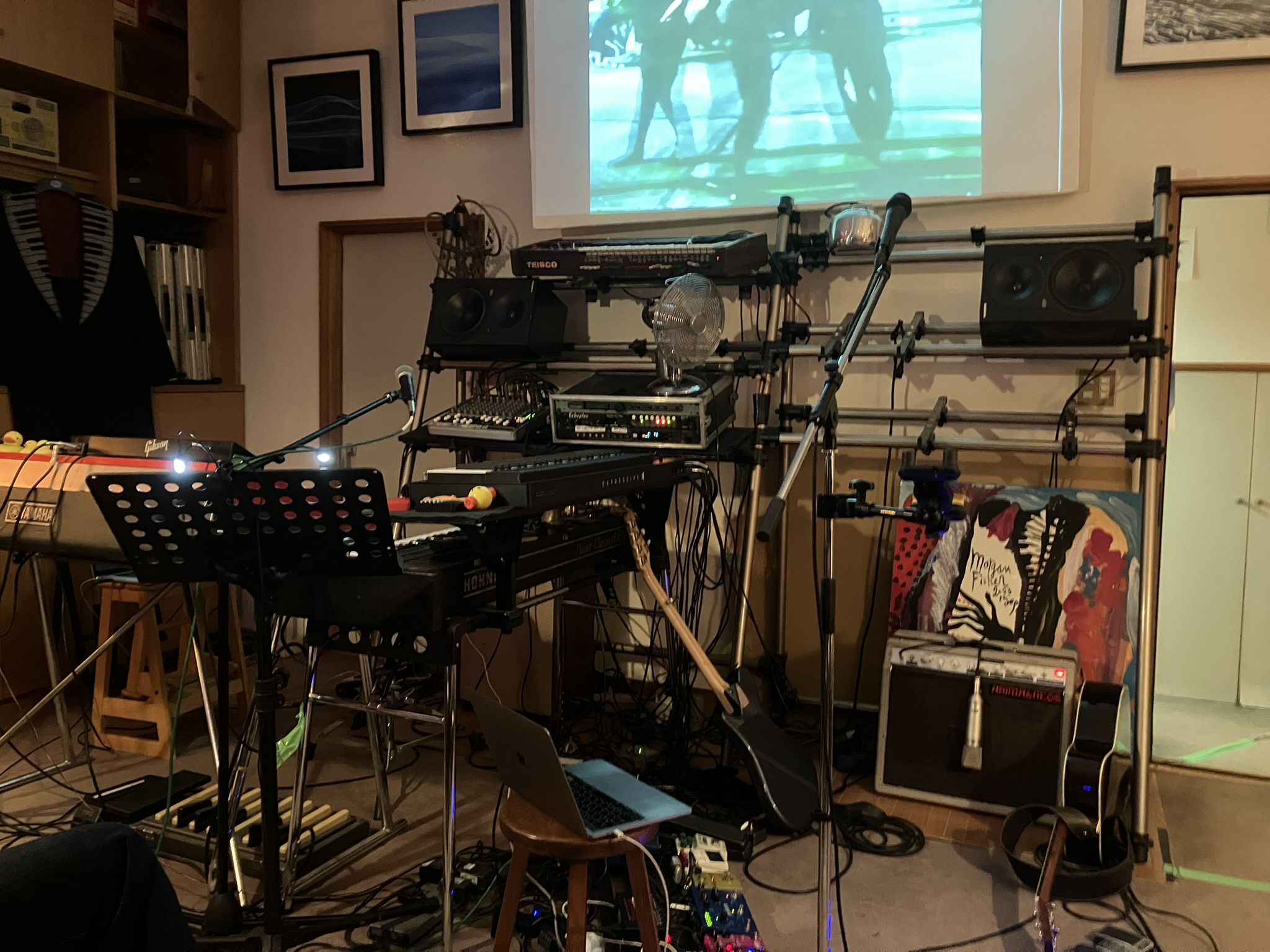
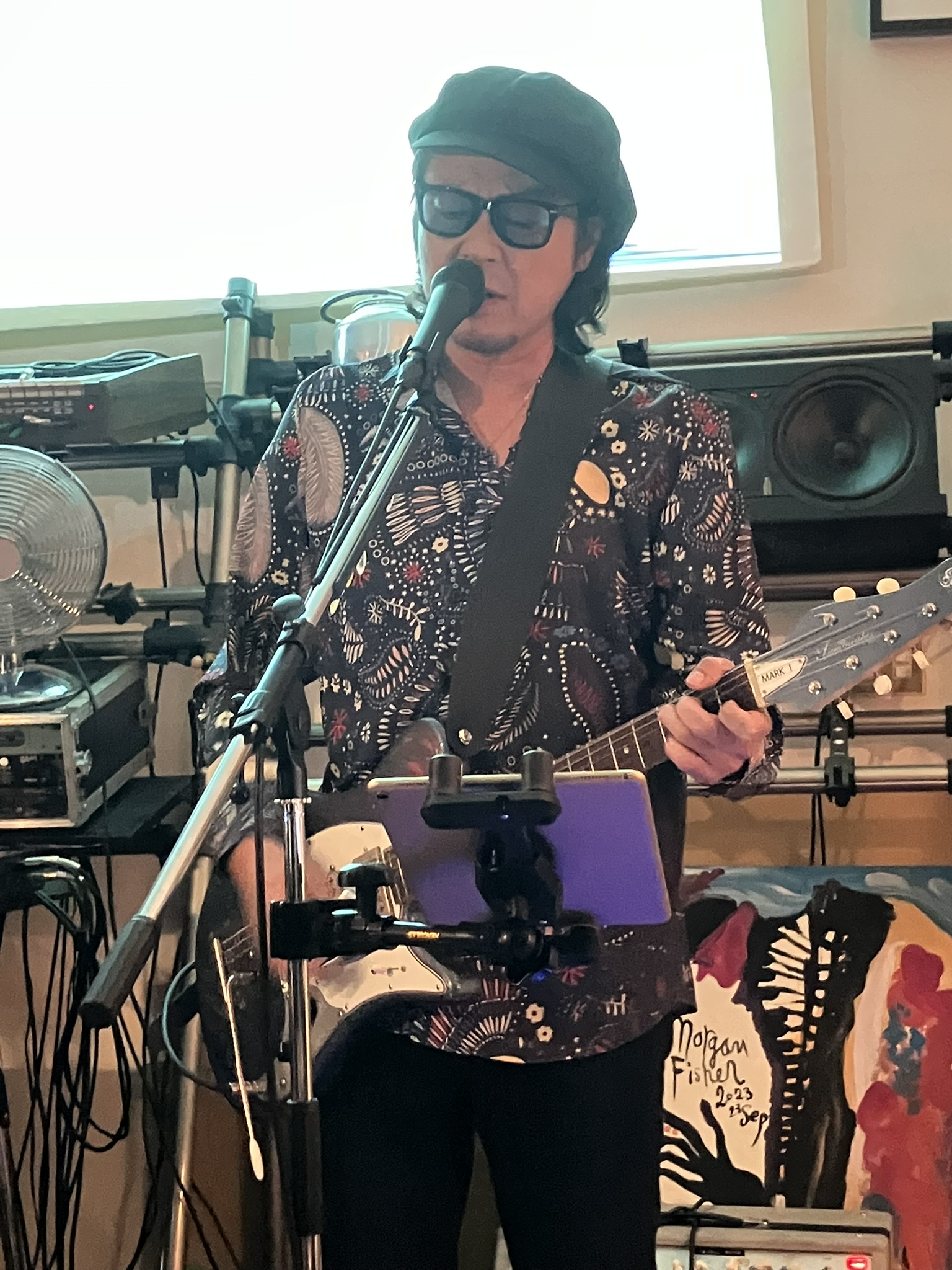
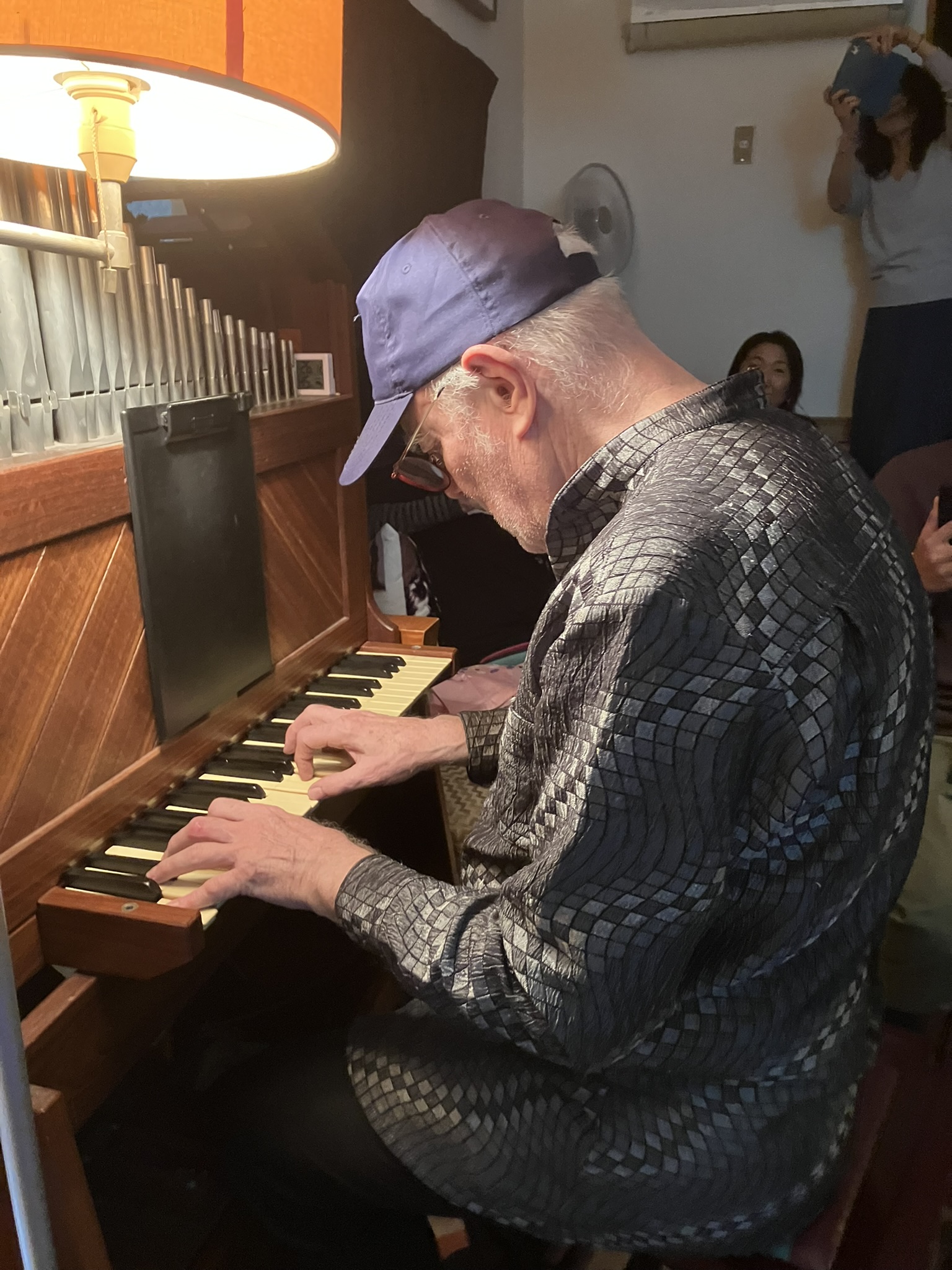
To add to Yutaro’s eclectic portfolio of work, I was very happy to receive an invitation last weekend to attend an evening’s tribute to John Lennon, 44 years after the great man was taken from us by the cruel hand of Mark David Chapman. Teaming up with Morgan Fisher, a British keyboard player and singer from the band Mott the Hoople and who has also has made his home in Japan, they put together a very intimate performance of songs and words in Morgan’s salon offering their guests and friends wine, tea and snacks to keep us going through three hours of musical memories.
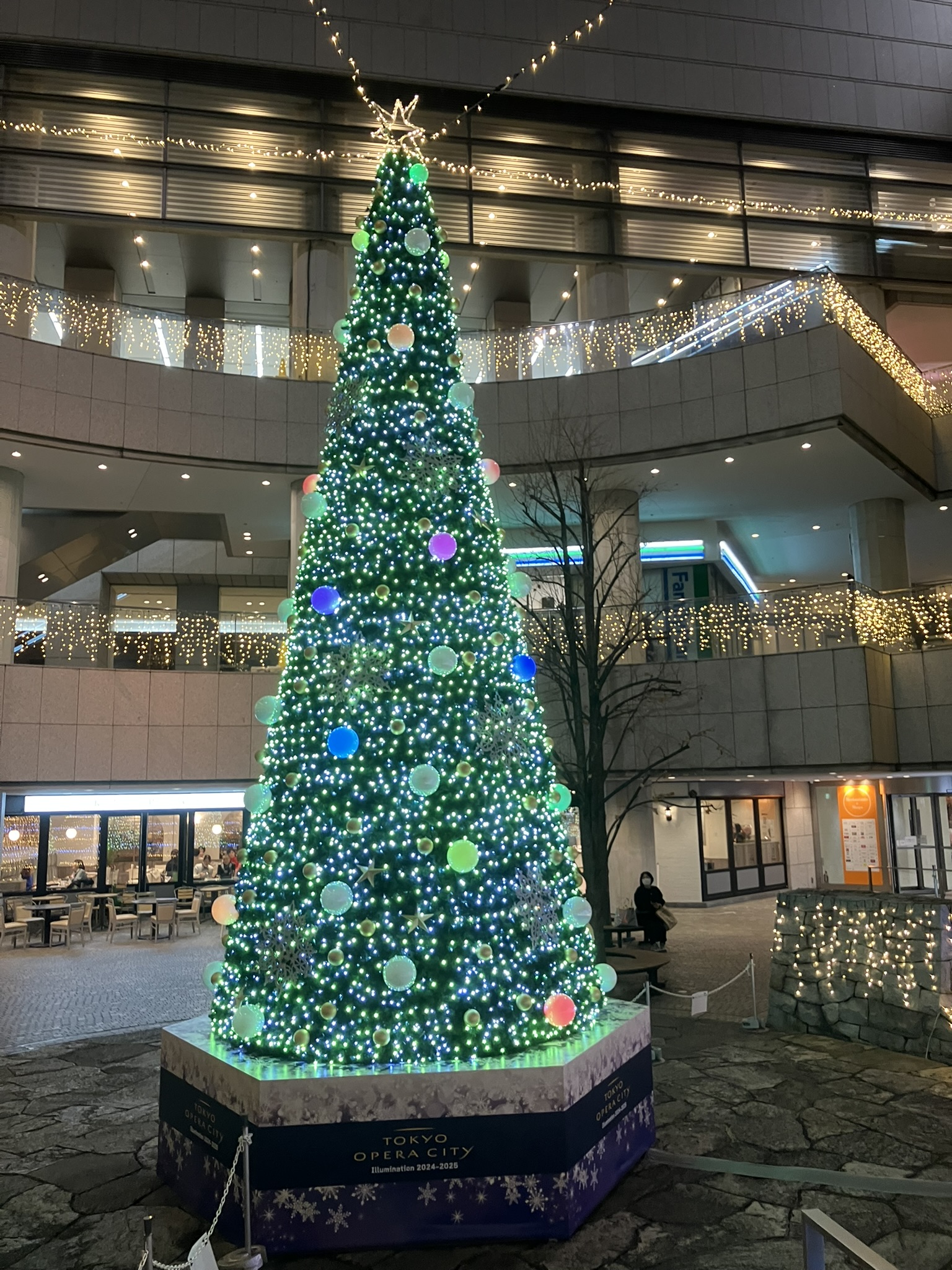
But with just two weeks to go before Christmas, it would be remiss of me not to wish you all, along with John and Yoko, a very, very…
I doubt whether the War is Over, but let’s hope that somewhere, we really can Give Peace a Chance.
Thank you, John and Merry Christmas wherever you are!
‘Bog’ = 1. An area of soft, wet, muddy, ground. 2. British English (informal). A toilet. (Compact Oxford English dictionary).
For this piece, I shall be using the second definition so there will be language relating to toilets and bodily functions – you have been warned!
Japan has, for a long time now, been famous for its washlet toilets where compulsive button pressers could be in for a surprise especially if they can’t read the Japanese for ‘water jet’! But those more reserved members of society could be reassured that their own actions can be disguised by the playing of a tuneful melody, with a heated seat in the colder months.
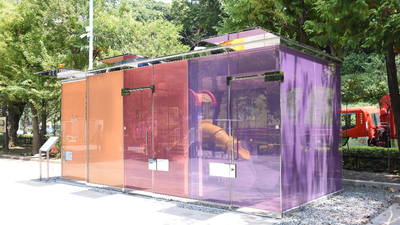
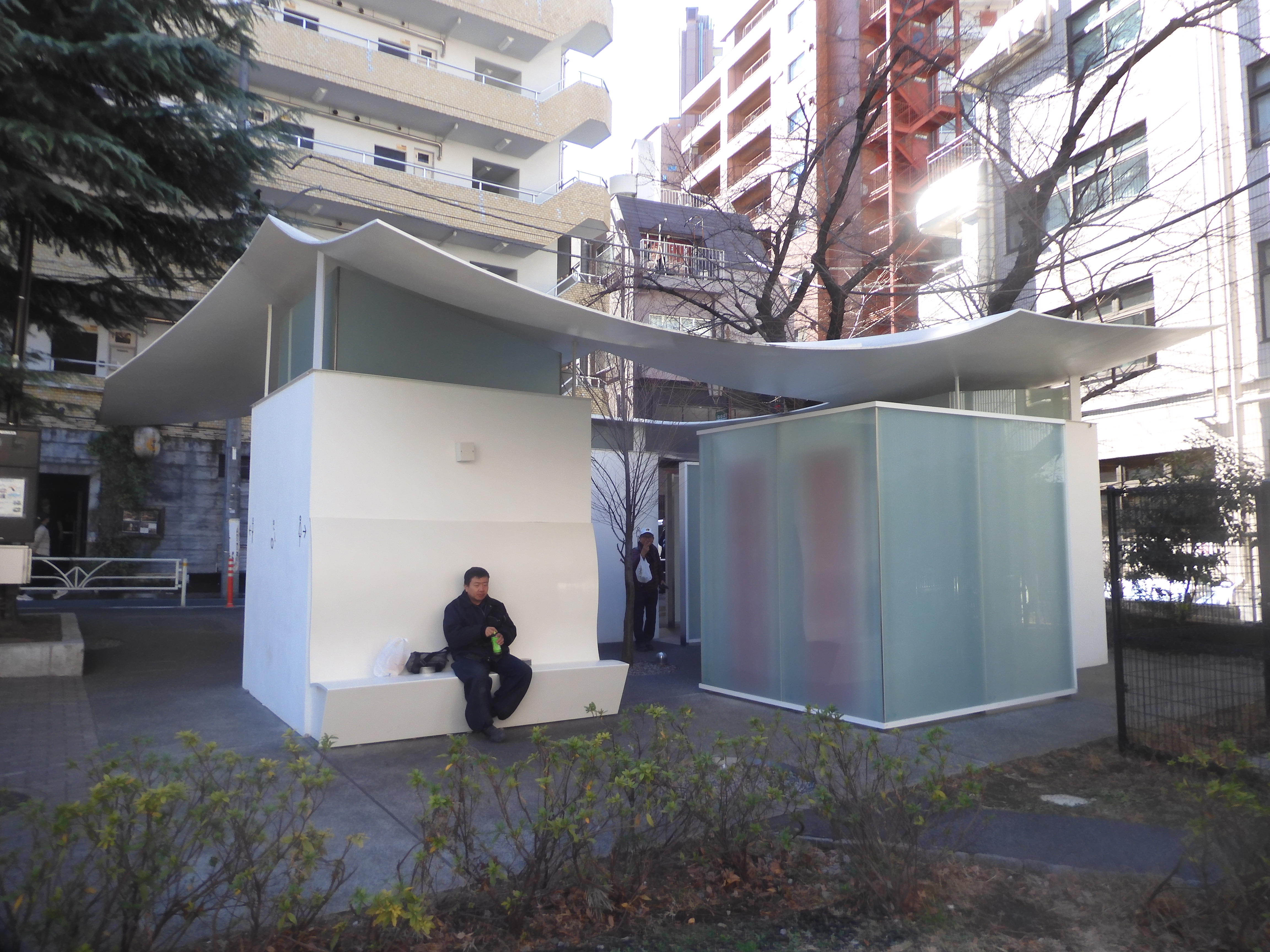
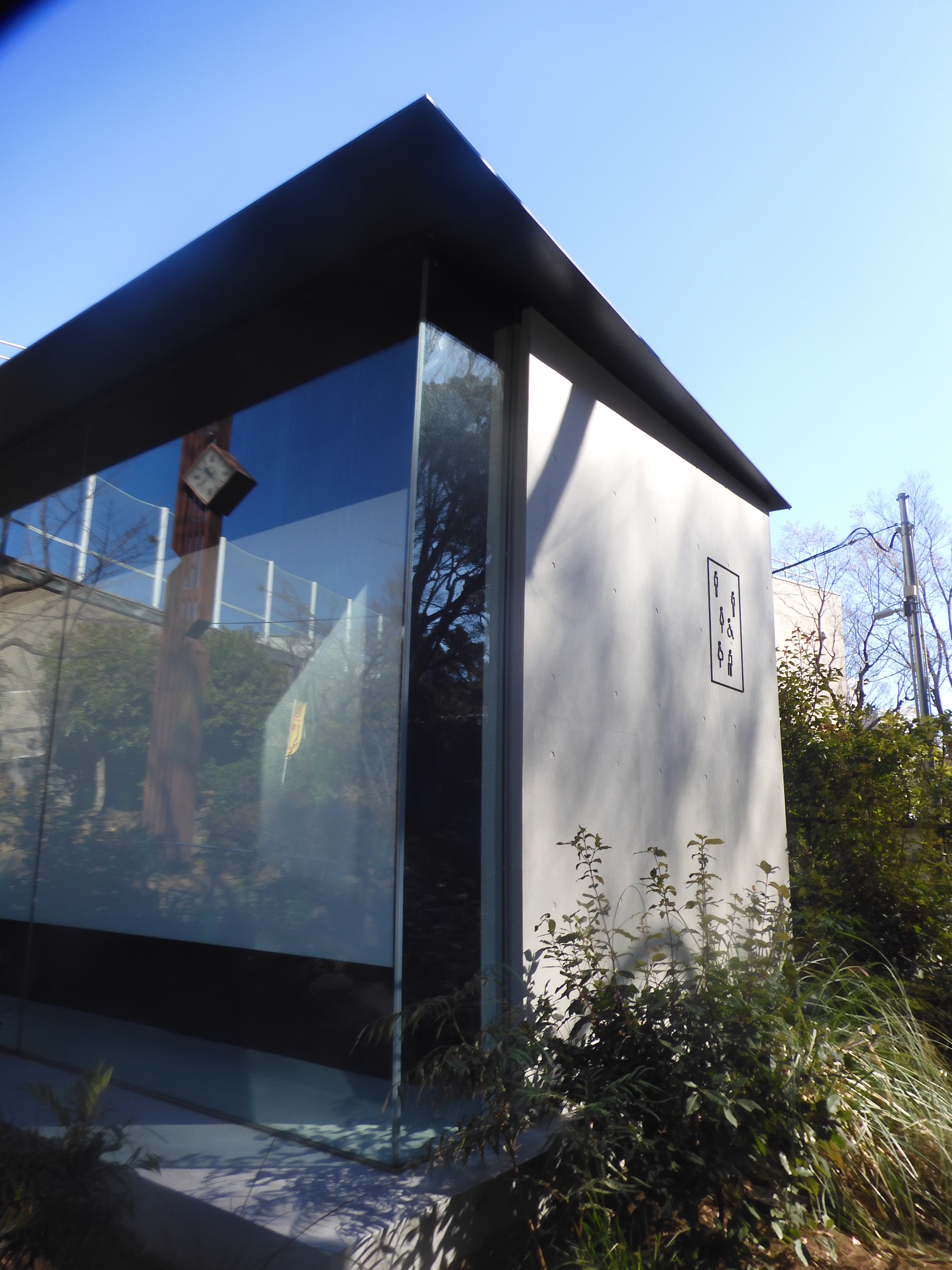
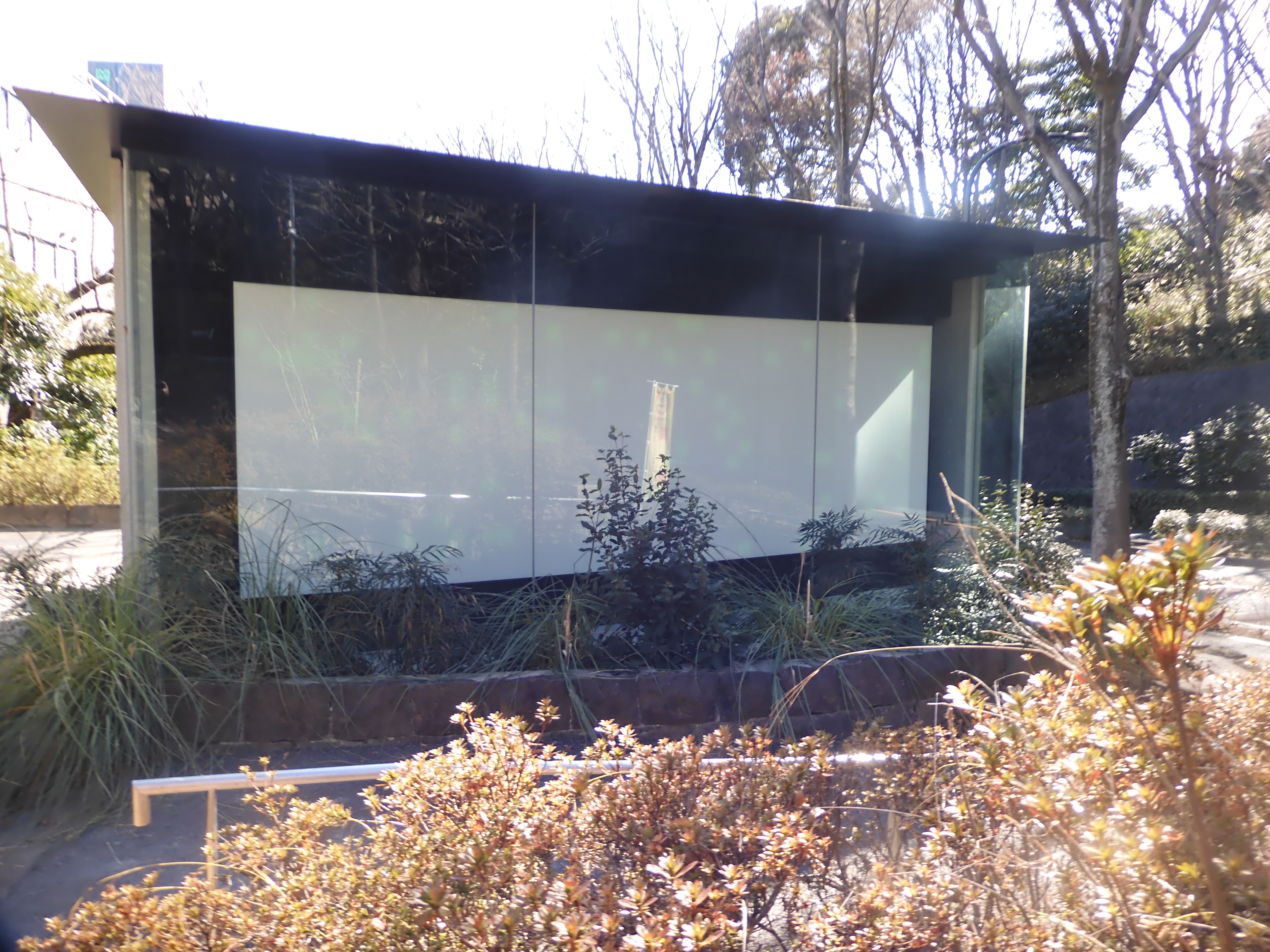
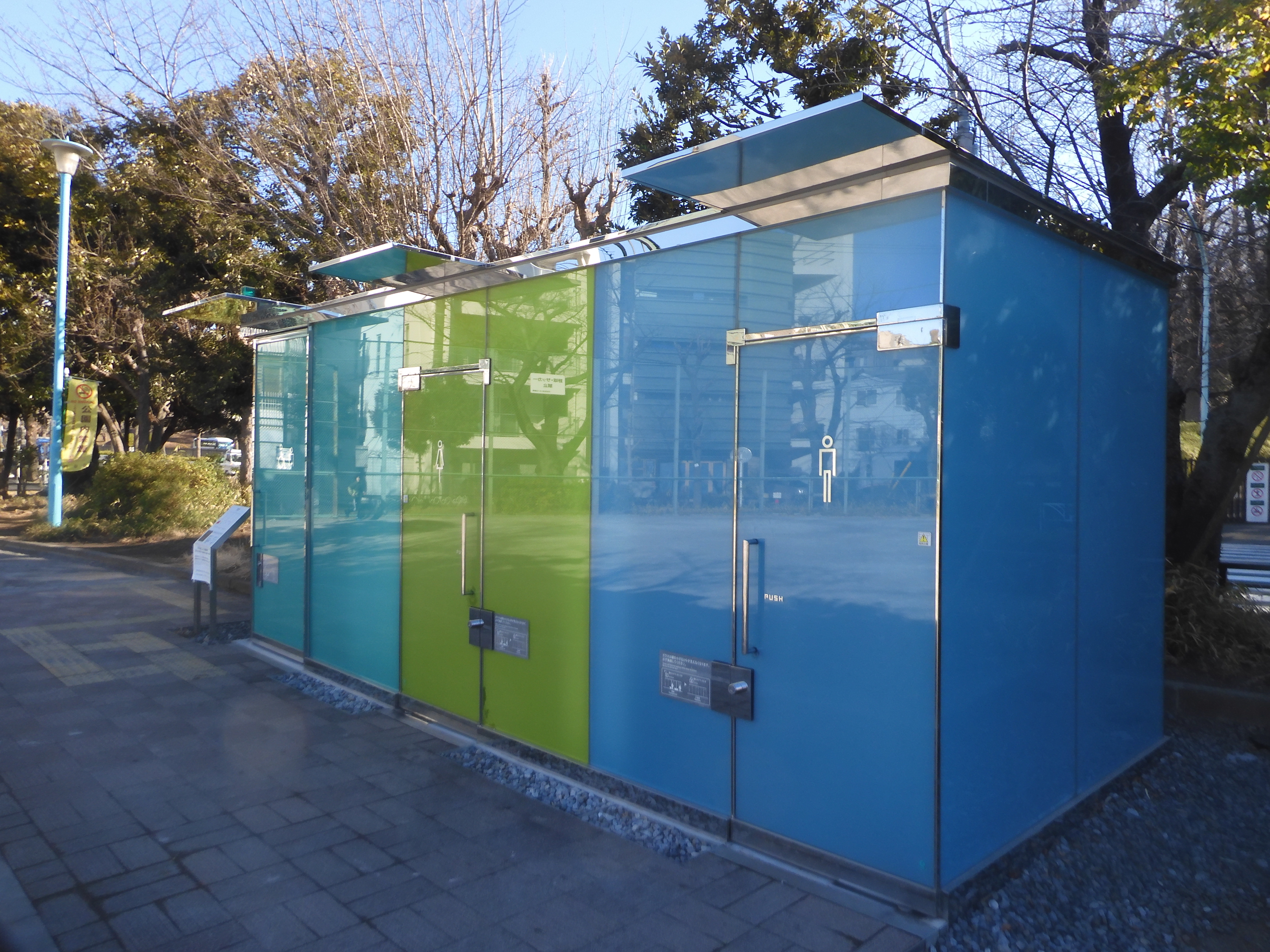
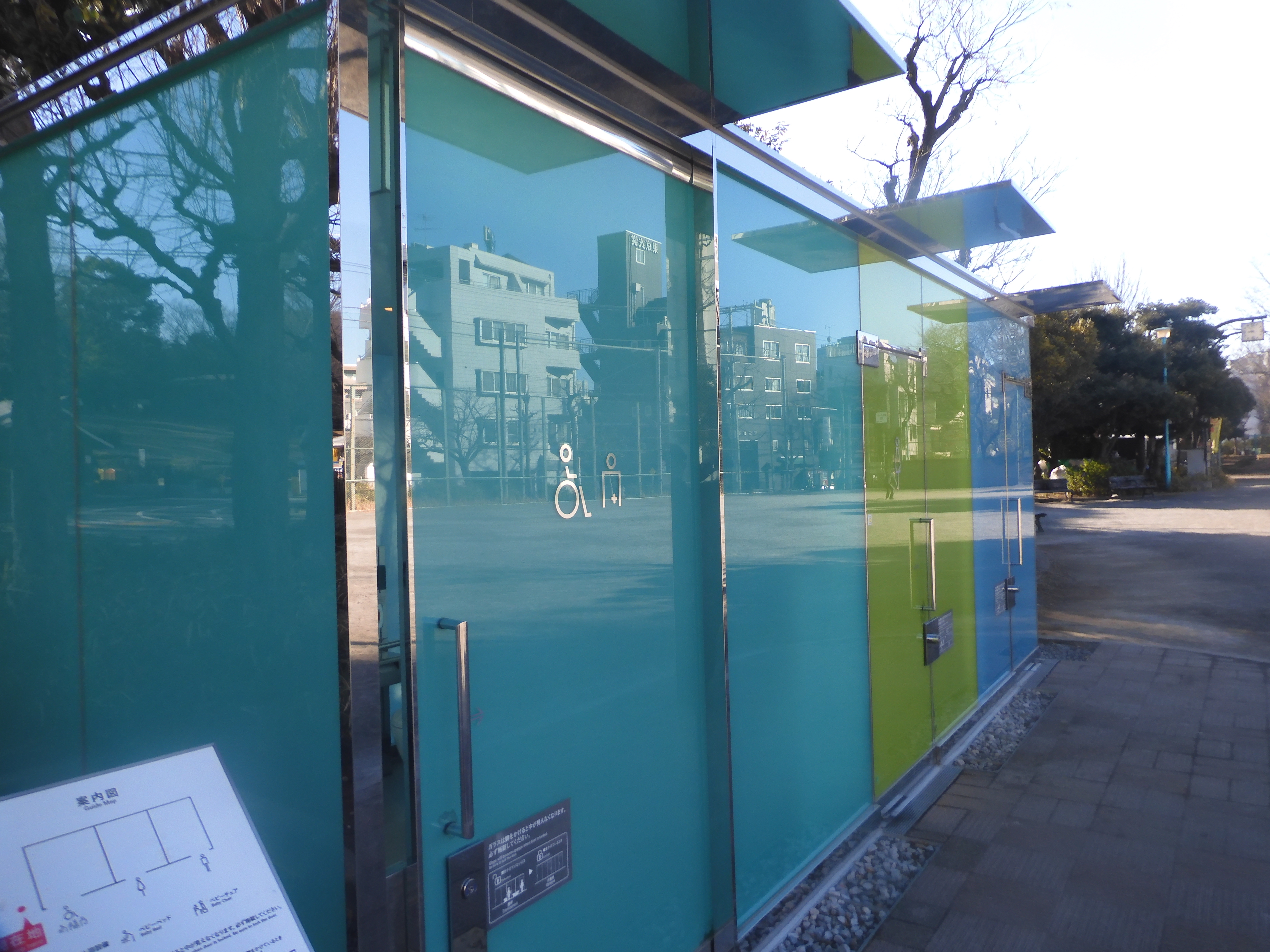
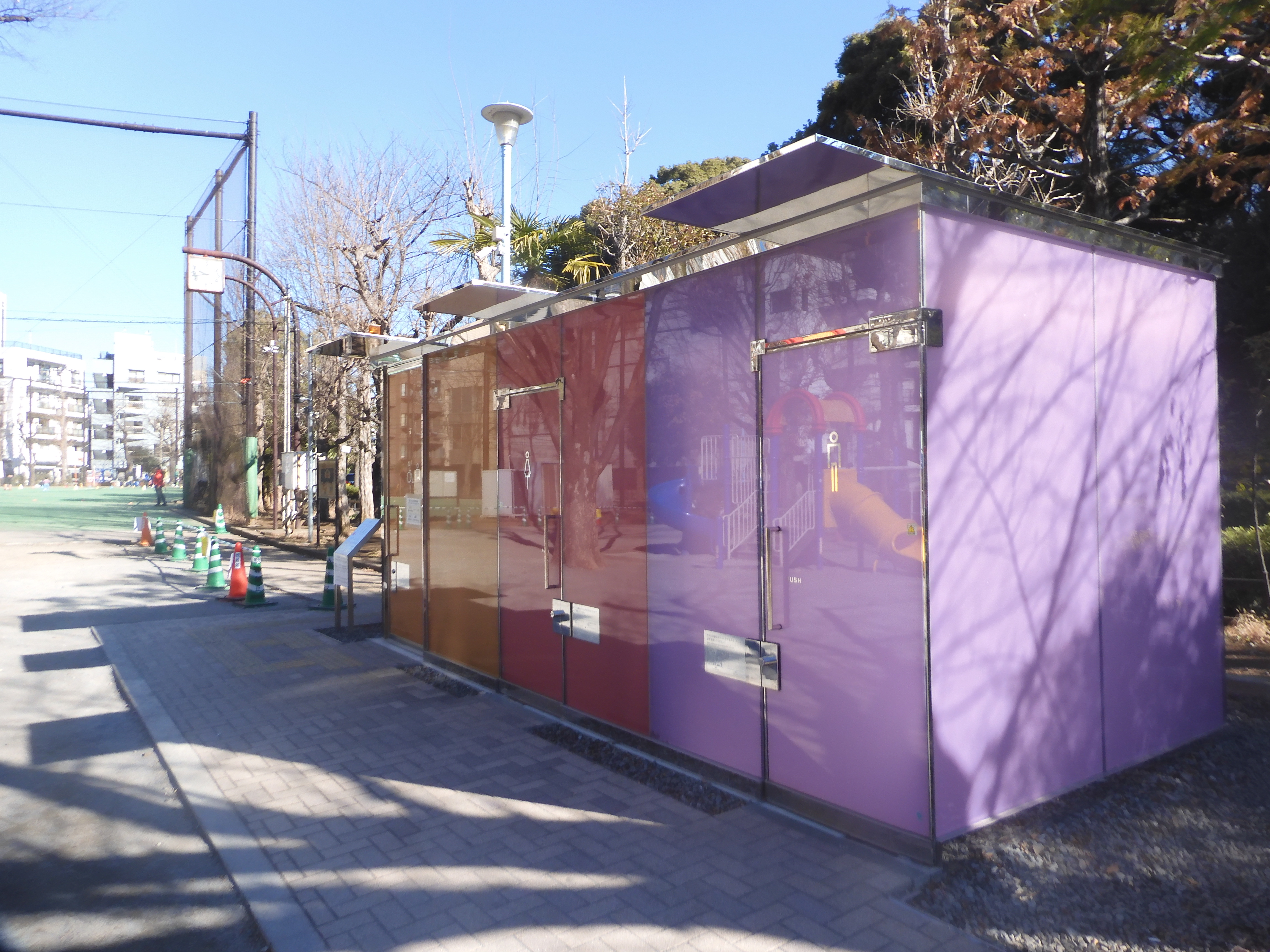
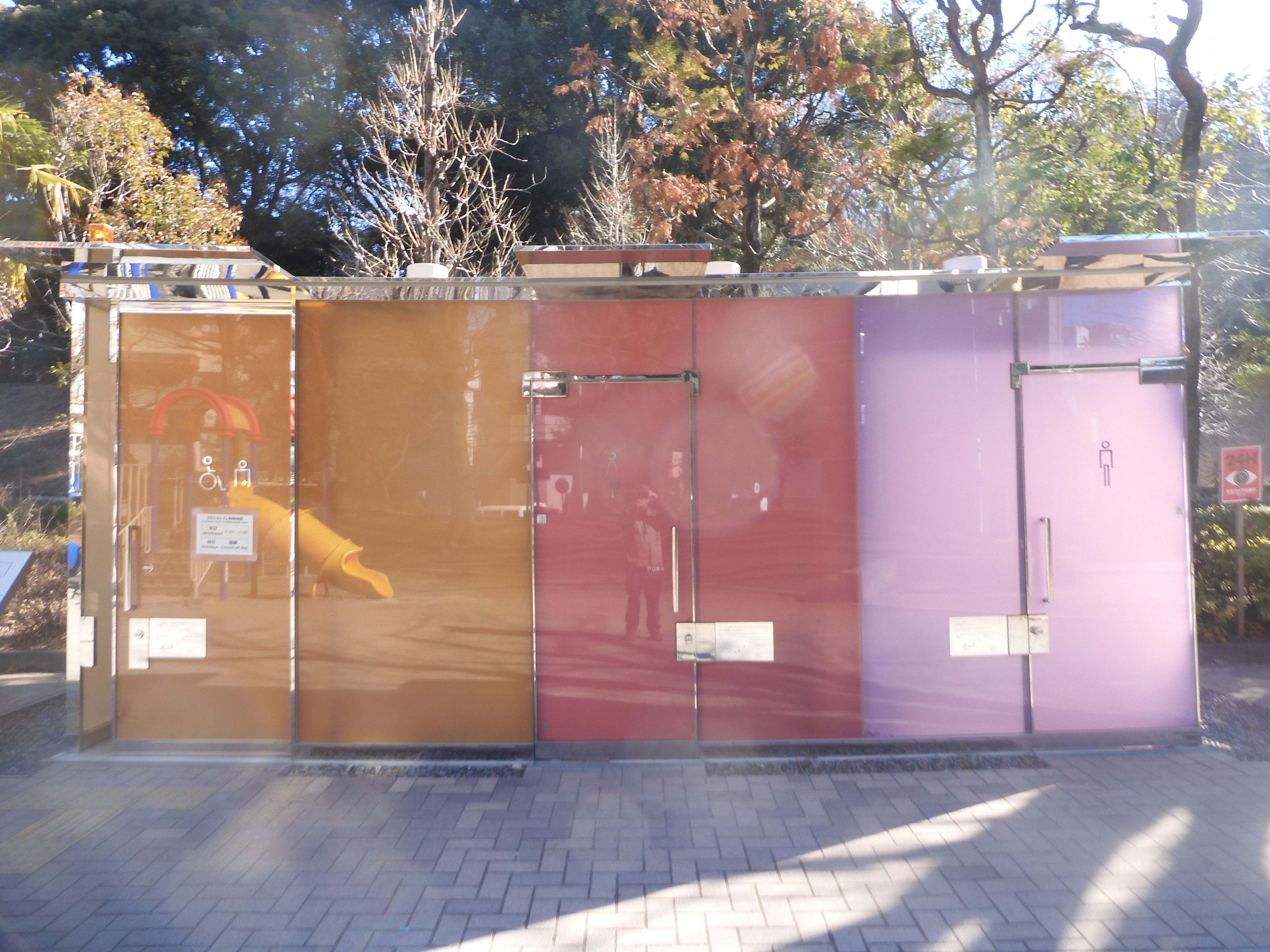
As a middle-aged Englishman who enjoys both a decent cup of coffee and long walks, I am always mindful of the need to be aware of the location of the nearest lavatories especially in towns and cities where, unlike the countryside, a tree is not available to disappear behind for a couple of minutes. Tokyo has always been fairly well equipped with such facilities, and in the build up to both the Rugby World Cup in 2019 and the 2020 Olympics, in anticipation of an influx of cross-legged tourists, there was a fairly extensive renovation programme to smarten up the older ones and to replace the old austere concrete block versions. When Covid caused the Olympics to be postponed for a year, and with the eventual exclusion of spectators at the games, work was able to proceed uninterrupted and gradually some rather fancy, and sometimes space-age, un-toilet-looking toilets started to appear. So, I was curious rather than confused to see the hoardings come down from the renovation works at the two toilet blocks near to Little Nap, my favourite coffee shop in Yoyogi, to reveal a rather revealing structure of coloured glass walls through which one could actually see the facilities and even the occupants until… they followed the instructions to lock the door at which point the walls turned opaque and they and their actions remained hidden from public gaze.
The reasoning behind this is that Japanese views of public restrooms are overwhelmingly negative. In a 2016 Ministry of Land, Infrastructure, Transport, and Tourism survey, slightly more than 1% of respondents said they frequently use toilets at parks and other public areas, compared to some 90% who insisted that they rarely or never utilize these communal conveniences. Over half of respondents said that they avoid them altogether. A major reason people gave for shunning public commodes was their uncleanliness and concerns about safety. So, architect Shigeru Ban designed these particular restrooms with glass walls to dispel the perception that public toilets are dark, dirty, and dangerous. Users can easily see how clean the stalls are and whether they are occupied, putting minds at ease before stepping inside to answer nature’s call and shutting themselves off from public scrutiny.
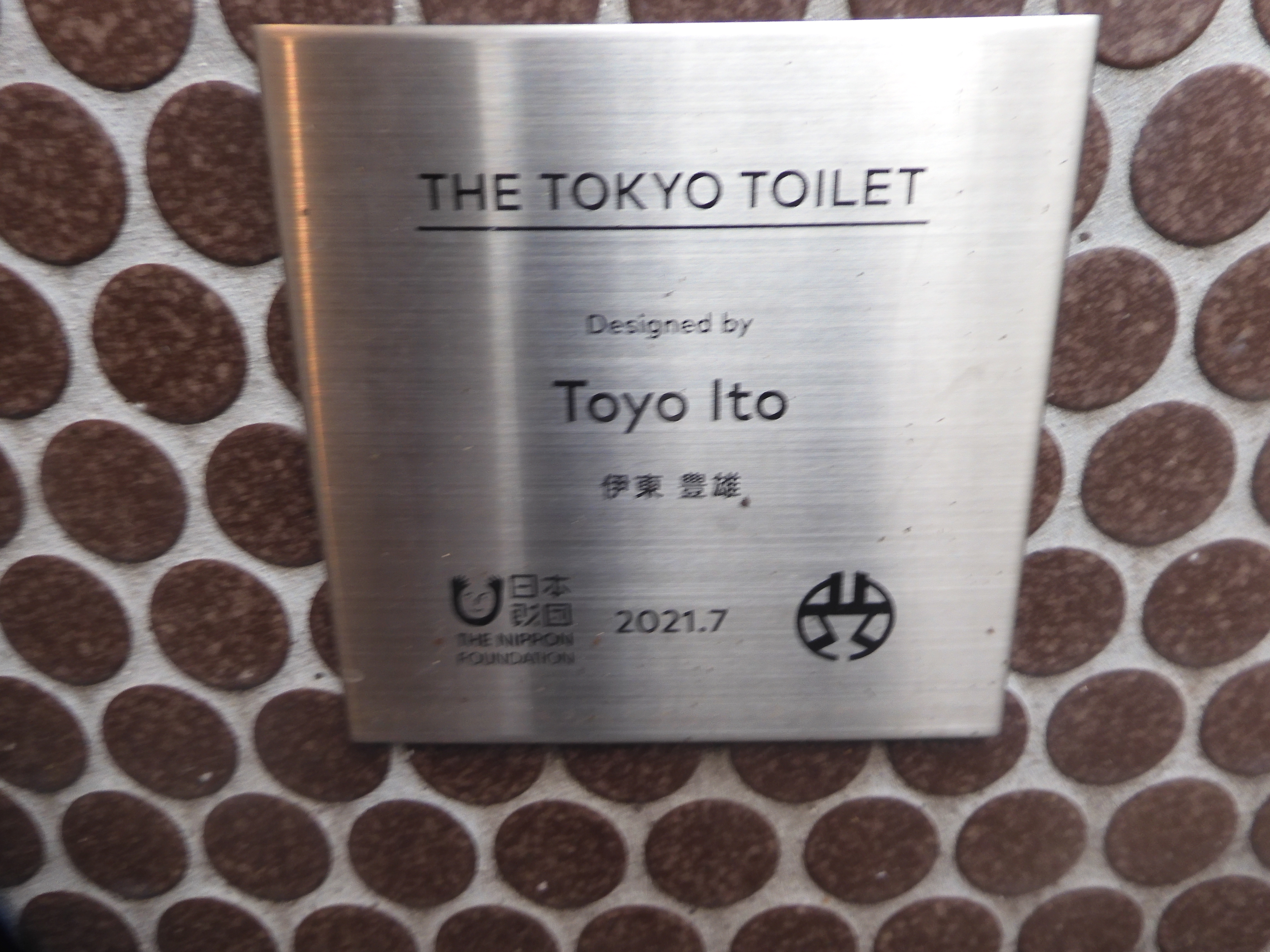
An article in the local Shibuya free-paper peeked my curiosity further with an explanation about the ‘Tokyo Toilet’ (for want of a better name) project with its own website which explains:
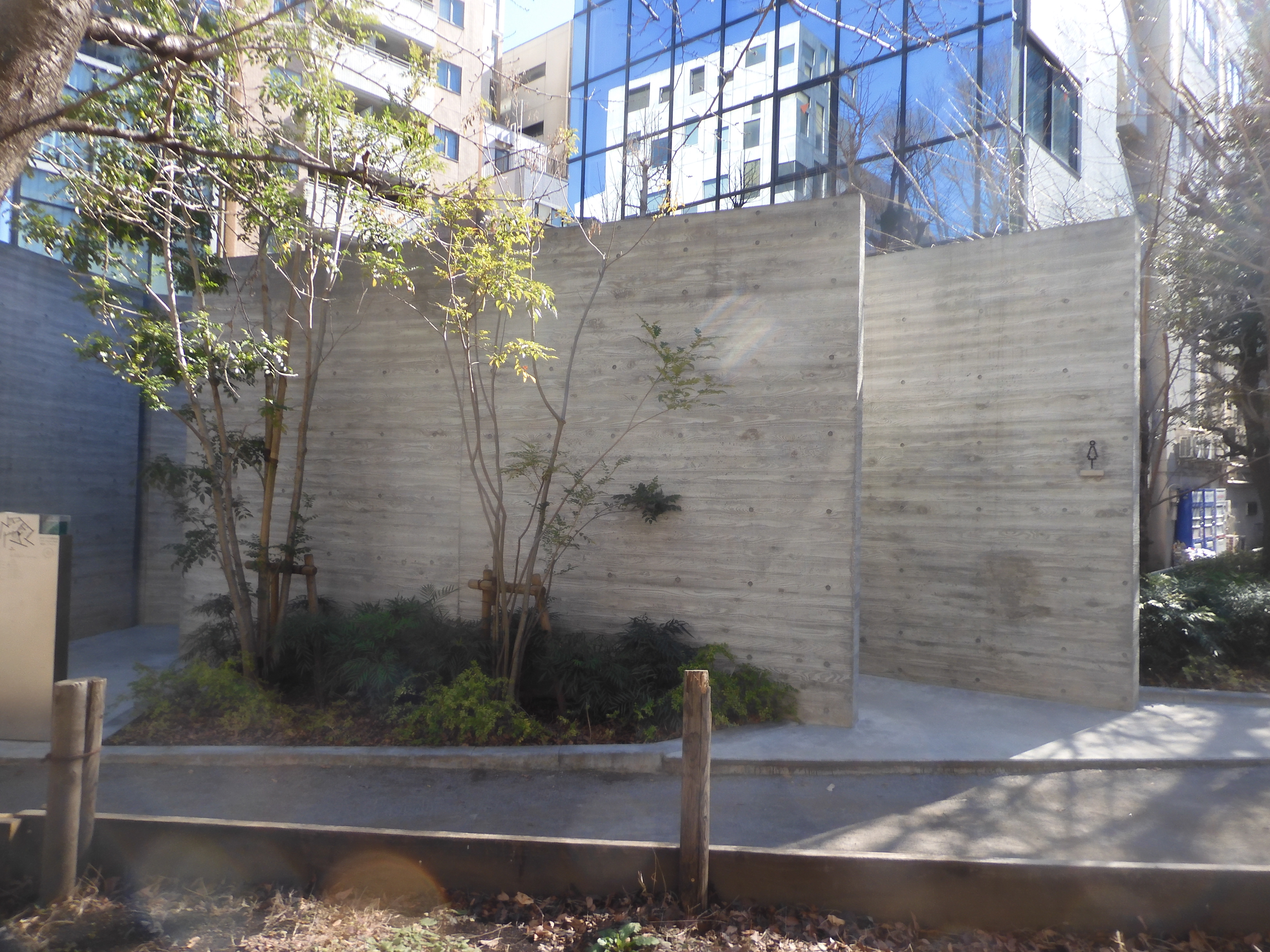
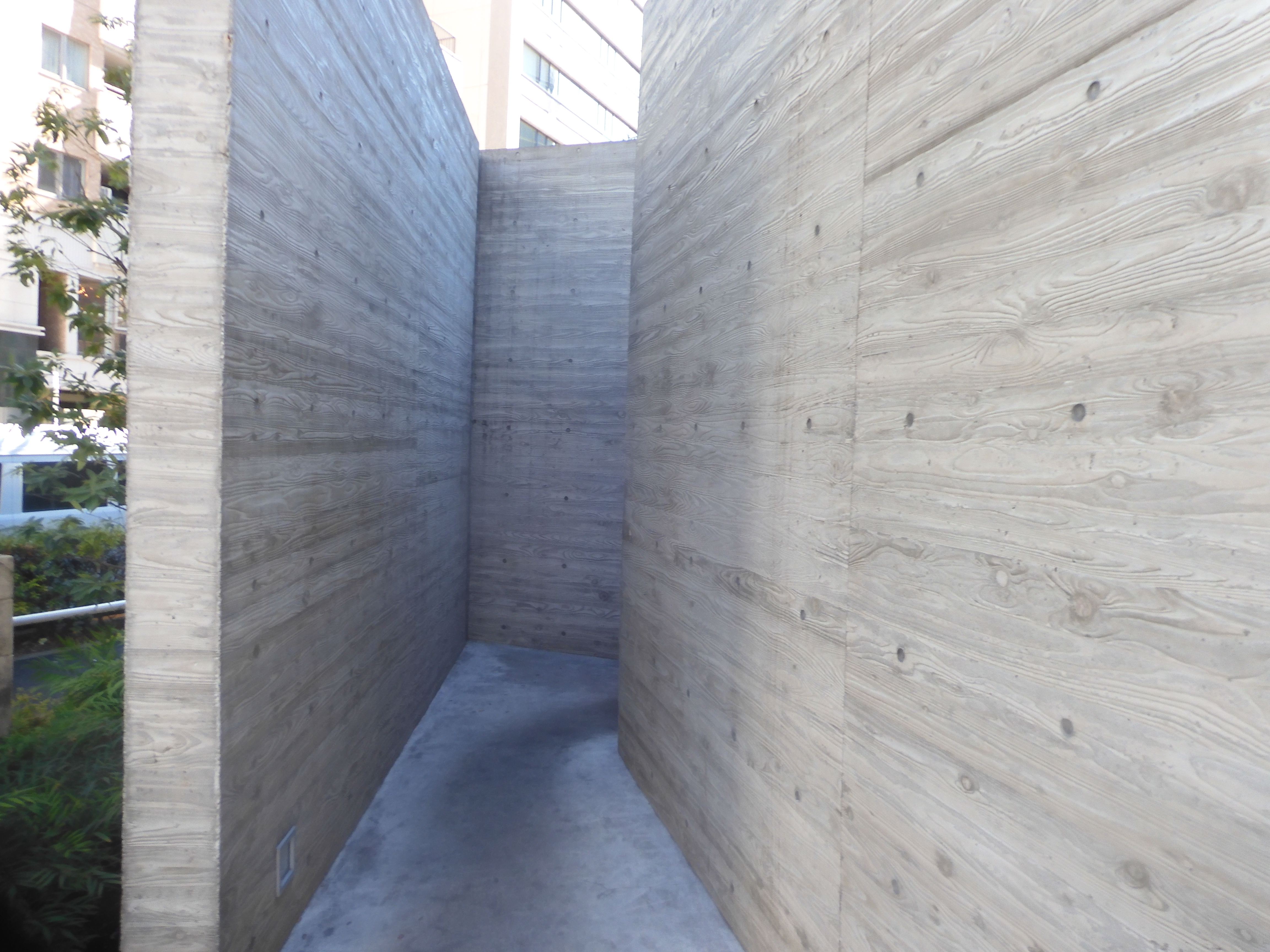
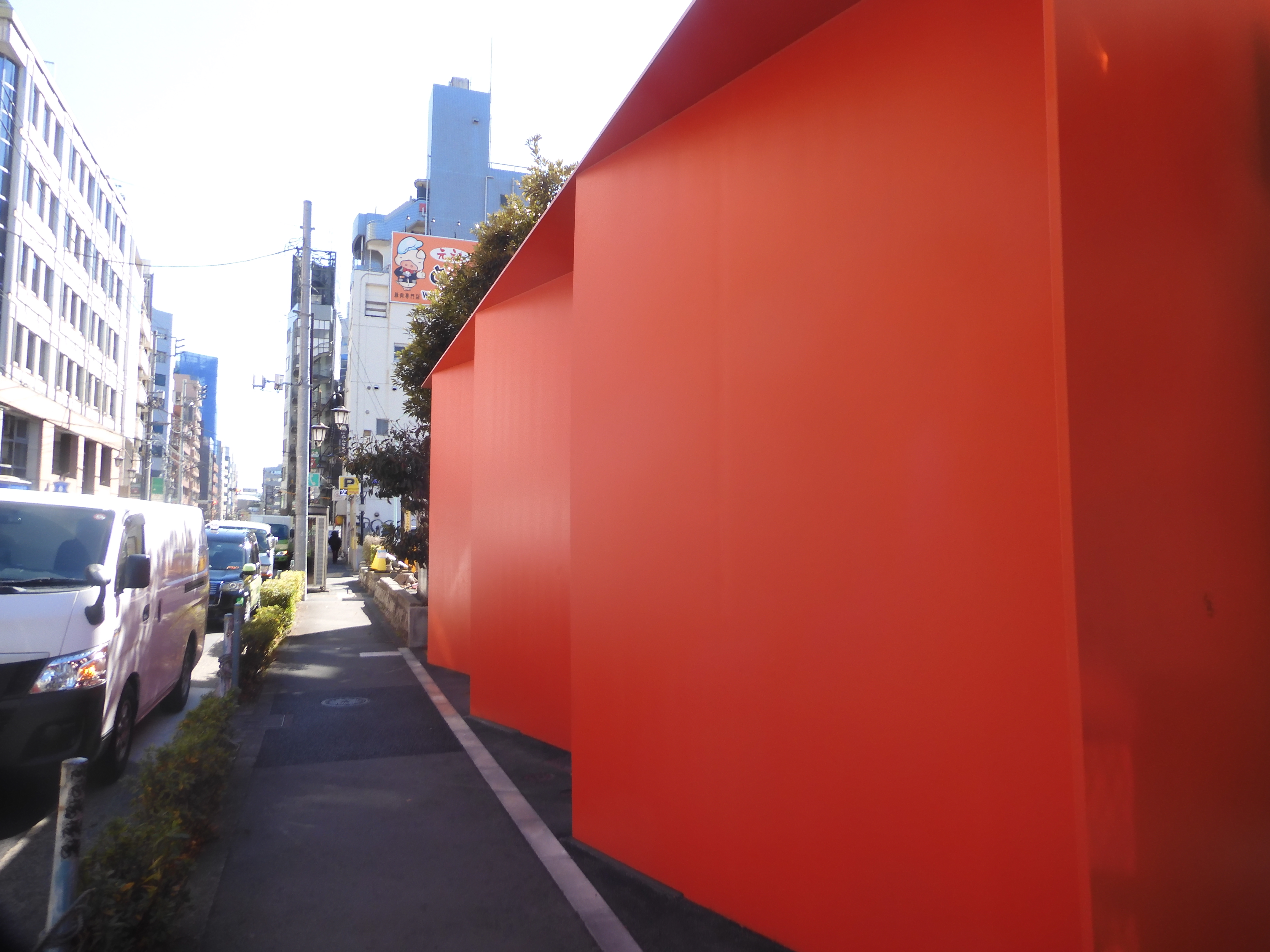
‘The toilet is a symbol of Japan’s world-class culture of hospitality. At 17 locations in Shibuya Ward, public toilets will be reborn one after another. Each toilet was designed with the participation of 16 creators who are active around the world. Please take a look at the unique toilets.’ A challenge I could not resist, so please join me in looking for and at some amazing ‘loos’:
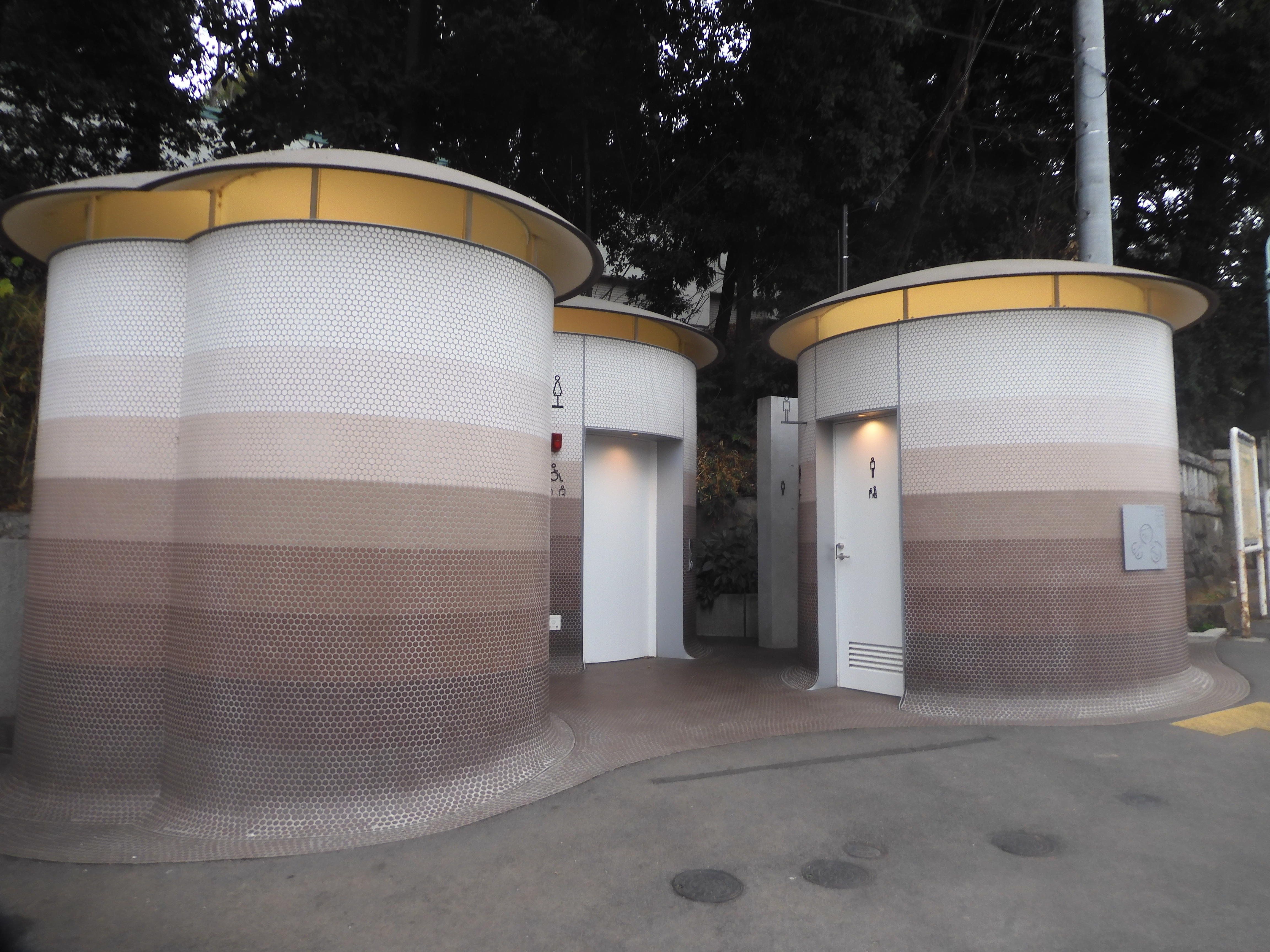
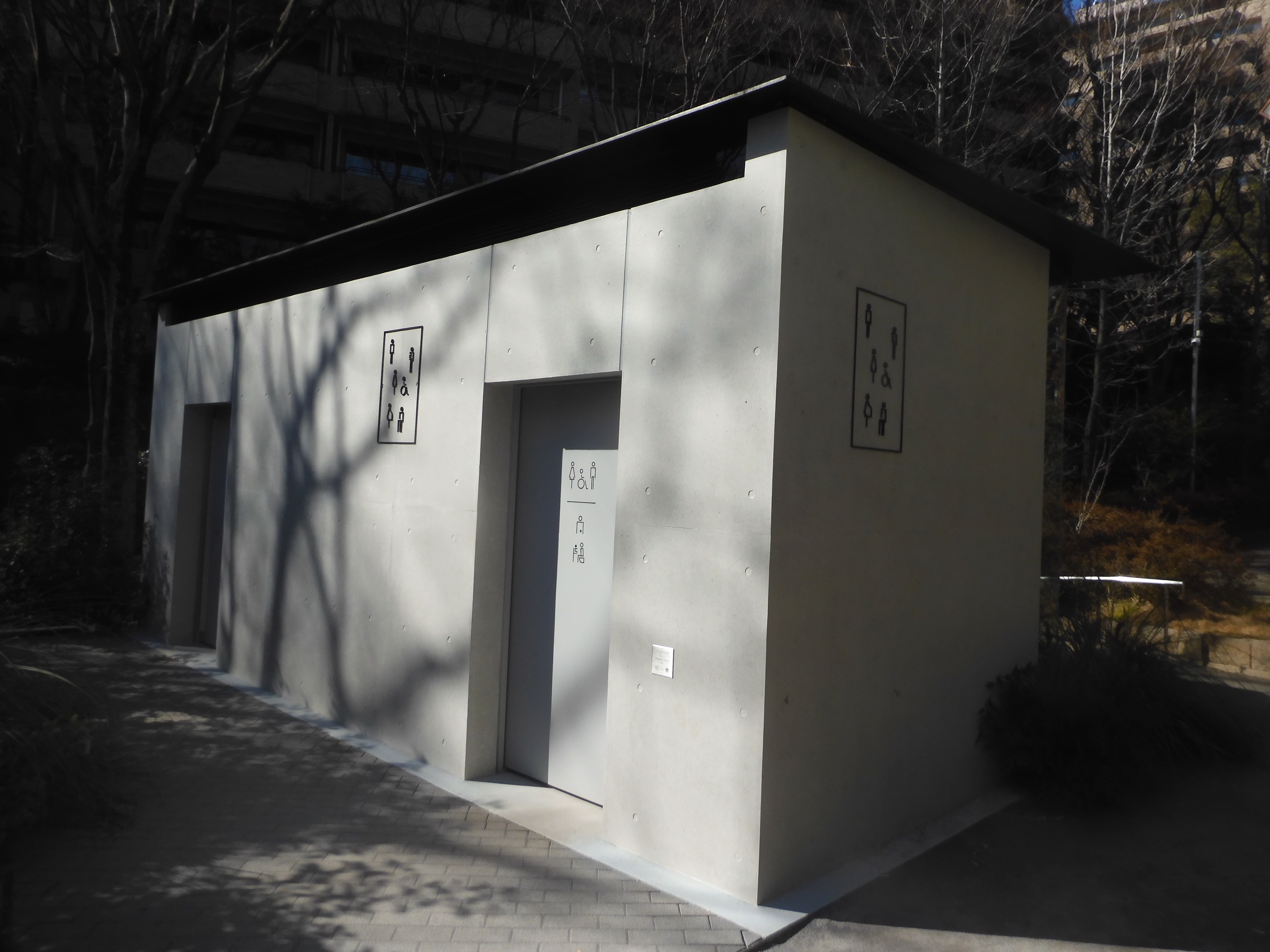
Designed by Australian architect, Marc Newson Urasando at Kitasando junctionThe roof reflects the Japanese Minoko roof styleNishisando, YoyogiDeisgned by award winning architect, Sou FujimotoWho believes that a public toilet is an ‘urban watering place’Andon Toilet, Nishihara ParkDesigned by Takenosuke SakakuraWho wanted to brighten up a park space.
These are the three closest to where I live when in Japan.
Meanwhile a family member alerted me to the release of an award winning 2023 drama film Perfect Days directed by Wim Wenders, from a script written by Wenders and Takuma Takasaki. A co-production between Japan and Germany, the film combines four short stories and stars Koji Yakusho as ‘Hirayama’ in the role of a toilet cleaner wearing the very recognisable ‘Tokyo Toilet’ blue overall.
In the film Hirayama is man who leads a simple life, and takes his job seriously; it follows his perfect day of public service with the joys of a second- hand book collection and his cassette tapes (sic!) of some golden oldies from inter alia The Animals, Van Morrison, Lou Reed, The Kinks and The Rolling Stones. A man after my own heart especially as he takes his lunch of a convenience store sandwich and carton of milk in the grounds of Yoyogi Hachiman Shrine surrounded by its trees which he photographs with an old film camera. (seen above). This is a place I know well and visit weekly, at least. In fact, the film credits also refer to his hobby as a love of ‘Komarebi’. Now, where have I heard that before?! (https://jeremyjlhill.com/2022/12/)
So much did the film resonate with me and my life that my wife said to me as we left the cinema that the character of Hirayama reminded her of me. Perhaps she was hinting that I should get myself a retirement job as a cleaner, although that may have been lost in translation. Or maybe I should start a ‘Tokyo Toilet Tours’ company?! If the latter, let’s continue the tour with some of the toilets which feature in the film, starting with Yoyogi Hachiman shrine.
On busy Yamate-doriAt the entrance to the shrine‘Three Mushrooms’ that sprouted from the shrine’s forestWho was awarded a Gold medal by the Royal Institute of British architects (RIBA)
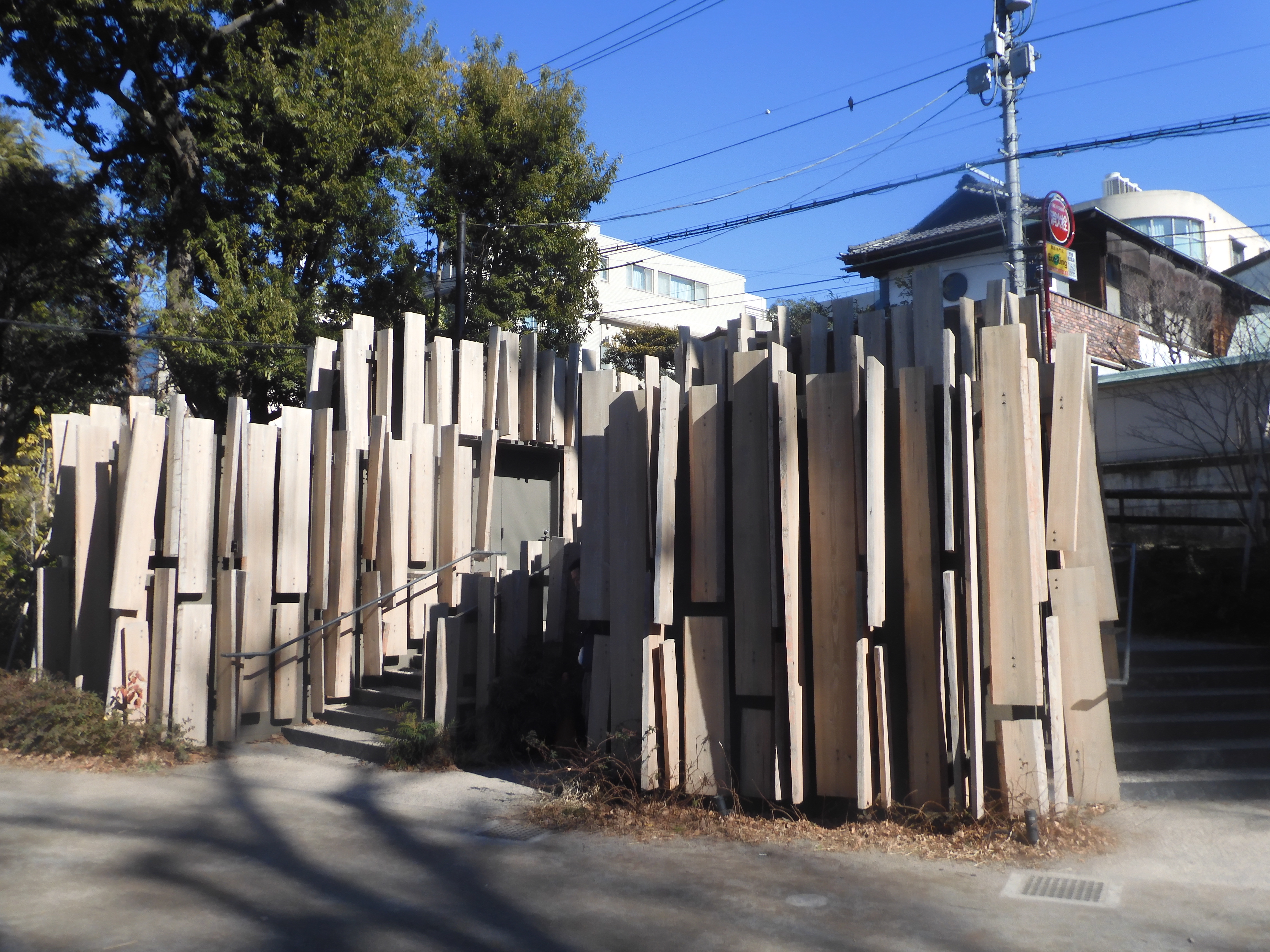
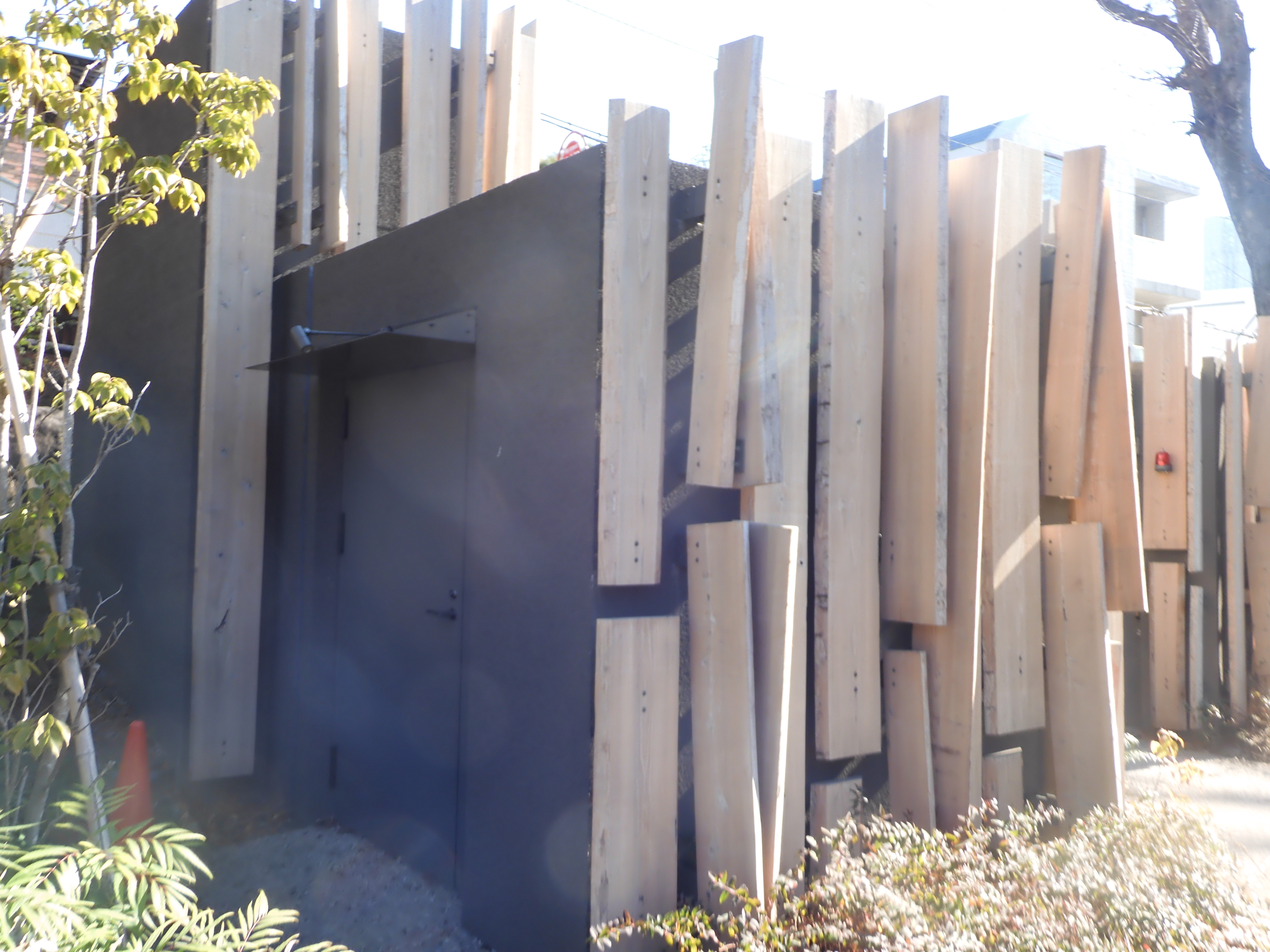
Moving further afield to the outskirts of Shibuya, is this incredible construction in Nabeshima Park, Shoto.
Designed by Kengo Kuma, winner of several international awards who wanted to create a ‘public toilet villagethat is open, breezy and easy to pass through (sic!)and appropriate for post-pandemic times.
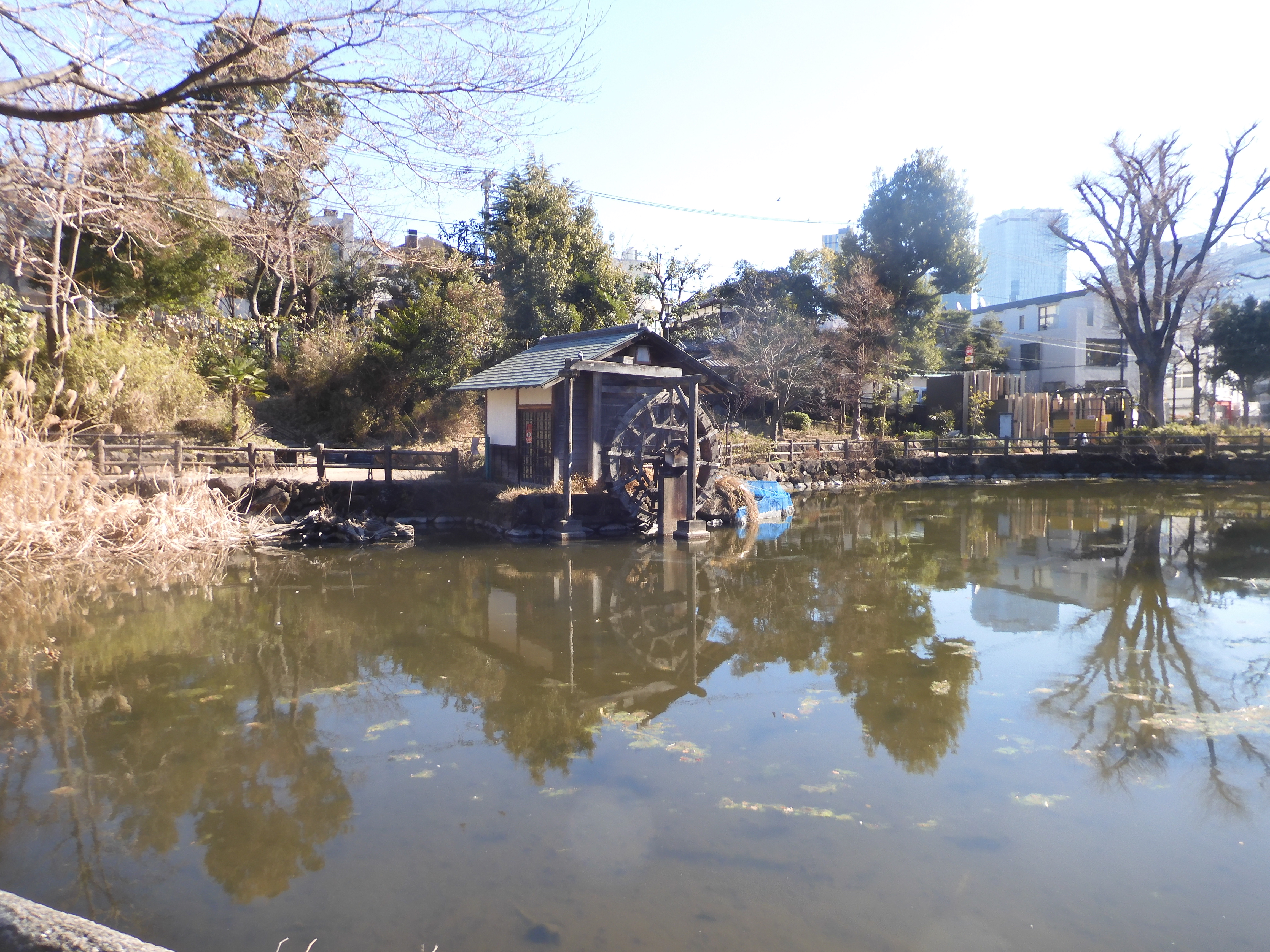
Whilst the park itself is worth pausing in with its pond and small water mill.
From there to the Ebisu Four, which could be the title of a yakuza gangster movie but is just my word for a group of conveniences all convenient for Ebisu station.
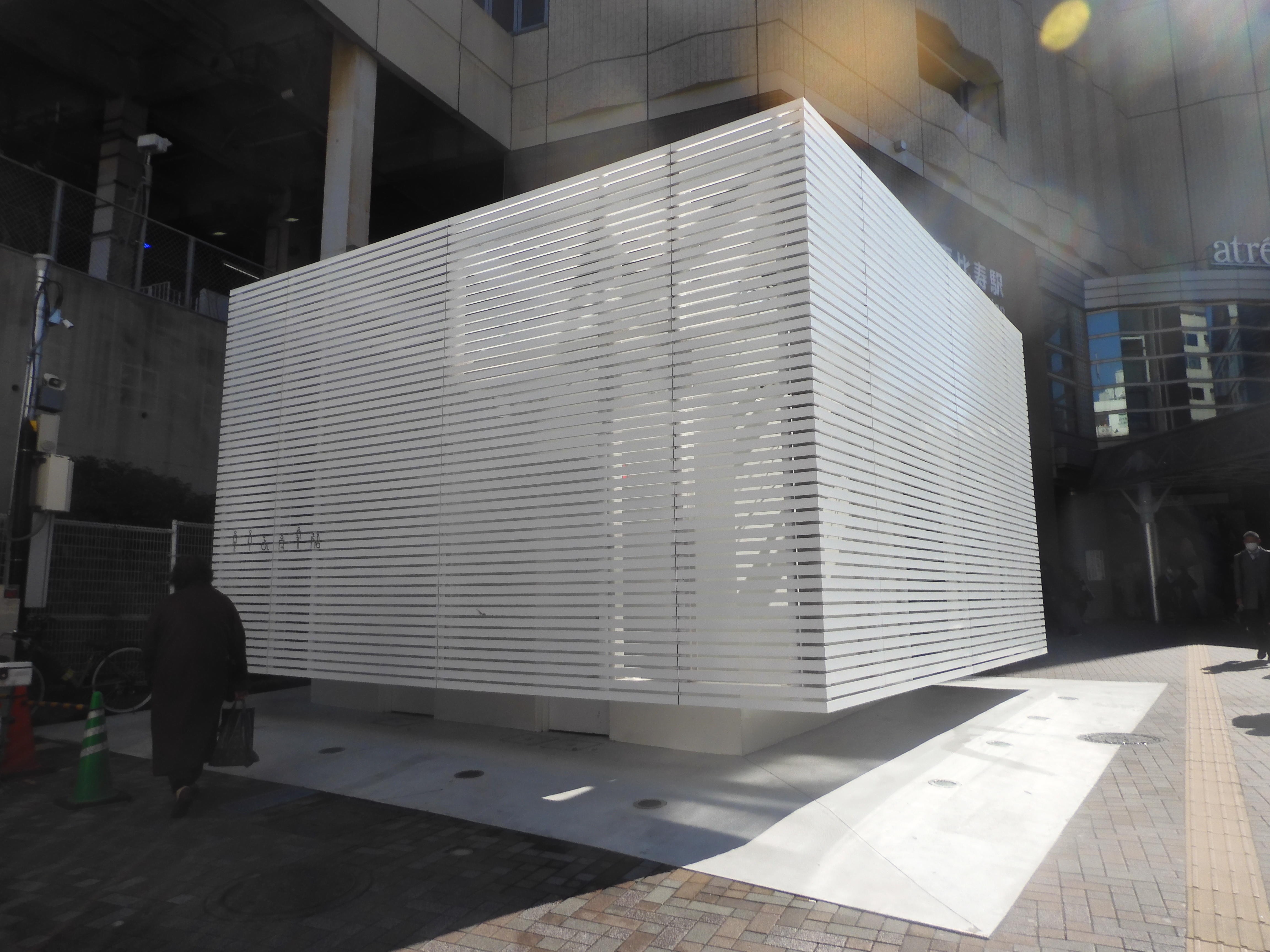
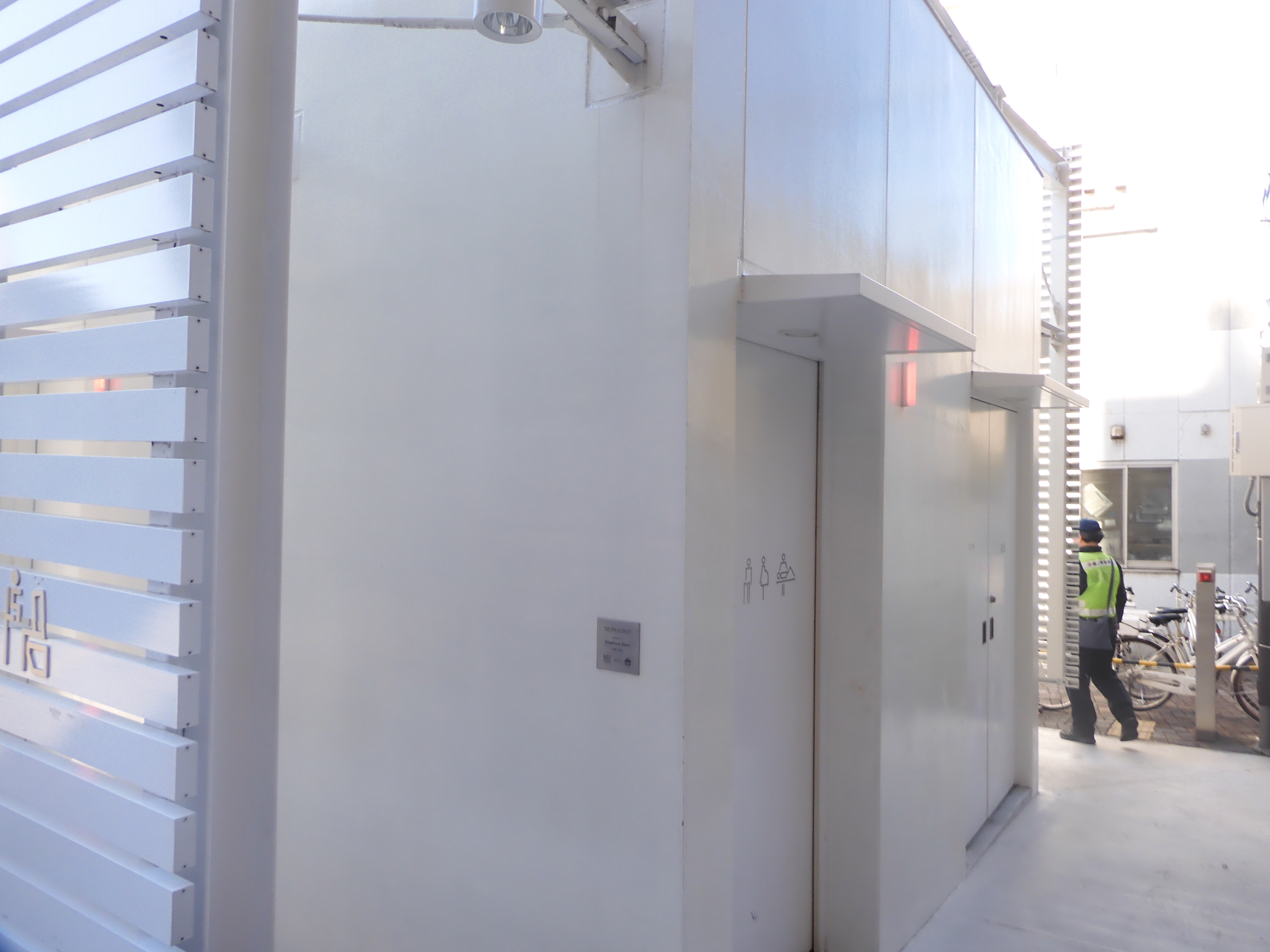
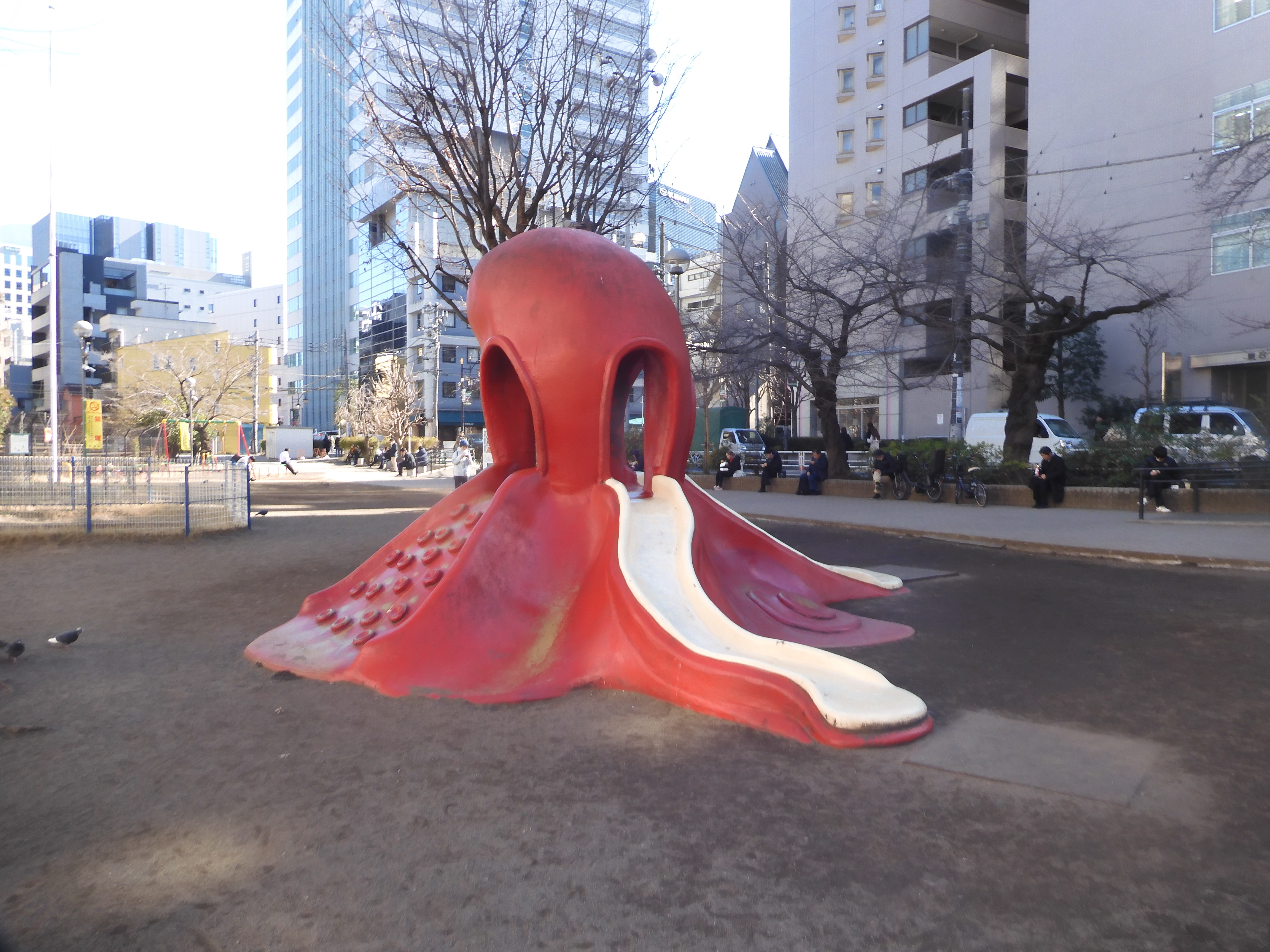
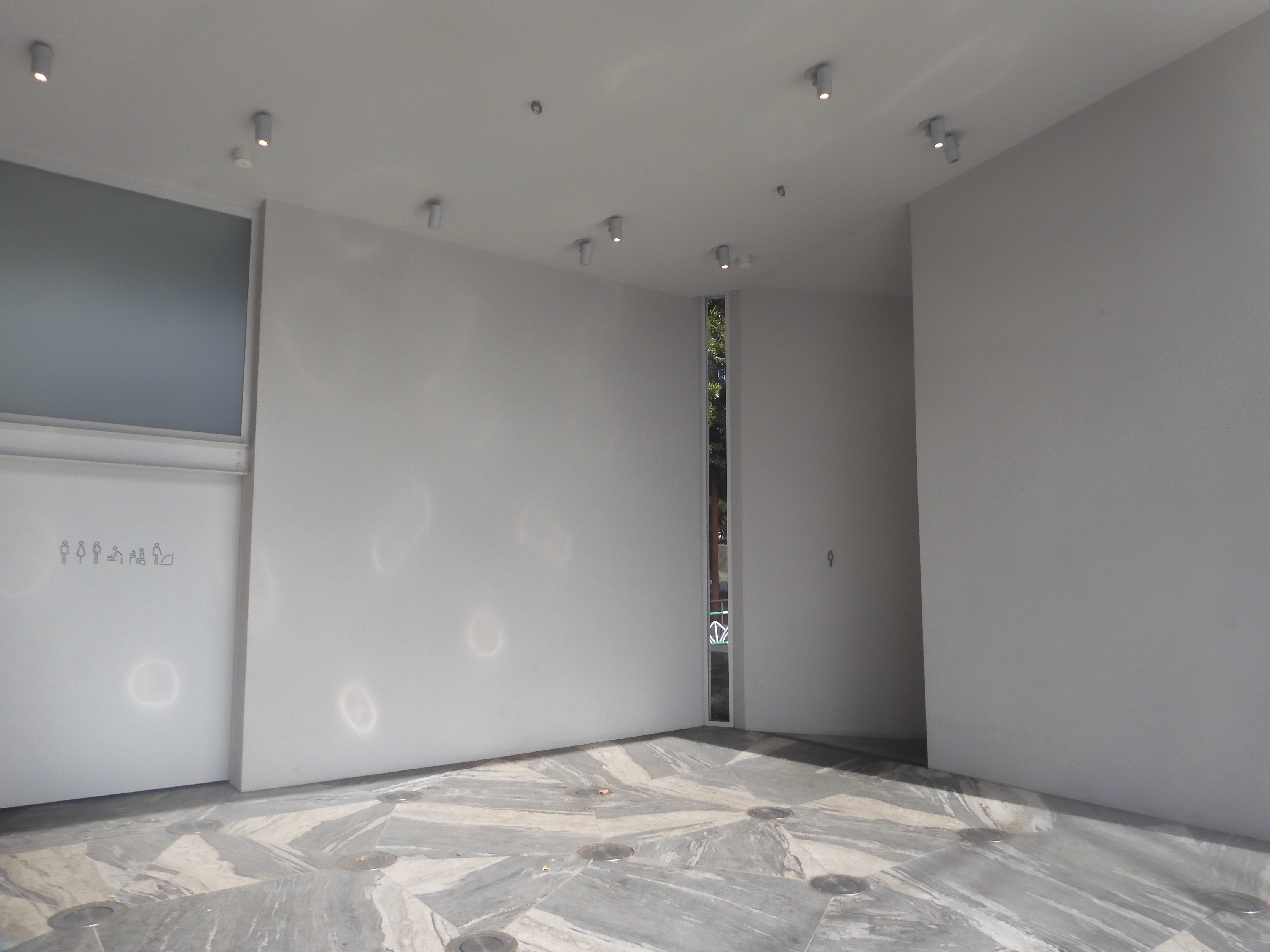
Wonderwall designed by Masamichi KatayamaWho wanted to recreate the appearance and atmosphere of primitive Japanese toilets (kawaya)dating back to Neolithic timesHigashi san-chome designed by Nao TamuraShe envisioned a society which embraces LGBTQ+and redefines the way a public toilet establishes personal spaceEbisu Station West Exit designed by Kashiwa SatoNext to the police box so he didn’t want it to be too conspicuous‘Easy to enter and easy to use’!The ‘Squid’ Toilet ,Octopus Park, East Ebisu designed by veteran architect Fumihiko Maki (born 1928)He wanted to create a clean and bright environmentwhile giving the facility a unique appearance similar to a children’s park
And here’s the creature which gives the park its name!
And now an outlier in fashionable Hiroo district.
Designed by Tomohito UshiroIn a park to be like a piece of public art that is part of daily lifeWith a wall that lights at night up in 7.9 billion ways to never see the same pattern twice
And heading back towards Shibuya
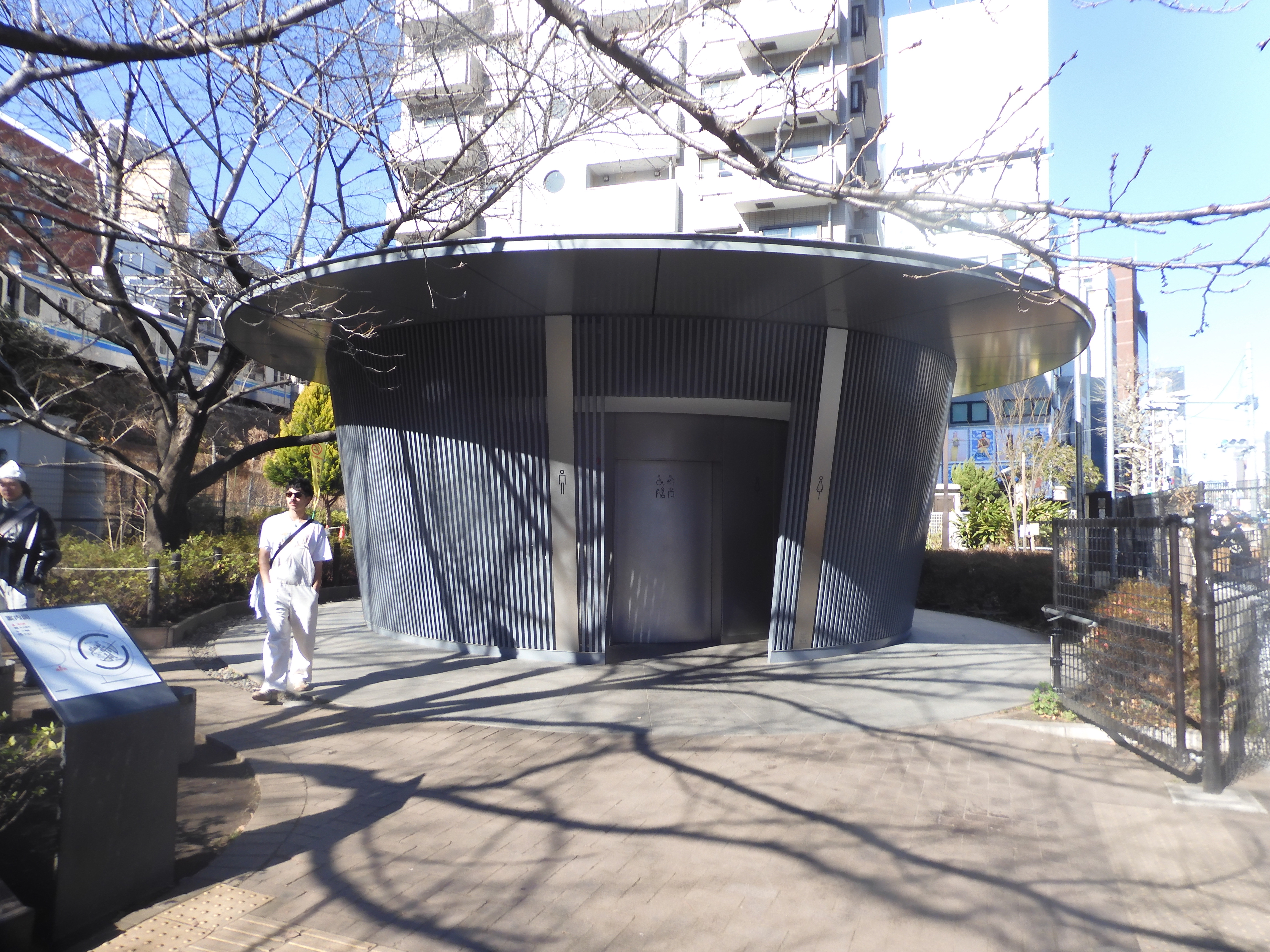
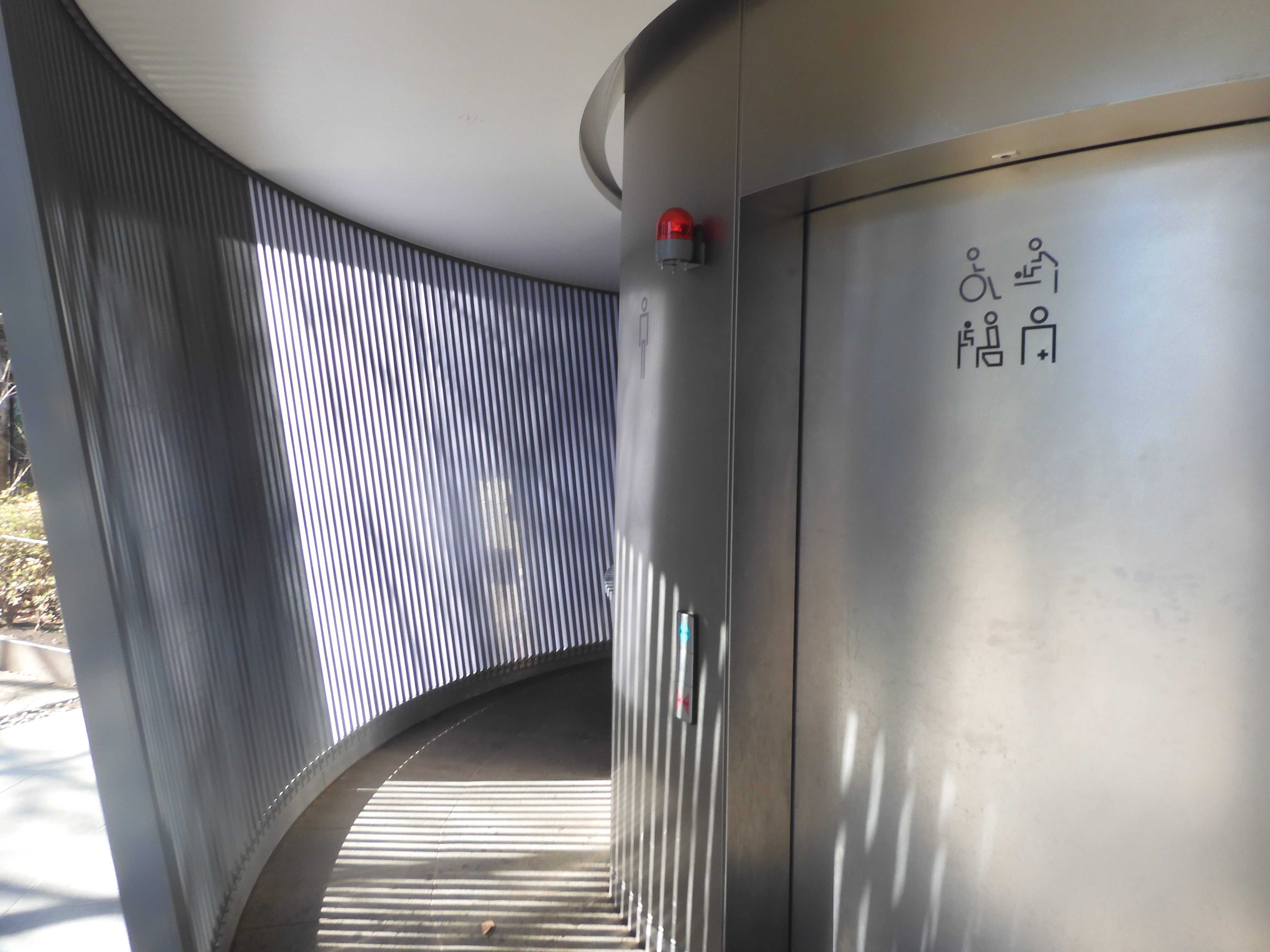
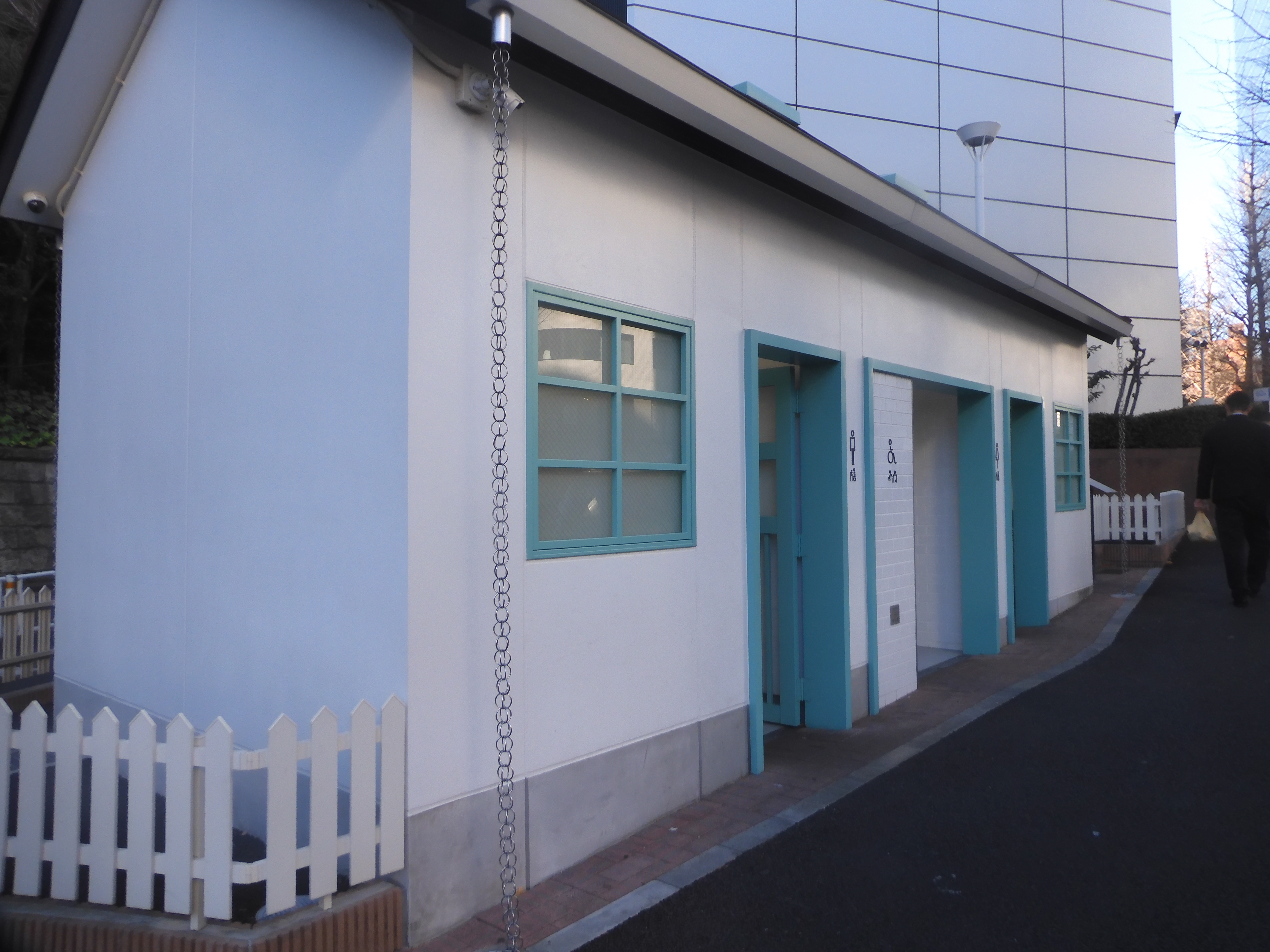
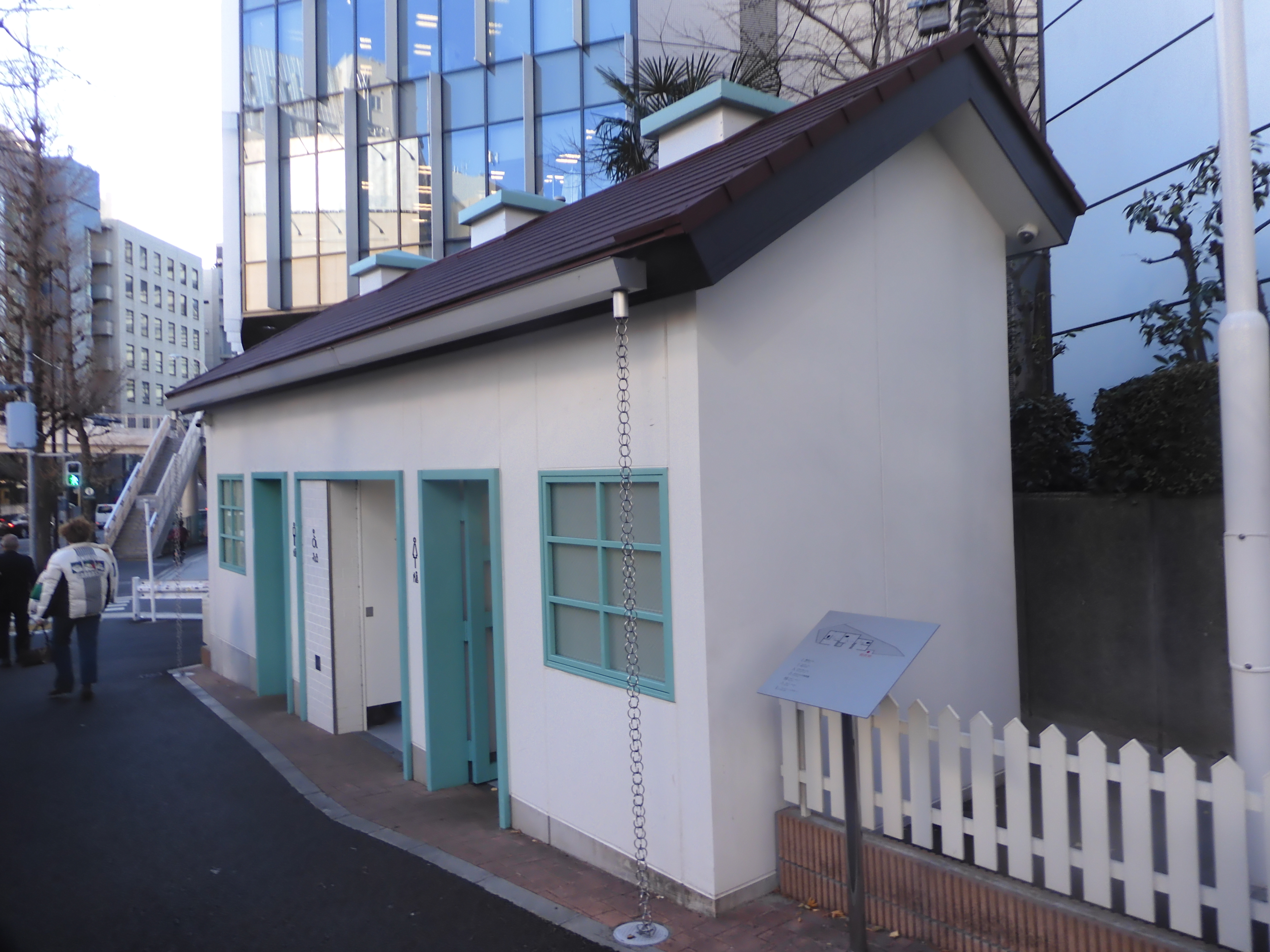
‘Ayamadori’ tucked away in the greenery of Jingu-dori Park.Designed by self-educated architect and international awards winner Kinji KannoA circular floor plan inside a cylindrical wall to feel the comfort of light and space.‘The House’ designed by street culture pioneer ‘NIGO’who wanted a toilet that would feel like a good old homein contrast to Tokyo’s high -rise buildings.
I visited most of these toilets accompanied by my good friend and walking companion, Yu Yoshida who lives in the Sasazuka area of Tokyo which has its own selection of Toilets.
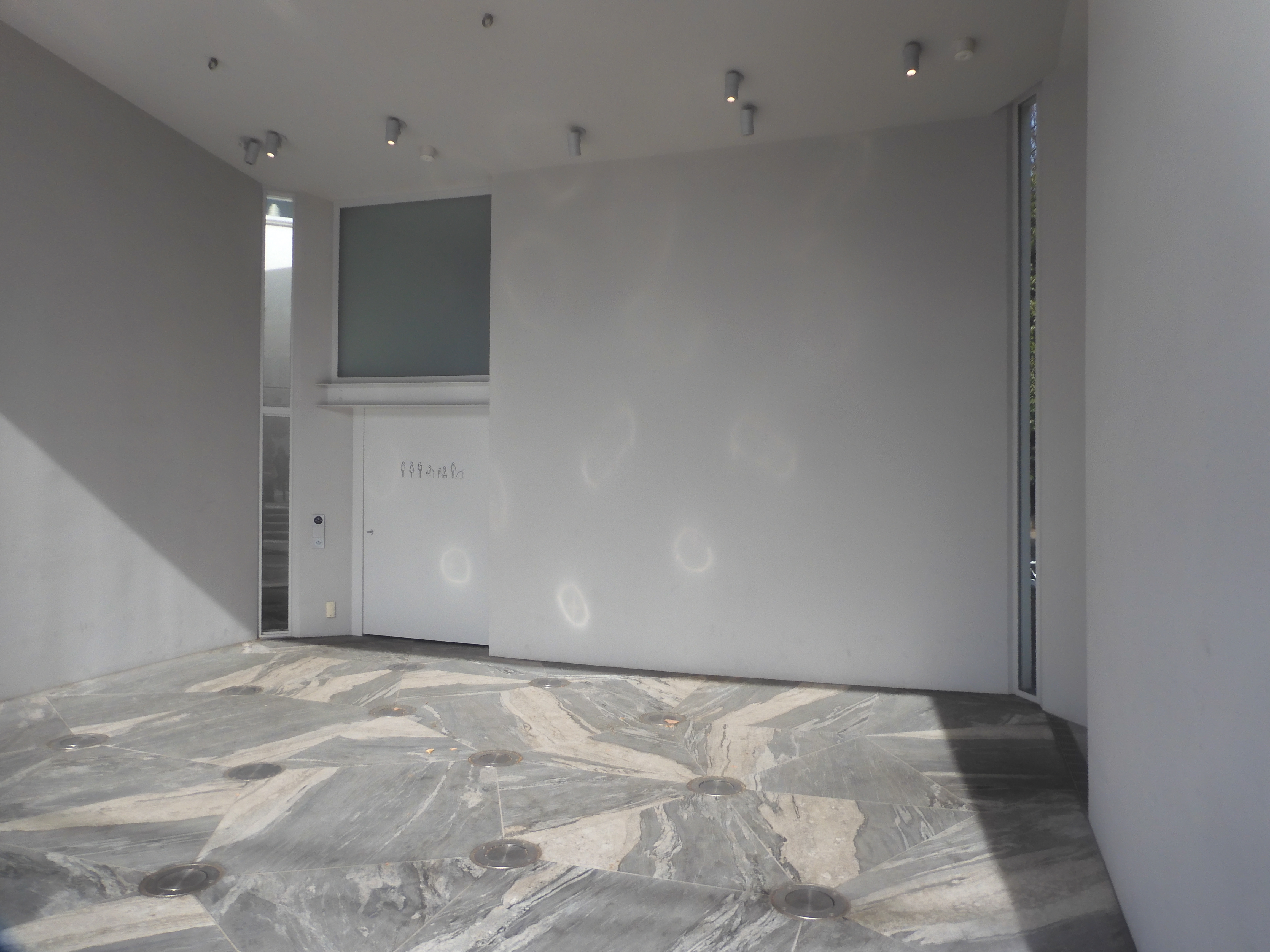
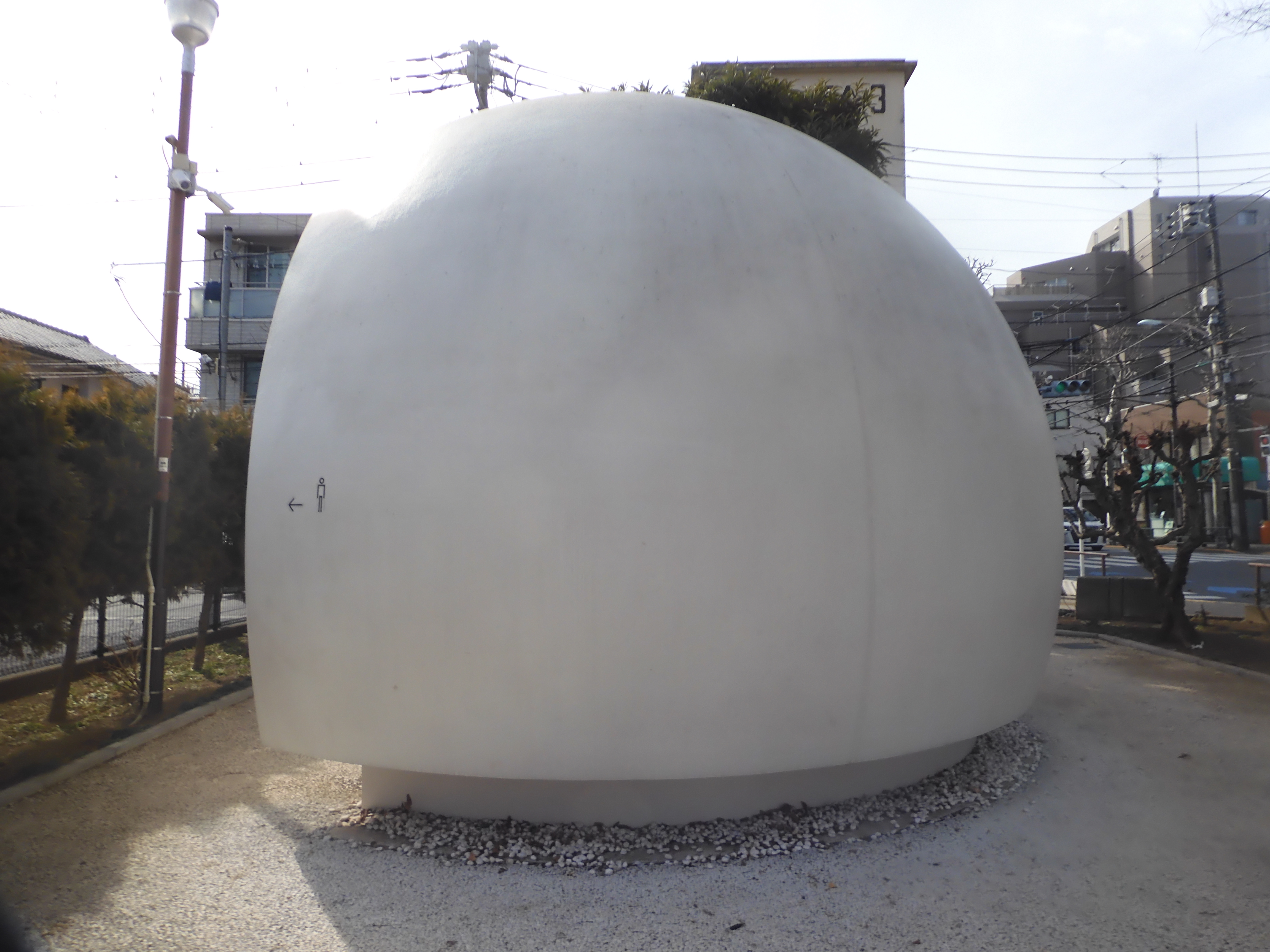
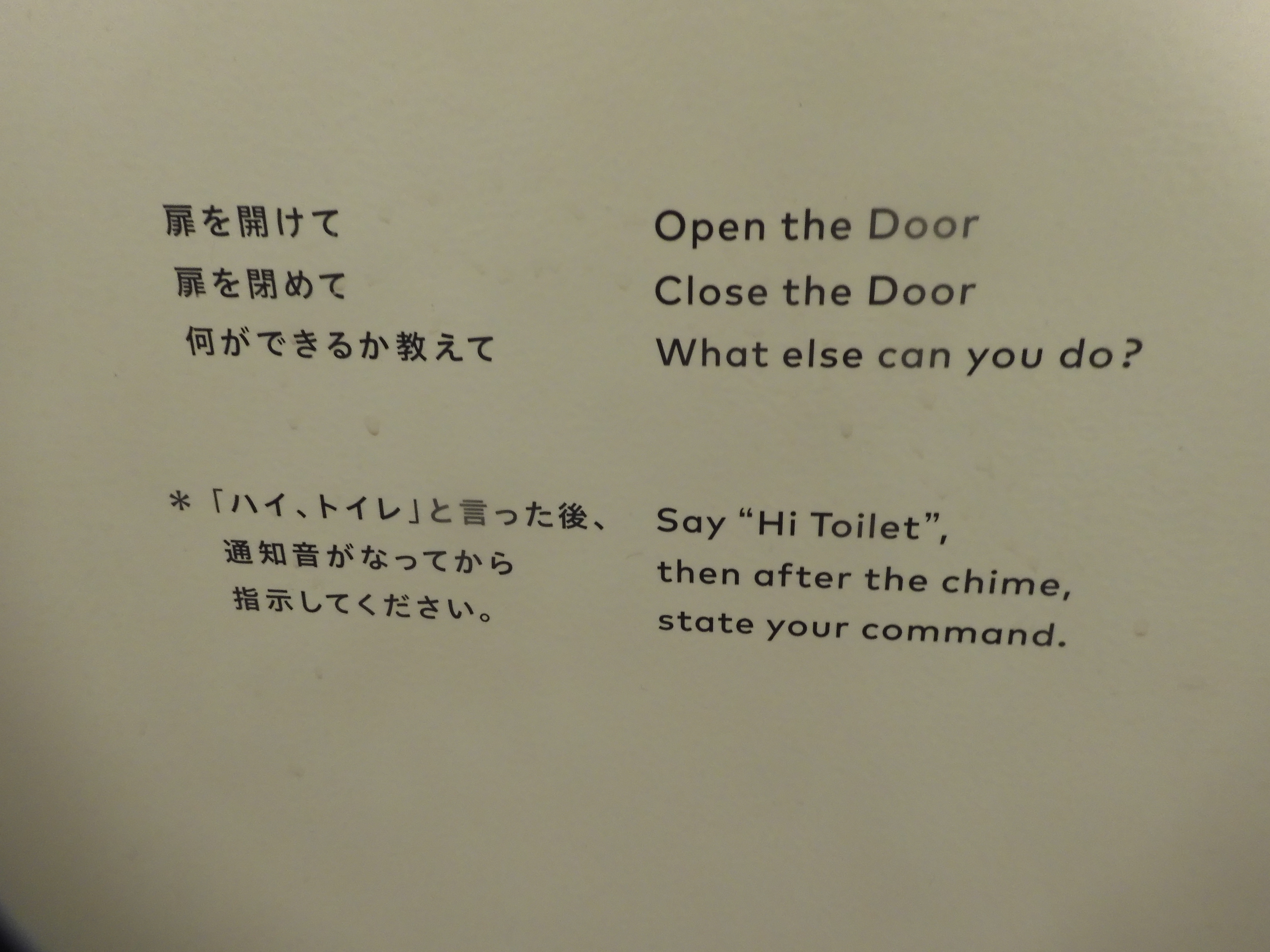
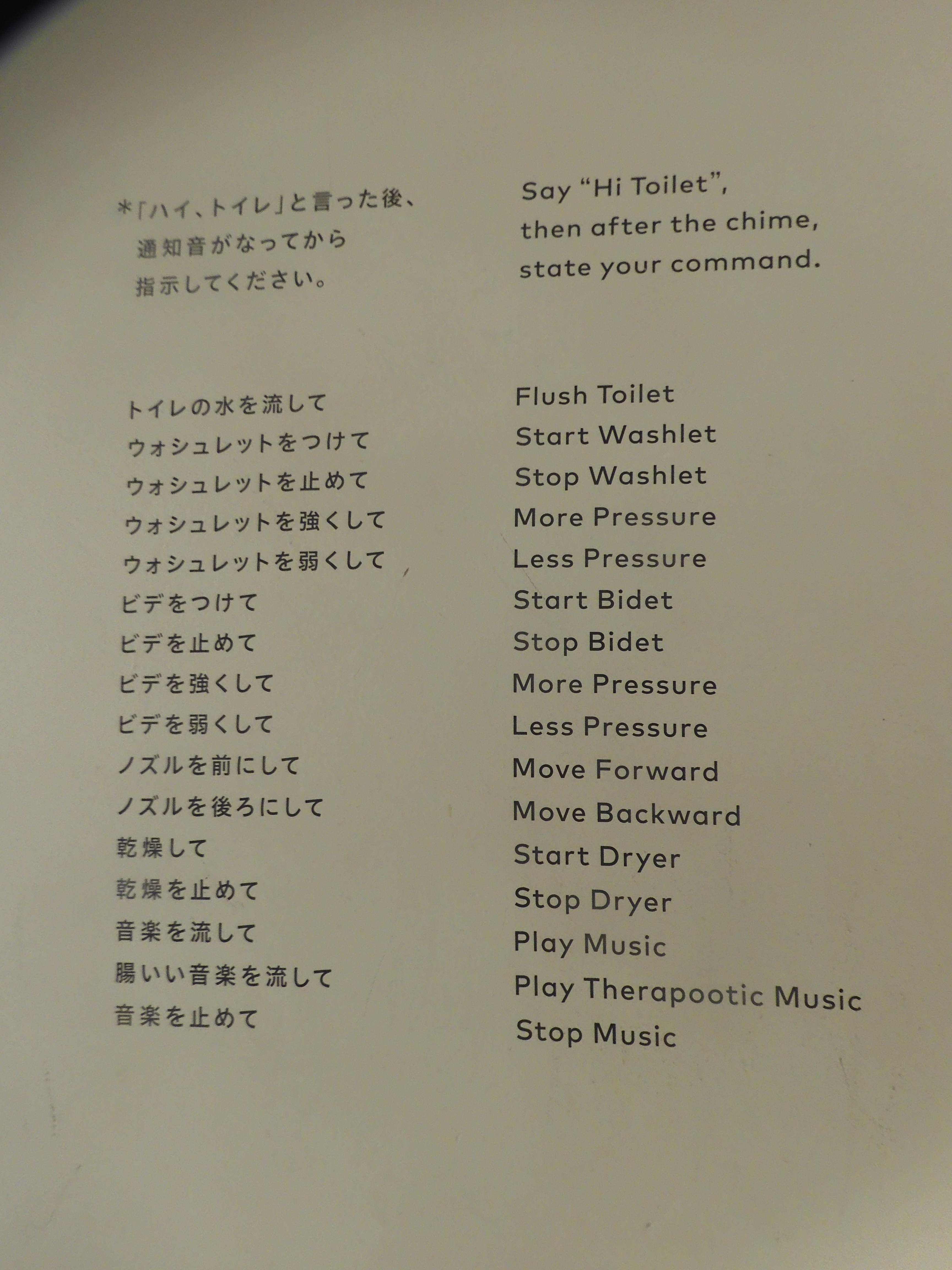
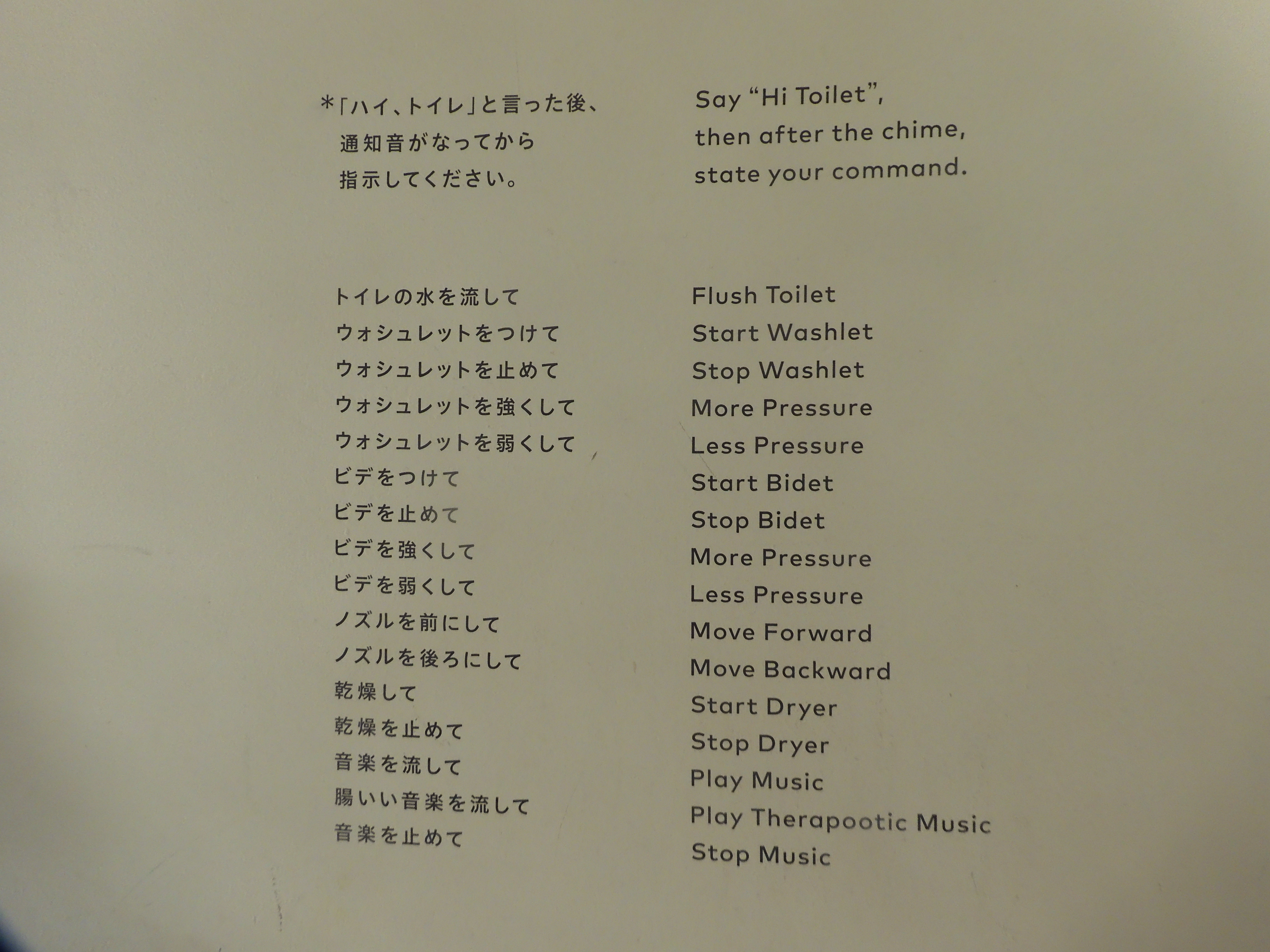
Sasazuka Greenway at Sasazuka station designed by Junko Kobayashiwho wanted a skyline effect to eliminate the closed effect of the railway lineand a strong presence like a stubborn old man watching over people!‘With toilet’ in Hatagaya designed by fellow Brit Miles Pennington from Royal College of Arts and Imperial College, Londonincludes a functional space for use as an exhibition area, pop-up kiosk, or cozy meeting space.‘Hi Toilet’ in Nanago Dori Park, HatagayaDesigned by Kazoo Sato who wanted even pre-COVID daysto design a voice-activated, contactless toilet. to deliver a Clean City Tokyo image to the world‘
I tried but it didn’t work for me – maybe it wasn’t programmed for a British accent?!
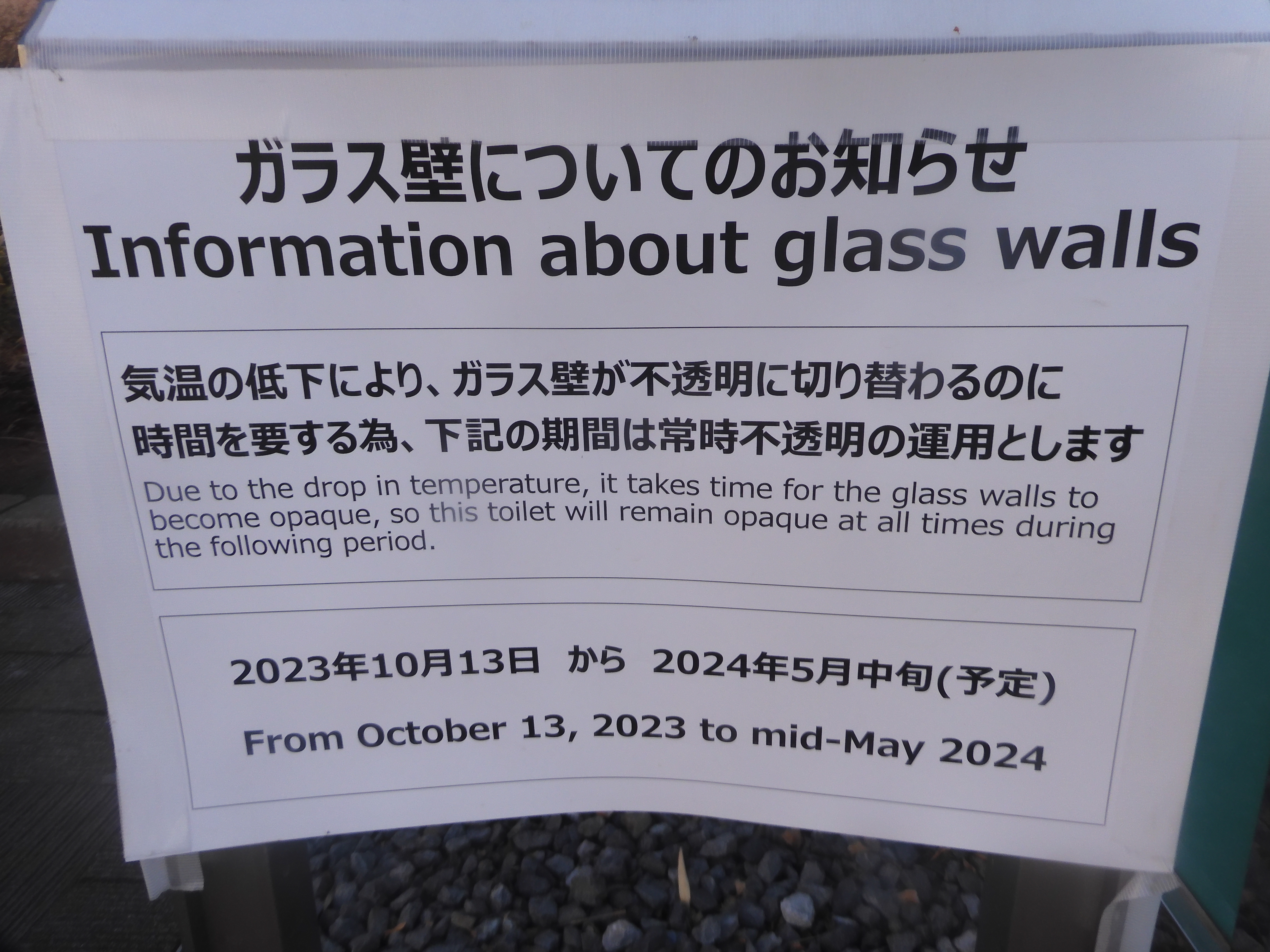
And last, but not least a final look at, but not into those transparent toilets which were were not exactly flushed with success. ‘Due to the drop in temperature, it takes time for the glass walls to become opaque, so this toilet will remain opaque…from October 13, 2023 to mid-May 2024.’
”Houston, we have a problem!” Visitors seeking the now-you-see-me-now- you- don’t experience will have to time their loo trips accordingly.
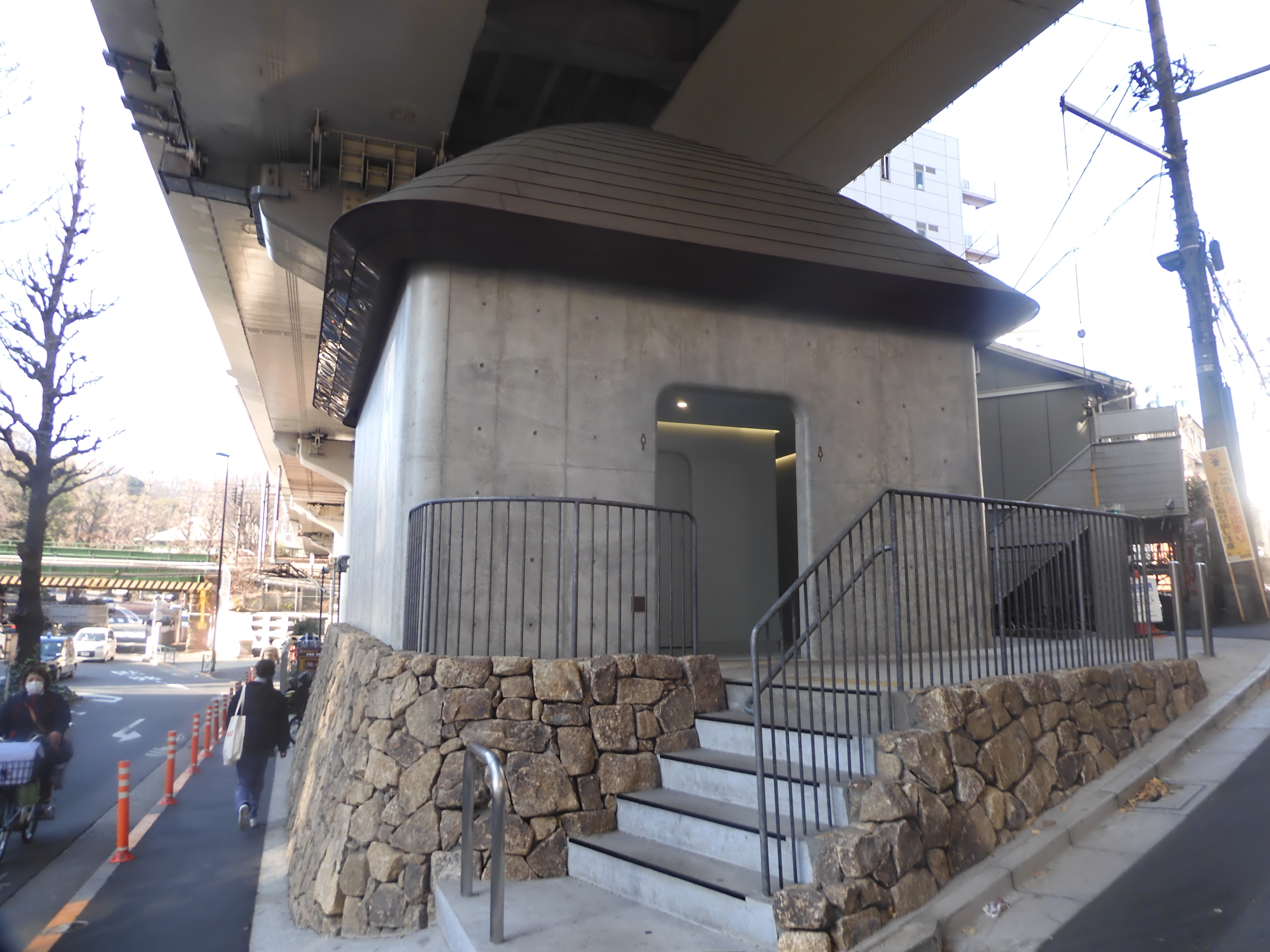
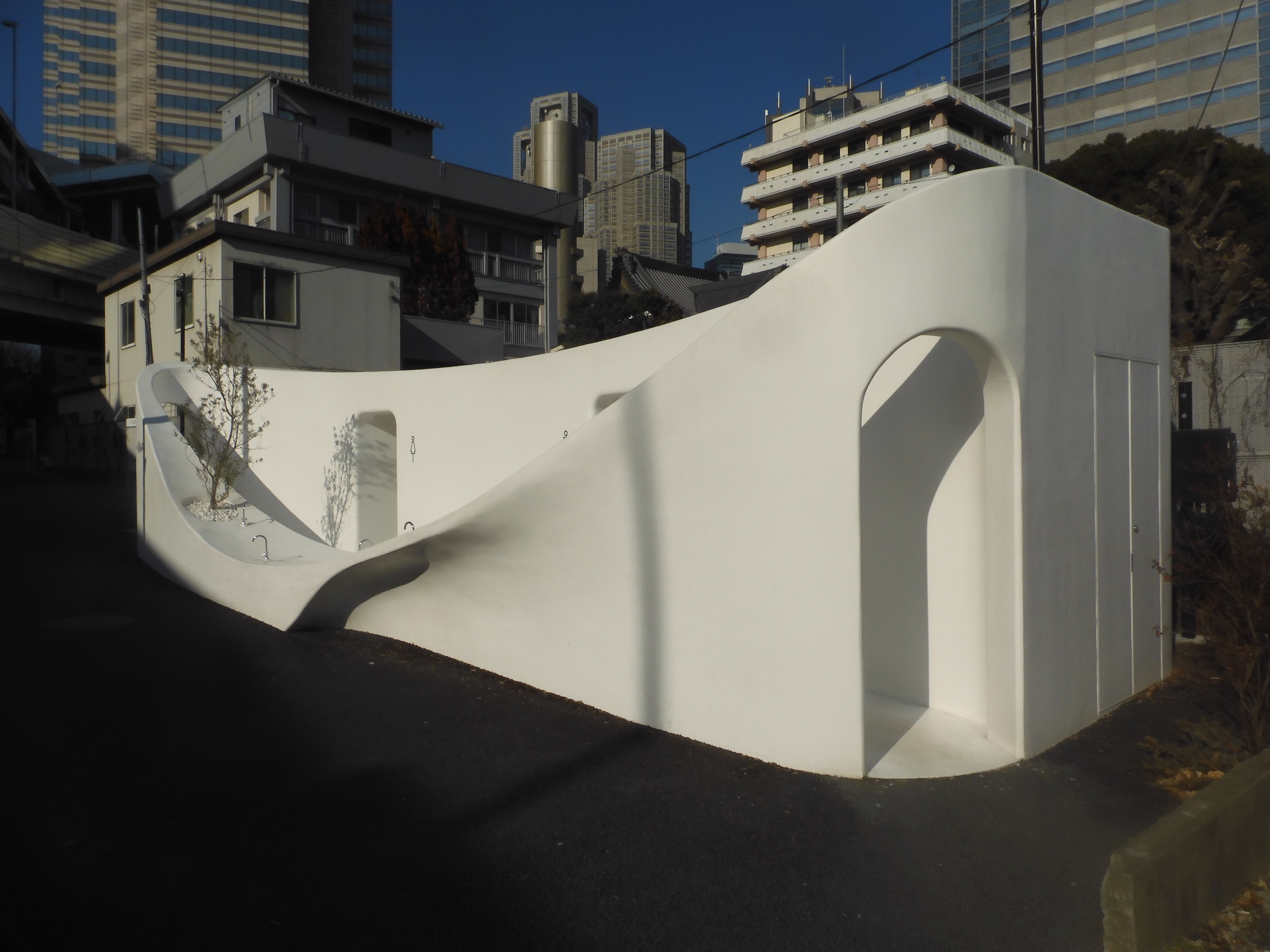
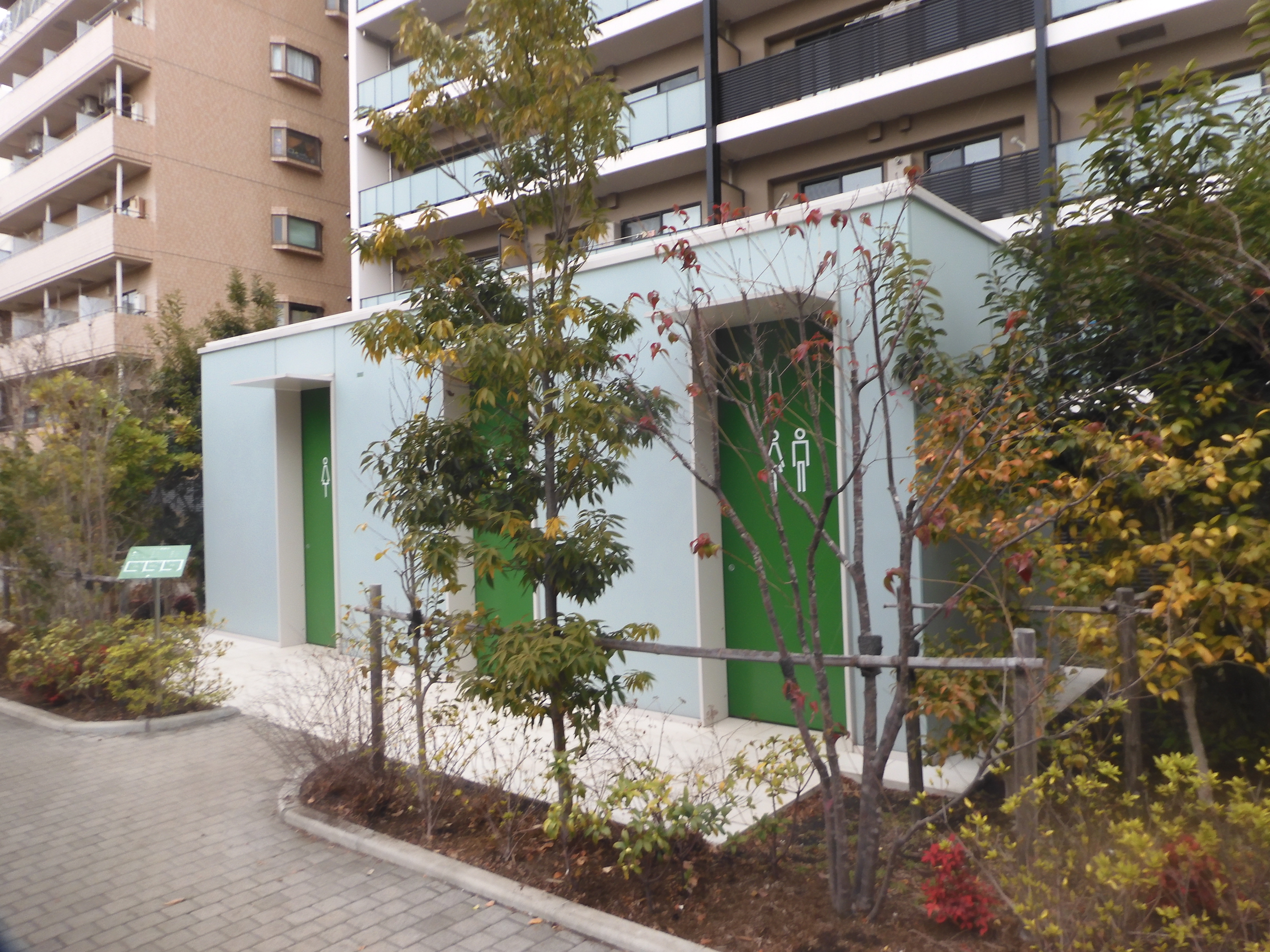
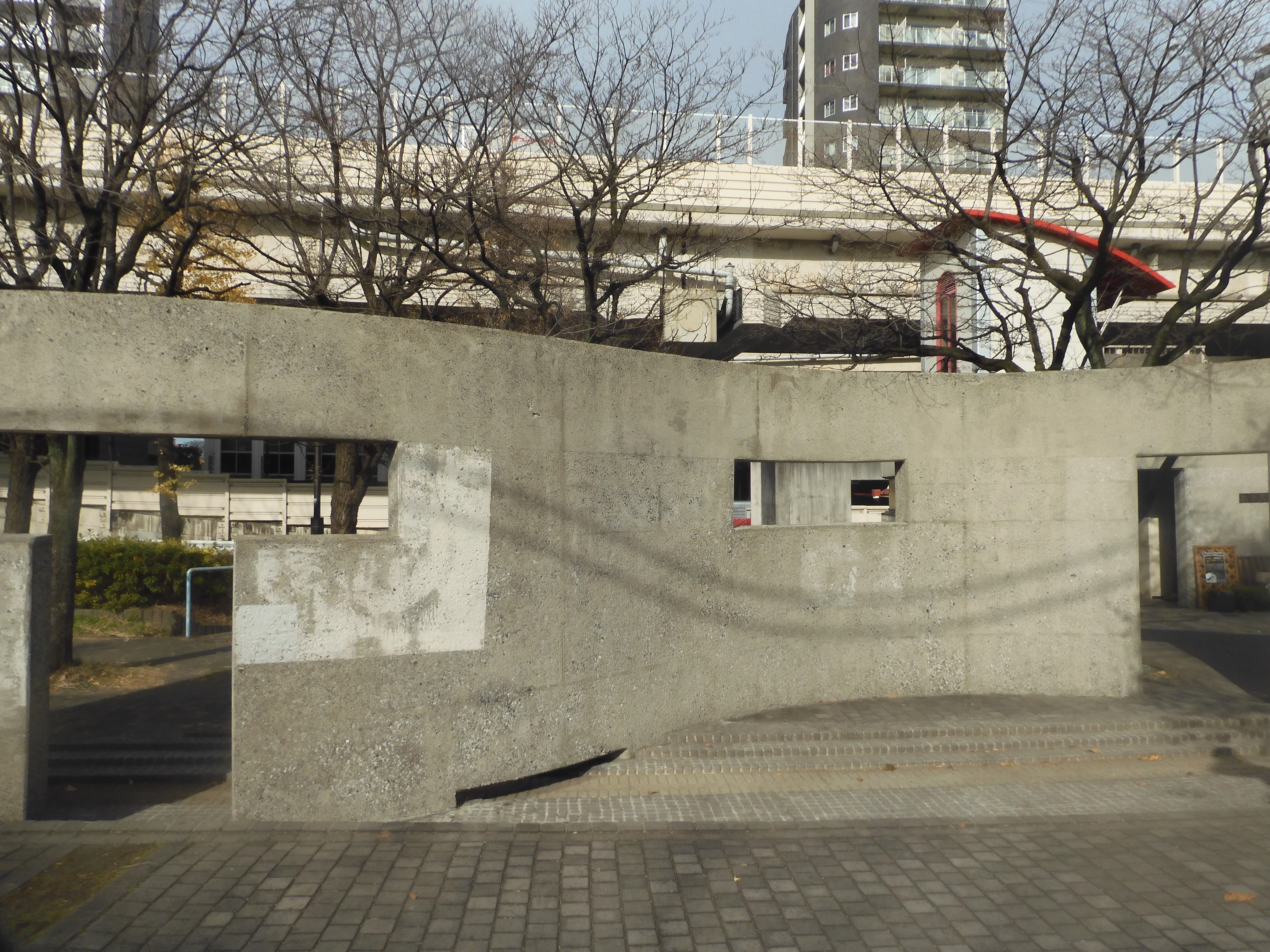
And now for a few images of ‘Not the Tokyo Toilet’ to show what it meant to be excused before this project took off.
It would be remiss of me not to reflect on a UK angle to all of this as Japanese visitors to the England would be forgiven for having a similar negative and well-founded view on some of our less salubrious attractions. But recent stays back home have given me some hope as far fewer of our public toilets now charge. In fact, ‘to spend a penny’ was once a less direct expression for ‘going to the toilet’ as that was once the pre-decimalisation charge for their use. The only places I was relieved of coinage to relieve myself were Northampton bus station (20 pence) and Birmingham Coach station which charged an extortionate 30 pence (a x70 increase over the original penny.) 30p to have a pee, that’s just taking the p*** isn’t it?








































 Albihon