Tag: Leicestershire

From or To?

Two weeks ago, I travelled back TO Tokyo from England where I had spent a very pleasant six months with family and friends whilst living in my home in Market Harborough, Leicestershire. One of the features of life in England that I have noticed on resuming permanent residence following many years of working and living overseas living is by how much society and local communities rely on volunteers both for services such as the community theatre and cinema, physical activities such as Park Run and the Ramblers, cultural activities such as music groups like choirs bands and choral groups, the Harborough Writers’ Hub of which I’m now a member, and of course the numerous charity shops which now dominate our High Streets.
In order to both contribute to as well as to get to know more about my new home town, last year I volunteered to help out at the Oxfam Bookshop which is well-stocked with second-hand (or ‘pre-loved’ as they’re now known) books, CDs, records and other items donated by members of the public for re-sale with proceeds going to support the work of Oxfam (a global organisation that fights inequality to end poverty and injustice). In fact today, 5 November, happens to be International Volunteer Managers Day when we recognise the work done by our Managers and Deputy Managers in the retail outlets.

Obviously part-time staff such as myself do not receive any recompense for services but, in true English tradition, are entitled to tea and biscuits during our breaks! The shop’s kitchen has accumulated a supply of mugs over the years, and it was by coincidence and very appropriate that I should be allocated the following mug promoting an old penguin book a copy of which I have since tracked down and read although it wasn’t the Penguin edition.

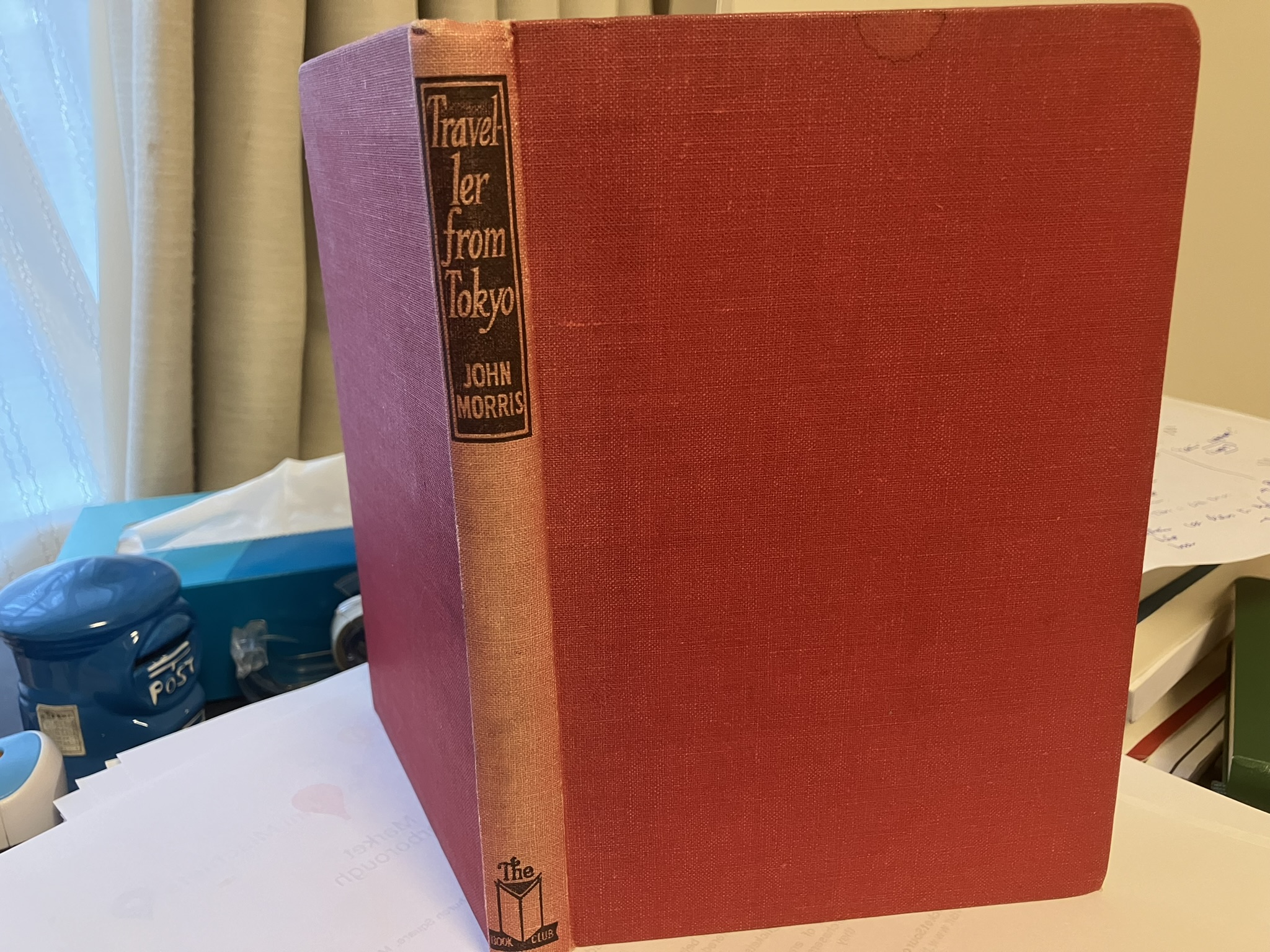
And as one of my Oxfam colleagues commented, it seemed as if it were the book that I was meant to write. However, it wasn’t written by a 21st century retired member of the British Embassy in Tokyo, but by a gentleman appointed in 1938, by the Japanese Embassy in London to work as an adviser to the Japanese Foreign Office in Tokyo as well as doing some English language lecturing in Tokyo Universities. But, one of my final freelance pre-Covid jobs was teaching diplomatic English to the staff of the Japanese Foreign Office, so some cross-over.

Many of John Morris’ first experiences of Japan and its society in 1938 namely bureaucracy; attitudes and resistance towards learning and speaking English; rules and regulations; restaurants and food, were like mine when I first worked in Japan 41 years later in 1979. Given the timing of his stay with Japan’s dramatic entry into the Second World War his departure from Tokyo for England in 1941 was much earlier than he had expected and sadly he never returned. So, I feel a great affinity for John Morris; I am privileged to be able to come back regularly TO Tokyo to continue my own experiences, and to write about them, including the links I’m able to discover between my two homes despite the distance between them.

My last full weekend was no exception with another pleasant evening at the Market Harborough cinema to see Kensuke’s Kingdom an animated film based on a children’s book by Michael Murpogo which tells the story of a boy called Michael, who, whilst on a family sailing trip around the world was swept overboard in a storm and ends up on a small island in the Pacific which is inhabited by Kensuke, an elderly Japanese, himself a survivor of a Japanese battleship sunk during the Pacific War. Despite their age differences and linguistic challenges they become good friends until Michael is eventually rescued and they bid each other a fond, and tearful ‘sayonara’. In English but with Kensuke’s few words of Japanese voiced by well-known actor Ken Watanabe.

The following day, Japan was once again on the programme when I attended, for the first time, a concert given by the Market Harborough Orchestra, another community project, established in 2012 and now under the enthusiastic and talented baton of conductor Stephen Bell. The first piece they played was the Japanese Suite by British composer Gustav Holst who wrote it in 1915 at the request of a Japanese dancer, Michio Ito, who whistled some traditional Japanese tunes to Holst as he wrote the piece – and she must have been as good a whistler as she was a dancer as they are recognisable to those familiar with Japanese tunes.

And so the time had arrived for me to bid a fond, and tearful sayonara to England’s Green and Pleasant Land to come back to the Land of the Rising Sun, marking departure FROM London via Paddington Station, and return TO Tokyo with traditional gastronomic delights which did not include, much to Paddington’s disappointment, any marmalade sandwiches.

Lost and Found

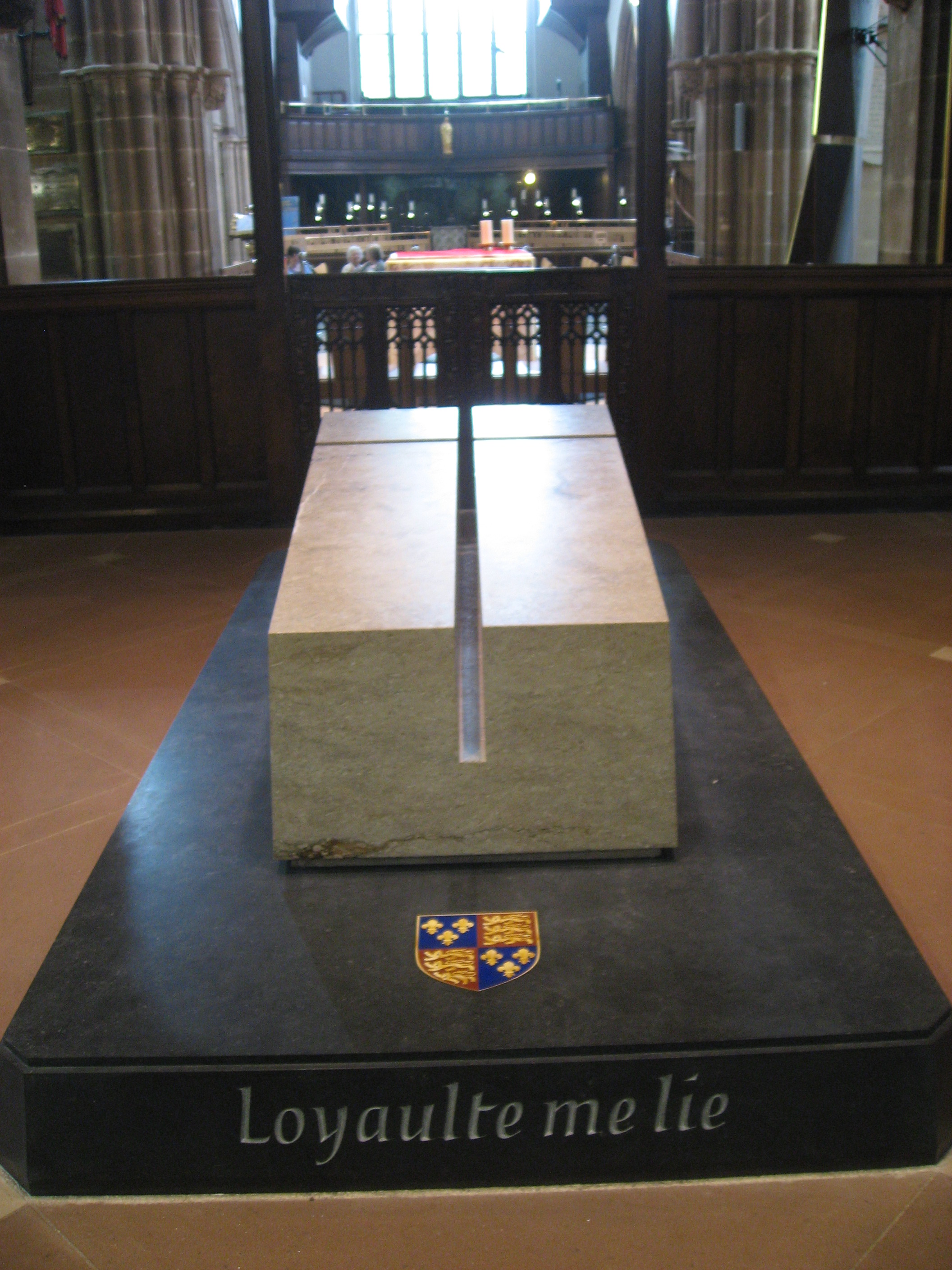
The Tomb in Leicester Cathedral

Earlier this year, when I returned home to England from Japan, I was reminded that I was not that far from the latter by a visit to my local cinema in Market Harborough. https://jeremyjlhill.com/2023/04/02/never-too-far/ .The reverse was also true when I came back to Japan a couple of months ago. The Toho cinema in Hibiya, Tokyo was showing ‘The Lost King’, a dramatization of the discovery, exhumation, identification and re-burial of the bones of King Richard III (1452 – 1485).

Vilified by history (and Shakespeare) as a crookback, usurper and child murderer, King Richard was the last Plantagenet King of England having taken over the throne as Protector of the Realm from his 12-year-old nephew Edward V in 1483. Edward was subsequently believed to be illegitimate and therefore not entitled to rule, so Richard was crowned King. He then imprisoned his nephews Edward, and brother Richard, Duke of York, in the Tower of London, where they were later believed to have been murdered on King Richard’s orders. But Richard’s reign was not to last long as it ended at the Battle of Bosworth on 22 August 1485 at Market Bosworth in Leicestershire. This was the last major battle in the War of the Roses between the Houses of Lancaster (red rose) led by Henry Tudor, and York (white rose) led by King Richard.
According to Shakespeare’s version, Richard lost his horse, his kingdom, and his life at the battle. He certainly was killed and Henry Tudor was declared King Henry VII thus starting the Tudor dynasty.

But the fate of Richard’s body remained a mystery. Thrown over a horse, procured for the occasion, it was transported to the nearby city of Leicester and, it was believed, buried in the Greyfriars Priory, although rumours were that it was then taken and dumped, unceremoniously, into the River Soar.

As the Priory itself was demolished in 1530, there had never been an opportunity to discover the truth behind this historical mystery.

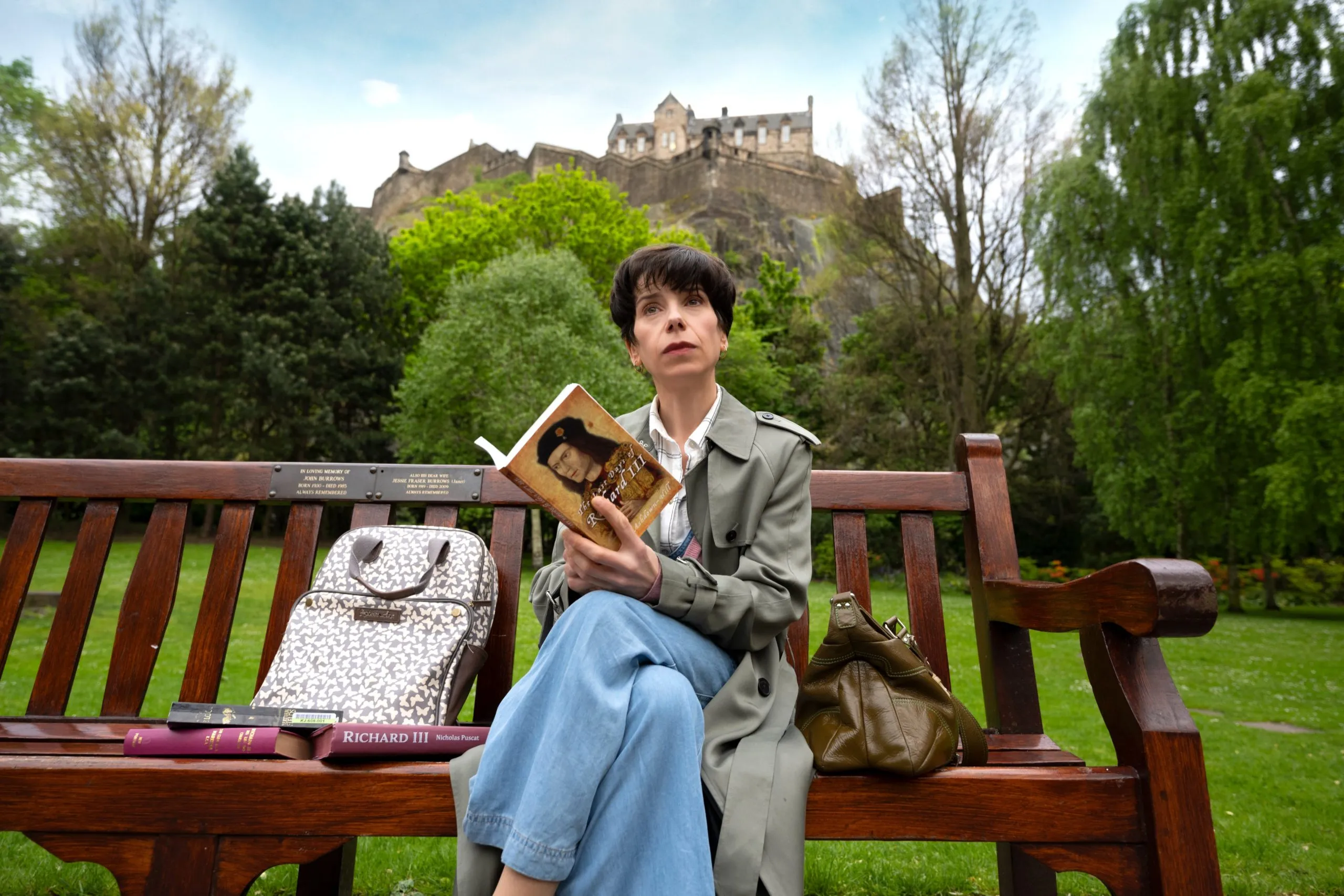
Step up Philippa Langley, self -styled “housewife and amateur historian from Edinburgh” portrayed in the film by Sally Hawkins. After watching a performance of Shakespeare’s play with her teenage son, she became fascinated with the story, and took it upon herself to try to discover Richard’s remains.
Armed with John Ashdown-Hill’s book ‘The Last Days of Richard III’ which explains how he had been able to trace the only known living ancestor of the late king, Langley made various visits to the city. This was a much longer and more expensive trip for her from Scotland than it is for me as I am just a 45-minute bus ride away (free if I go after 9.00am!) from my home in the south of the county, which I had last done 10 days previously on the morning of my departure from England for Tokyo. Filmed scenes of Leicester made it seem that much closer to me in Japan. With intuition and even visions, dramatized in the film by the appearance of Richard on a white horse leading her to the council car park built over what was believed to be the site of Grey Friars priory, Langley became convinced that she had found the exact spot where her hero was interred. Despite disputes over funding which was initially provided by the University of Leicester but later withdrawn, and later supplied by the Richard III Society, she pushed on down. The excavators moved in and a skeleton was unearthed right where Philippa Langley said it would be.   

An initial visual of a male with curvature of the spine from the scoliosis, which had earned him the unfortunate nickname, and a dramatic (fatal) injury to the skull provided the team with enough historical evidence that they had found their man. DNA testing, again explored in detail in Ashdown-Hill’s book, went ahead and science proved the history to be correct.

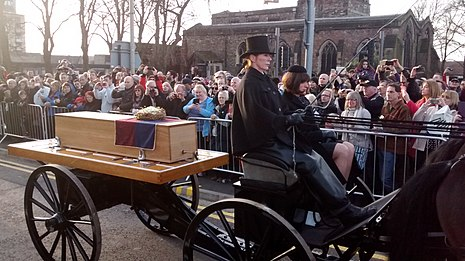
The late King Richard III could now be exhumed and re-interred in a manner befitting a former monarch of the realm. On 26 March 2015, nearly 530 years after his death, in a ceremony televised around the world he was finally laid to rest in Leicester Cathedral.

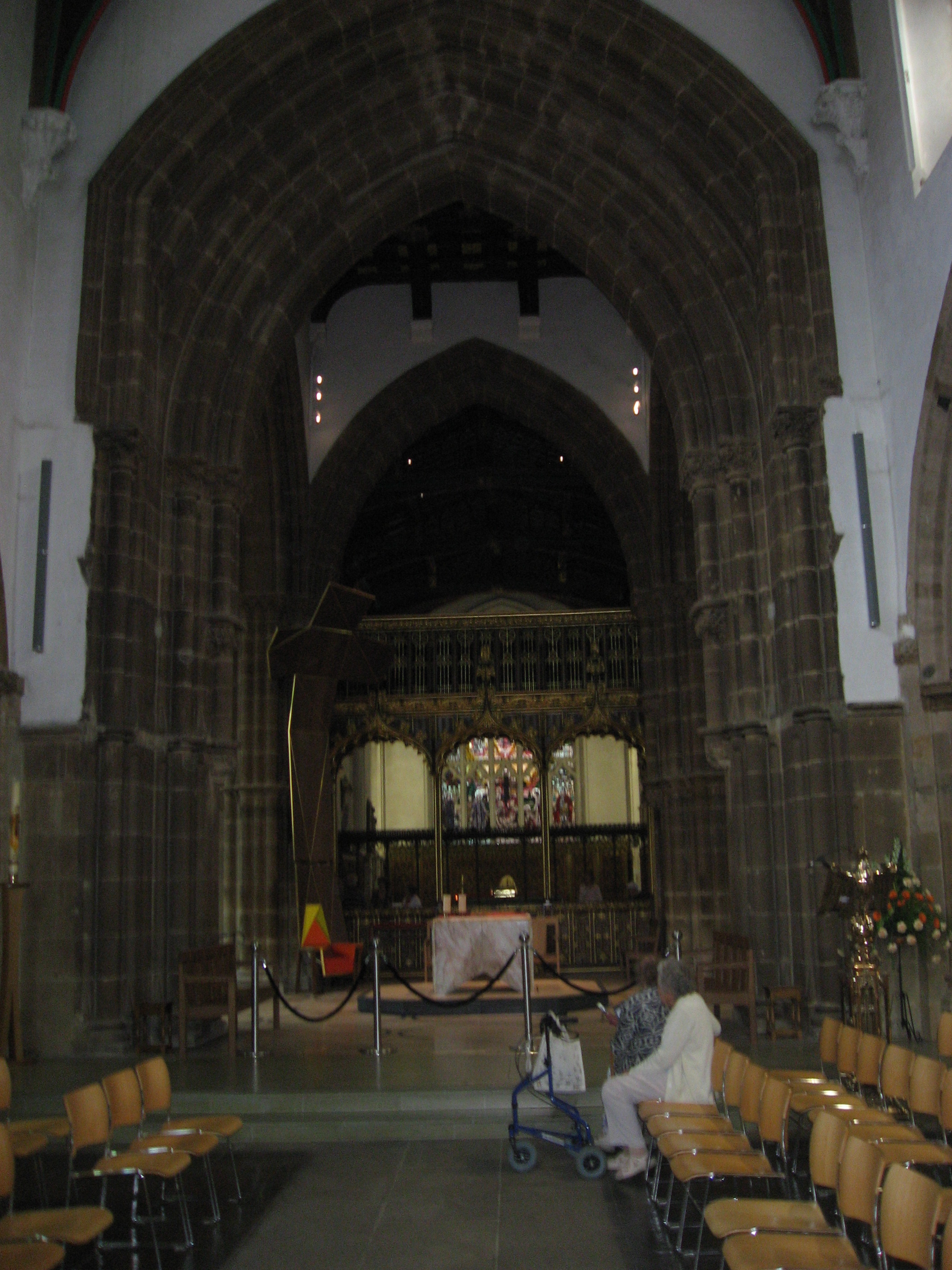
But not at peace, as Phillipa Langley, during the funeral, decided that she wanted to put the final piece of the puzzle into place by clearing his name of the murders of his nephews. And, she has claimed, in a book, and a British TV documentary programme, to have done just that. One wonders whether history, science and significant funding will prove her right this time around. Watch this space!  I shall certainly call into the cathedral and neighbouring information centre to pay my respects and ponder on the past when I’m next in Leicester.

The final words though from John Ashdown-Hill:

“Richard III remains one of the most controversial figures in British history. Some contemporary writers certainly characterised him as a good king”.

I leave it to you to decide.

.

Meanwhile, back in Tokyo, excavations are also taking place in the former grounds of the British Embassy where I worked from 1979-1981 and again in 2007-2011 and the start and conclusion of my diplomatic career.

British Embassy, Tokyo in all its former glory.

Construction workers redeveloping the site for commercial purposes have uncovered the remains of 28 ‘pit dwellings’ from the Yayoi period (between 9th century BC and 3rd century AD). Due to time and financial constraints, preservation of the remains will not be possible and the site will be backfilled.   Regrettable, but as Ms Langley has shown, to find what was once lost it is sometimes necessary to dig deep into pockets to be able to dig deep into history.

Lock Down

Coming up to four years ago, the phrase ‘lockdown’ developed serious undertones of not being able to go outside without wearing a facemask; being restricted as to the number of people with whom one could meet; curtailing travel and certainly having to adopt a lifestyle most of us born in the post-World War years would never have dreamt of. But today fortunately, with some exceptions, that is now behind us and we can once again enjoy what our ancestors have built for us.

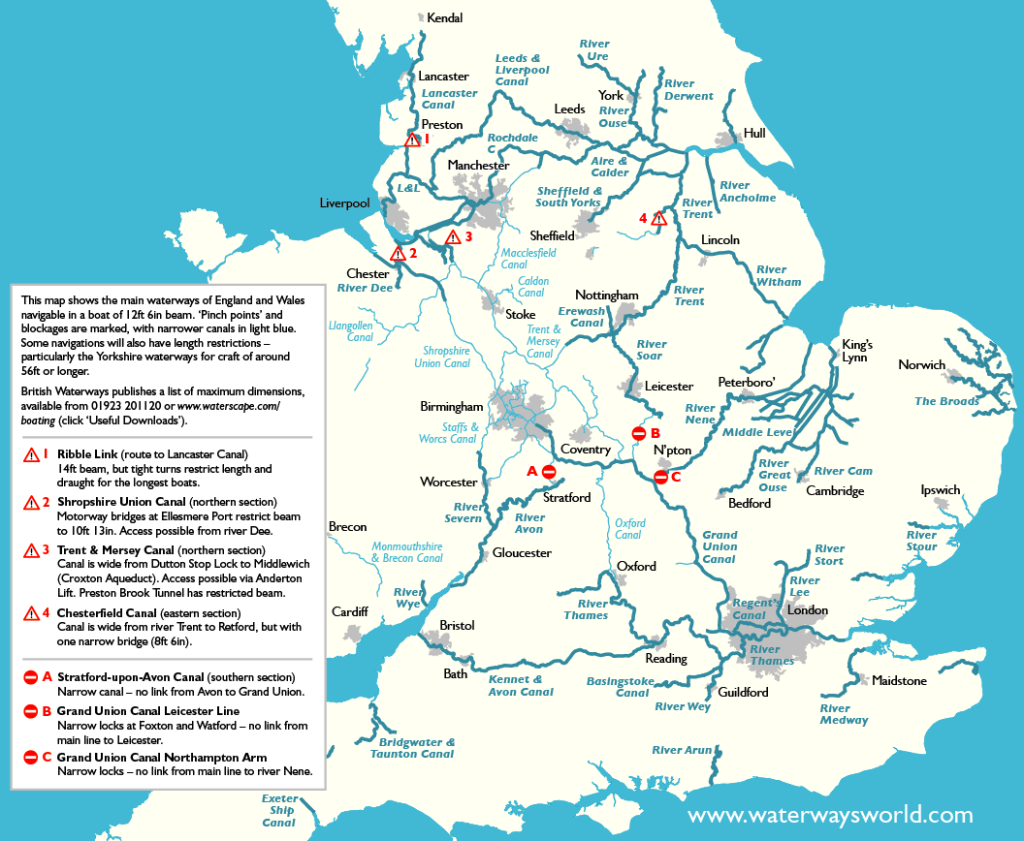
We have much to be proud of in the UK – and some to be ashamed of, but I won’t go into that now- but being the first country to develop a nationwide canal network, must be one of our finest achievements. At its most extensive, this stretched to 4,000 miles or 6,000kms from the beginnings in the 16th and 17th centuries when work began to canalise our waterway network to improve local and nationwide transportation systems. Work started in earnest during the industrial revolution. Whereas previously a horse and cart could carry around one or two tons of cargo on the deteriorating roads a horse drawn canal barge could carry up to 25 times that amount and the period from 1770 to 1830 was sometimes known as the Golden Age of canals with barges being used to transport raw materials and finished goods around the country more efficiently.

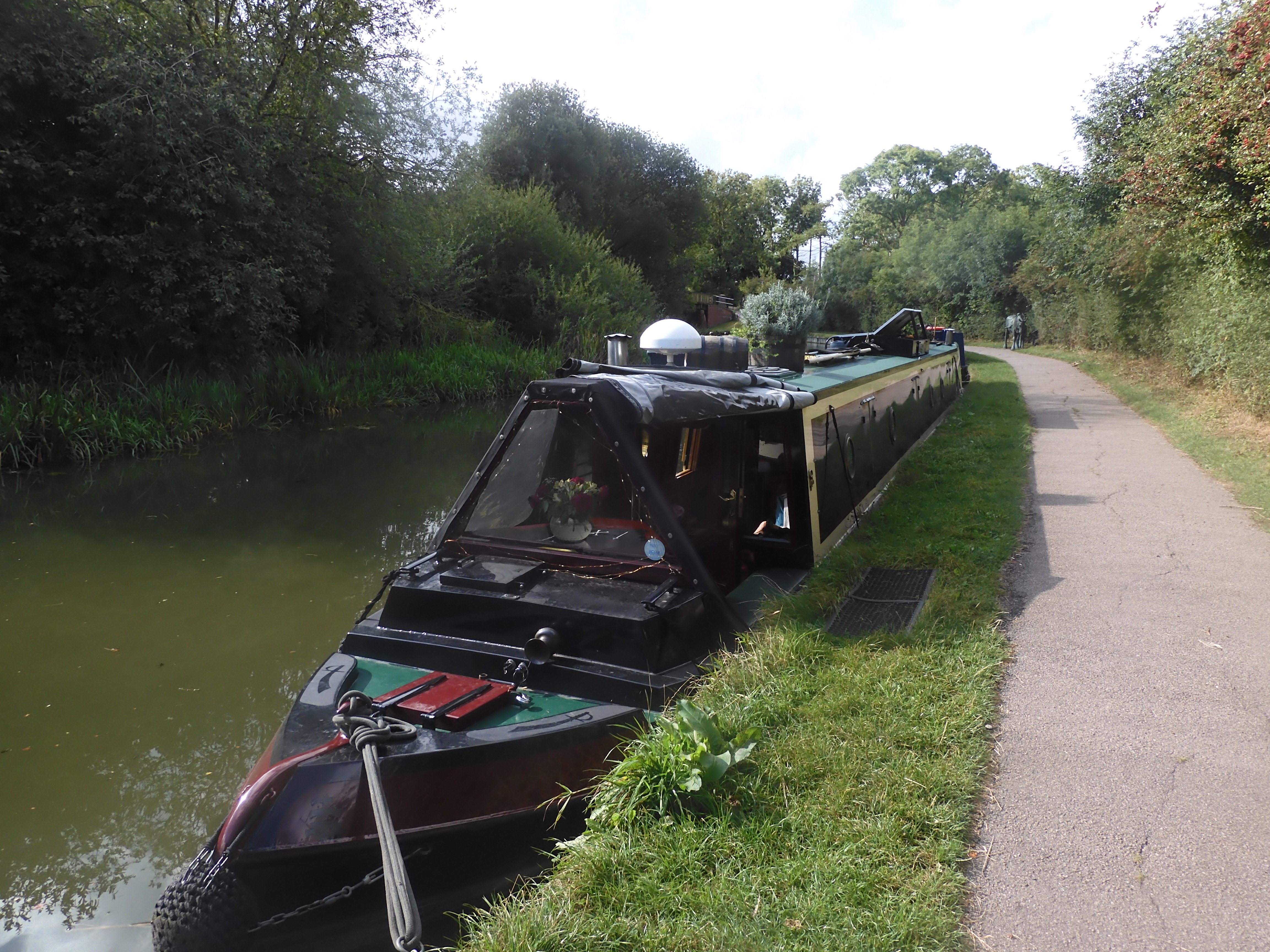
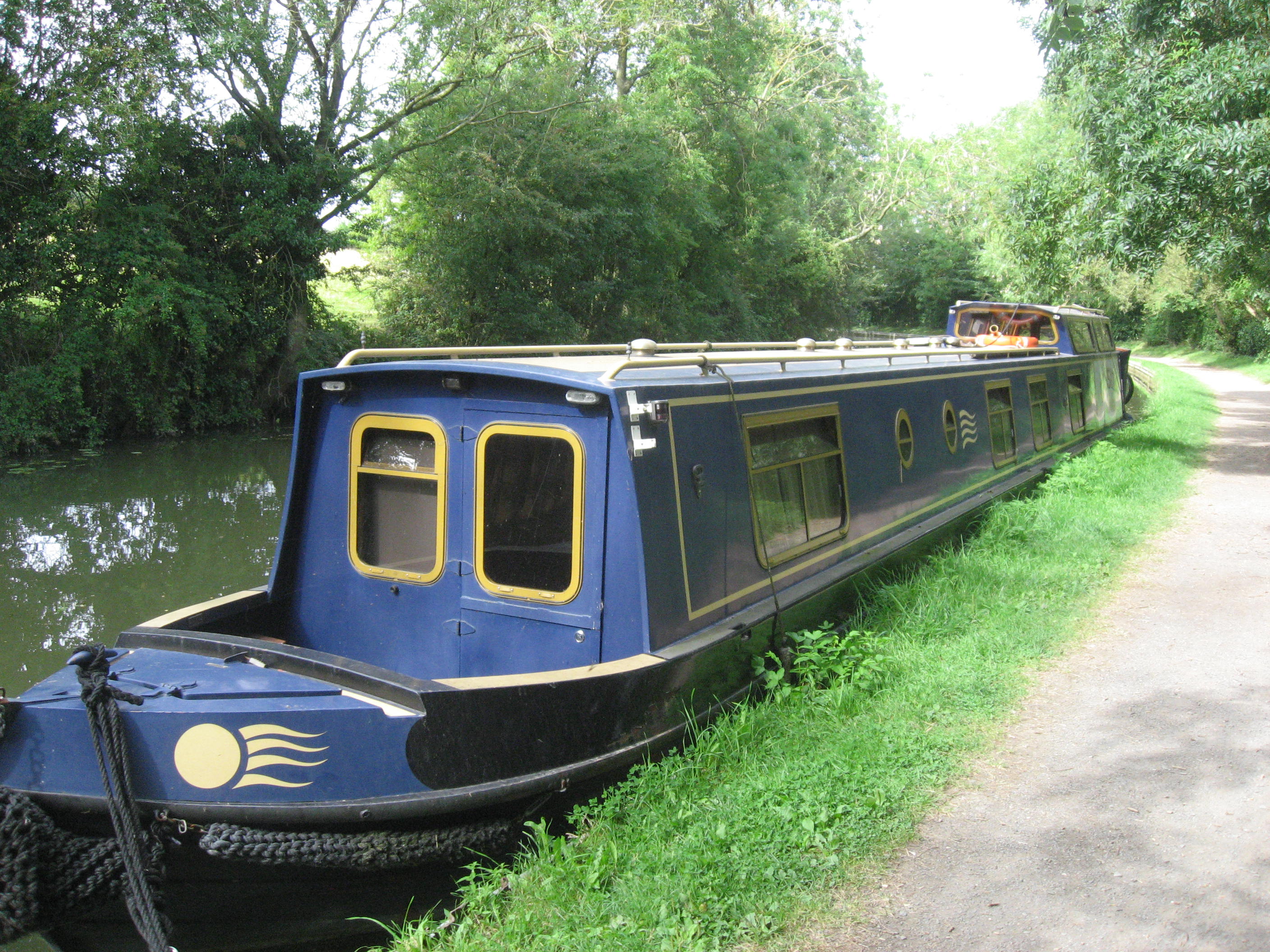
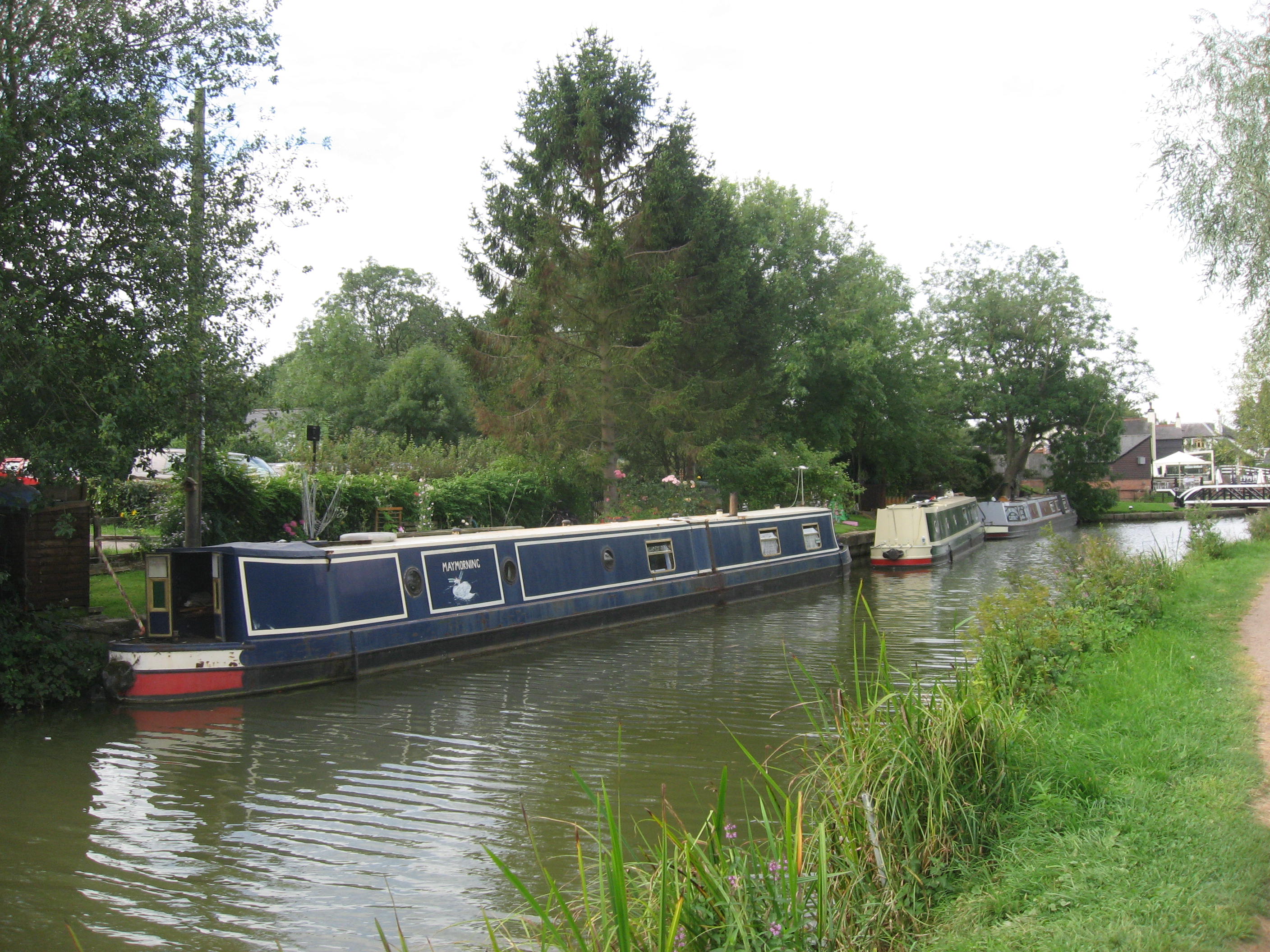
But, we know what happens – progress! And that gave way to a faster and more sophisticated rail network and heavy- duty road haulage especially in the 20th century. Fortunately, although some of the canals, most of which were built by manual labour alone, fell into disuse and disrepair, the end of the second world war saw a revival. The formation of the Inland Waterways Association by LTC Rolt and Robert Aickman revived interest in their use for leisure purposes and the restoration of some of the canals by a group of volunteers. Before too long, hiring or buying a narrowboat for a holiday in the slow lane became a very popular holiday activity as a way of exploring the countryside or even as a permanent way of life for some whom wished to opt out of the rat race.

And in recent years, it has been seen as some as the perfect form of social distancing where, with the help of technology, it is possible to work ‘remotely’ from home for some people running a business from their boats or as an ideal retreat also for artists and writers seeking creative inspiration away from daily distractions.

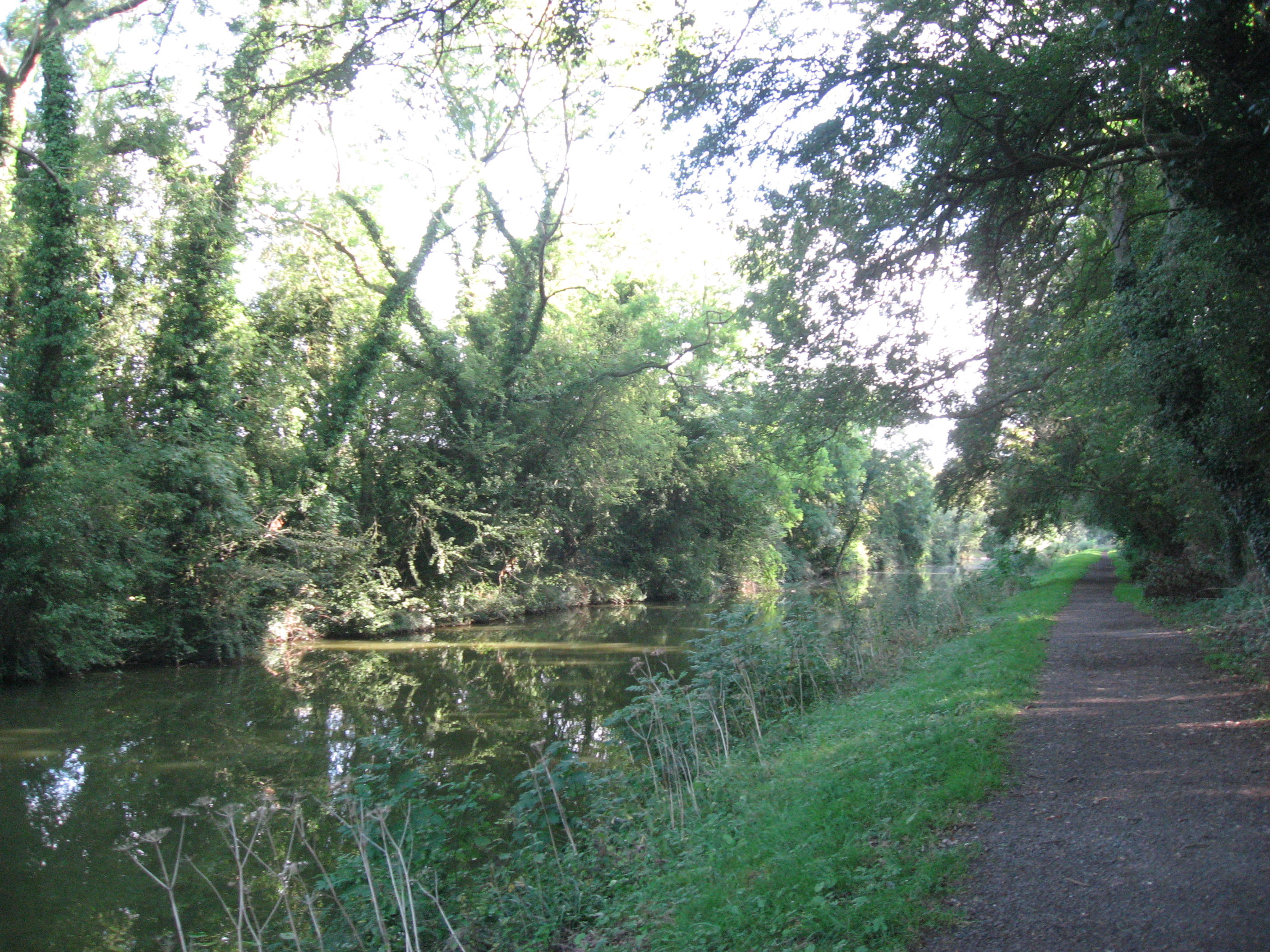
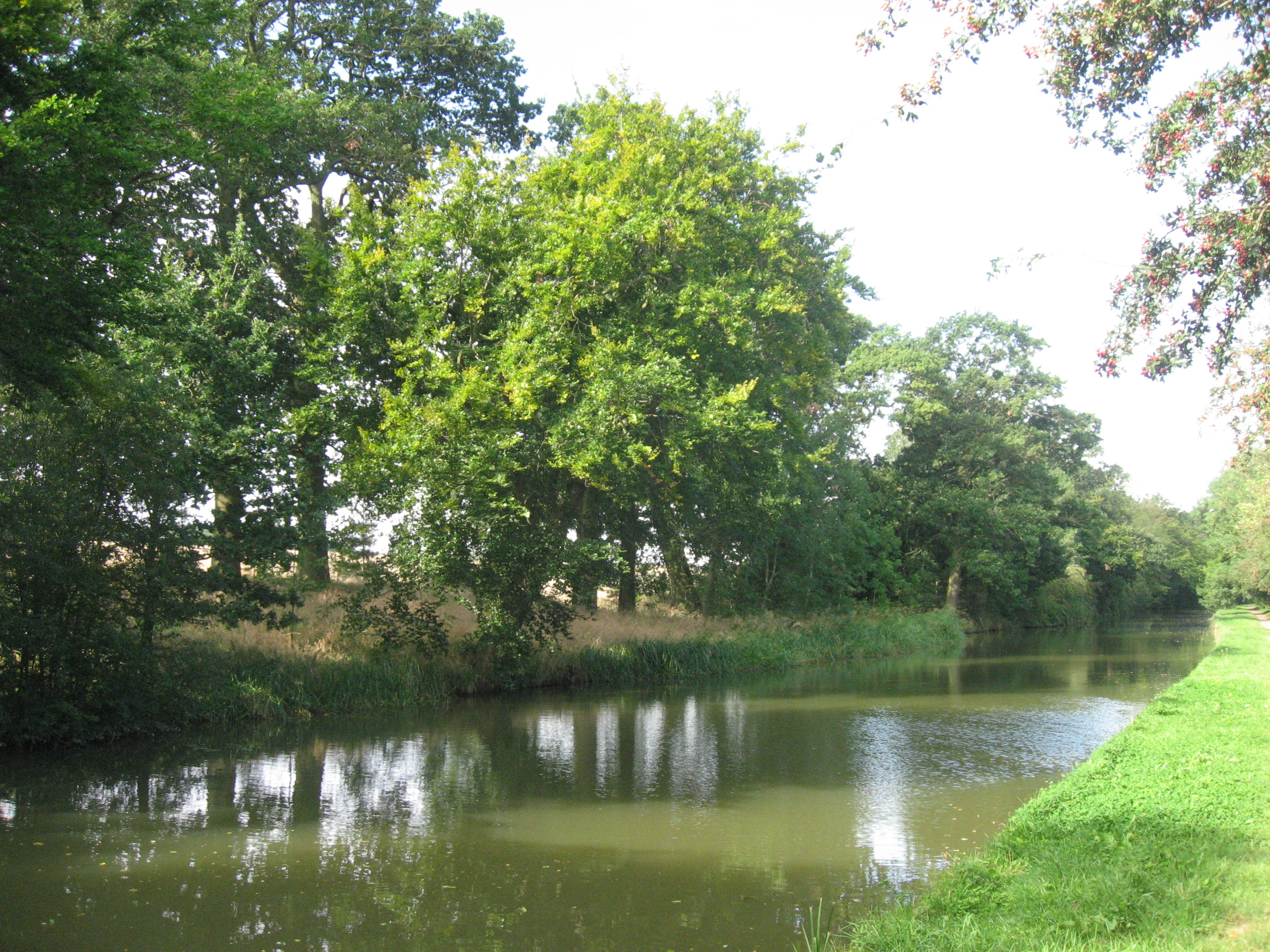
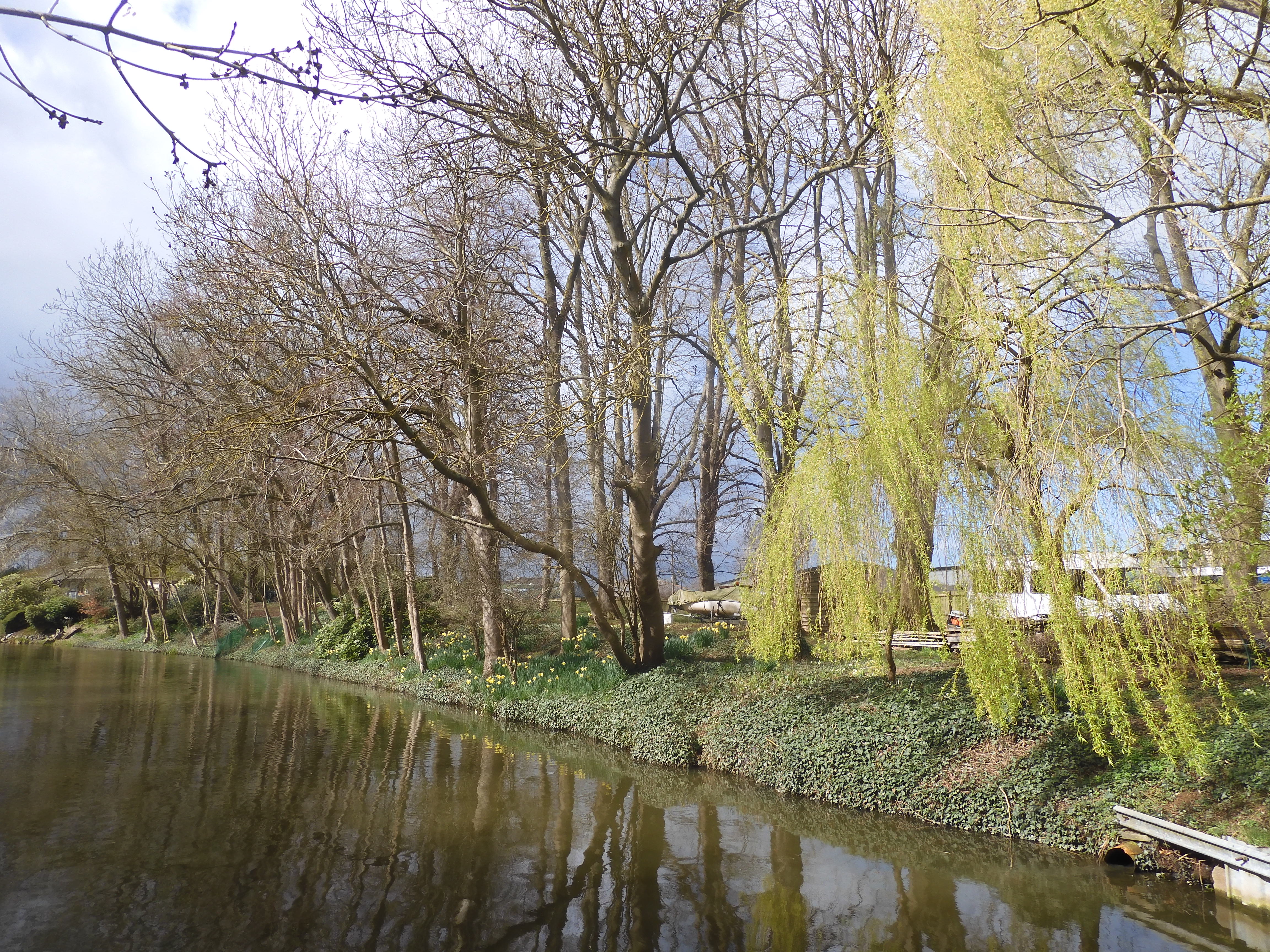
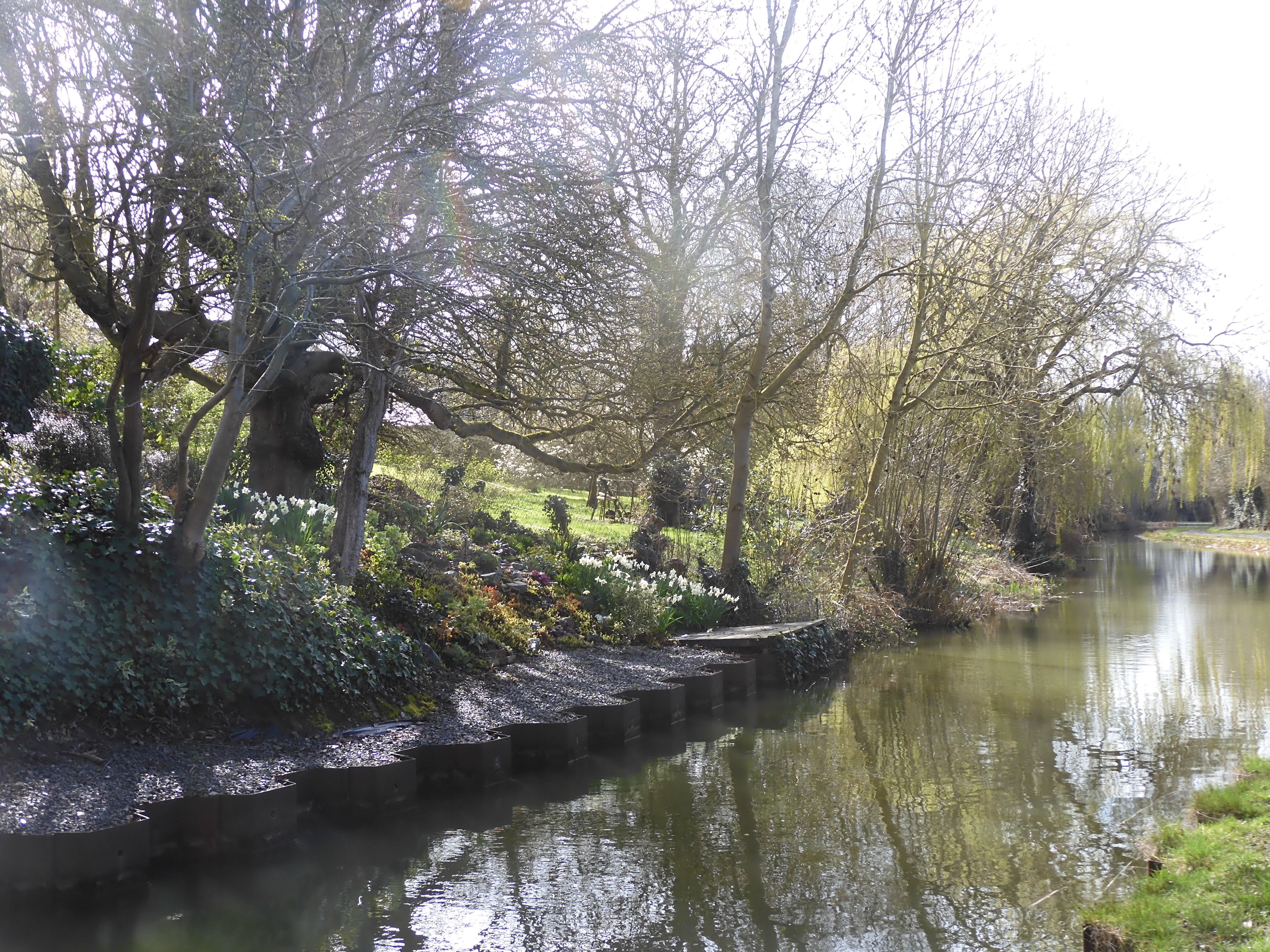
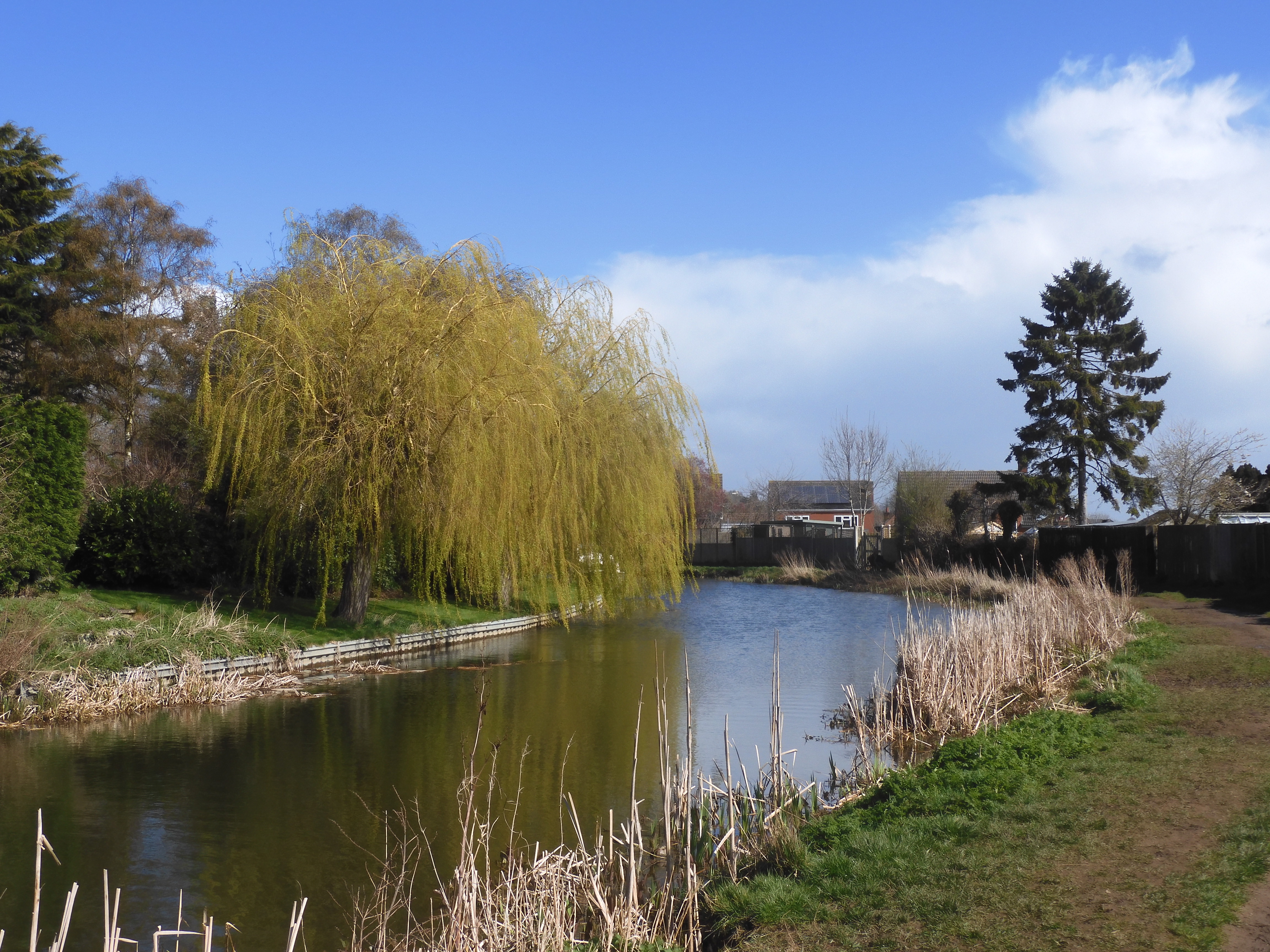
But, for those of us who have not yet taken to the waterways in order to write our first book, it is still possible to observe and enjoy all that the canals have to offer from walks along the footpaths along which the horses used to tow the boats (ie towpaths) to the nature of the surrounding countryside.

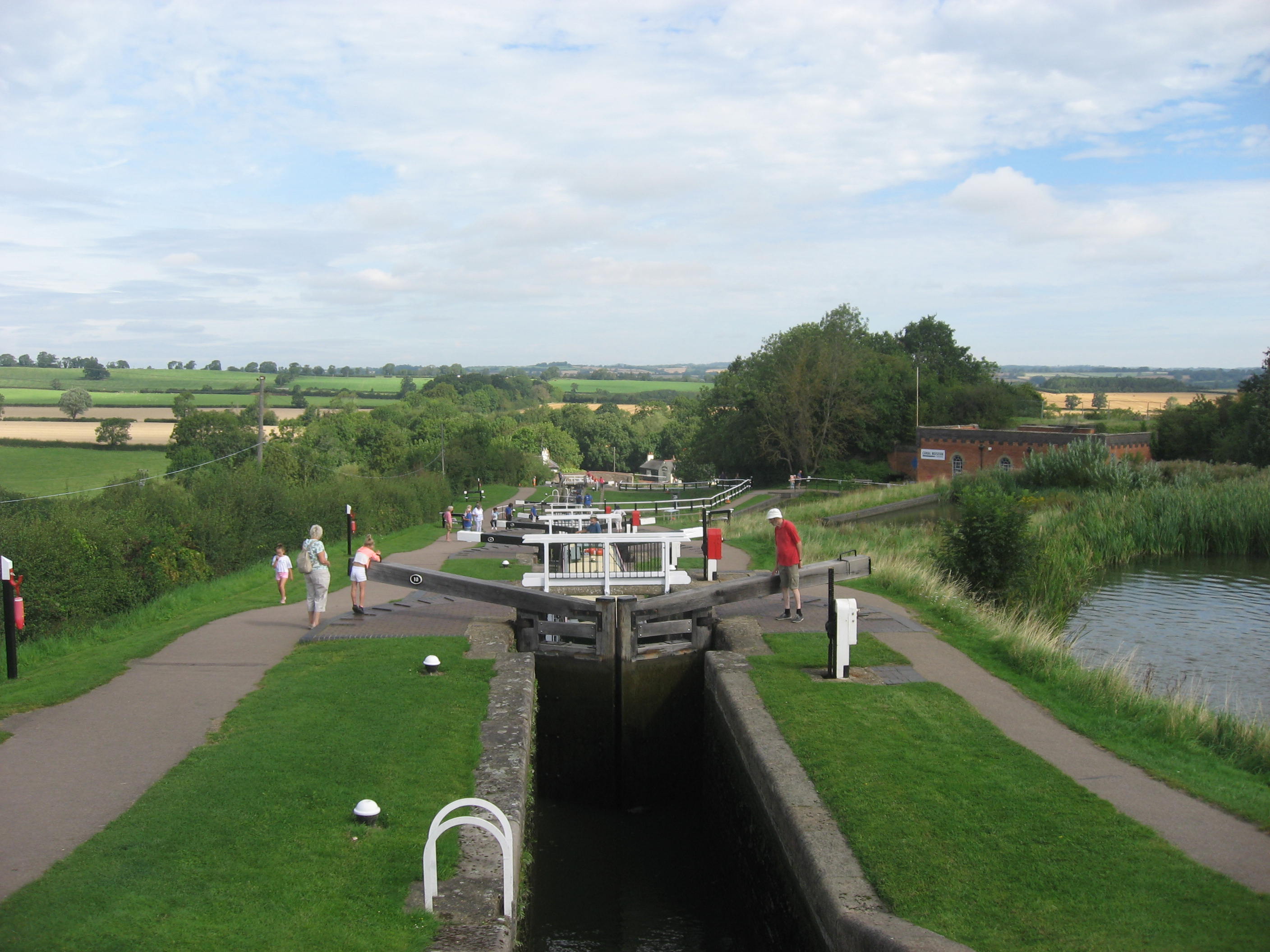
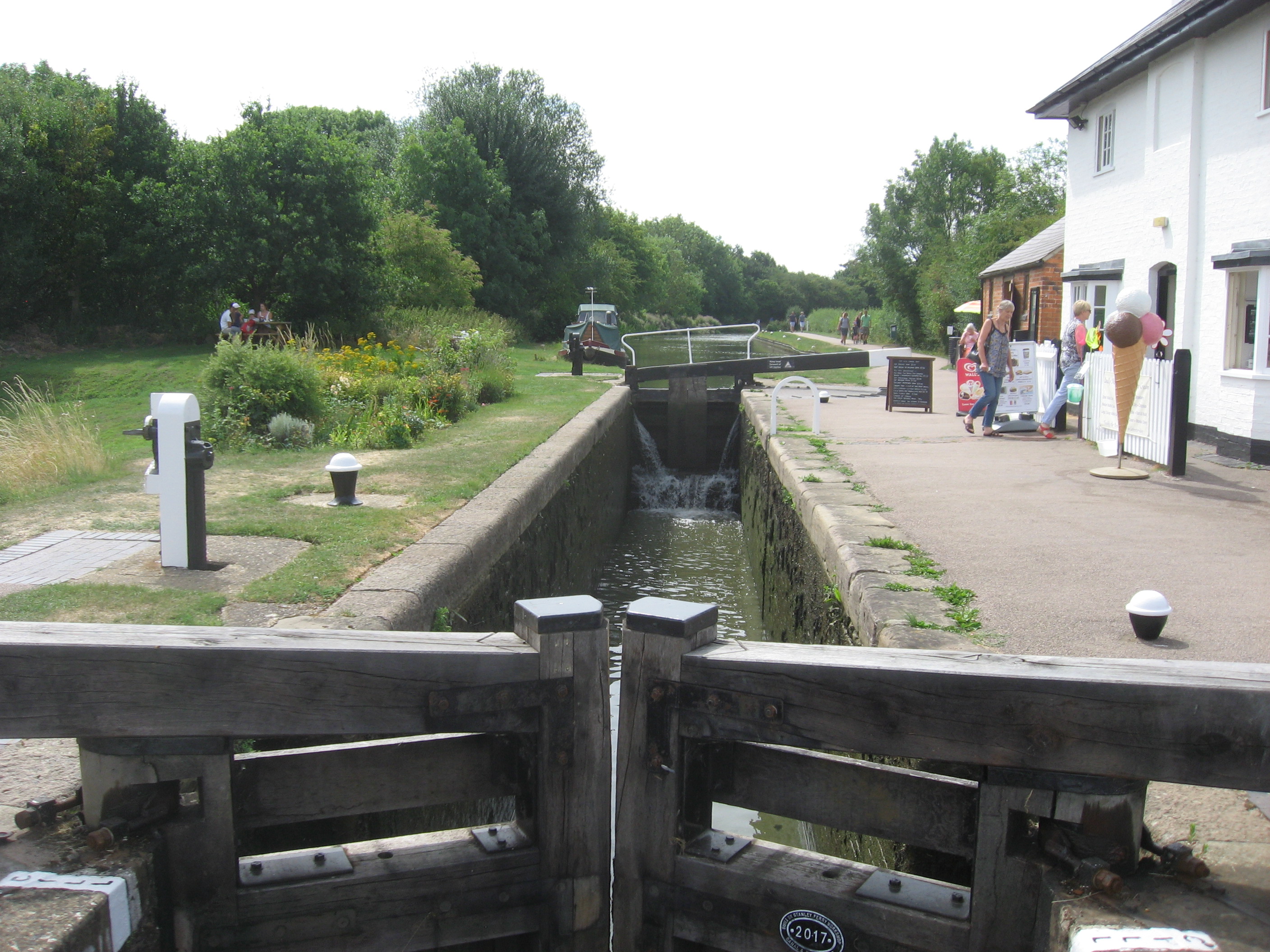
Another engineering feat was to design a way of moving down or uphill in the waterways which were built to correspond to the elevations of the surrounding environment. Locks were the answer where the boat entered a fixed chamber in which the water levels were raised or lowered through a system of opening and closing underwater ‘paddles’ and allowing the boats to proceed.

I am fortunate that my UK home base in the East Midlands is close to the Grand Union Canal, which stretches 147 miles (235km) from Paddington in West London to Gas Street in Birmingham passing through Northamptonshire and Leicestershire including an ‘arm’ into Market Harborough.

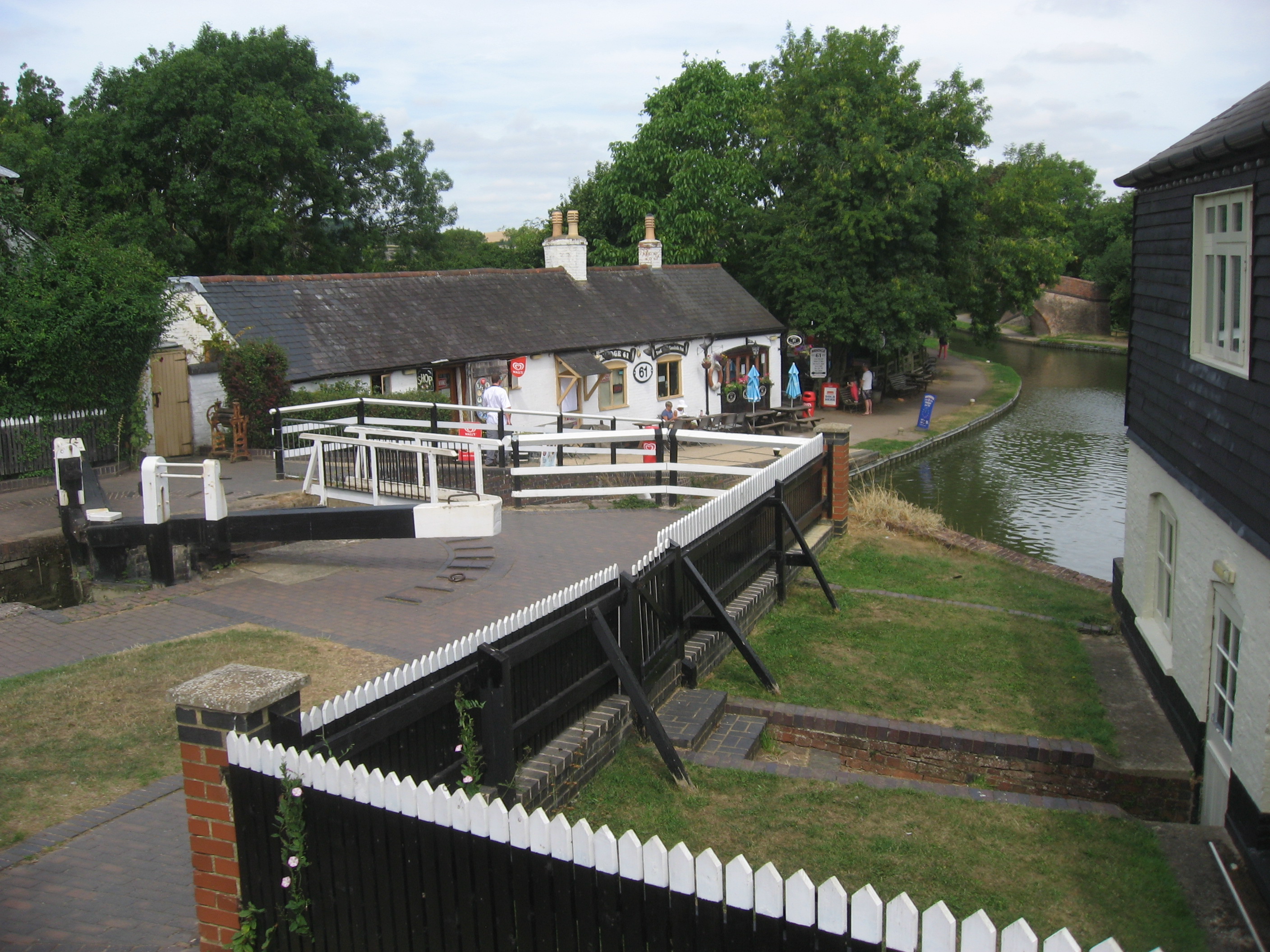
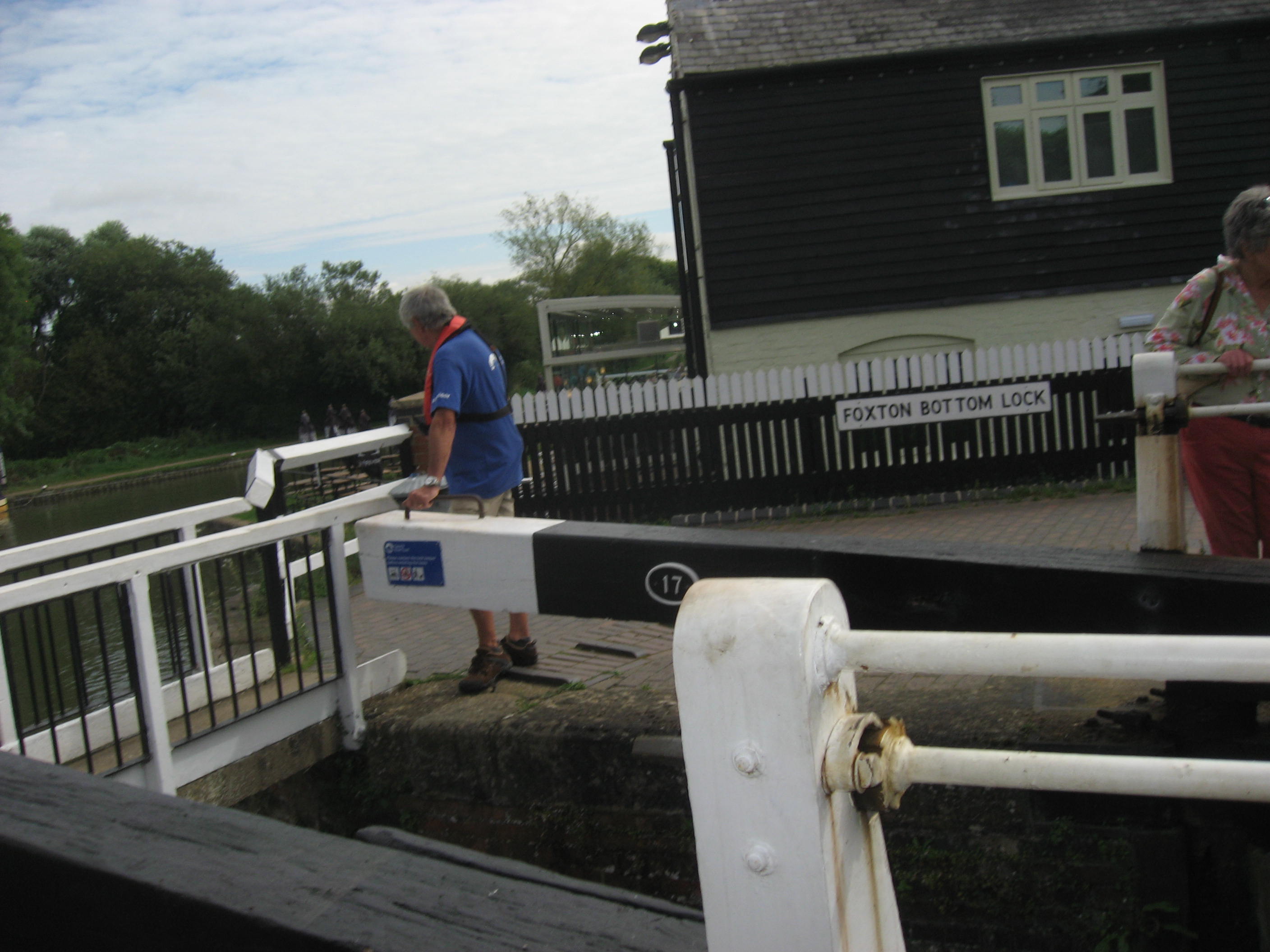
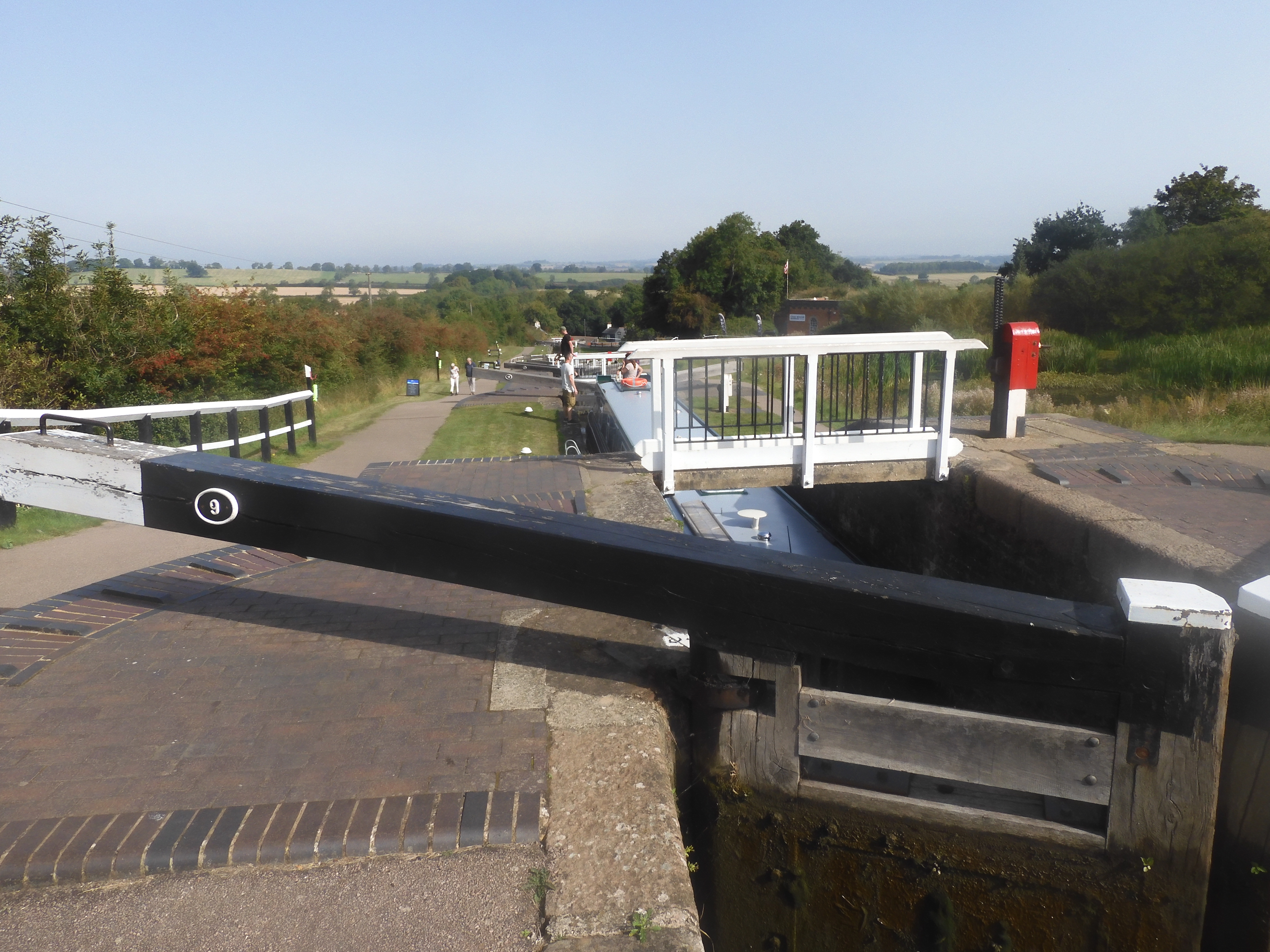
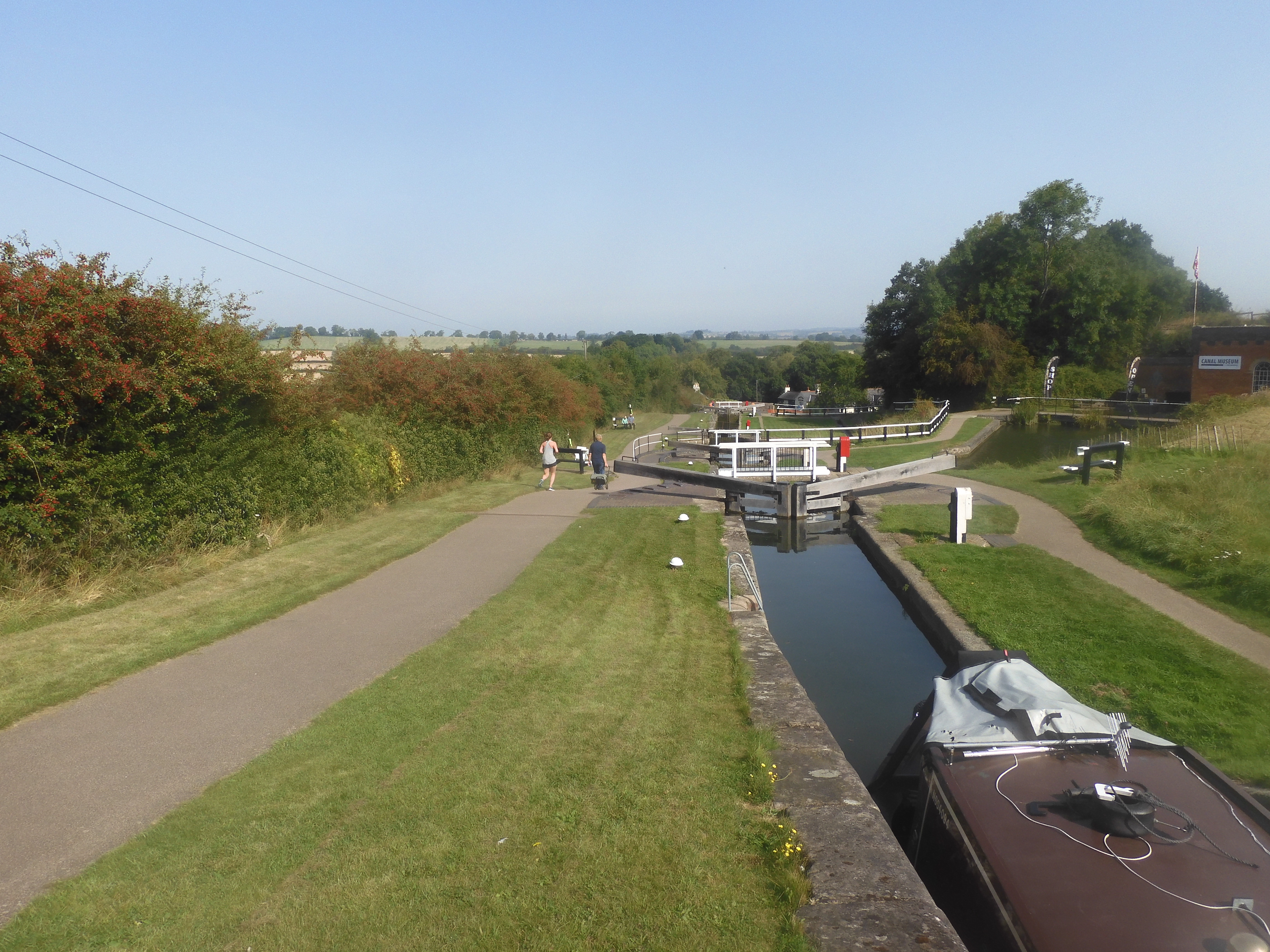
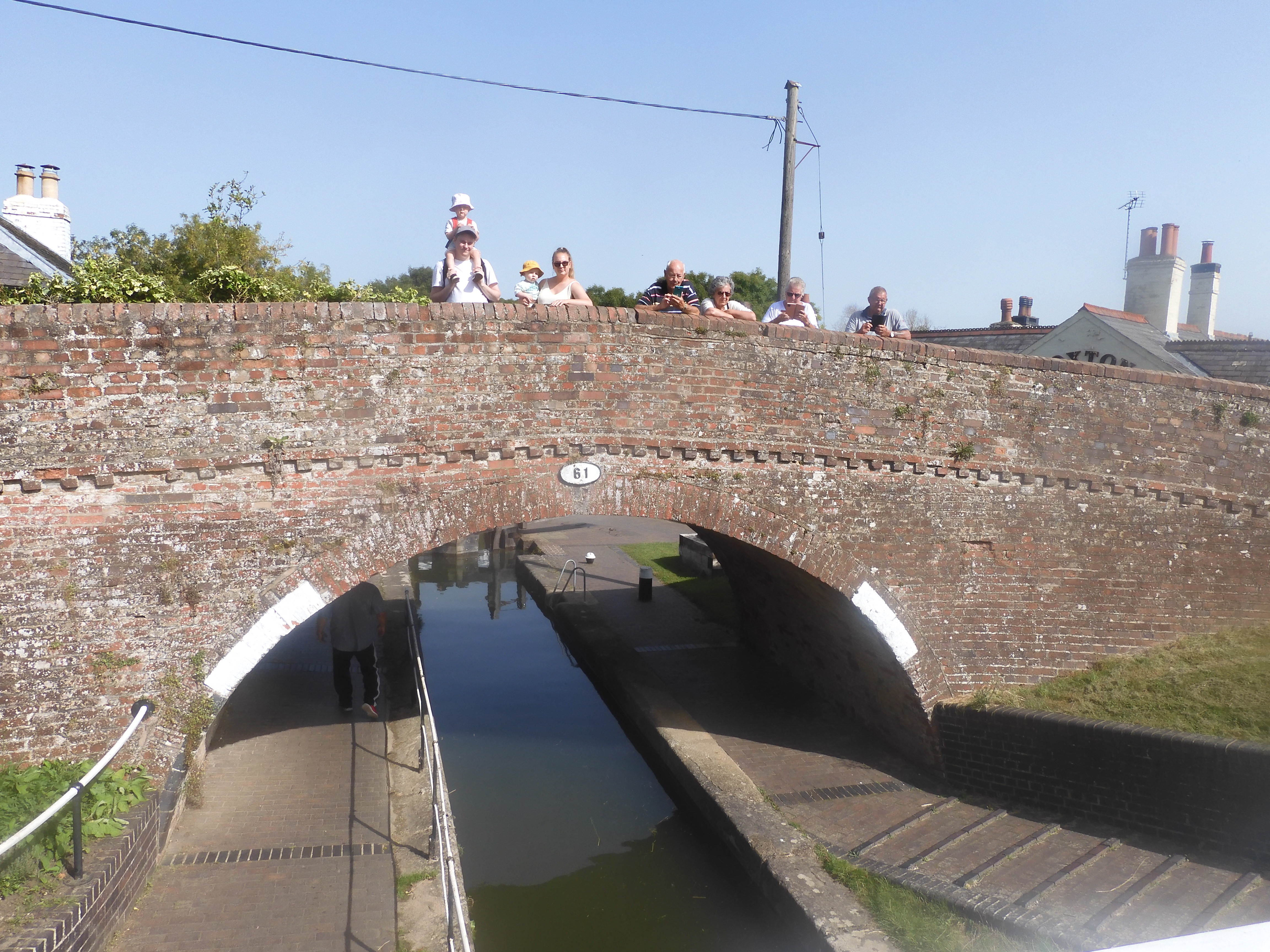
A popular tourist attraction is Foxton Locks with its flight of 10 locks from the ‘Top Lock’ where there’s also a cafe serving light refreshments to the Bridge 61 pub and Foxton locks Inn at the bottom with a wider range of food and drinks. Much needed by the boaters for whom it can take from 45-60 minutes to navigate the whole flight.

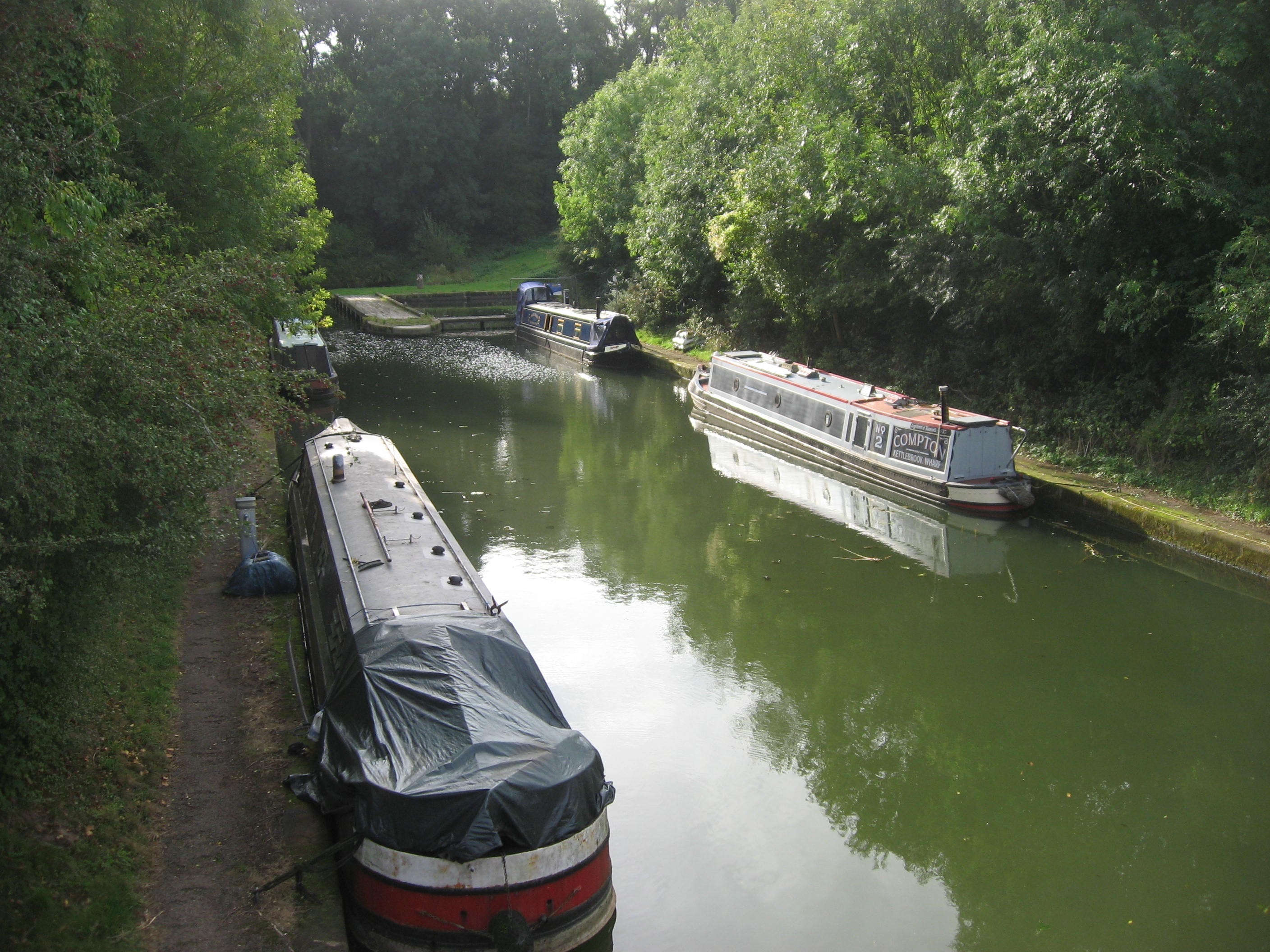
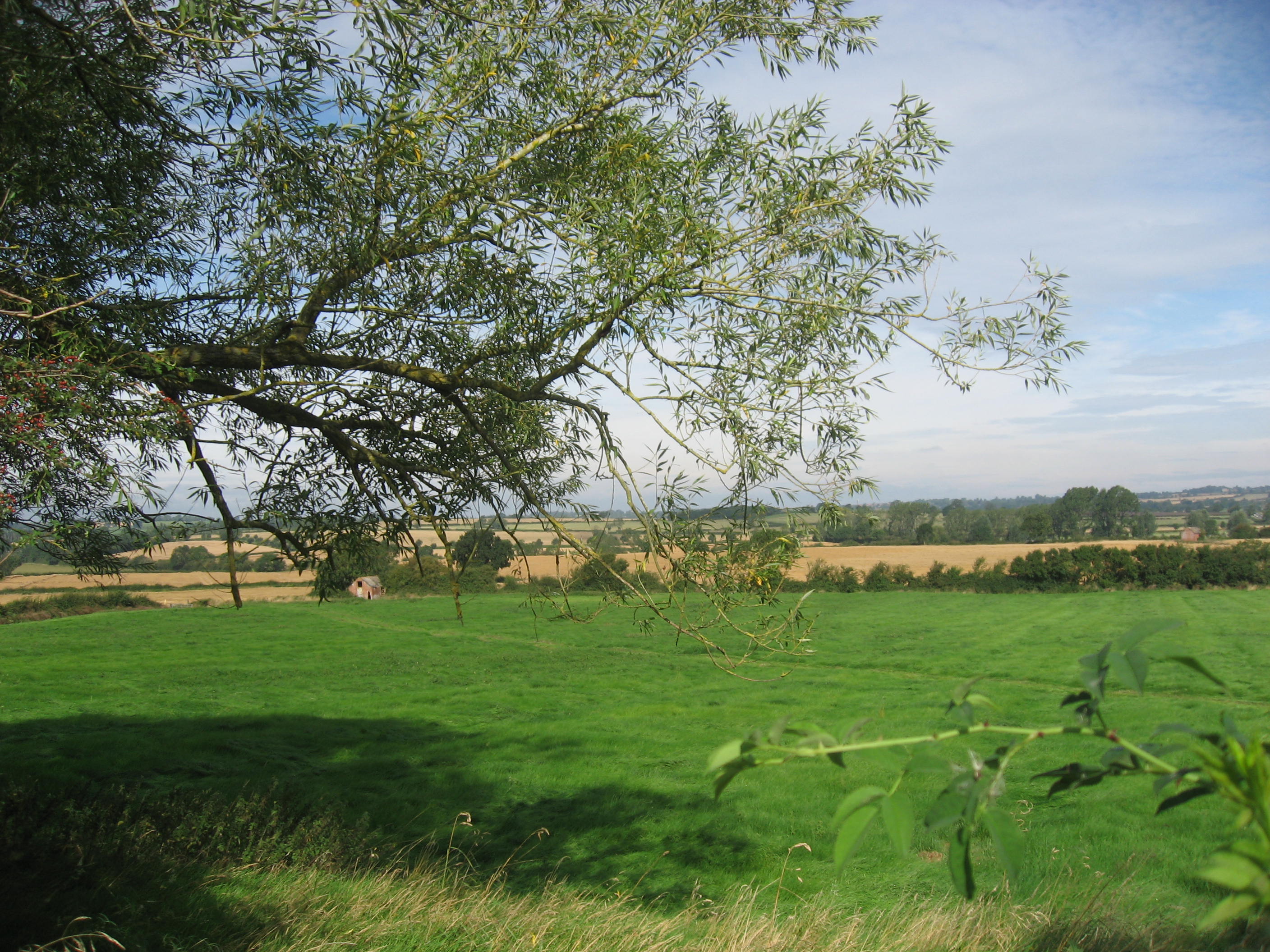
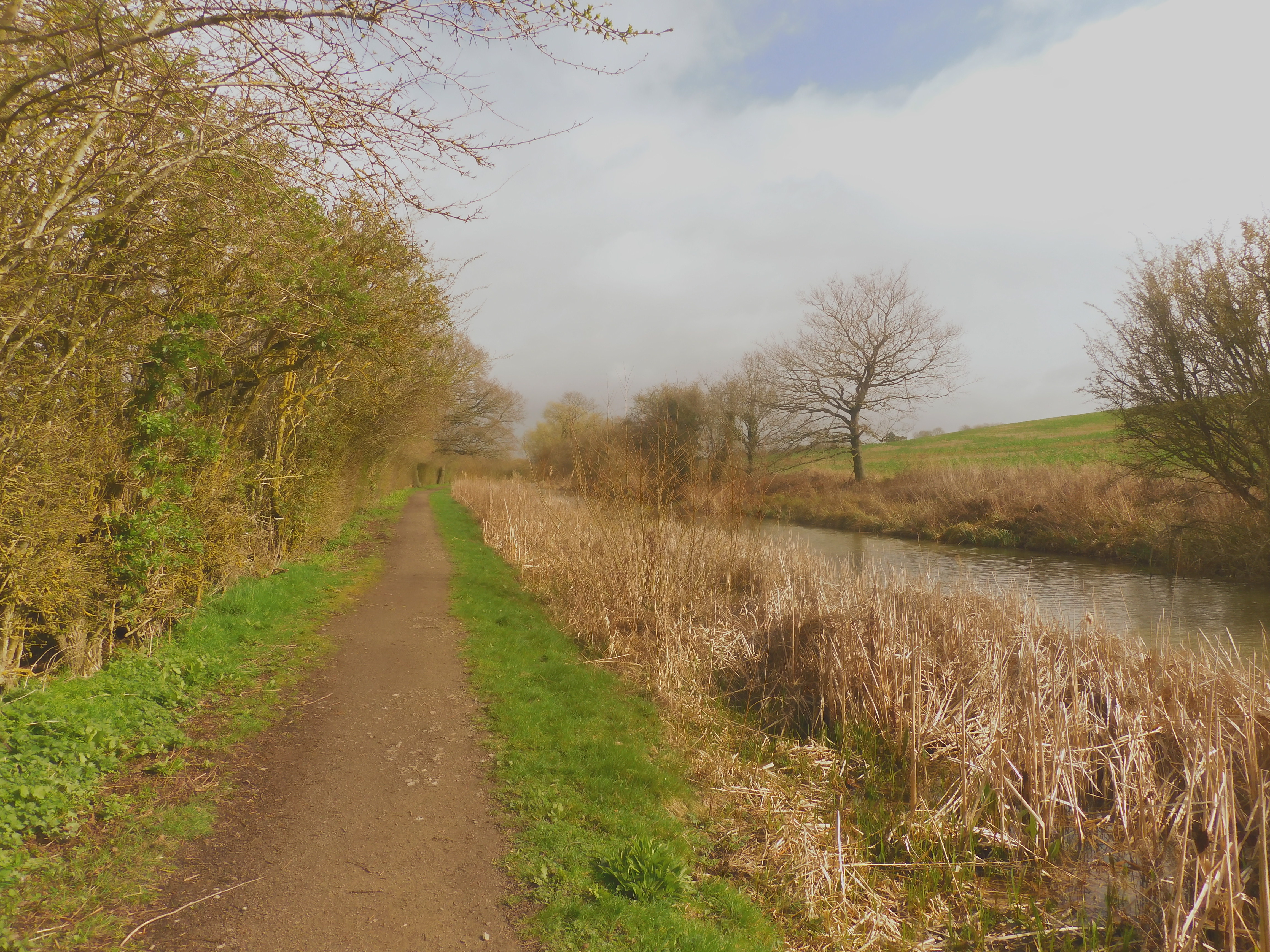
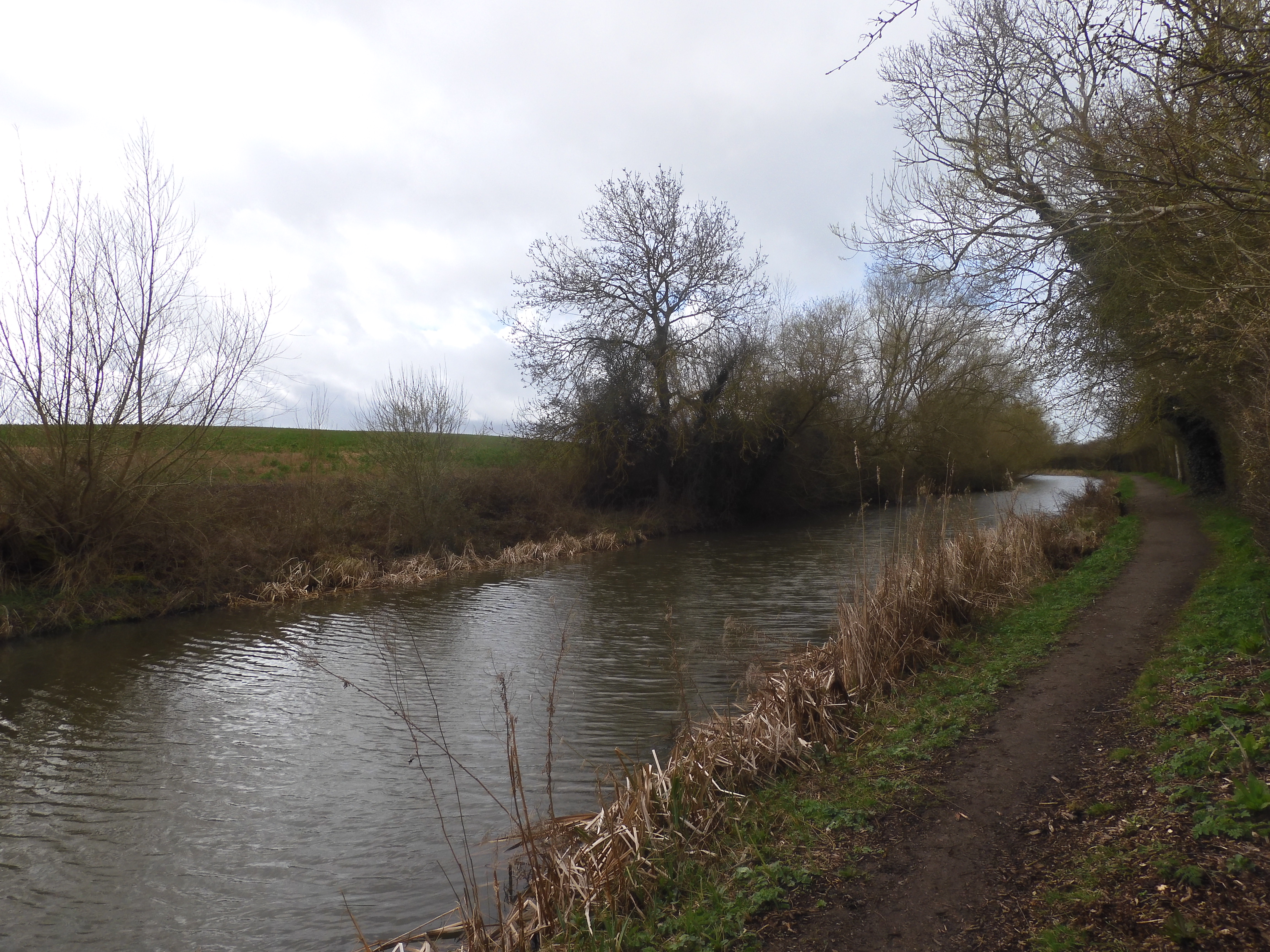
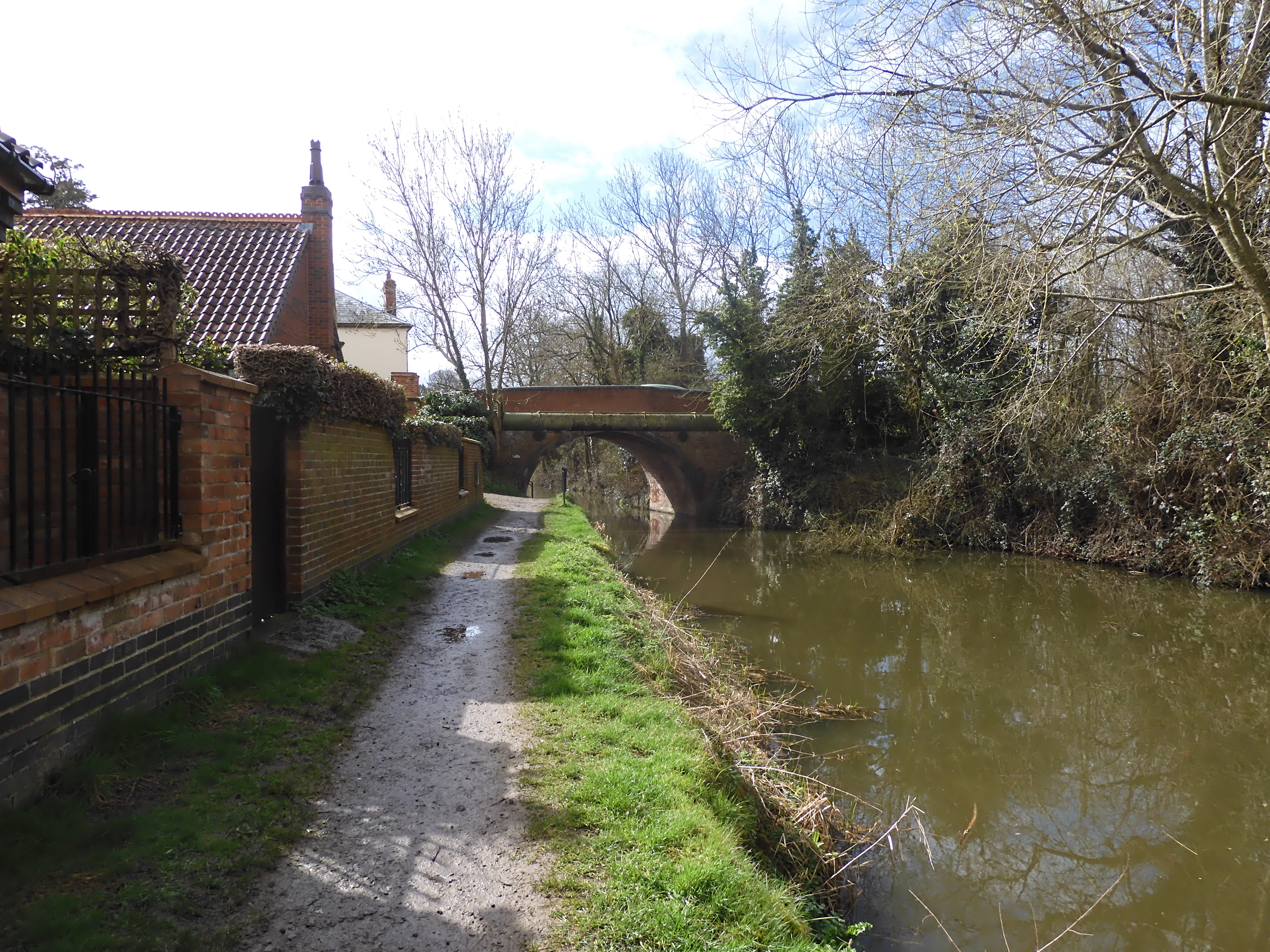
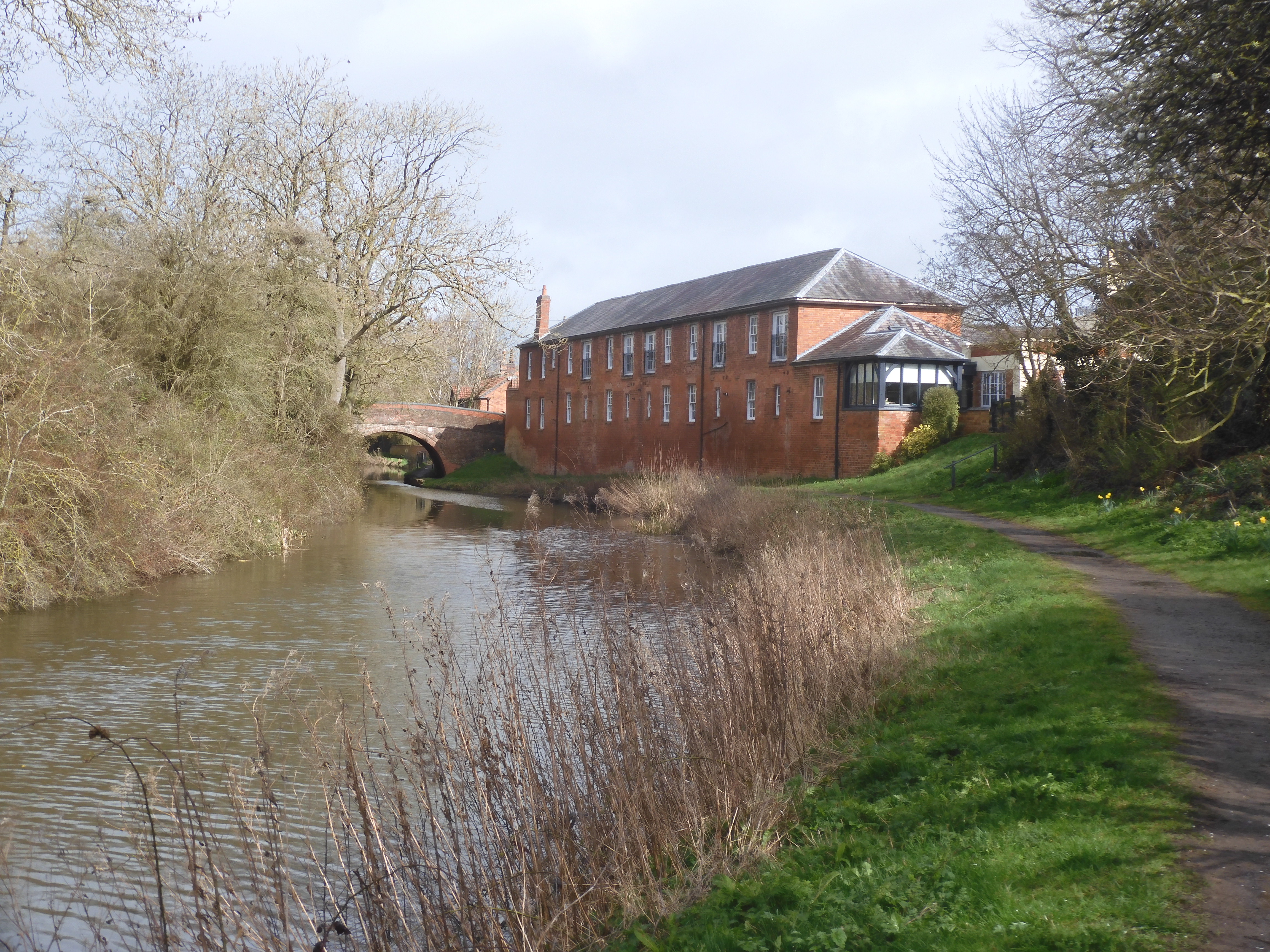
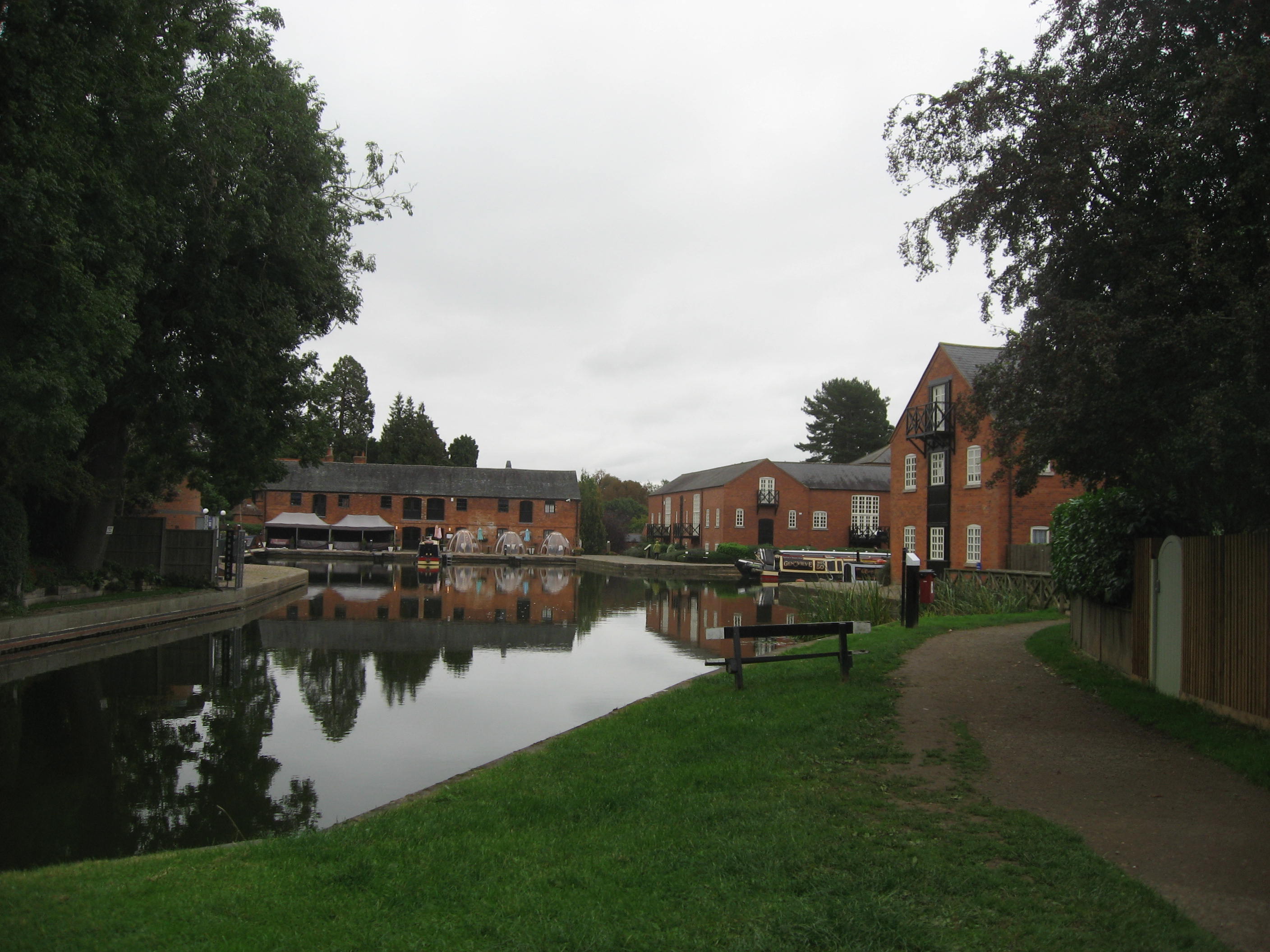
It’s only a 10 minute bus ride from Harborough to Foxton, but the winding route of the canal travels through 6 miles (10km) of the Leicestershire countryside making for a very pleasant stroll which I often do starting with a ‘bacon butty’ at the Top Lock and finishing at the Waterfront Restaurant at the Union Wharf in Market Harborough.

The Union Wharf in Market Harborough – nearly home!

While it can usually be a solitary walk there’s sometimes plenty of company along the way.

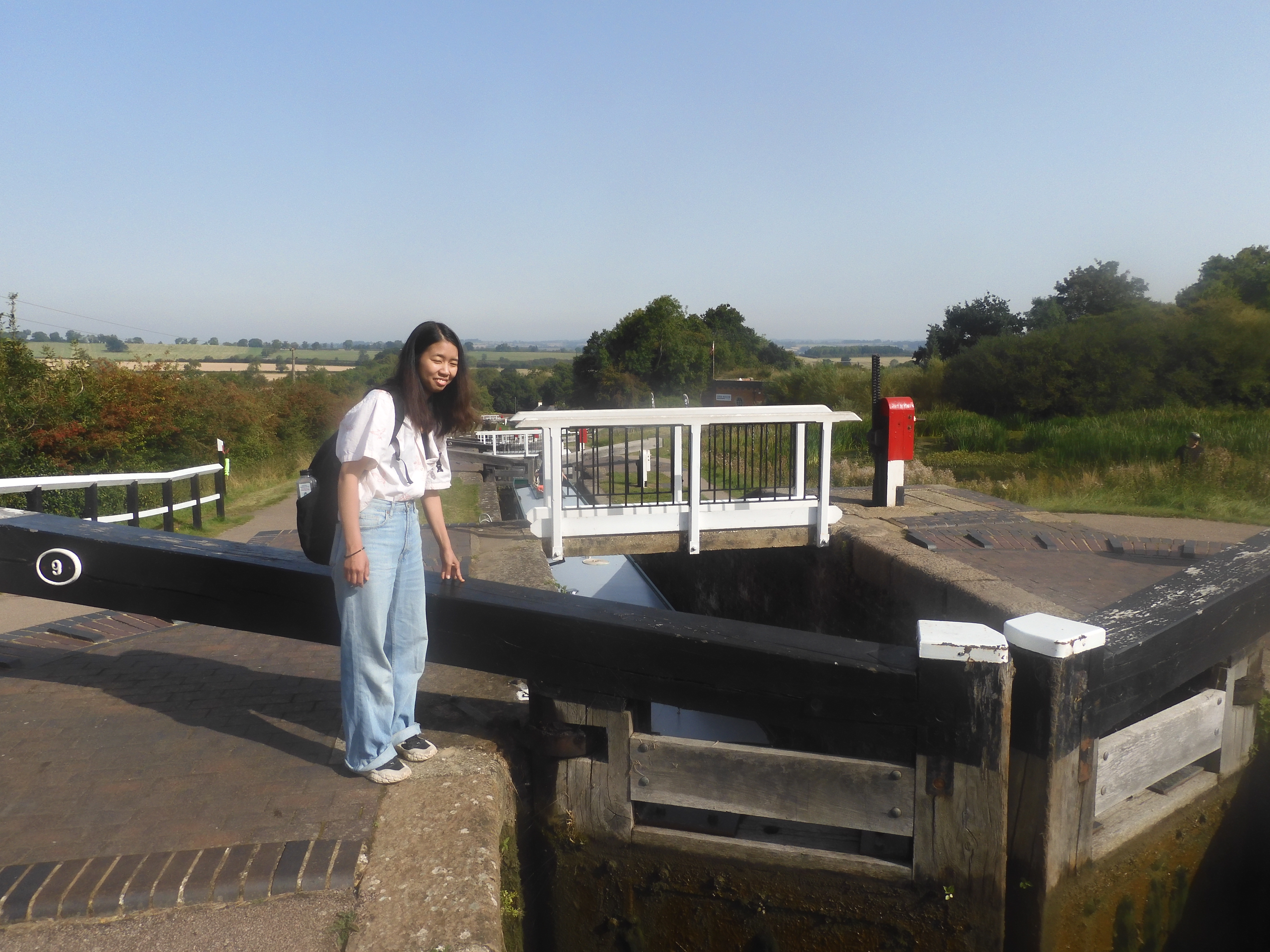
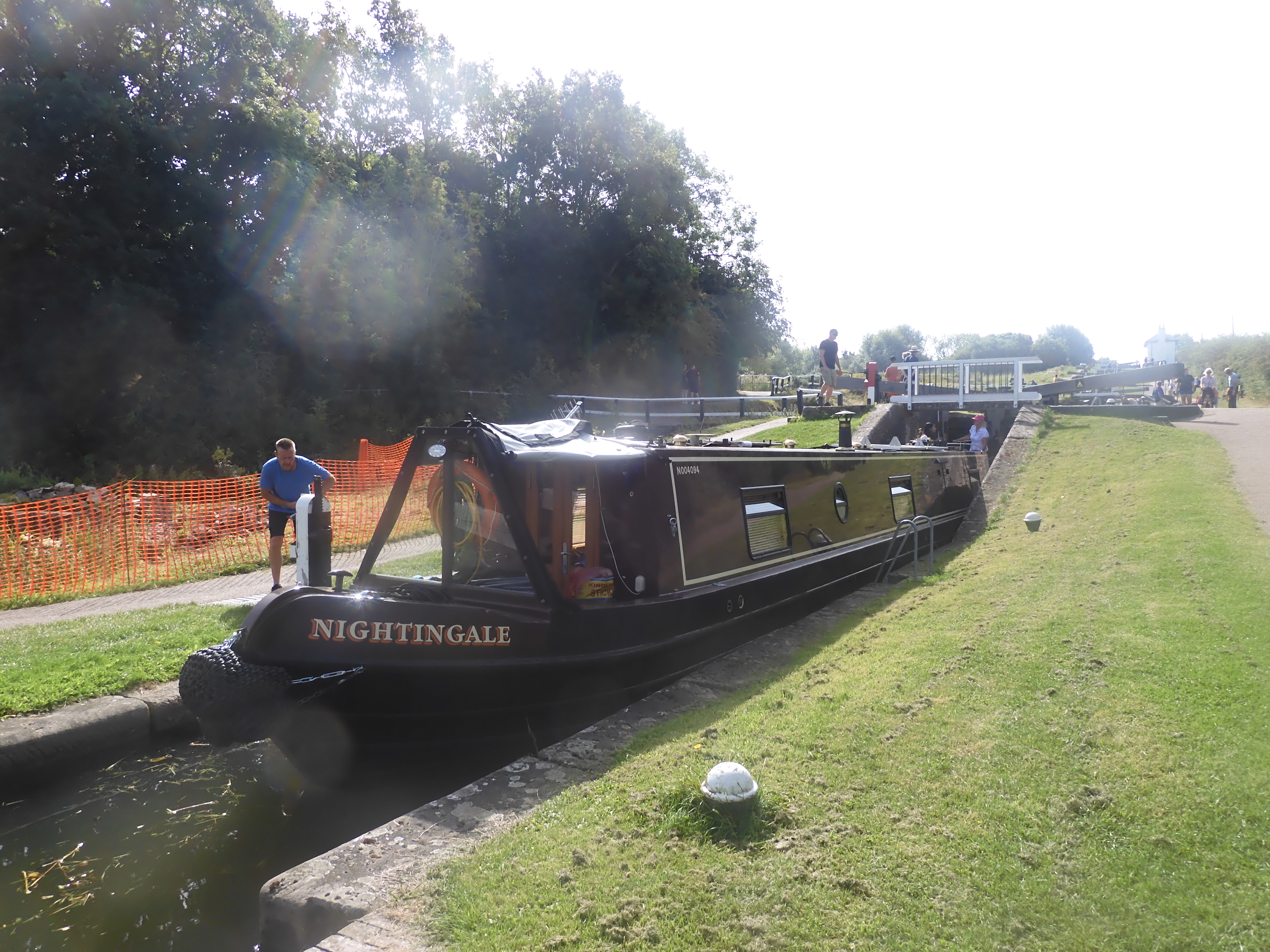
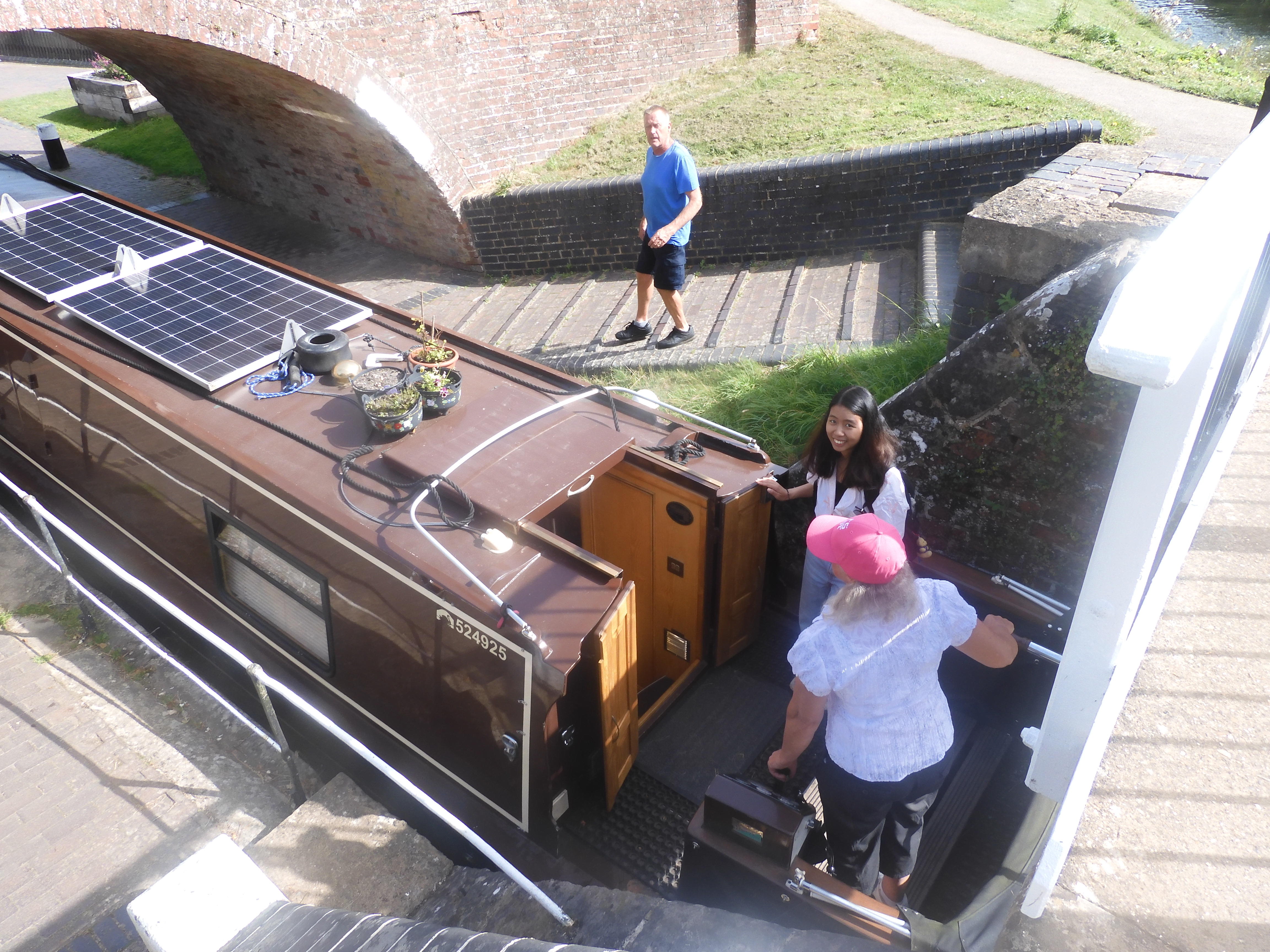
For the less energetic, standing and watching the hale and hearty navigate their vessels either up or down the flight, or visiting the canal side museum can also be an interesting day out and I try to do so when I have visitors who don’t fancy the walk. A young Japanese student friend who was visiting me recently was offered the chance to follow the locks down and ride the flight with a kindly couple aboard their houseboat the ‘Nightingale’  watched and encouraged by visitors from near and far who are collectively known as Gongoozlers.

As a ‘local’ I try to be more active and help the process opening or closing gates as required. And, as I’ve discovered on my return to the UK, so do an organised band of volunteers giving up their free time to work for the Canal and River Trust (https://canalrivertrust.org.uk/) either in the operation of the locks or in regularly cleaning and maintaining the canals themselves for our continuing pleasure and recreation. But, once again the politicians intervene and the Trust has been subject to recent Government spending cuts, and the debate over funding for the country’s transportation whether that will be for a high-speed rail network, expansion of an airport or better use of low emission vehicles will rage on into the next General Election and could even affect its outcome.

I’ll watch the politics from the sidelines – a true Gongoozler.

Rambling On

Something of which I have often/occasionally been accused. However, after a fallow few months and with only a three months to go before I return to Japan, it really is about time I got going with some more reflections on my new lifestyle.

But rather than ‘talk or write at length in a confused or inconsequential way’, I’ll try to focus on the second definition of the word ‘ramble’ which is to ‘walk for pleasure in the countryside’. But first a reminder that, in the UK, we have not always been able to enjoy the walking that we do today. In times gone by access to the countryside was limited as many private landowners closed off their land; in response, the number of walking clubs and groups that campaigned for walkers’ rights grew from the mid-nineteenth century to the 1930s.

In 1931, the National Council of Ramblers’ Federations was formed because walkers felt that a national body to represent their interests was needed. On 24 April 1932, the communist-inspired British Workers’ Sports Federation, frustrated at the lack of resolve of the newly formed Ramblers, staged a mass trespass of Kinder Scout, the highest point in the English Peak district. During the mass trespass, the protesters present scuffled with the Duke of Devonshire’s gamekeepers and five ramblers were arrested.  Nowadays, the Ramblers Association, rather than being a left-wing protest group, is the only charity dedicated to removing barriers to walking and to preserving and improving the paths, tracks and trails we all love.

So, I was delighted, on returning to live in England, to discover the existence of the Market Harborough Ramblers, a group of active souls who organize and participate in twice-weekly walks through the local countryside. What better way of getting to know my new locality and getting to know some of the locals. Signed up and kitted up, I turned up at a car park in the centre of the town for the car share to my first Sunday walk.

THE WALKS

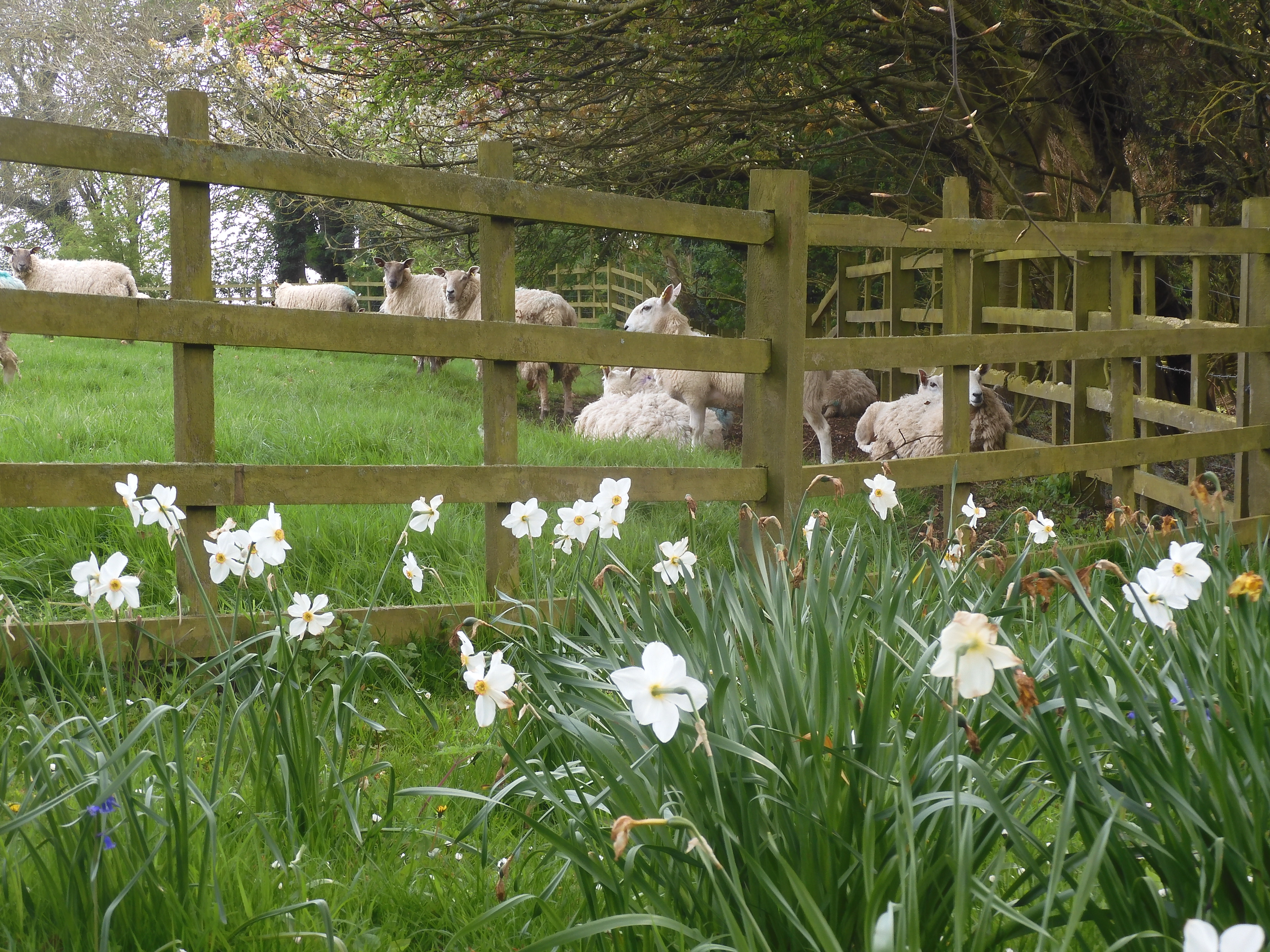
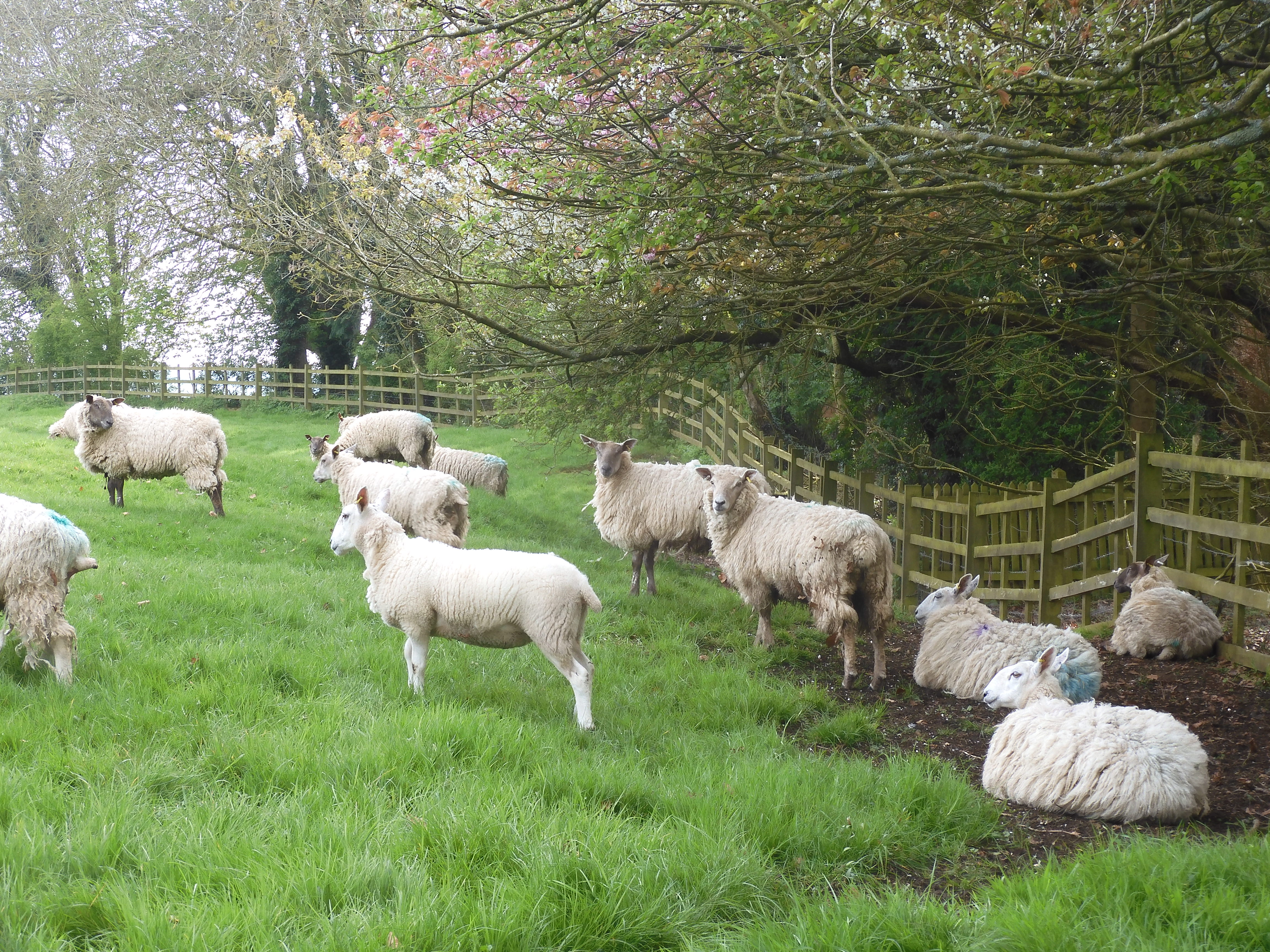
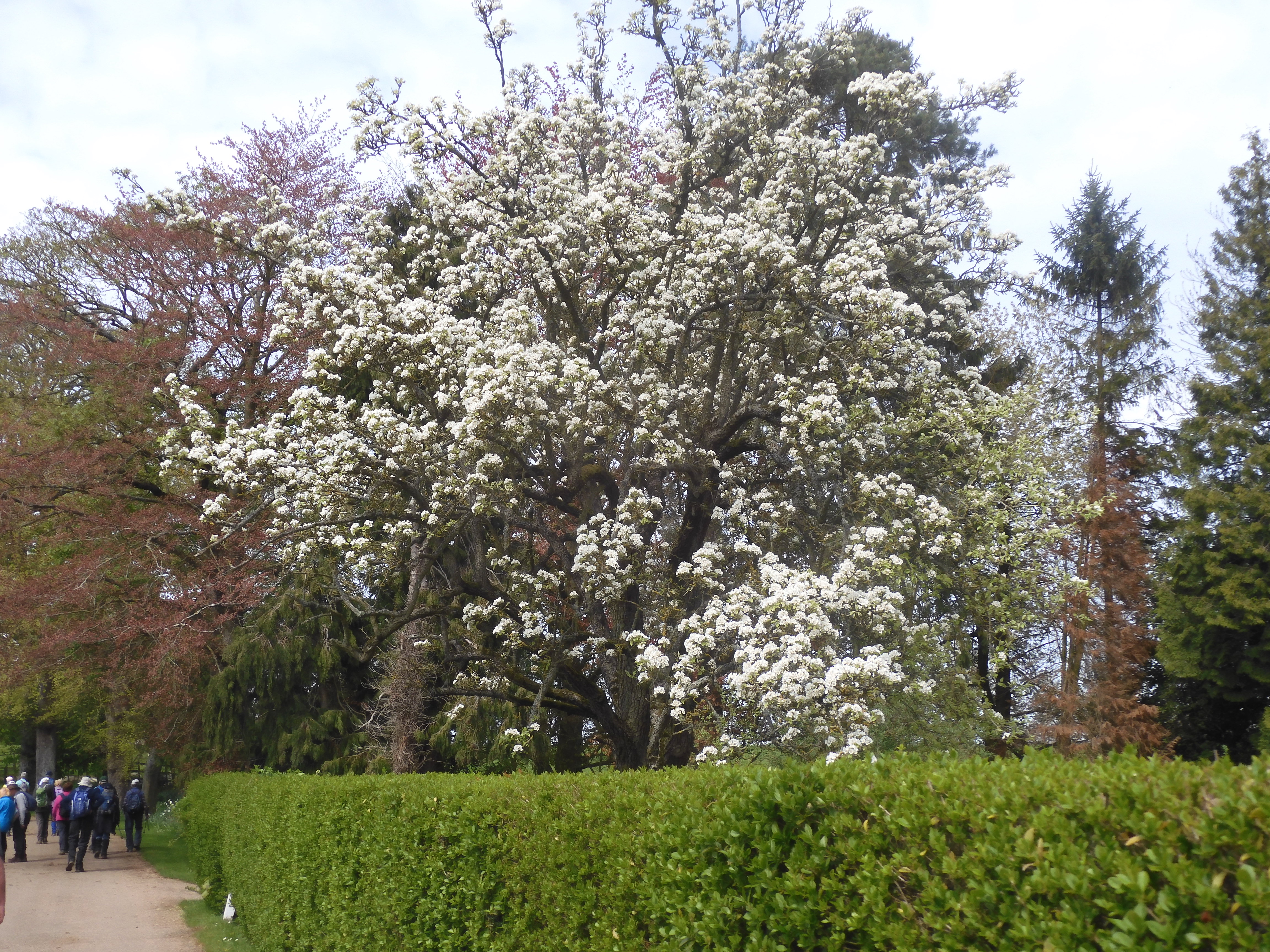
A very welcoming group indeed, prepared to let in a newcomer with his numerous stories about life in Japan! A drive out to a lay-by close to New Inn (a village, not a pub!) from where we started the walk through a field of sheep many with young lambs in attendance. From there, through the wonderfully named villages of Goadby and Tugby reminding me of the charm of the English countryside, stopping in the latter for a quick snack. For most this was a home-made sandwich, some fruit and/or a snack-bar. Missing the convenience of a Japanese bento or even just an onigiri rice ball I had to make do with a light-bite and plenty of water of course.

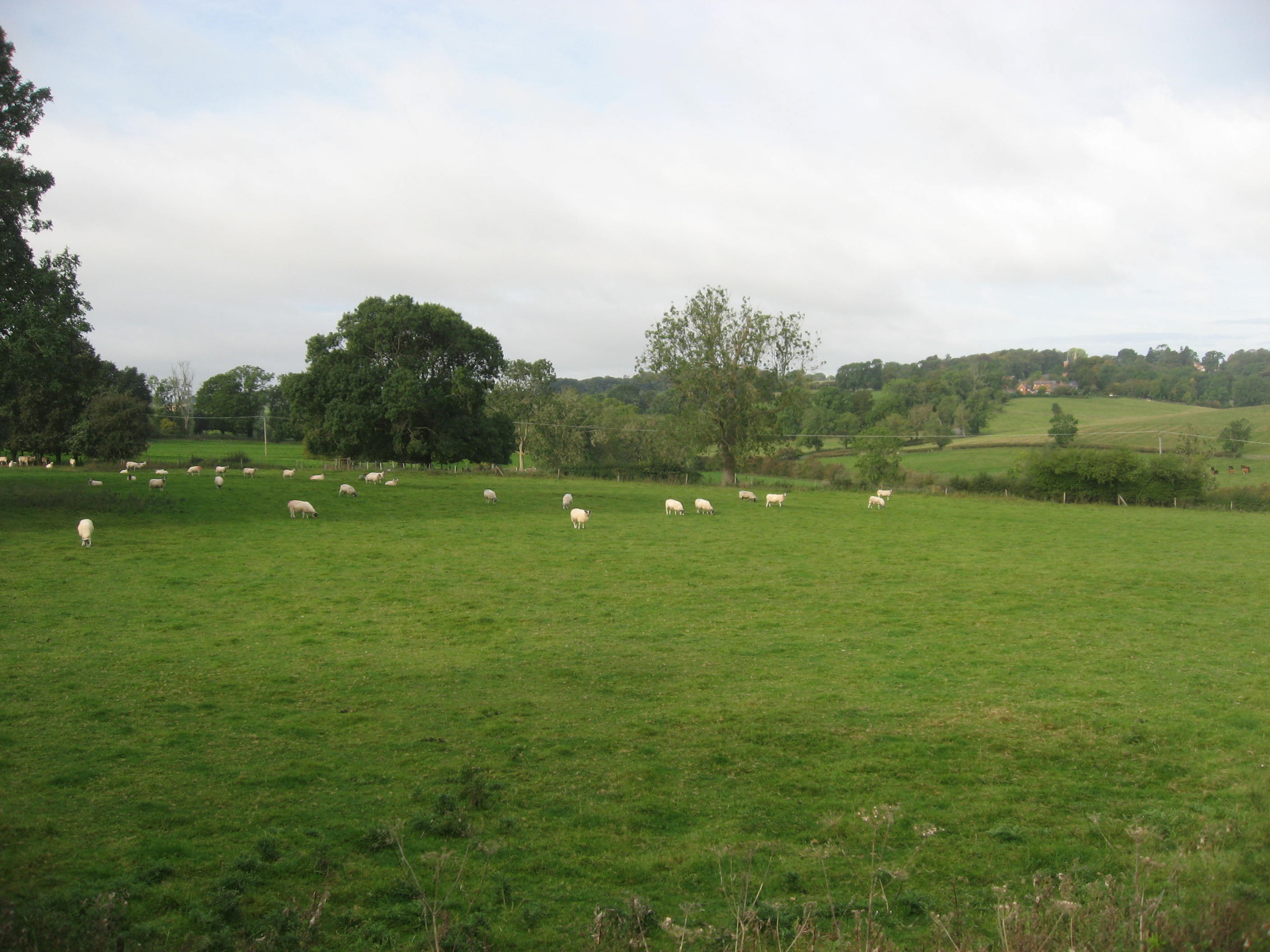
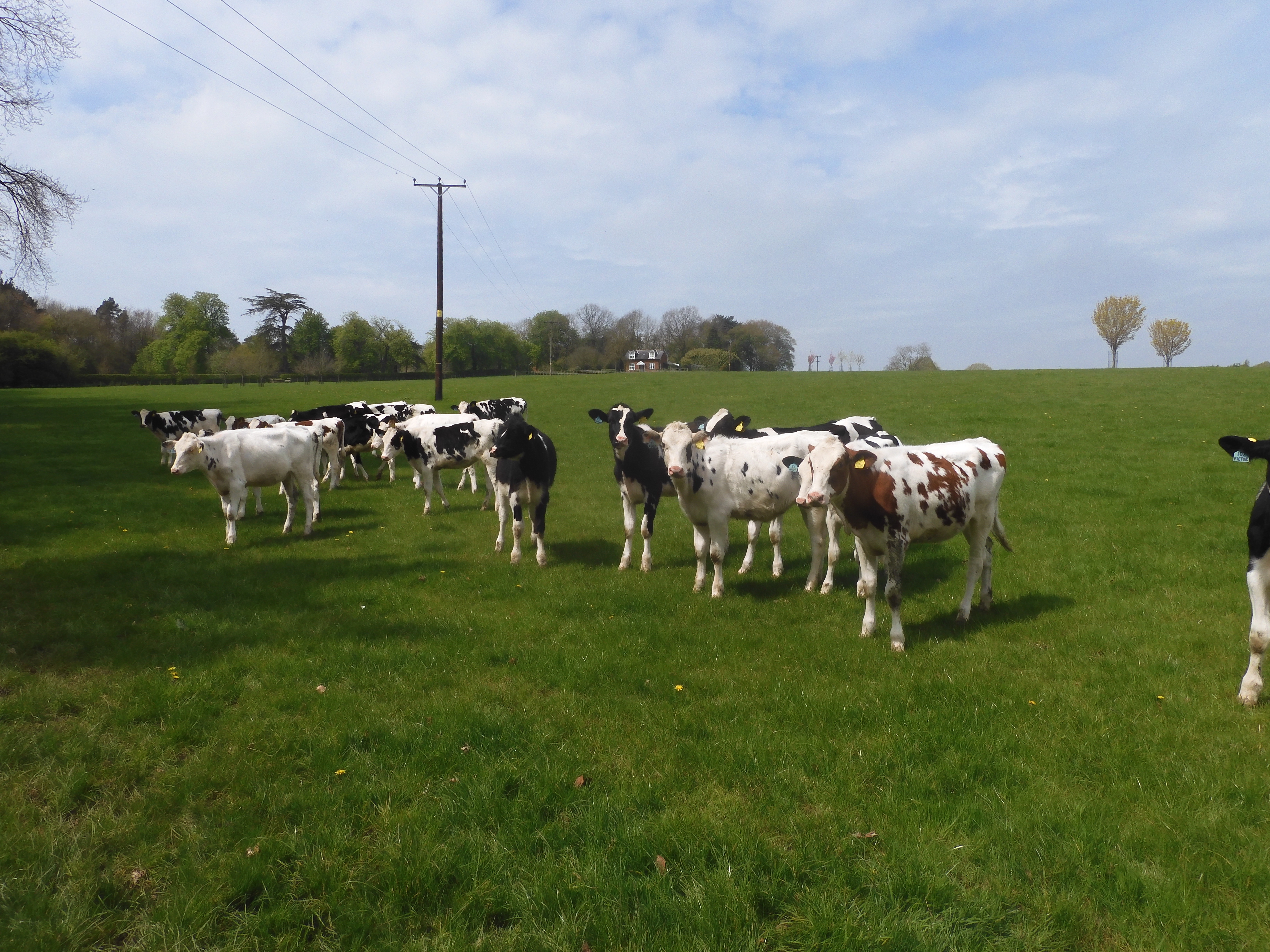
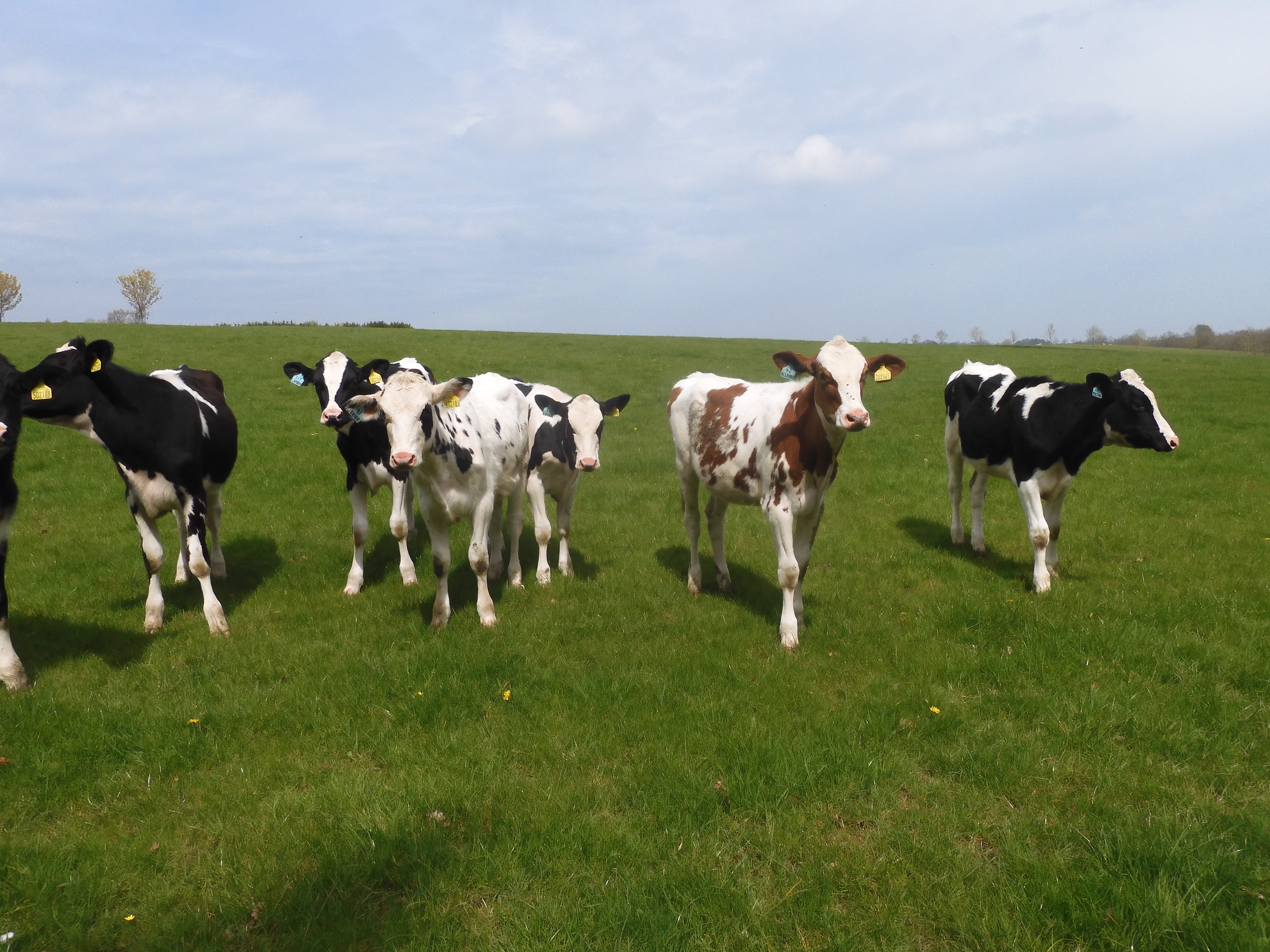
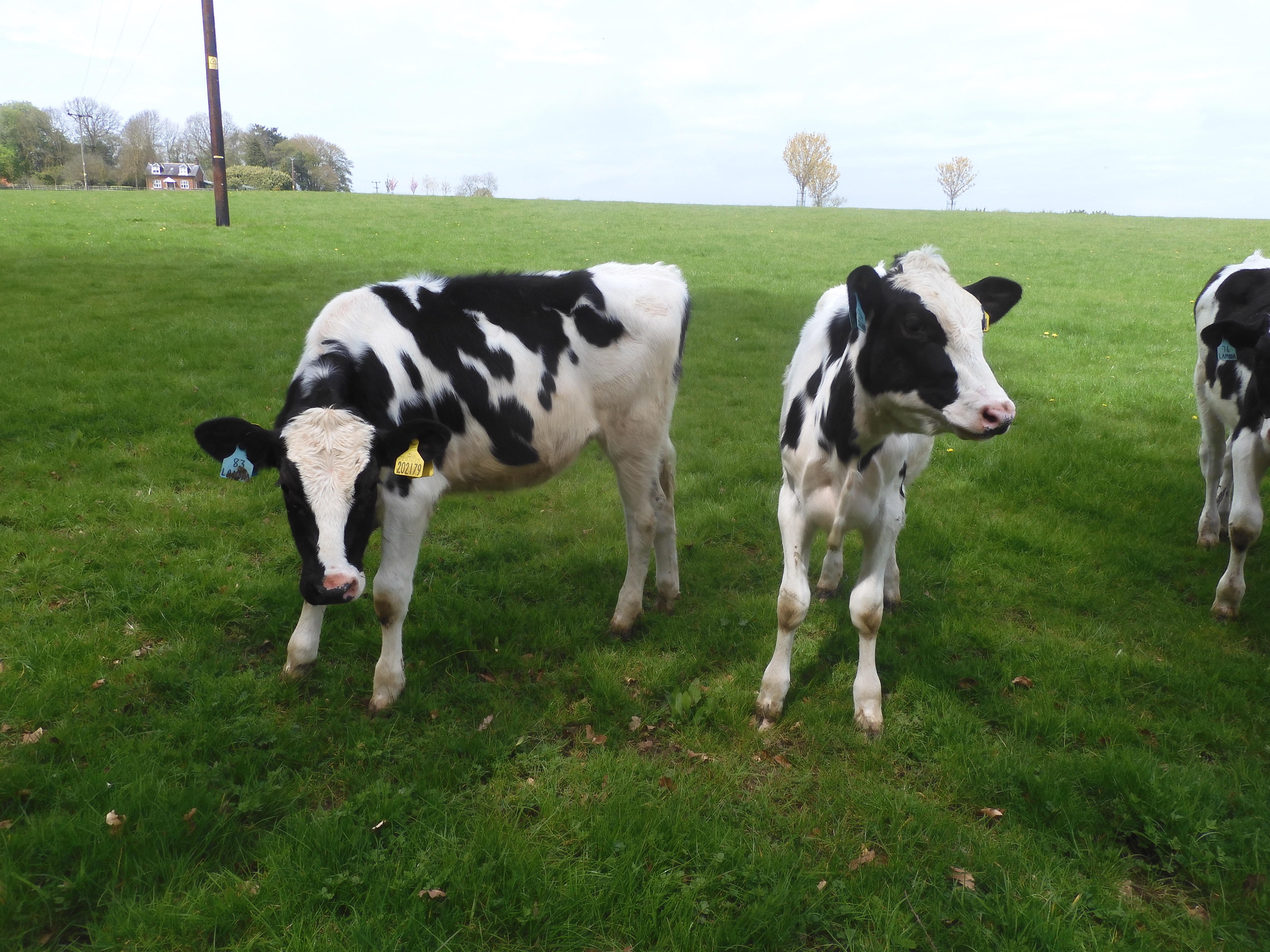
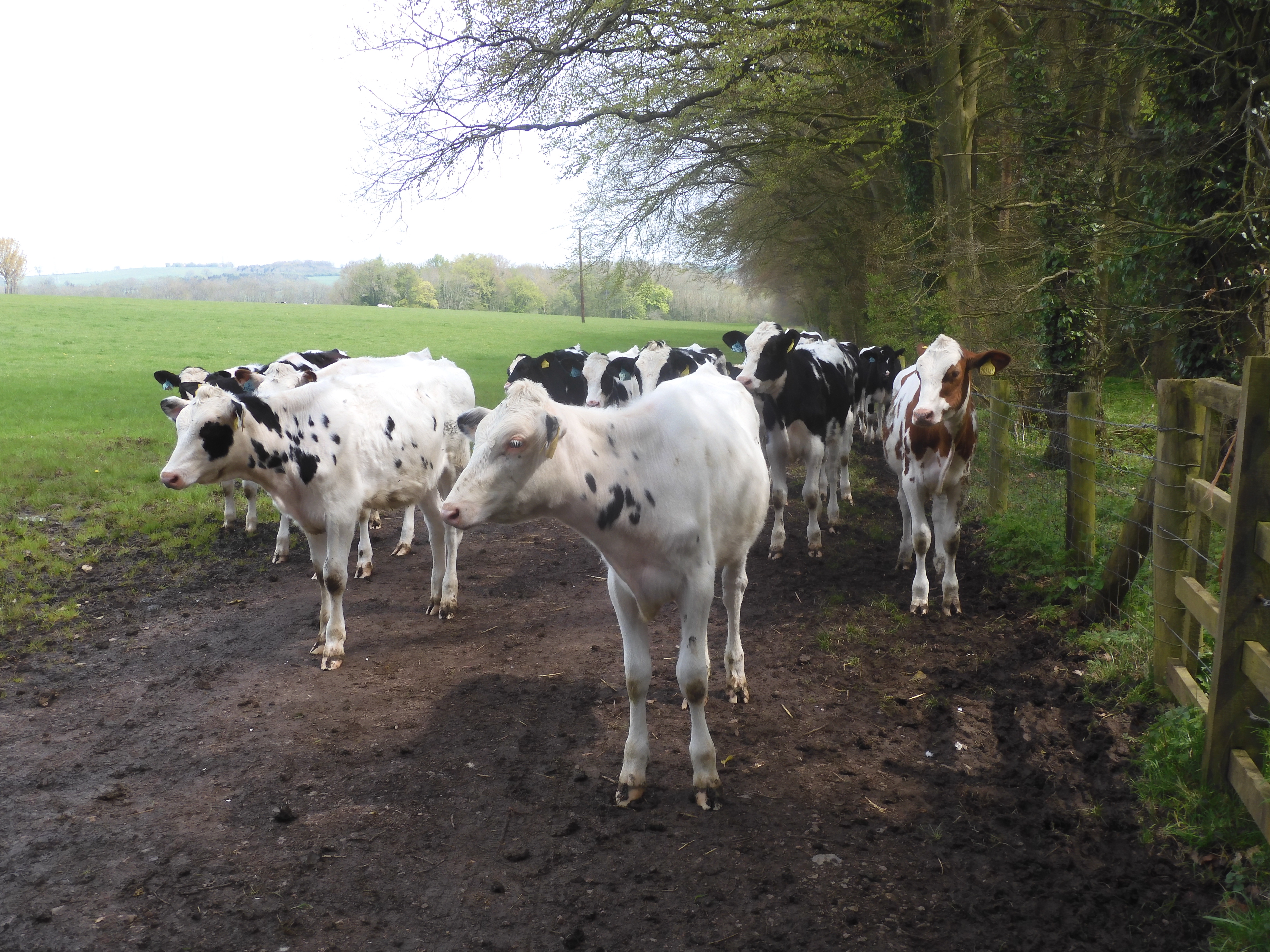
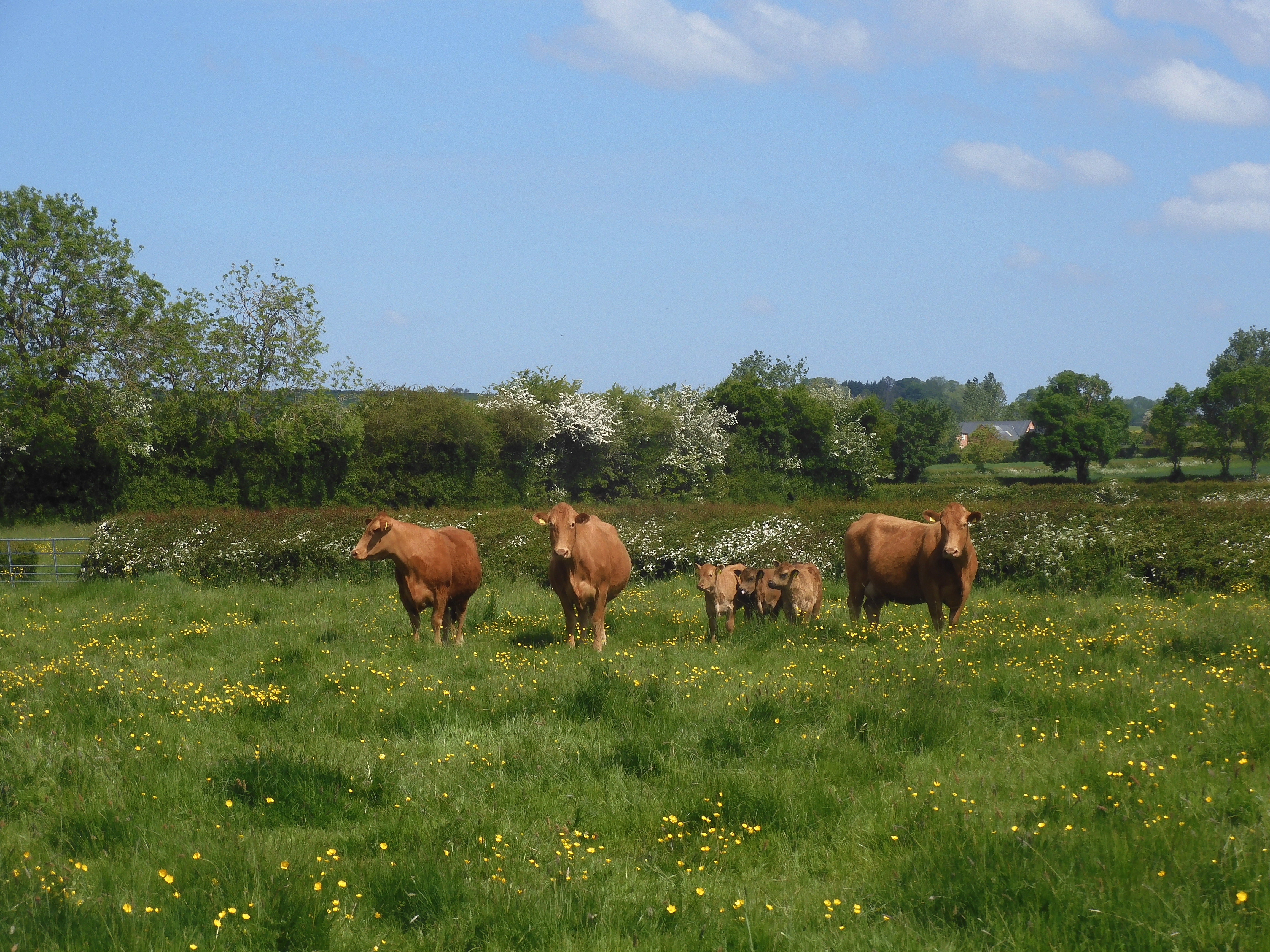
Despite the secluded nature of our location, we were never completely on our own often attracting the attention and curiosity of the resident livestock.

OK guys, see you later, we’re nearly done for this walk.

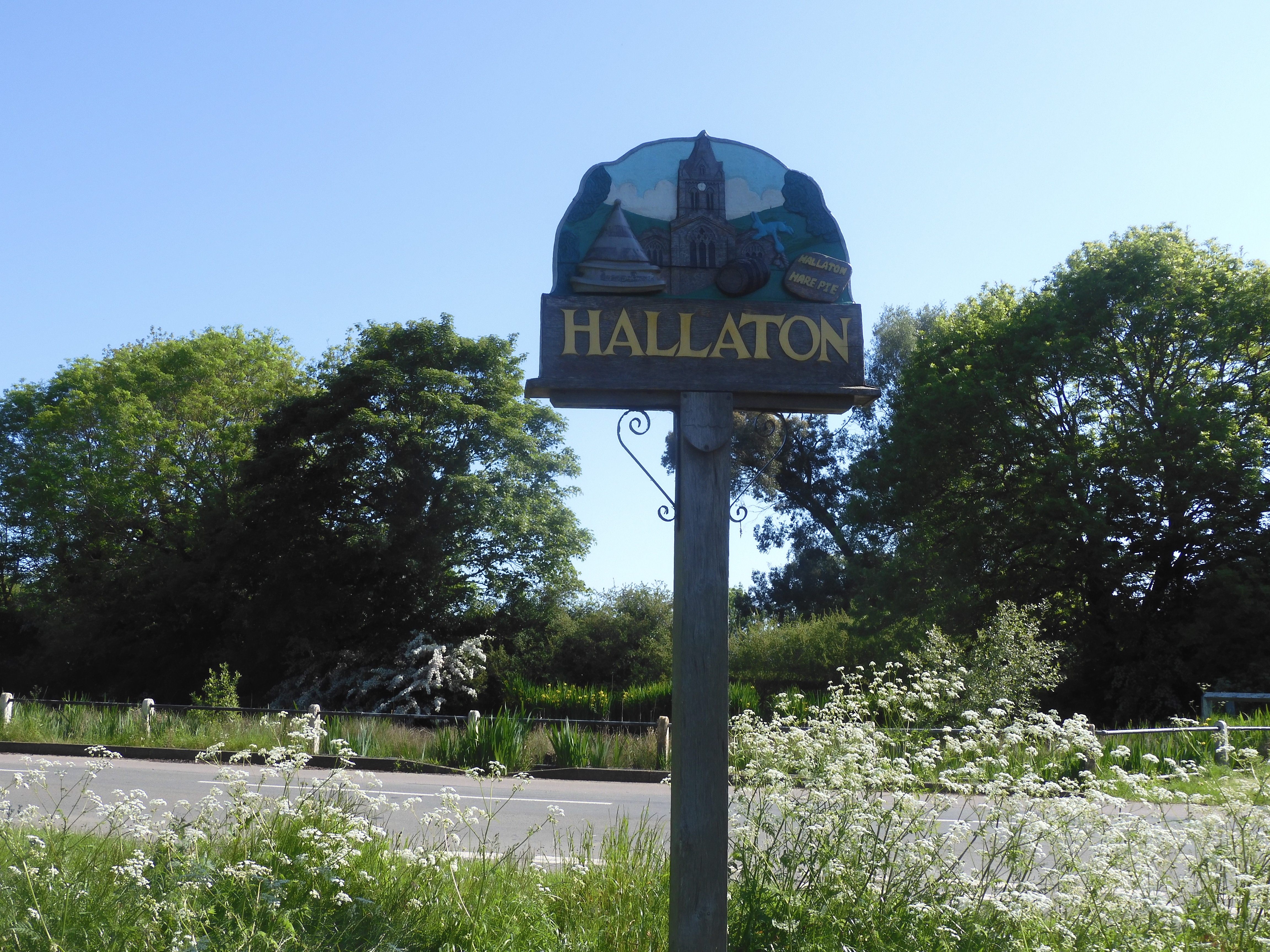
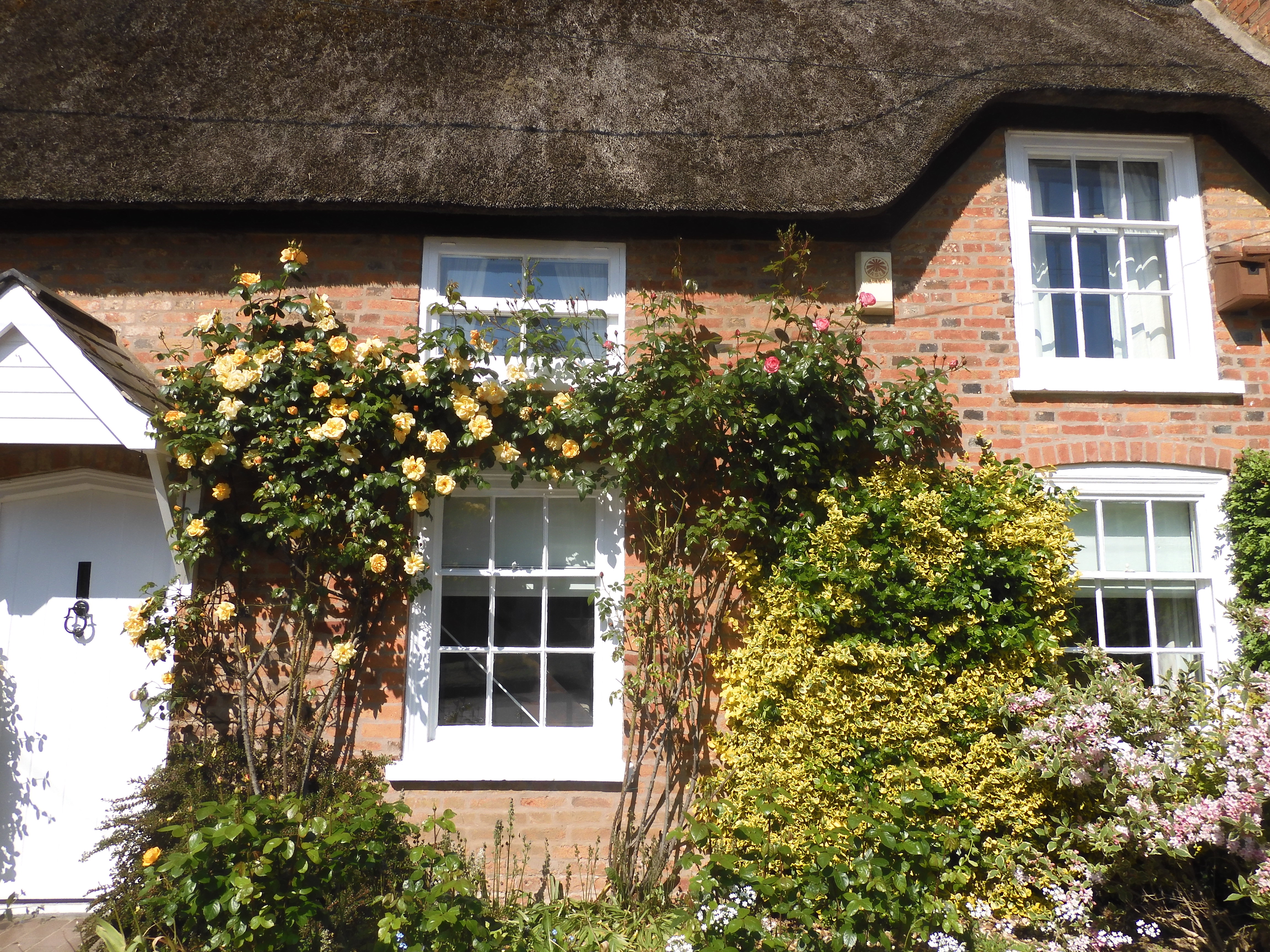
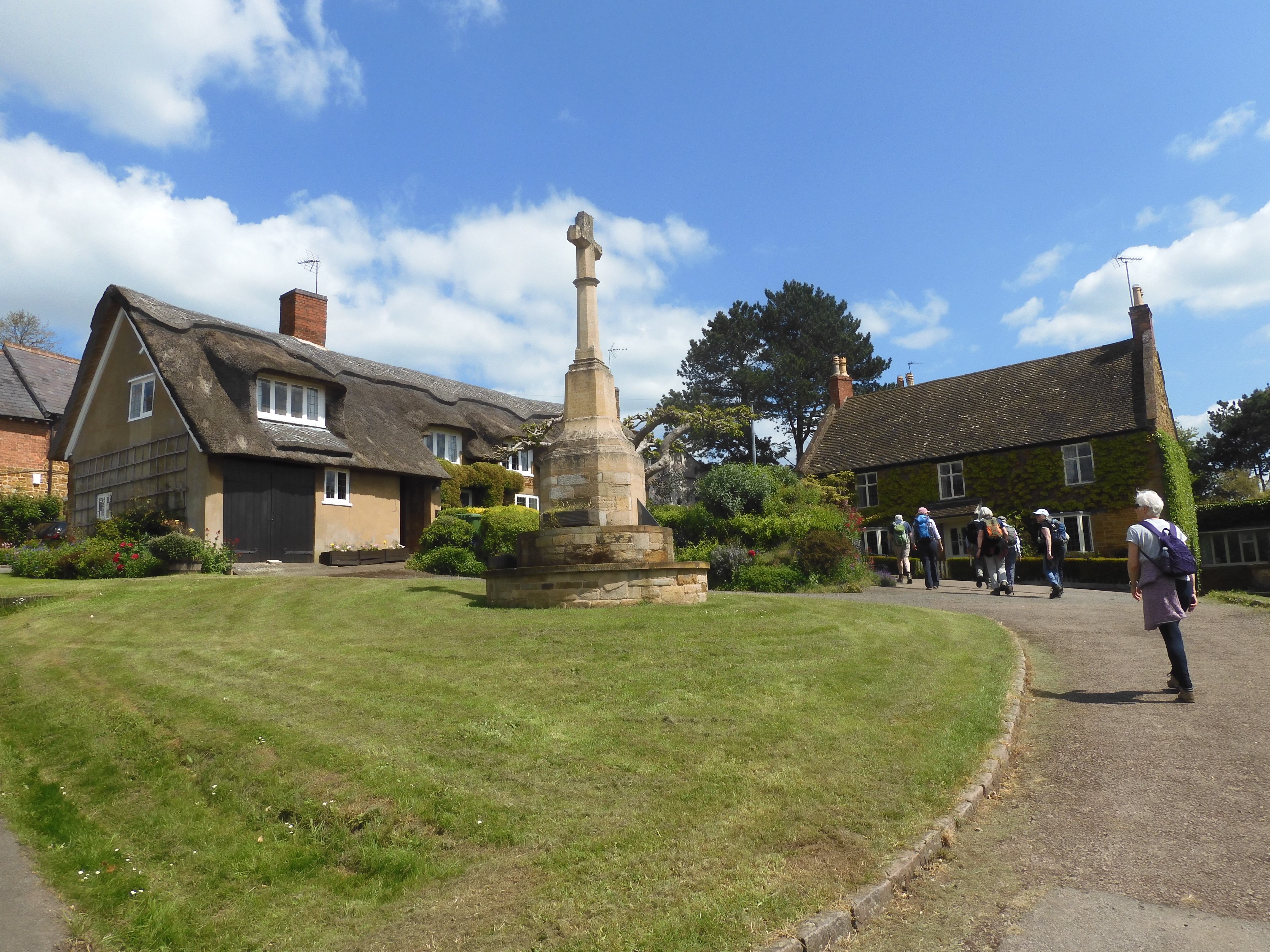
My second walk was steeped in history – not the walk itself but the start point being the village of Hallaton which was mentioned in the  Domesday book of 1086 (and a recorded population of ’at least 26 male villagers’)  although it is thought that the village may have been in existence up to 1,000 years prior to that. Developing over the years and centuries,  it now has more than 60 Grade 2 listed historic properties, a population of over 600 people, and is popular with horseriders, cyclists and, of course, walkers.

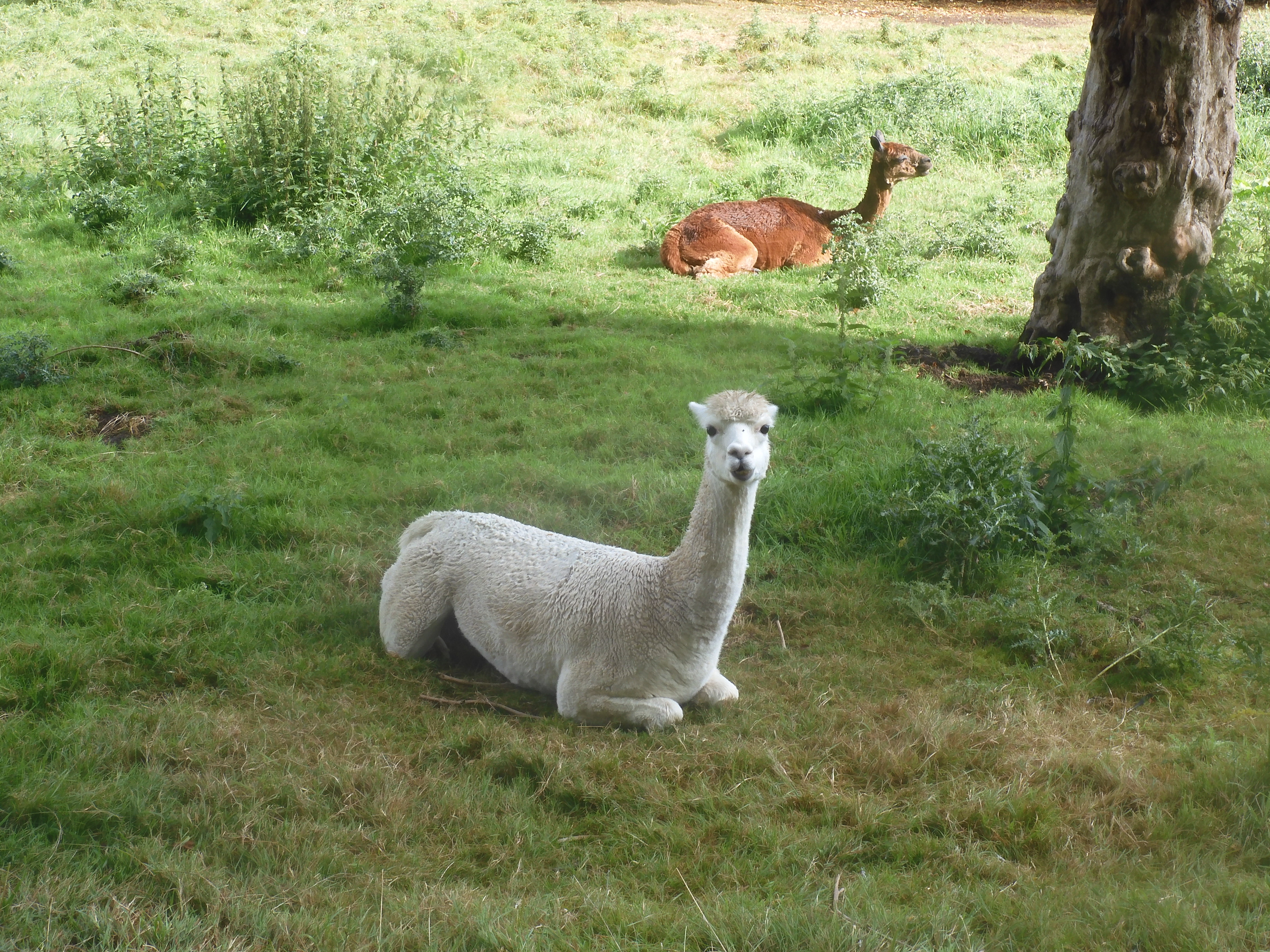
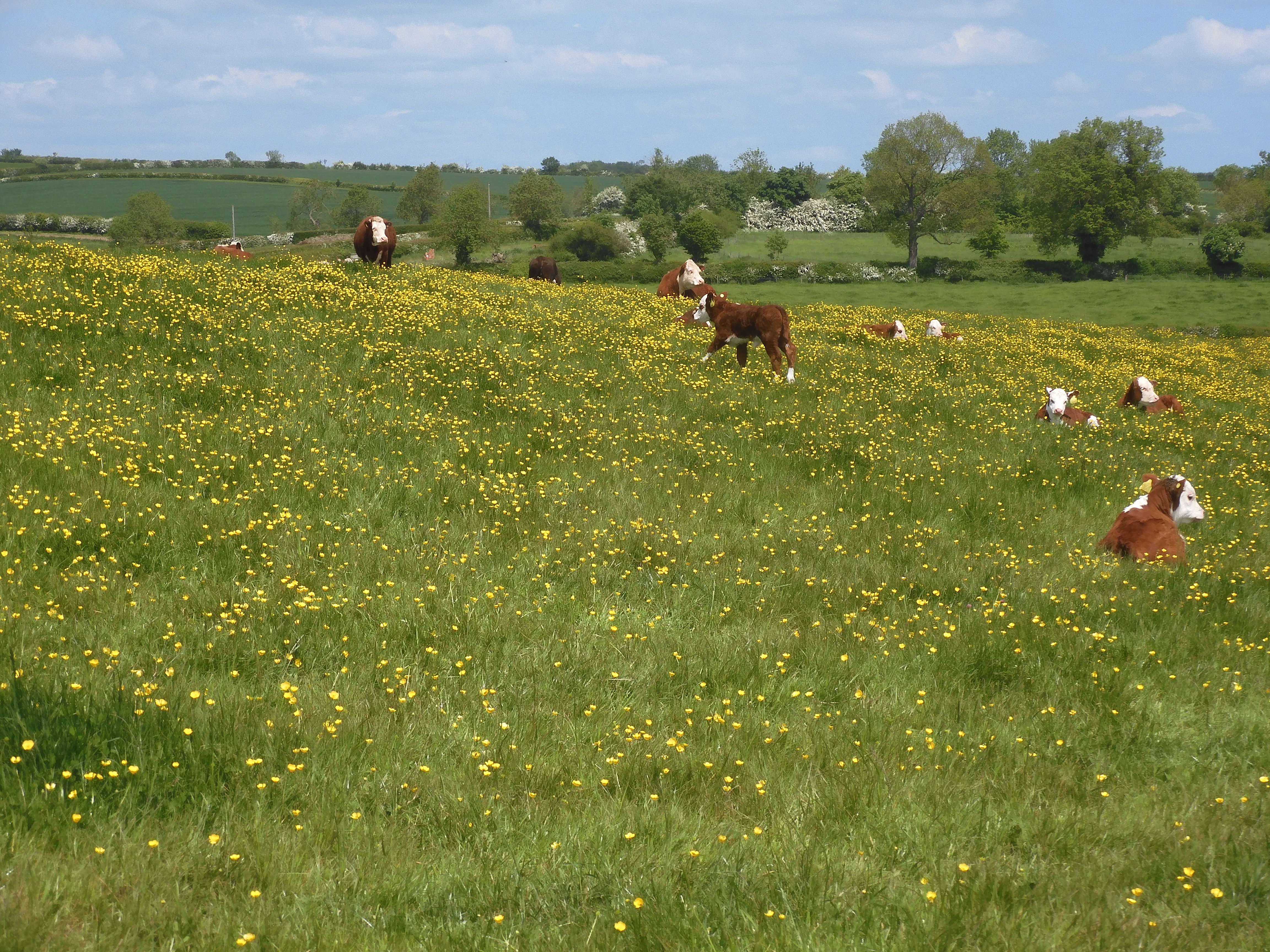
Although not seeking sanctuary, we enjoyed the shelter of Cranoe church for our lunch break. And, of course, some bovine company along the way.

For my third walk with this group, a slight change of timing and starting arrangements. The Ramblers, as well as organising Sunday walks of around 7-8 miles, (11-13km), also go out on shorter 4-5 mile (6 ½ -8km) mid-week walks. Yes, after years of living in Japan, I’m having to re-adjust back to Imperial measurements once touted by our former Prime Minister, Boris Johnston, as a possible permanent situation if he had remained in power. Thankfully neither has happened!

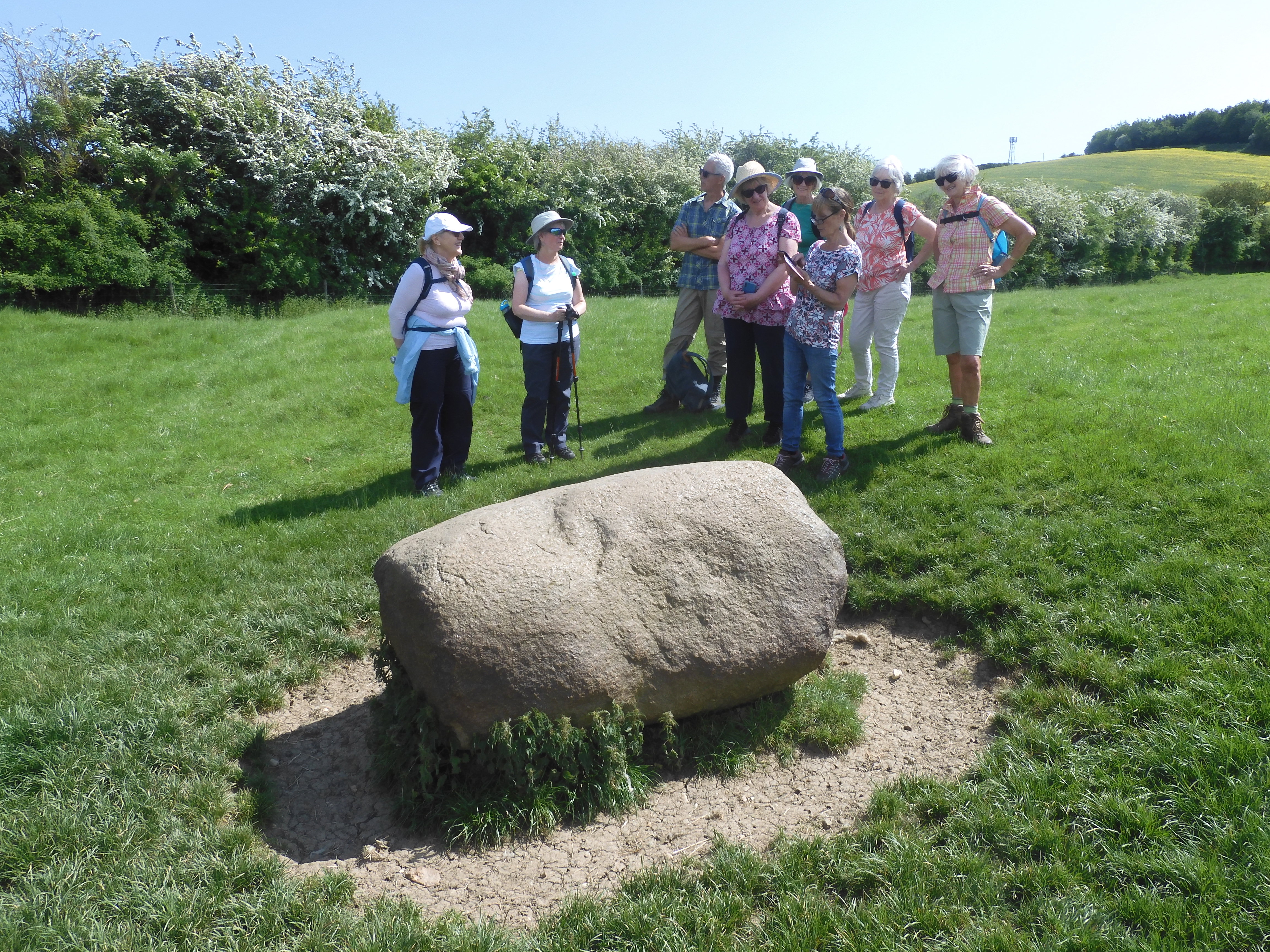
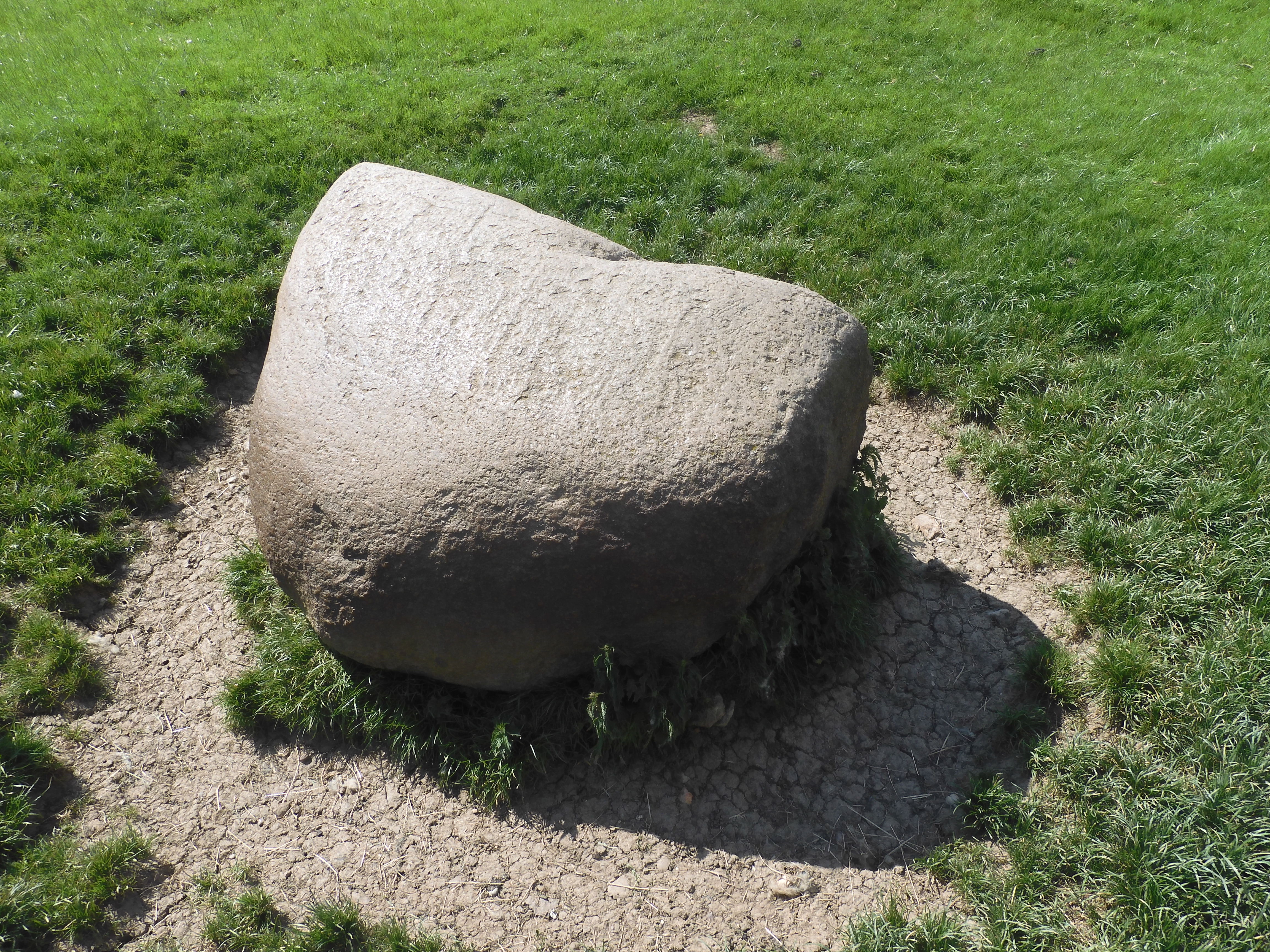
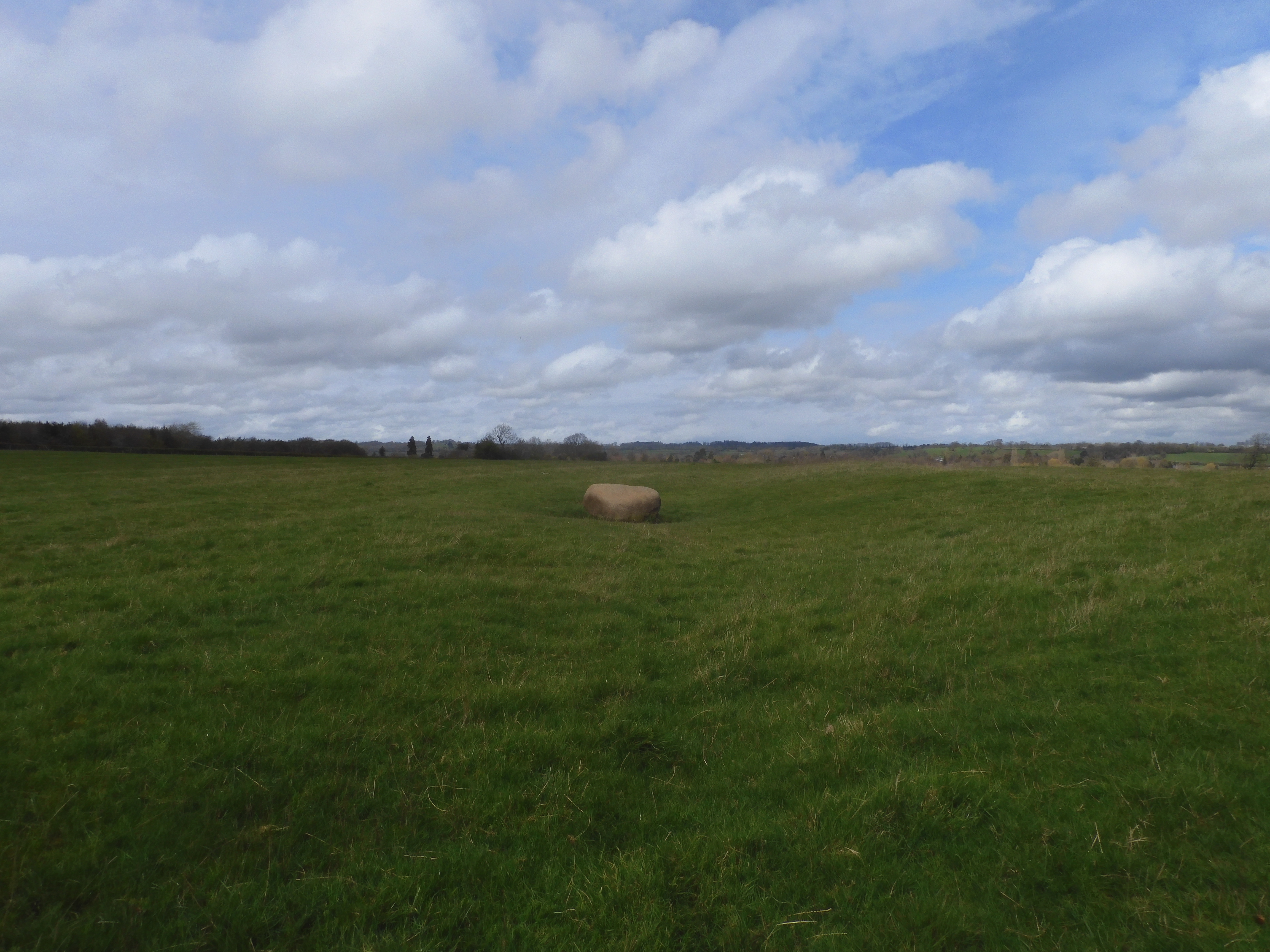
Back to our Wednesday afternoon ramble, the destination of which held fascination for me as we were going on a quest to find the ‘Judith Stone’, located in a field on the outskirts of Market Harborough. It was also mentioned in the Domesday book of 1086 which was the first and most important record of England by King William I, the French conqueror of our country, after the Battle of Hastings in 1066 in which he defeated our King Harold. He was also known as the William the Bastard king because of his doubtful family lineage, rather than the fact that he had invaded  and was dividing up our country, although that may also have been true. It is thought that the stone took its name from the Countess Judith, niece of William. She is recorded in the Domesday Book as holding land in the area, so perhaps the stone marked a boundary of some kind. It is an igneous rock and described as being an ‘erratic glacial boulder’. But certainly, rather random and remarkable by the fact that it is unmarked and sits in the middle of a field and one has to know about it and how to find it, otherwise it would remain unnoticed.

Enough rambling, in both senses of the word, for the moment, as this was first of many discoveries I’ve made and am continuing to make as I explore and become more knowledgeable about my current location and UK-base in Leicestershire for half of the year as I enjoy the best of England and Japan.