Category: An English Psycho in Tokyo

Walking to discover the urban soul of Japan’s capital city

The Bog blog

‘Bog’ = 1. An area of soft, wet, muddy, ground. 2. British English (informal). A toilet. (Compact Oxford English dictionary).

For this piece, I shall be using the second definition so there will be language relating to toilets and bodily functions – you have been warned!

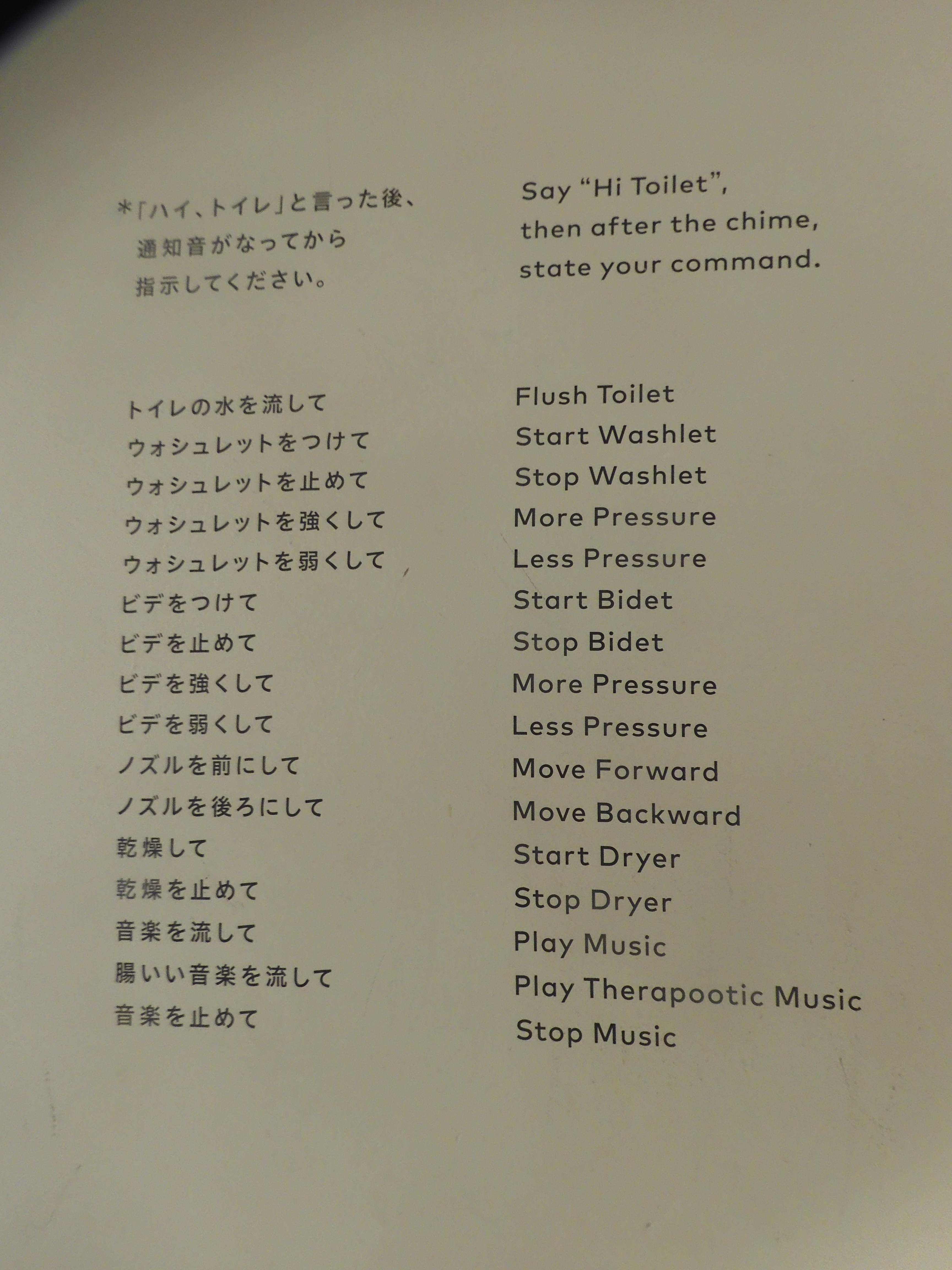
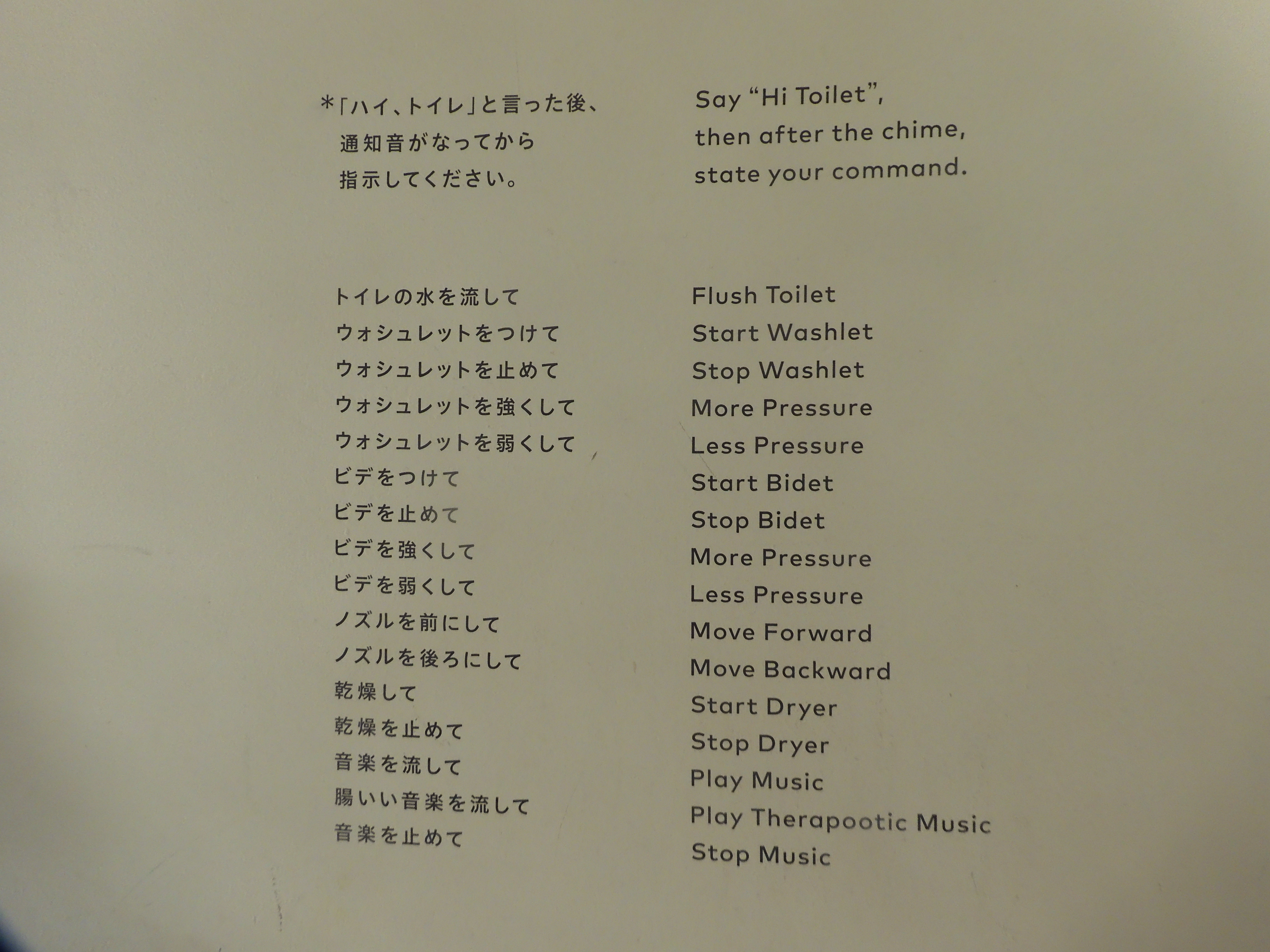
Japan has, for a long time now, been famous for its washlet toilets where compulsive button pressers could be in for a surprise especially if they can’t read the Japanese for ‘water jet’! But those more reserved members of society could be reassured that their own actions can be disguised by the playing of a tuneful melody, with a heated seat in the colder months.

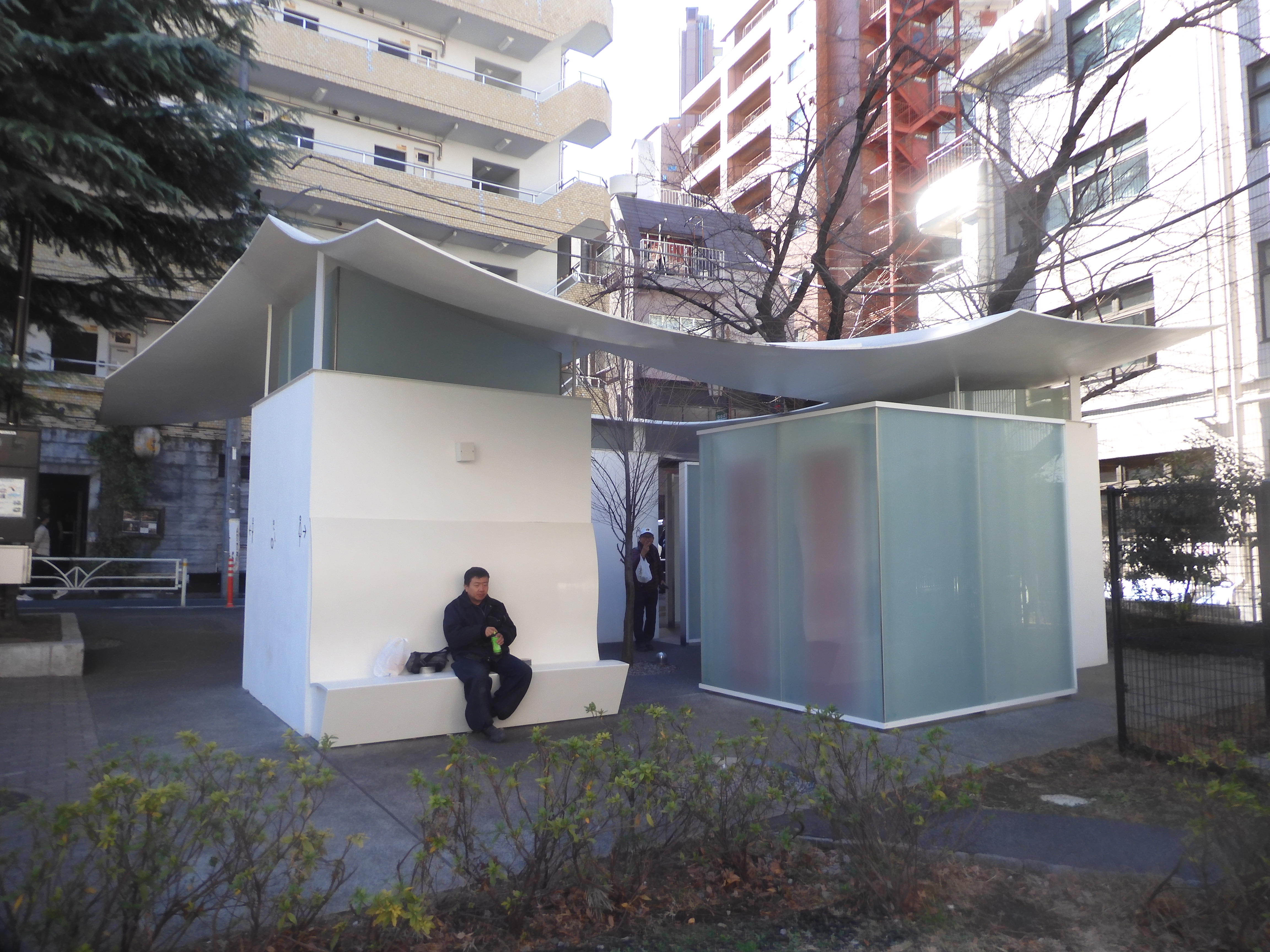
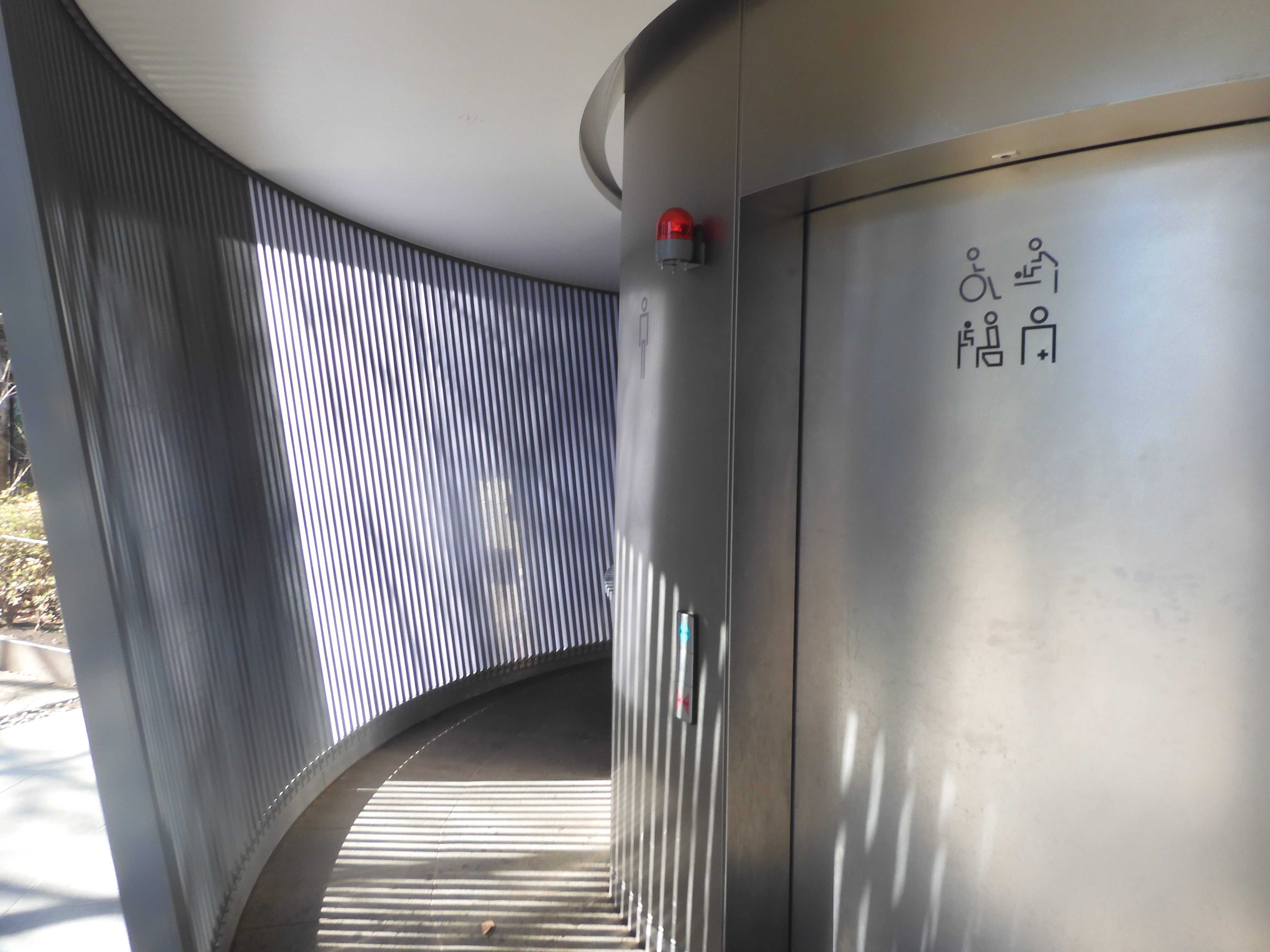
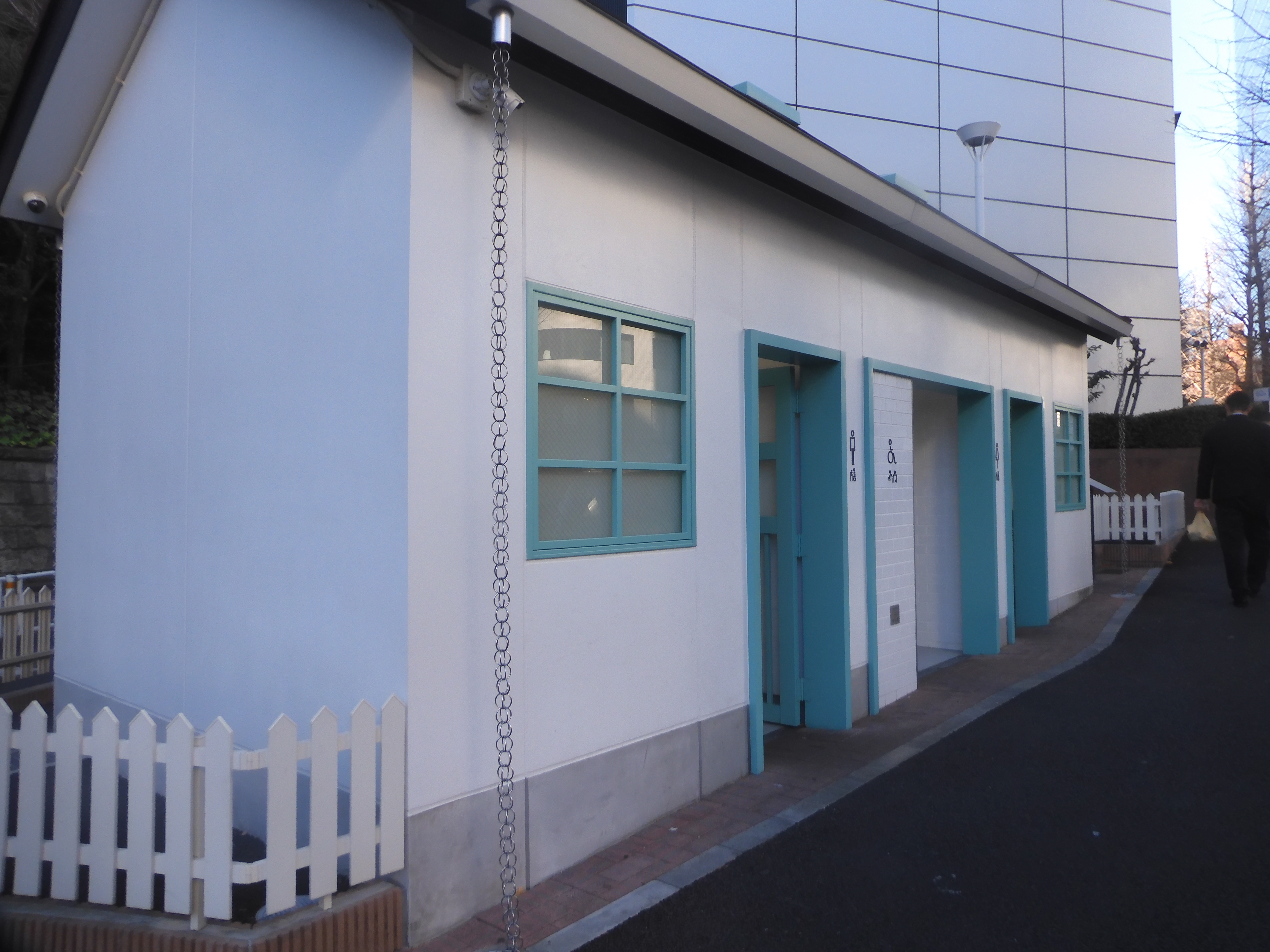
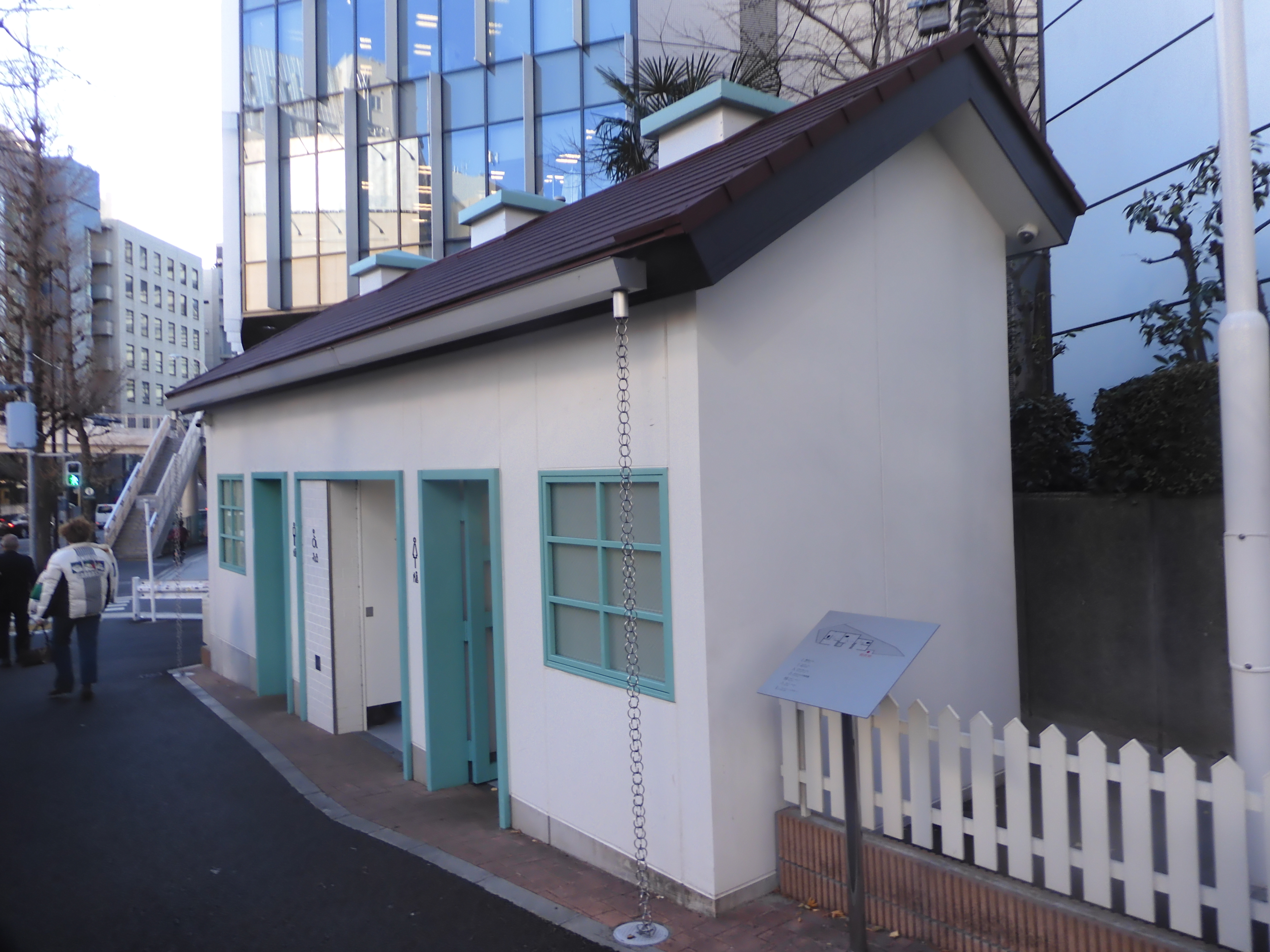
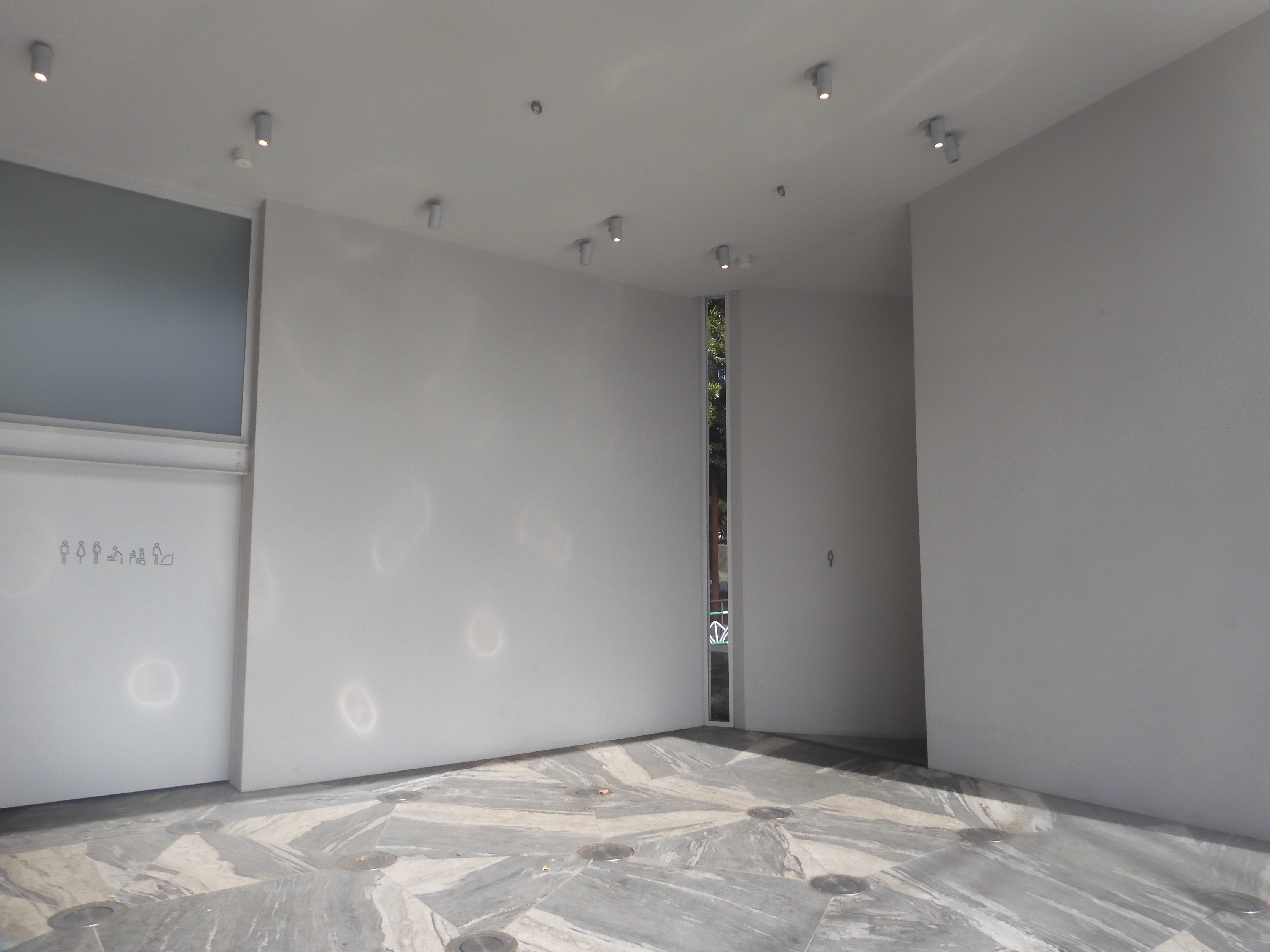
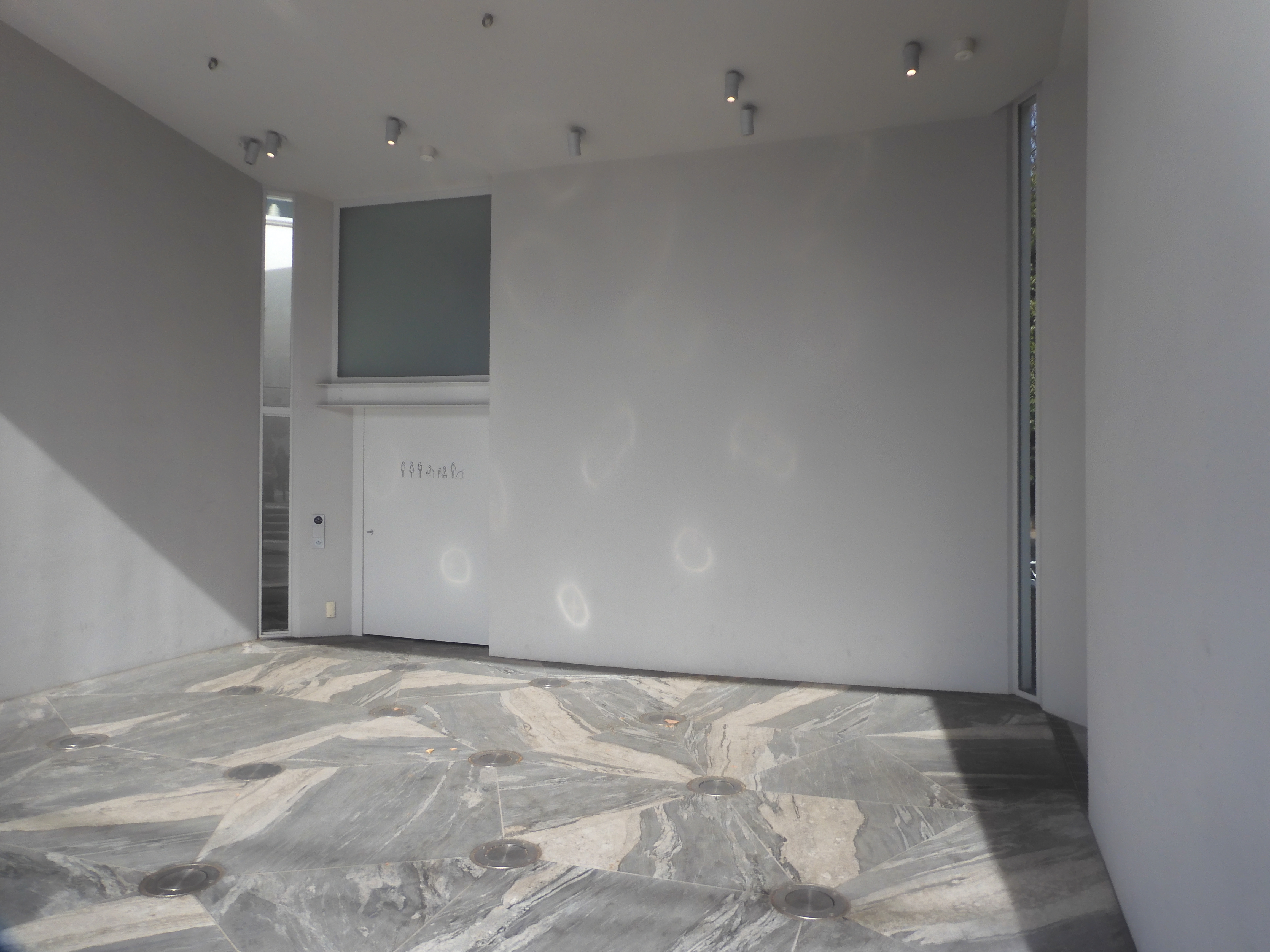
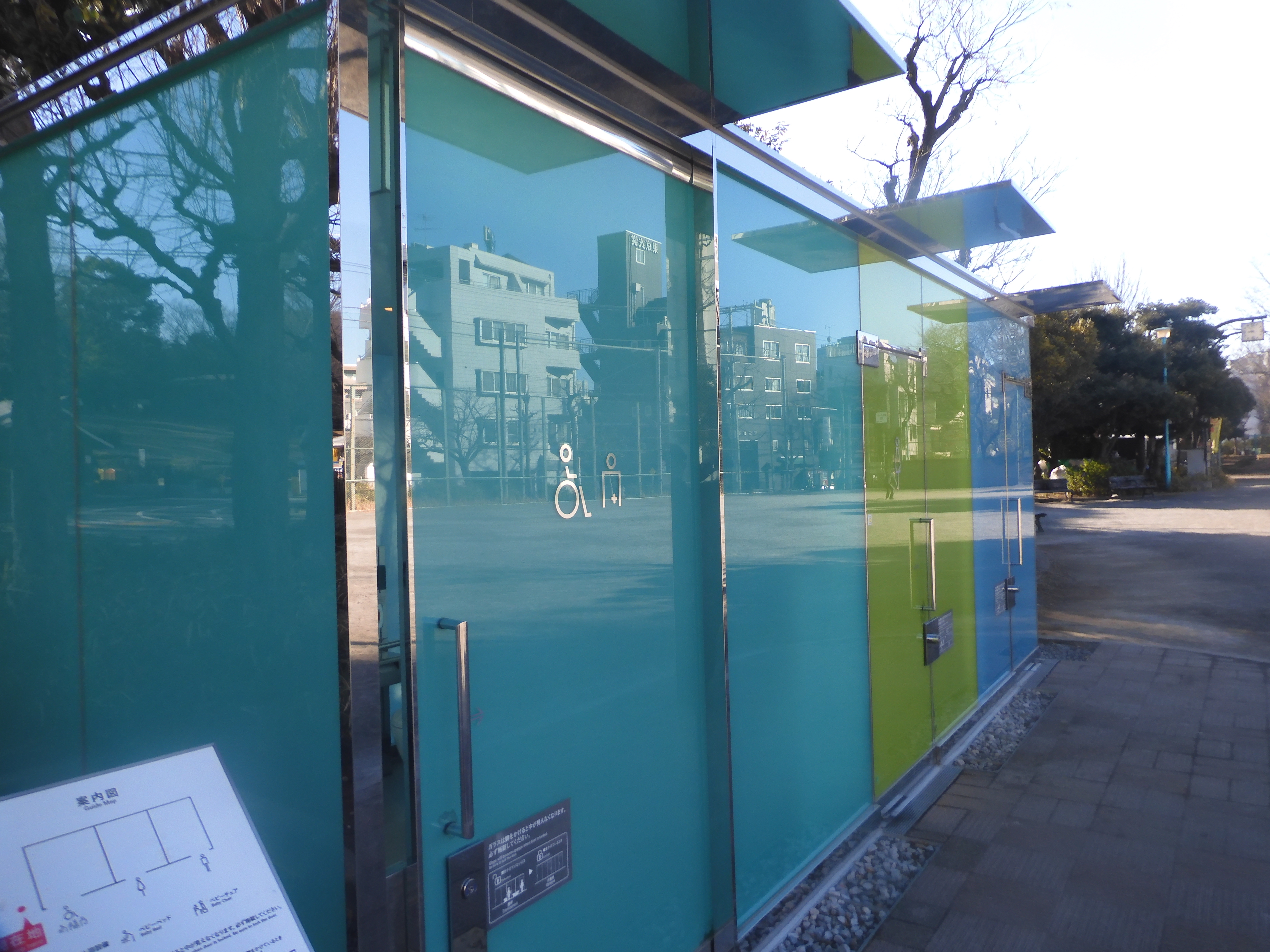
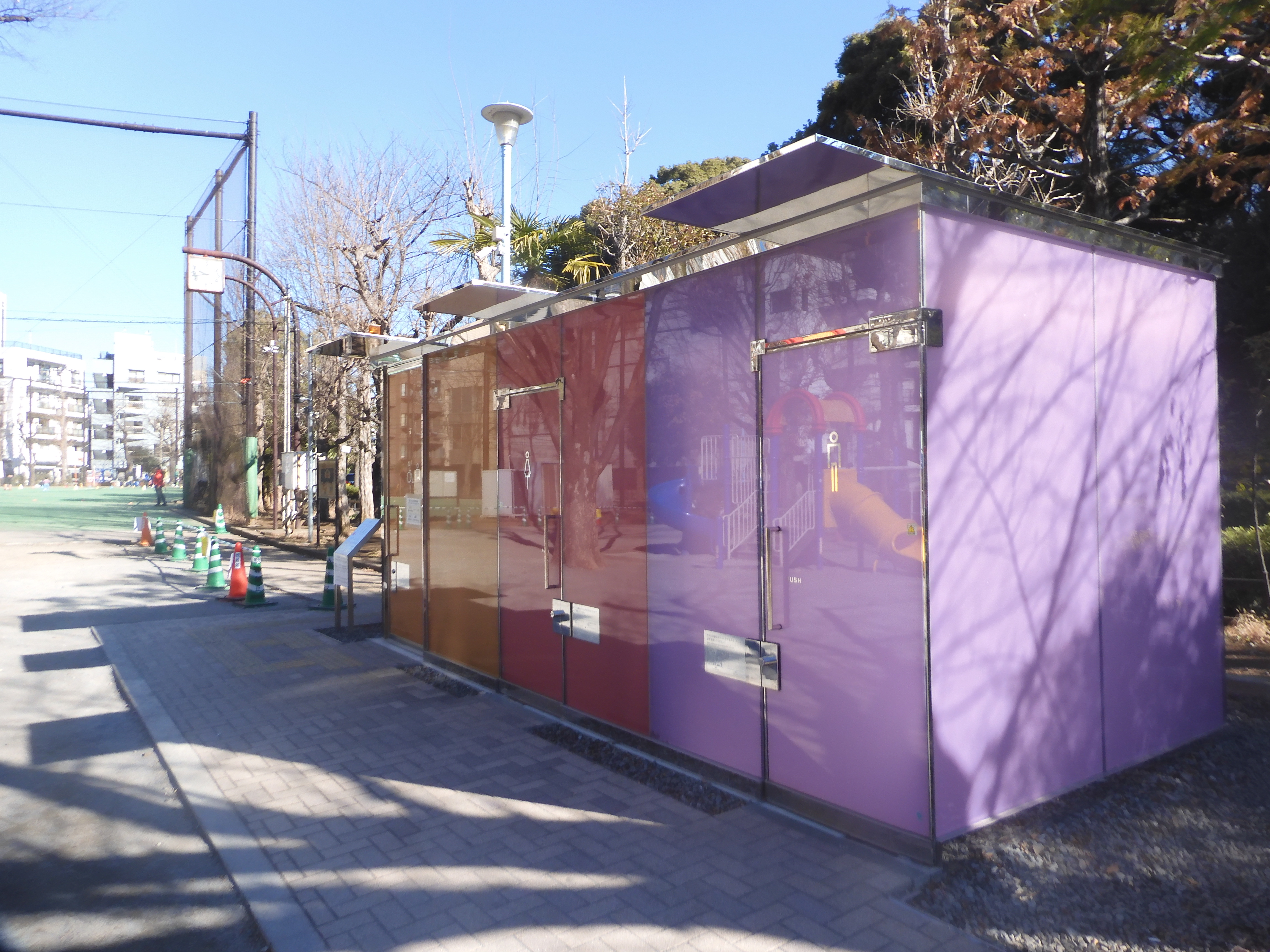
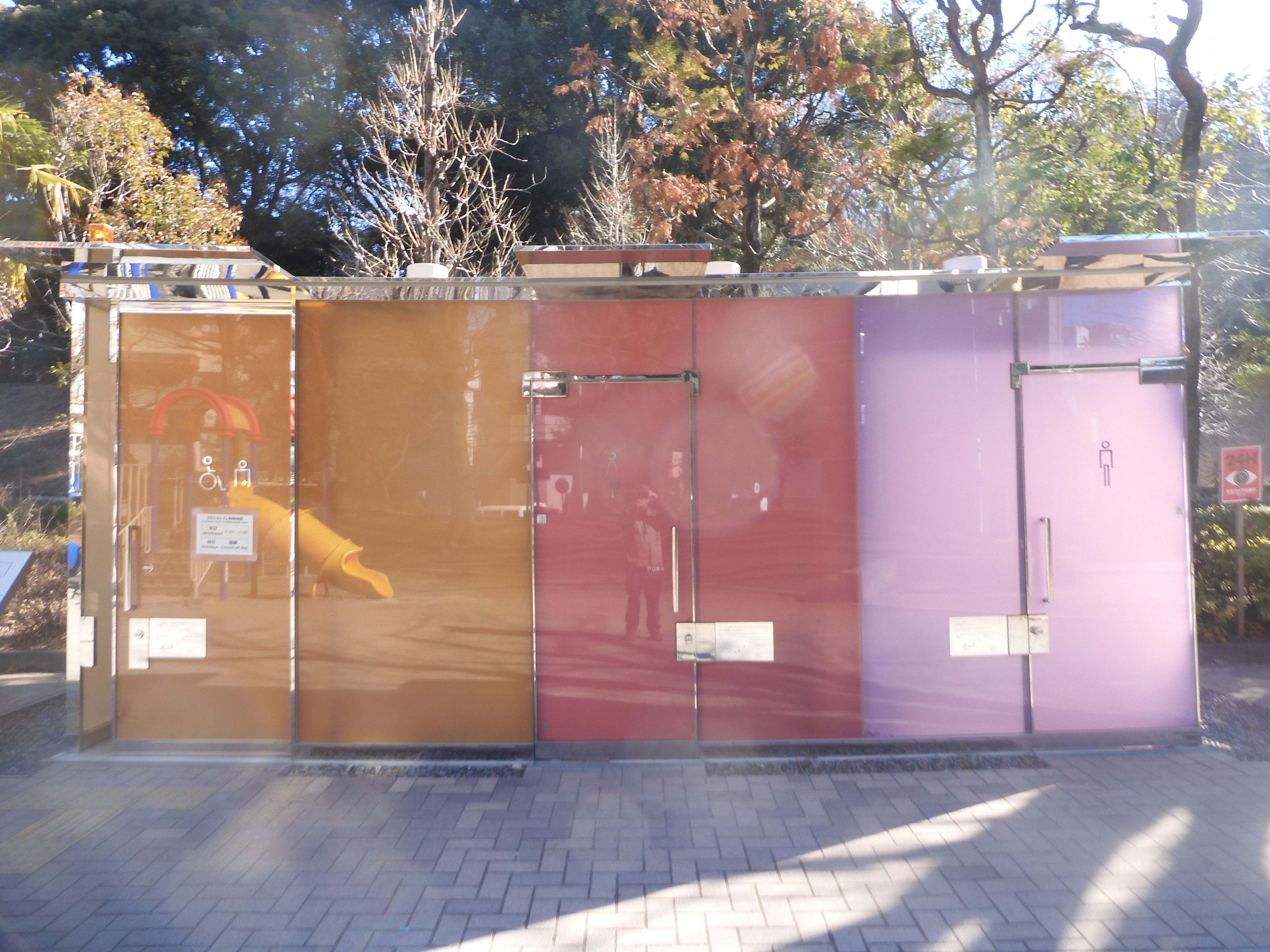
As a middle-aged Englishman who enjoys both a decent cup of coffee and long walks, I am always mindful of the need to be aware of the location of the nearest lavatories especially in towns and cities where, unlike the countryside, a tree is not available to disappear behind for a couple of minutes. Tokyo has always been fairly well equipped with such facilities, and in the build up to both the Rugby World Cup in 2019 and the 2020 Olympics, in anticipation of an influx of cross-legged tourists, there was a fairly extensive renovation programme to smarten up the older ones and to replace the old austere concrete block versions. When Covid caused the Olympics to be postponed for a year, and with the eventual exclusion of spectators at the games, work was able to proceed uninterrupted and gradually some rather fancy, and  sometimes space-age, un-toilet-looking toilets started to appear. So, I was curious rather than confused to see the hoardings come down from the renovation works at the two toilet blocks near to Little Nap, my favourite coffee shop in Yoyogi, to reveal a rather revealing structure of coloured glass walls through which one could actually see the facilities and even the occupants until… they followed the instructions to lock the door at which point the walls turned opaque and they and their actions remained hidden from public gaze.
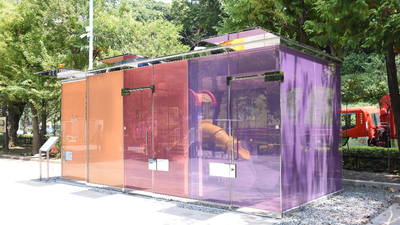
The reasoning behind this is that Japanese views of public restrooms are overwhelmingly negative. In a 2016 Ministry of Land, Infrastructure, Transport, and Tourism survey, slightly more than 1% of respondents said they frequently use toilets at parks and other public areas, compared to some 90% who insisted that they rarely or never utilize these communal conveniences. Over half of respondents said that they avoid them altogether. A major reason people gave for shunning public commodes was their uncleanliness and concerns about safety. So, architect Shigeru Ban designed these particular restrooms with glass walls to dispel the perception that public toilets are dark, dirty, and dangerous. Users can easily see how clean the stalls are and whether they are occupied, putting minds at ease before stepping inside to answer nature’s call and shutting themselves off from public scrutiny.

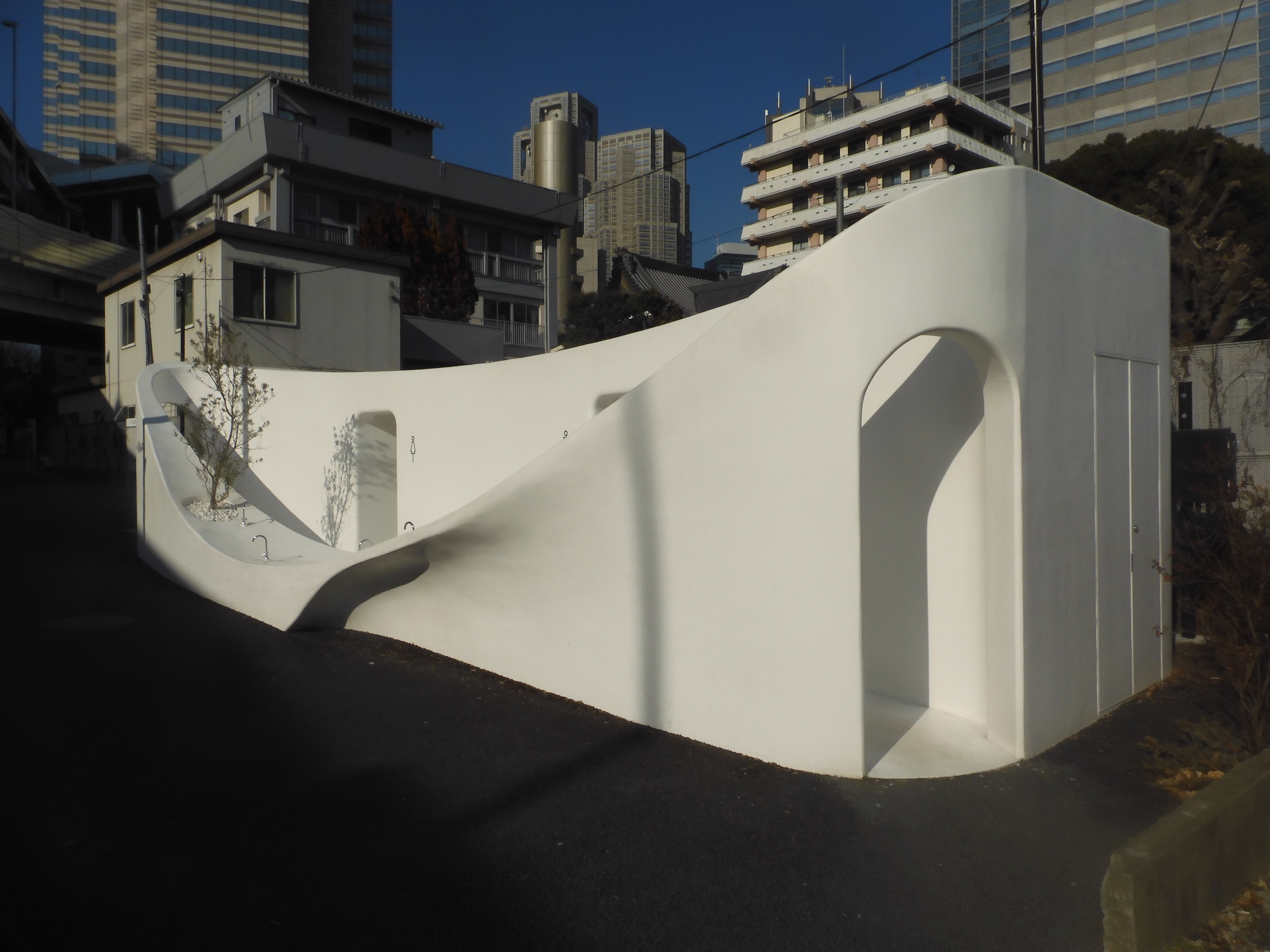
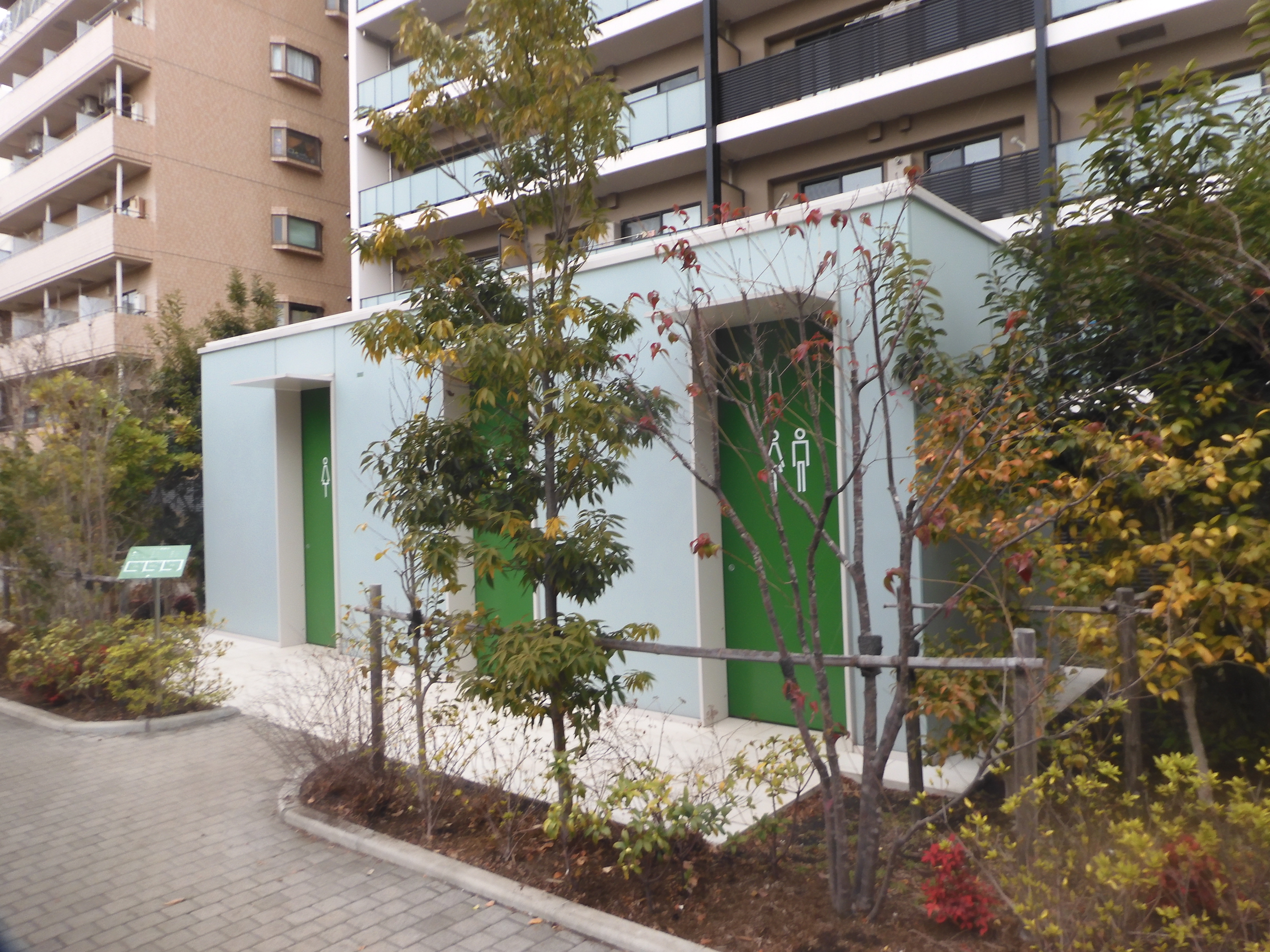
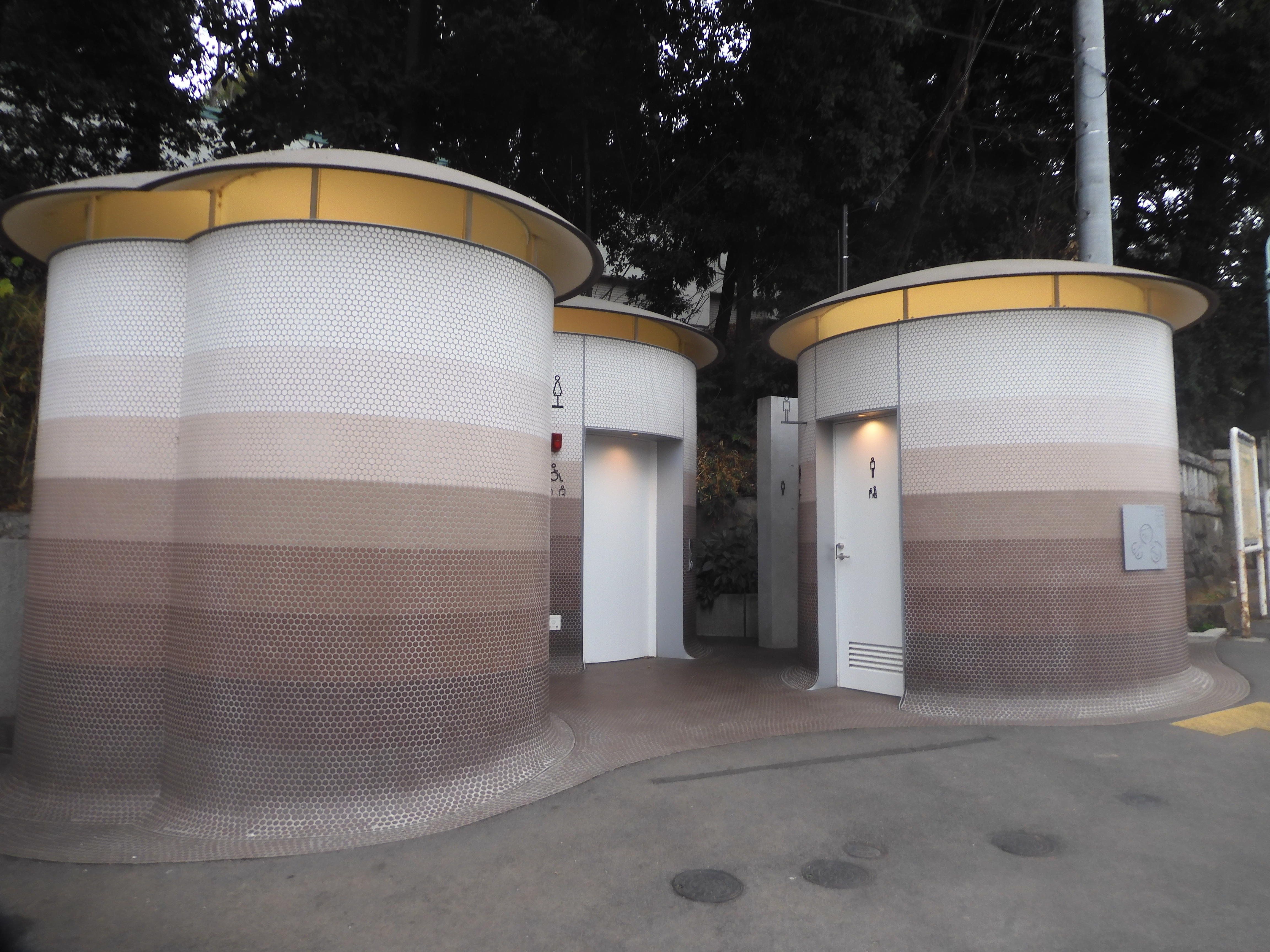
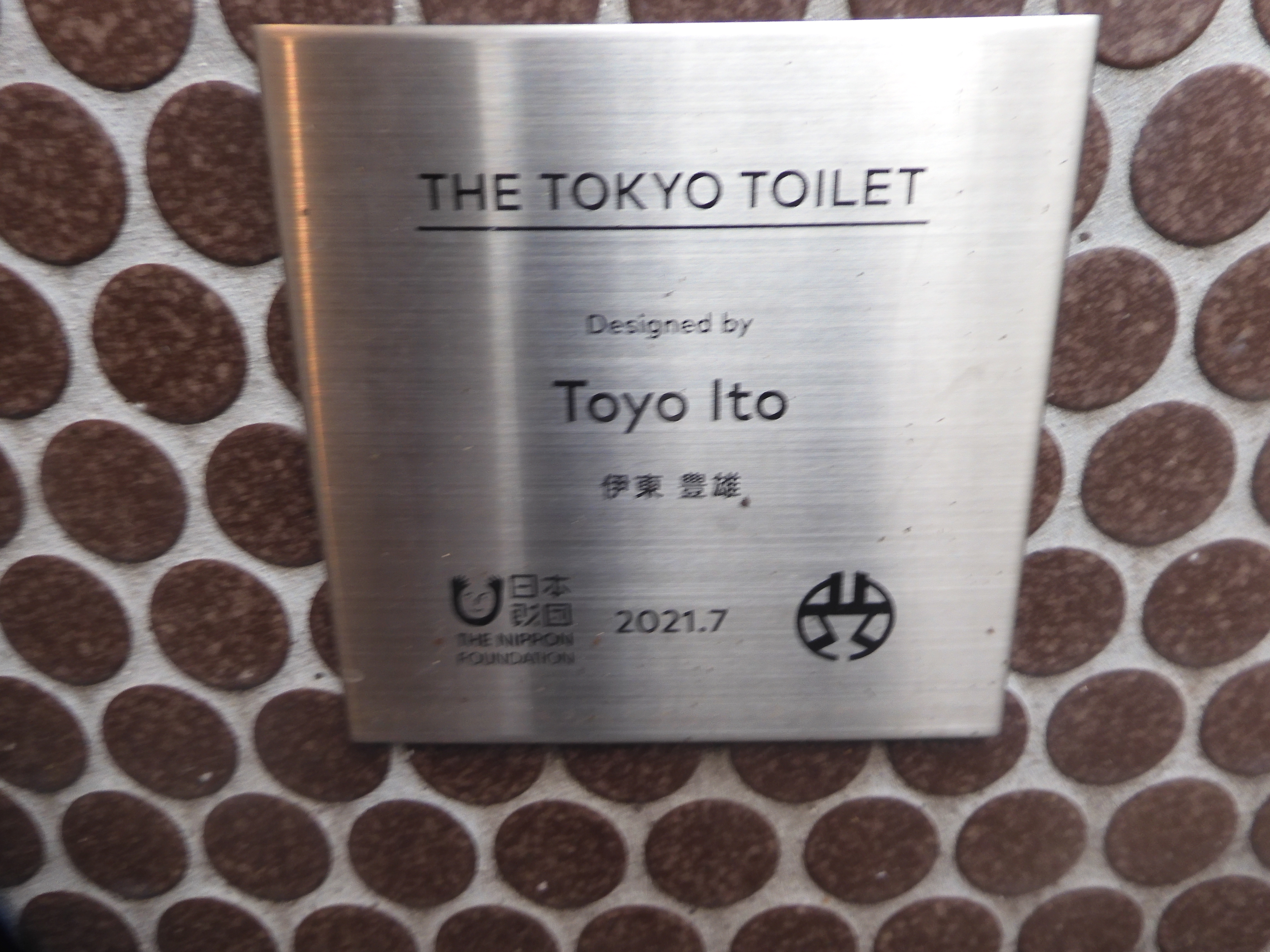
An article in the local Shibuya free-paper peeked my curiosity further with an explanation about the ‘Tokyo Toilet’ (for want of a better name) project with its own website which explains:

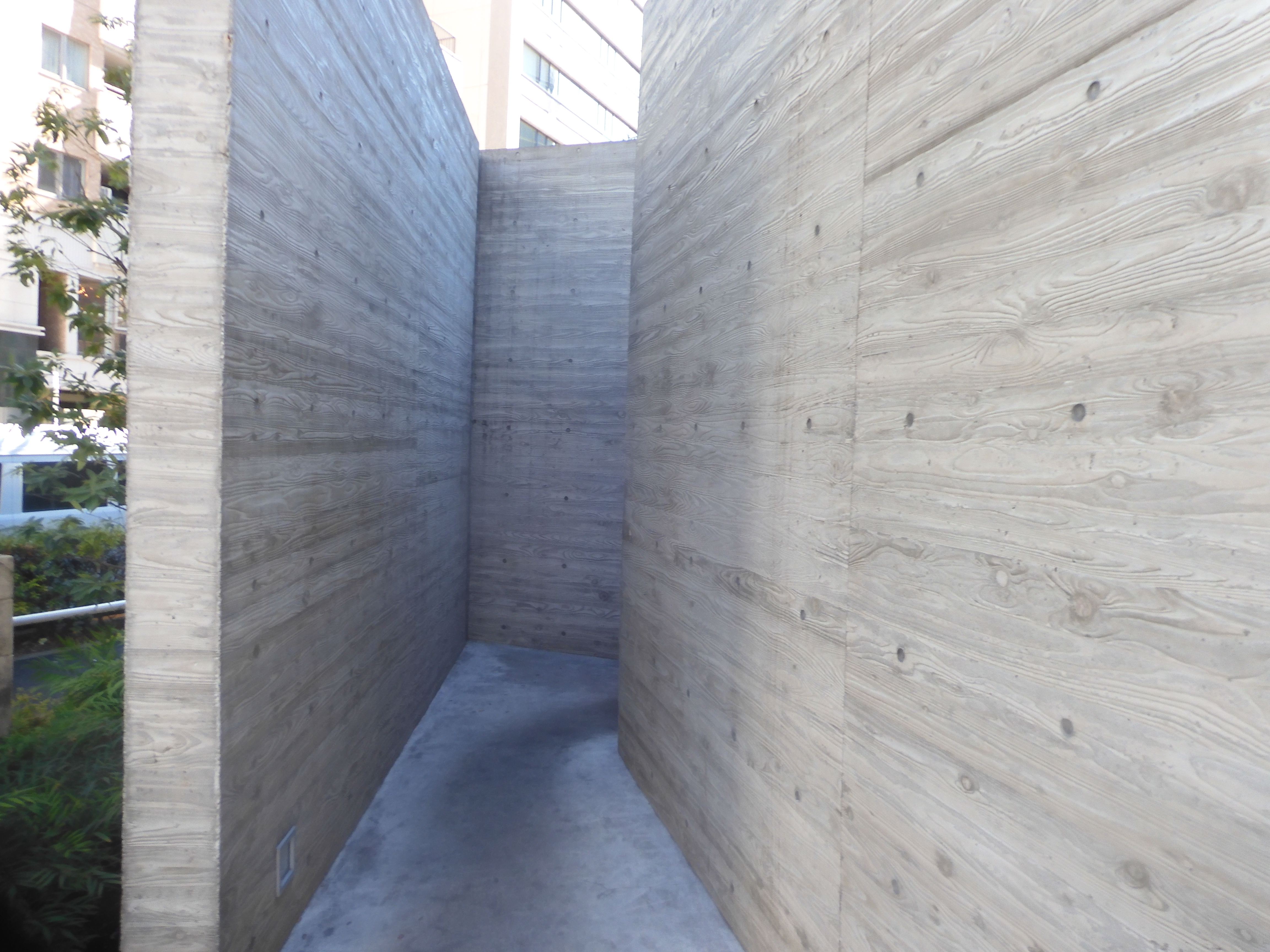
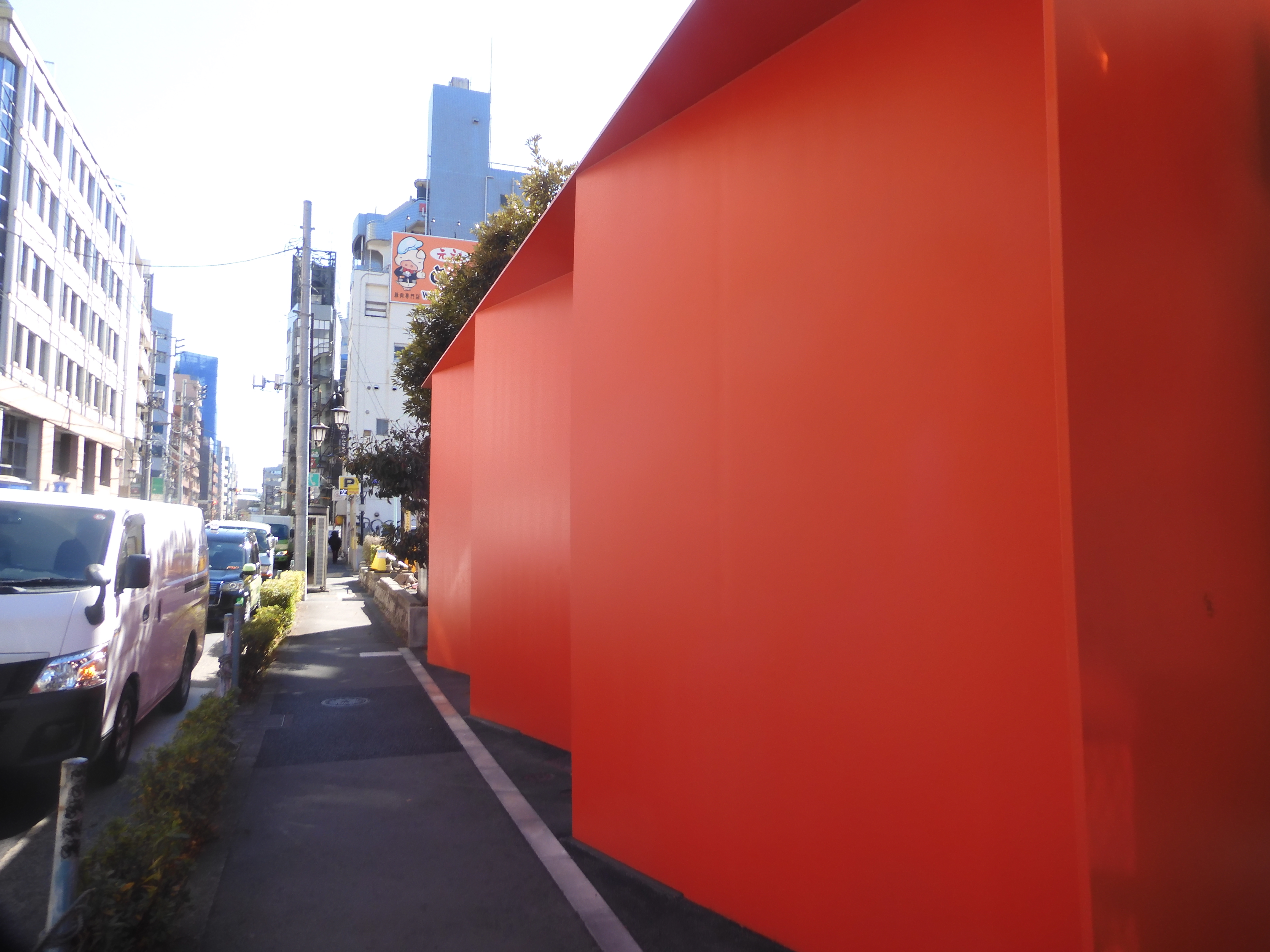
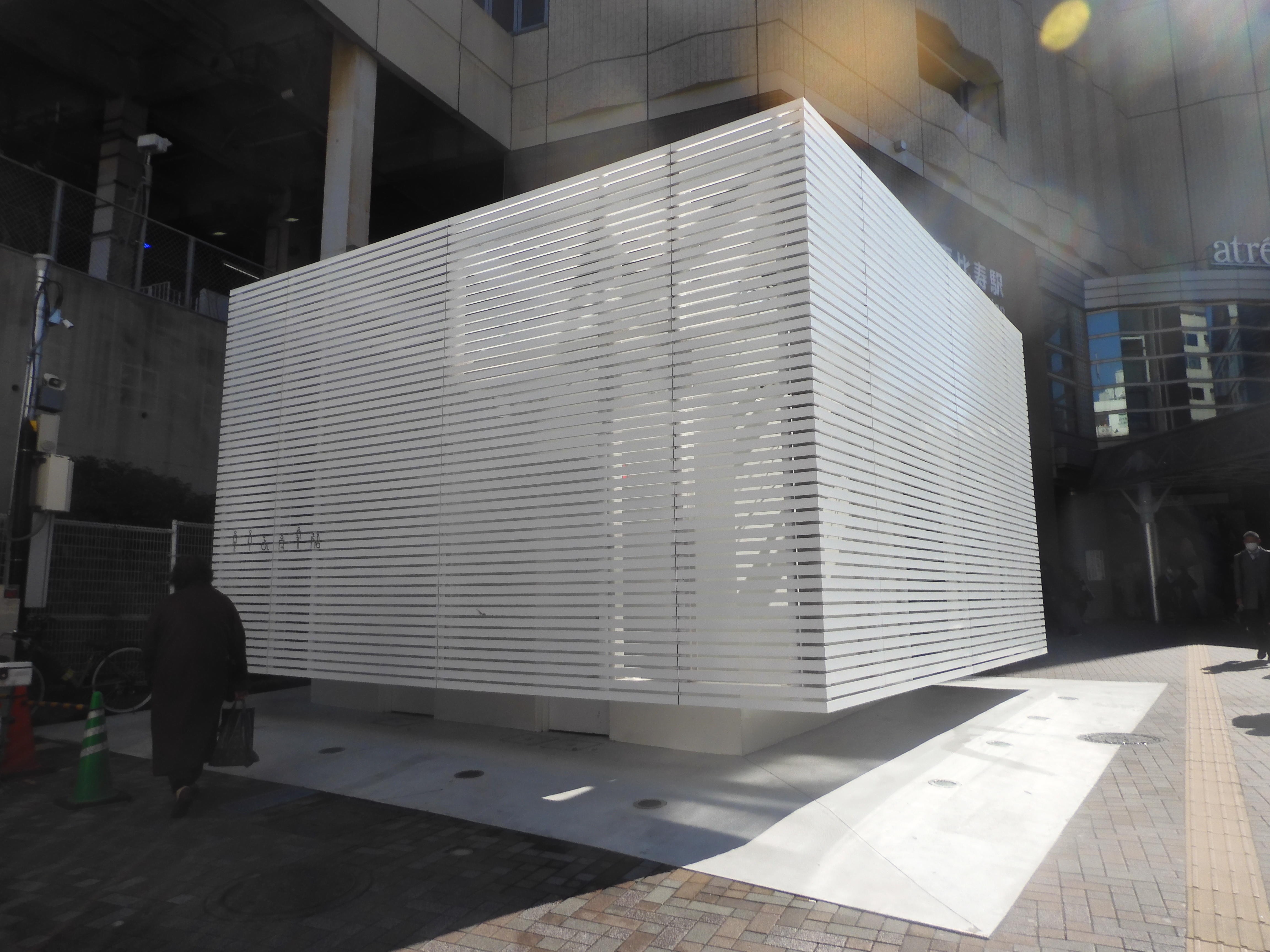
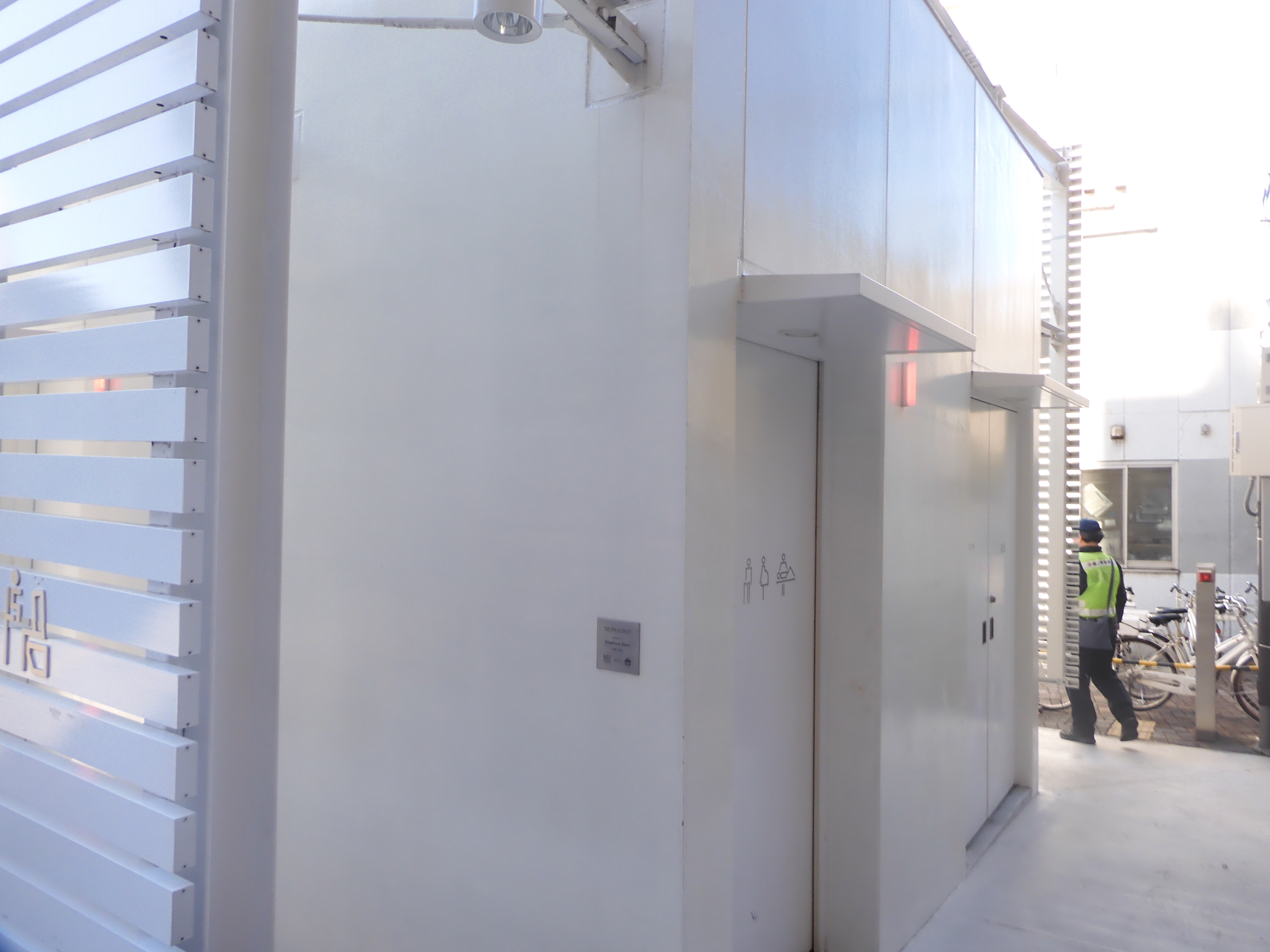
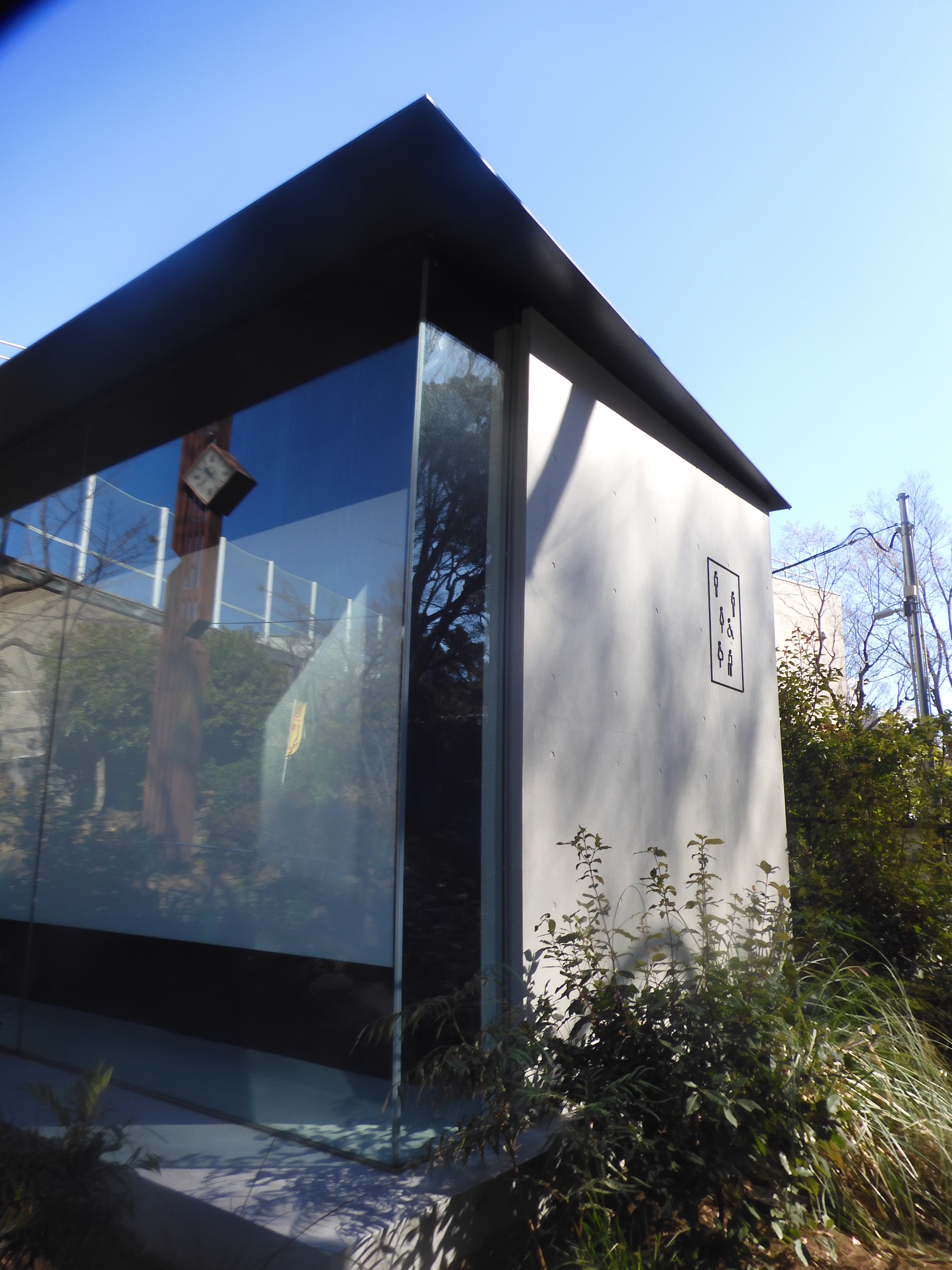
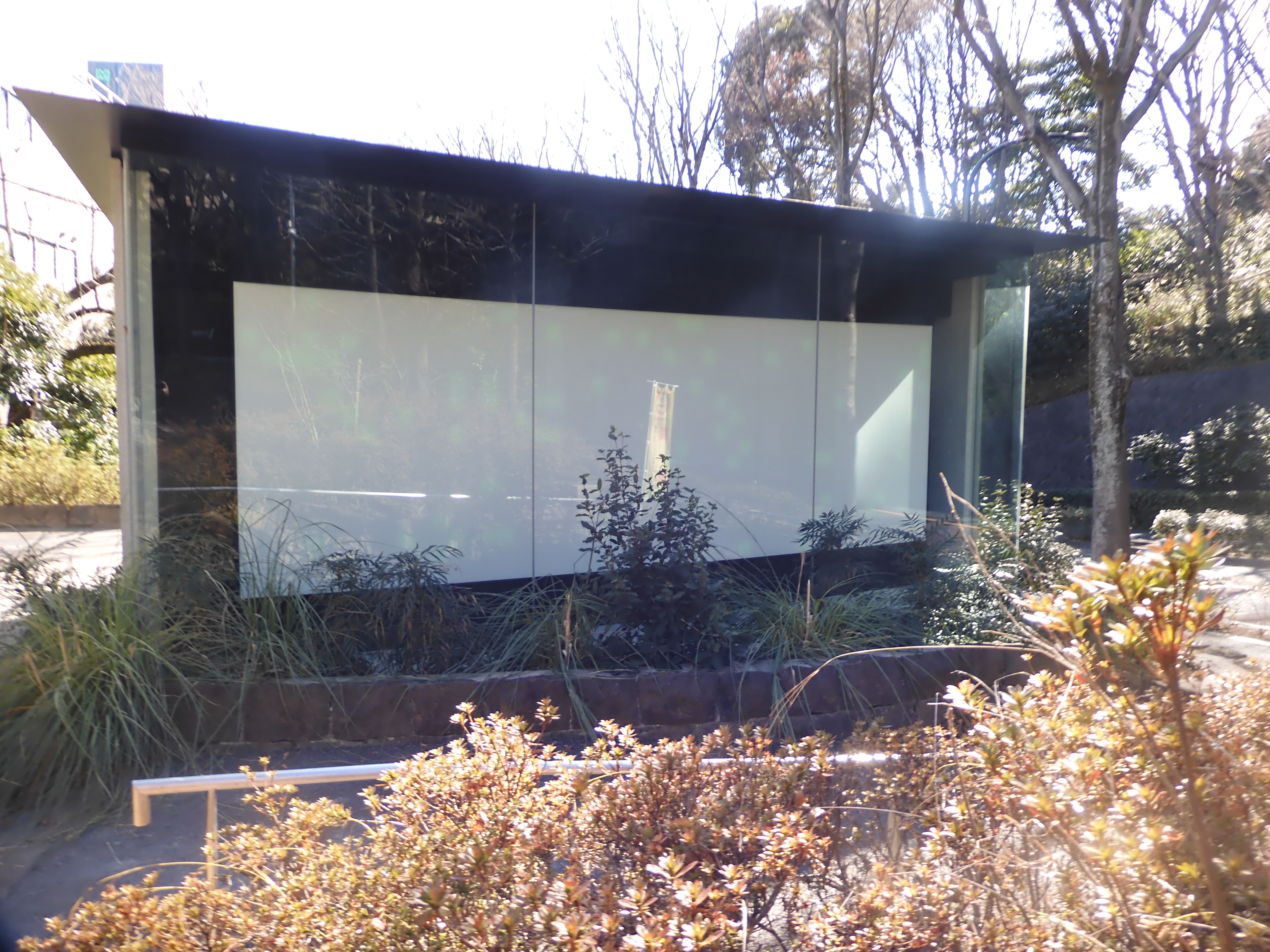
‘The toilet is a symbol of Japan’s world-class culture of hospitality. At 17 locations in Shibuya Ward, public toilets will be reborn one after another. Each toilet was designed with the participation of 16 creators who are active around the world. Please take a look at the unique toilets.’ A challenge I could not resist, so please join me in looking for and at some amazing ‘loos’:
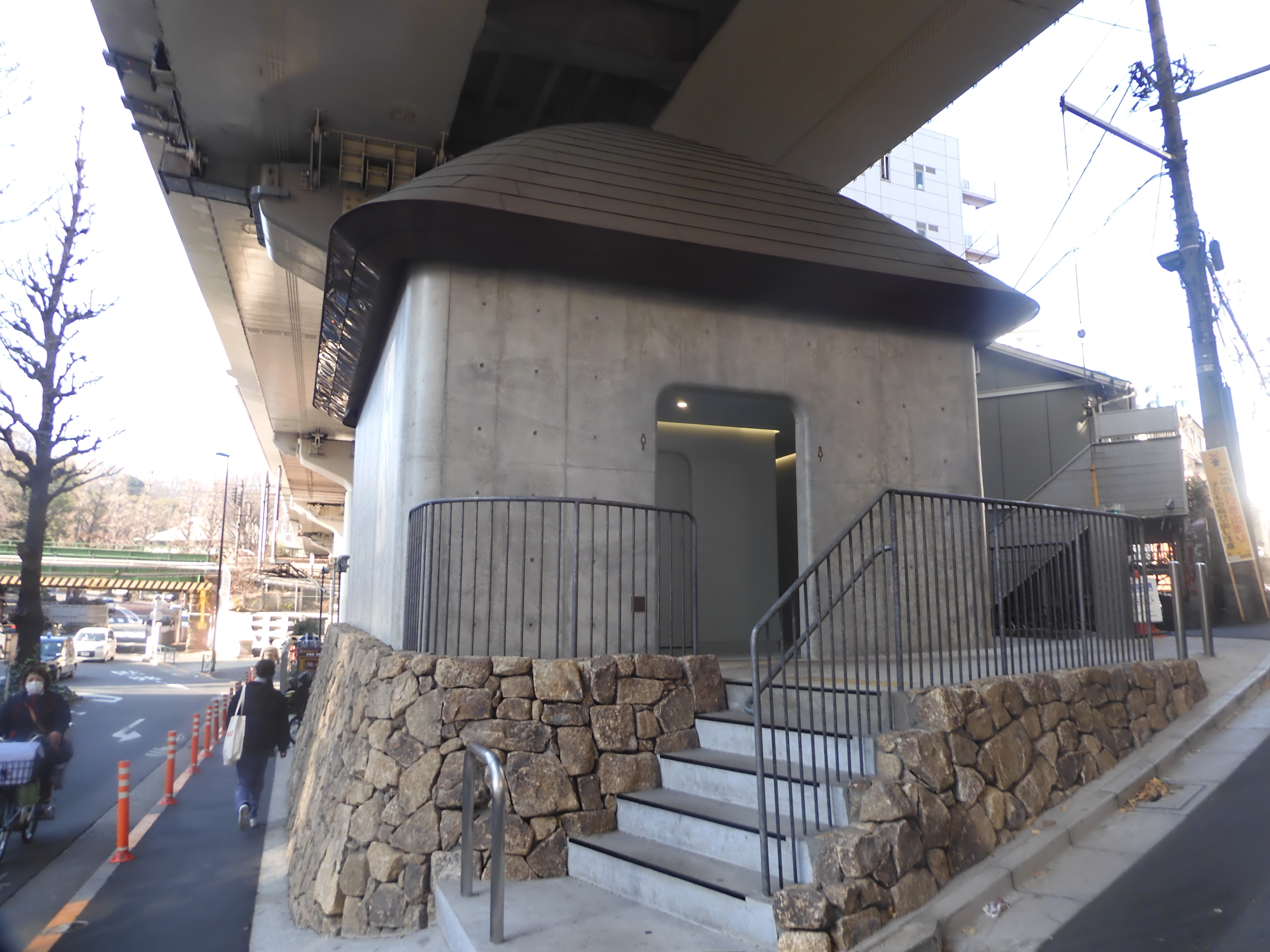
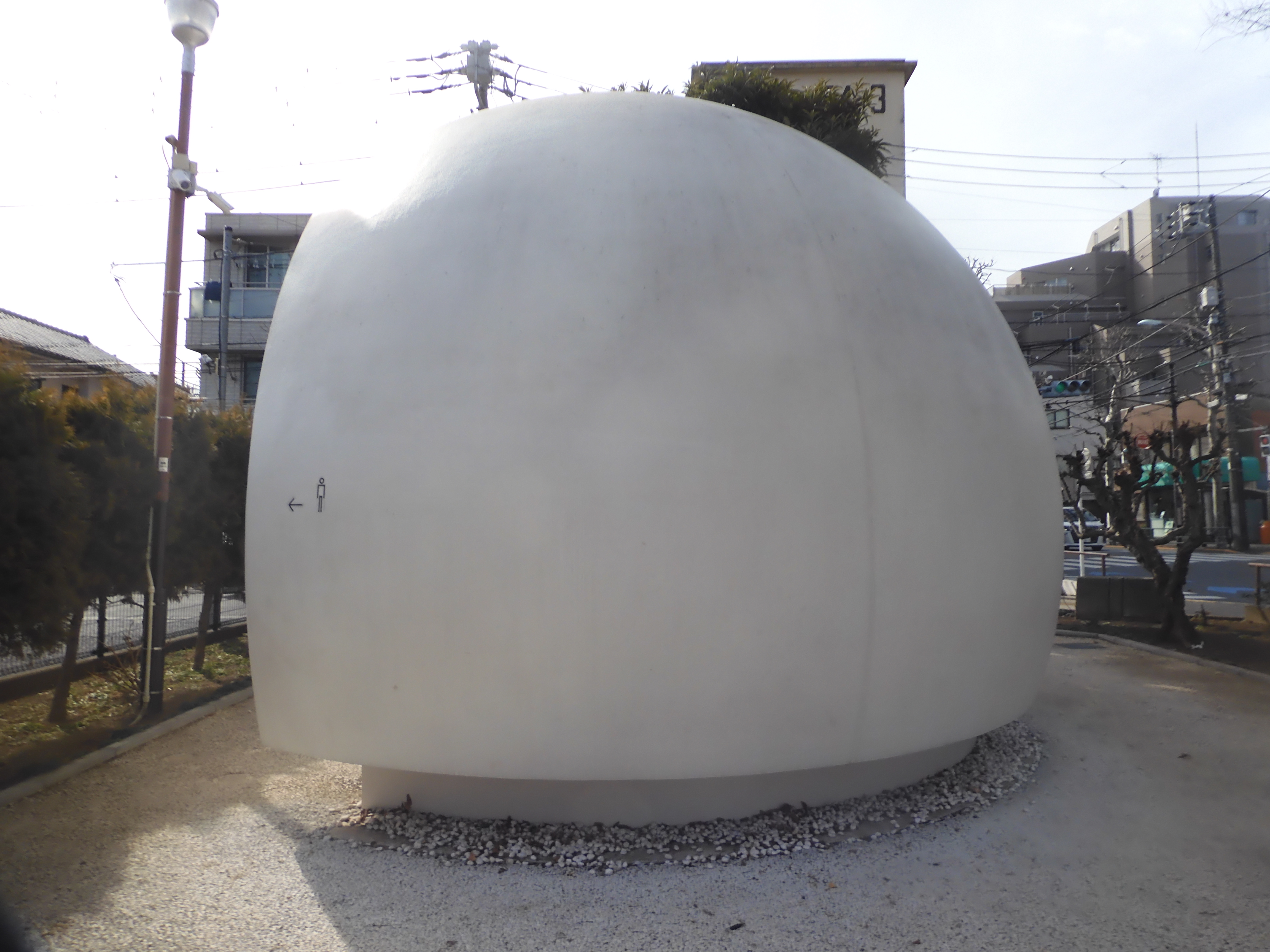
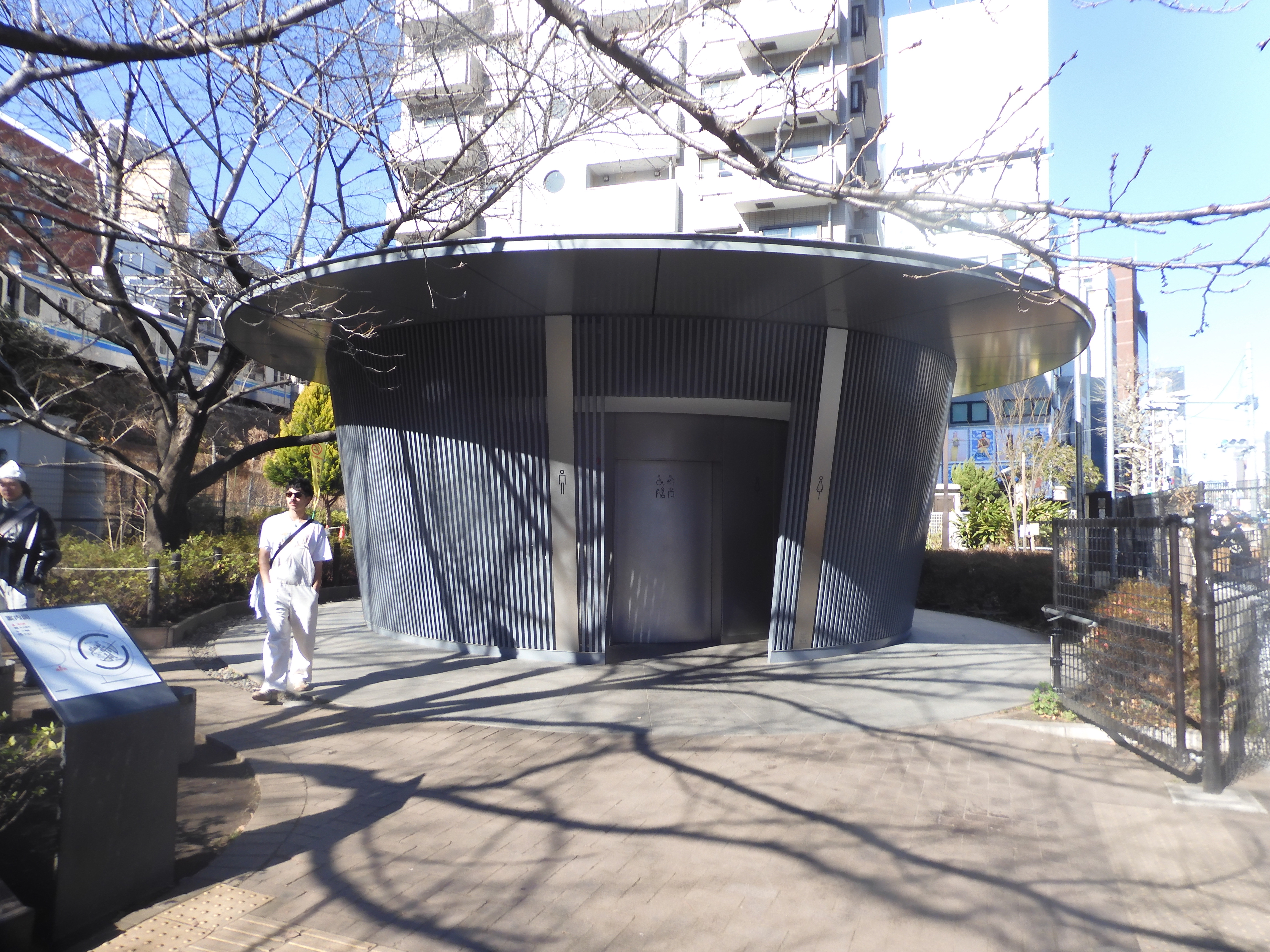
These are the three closest to where I live when in Japan.

Meanwhile a family member alerted me to the release of an award winning 2023  drama film Perfect Days directed by Wim Wenders, from a script written by Wenders and Takuma Takasaki. A co-production between Japan and Germany, the film combines four short stories and stars Koji Yakusho as ‘Hirayama’ in the role of a toilet cleaner wearing the very recognisable ‘Tokyo Toilet’ blue overall. 

In the film Hirayama is man who leads a simple life, and takes his job seriously; it follows his perfect day of public service with the joys of a second- hand book collection and his cassette tapes (sic!) of some golden oldies from inter alia The Animals, Van Morrison, Lou Reed, The Kinks and The Rolling Stones. A man after my own heart especially as he takes his lunch of a convenience store sandwich and carton of milk in the grounds of Yoyogi Hachiman Shrine surrounded by its trees which he photographs with an old film camera. (seen above). This is a place I know well and visit weekly, at least. In fact, the film credits also refer to his hobby as a love of ‘Komarebi’. Now, where have I heard that before?! (https://jeremyjlhill.com/2022/12/)

So much did the film resonate with me and my life that my wife said to me as we left the cinema that the character of Hirayama reminded her of me. Perhaps she was hinting that I should get myself a retirement job as a cleaner, although that may have been lost in translation. Or maybe I should start a ‘Tokyo Toilet Tours’ company?! If the latter, let’s continue the tour with some of the toilets which feature in the film, starting with Yoyogi Hachiman shrine.

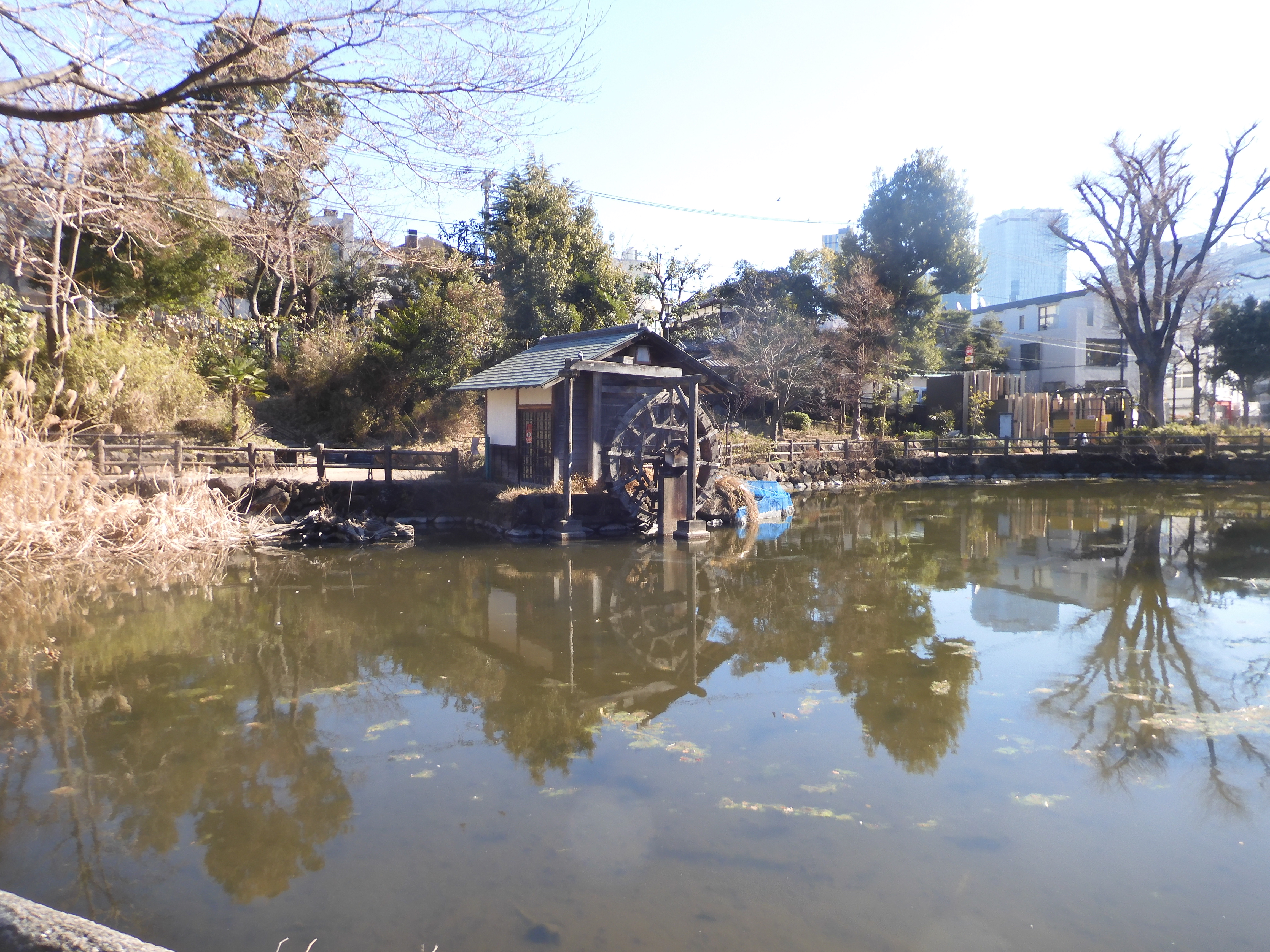
Moving further afield to the outskirts of Shibuya, is this incredible construction in Nabeshima Park, Shoto.
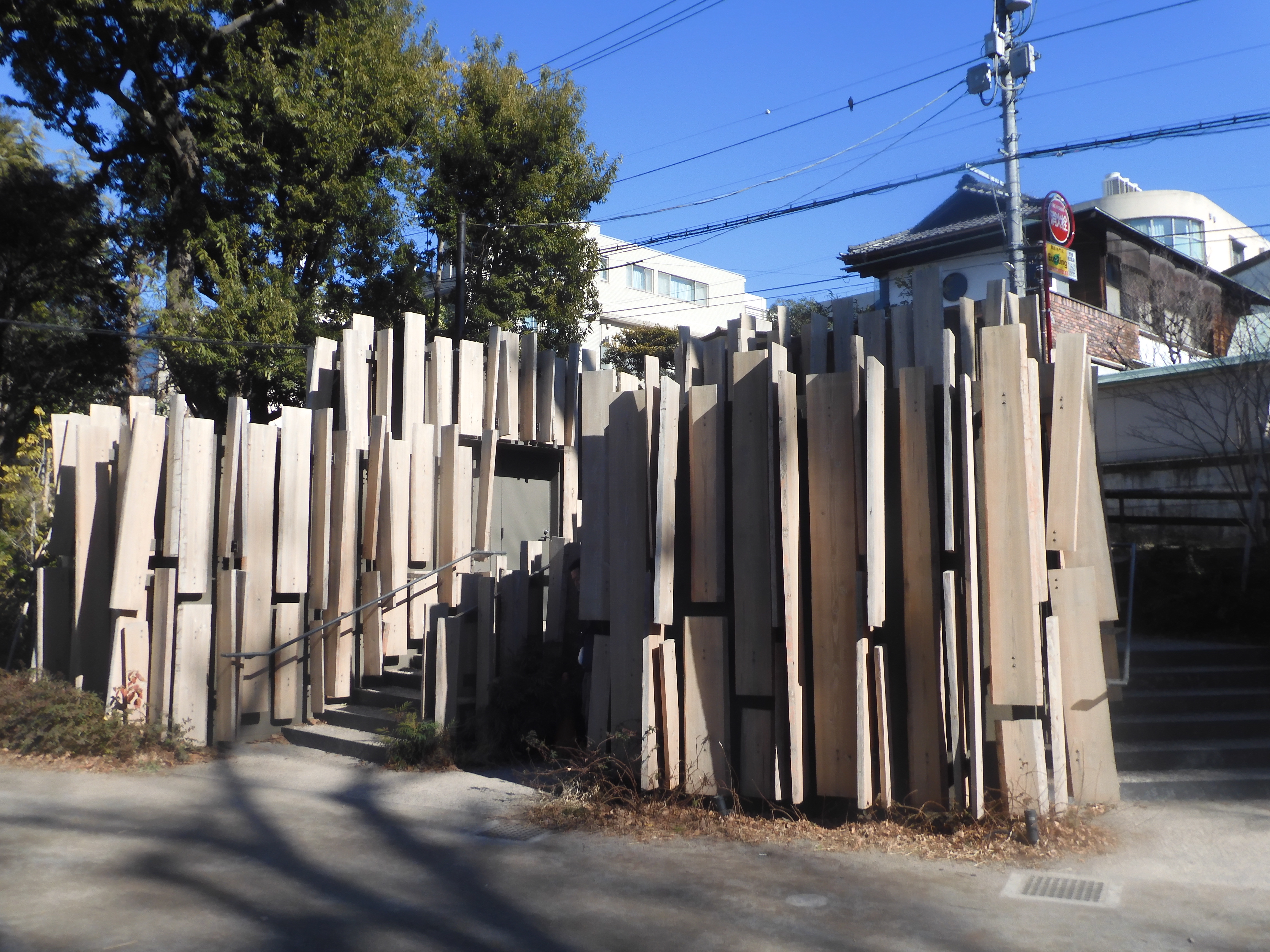
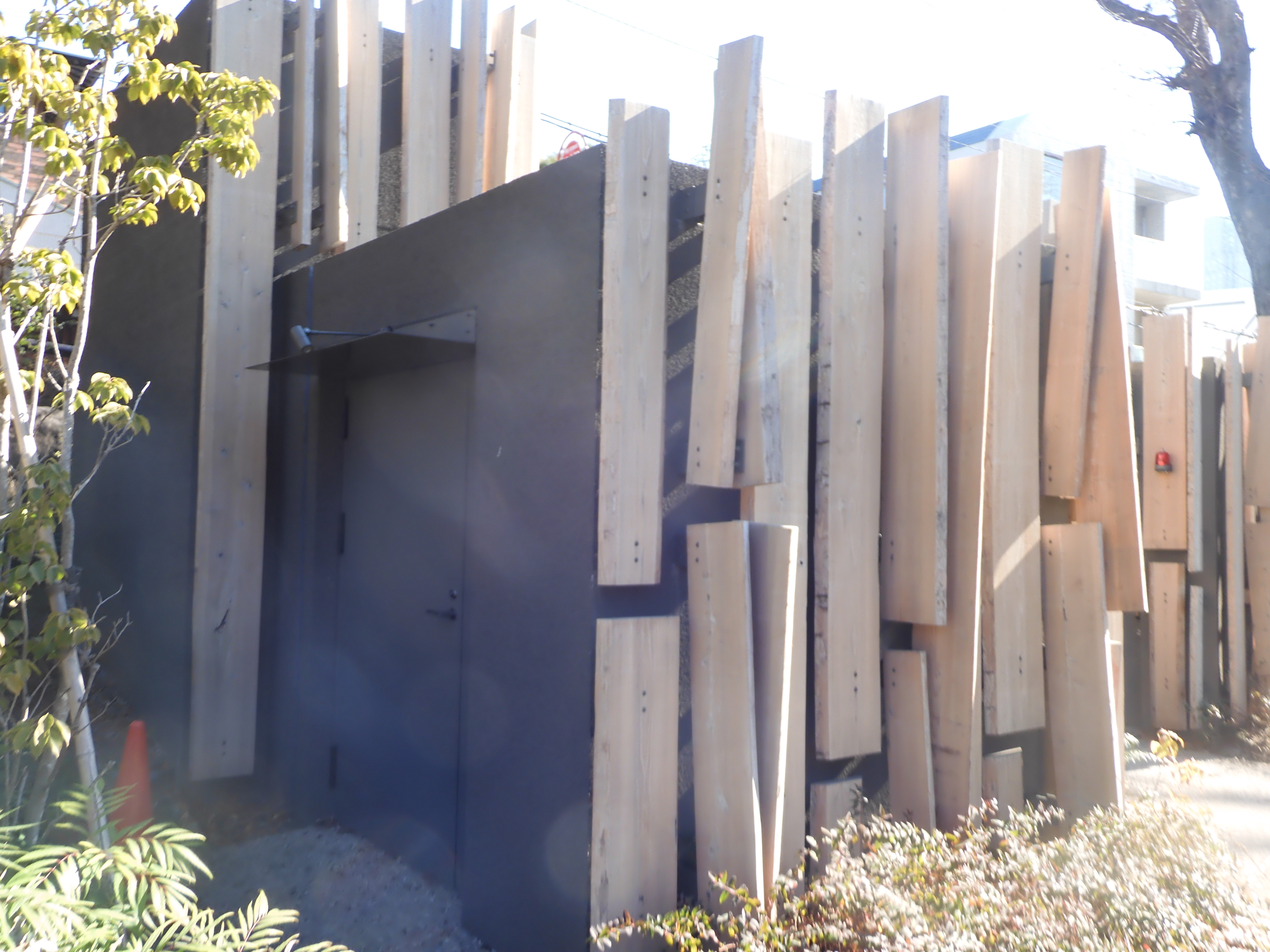
Whilst the park itself is worth pausing in with its pond and small water mill.
From there to the Ebisu Four, which could be the title of a yakuza gangster movie but is just my word for a group of conveniences all convenient for Ebisu station.

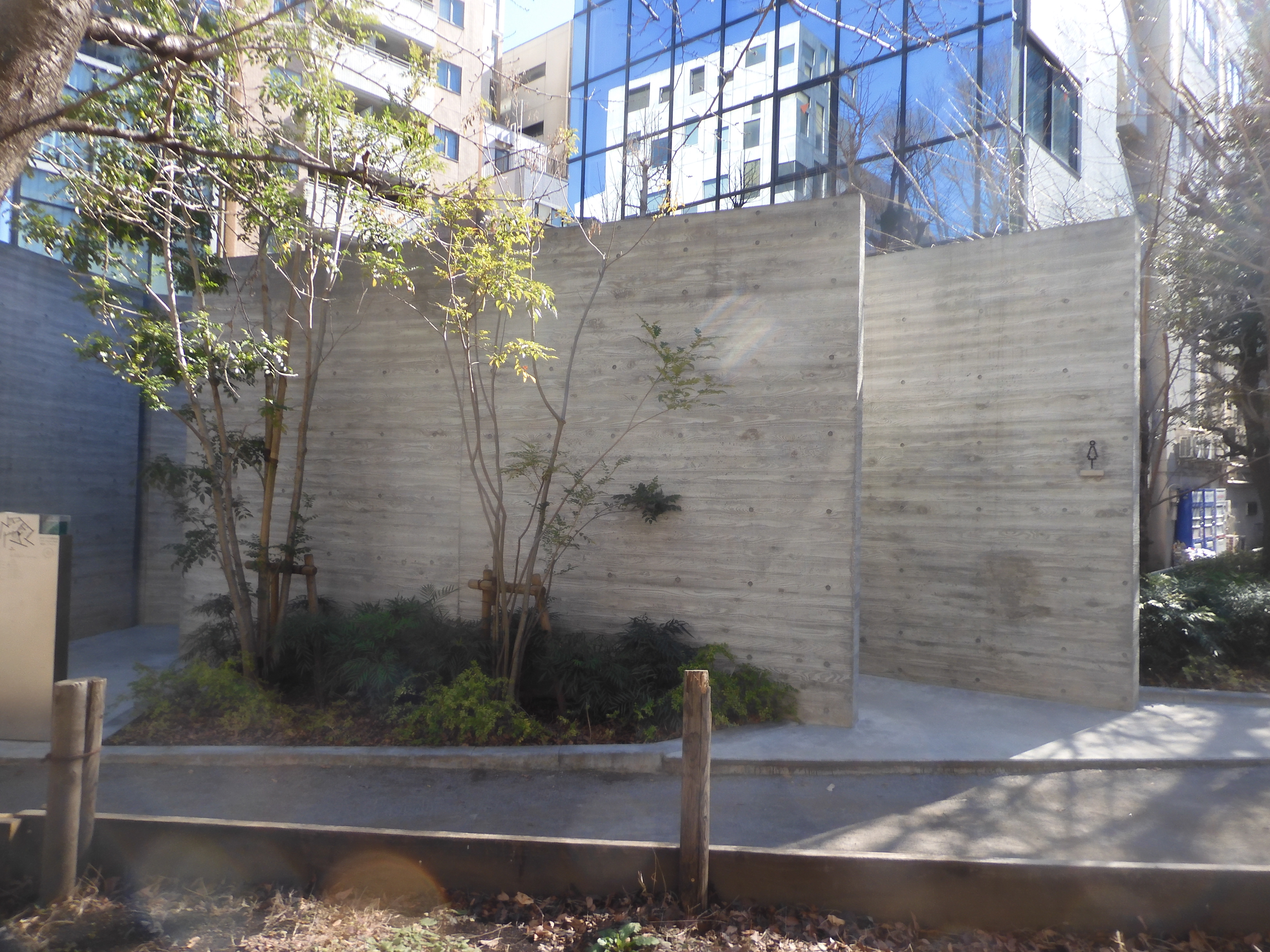
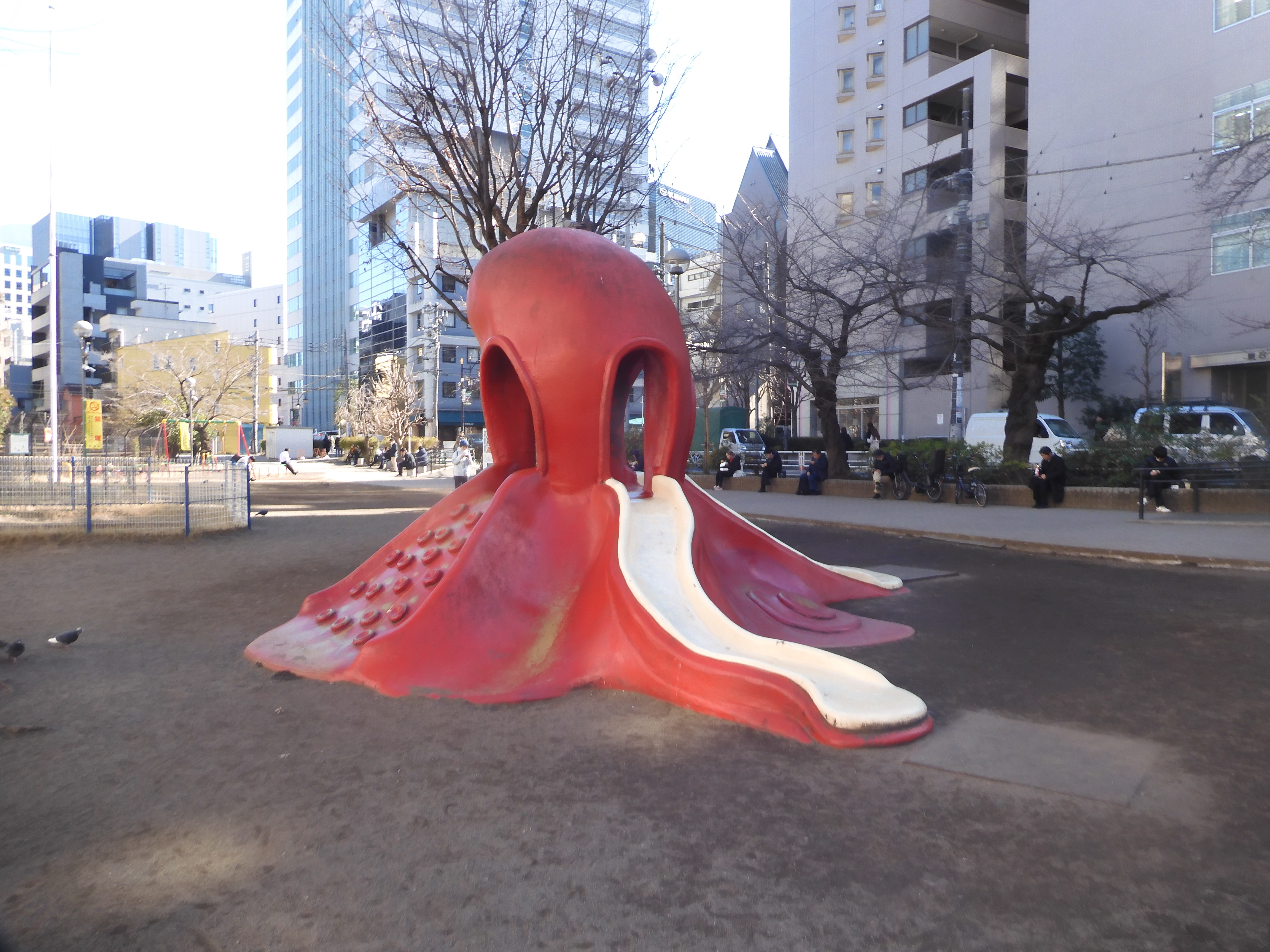
And here’s the creature which gives the park its name!

And now an outlier in fashionable Hiroo district.
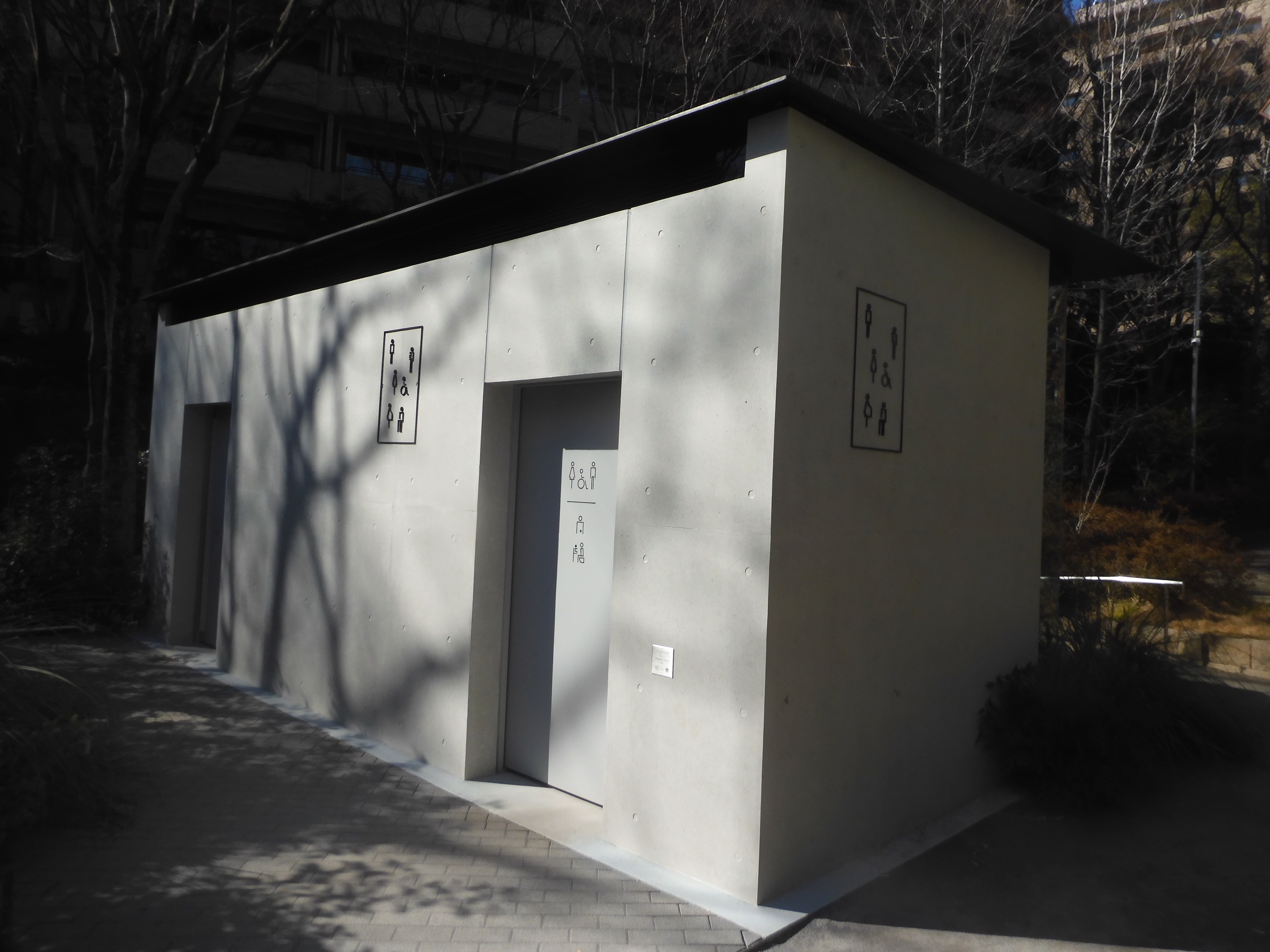
And heading back towards Shibuya
I visited most of these toilets accompanied by my good friend and walking companion, Yu Yoshida who lives in the Sasazuka area of Tokyo which has its own selection of Toilets.

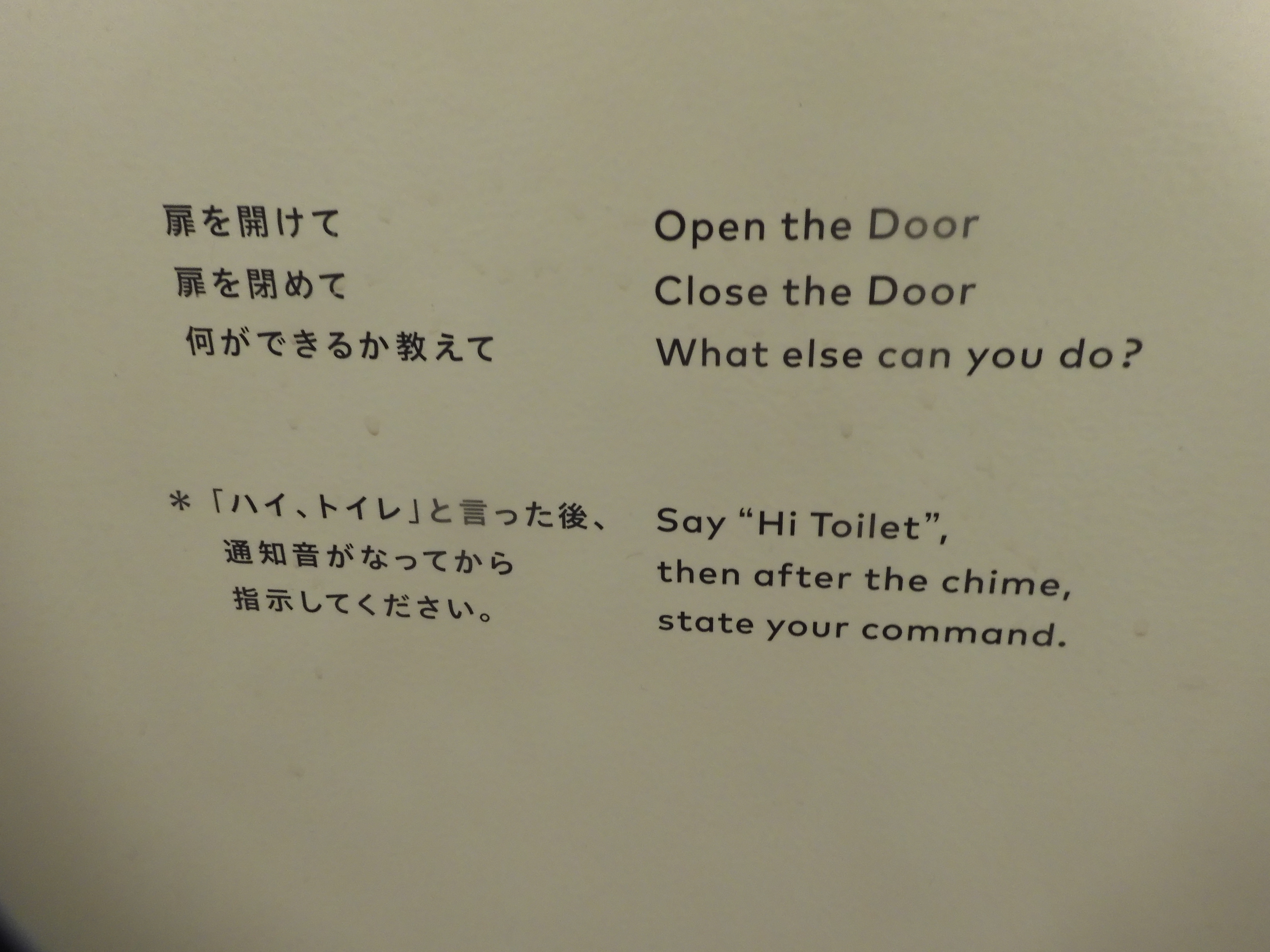
I tried but it didn’t work for me – maybe it wasn’t programmed for a British accent?!

And last, but not least a final look at, but not into those transparent toilets which were were not exactly flushed with success. ‘Due to the drop in temperature, it takes time for the glass walls to become opaque, so this toilet will remain opaque…from October 13, 2023 to mid-May 2024.’
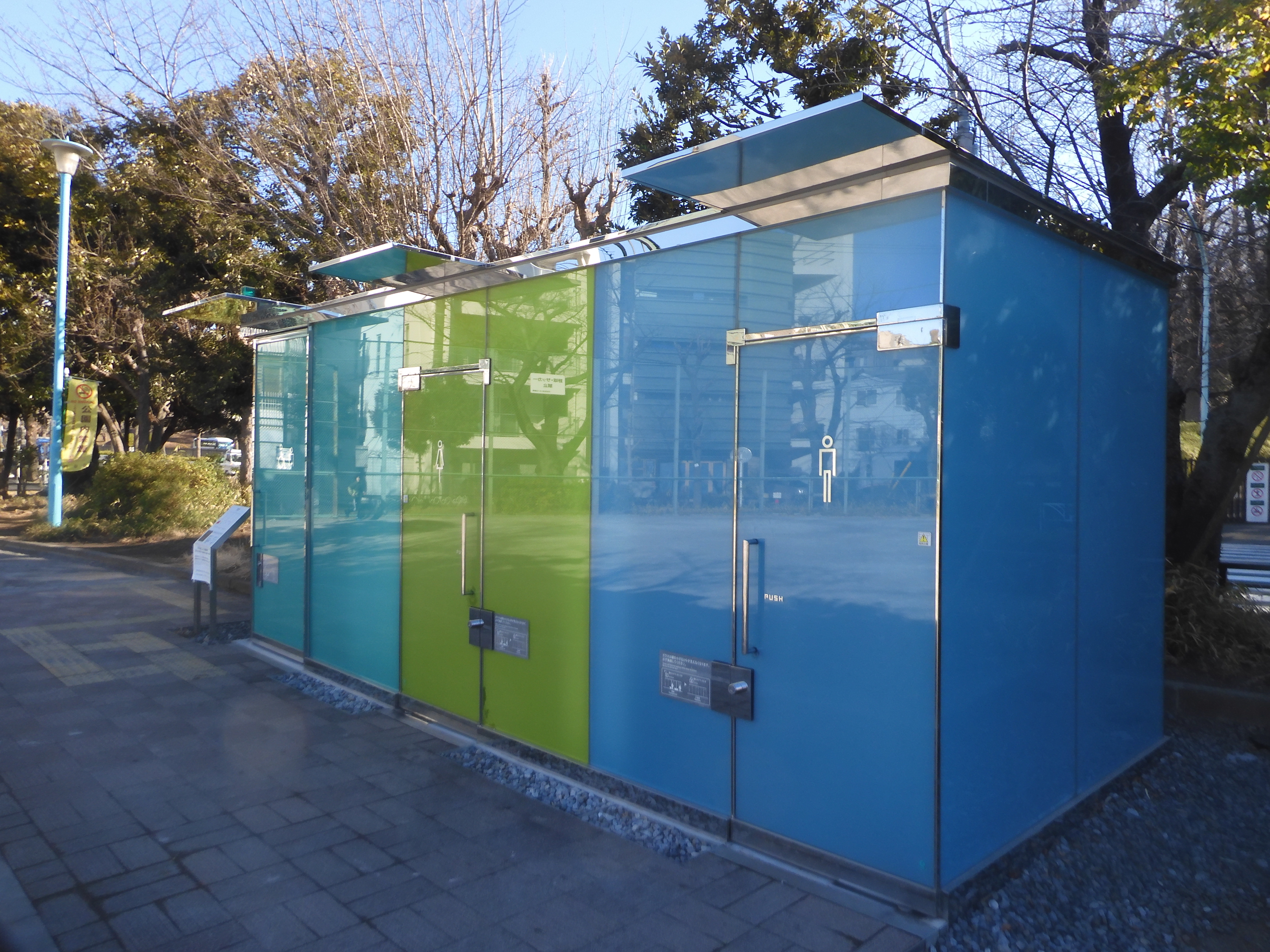
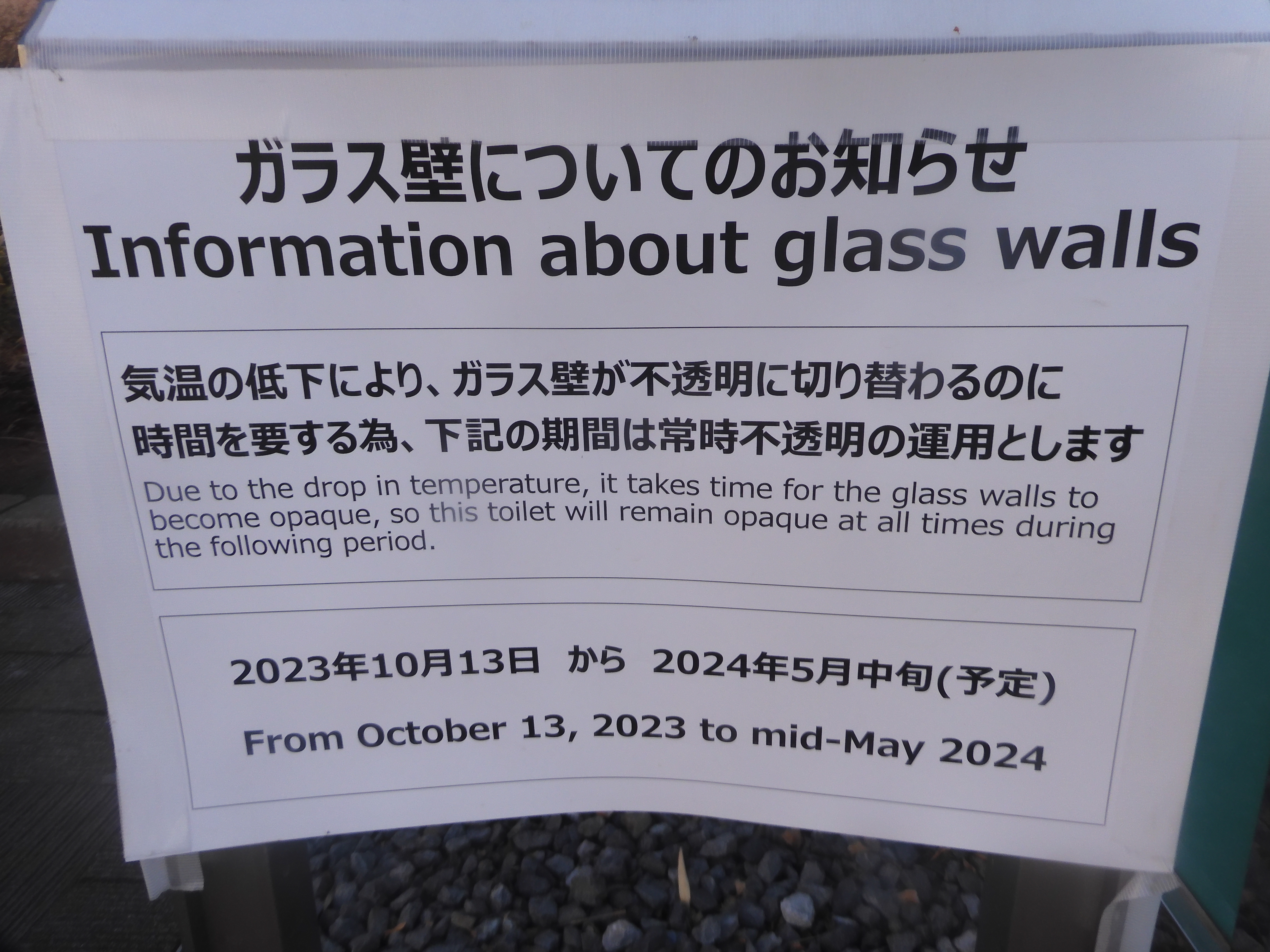
”Houston, we have a problem!” Visitors seeking the now-you-see-me-now- you- don’t experience will have to time their loo trips accordingly.

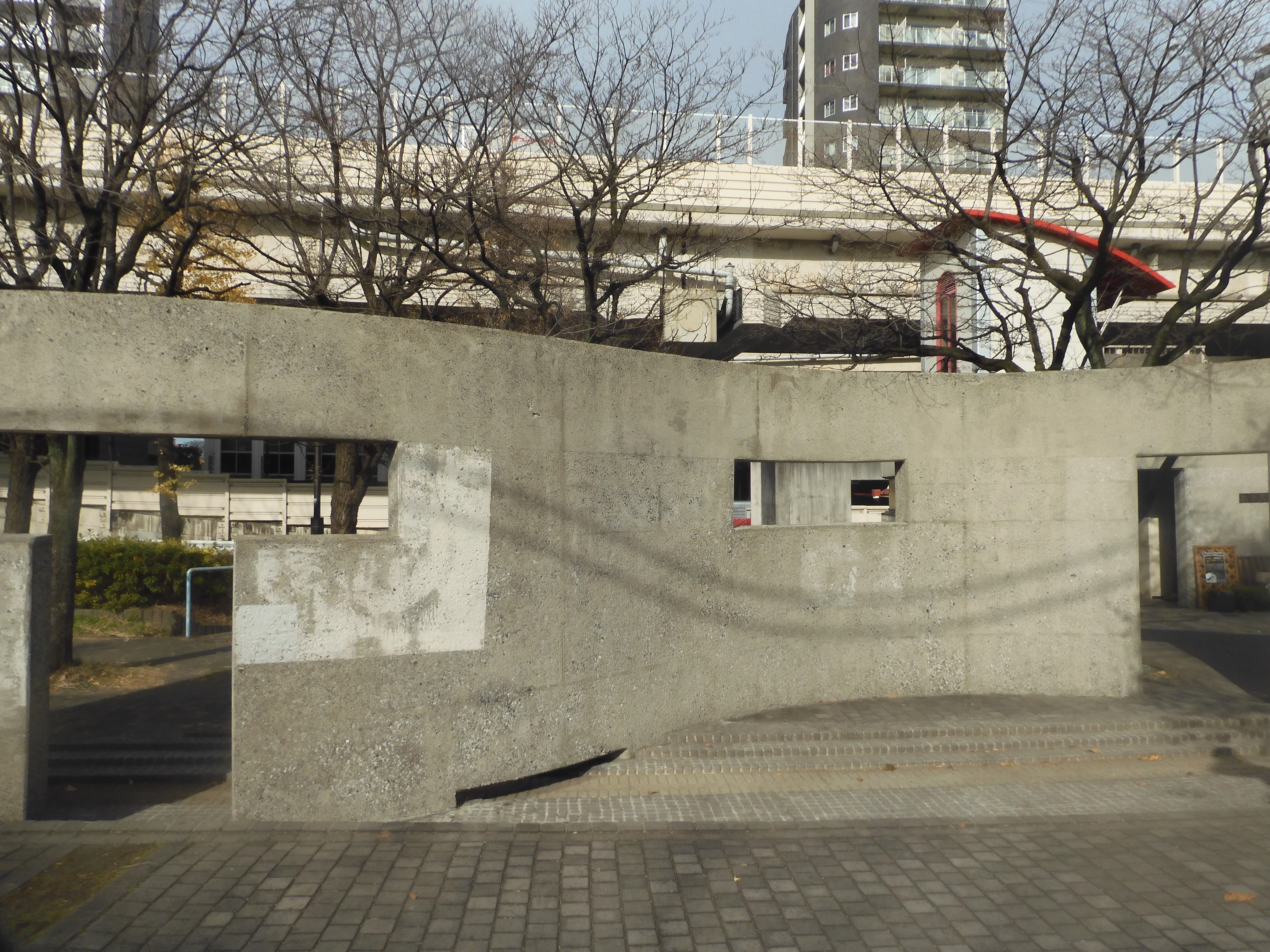
And now for a few images of ‘Not the Tokyo Toilet’ to show what it meant to be excused before this project took off.

It would be remiss of me not to reflect on a UK angle to all of this as Japanese visitors to the England would be forgiven for having a similar negative and well-founded view on some of our less salubrious attractions. But recent stays back home have given me some hope as far fewer of our public toilets now charge. In fact, ‘to spend a penny’ was once a less direct expression for ‘going to the toilet’ as that was once the pre-decimalisation charge for their use. The only places I was relieved of coinage to relieve myself were Northampton bus station (20 pence) and Birmingham Coach station which charged an extortionate 30 pence (a x70 increase over the original penny.) 30p to have a pee, that’s just taking the p*** isn’t it?

Dark Side?
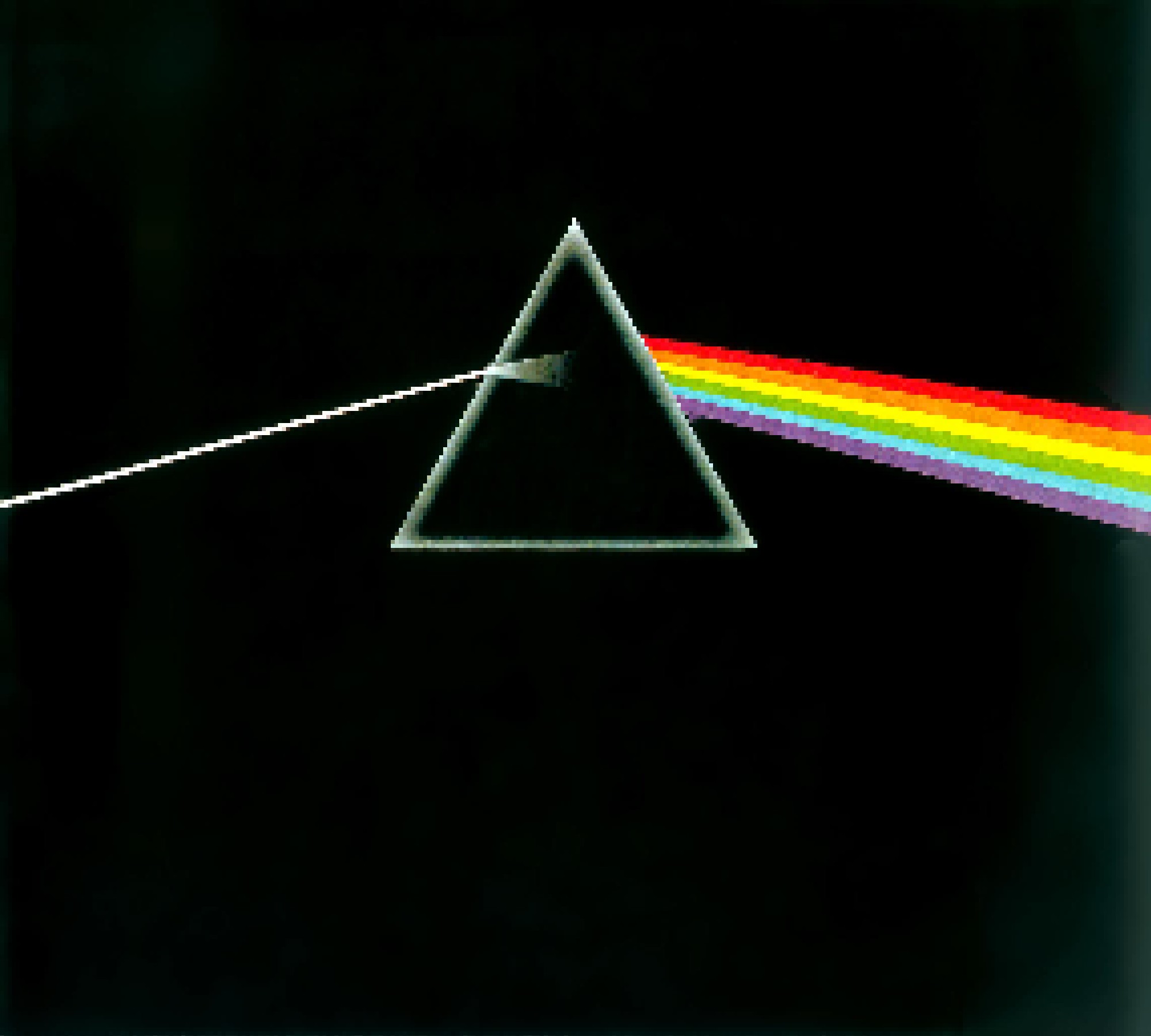
It’s now just over 50 years since Pink Floyd released their seminal album Dark Side of the Moon and as I write this I am listening to the latest re-mastered edition as I’m also celebrating an anniversary – a 15th.

Speak to me

Every January, I remember how lucky I am to be here. In the UK, people are advised to follow the FAST (Face, Arms, Speech, Time) model for reacting to what they may believe to be a stroke in someone else. Fifteen years ago, on a cold winter’s January evening in Tokyo, I was suffering from a heavy cold and my partner had already told me that my ‘face looked funny’, which I thought it had for the previous 50+ years so nothing new there. But when I lurched against her on the sofa, she began to suspect something was wrong. I don’t remember if I said anything but if I did, I was probably pretty incoherent. However, I do have this image of the face of the Joker staring at me from the TV screen as we were watching the Dark Knight Batman movie at the time. And it was no joke as it turned into a very dark night for me with my partner summoning an ambulance.

Breathe

My heavy cold meant that I was bunged up and not breathing that easily so it was a great relief when the white-helmeted paramedics clamped an oxygen mask over my face. I vaguely remember being lifted up from the floor, which is where I had ended up, and being carried out of the house into the waiting ambulance thinking that we might have to postpone our plans for a big shopping trip the next day, a public holiday in Japan.

On the run

Although I speak Japanese, I am by no means fluent, especially in the state that I was in at the time. But, in the back of the ambulance, I recall a lot of chatter as the crew were trying to locate the nearest Emergency Ward capable of admitting the foreigner with the funny face. And to the sound of sirens, it all went very fuzzy.

Time.

The fourth word in the four-letter acronym indicates that time is of the essence when responding to and treating suspected stroke cases. Tissue Plasmimogen Activator (TPA) is a protein involved in the breakdown of blood clots. As long as it is administered within the Golden Hour of the onset of stroke symptoms it can improve the stroke outcome. So, I was most fortunate that on arriving at the A&E of the Toho University Hospital in Ohashi, Shibuya ward, I was thrombolysed as well as being connected to various tubes and devices. Our neighbour, Tim, who’d followed the ambulance to support my partner in her hour of need said that so rapid was the effect of the TPA in clearing the blockage, that I acknowledged him as I was wheeled towards the Intensive Care Unit, although I don’t remember that.

Great Gig in the Sky

But I do remember Tim and Carol being two of my first visitors in ICU where I was connected to the machines that went ‘ping!’ as I gradually became aware of what had happened to me. A whole series of doctors and nurses asked me numerous questions and had me performing simple tasks like raising my arms in a banzai salute. Simple? But not when only my right arm would go up. And the lovely nurses who asked me to squeeze their hands with my left. Administering angels, so maybe I was in heaven after all? But not for long as the reality was that a blockage in my carotid artery had led to a serious ischemic stroke leaving my left side paralysed, so when a senior official from my office called on me, interrupting his own birthday celebrations, he must have had a wry smile when I apologised for having to take a couple of days off work. Those days would become weeks and the weeks would stretch into a couple of months as the long road to recovery started.
Money

Just at the time when I least needed to worry about the practical and financial aspects of my incapacitation of course I was getting extremely anxious about my future and the career implications, especially during the first four weeks of lying in a hospital bed being closely monitored in case of relapse. As an employee of the British Government, I was covered by the NHS which meant that I could take 6 months sick leave before going on to half pay, but what about the longer-term future? Would I be ‘sent home’ from Tokyo to London? Where would I go if I were sent home? Could I travel? Could I work? Could I walk even? A lot was going to be up to me.

Us and Them

But I had a lot of support and help. With access to email and an international phone card I was able to keep in close contact with my family back in England. My sister, an NHS nurse and my son, a first-year medical student had a professional interest in the treatment I was receiving and would often comment ‘You wouldn’t get this in the NHS’. Friends and colleagues in the Embassy visited regularly to remind me that my recovery was more important than worrying about work. Ironically the latter would have involved organising an official visit by the UK Secretary of State for Health to Japan. My team gracefully declined my suggestion that he bring grapes to my bedside but Alan Johnson’s memoirs are still on my ‘to read list’ not just because I admire him as a politician but also because I’m curious to learn whether the Honourable member gave me a honourable mention. My partner visited on a daily basis rushing to get to the hospital during visiting hours after her own busy day at work.

Then there was the medical team at the hospital from the neurosurgeon consultant, who was keen to carry out tests to determine the cause of my stroke, to the head physiotherapist who would put me through my paces to get me walking and using my left arm again. I soon discovered that we had a mutual interest in rock music, so instructions to ‘push, stretch & lift’ etc., were punctuated by the names of our favourite bands. And the nurses with whom I would flirt and joke extending our mutual vocabulary of each other’s language, ‘Poo’ & ‘pee’ proving that an interest in bodily functions extends to the nursing profession worldwide.

Any colour you like

Brain damage

During rehabilitation, we were encouraged to set some personal goals. My son and daughter had retained faith in their old man by going ahead with their plans to visit me during the UK academic Easter holidays. So my goal was to be fully resurrected to go to meet them at the airport for two weeks quality family time. Which I did.

The recovery though was an ongoing process, with follow-up physio and clinical tests to get to the heart of my stroke. And get to the heart they did with a trans-oesophageal endoscopy examination, which involved putting a camera down my throat to examine the heart from behind. Fortunately, this was carried out under sedation so the process was not as difficult as spelling it. With an ultrasound scan of my carotid artery and series of brain scans which revealed the extent of the damage caused when the blockage (now cleared) in the artery had caused the original stroke my very friendly cardiologist declared ‘The exact cause of your stroke will remain a mystery. Don’t work long hours and avoid mental stress. Look after yourself!’

Eclipse

If anything, the mental stress (the unseen damage) was more difficult to handle than the physical recovery. I suffered, and still do, from over-anxiety and loss of confidence prone to tearfulness as I was unable to perform at the high standards I’d previously set myself. So, I applied for an early retirement package, married my partner who’d saved my life, and retrained as a coach and teacher of English to adults, and remained in Japan working as a freelance business communications skills trainer and English writing consultant managing my own time and workload. I’ve renounced alcohol, try to follow a healthy diet and exercise regularly and am looking forward to many more such years ahead of me indulging in my love of extensive and eclectic reading as well as listening to progressive rock music such as Pink Floyd.

But then Covid happened. I was very lucky that in ultra-cautious Japan where mask-wearing is common in any case and most people avoid physical contact, infection, and subsequent death rates were lower than in many other countries especially as working from home quickly became the norm and previously overcrowded commuter trains soon resembled ghost trains, But it took its toll as the demand for training soon dropped off and I found myself, in my early 60s, unable to find new work. So, in trying to turn an obstacle into an opportunity, I decided to focus more on my own writing and took to the streets – keeping physically active discovering little used routes through parks and alongside rivers thus observing strict social distancing. Dark days indeed but whilst looking inwards to my own dark side, it was soon time to seek the light and maybe, just maybe, use the extra time given to me to start work on that childhood ambition to write a novel, or at least a fictionalised version of my memoirs whilst I could still remember.

That’s where I am now, four years after the onset of Covid. I’ve been lucky but, at times when life seems grim, just have to remind myself to:

Shine on you Crazy Diamond  

(from Pink Floyd’s follow up album ‘Wish You were Here’ and my favourite track of all times. Therefore this is the long version – most will want to skip!)

This blog is dedicated to fellow Stroke Survivors and Floydies wherever you are

Purrfect luck

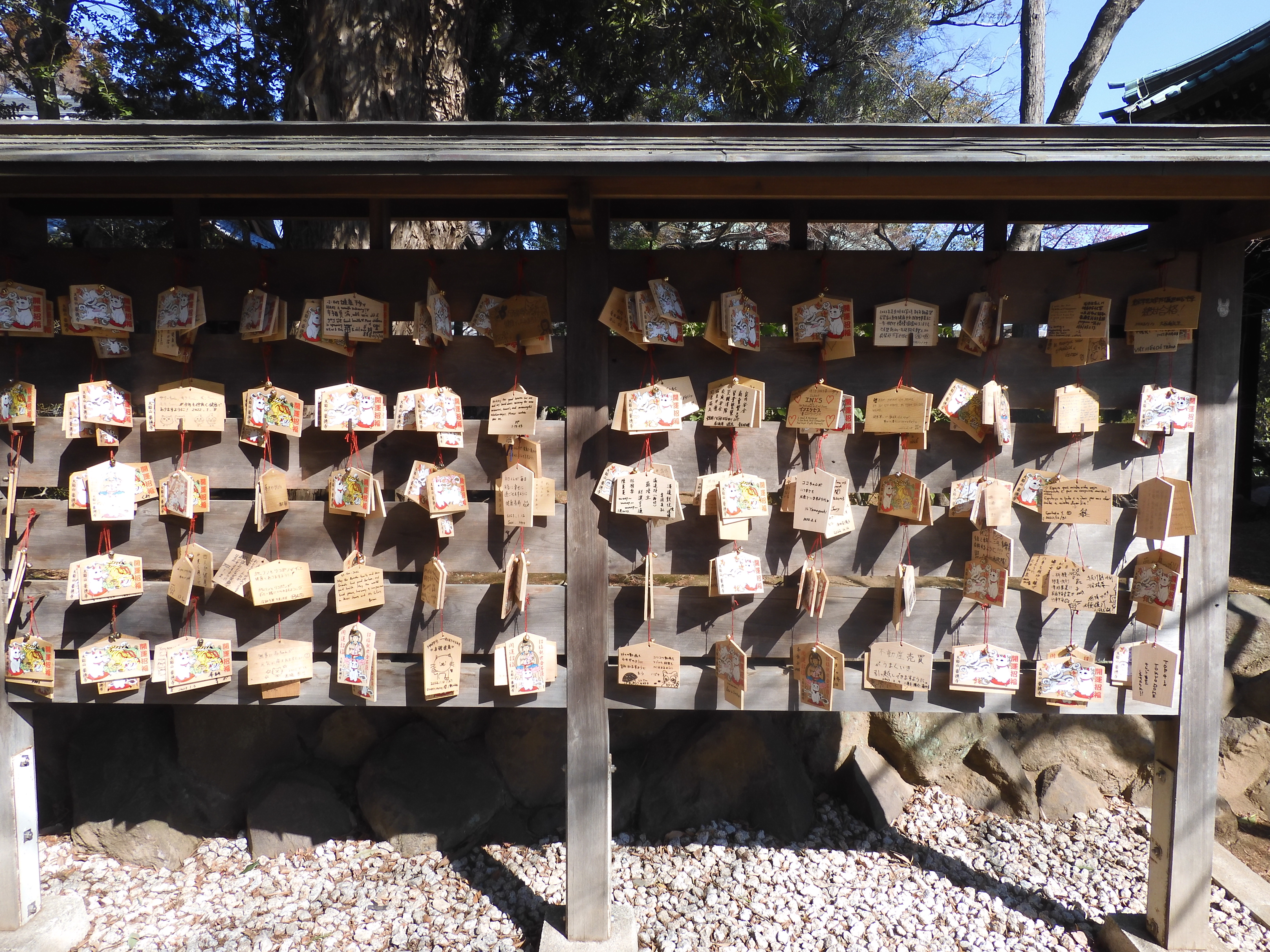
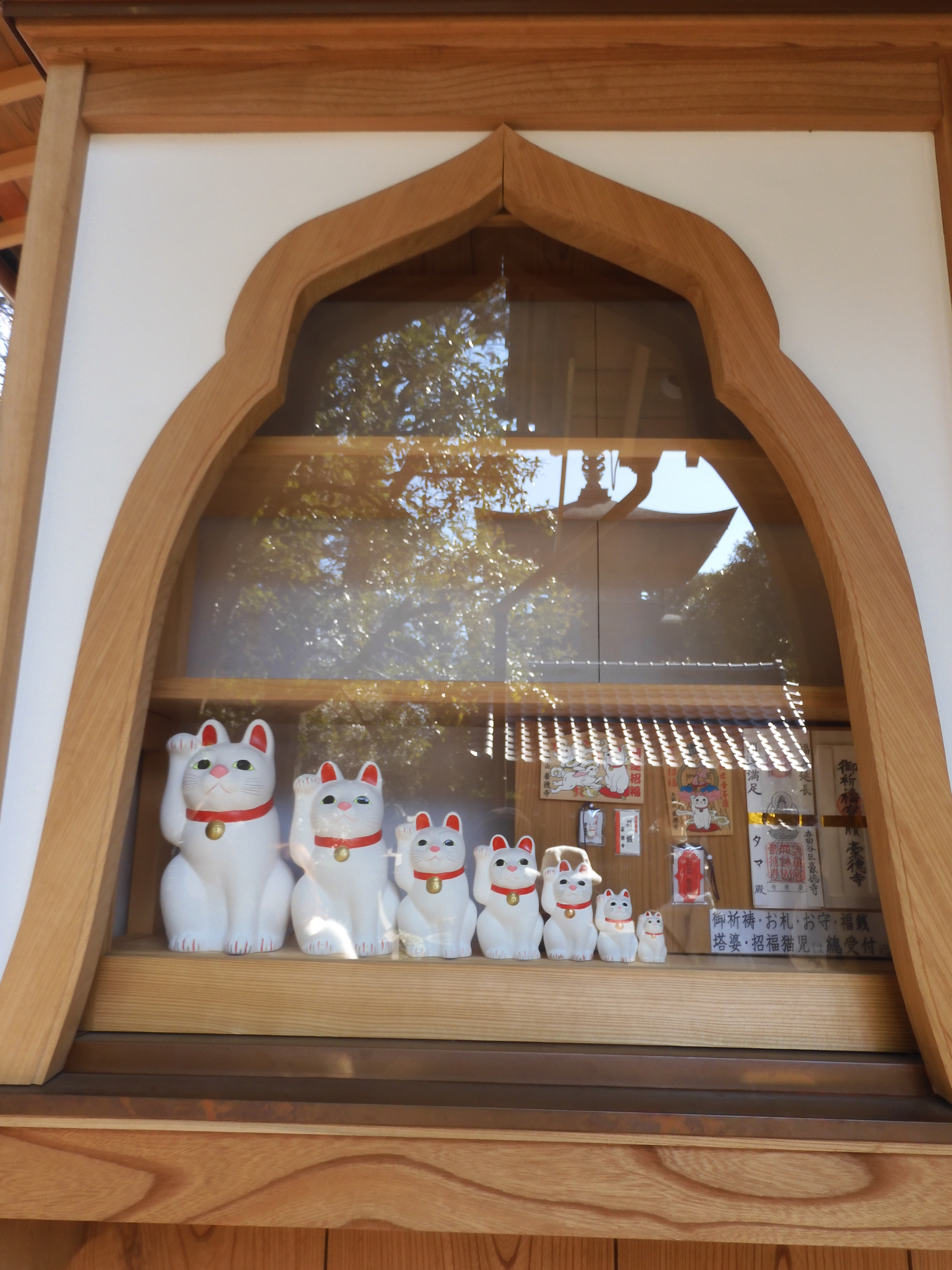
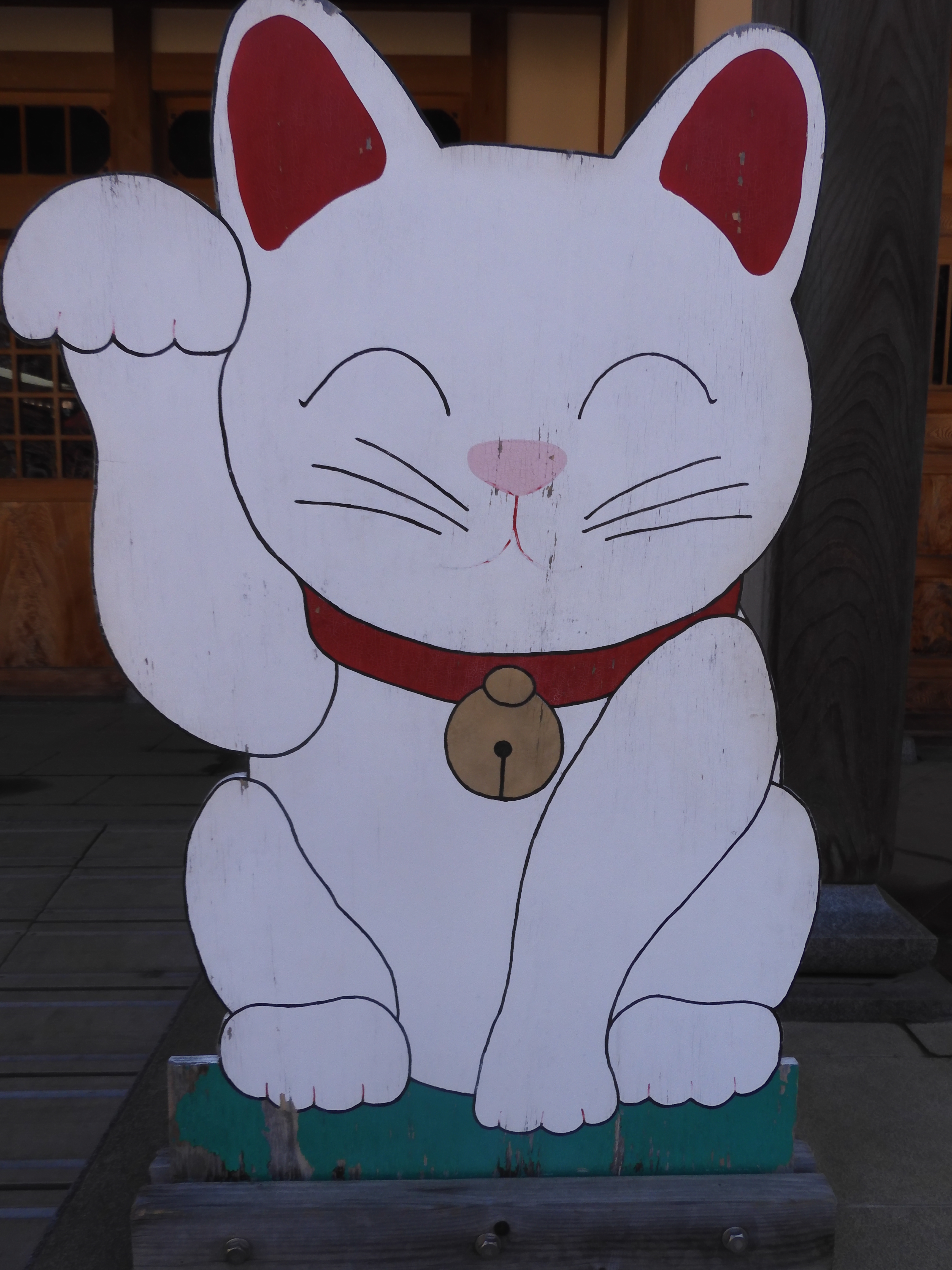
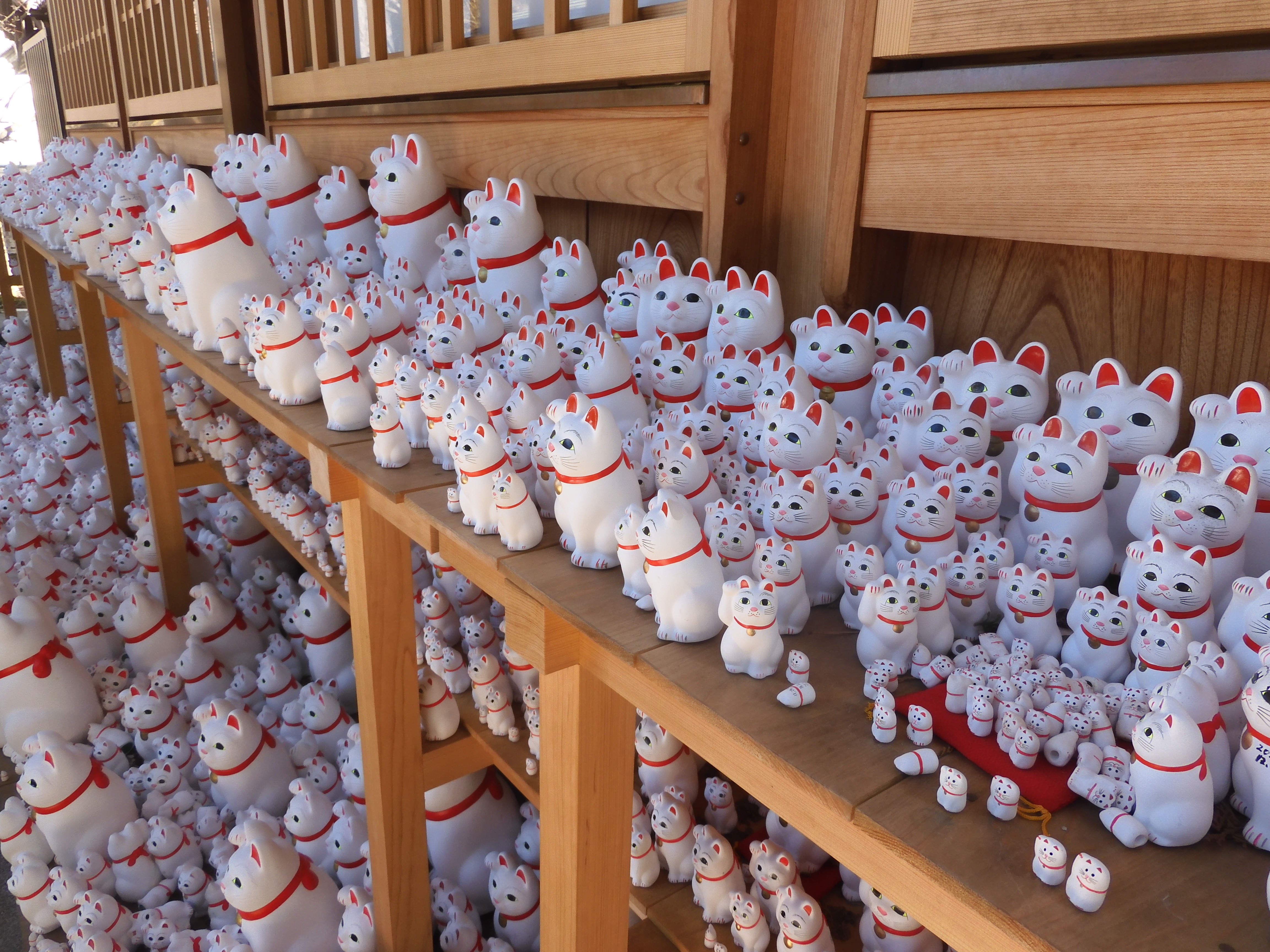
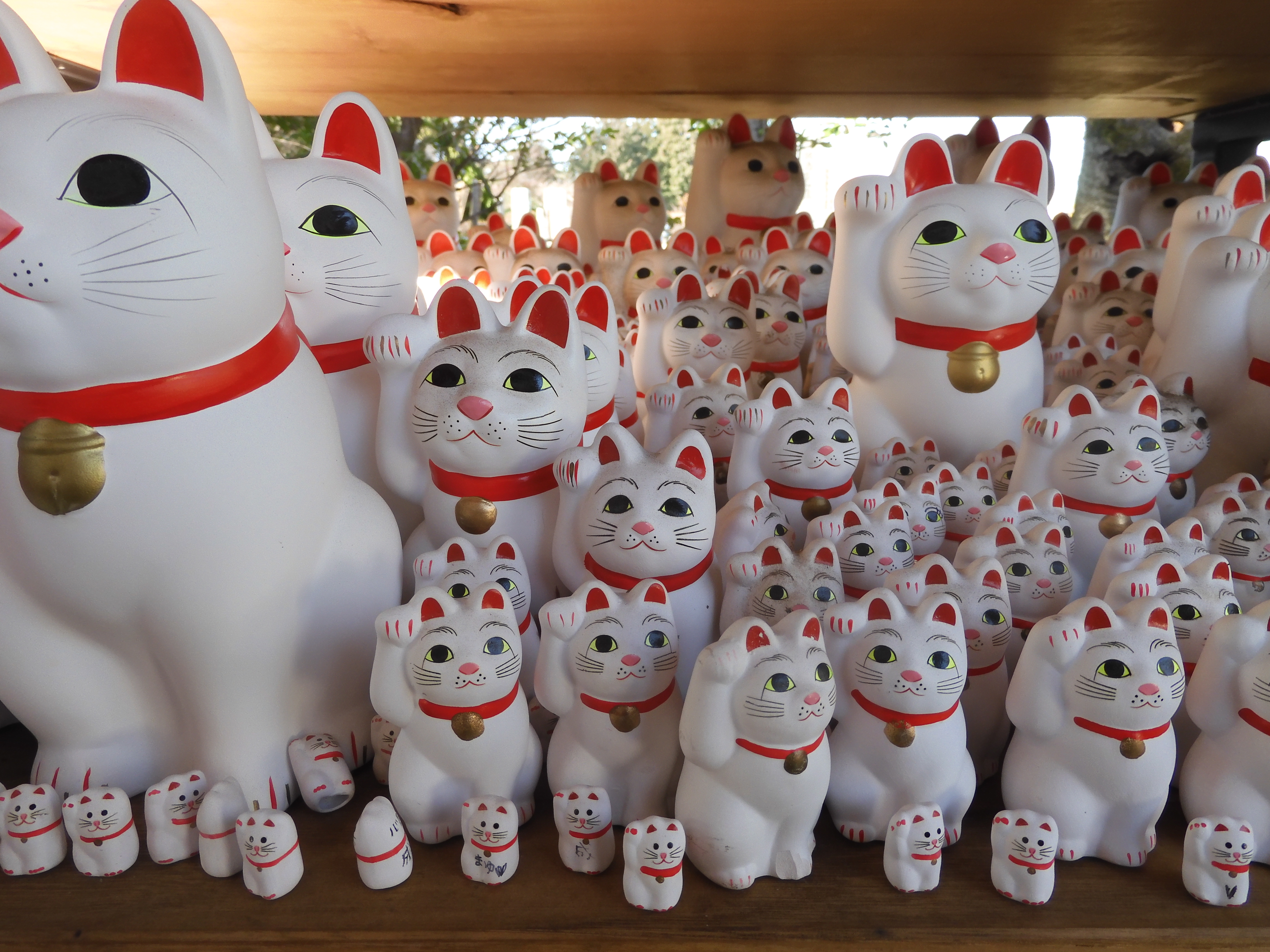
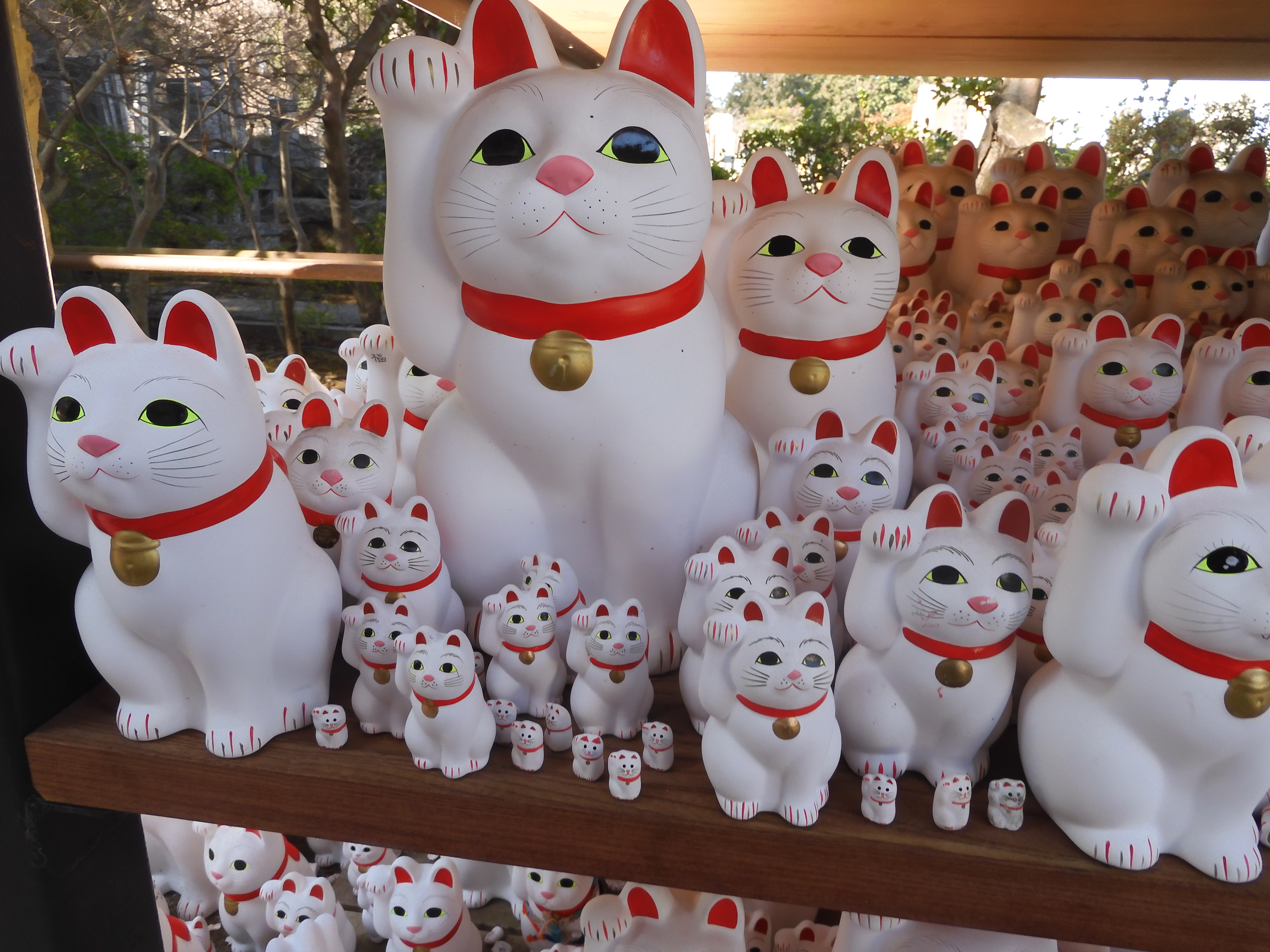
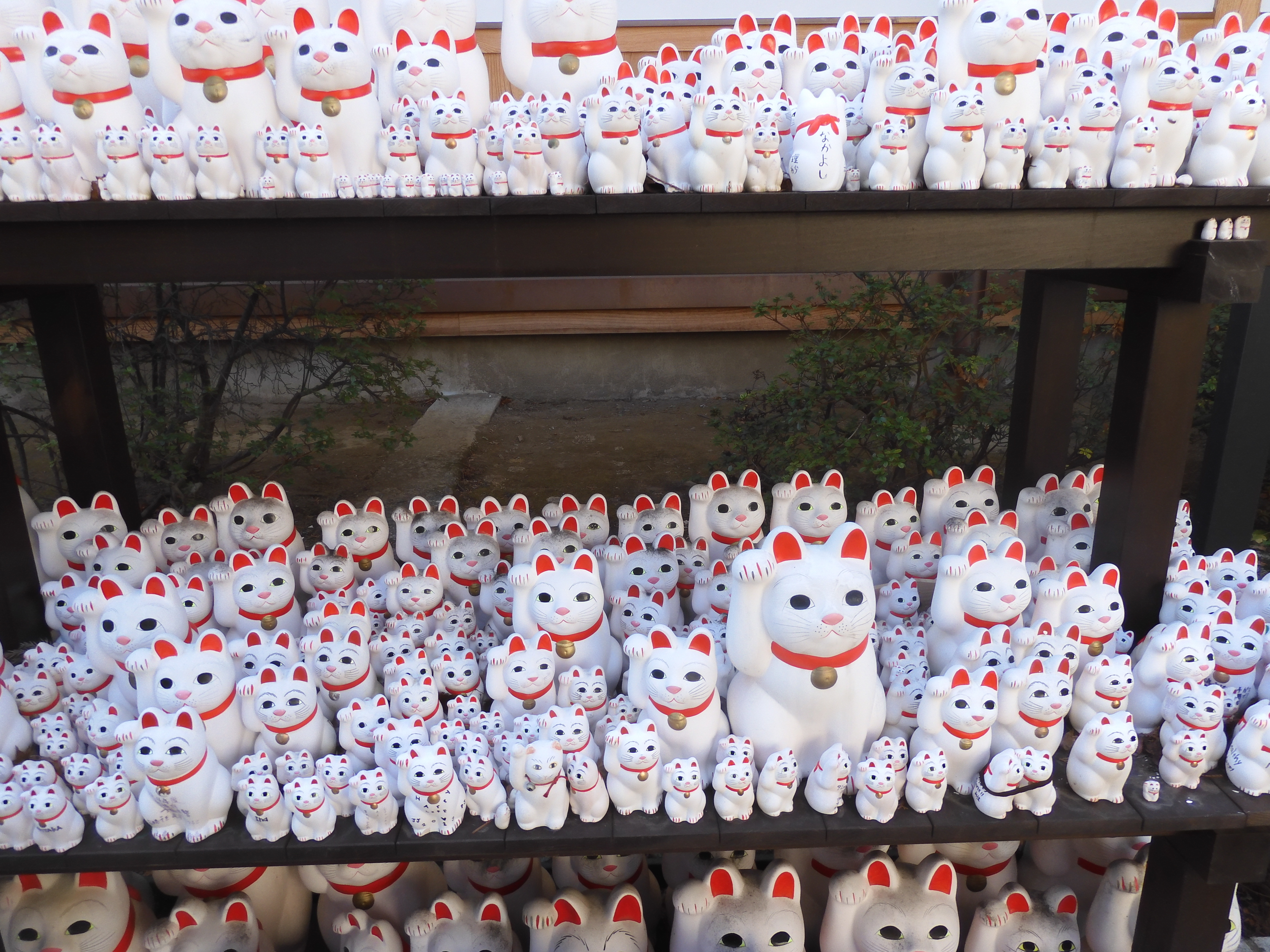
Cats often feature in the books of Haruki Murakami and, indeed, in Japanese literature and folklore in general. Of the latter, the most famous is probably the maneki neko ((招き猫)or beckoning cat, images of which can be seen throughout the country, to bring good fortune to the owners. The origins  of the tale are claimed by both the inhabitants of Kyoto and Tokyo (and even the Chinese, not surprisingly), but the principle is the same: an impoverished owner of a failing store took pity on a passing cat and invited him in to share his meagre supplies of food. In gratitude the cat sat outside the store raising his paw to invite in passers-by, thus improving the fortunes of the kind-hearted shop owner.

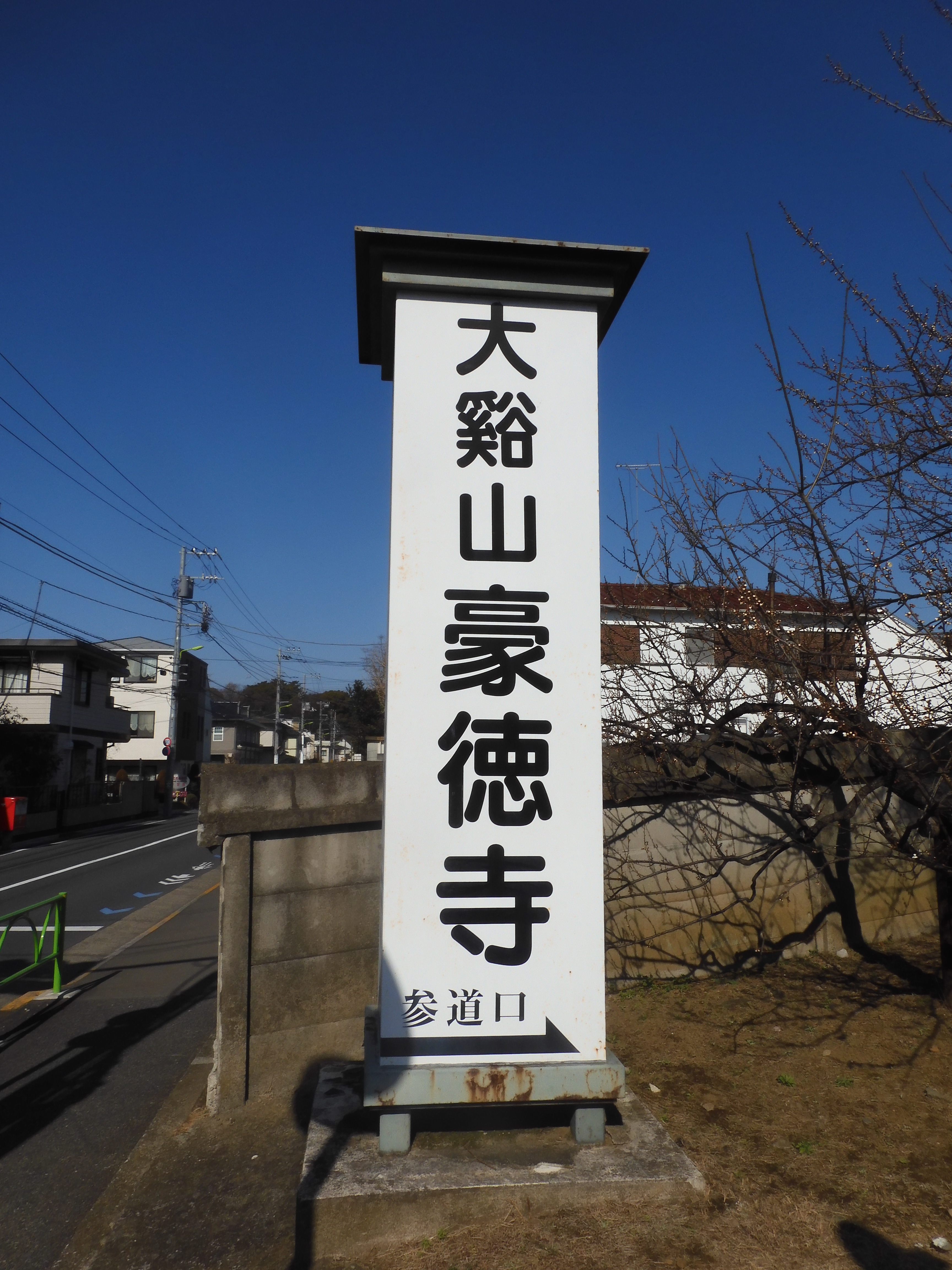
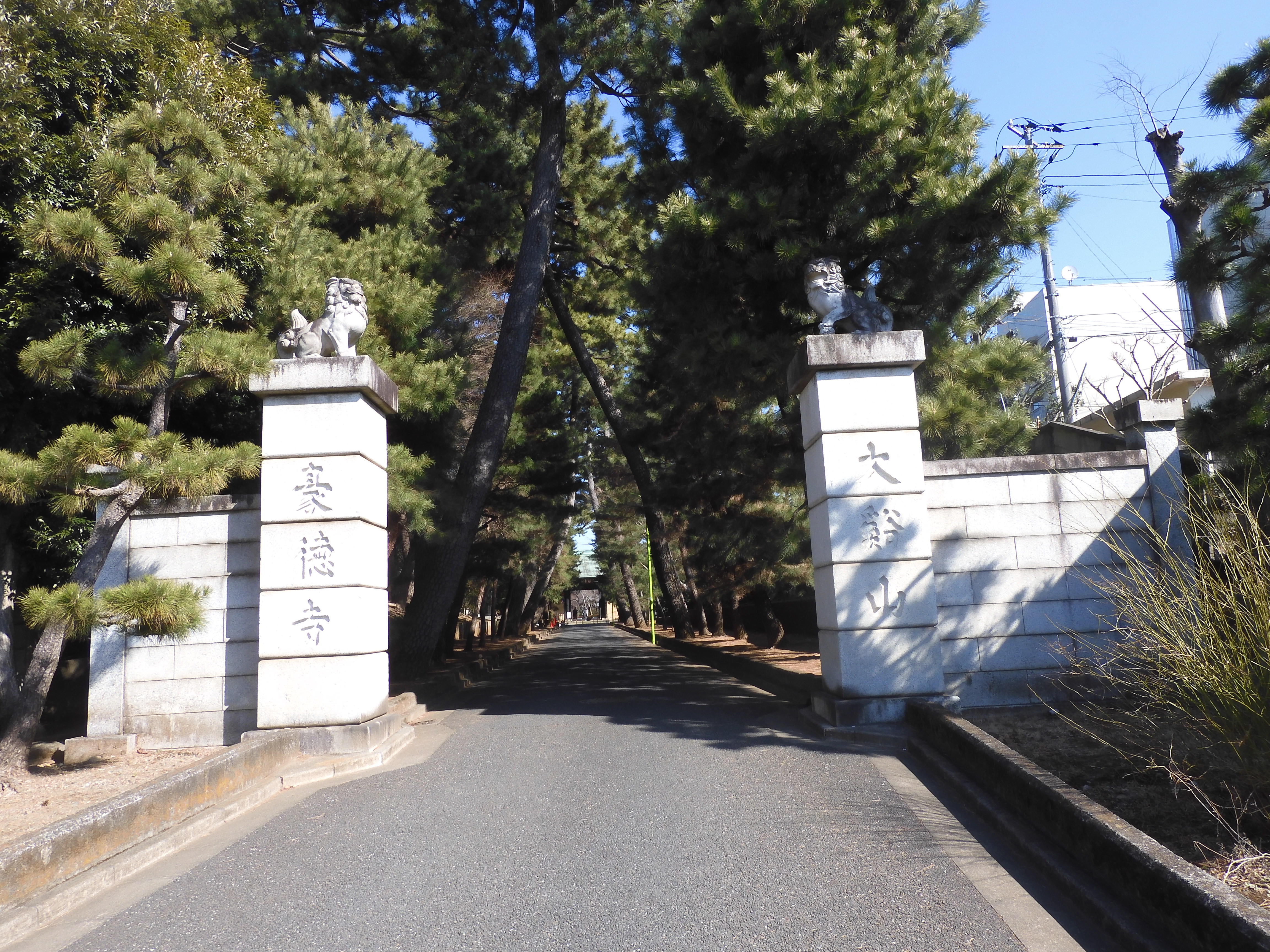
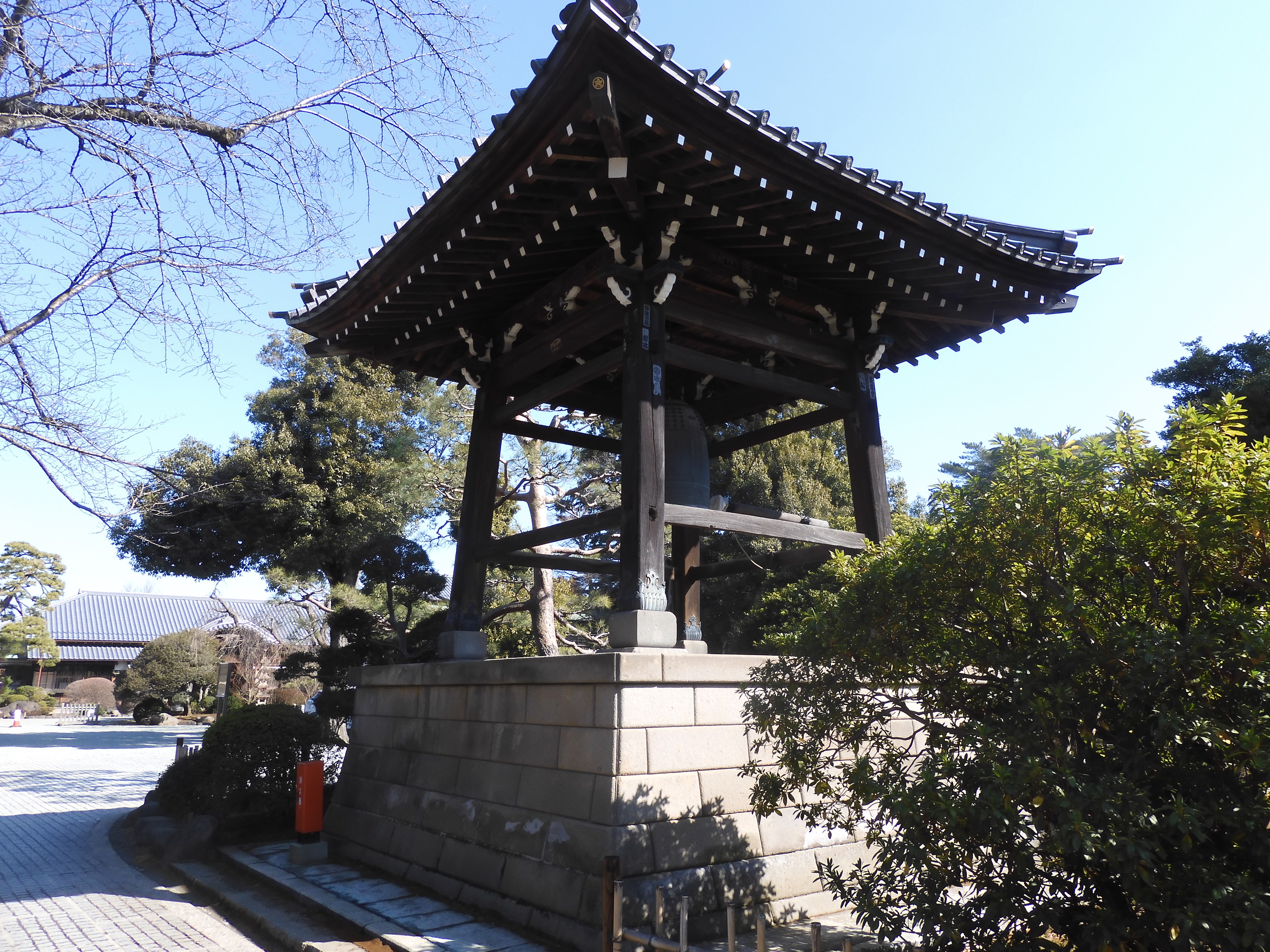
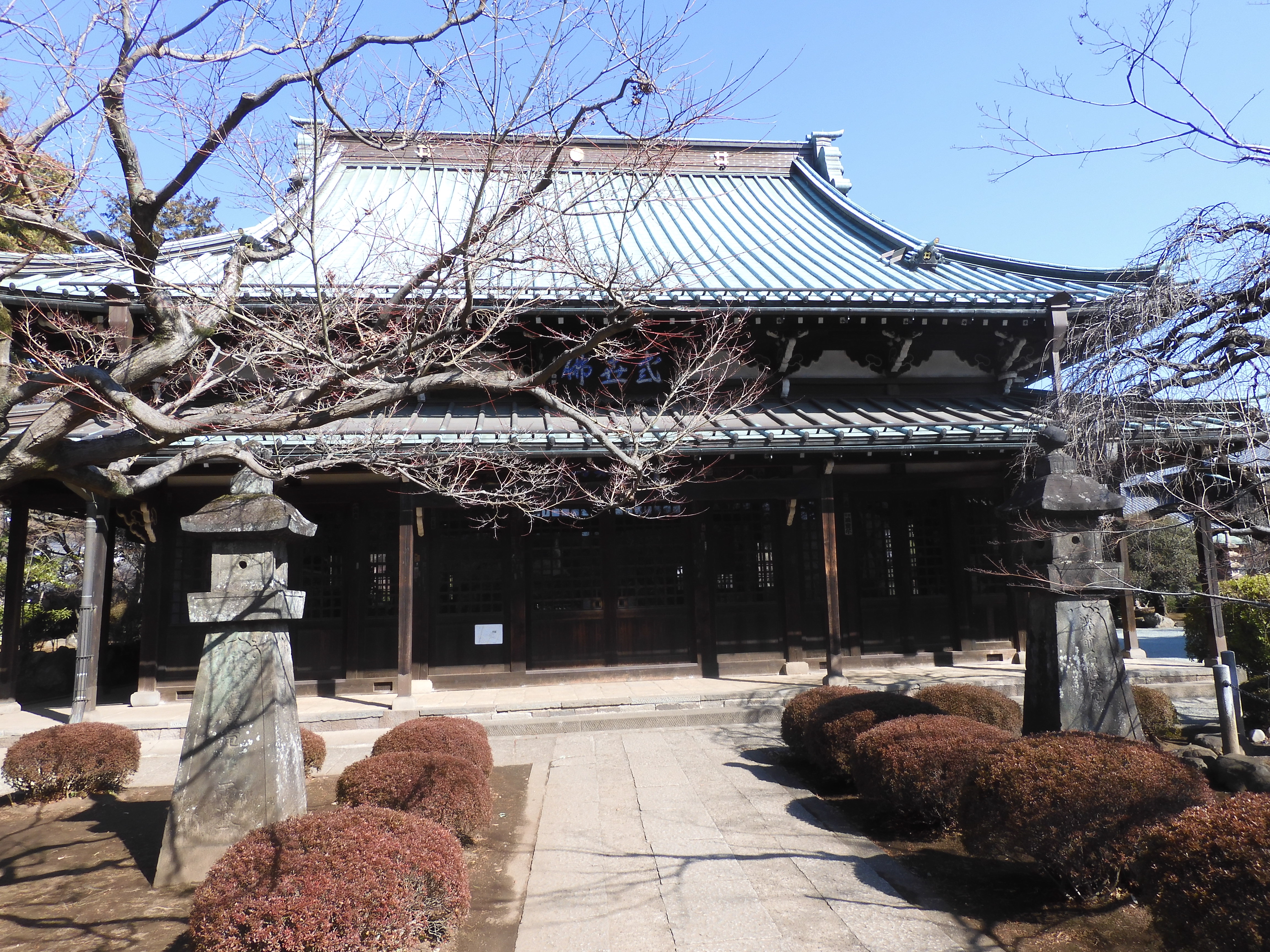
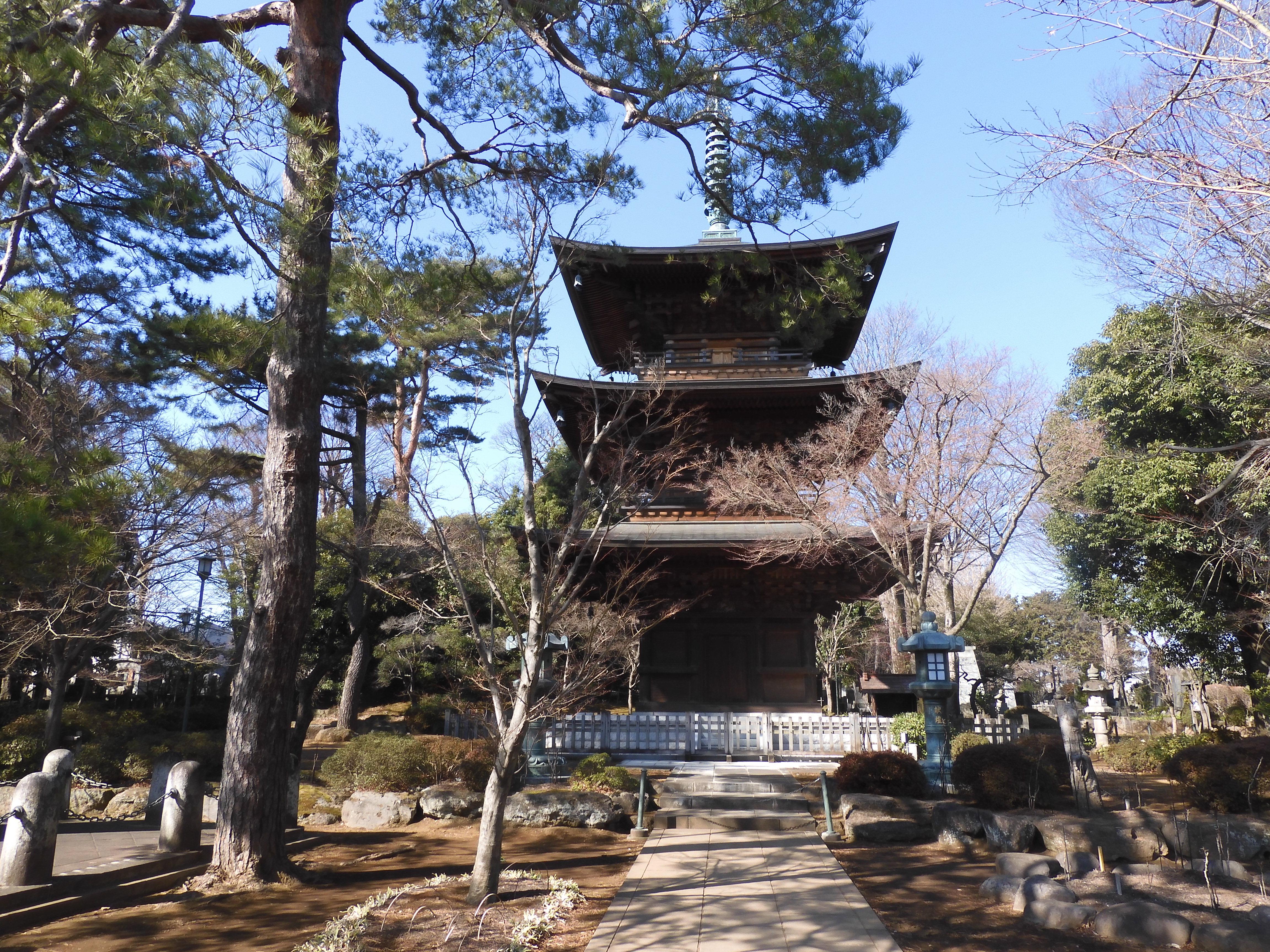
Goutokuji Temple in Setagaya Ward, western Tokyo has its own version. At the end of the 17th century, a lord from Hikone was passing a temple when a thunderstorm was approaching. A cat emerged from the temple and raised its paw as if waving the lord inside, thus saving him from a drenching. In gratitude the lord rebuilt the temple and re-named it Goutokuji in 1697.

Welcome!

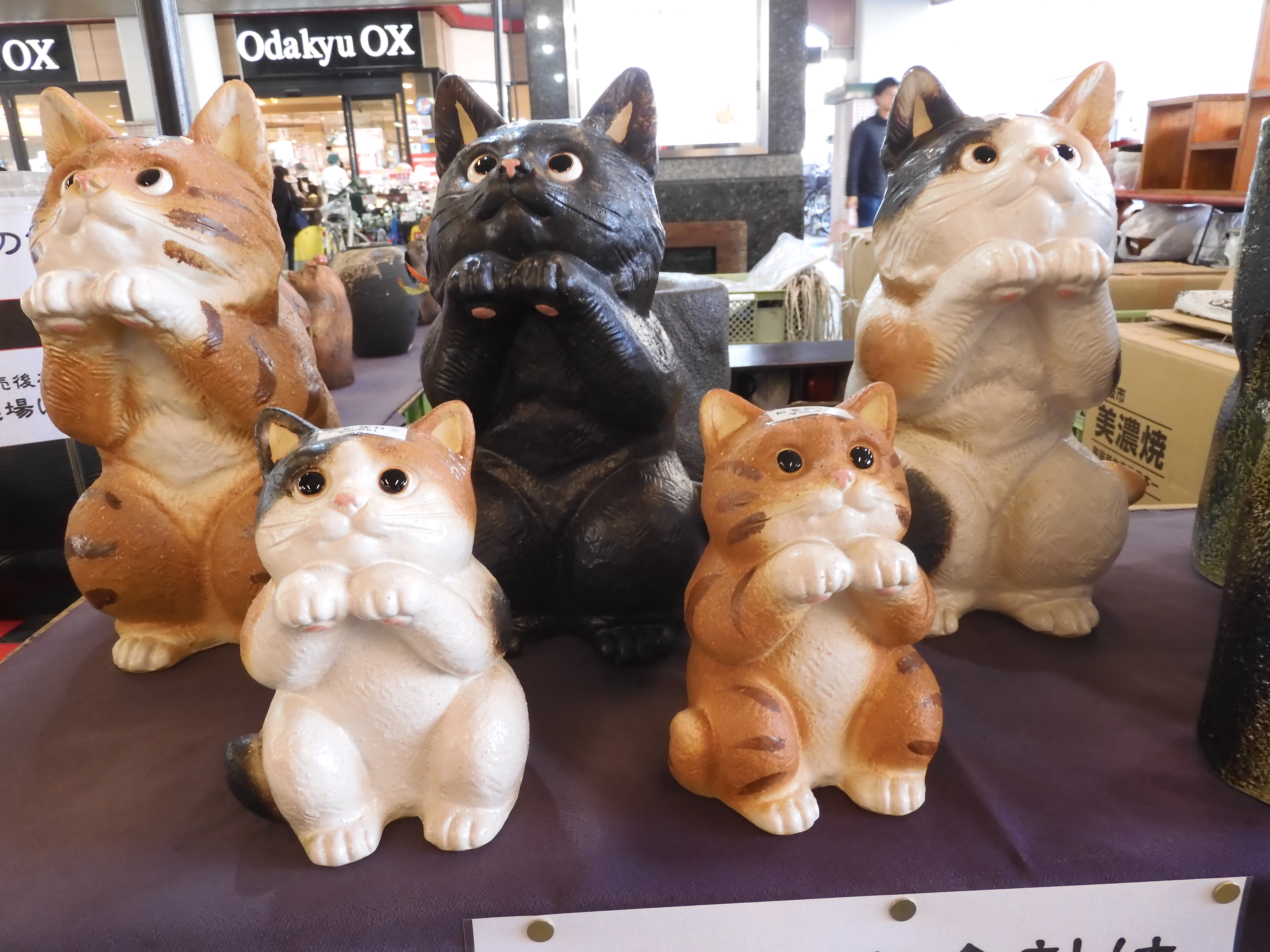
Nowadays this is commemorated by the display of thousands of cats beckoning the few visitors who make their way to this hidden gem off the main tourist trail.

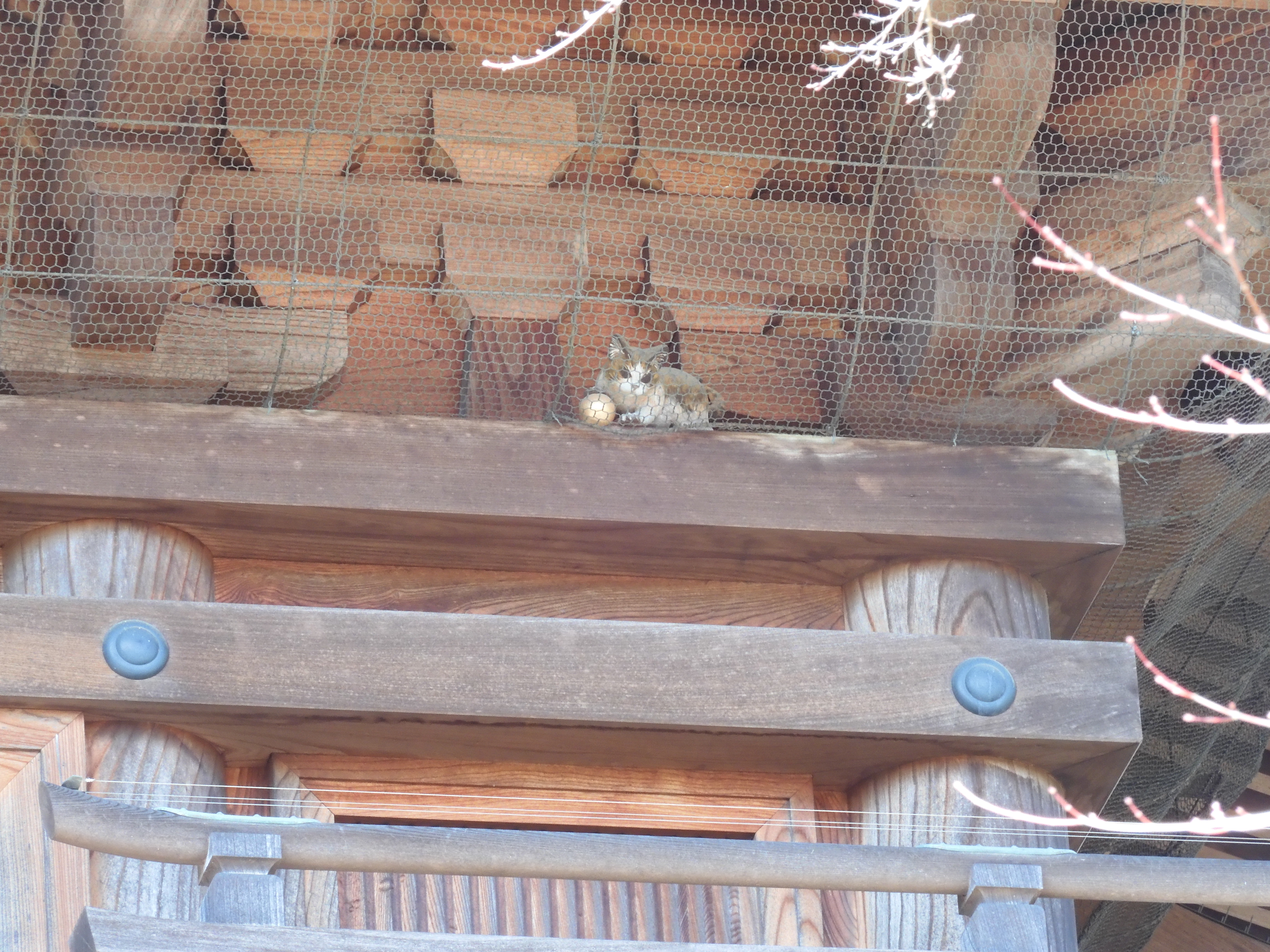
But, in the three storey pagoda, if you look carefully, very carefully, you might just spot, and be spotted by, a cat hiding in the rafters.

Feline fans keen to improve their own luck can buy their own version made from wood, plastic or more commonly ceramics. Some even have battery or solar powered rising paws to give you a greater sense of being welcomed. And pause for thought: the right paw raised is to bring money, the left to bring in more customers. Both raised and you can’t go wrong.

GOOD LUCK!

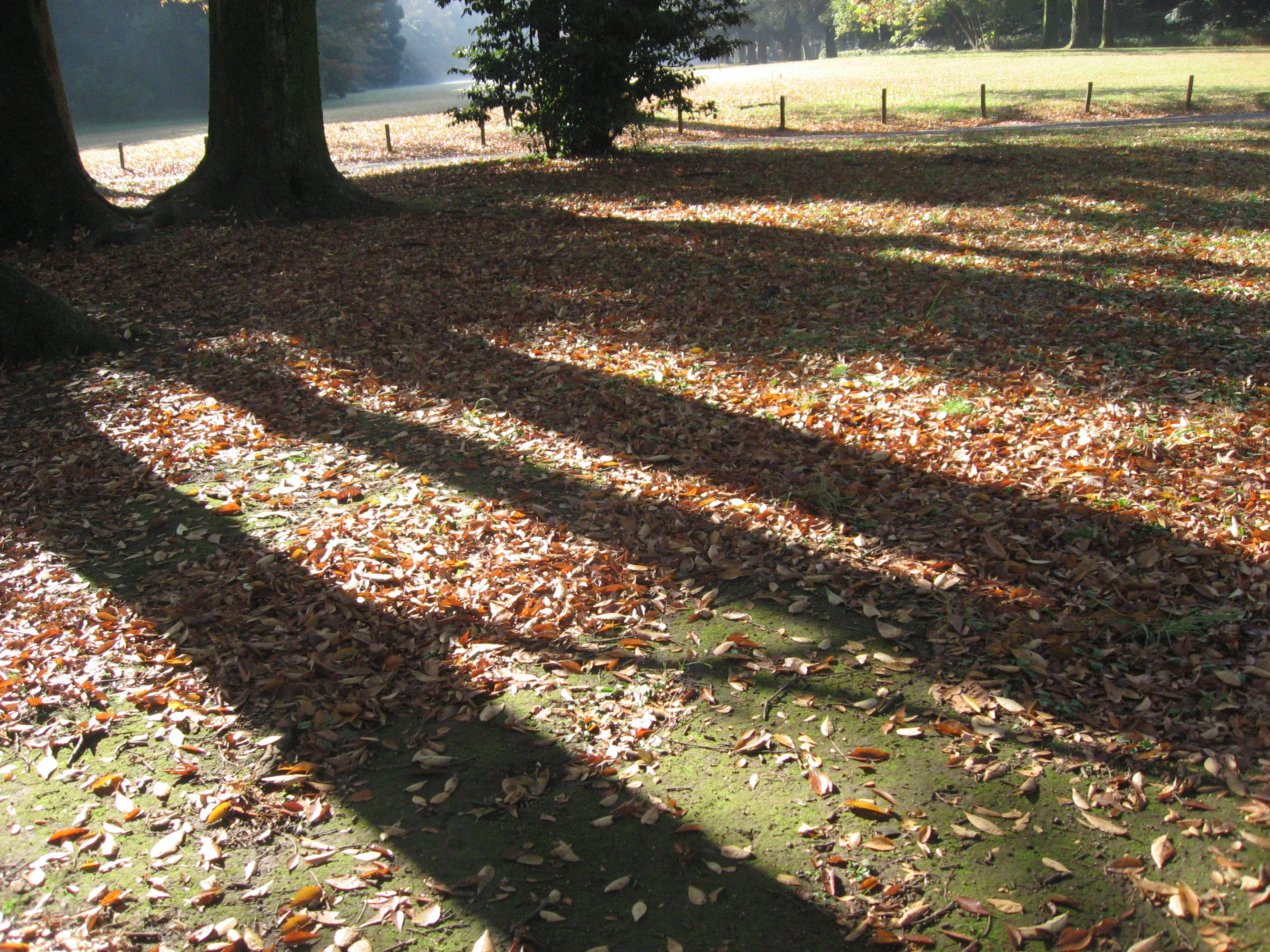
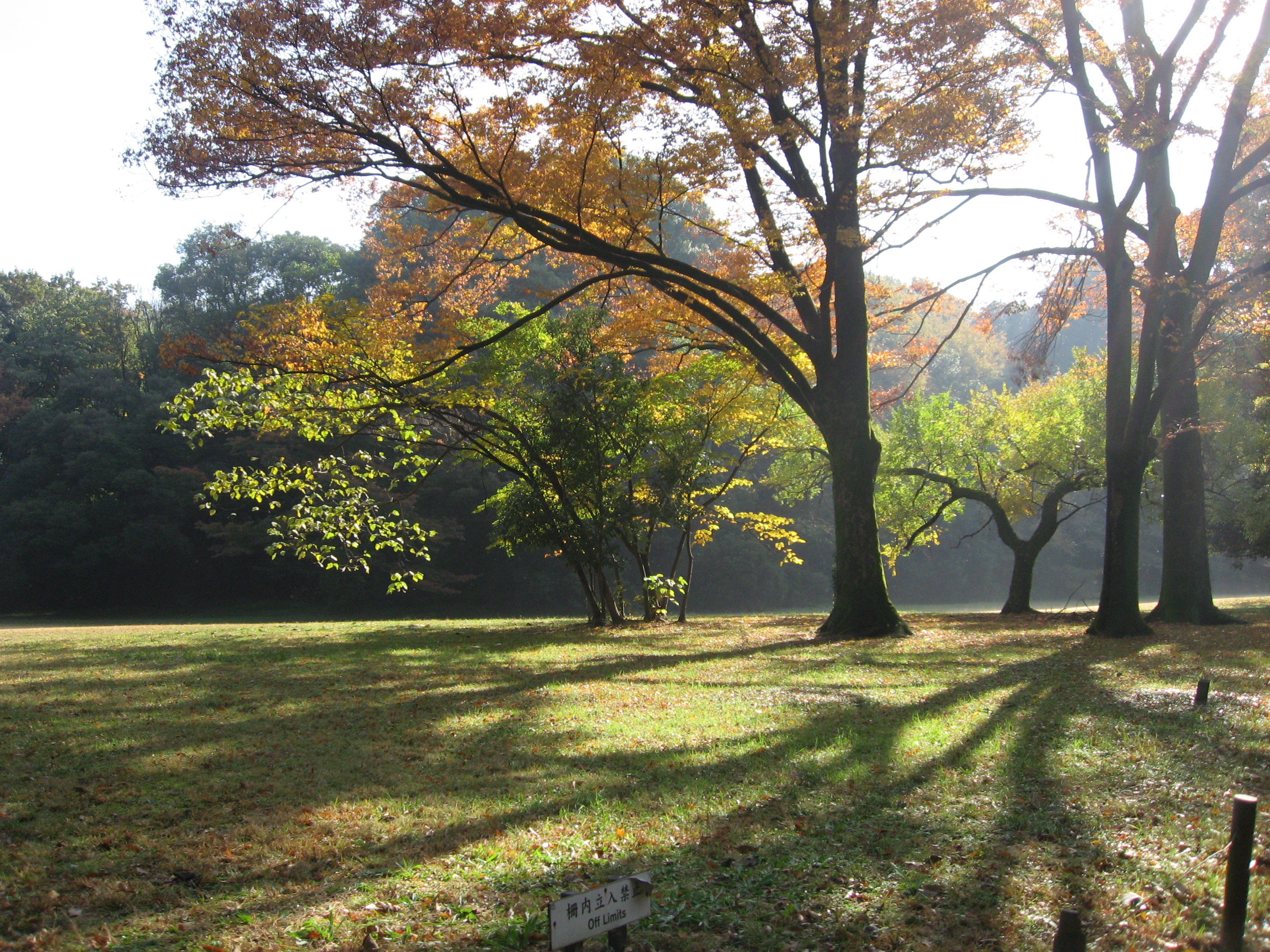
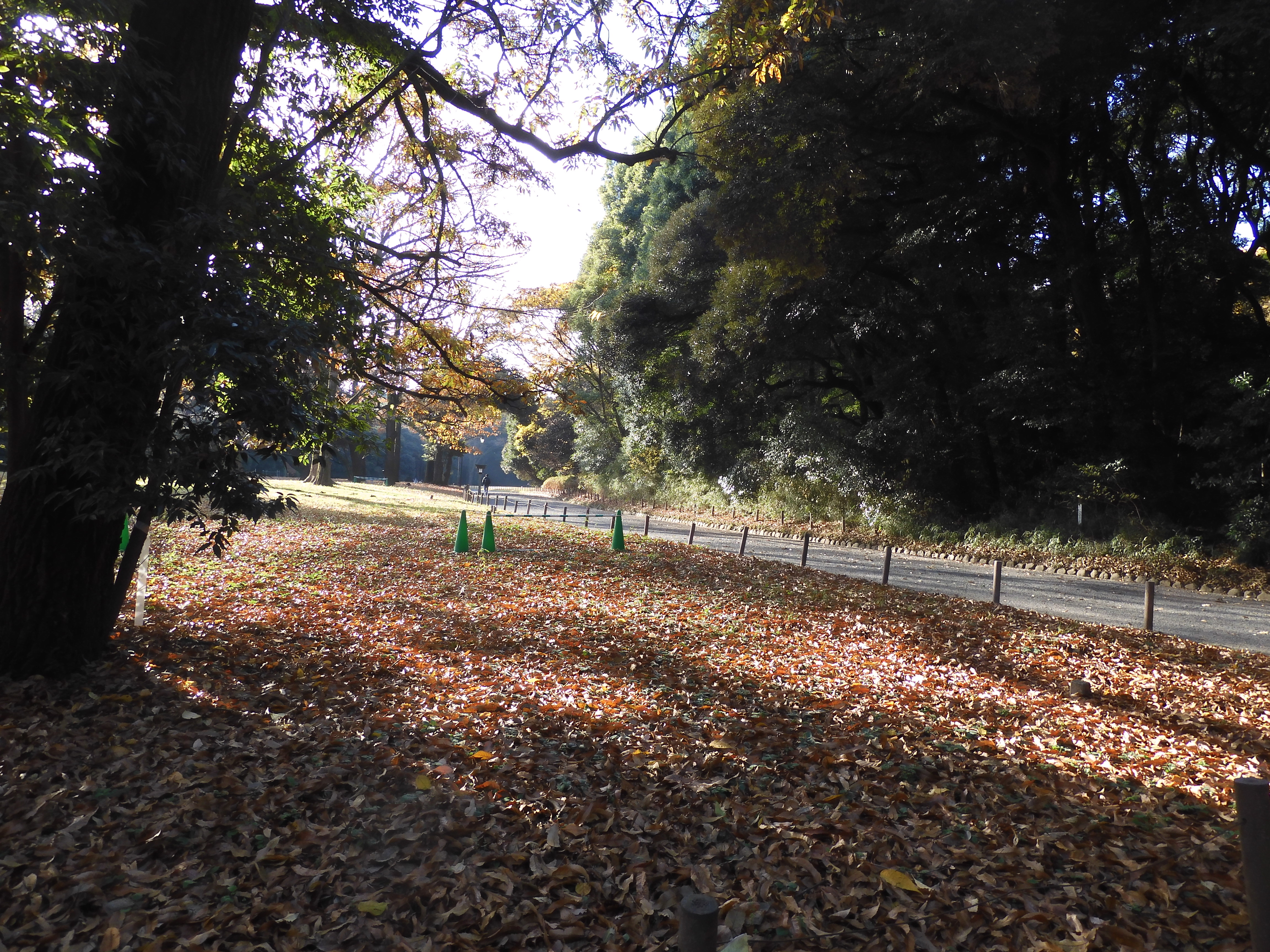
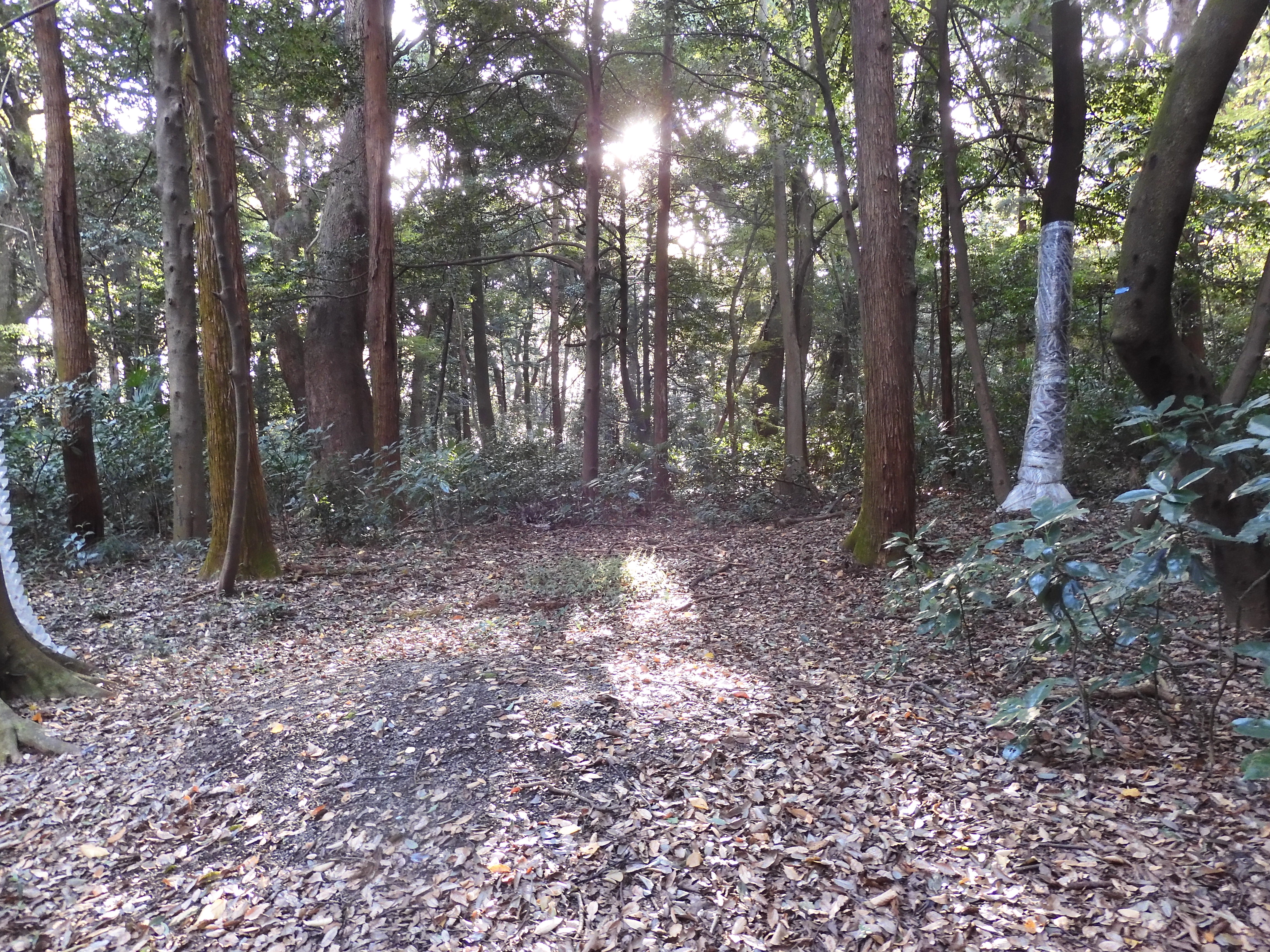
Komorebi

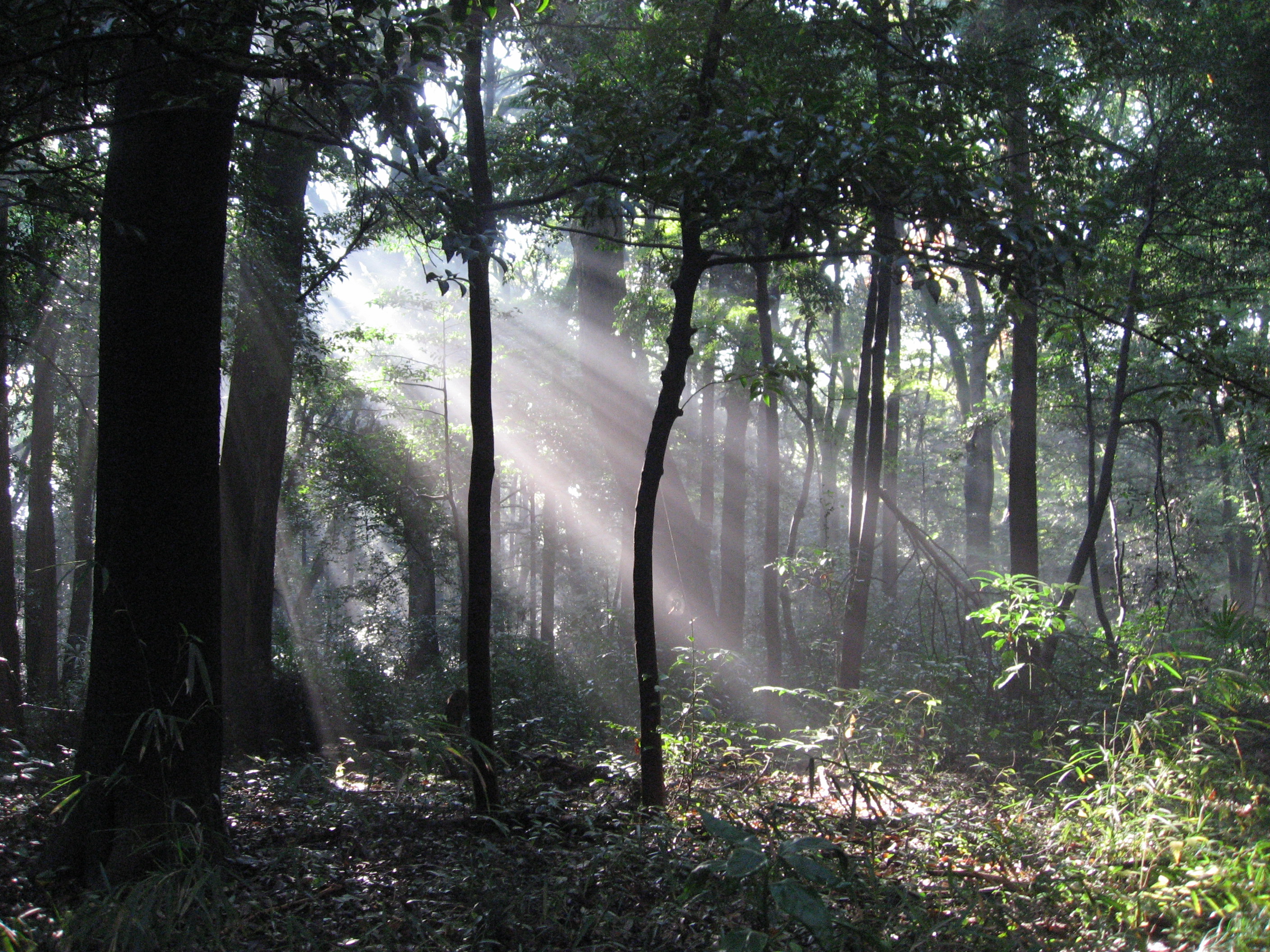
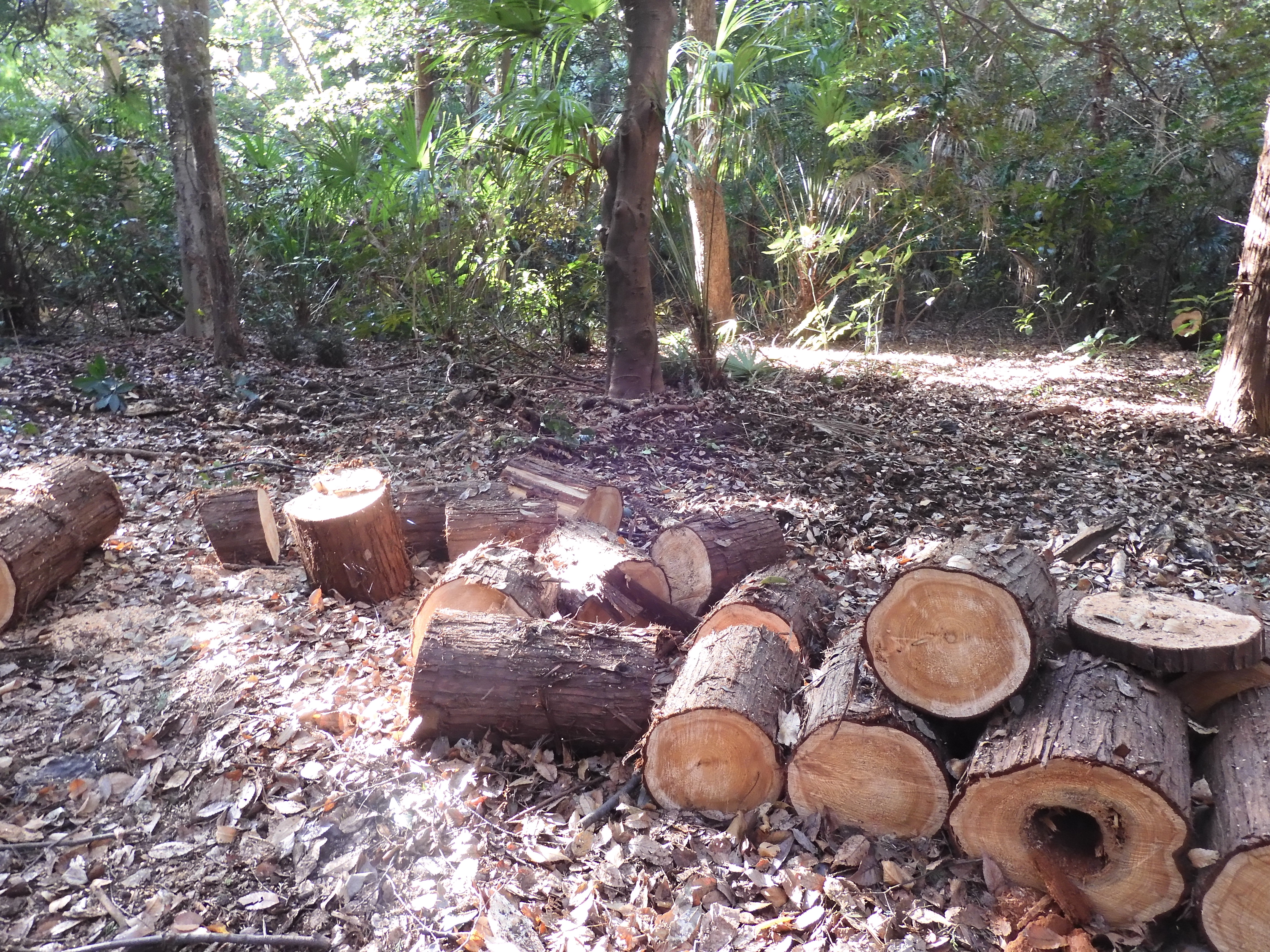
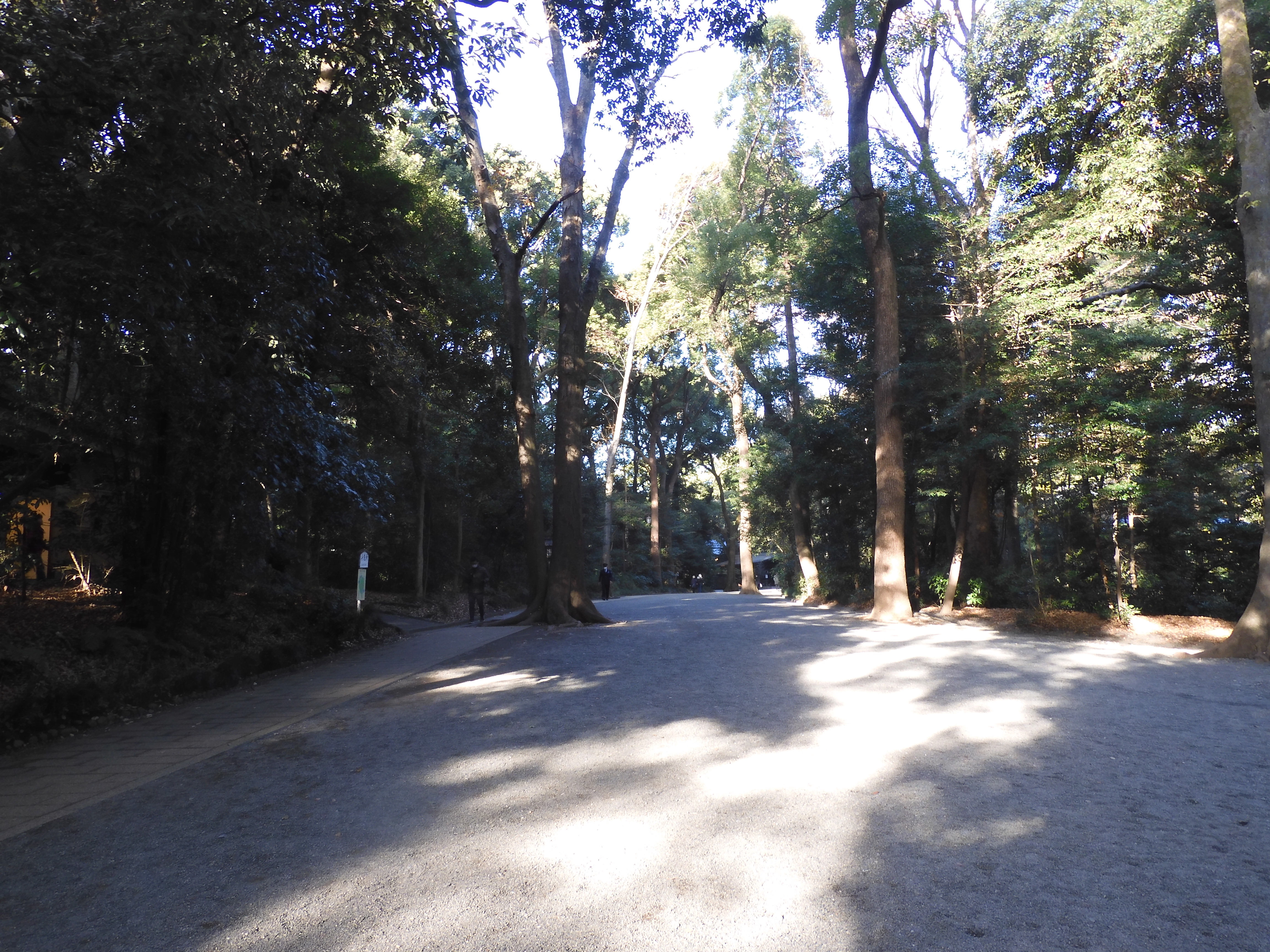
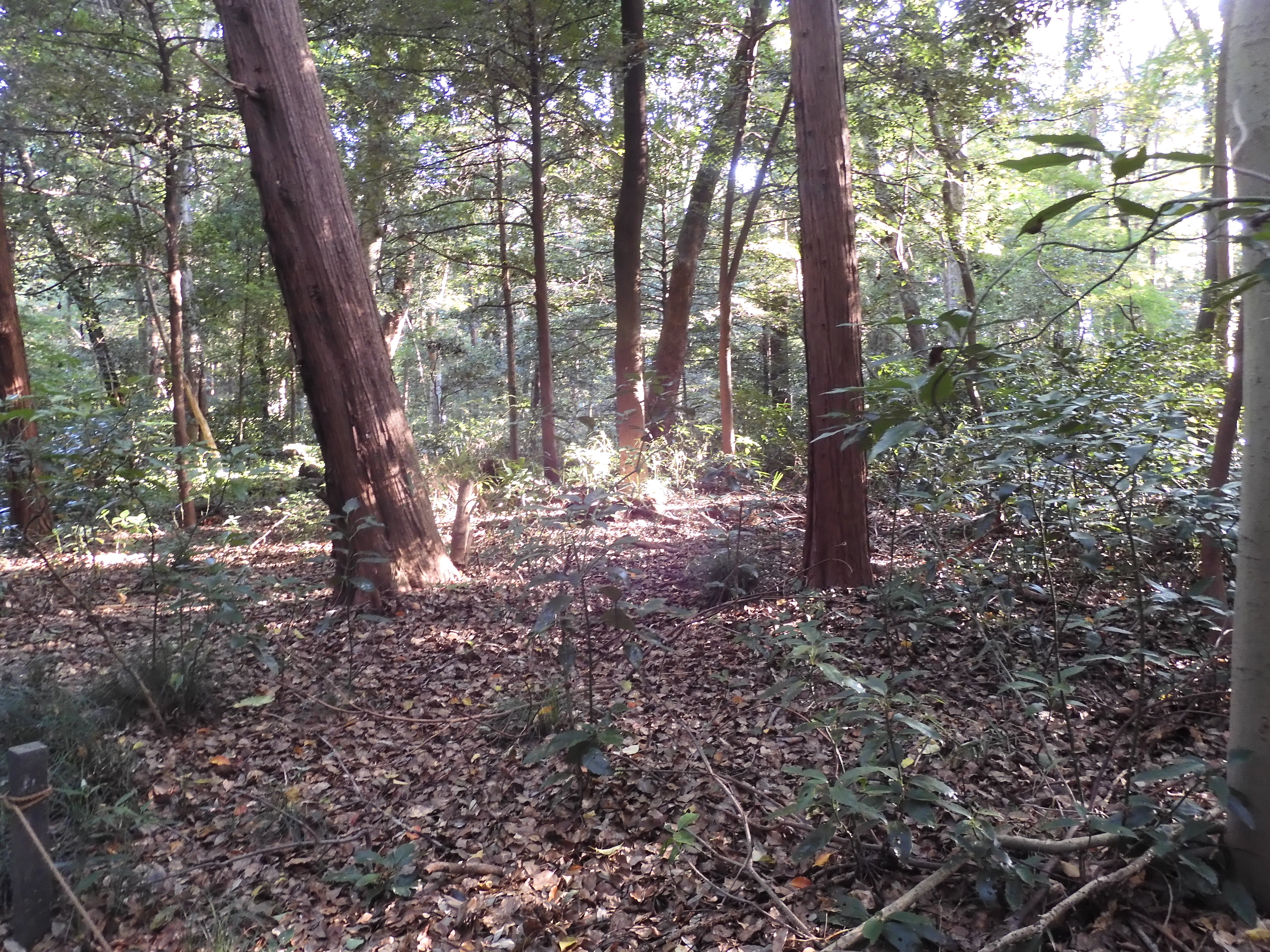
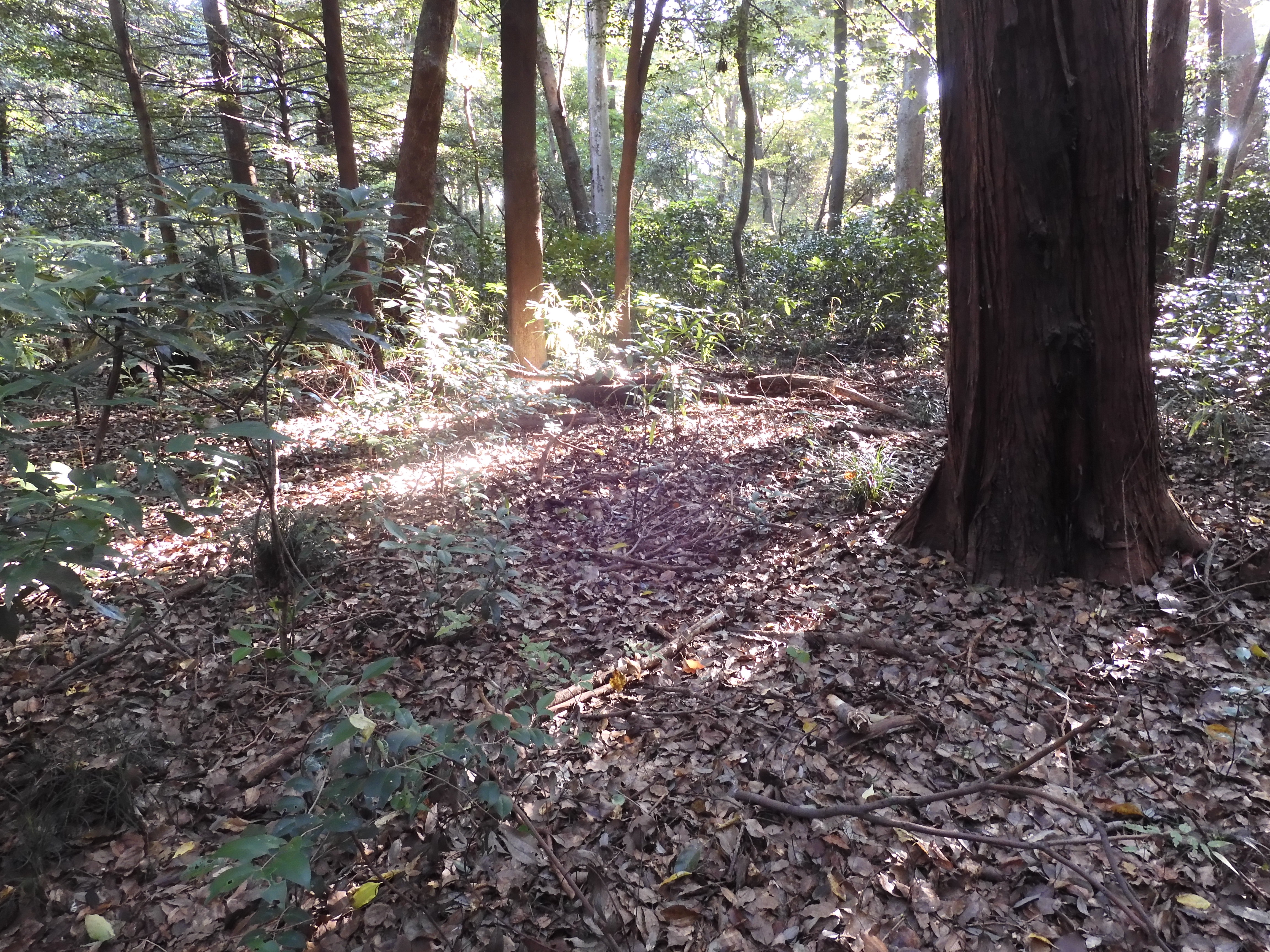
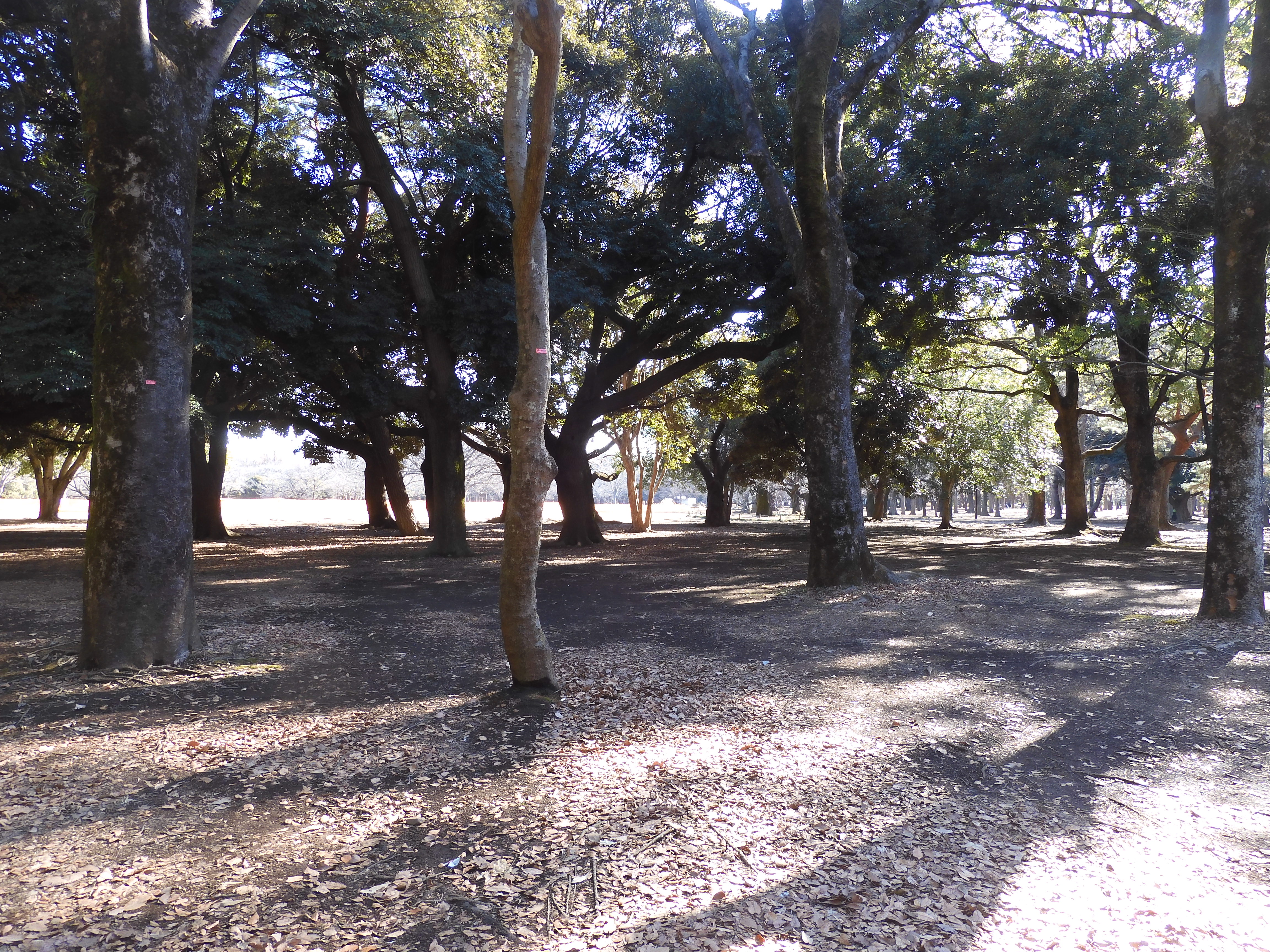
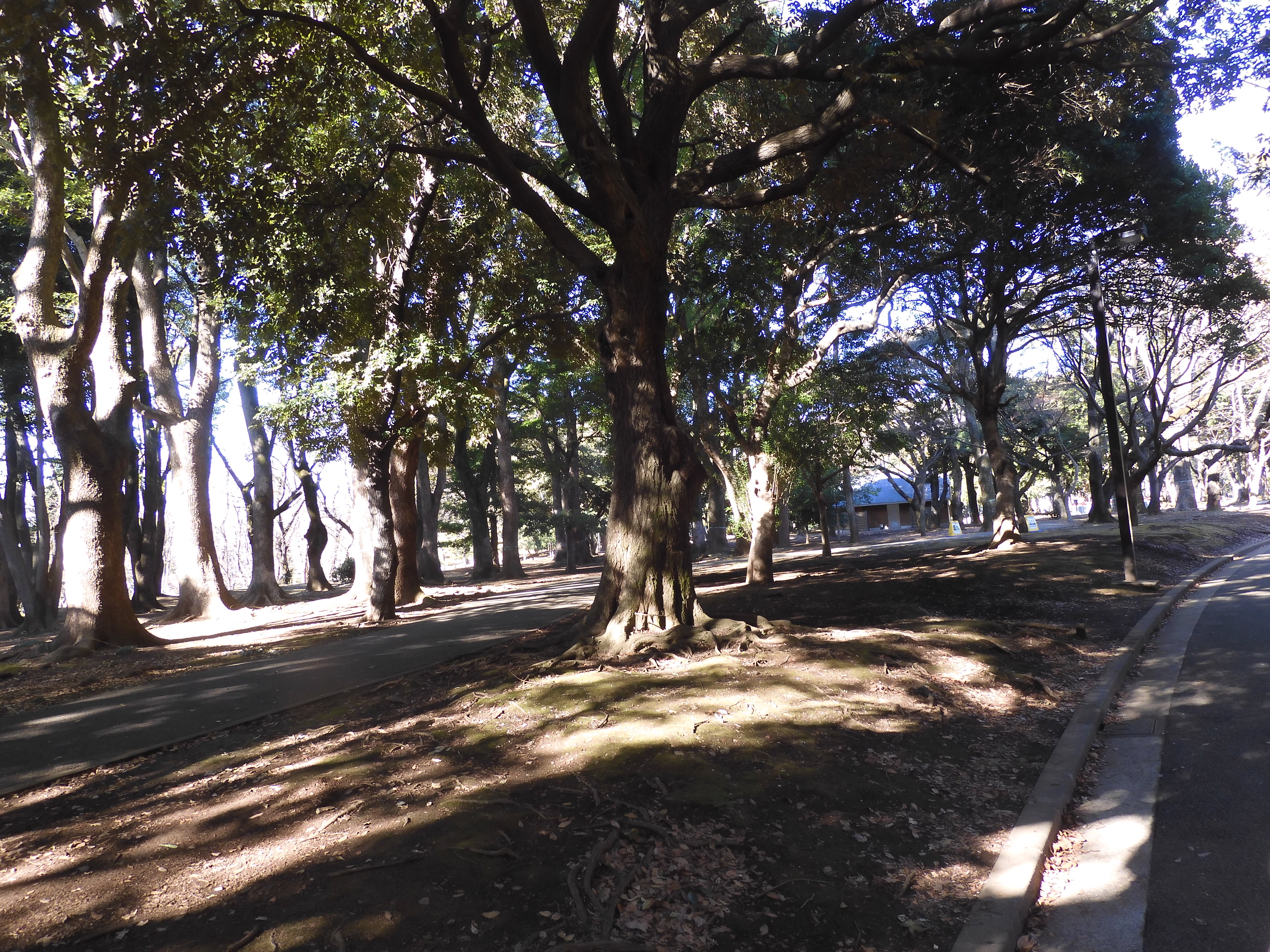
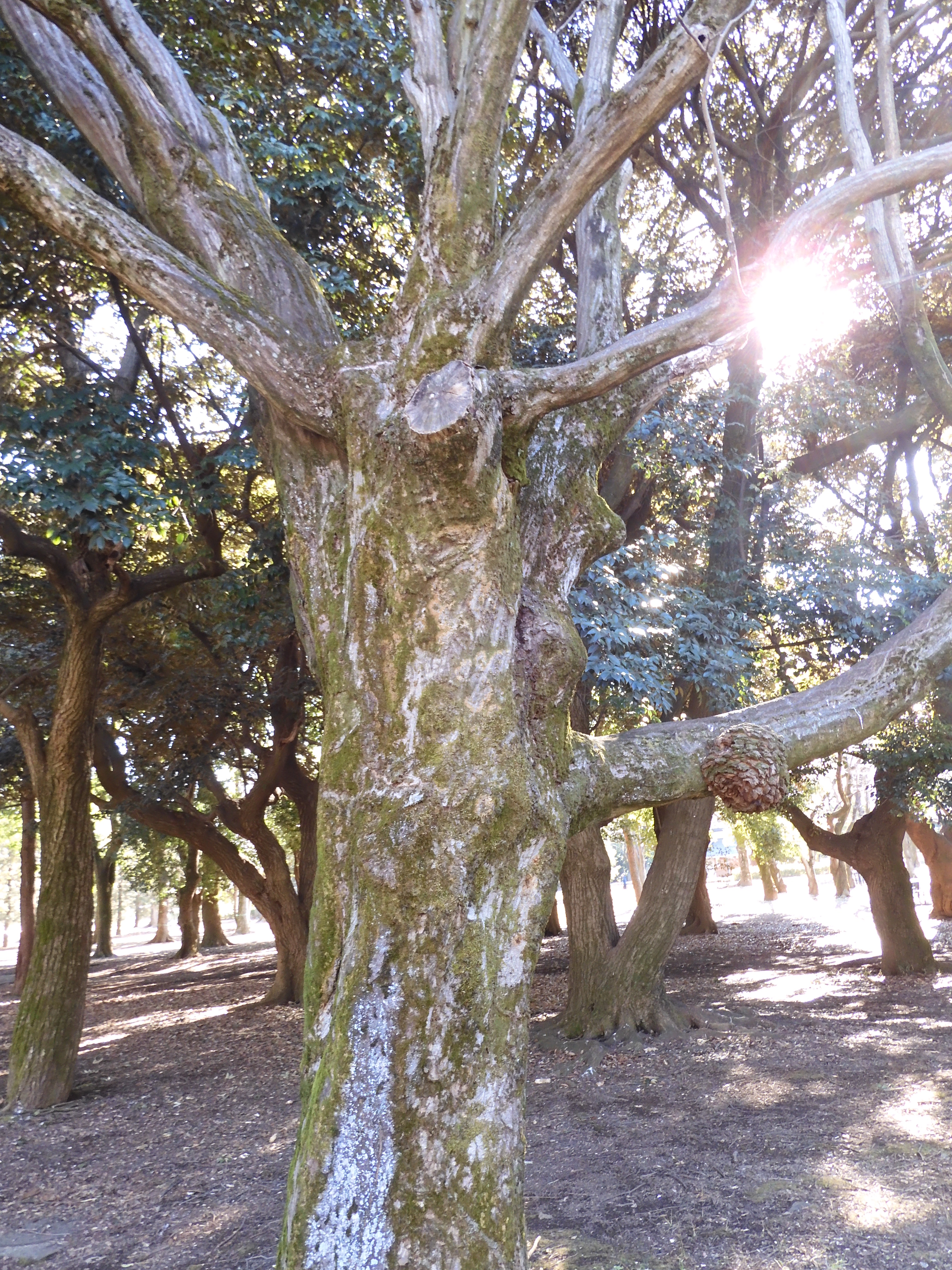
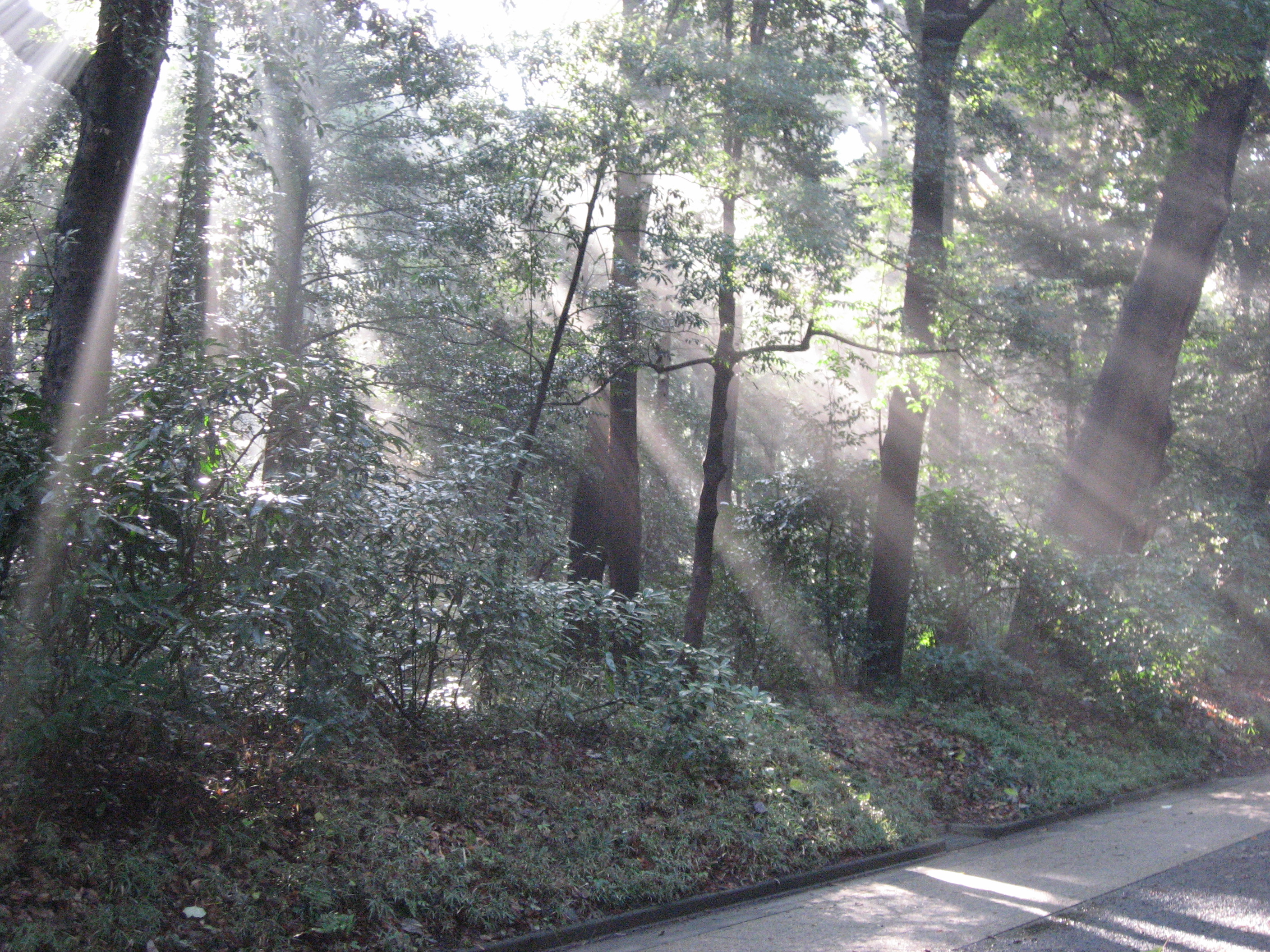
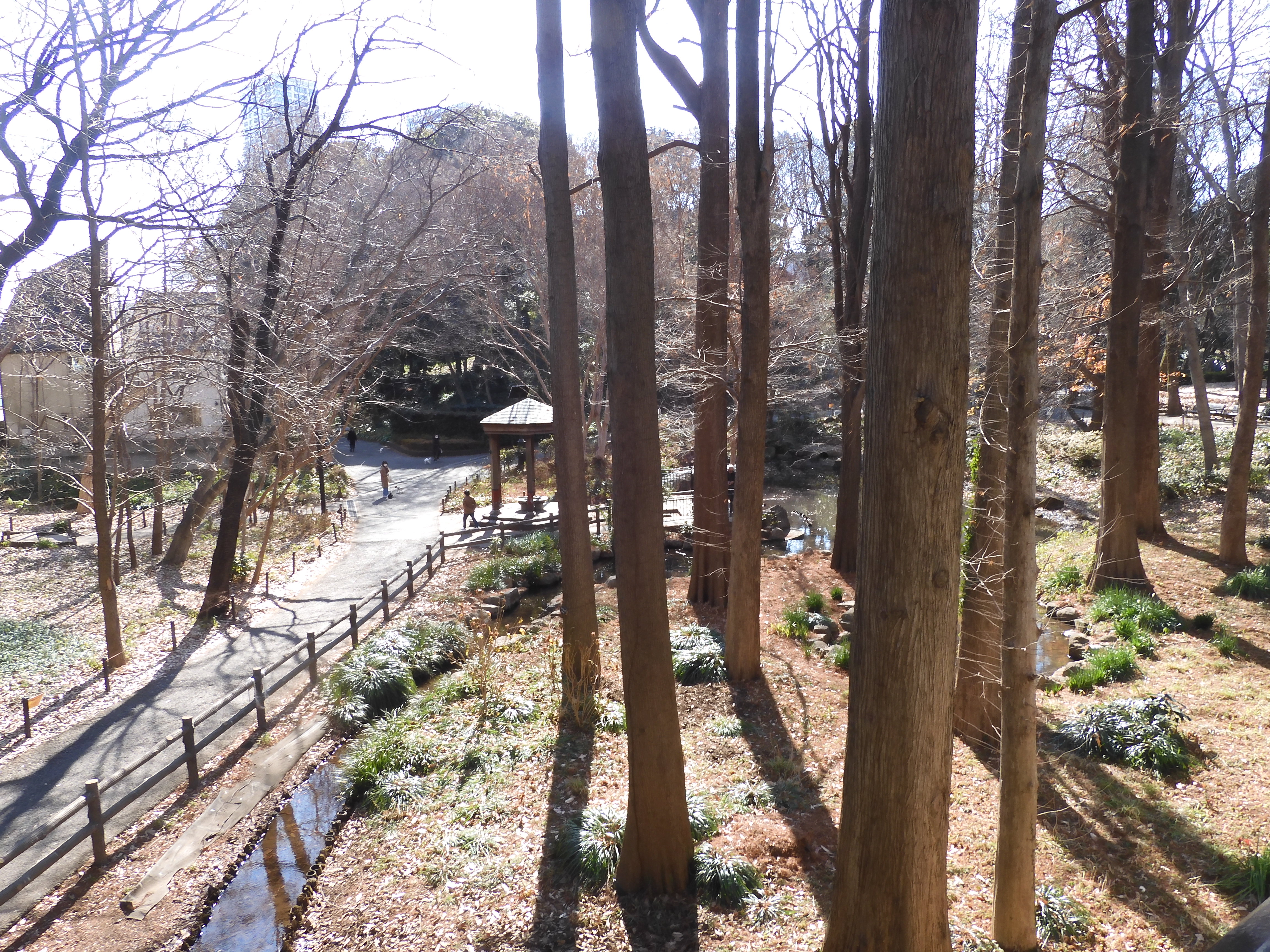
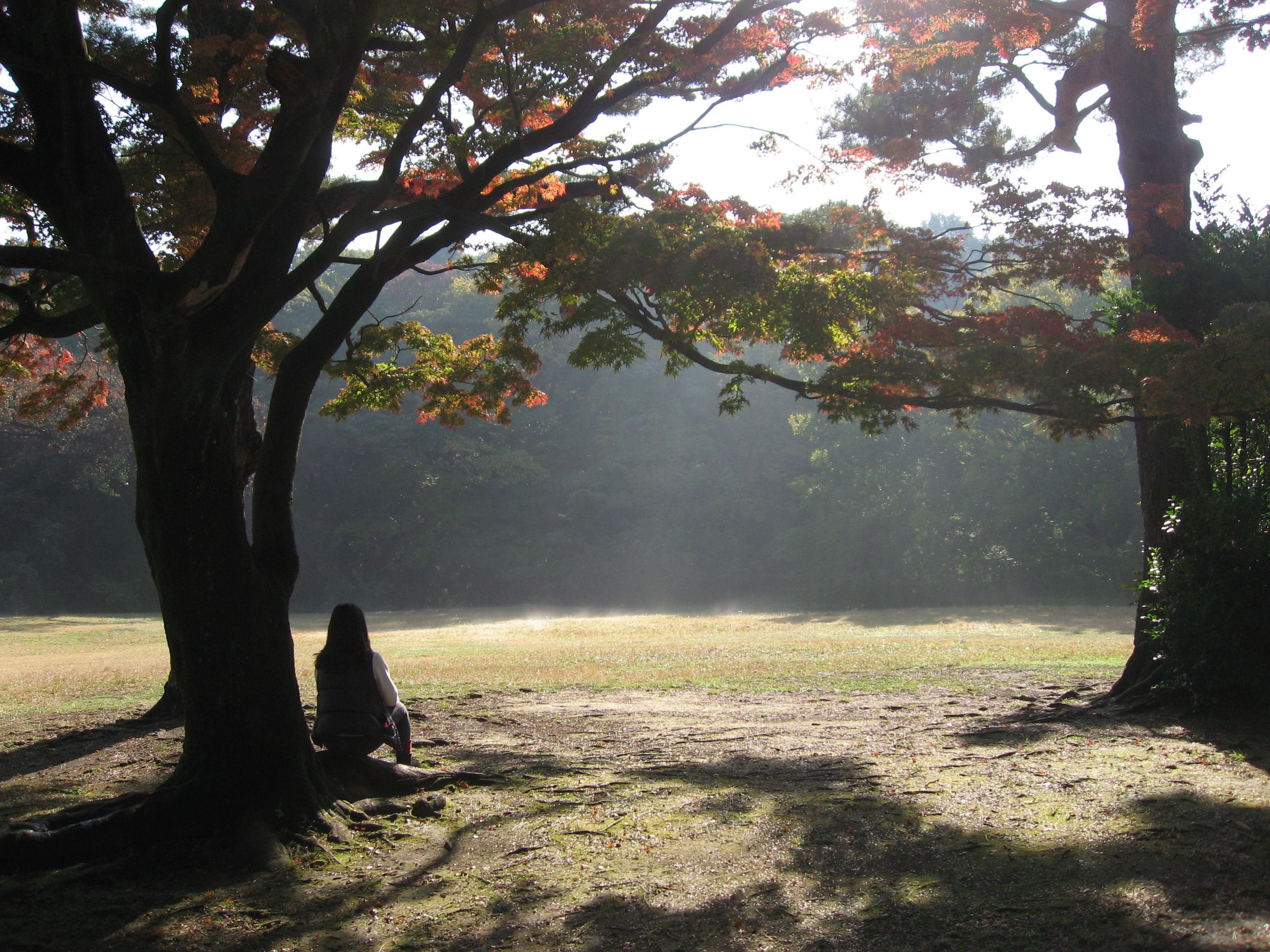
The Japanese for light shining or filtering through the trees. What better time to see it than late autumn/early winter. And what better place to see it than in the forest surrounding Meiji Shrine in central Tokyo.

The shrine, which sees various Shinto rituals throughout the year itself was established in 1920 to commemorate the virtues of Emperor Meiji and his wife Empress Shoken who died in 1912 and 1914 respectively. The forest consists of about 100,000 trees donated from all over Japan and carefully planted by young people to form an eternal forest which recreates itself. Just over 100 years later it takes the form of a natural forest home to many endangered plants, animals and birds. Entering the grounds through the imposing torii gates you’ll often see the shrine’s staff sweeping up the fallen leaves from the public path ways and returning them to the forest as natural composting. Visitors are asked to keep to these pathways and not to disturb its natural form both for the sake of the forest and also because of the sacred nature of the ground; and not to climb the trees. Most visitors head straight for the main Shrine buildings to pray for health, happiness and good fortune, but another path to spiritual enlightenment is just to stroll through the forest paths, where permitted, to enjoy this natural oasis in the heart of one of the world’s biggest cities

Or even just to sit in quiet contemplation for a while

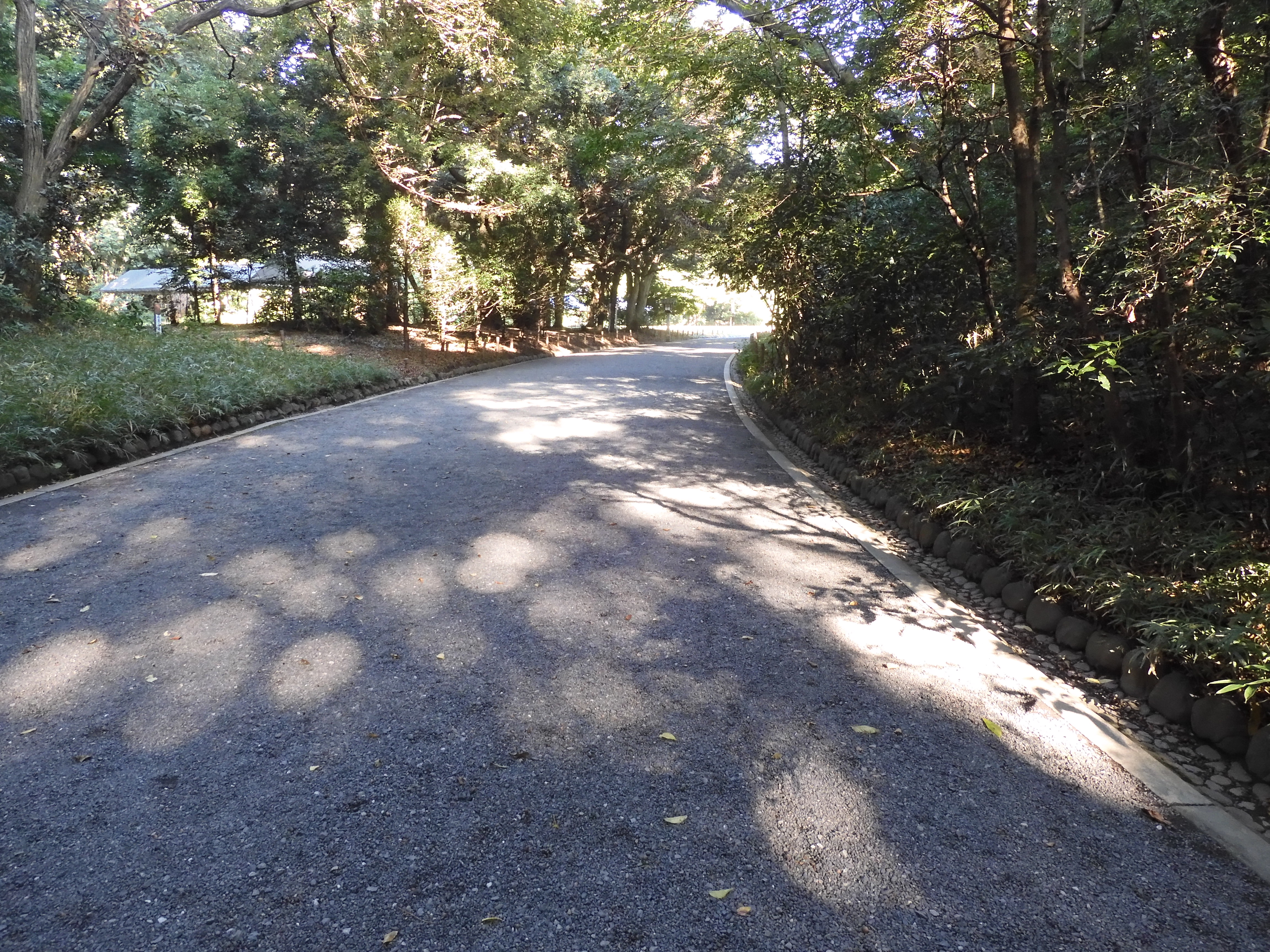
One of my favourite routes is the path that runs from the main Harajuku entrance to Sangubashi as it’s little known and little used so perfect for walking in silence.

But even the main routes have their attractions

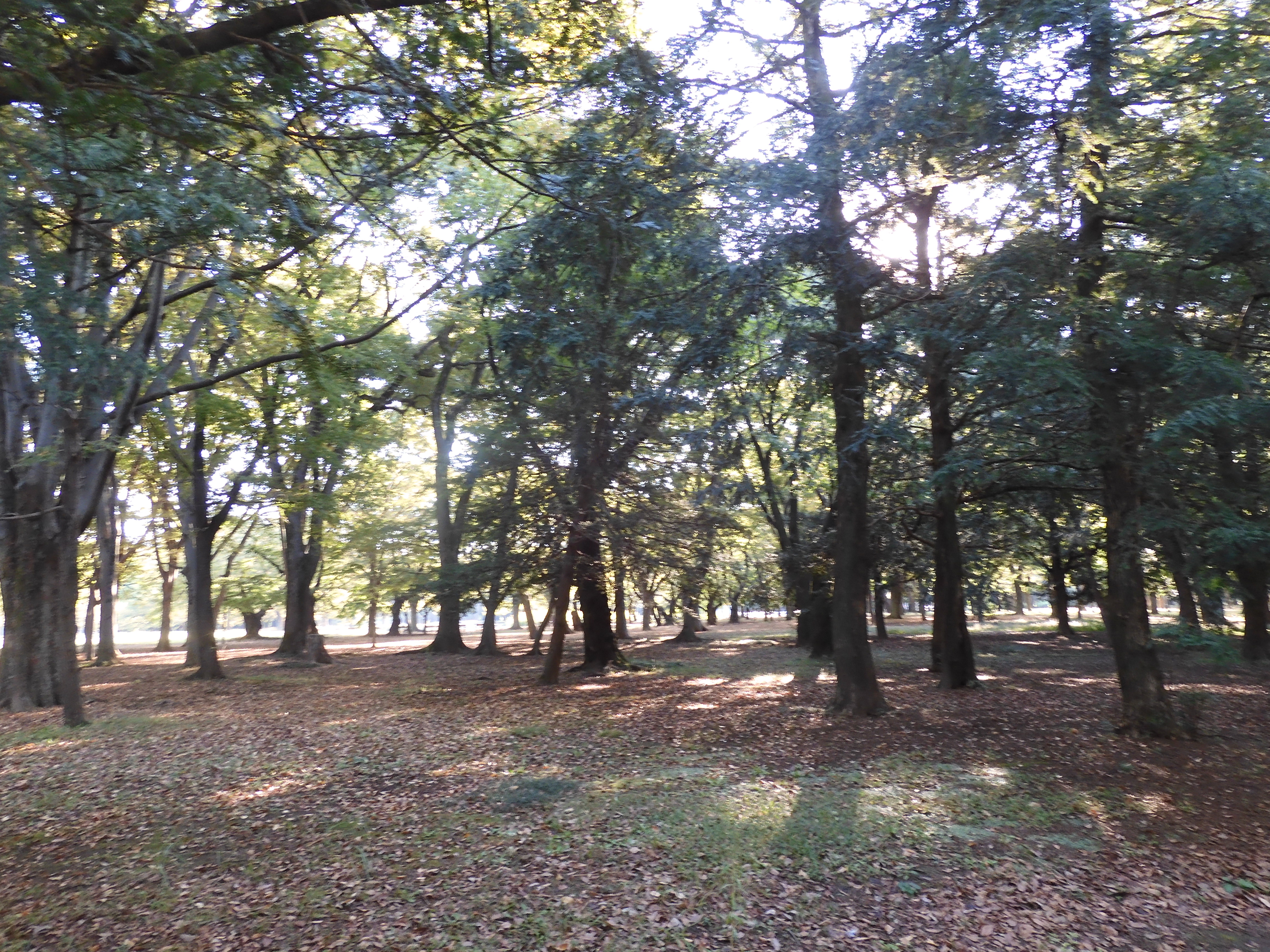
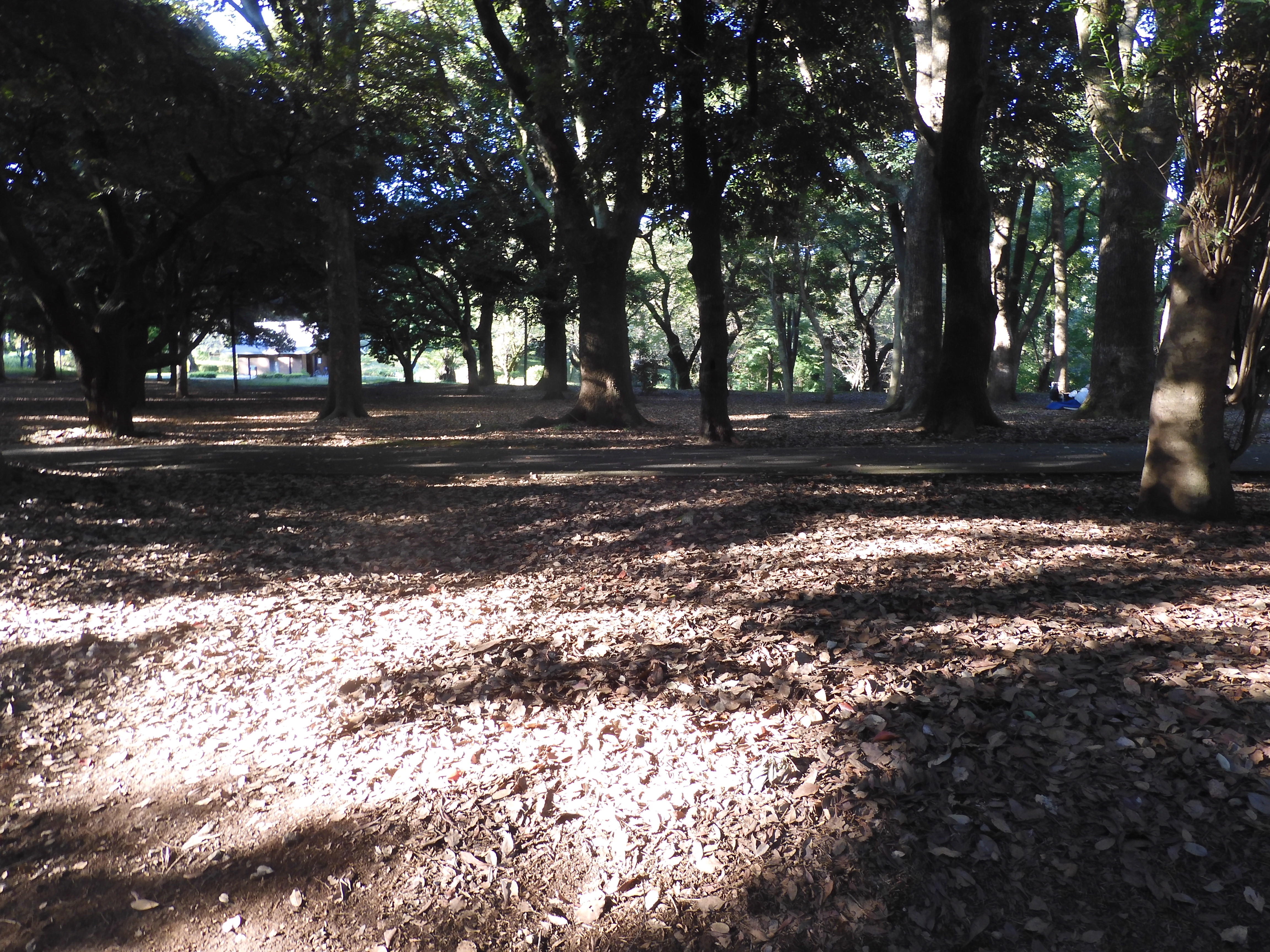
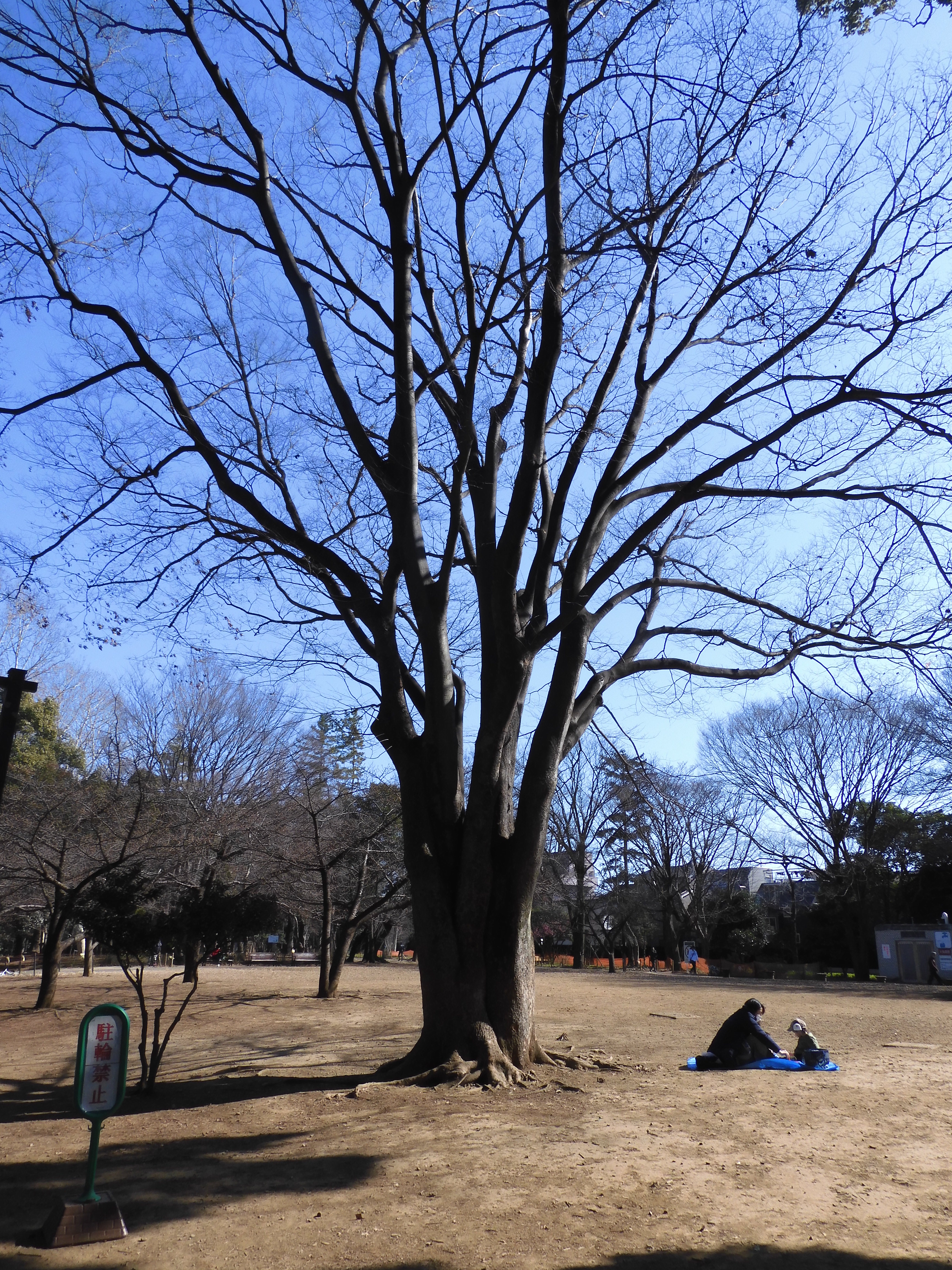
Whilst jogging, dog walking, or any form of sports activities are prohibited in the grounds of the shrine to preserve its sanctity, the same is not true for Yoyogi Park. It is free to enter and open 24 hours and many forms of activity take place from picnicking and partying to running clubs out for their weekly training, to a dedicated dog run. Only a simple fence separates it from Meiji Shrine but even though the atmosphere is completely different at the right time of year and day, it’s still possible to indulge in a little Komorebi.

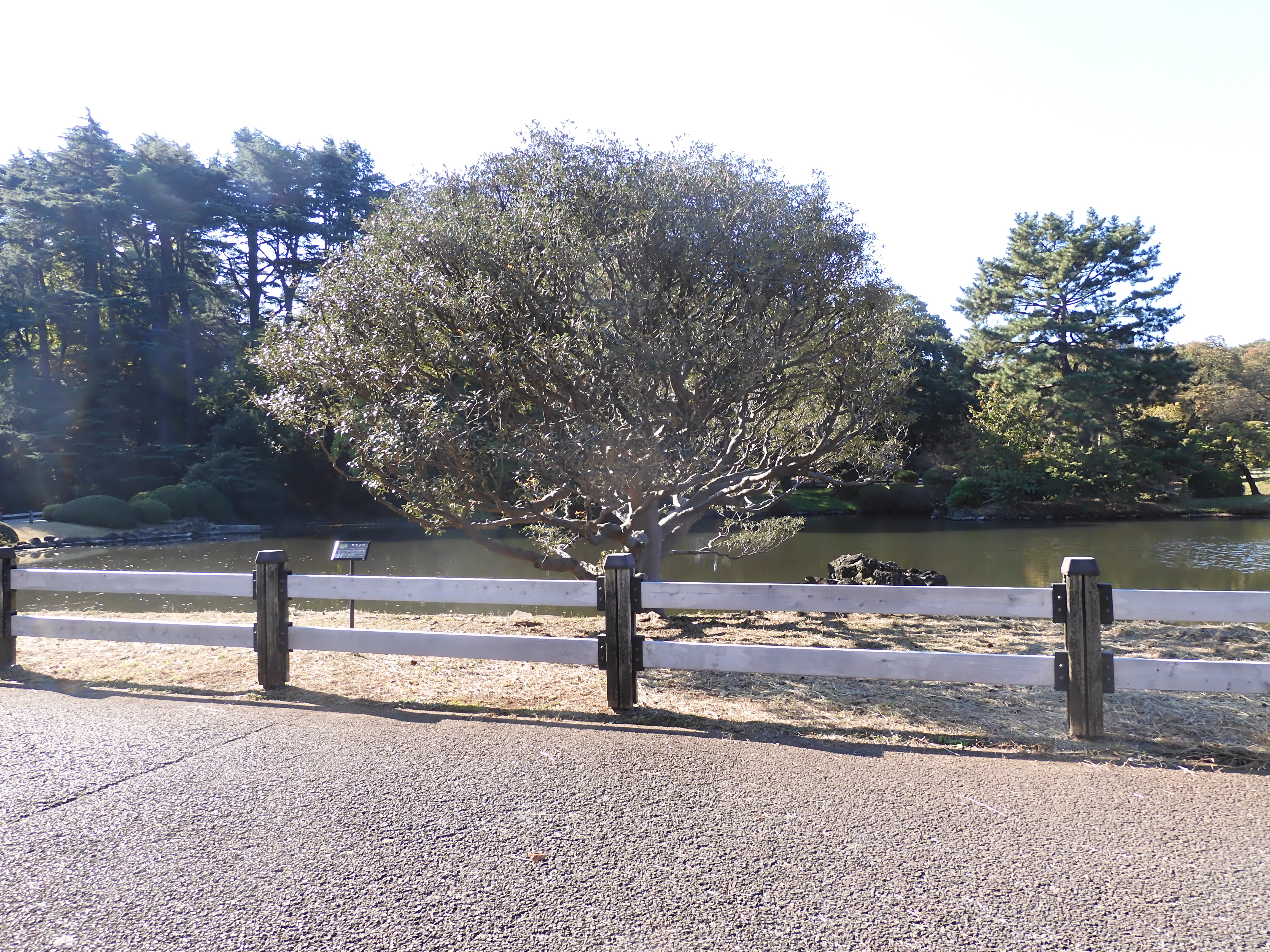
But my favourite park, which does come with limited opening hours and an entrance fee given its status as a ‘royal park’ is Shinjuku Gyoen. It has an interesting history dating back to the 17th century when the area was the residence of Kiyonari Naito, a vassal of the Shogun of the time, Ieyasu Tokugawa . The Government bought part of that estate and surrounding area to create the Naito Shinjuku Experimental Farm which would later become the Imperial Garden and the teahouse from where the Emperor used to visit the gardens forms part of today’s park first opened to the public in 1949. The Naito dynasty lives on and part of the area close to the park which now consists mainly of high rise apartment buildings is still owned by one of his ancestors. I was fortunate enough to live from 2007-2010 in one of his houses overlooking the Park and my landlord, Mr Naito lived in the house next to me.  Following a serious stroke in early 2009, as part of my rehabilitation I was encouraged to take a daily walk, and where better to do that in the neighbouring Shinjuku Gyoen, so it has particularly strong connections to my time in Japan, and I still try to get in there at least once a week pausing to talk to the trees giving thanks for my ability to enjoy this oasis just a few minutes’ walk from the world’s busiest railway station. Especially at this time of the year.

So, whenever one wants to escape from the troubles of the world or even of the mind, just taking time to enjoy light filtering through the trees, can lighten one’s mood, thanks to

KOMOREBI

#4: Never too late

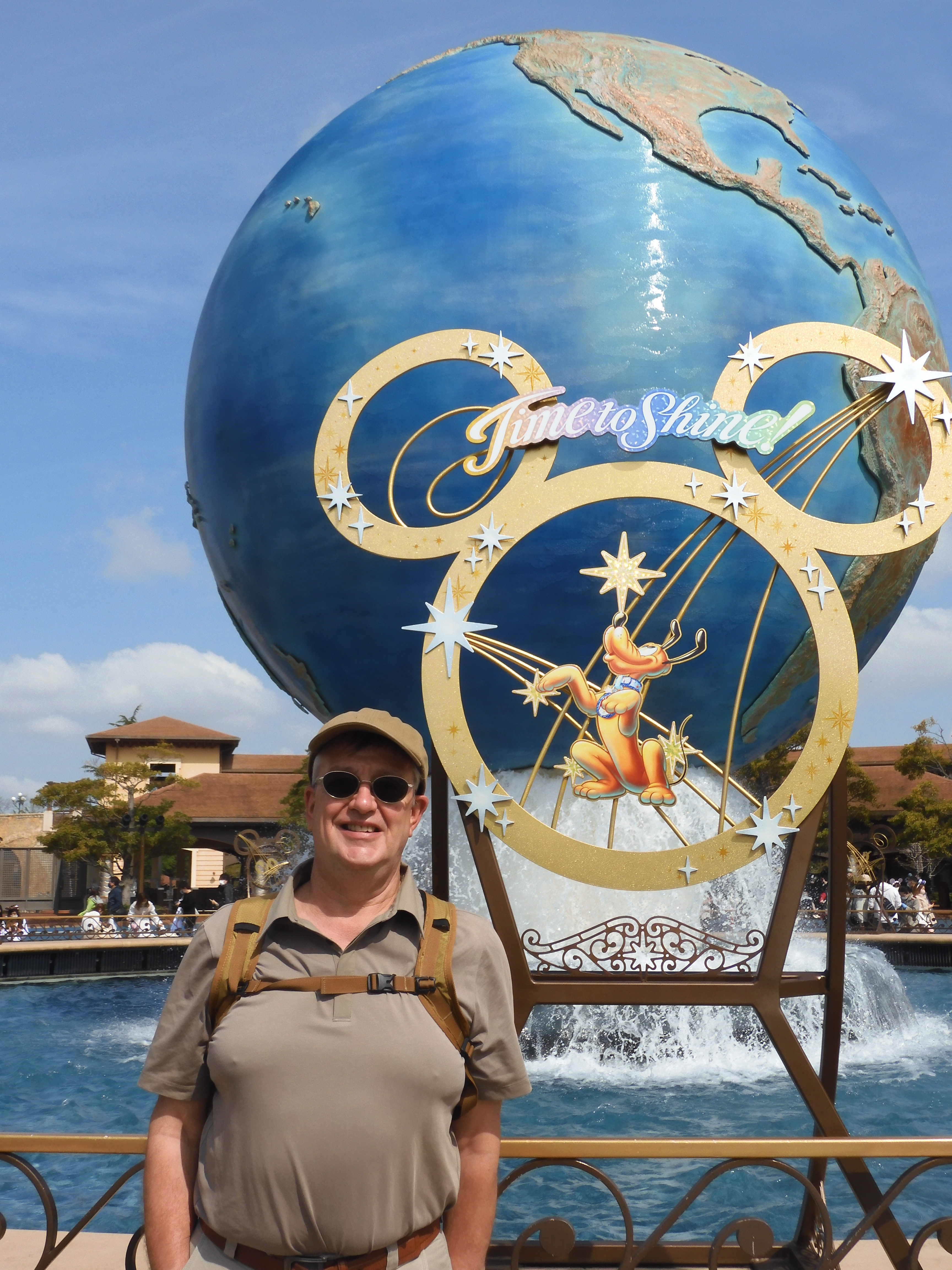
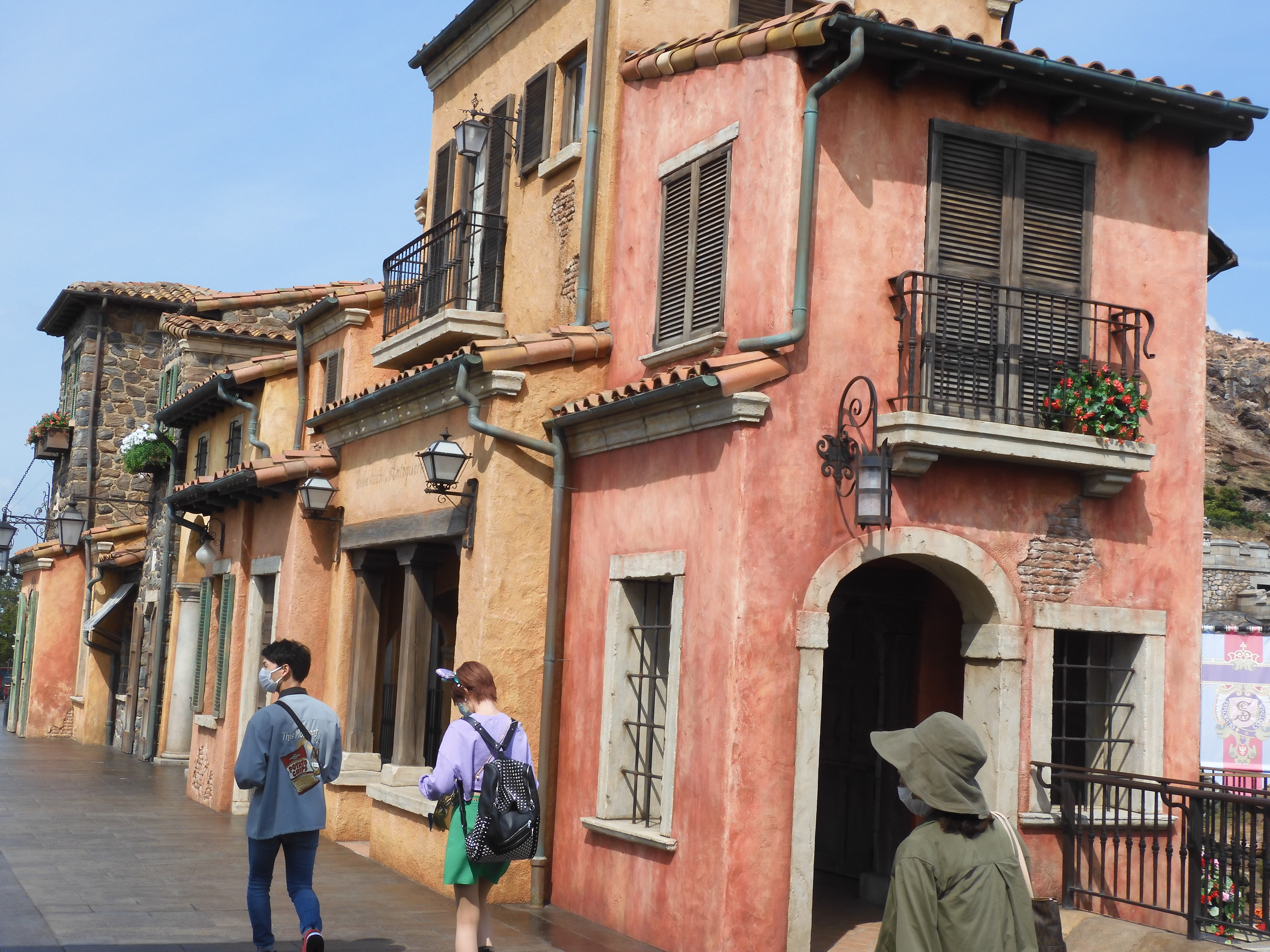
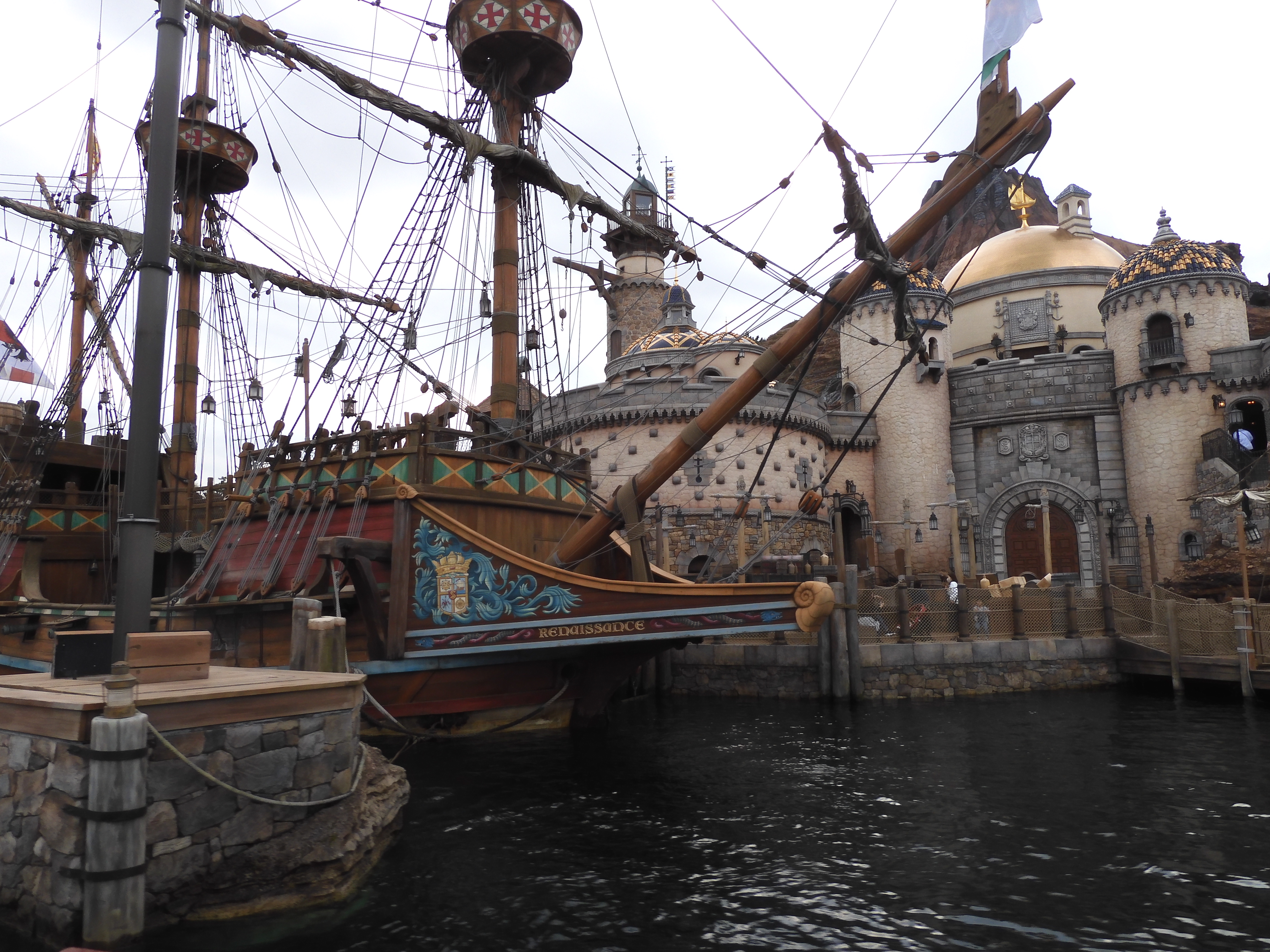
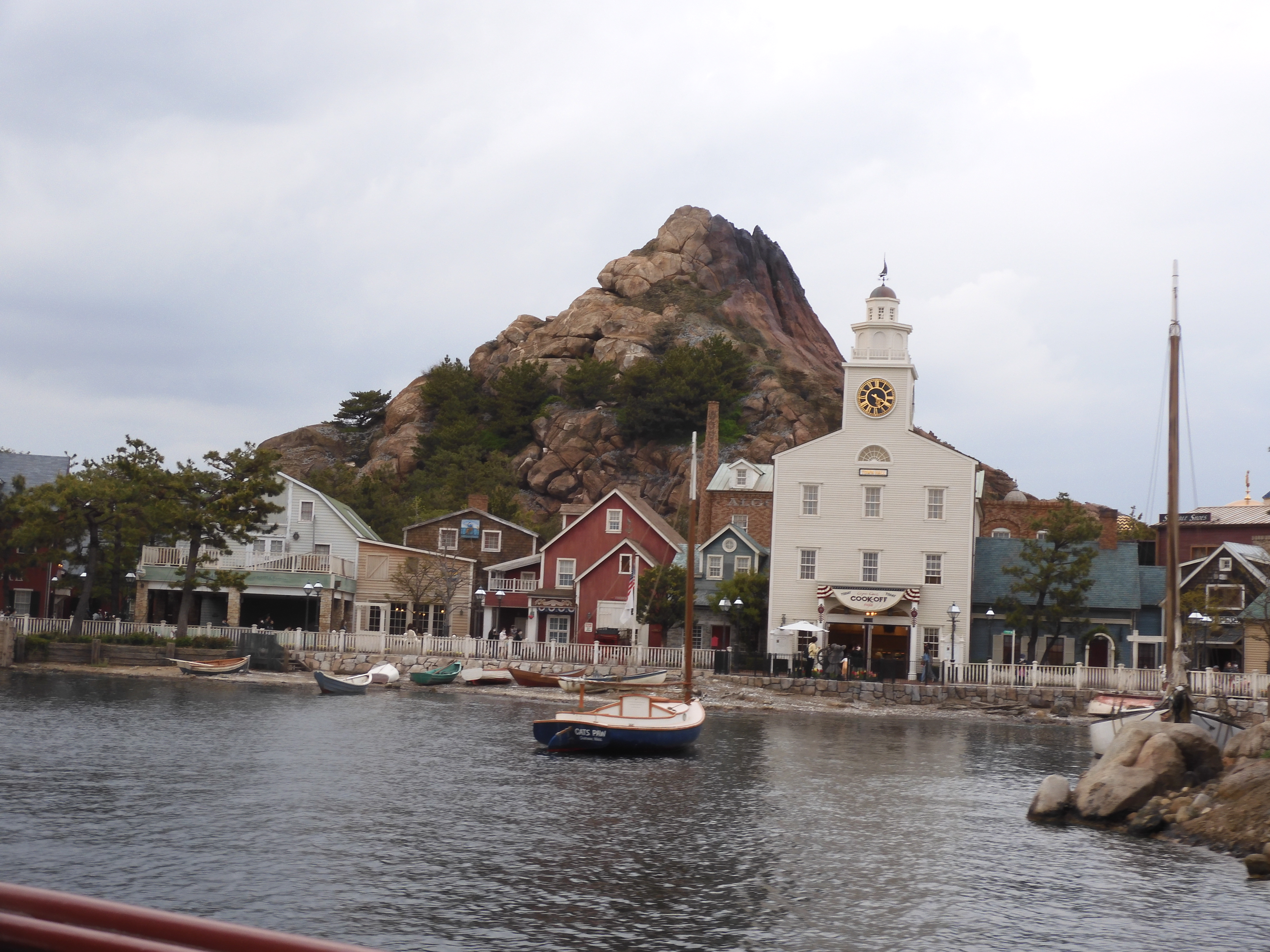
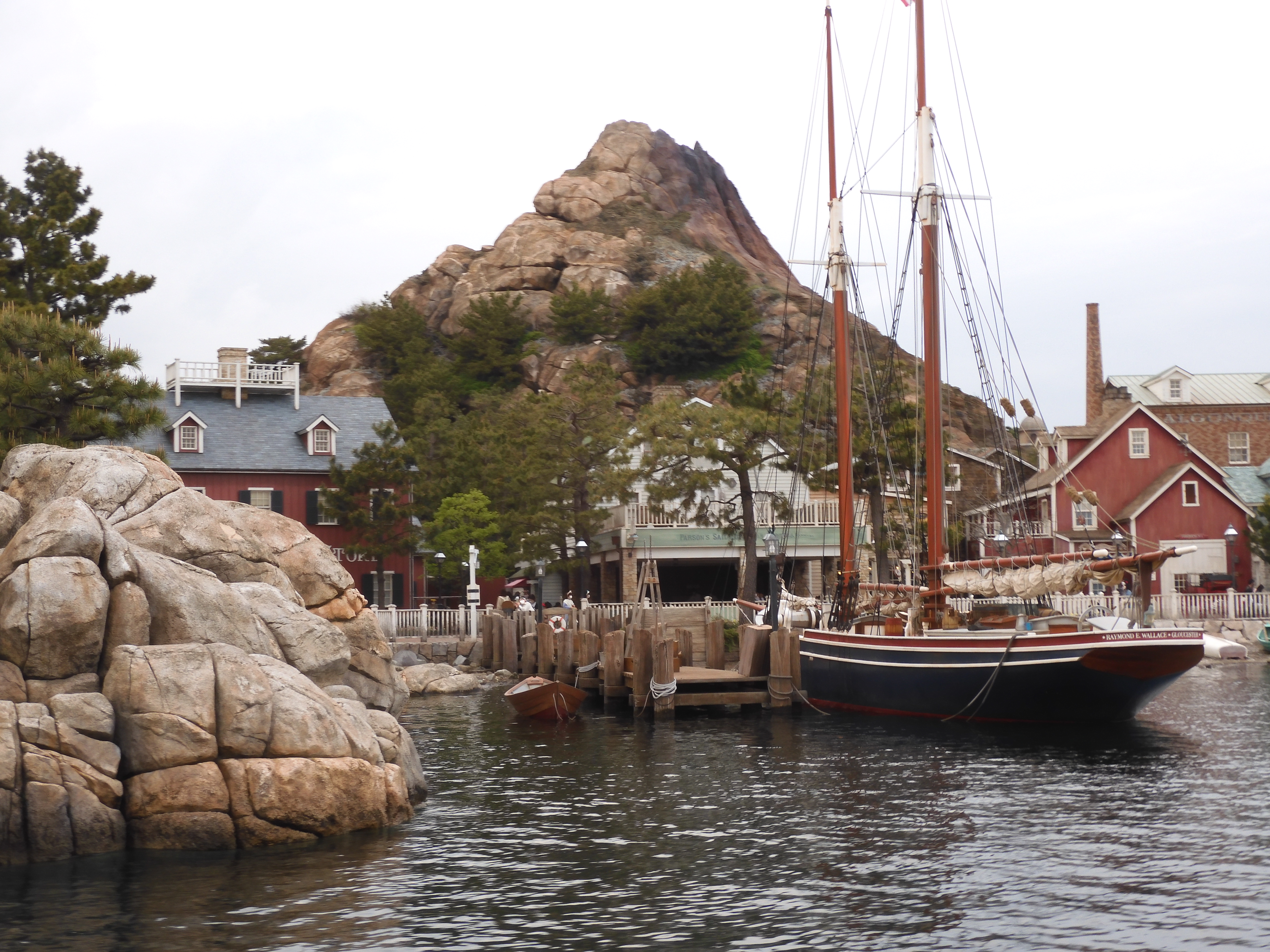
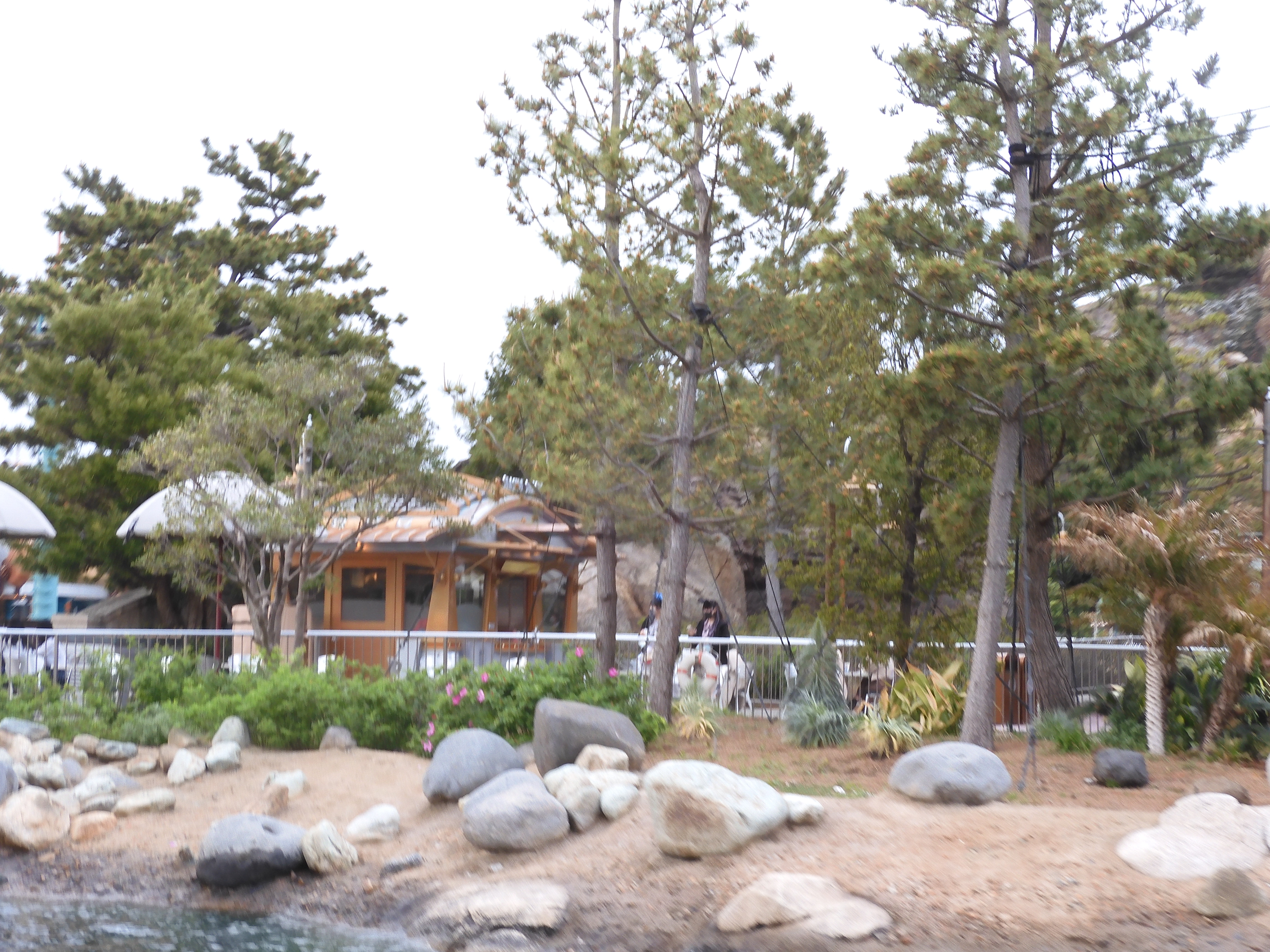
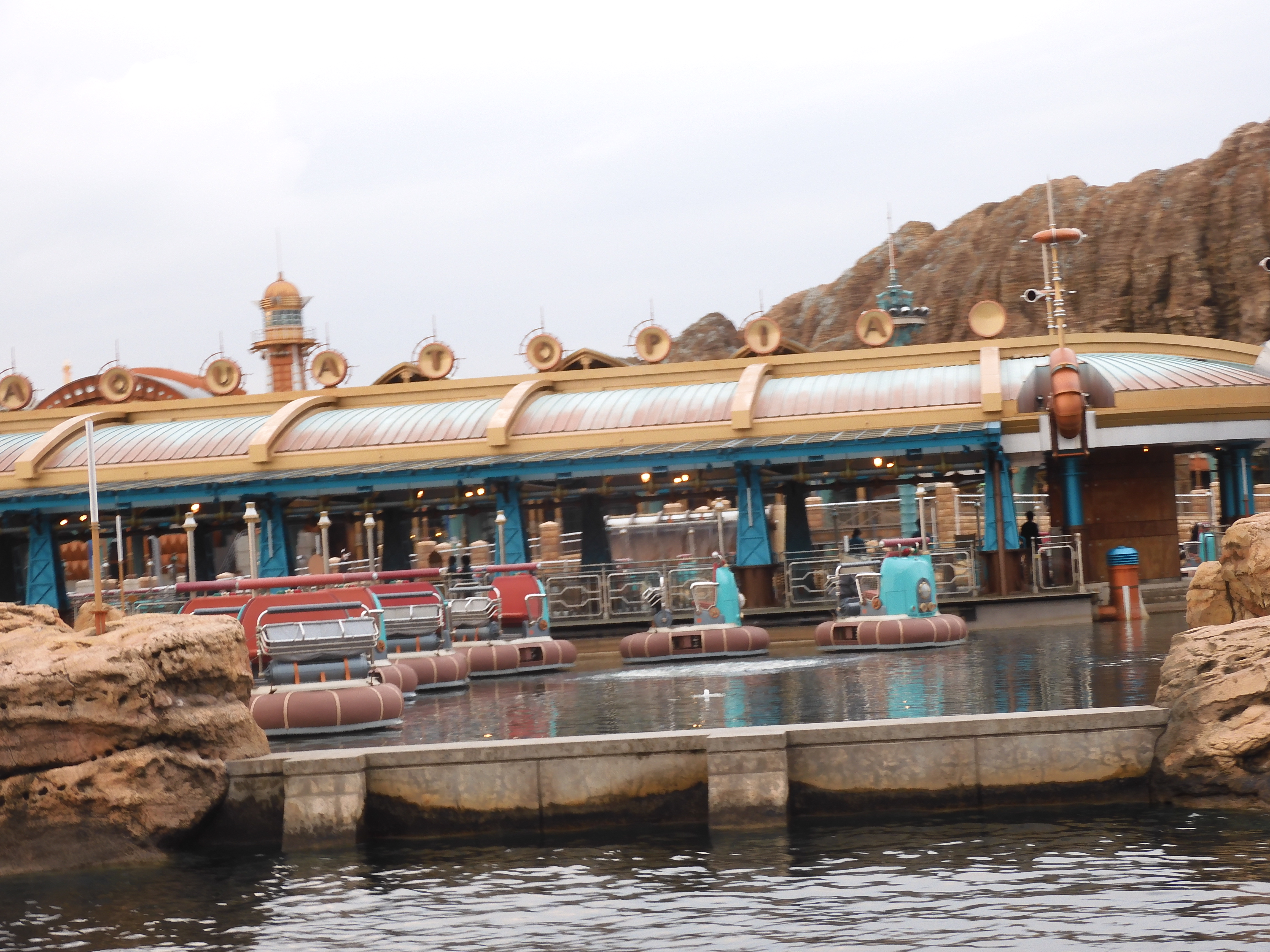
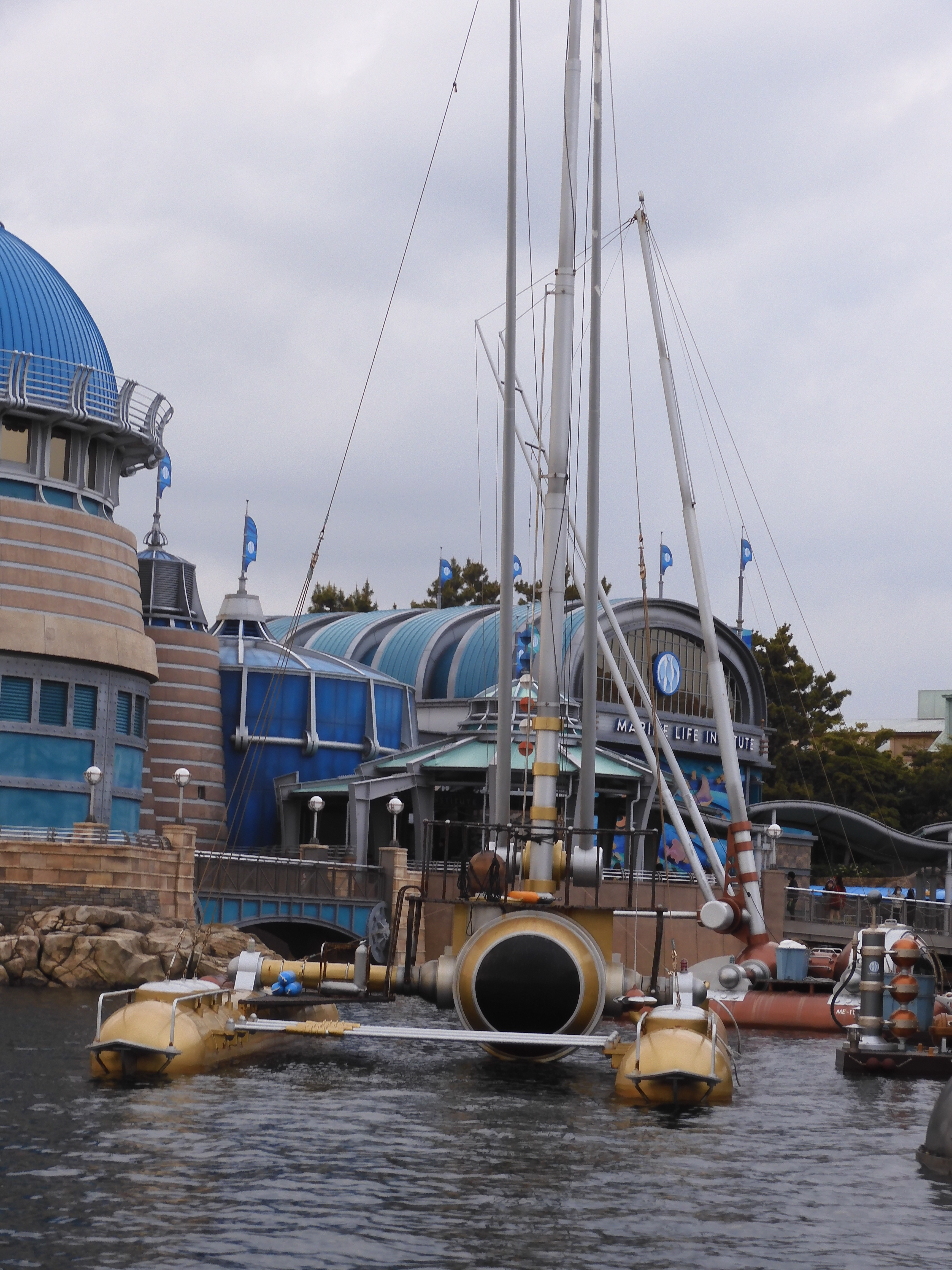
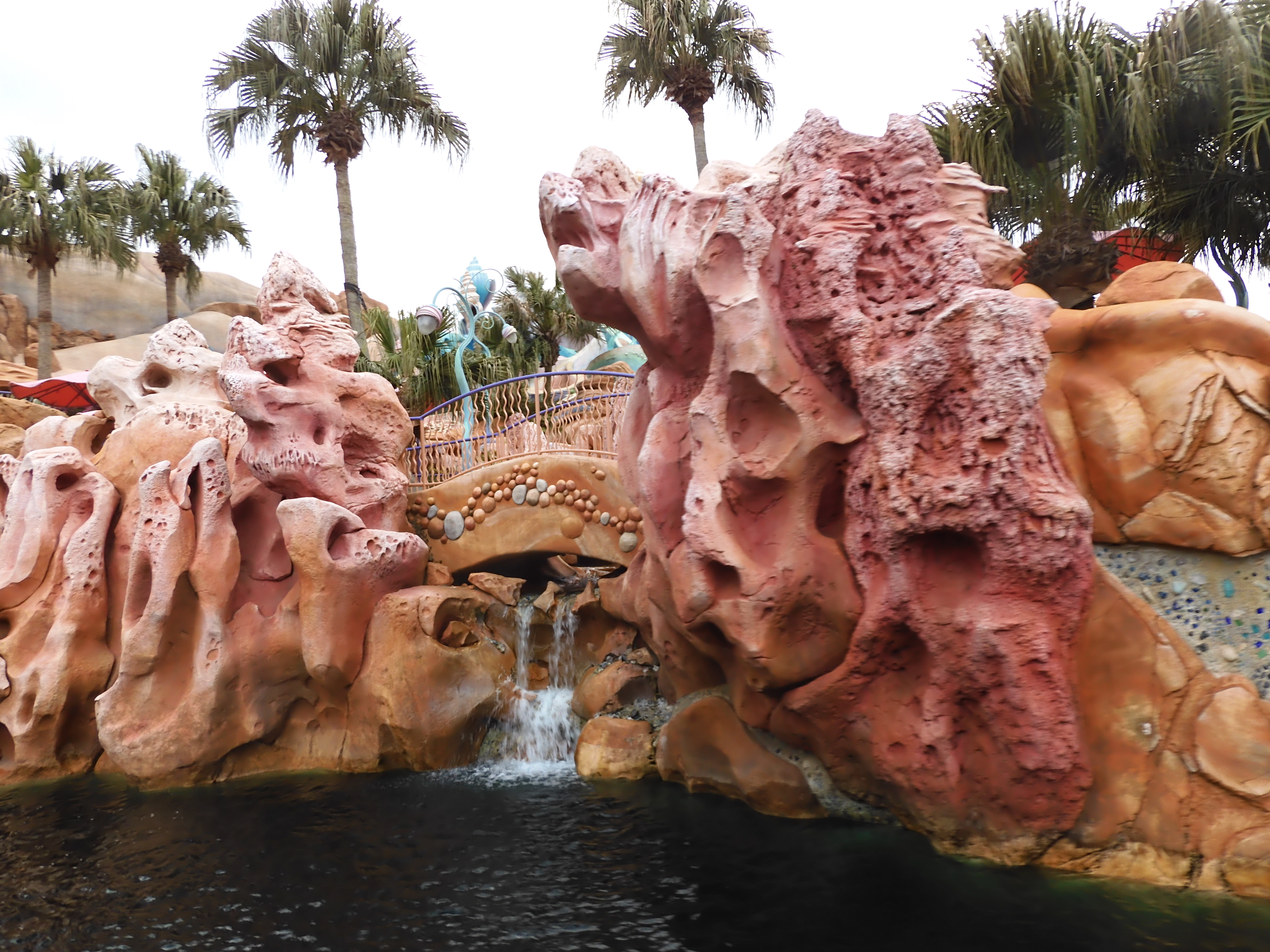
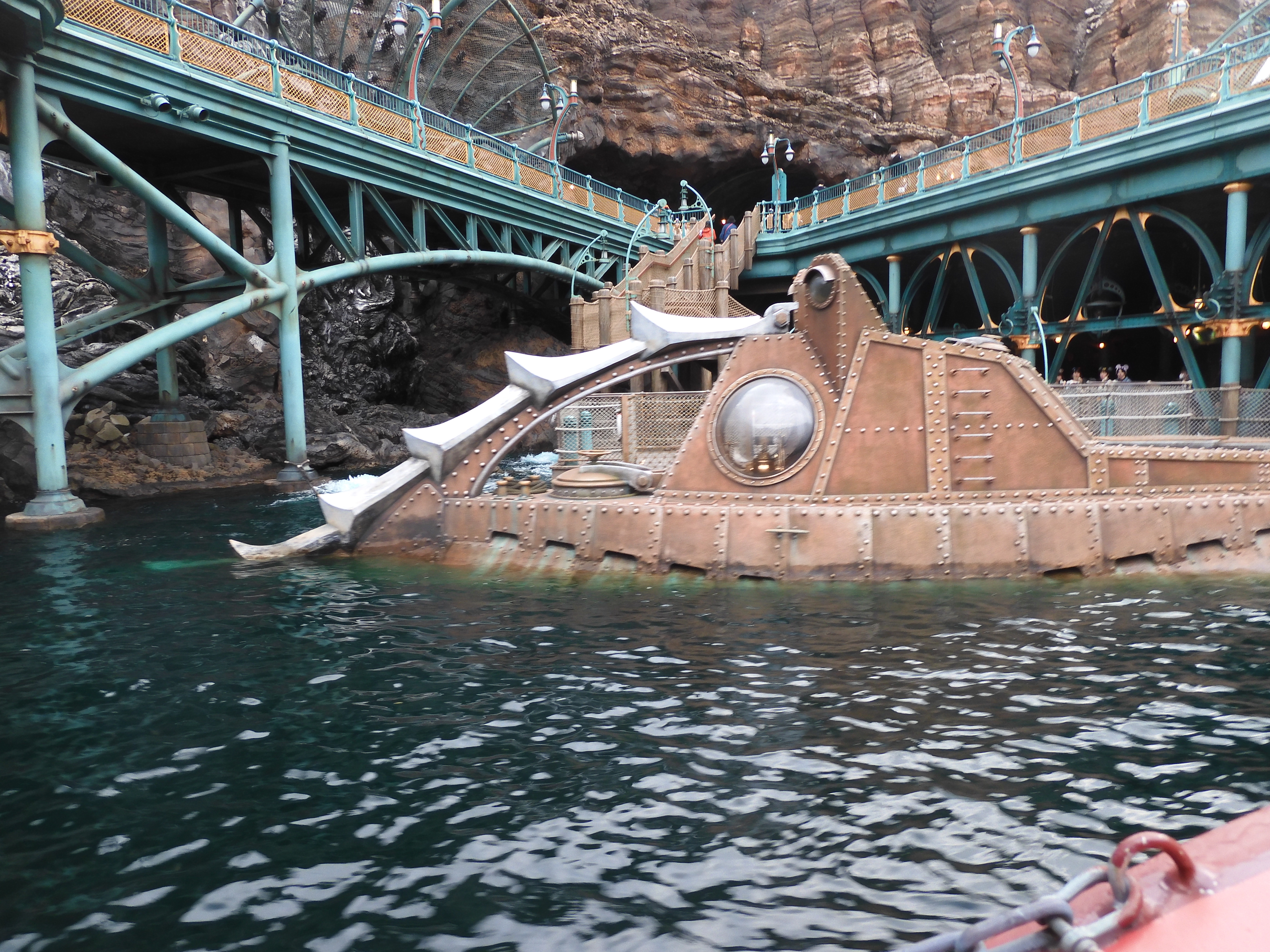
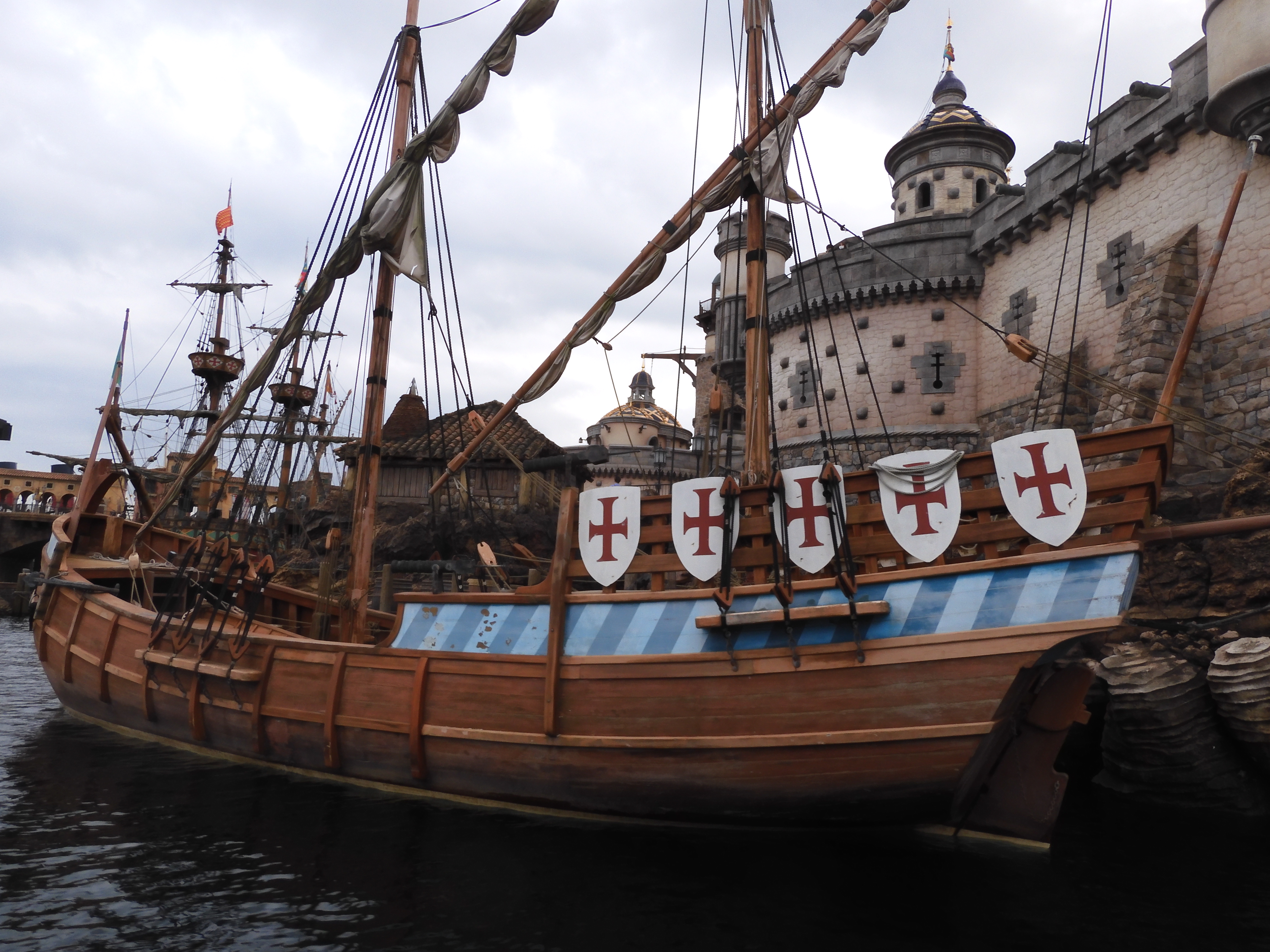
Although, over the years, as a father I’ve taken my children to theme parks in England and other parts of the world, I’ve never actually been to a Disney resort. So, just two weeks short of my 65th birthday, and with a coupon for a free night at a Hilton Hotel, it was time to put that to rights and to head out to Tokyo Bay on a cool and drizzly evening for a very pleasant night at the Hilton on the Bay. I must confess to being rather apprehensive about my first Disney experience expecting it all to be rather garish and over the top, but my son’s partner who is rather a Disney expert had suggested that DisneySea was probably more suitable for someone of advancing years compared to DisneyWorld.

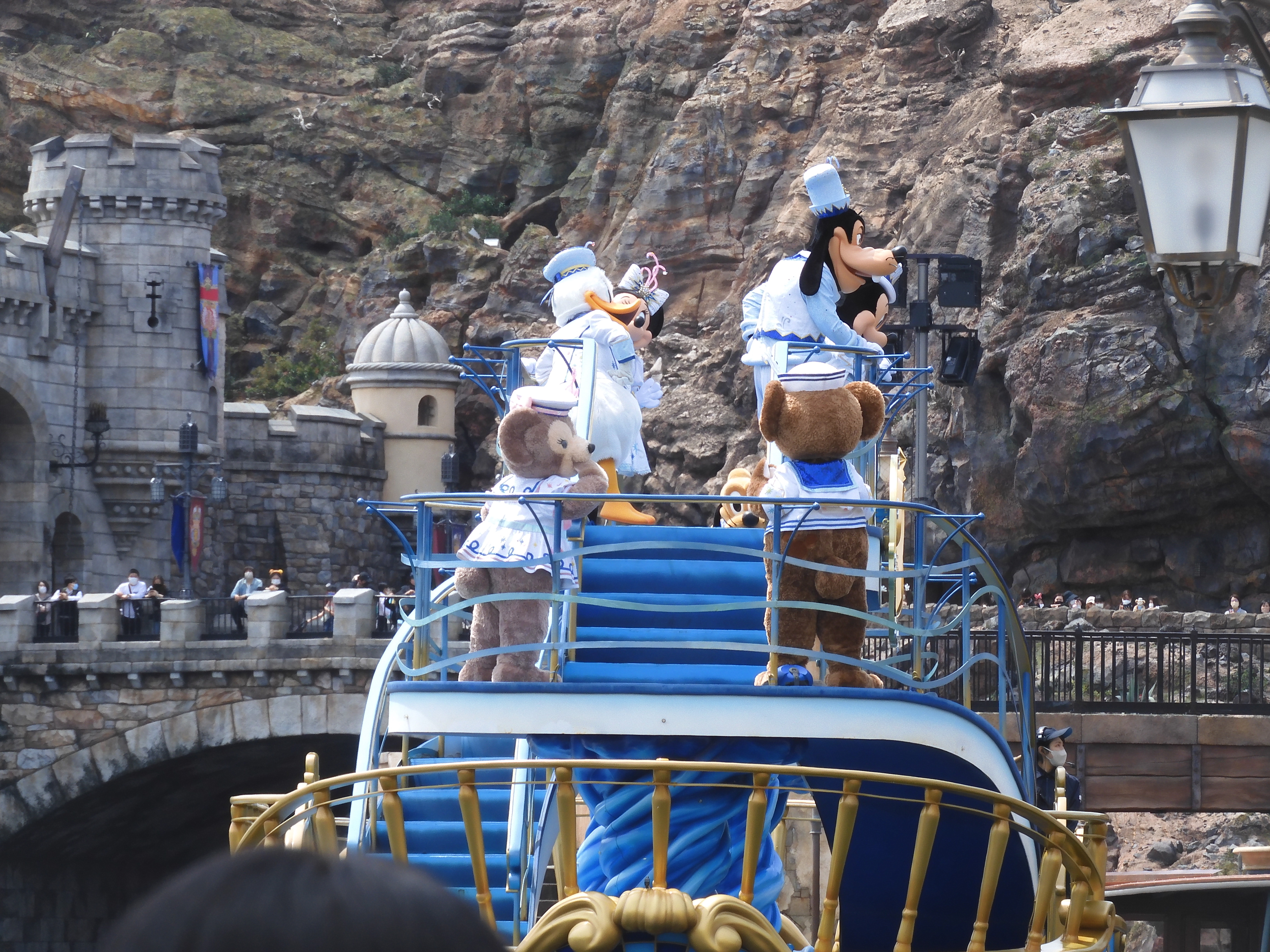
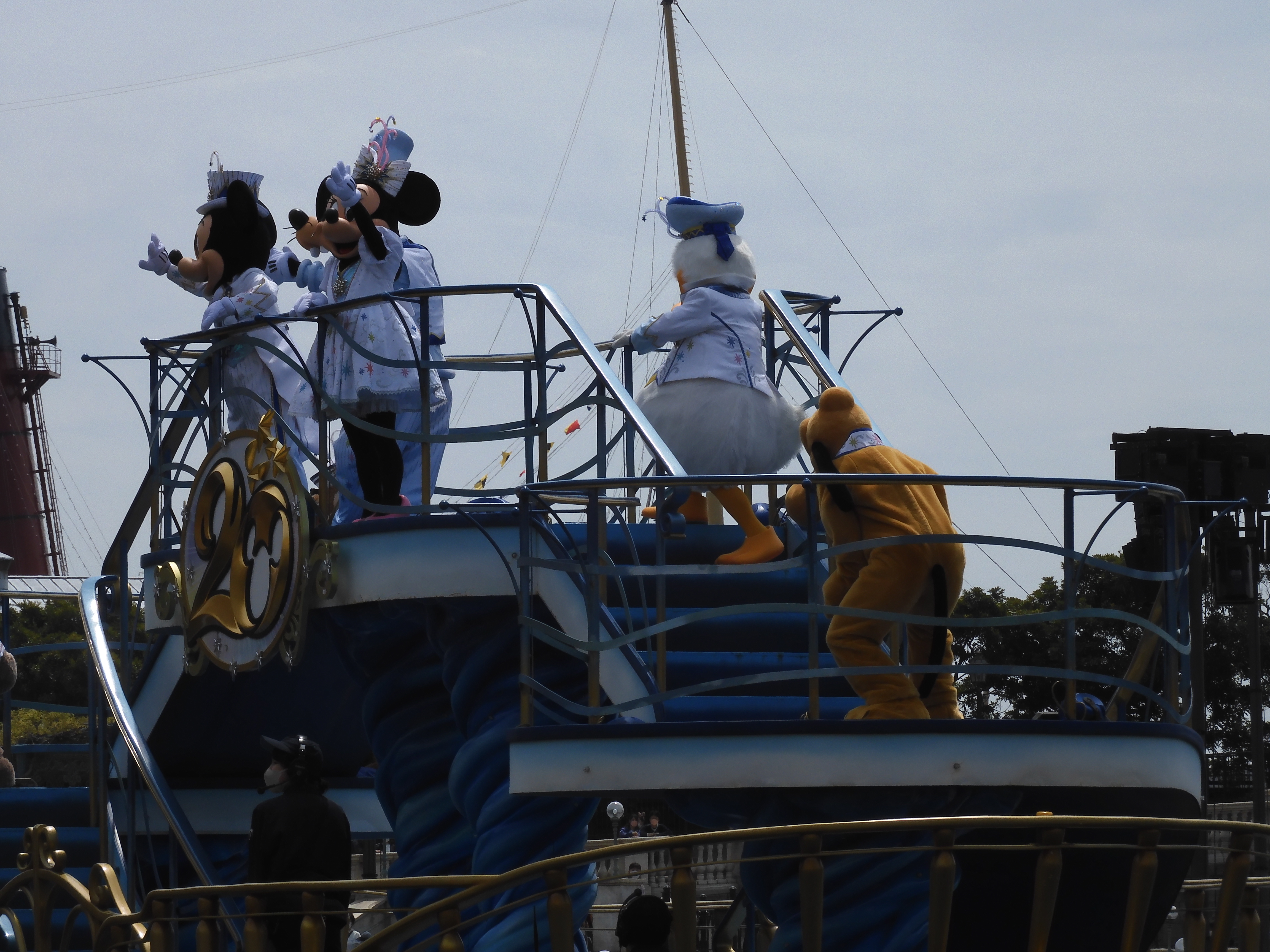
Not only were we celebrating my own birthday in advance but it was also DisneySea’s 20th Anniversary. The sun was shining and the skies were blue so we had an early start and armed with an all-day passport got in to join in the 20th Anniversary celebrations which were branded as ‘Time to Shine’. And so it was and time to find our way around the venue.

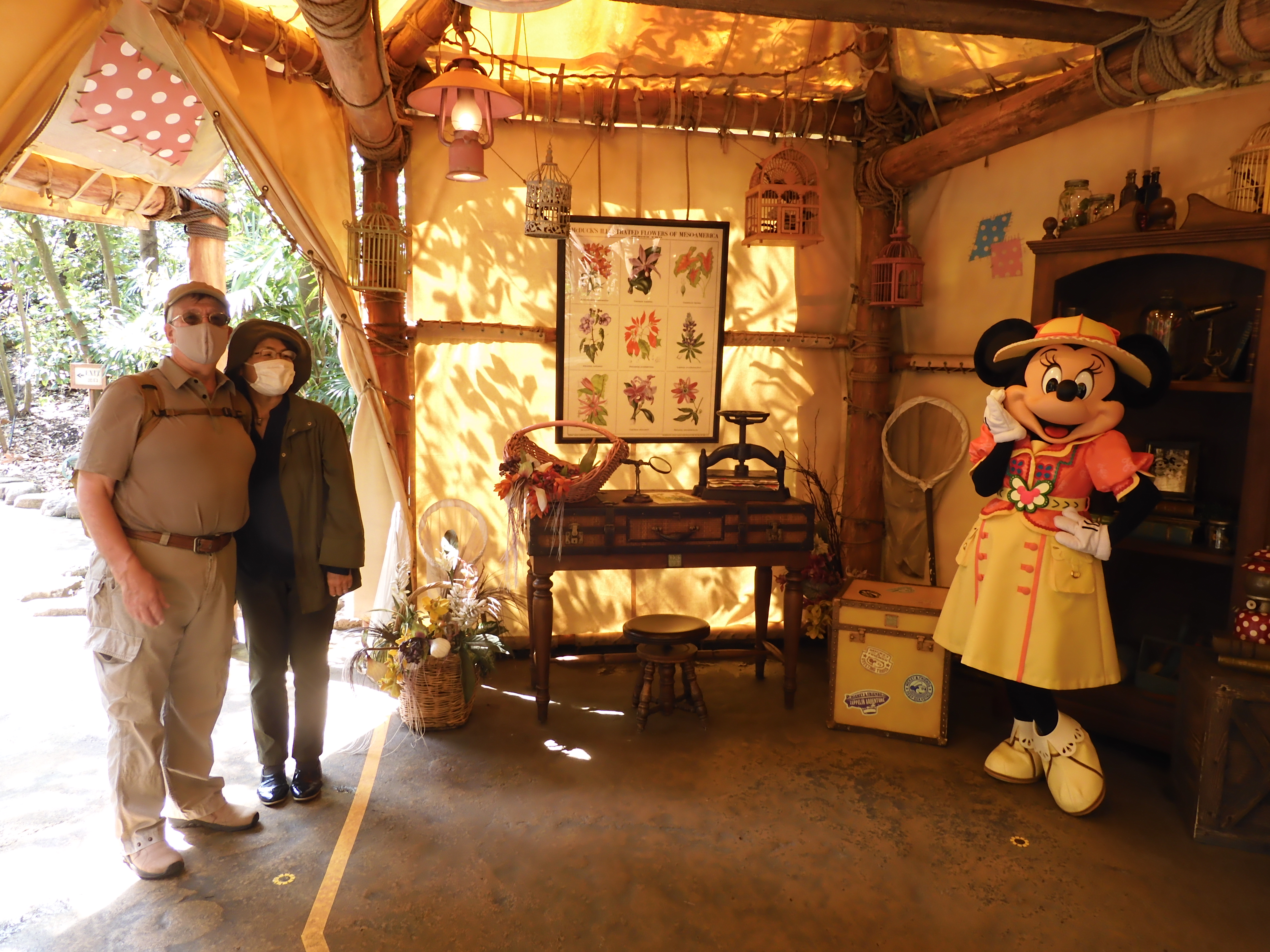
Top of the agenda was to meet the stars, so we oriented ourselves through the centre to do just that. In accordance with Covid protocols were asked not to get too close to Mickey and Minnie; we were wearing masks but they weren’t.  Soon after that they emerged from their protective environment with some of their pals for a jaunt around the waterfront.

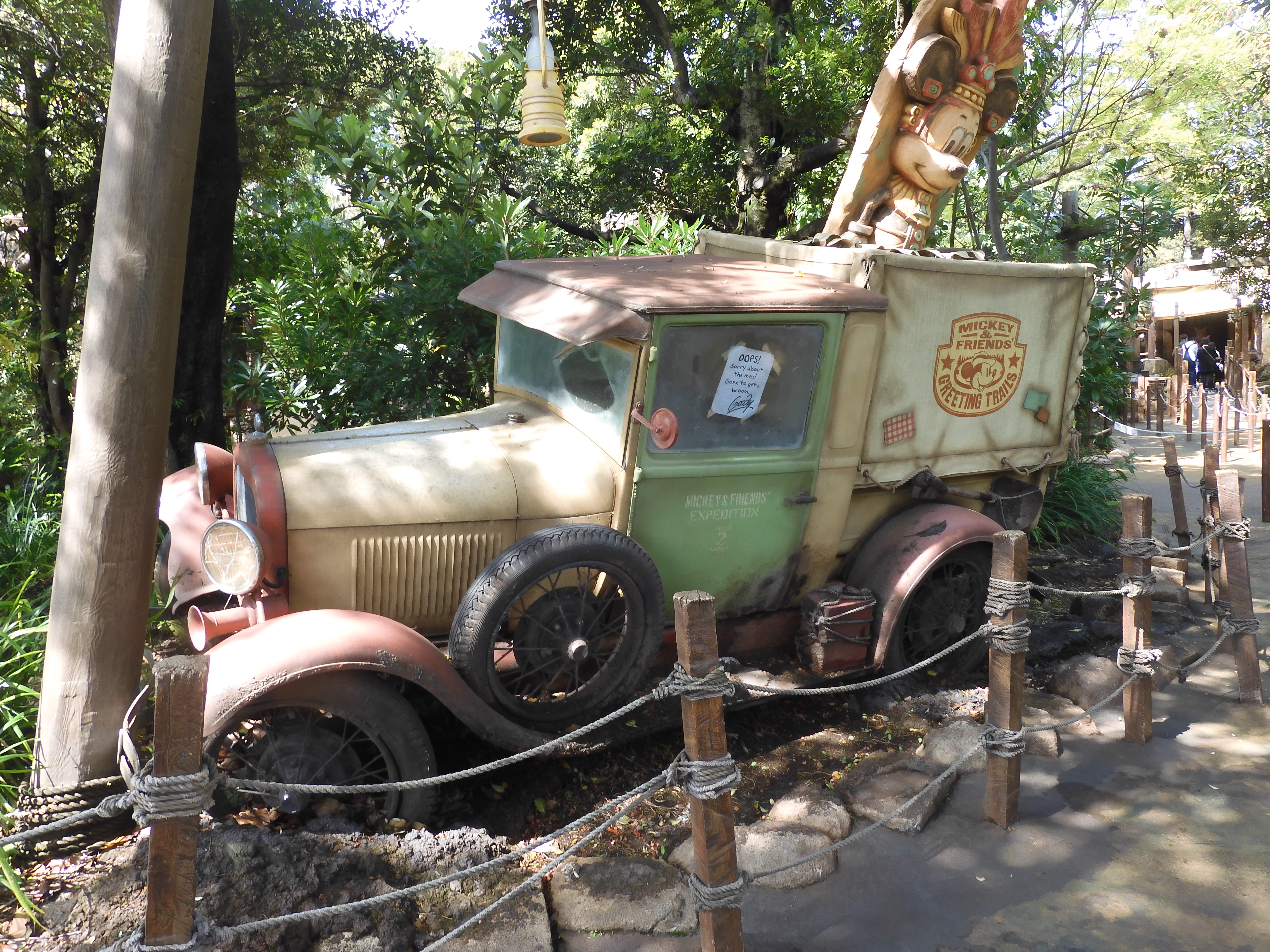
‘OOPs’ Indeed!

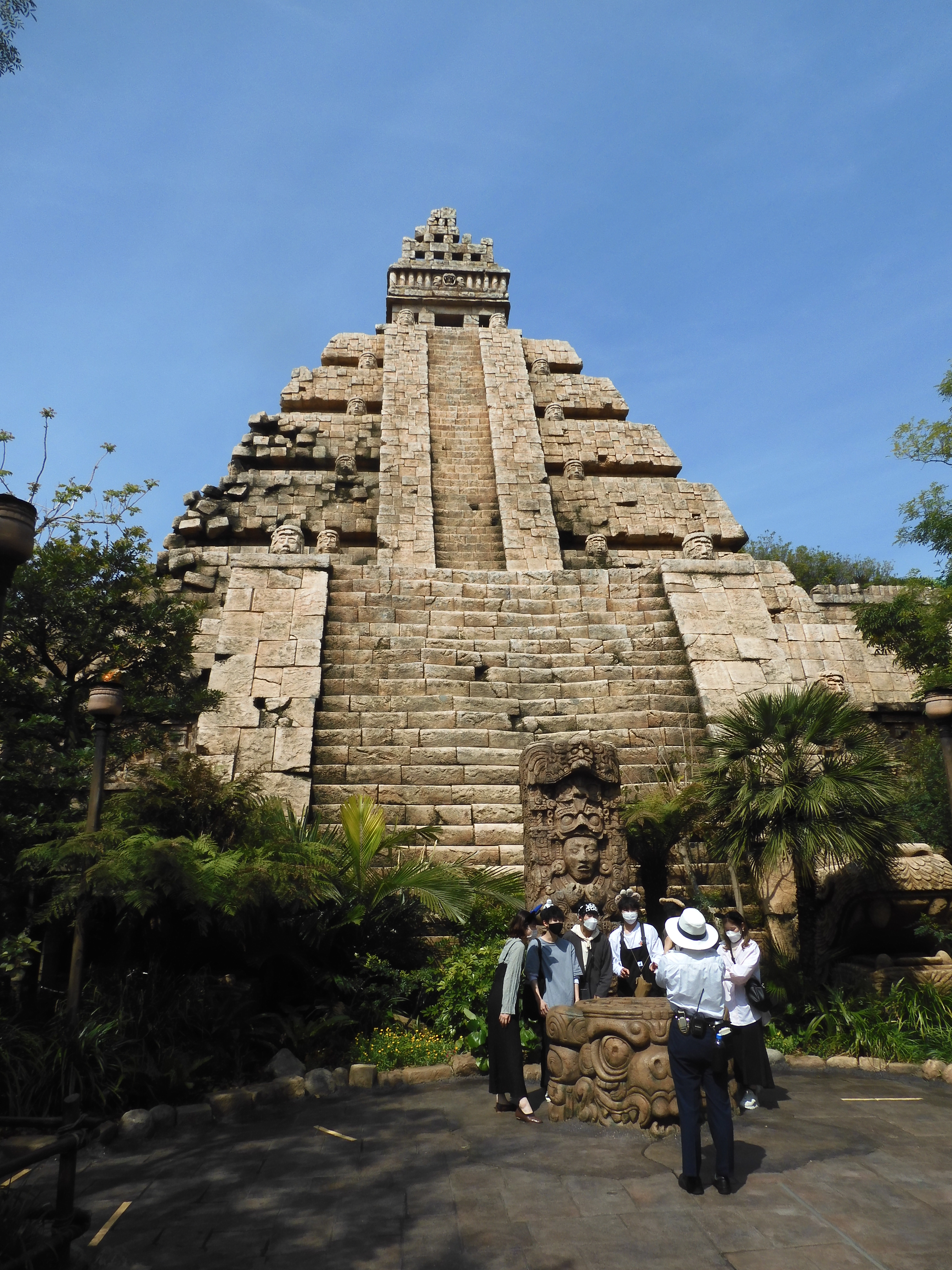
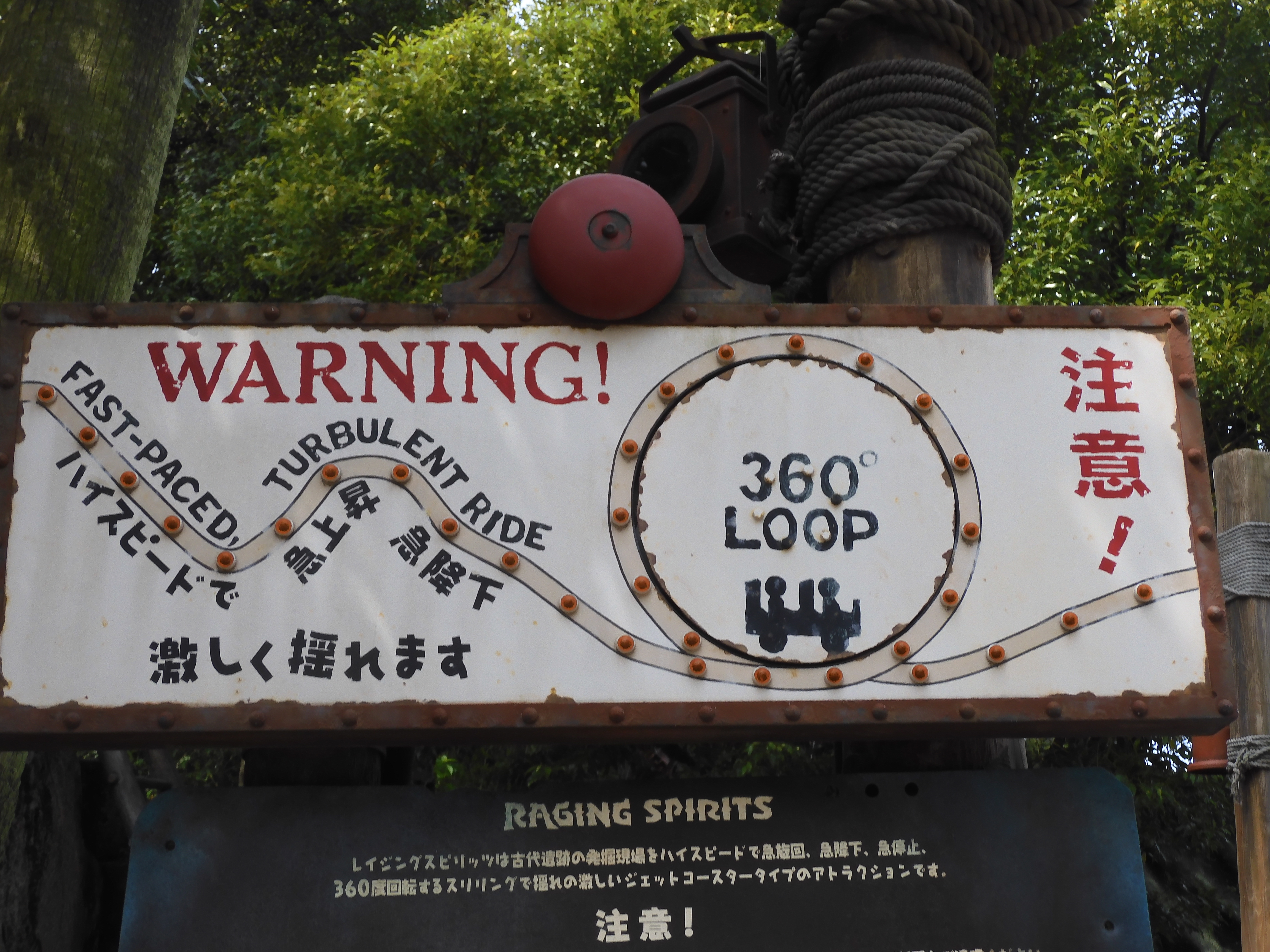
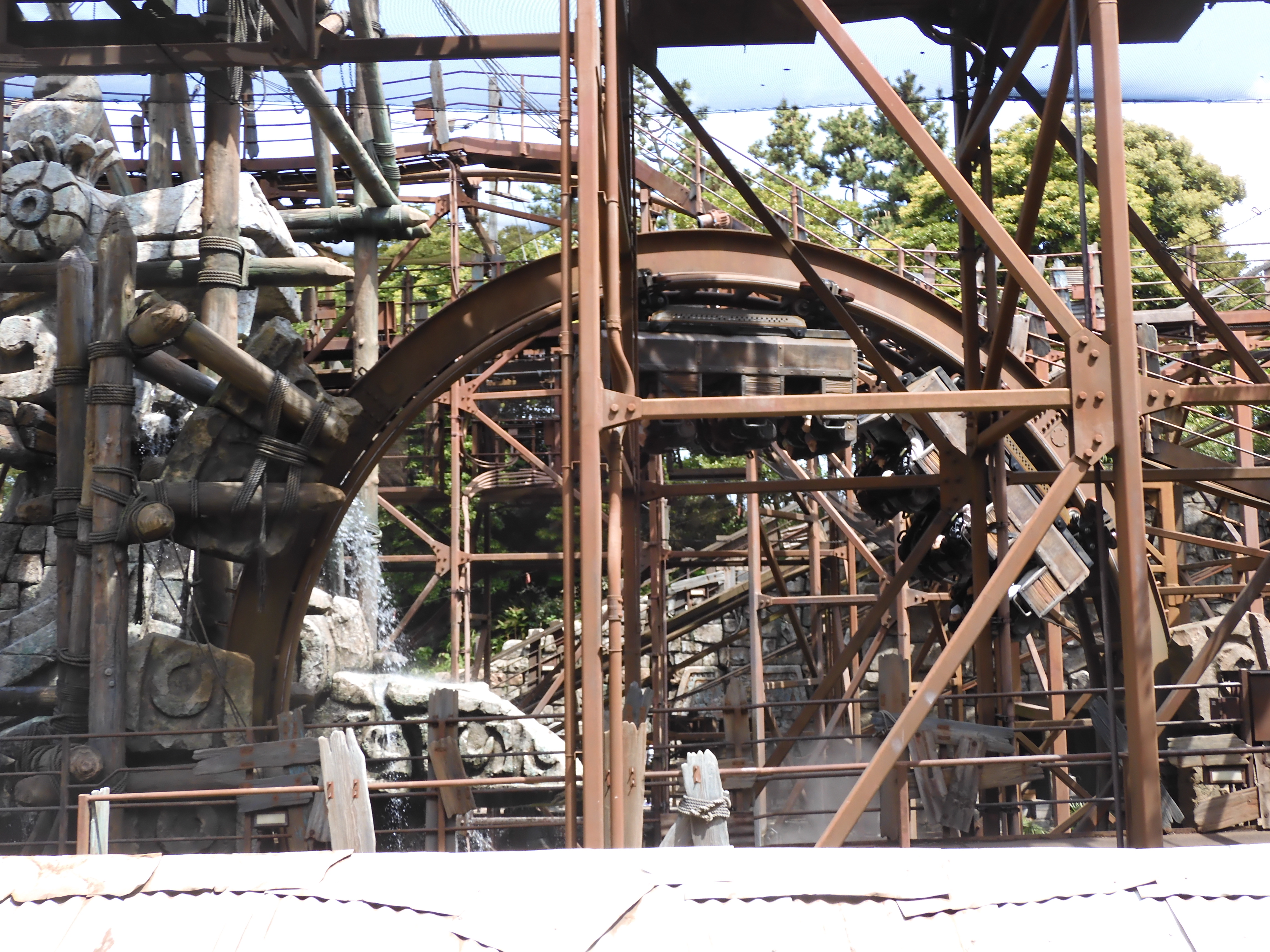
The culture vulture in me enjoyed the attractions related to popular entertainment and I ‘held on to my potato’ in an exciting ride around Indiana Jones’ Temple of Doom.

A more sedate circuit with Sinbad took me back to watching videos with my kids years ago,

We even went to ‘Infinity and Beyond’ in the Toy Story’s shooting gallery – my wife scored more hits than me but I had a better accuracy rate! No pictures as I was shooting targets rather than photos.

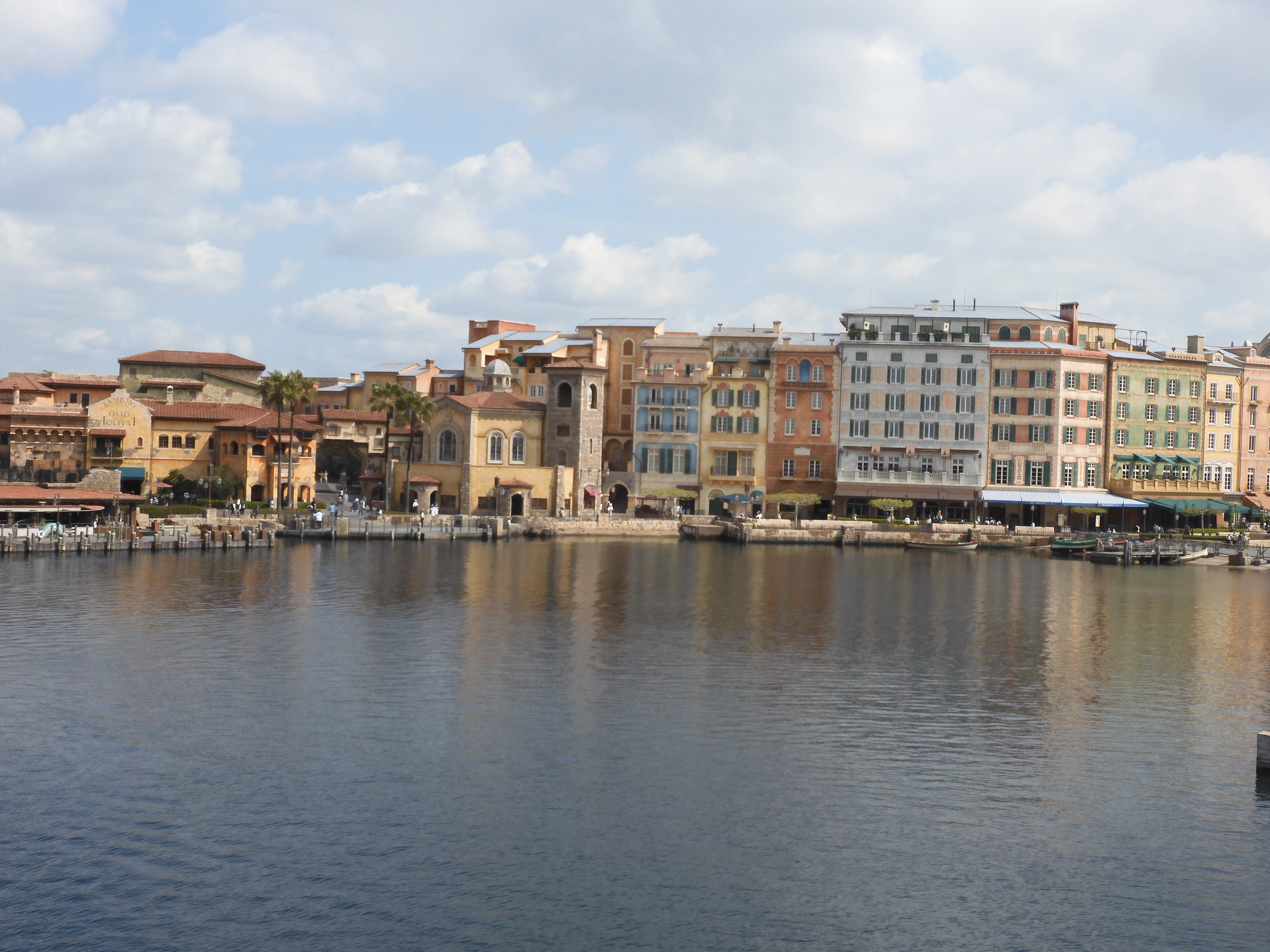
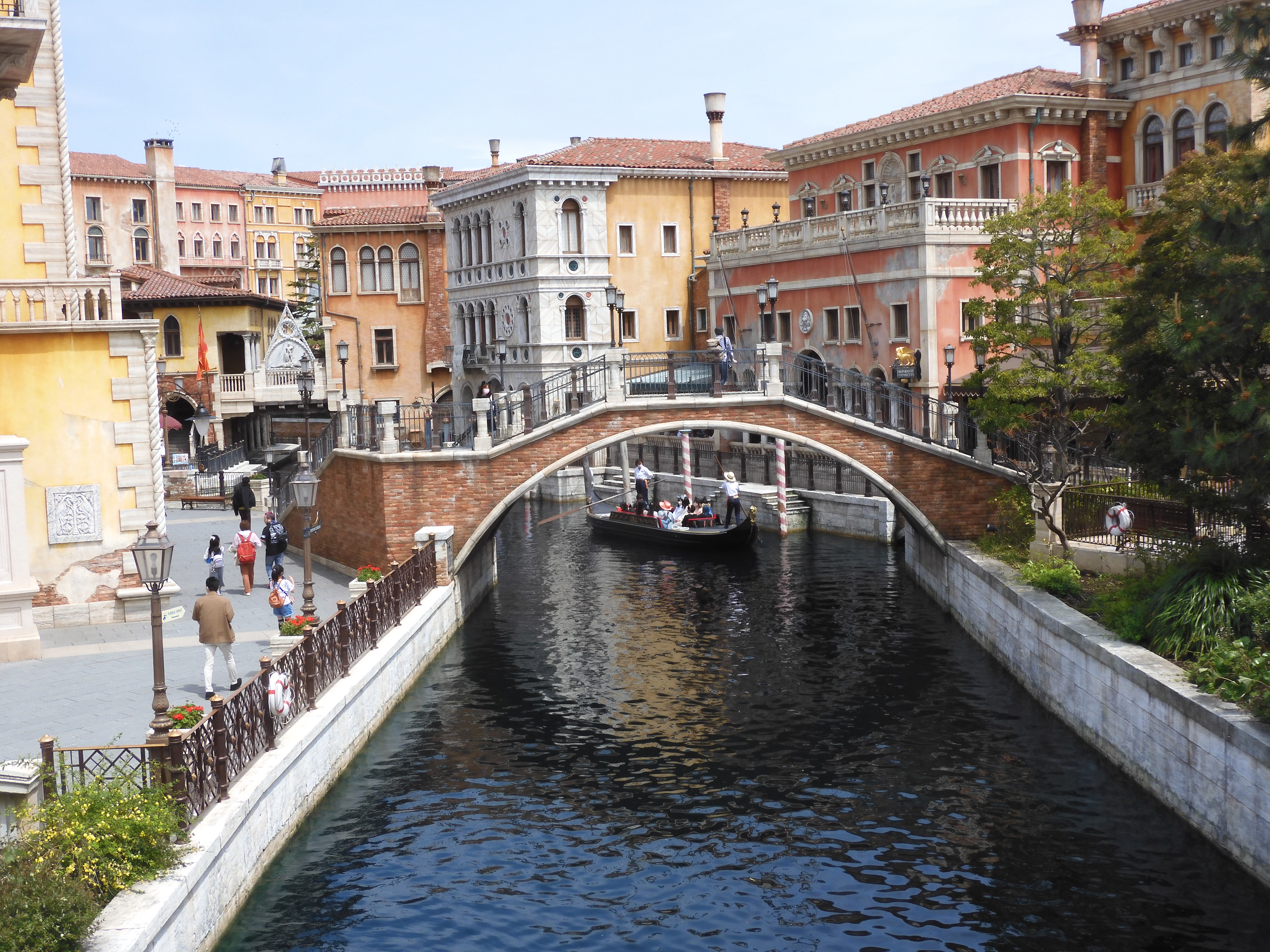
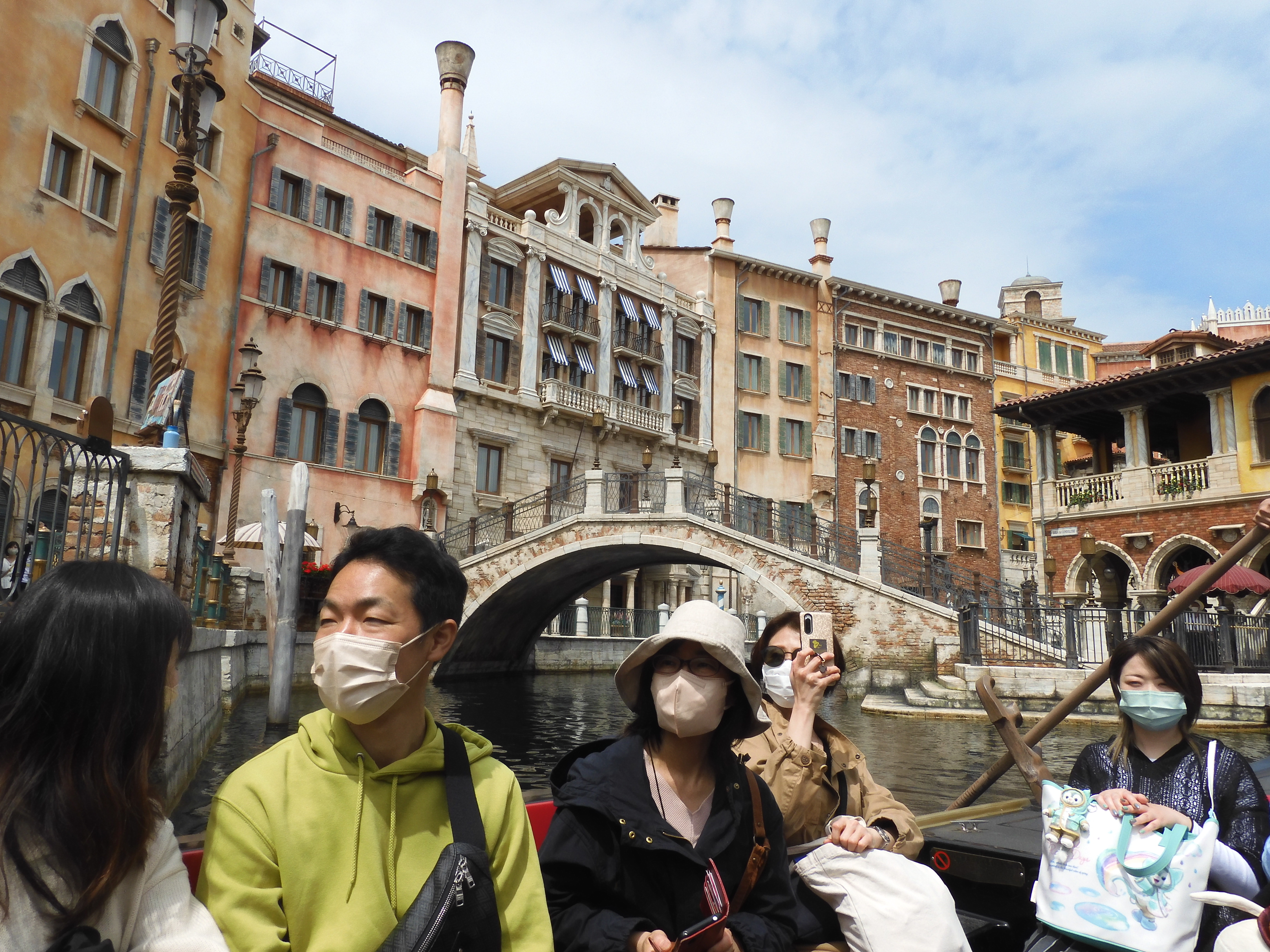
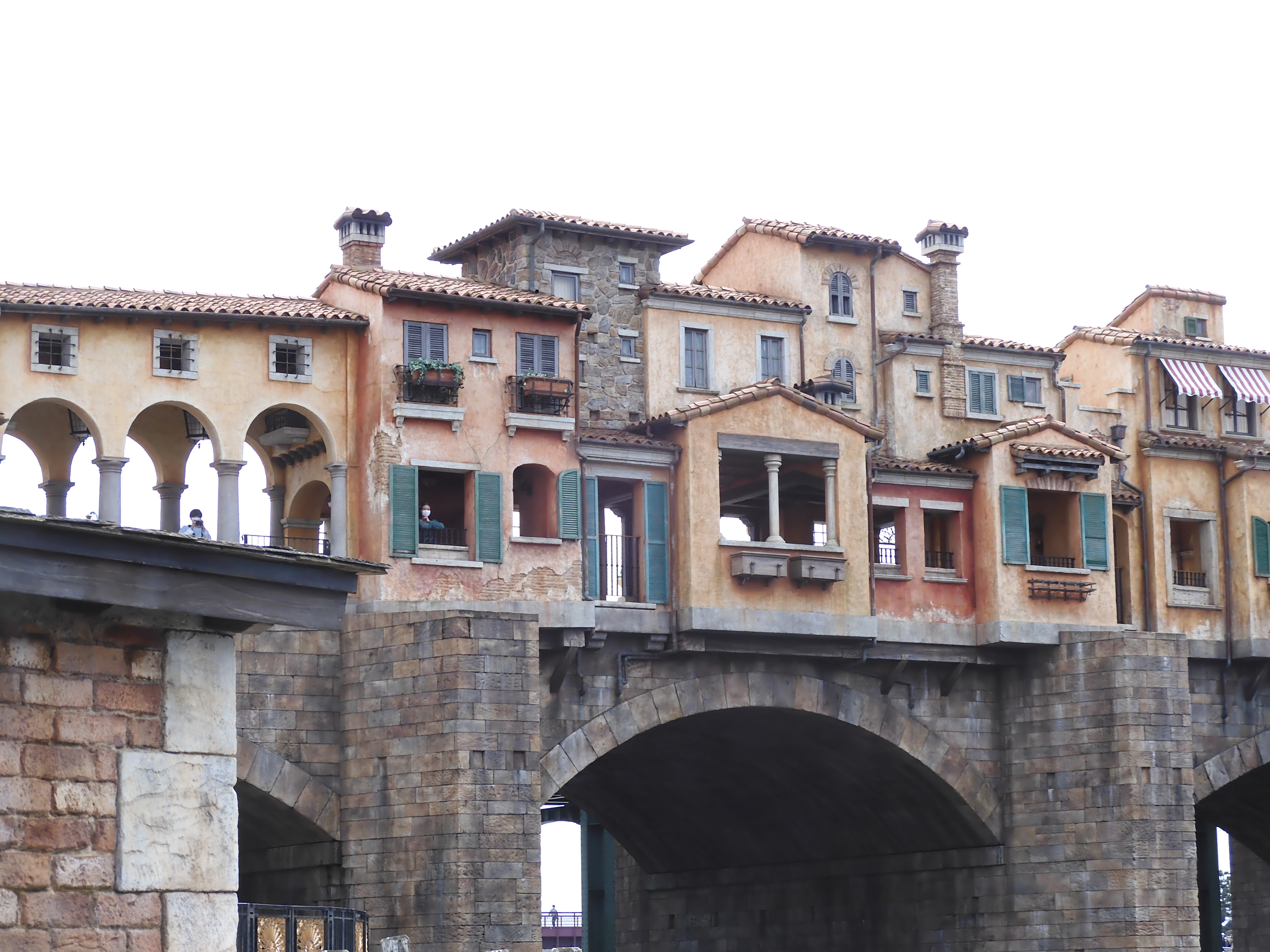
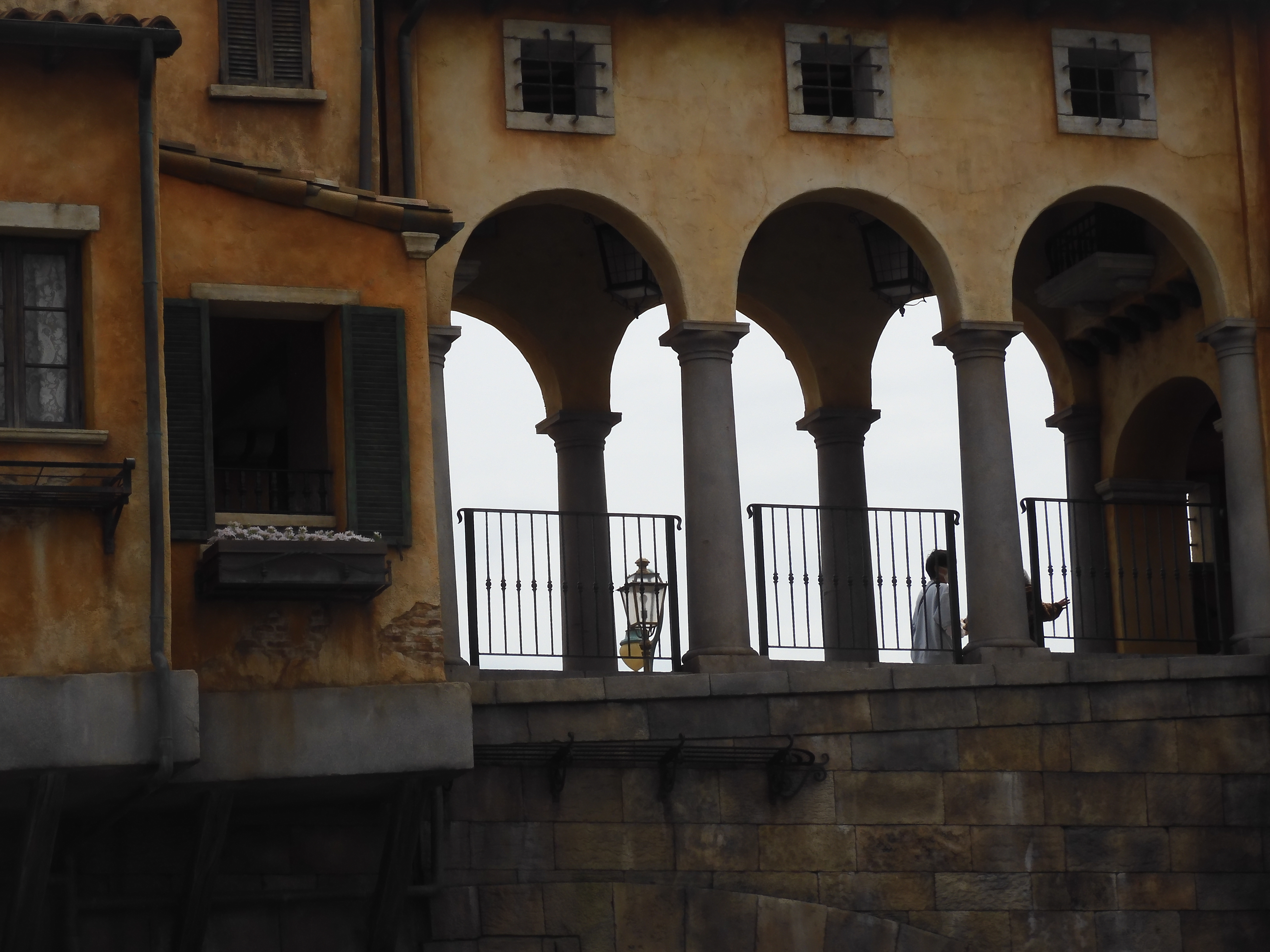
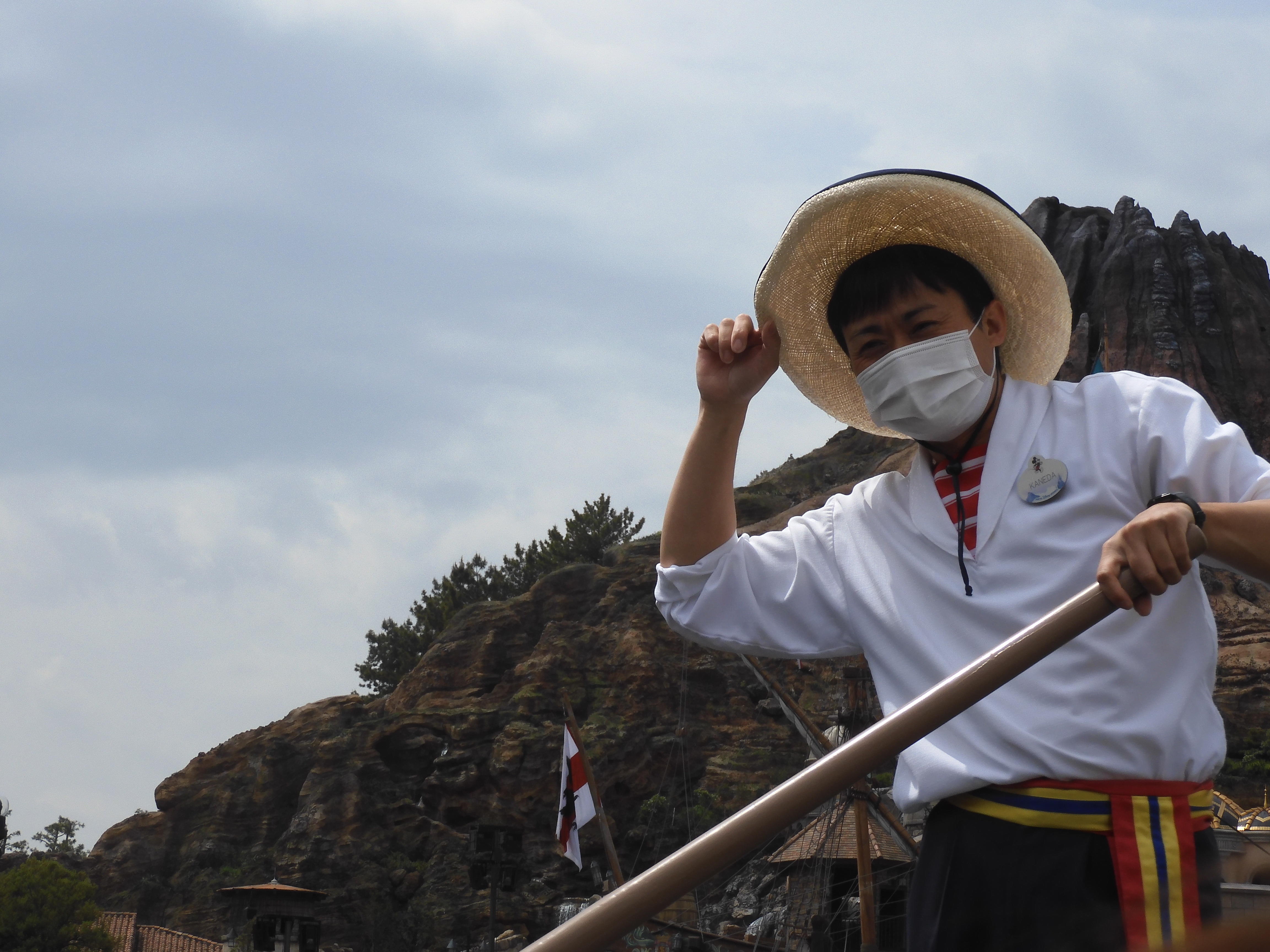
A couple of shows (no photos allowed) with Mickey & friends singing and dancing to the American Big Band Beat sound got us inside for an hour, and then we hit the water with a gondola tour of Venice.

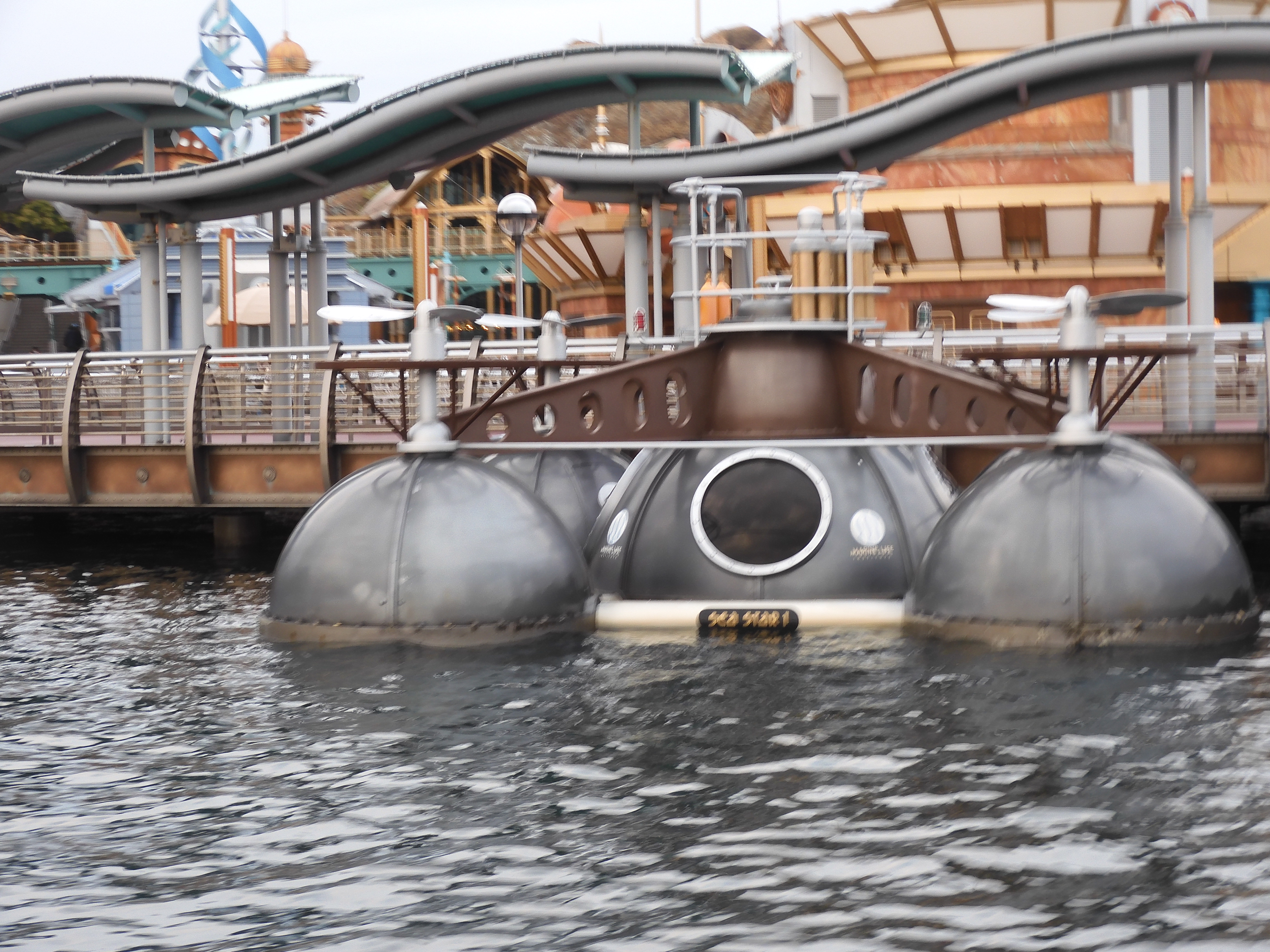
Followed by a trip on a paddle steamer to see the ‘Sea’.

I thoroughly enjoyed my first visit to Tokyo Disney Resort, and it did bring out the big kid in me. However, I’m no stranger to Tokyo Bay as very close by is Kasai Rinkai Koen (Marine Park).  As well as being a popular spot for Tokyoites to visit and to enjoy the oceanfront of Tokyo Bay, and also the venue for the 2020 Tokyo Games’ canoe slalom events, it is a very important area of nature conservation. The Wild Bird Society of Japan (WBSJ), of which I am a member, holds regular gatherings there to observe and enjoy some of the 126 species of birds, including many migratory shore birds and waders which can be seen from the hides and on the ponds and waterfront. Just four years ago, the WBSJ was successful, at COP13 in the United Arab  Emirates, in having Kasai Marine Park designated as the First Ramsar Convention on Wetlands of International Importance Site in Tokyo.  A very proud moment for my Japanese birding friends.

So, this weekend, it’s time to put away the fake Mickey ears and get out my binoculars to enjoy yet another aspect of the rich cultural heritage of Tokyo.

Great egret

#2: ALL THE TWOs: A Call to adventure

Meiji Shrine, Tokyo

/

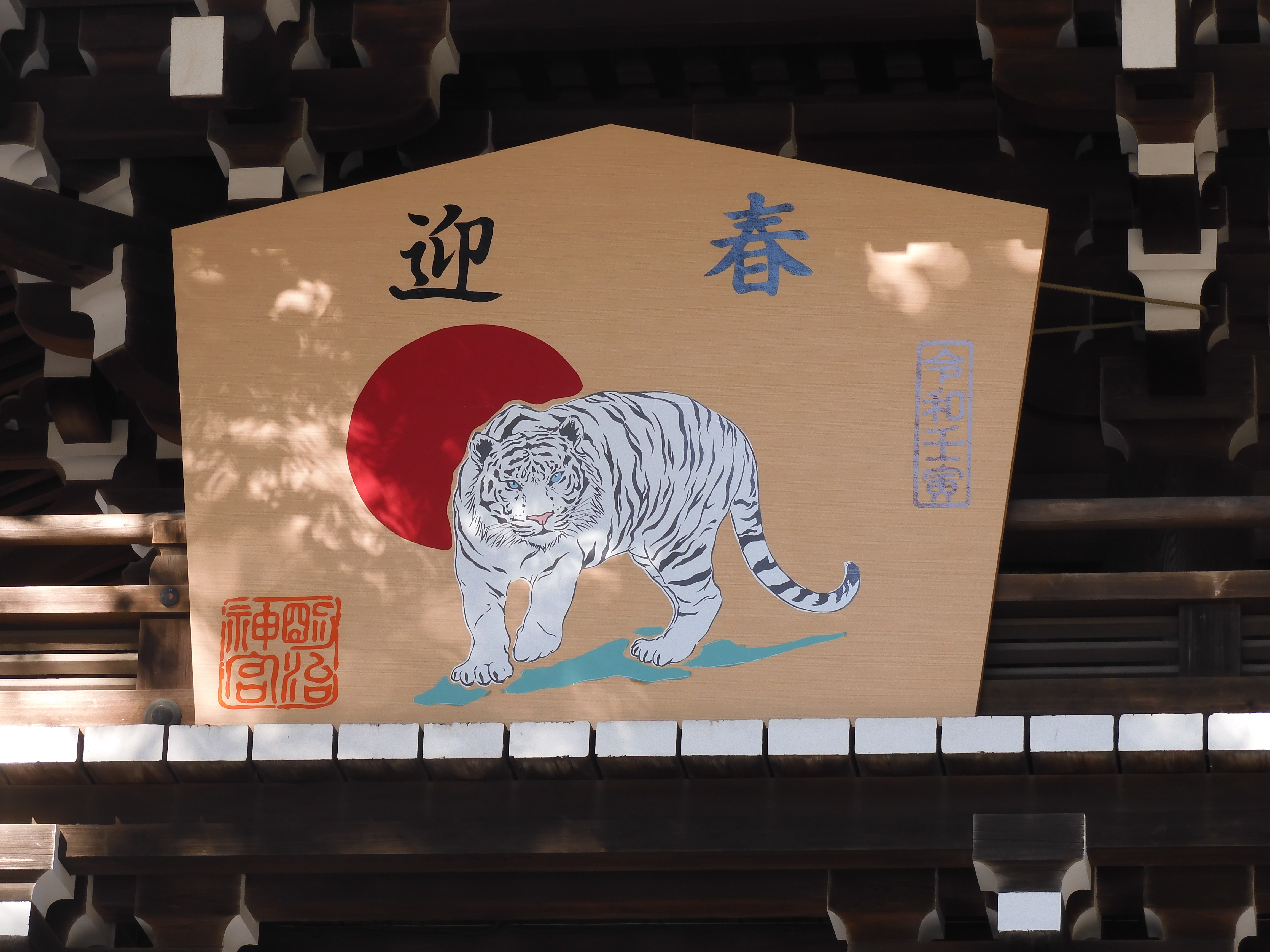
This week marked the start of the Year of the Tiger and yesterday was 2nd February 2022 or 2.2.22. It’s also two years since my post retirement freelance work came to and end mainly as a result of the Corona crisis. When I decided to take early retirement from my main career with the UK Government and to remain in Tokyo, to where I was posted at the time, it had been my intention to divide my time equally between my family home in the British Midlands and my adopted home in Japan. To which a good friend remarked “So, you want the best of both worlds?” But, a regular contract as a business writing trainer and coach meant I spent the greater part of my time here in Japan.

However, reality now starts to kick in as one year from now, I’ll need to return to the UK to qualify for my State Pension when I turn 66. Joseph Campbell talks about a Hero’s Journey and although no hero, I like the structure that he advocates especially when embarking on one of life’s adventures. In his book ‘The Hero with a thousand faces’ he says one of the ways in which an adventure can begin is a ‘blunder’:

A blunder – apparently the merest chance- reveals an unsuspected world, and the individual is drawn into a relationship with forces that are not rightly understood. As Freud has shown, blunders are not the merest chance. They are the result of suppressed desires and conflicts….the blunder may amount to the opening of a destiny.

Hero with a Thousand Faces, Chapter 1.Departure, 1. Call to adventure

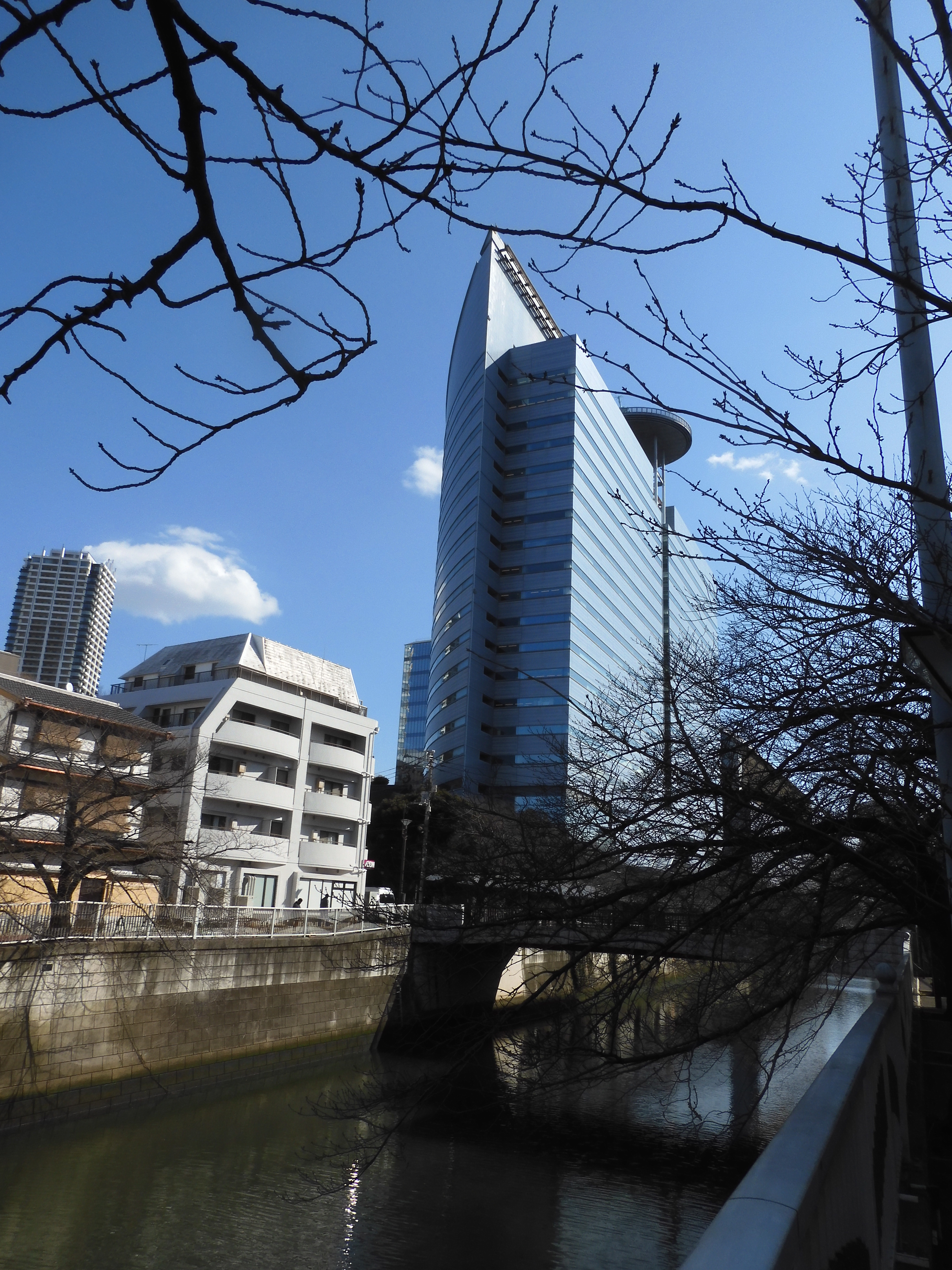
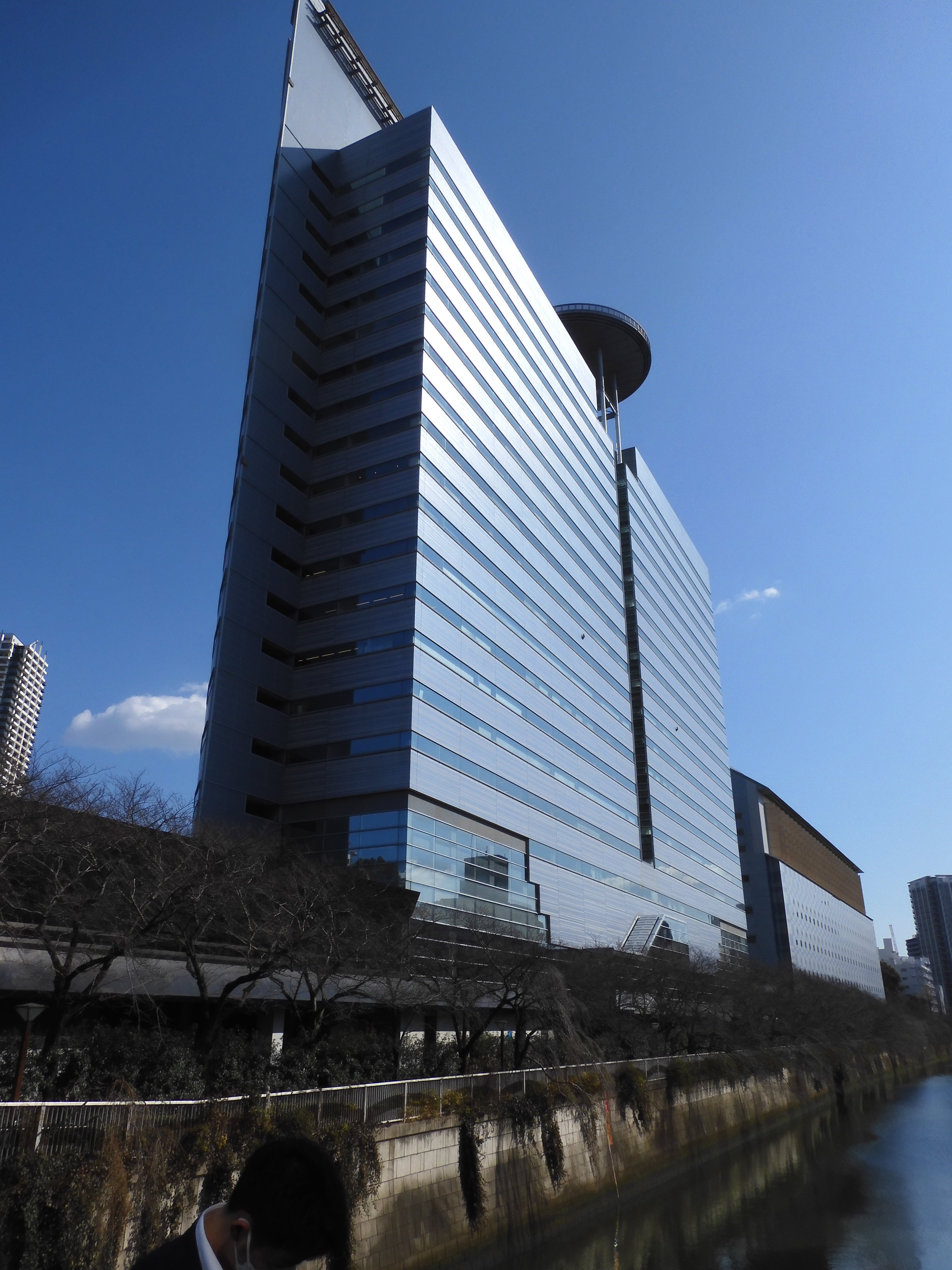
/My failure to find any further freelance work could well be described as my blunder leading to my personal destiny, the call to the adventure of living the Albihon (best of England and Japan) lifestyle as well as writing about it. When I need to think, I usually do so best while walking. My final training contract took place on the 19th floor of the imposing Arco Tower building in Tokyo’s Meguro district.

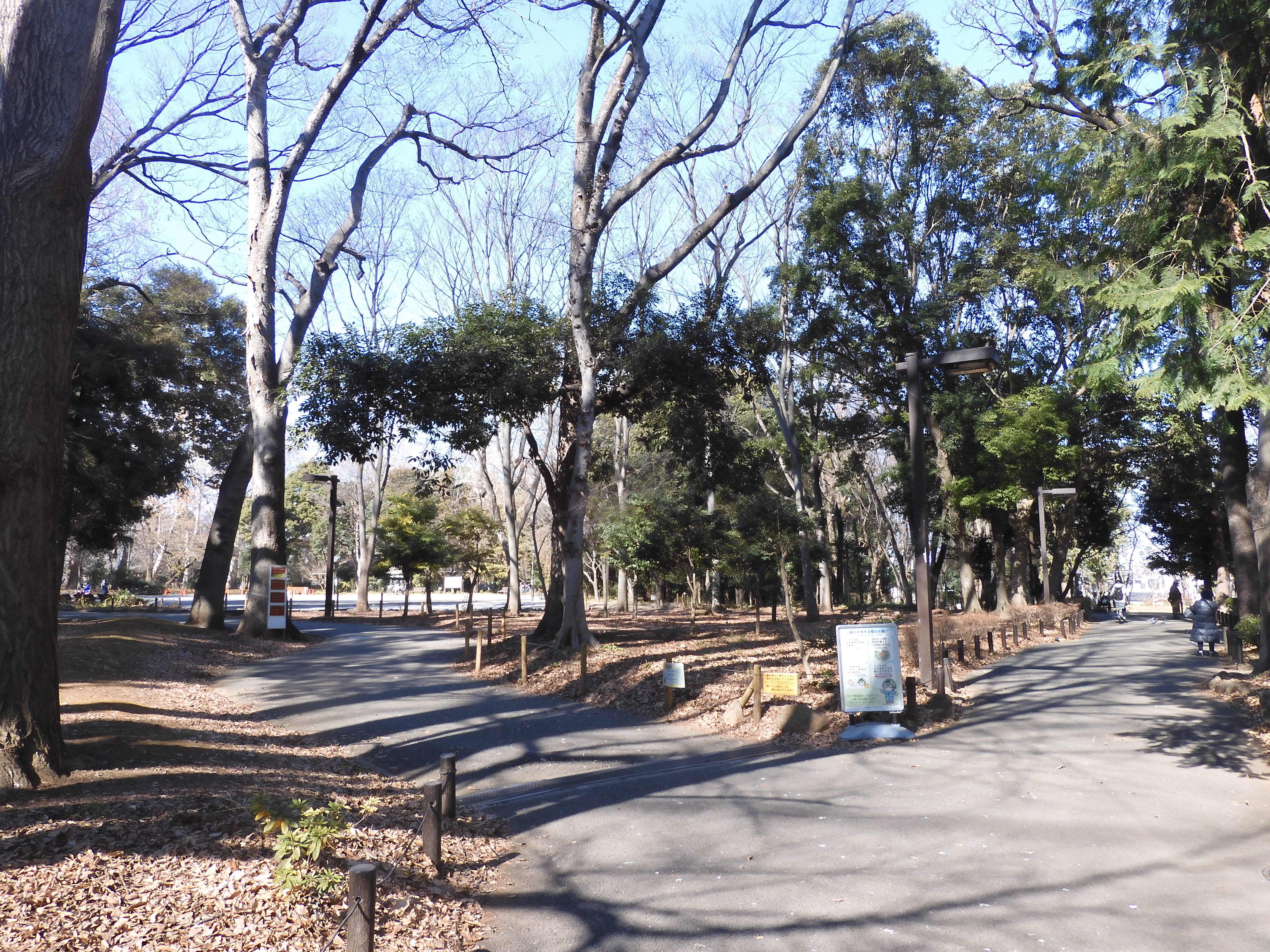
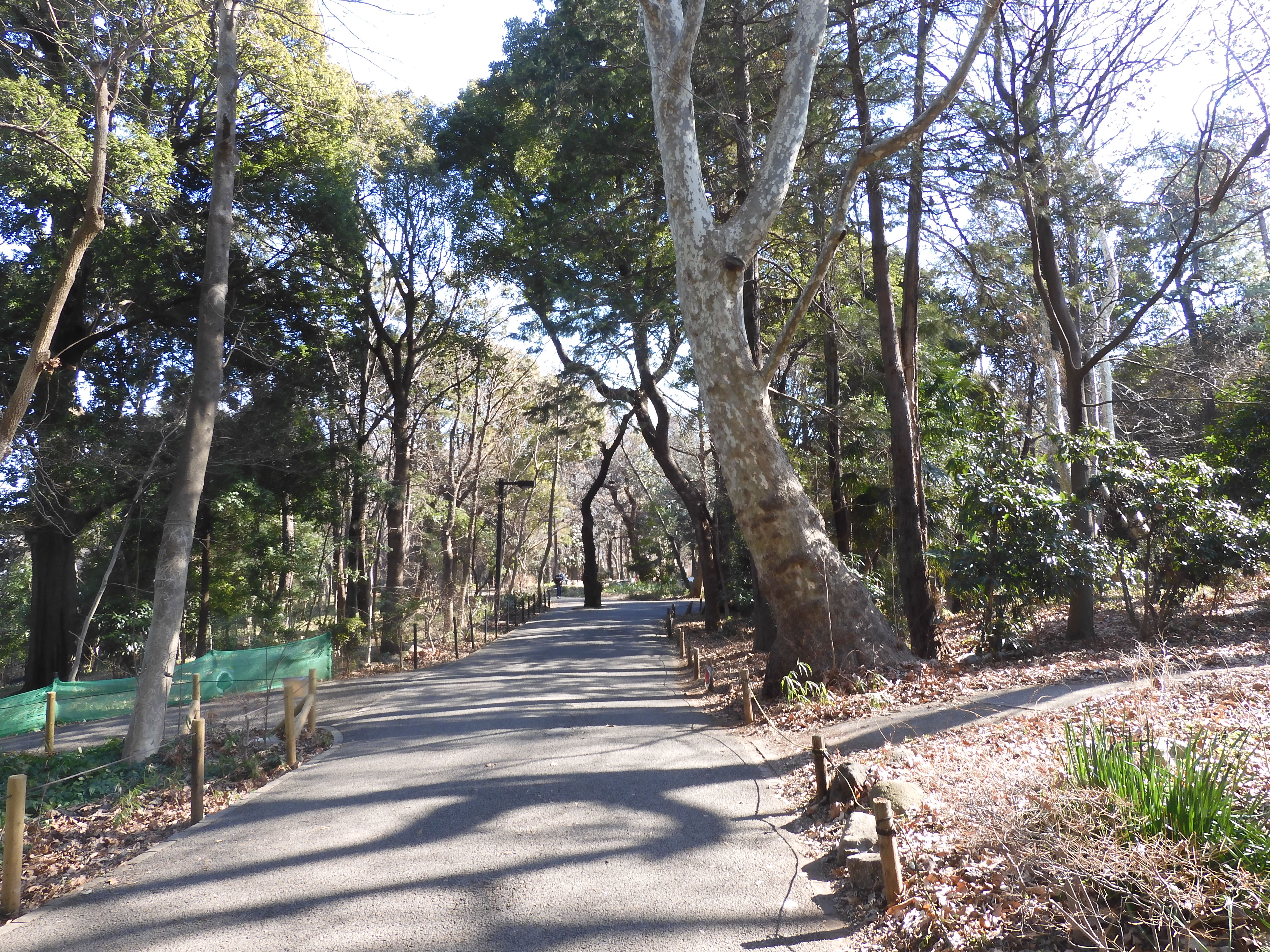
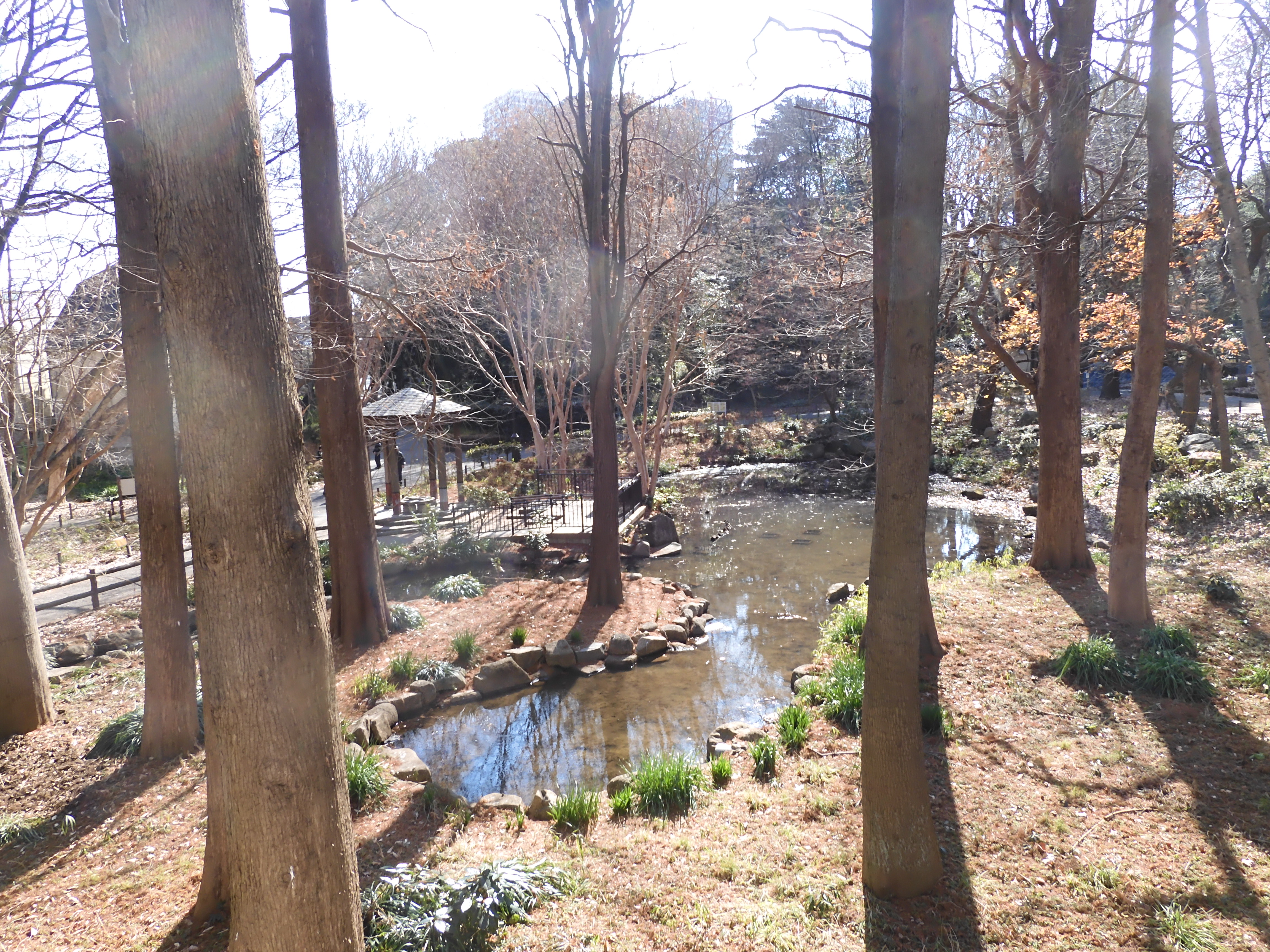
From there we were usually blessed with views of Mt Fuji on the horizon. Whilst climbing Japan’s iconic mountain has long been a challenge I’d love to undertake, it’s not yet the climbing season so that’ll have to wait. A more realistic destination was the woodland area breaking up the suburban sprawl, I used to gaze down on. So yesterday I visited Rinshi no Mori park for the first time. After starting as a Meguro test nursery in 1900, it became Hayashi trial forest park in 1989. Now forest trails, adventure playgrounds, open areas and a pond make this an ideal location for a spot of forest therapy in the heart of the city.

It wasn’t the best season for a park with numerous plum and cherry trees, but it won’t be long until the weather warms up and we can enjoy their respective blossoms.

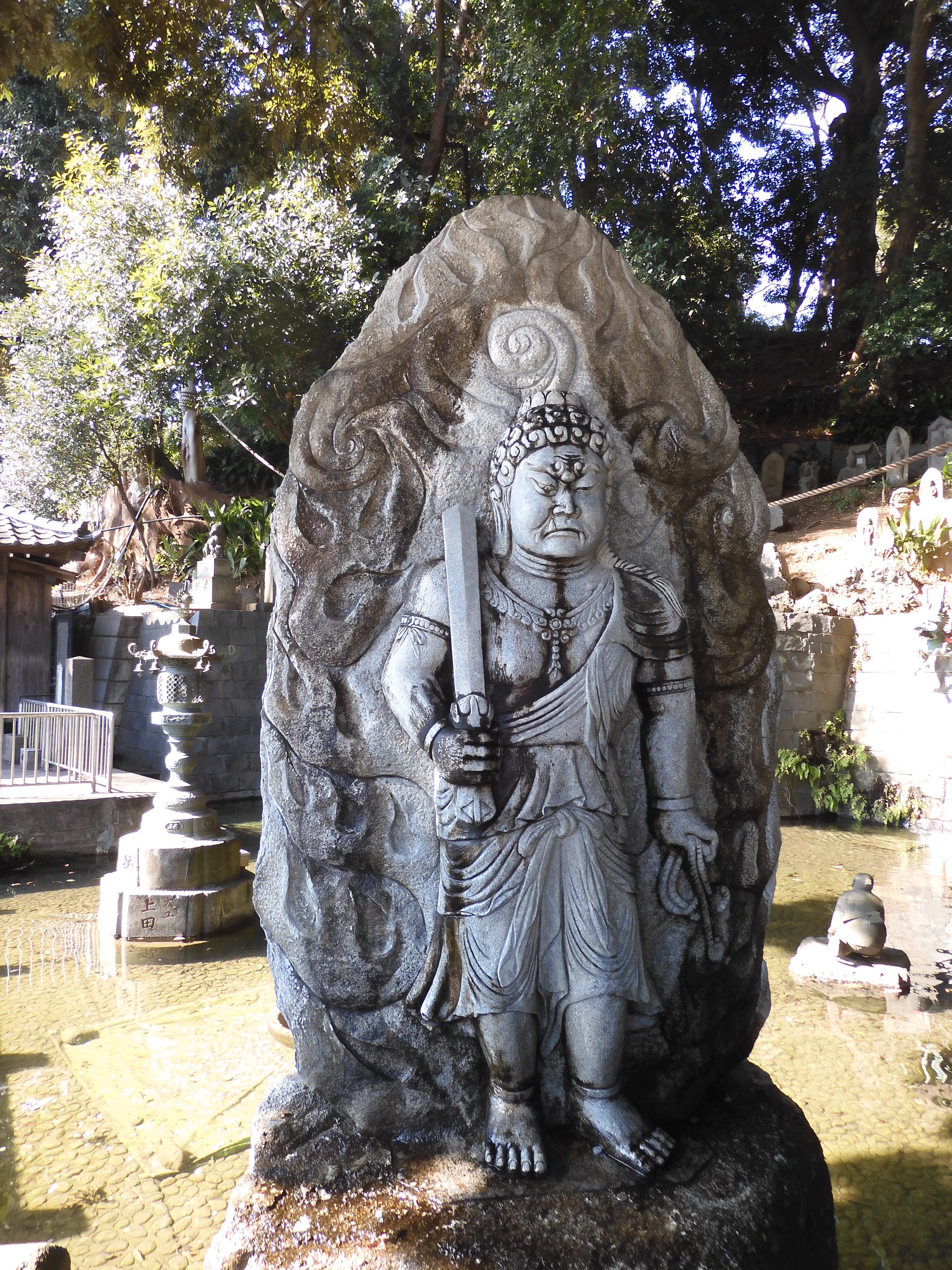
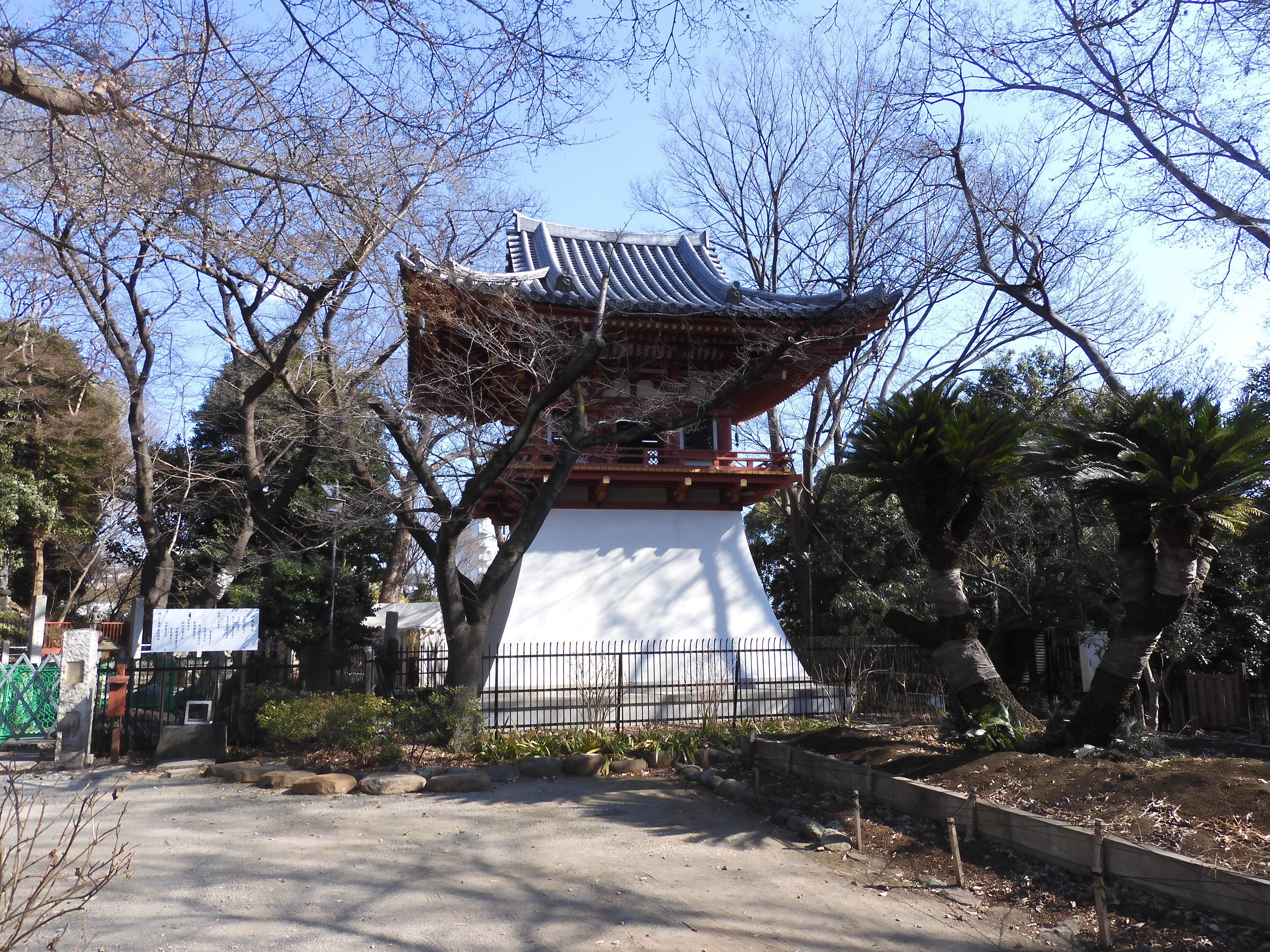
As well as the practicalities of the adventure ahead, I expect I’ll also be questioning my own beliefs. As it will also be a spiritual journey as well as a physical one yesterday’s walk included a visit to the Ryūsenji (瀧泉寺) also known as the Meguro Fudō (目黒不動, Black-eyed Fudō) Buddhist temple. According to the temple legend, Ryūsen-ji was built in 808 by Ennin to enshrine a statue of Fudō-myōō, while he was on a journey from Shimotsuke province to Mount Hiei.

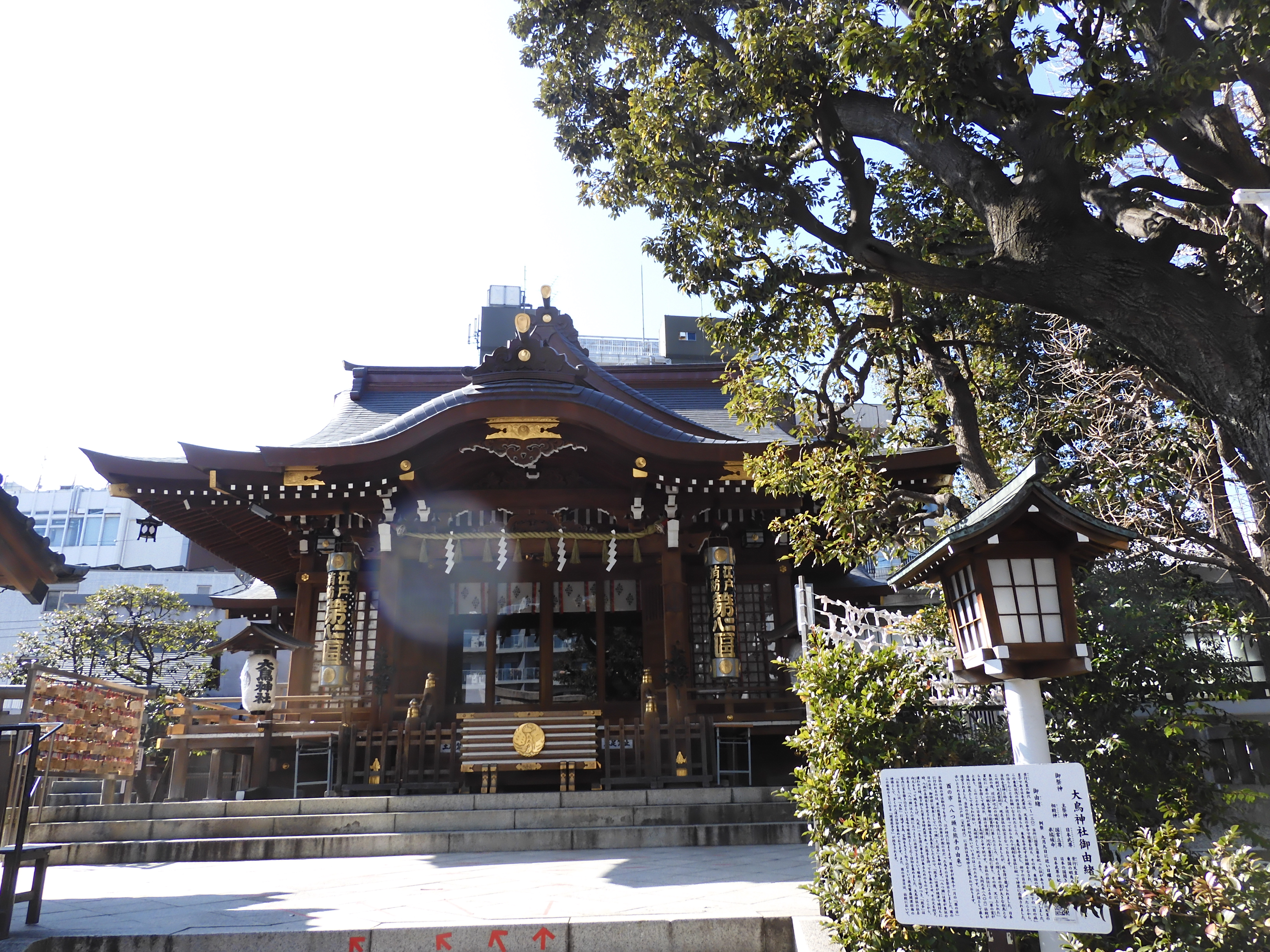
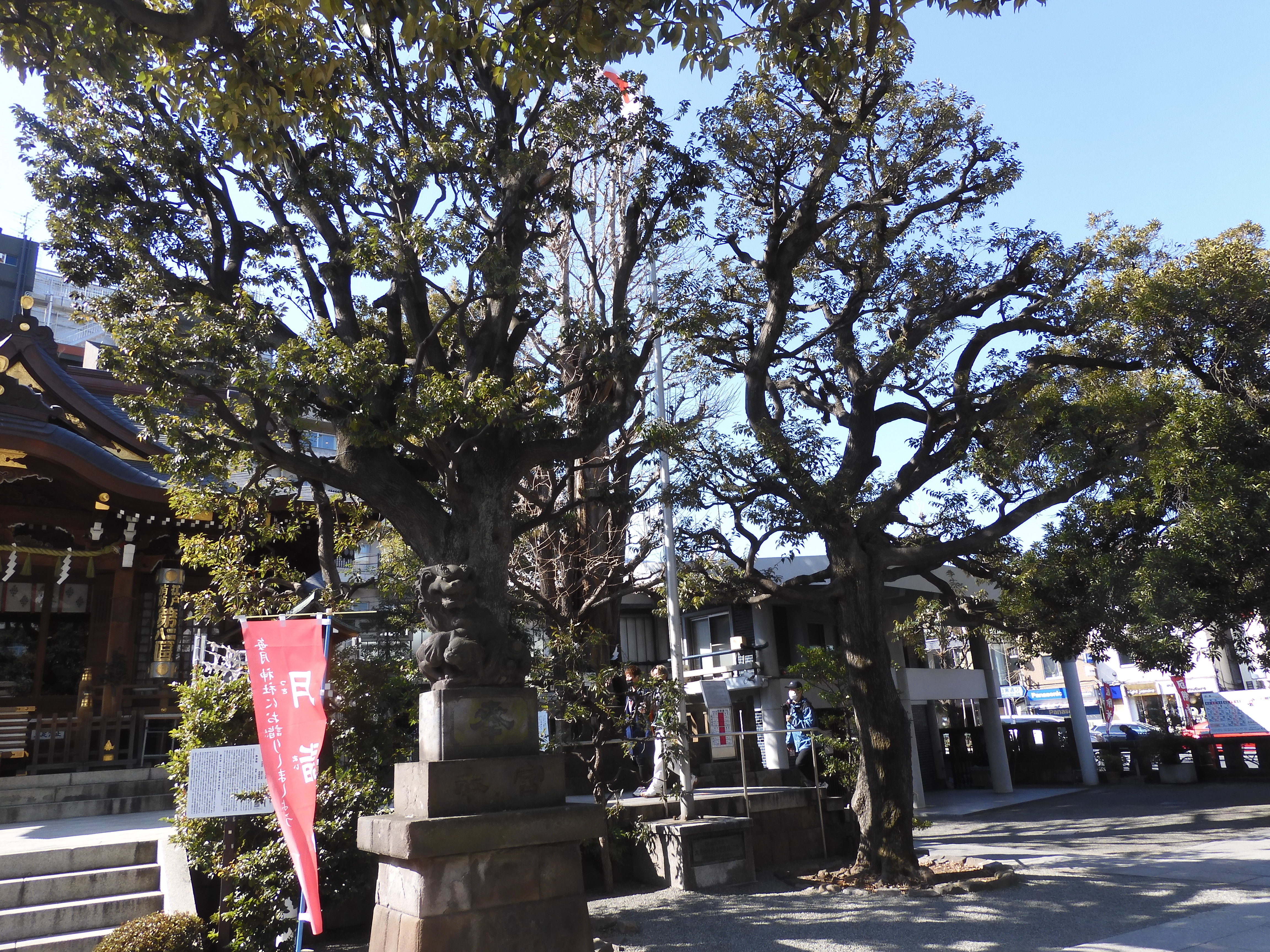
Keeping my options open (I used to be a diplomat after all!) I then called in at the Otori Shinto Shrine, the history of which involved an emperor taking a rest stop after quelling some eastern barbarians.

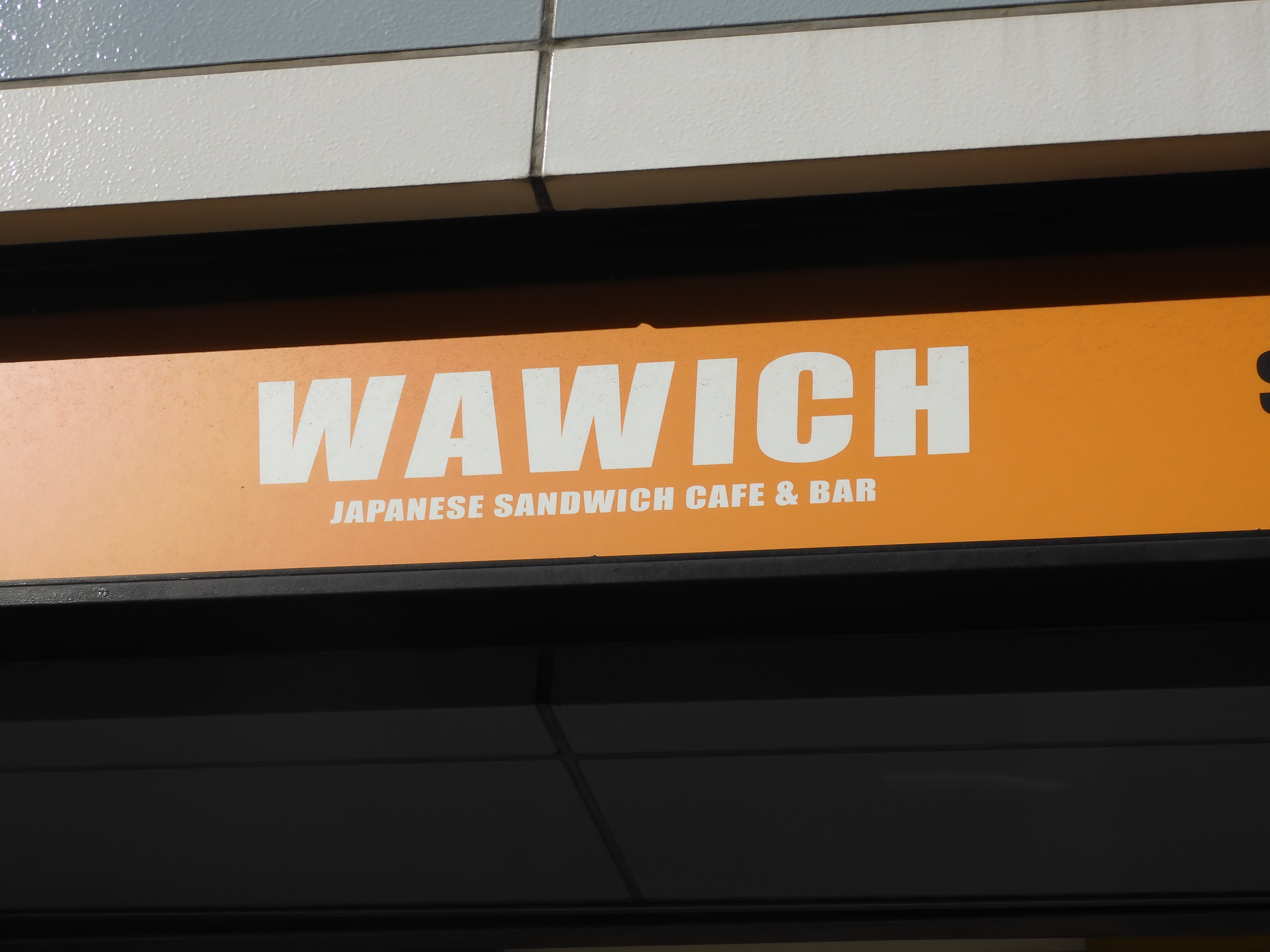
Fortunately, this was something I’d never had to do during my previous career. But the thought of it was making me hungry. In Japanese, the character ‘wa’ (和) can mean ‘harmony or peace’ as well as ‘Japan’, and is often used as a prefix to a compound indicating a Japanese version of the word that follows. I’m familiar with its useage meaning Japanese-style, Japanese-clothes and Japanese-food but the following was new to me.

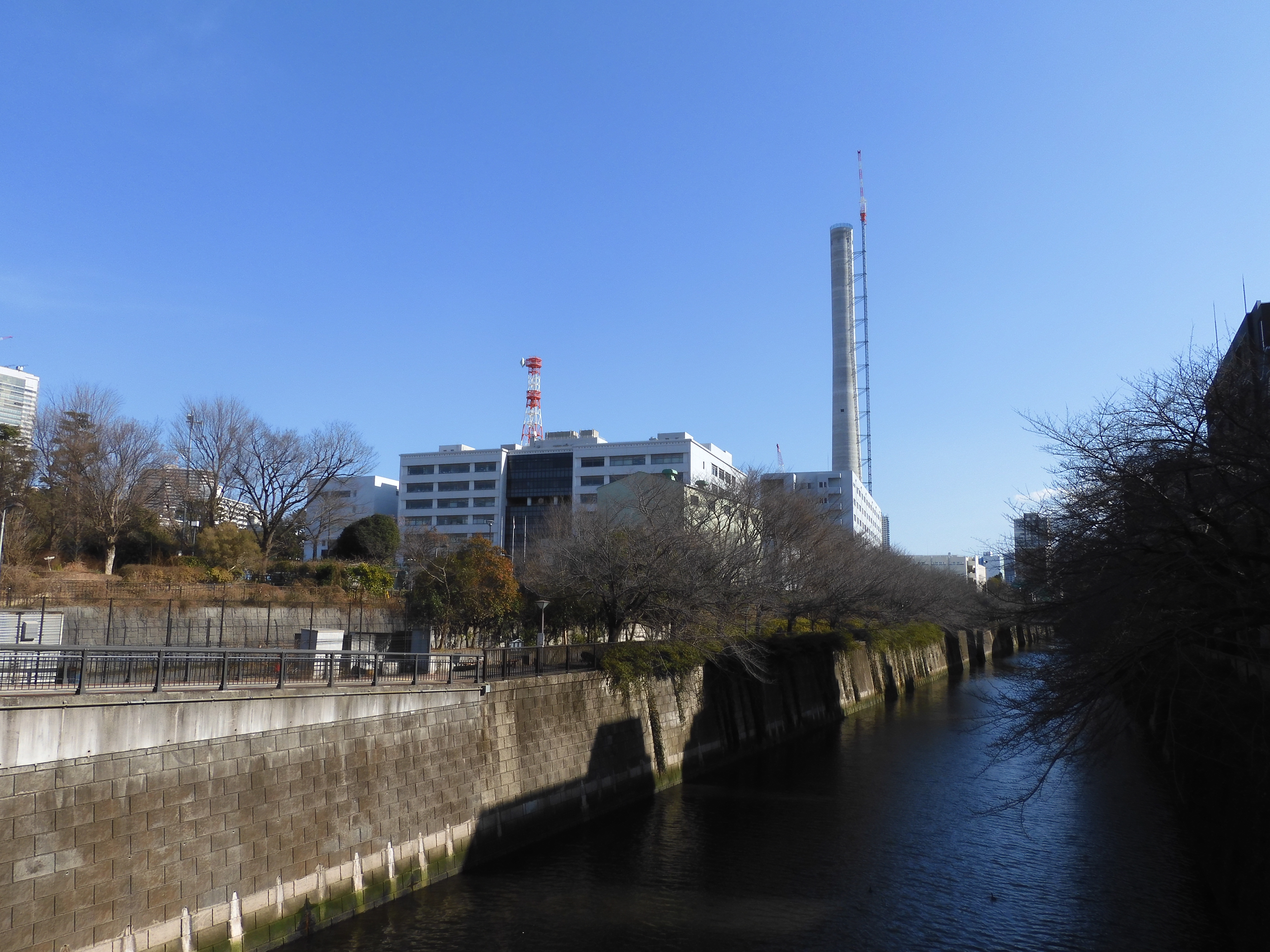
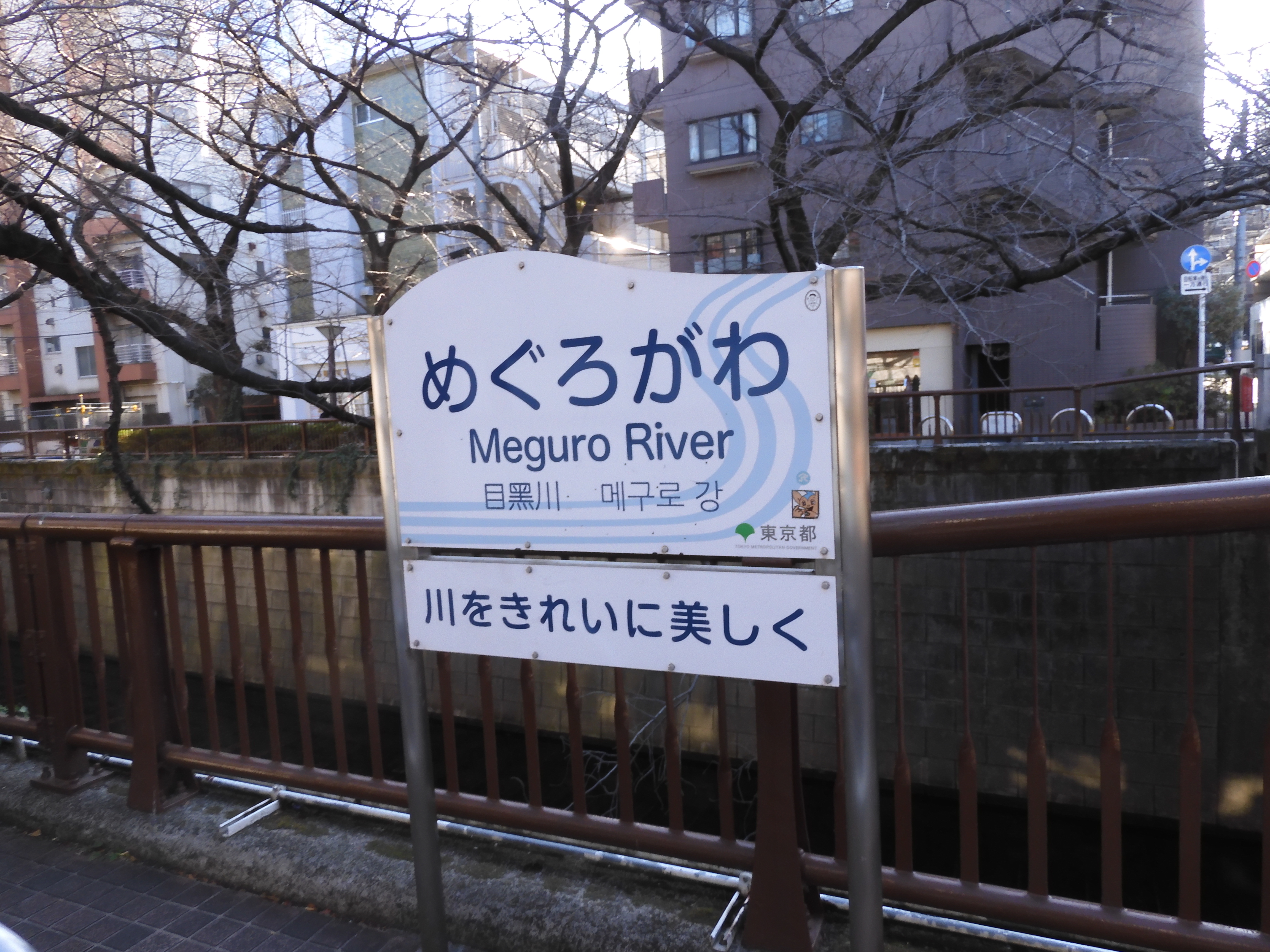
But my mackerel and tomato ‘wawich’ did the job and fuelled me for my walk home along the Meguro River.

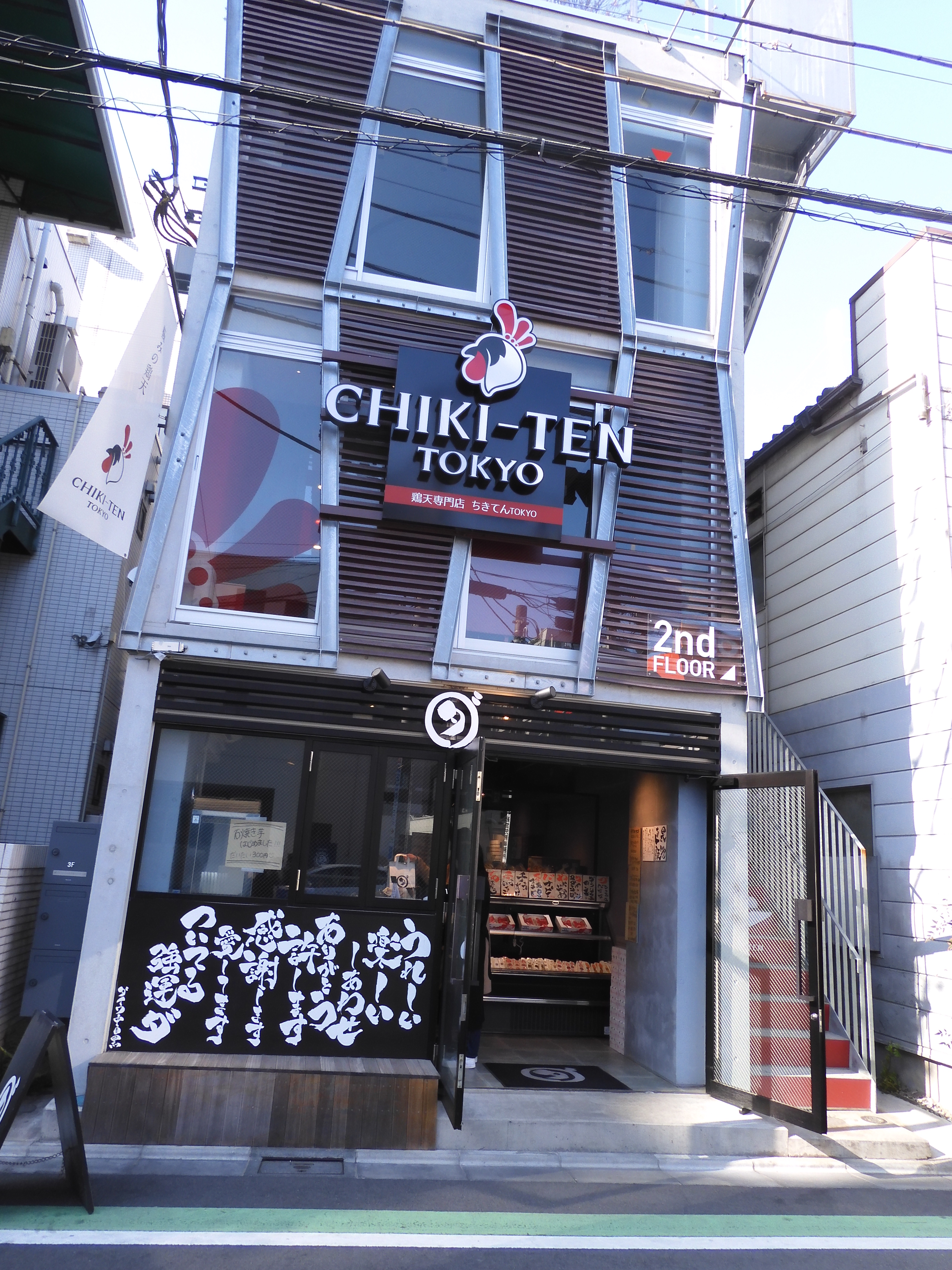
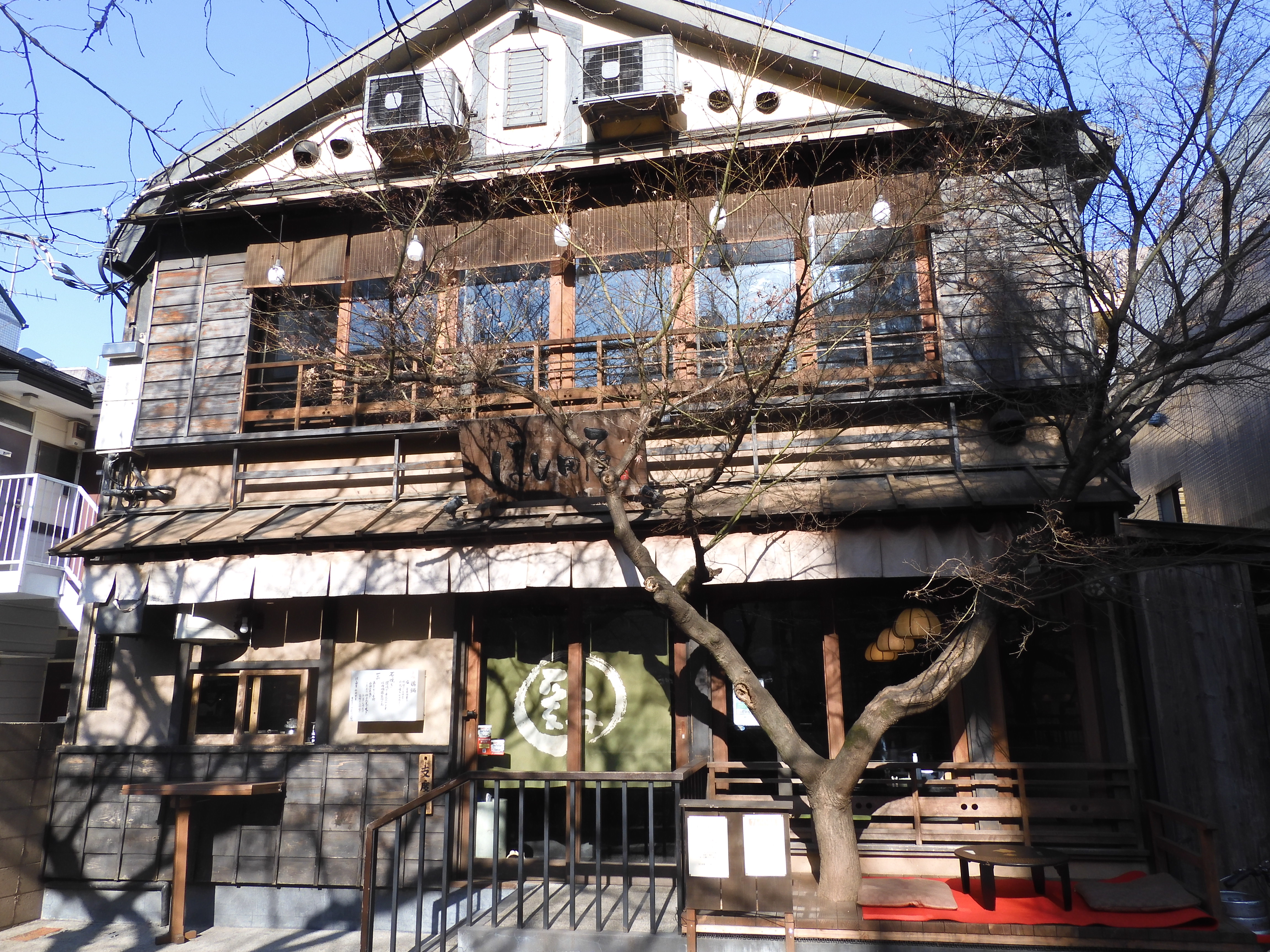
Passing through Naka-Meguro the river pathway is lined with a motley collection of shops, galleries and boutiques, old and new, with a real international flavour to them.

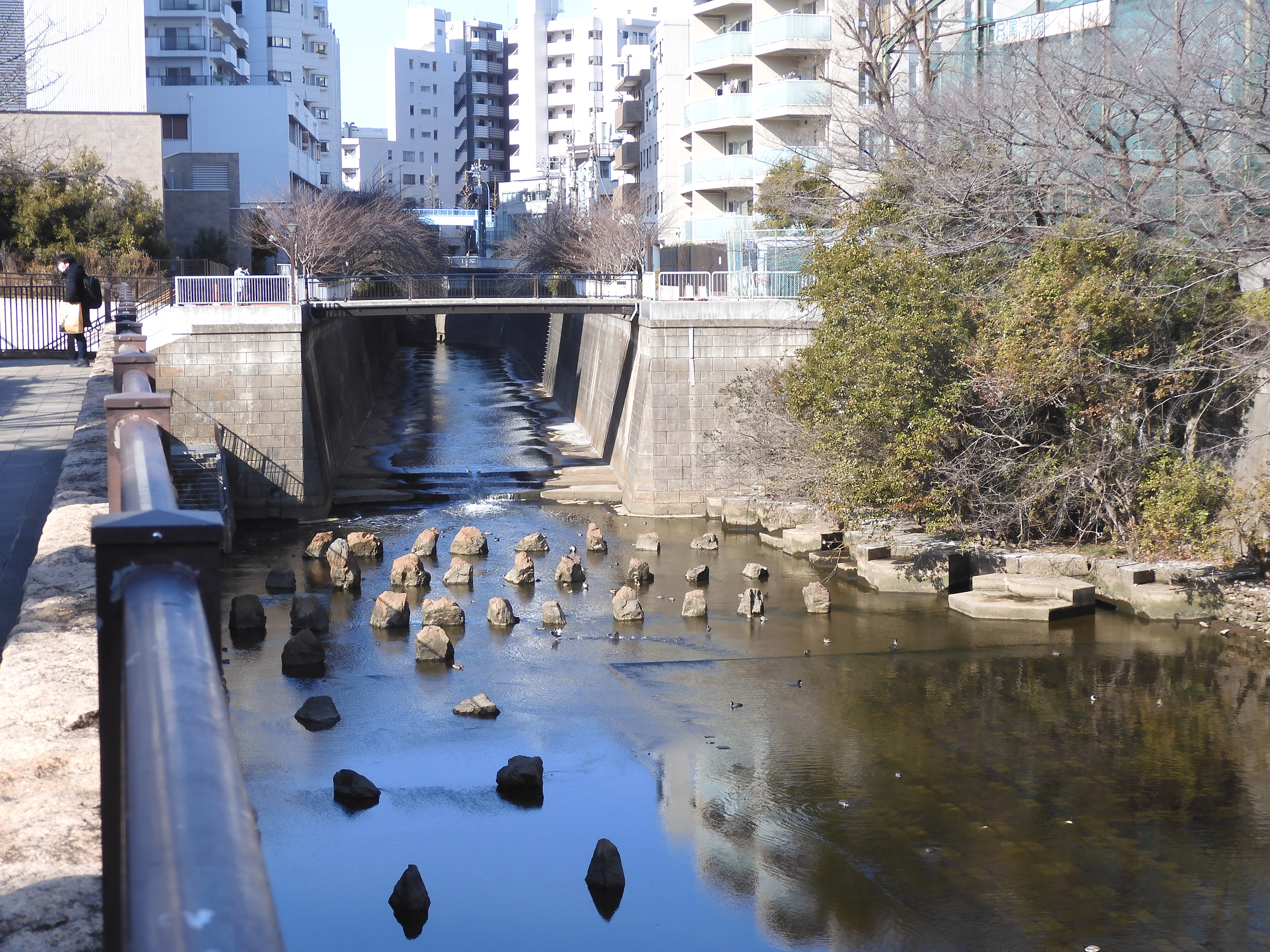
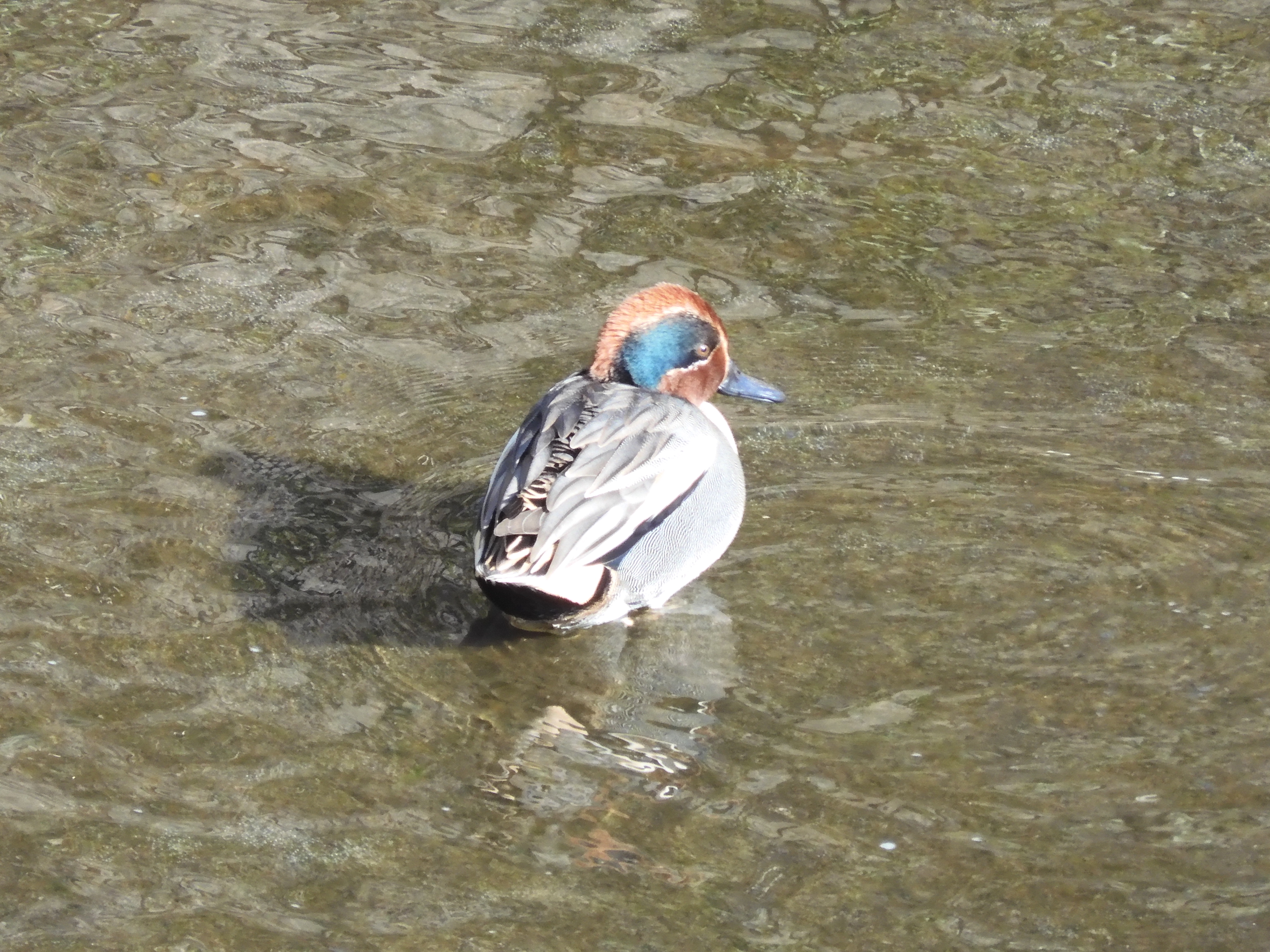
Despite being in central Tokyo, I was still able to indulge in my ornithological interest as well.

/An excellent day’s walk which left me physically tired but spiritually refreshed and ready to face the next stage of my own life’s journey. As I got home, a quick glance at my step-count for the day even left me feeling slightly heroic.

Three more than was needed to have achieved ‘All the twos’! I’ve heard the call and I’m ready to respond

English Psycho in Tokyo

Introduction

Part travel, part memoir, part cultural investigation but overall an exploration of the urban soul of Japan’s capital city while delving into my own psyche while walking the streets.

I’ve lived in Tokyo for about 15 years now. But do I really know the city? Probably not. Do I really know the people? Probably not. Do I really know the language? Definitely not. But I have scratched the surface of it all, and now is the time to dive deeper.

Quarantine, exile, solitary confinement, self-isolation. In these difficult days of the corona-virus we’re all being urged to cut ourselves off from human contact to avoid contagion and infecting others but at the same time to preserve our physical and mental health by taking exercise daily. In the UK family and friends were allowed one hour/day, but no such rules were laid down in Tokyo. But with pools and gyms closed during the State of Emergency and jogging while wearing a mask not conducive to free breathing, walking at a leisurely pace seemed like a good alternative.

Why ‘psycho’? Is this some horror story about stalkers? Certainly not. Is it Freudian-style attempt at self-analysis? Possibly. Is it an attempt to join the ranks of some of the great city walker-writers? Probably. Or is it a growing interest in psychogeography? Definitely.

Psychogeography – sometimes described as the ‘science(?) of walking/wandering aimlessly’. Iain Sinclair, one of the greatest modern proponents says that ‘drifting purposefully is recommended’. As such, psychogeography is not about walking with a pre-determined destination.

A flaneur is a composite figure – vagrant, detective, explorer, dandy and stroller – yes within these many and often contradictory roles, his pre-dominant characteristic is the way in which he makes the street his home and this is the basis of his legacy to psychogeography…soon the mental traveller(Ann Tso quoting from Merlin Coverley’s Psychogeography)

In the introduction to ‘Psychogeography and Psychotherapy’, editor Chris Rose says that:

Walking in a psychogeographical sense is not the same as a stroll or a ramble; it is observant, analytic and self- reflective. Psychogeographers find unfamiliar routes… Walking appears to have an effect that is unrelated to energy expenditure or exercise per se, and is often recommended as a treatment for depression’

James Kirkup in his book ‘Tokyo’ said ‘only by walking the streets can one really hope to know a city and its people’. So, during my retirement years, and certainly in the ‘social distancing’ era, I’ve done just that in the hope that I could get to know the soul of Japan’s capital. I’ve discovered parks, rivers, shrines and back-alley cafes and eateries that are not covered in the mainstream tour guides, and met some fascinating people.

And, by blogging about my experiences, I hope to offer to those with an interest in Japan and its capital city a personal insight and reflection on the place I have called my home for the last ten years.