
As we move into a new year, it is traditional to reflect on the year past and think of the year future. And I do that by looking at the books I’ve read and thinking of those I plan to read. 2024 was, of course 40 years on from the year of the title of George Orwell’s seminal dystopian masterpiece ‘1984’. 8 June 2024 was the 75th anniversary of the its first publication. So, a rather appropriate year to re-read the book although I can’t remember when I first read it – it certainly wasn’t in 1984!
Let’s move on or, as George Orwell, did, let’s move to an isolated corner of the Hebredian Isle of Jura in Scotland to a house he described as being in a ‘most un-get-at-able place’. It sounds like a perfect writing retreat especially as he wanted to escape from polluted London due to his worsening tuberculosis (TB).


Set in totalitarian London, far from anyone’s imagination, the story tells of the citizens under surveillance and monitoring from Big Brother with the key character, Winston Smith, being employed by the Ministry of Truth to forge and re-write the truth whilst being under constant threat of ‘vaporisation’ should he step out of line. An illicit affair with a Party member when both are suspected of ‘Crime-Think’ threatens their futures and lives. Reading it in an age of cyber-attacks and A.I. taking over our lives made me realise how advanced it was for its time and relevant to today’s society.
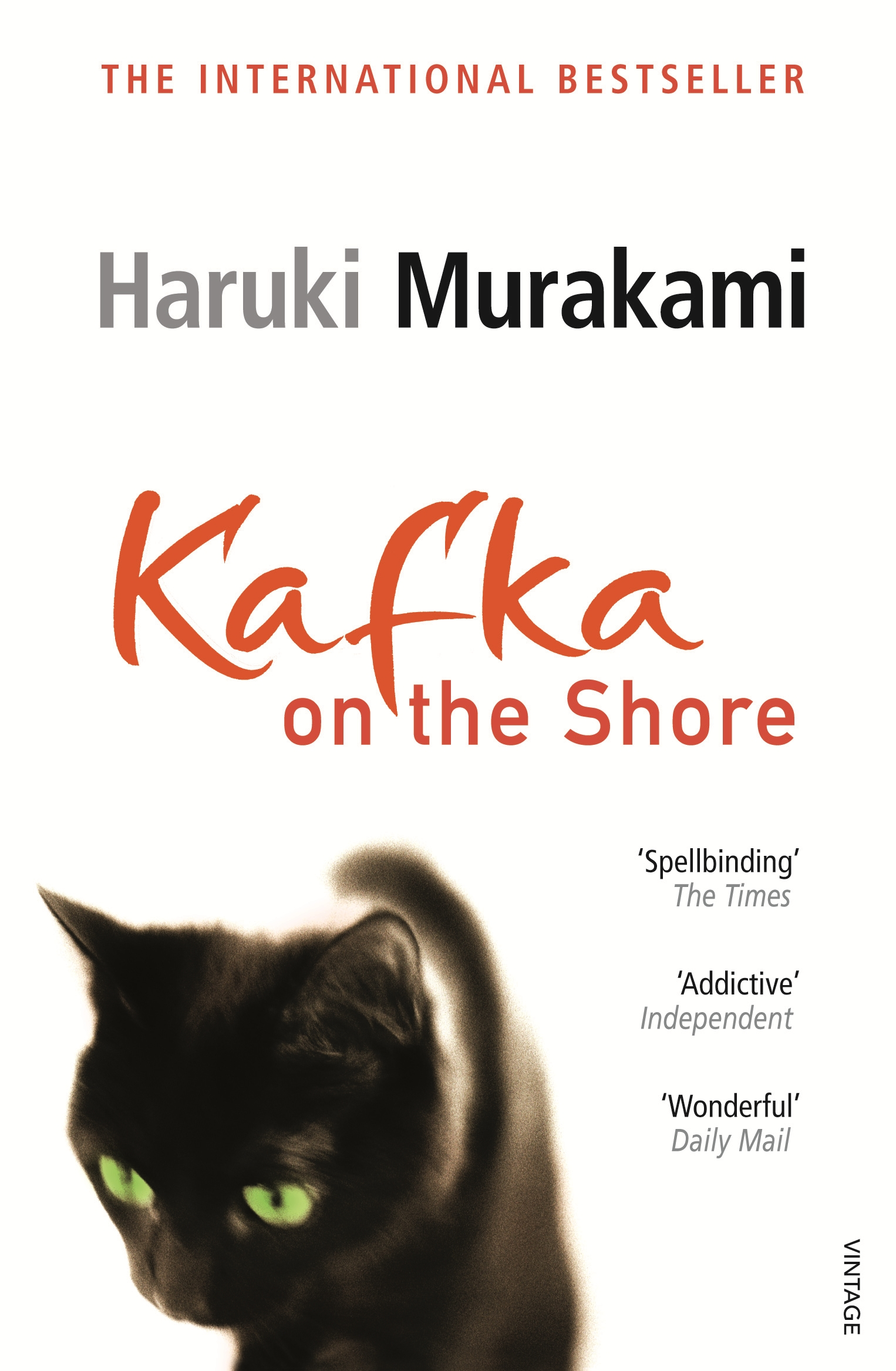
Another book I’d been meaning to read was 1Q84 by my favourite Japanese author, Haruki Murakami. Written as a trilogy, I had the single volume paperback version which runs to 1380 pages and the sheer size of it had been putting me off. But the title 1Q84 is a play on1984; the word for nine in Japanese is ‘kyu’, pronounced just like ‘Q’. With 1984 being the year in which the novel’s action takes place in Tokyo, a long way from Orwell’s London, it seemed like a good time to flex both my arm and reading muscles. As with some of his other works there are parallel universes and timelines with the ‘heroine’, Aomame setting off on a journey to find a childhood sweetheart, Tengo, as well as ‘reality’. Confused? Not surprising as Murakami, complicates things by telling the story from the viewpoint of both protagonists, introducing a third narrative voice along the way, as well as additional plotlines.
Despite this not being my normal genre of choice as I like to keep both feet firmly on the ground, Murakami’s imagination captured mine not least because I could relate to several of the settings from the opening scene of a traffic jam on the Metropolitan expressway at Ikejiri in my local Shibuya district to an anodyne children’s playground in Koenji in the western suburbs which becomes important towards the end of the book. My nearest station, Yoyogi, even gets a mention, though in 2024 these places will be rather different to the 1984 locations which appear in the book. I also enjoyed, as is customary from Murakami, regular musical references, sometimes pausing my reading to say ‘Alexa, play…’!


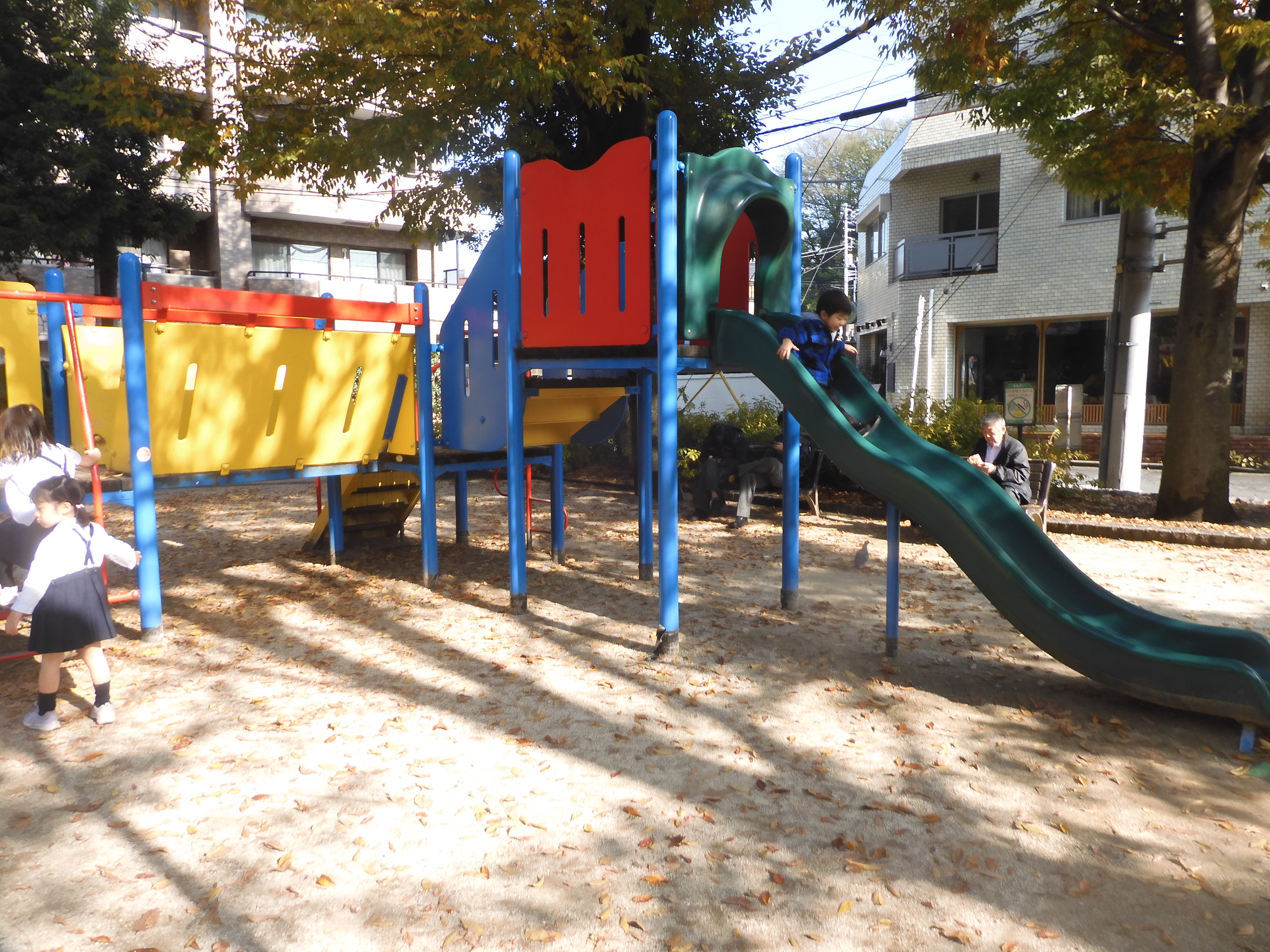
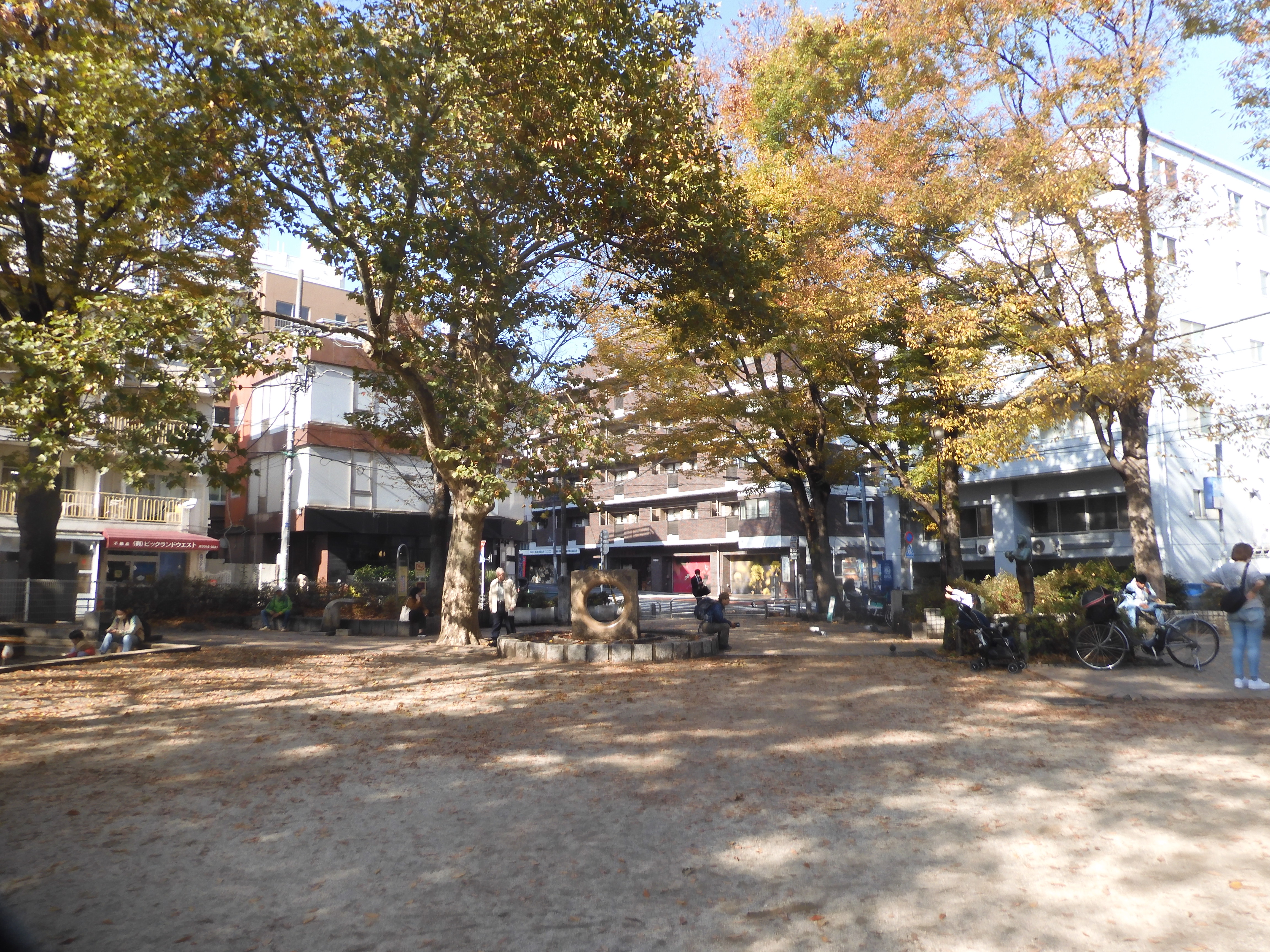

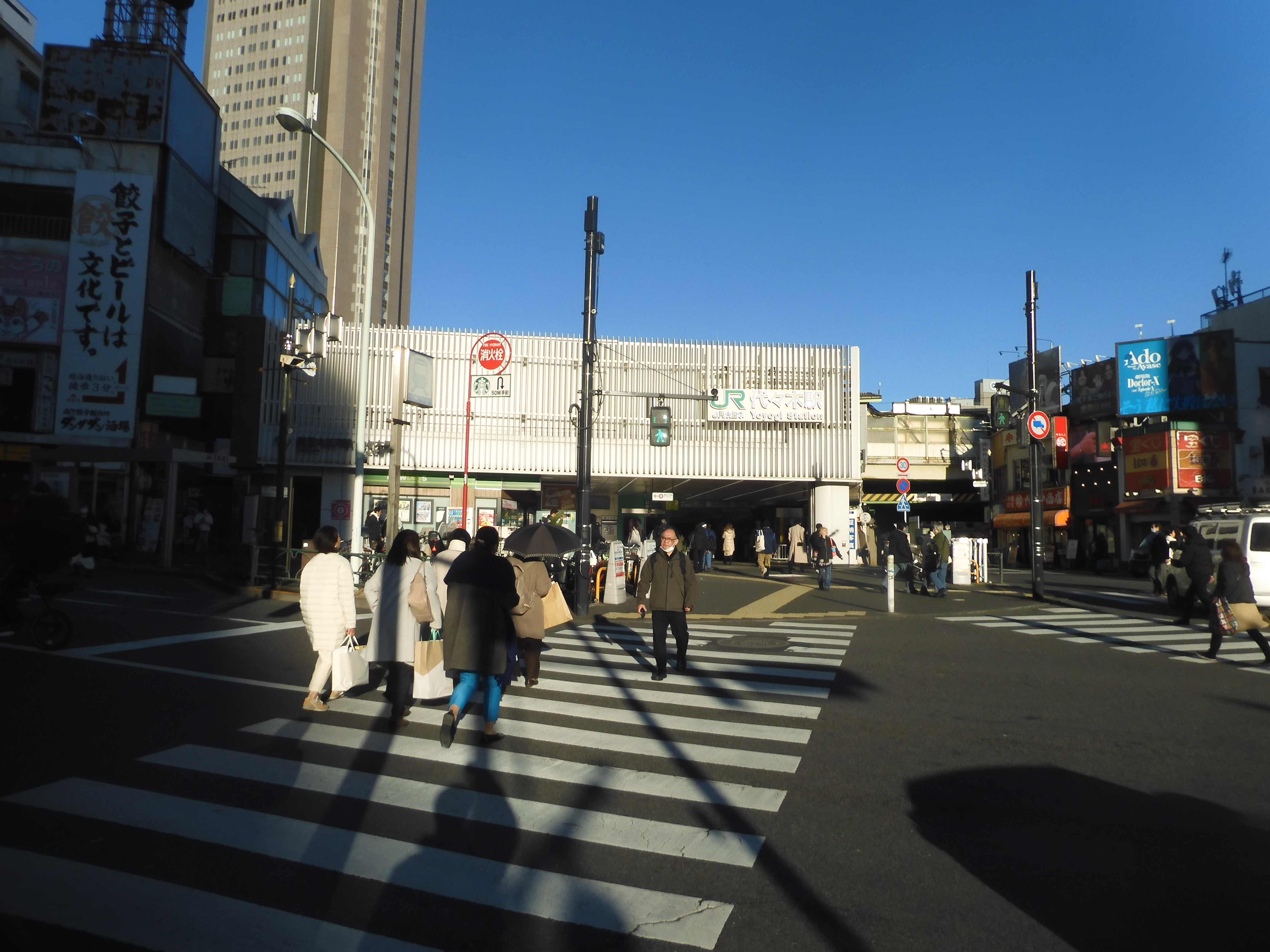
As is often the case with Murakami, 1Q84 attracted mixed reviews and even a ‘bad sex award! But as a friend, who is not a natural Murakami fan, said, “it’s a fun read”. I certainly had fun reading the entire trilogy in August 2024.
And now, the final part of my literary triptych. Sandra Newman’s ‘Julia’ retells Orwell’s 1984 from the viewpoint of Julia who becomes enamoured of Winston Smith and they start an affair which was not meant to be and doomed to fail, or maybe that was the intention? (Spoiler alert) A fascinating and imaginative take on the original enabling the reader to see Orwell’s world from a feminist angle. However, I felt that Newman was trying too hard to emulate the style of Orwell, the master wordsmith, and it may have been better writing in 21st century language. Perhaps I read it too soon after the original and was naturally comparing the two?

That’s looking back to 2024 so now forward to 2025, or should that be even further back to

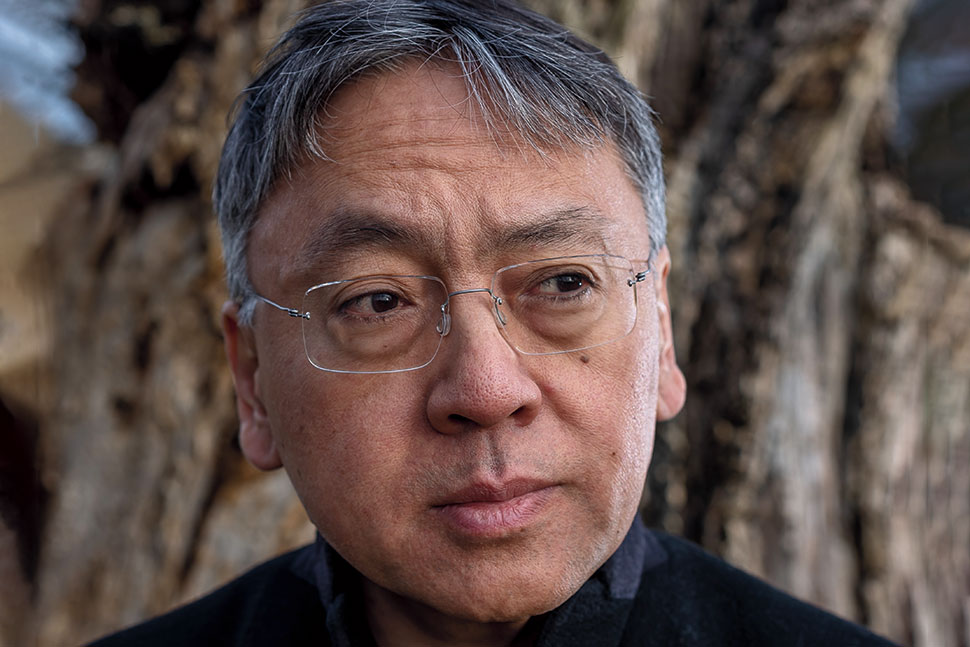
A true 21st century writer whose books I admire and whom I follow on Substack.
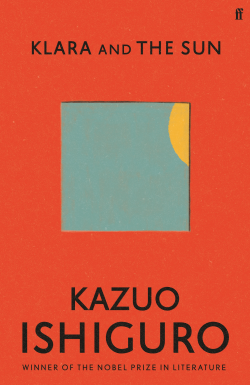
Whatever you’re reading now or plan to read I wish you a very Happy New Year. But remember:




 Albihon