Month: November 2023

“See you in church!”

Not a phrase you will hear me uttering, nor one to which I would usually respond. Although baptised as a Christian in my childhood, I do not follow its teachings or beliefs nor that of any other formal religion. Instead, I adhere to a more spiritual way of thinking attaching more importance to a rationalist outlook, . Therefore, I attach great importance to the power of nature and, as such so will visit Shinto shrines in Japan where the spirits inhabit trees and natural phenomenon, for inspiration. In the UK I am not averse to wandering into a local church in the countryside for a few moments of quiet reflection, especially if it has an interesting historical or cultural background, and from where we can use our understanding of the past to inform our present thinking.

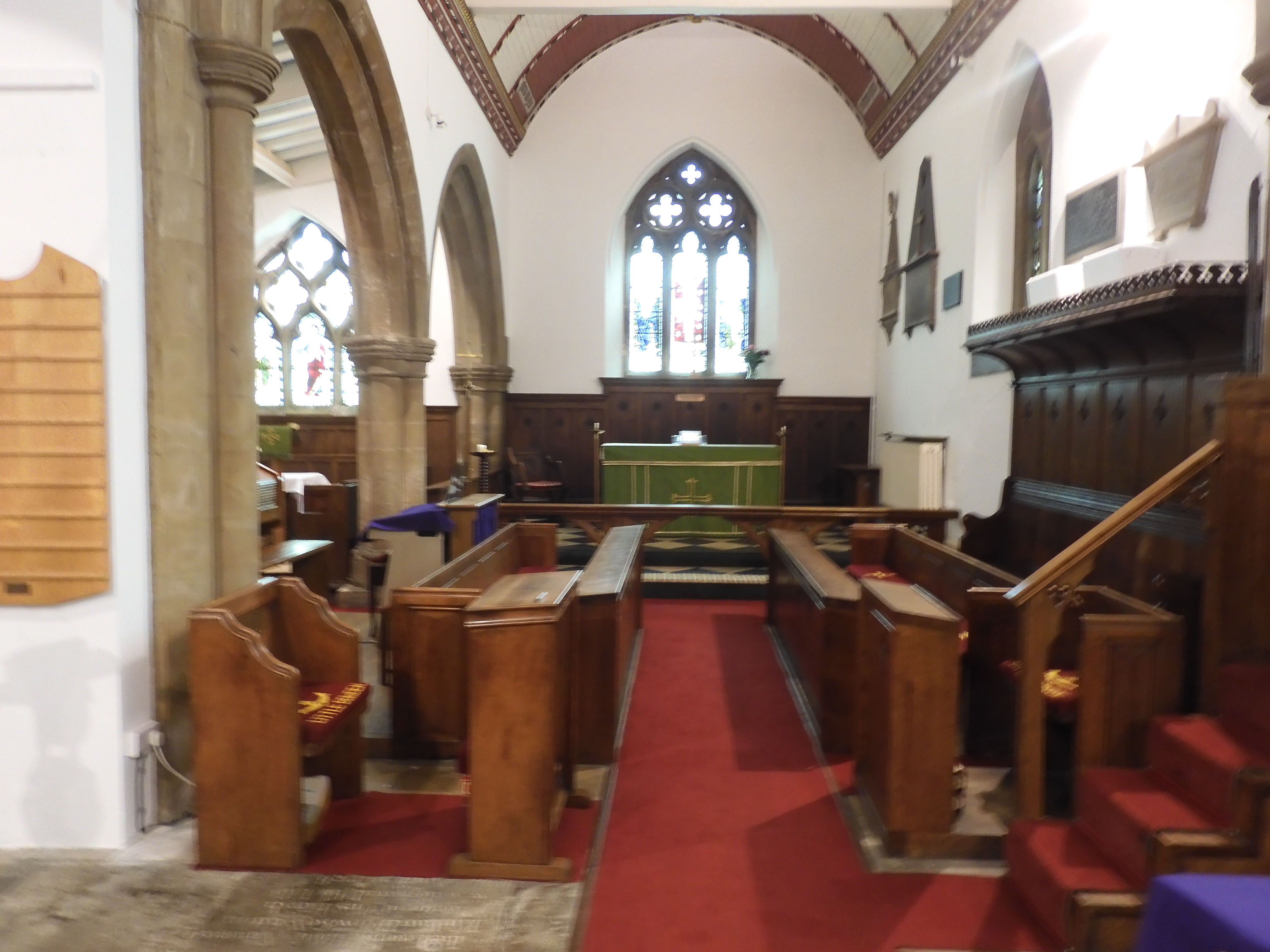
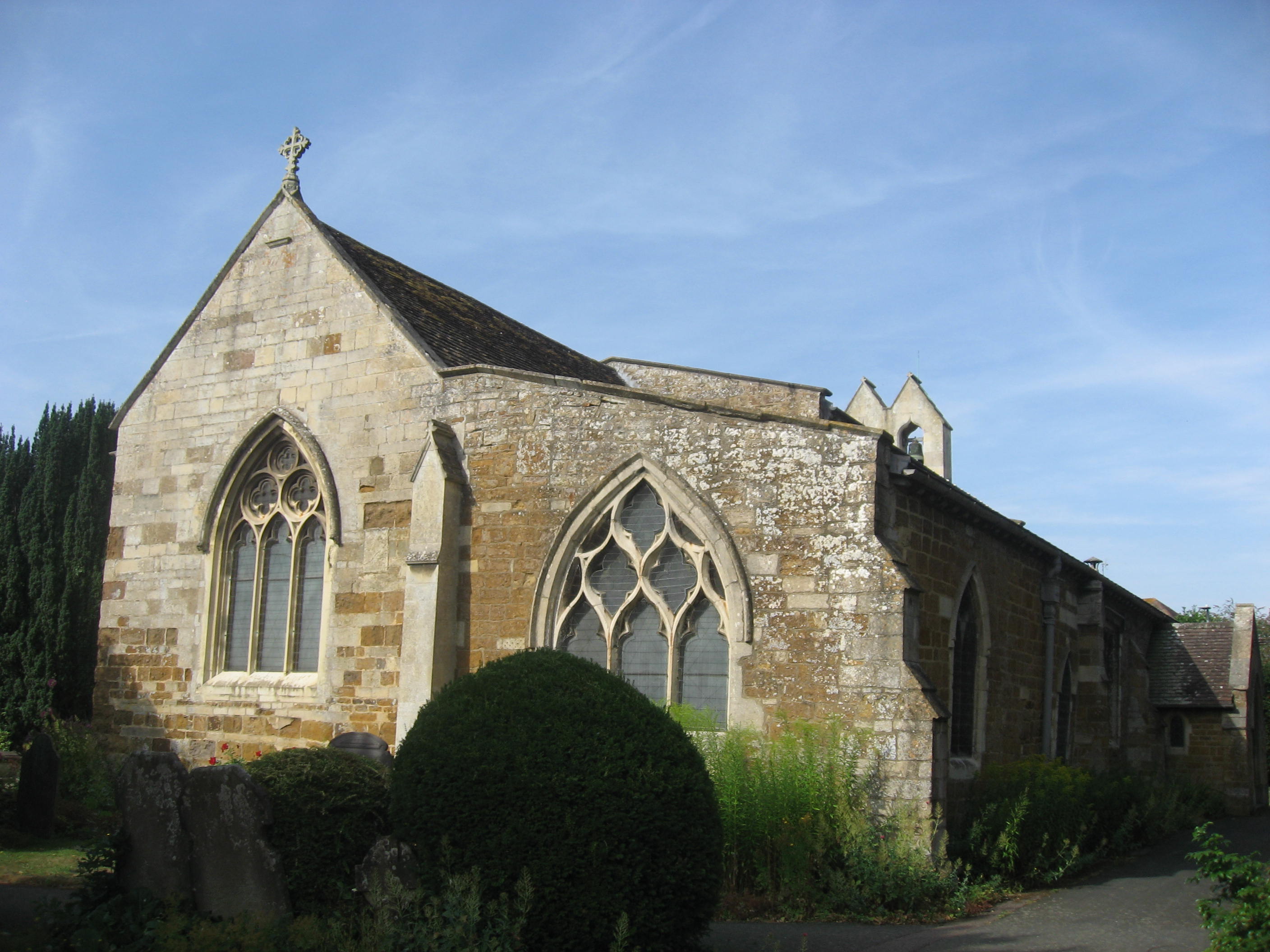
The nearest, pictured above, which is just a few minutes’ walk away from my home in Little Bowden, is that of St. Nicholas, where a church has stood on the site from at least the middle of the twelfth century. Although it has obviously undergone substantial restoration and reconstruction since, the earliest surviving part of the original building is thought to date from about 1300, with other parts from the late 18th and 19th centuries so occasionally I step back into time.

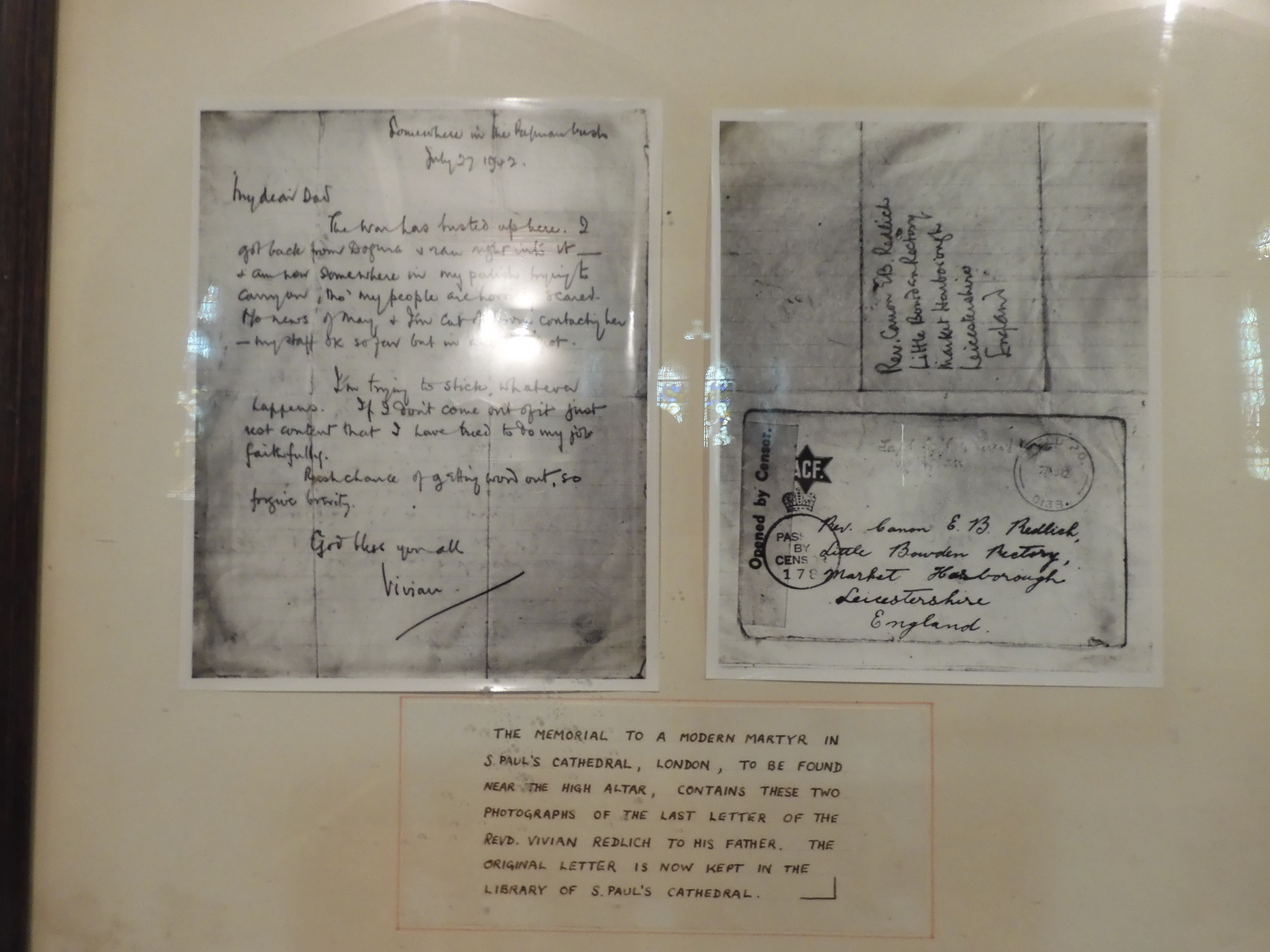
” Somewhere in the Papuan Bush, July 27th 1942. My dear Dad, The war has busted up here. I got back from Doguara and ran right into it, and am now somewhere in my parish hoping to carry on, tho’ my people are horribly scared. No news of May, and I am cut off from contacting her. My staff O.K. so far, but in another spot.  I’m trying to stick whatever happens. If I don’t come out of it just rest content that I have tried to do my job faithfully.  Last chance of getting word out, so forgive brevity. God Bless you all.  Vivian”

It was originally believed that Redlich was taken from his Mission House by the Japanese army, and beheaded on a nearby beach, thus prompting the letter of profuse apology from the Bishop of Yokohama to the people of Leicestershire. However 70 years later, it emerged that this was not the case. There is a further sad twist to this story, as Vivian had met and fallen in love with May Hayman, an Australian mission nurse who had cared for him during illness. Only recently engaged, they were working at different mission stations about 40km apart in the jungle, and Nurse Hayman had been captured by the Japanese at the time of the invasion. It is now believed that Vivian Redlich was on his way to rescue her when he was attacked with spears and killed by local tribesmen. Nurse Hayman managed to escape into the jungle, with another nurse but they were both re-captured and executed by the Japanese army.

So, despite the Japanese army being exonerated for the death of Vivian Redlich this tale remains shrouded in tragedy, but makes for an interesting story when I take my Japanese visitors to the church.
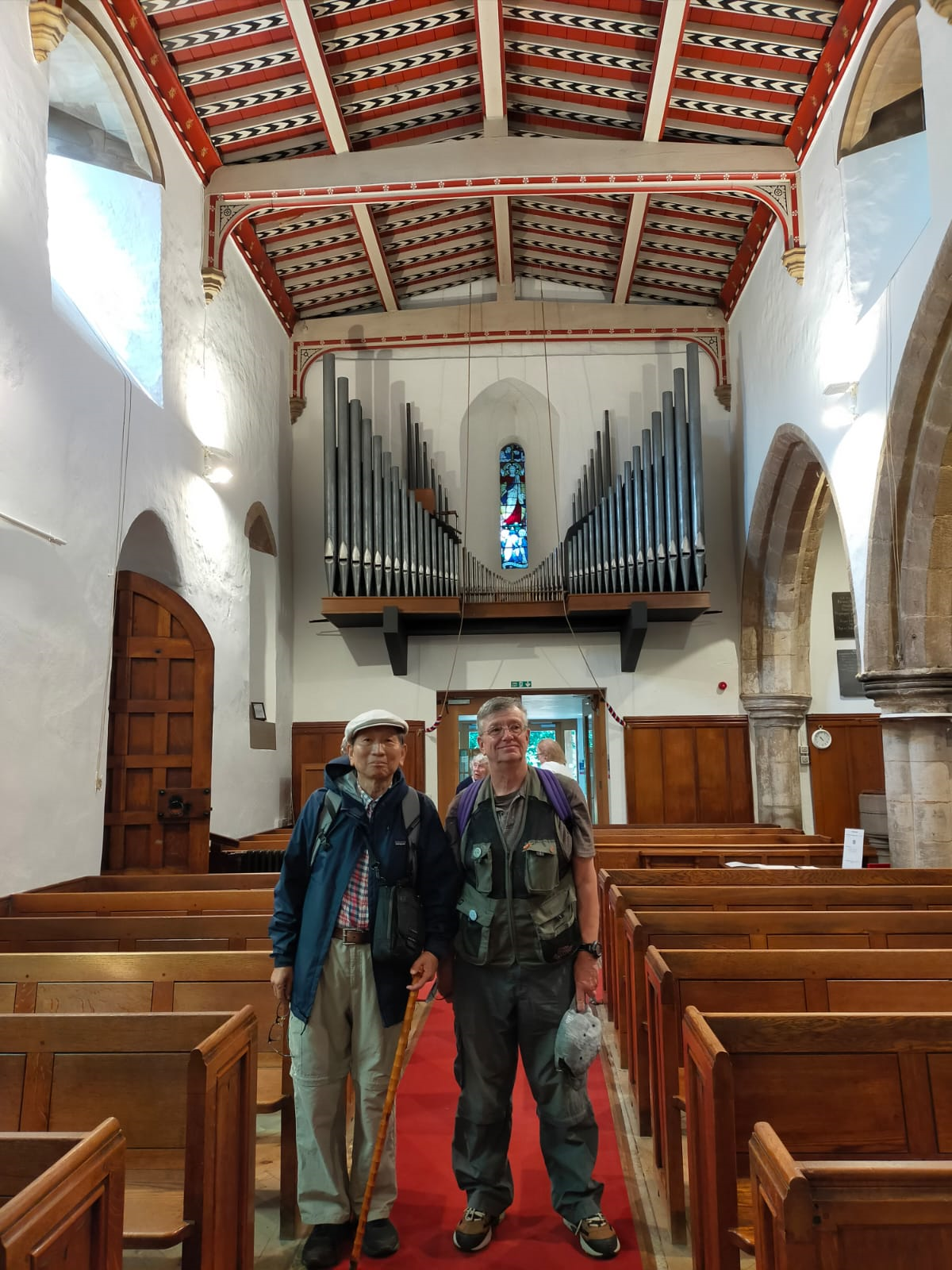
My good friend and walking companion, Yu Yoshida.

And so as not to become too morbid, I usually try to cheer my friends up with a traditional British lunch or dinner in the neighbouring thatched Cherry Tree pub.

So, if I don’t see you in church, I might very well see you in the pub!
Lock Down

Coming up to four years ago, the phrase ‘lockdown’ developed serious undertones of not being able to go outside without wearing a facemask; being restricted as to the number of people with whom one could meet; curtailing travel and certainly having to adopt a lifestyle most of us born in the post-World War years would never have dreamt of. But today fortunately, with some exceptions, that is now behind us and we can once again enjoy what our ancestors have built for us.

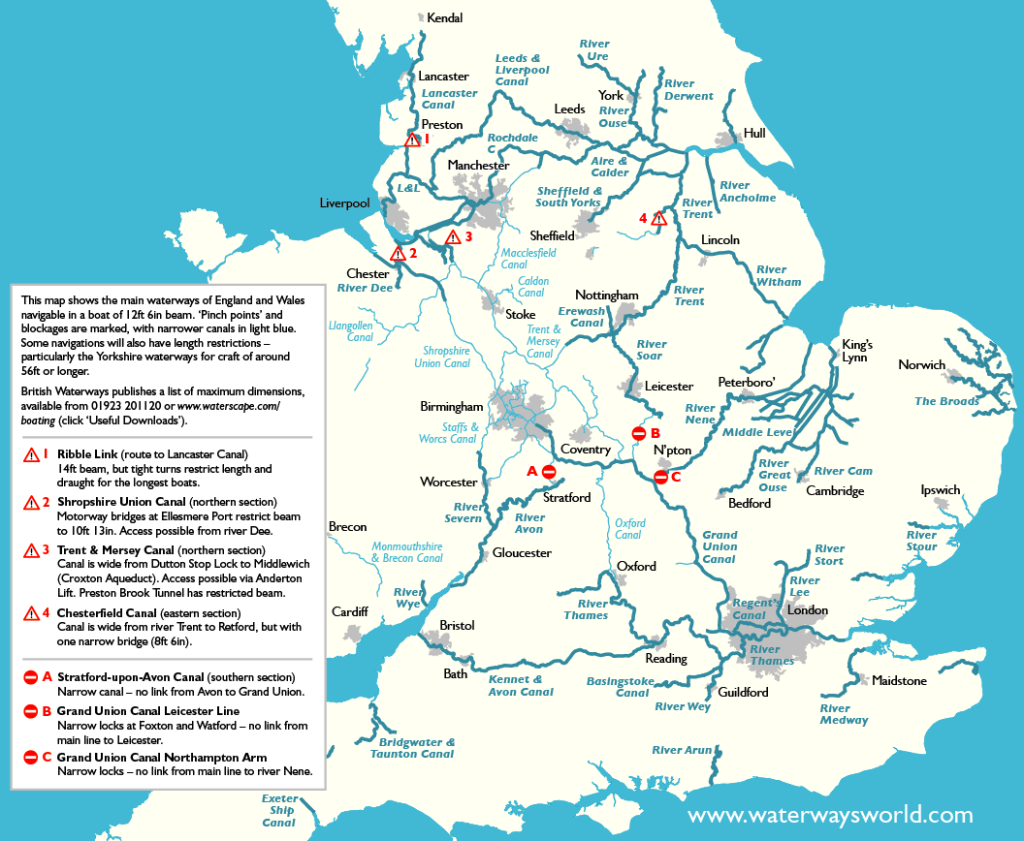
We have much to be proud of in the UK – and some to be ashamed of, but I won’t go into that now- but being the first country to develop a nationwide canal network, must be one of our finest achievements. At its most extensive, this stretched to 4,000 miles or 6,000kms from the beginnings in the 16th and 17th centuries when work began to canalise our waterway network to improve local and nationwide transportation systems. Work started in earnest during the industrial revolution. Whereas previously a horse and cart could carry around one or two tons of cargo on the deteriorating roads a horse drawn canal barge could carry up to 25 times that amount and the period from 1770 to 1830 was sometimes known as the Golden Age of canals with barges being used to transport raw materials and finished goods around the country more efficiently.

But, we know what happens – progress! And that gave way to a faster and more sophisticated rail network and heavy- duty road haulage especially in the 20th century. Fortunately, although some of the canals, most of which were built by manual labour alone, fell into disuse and disrepair, the end of the second world war saw a revival. The formation of the Inland Waterways Association by LTC Rolt and Robert Aickman revived interest in their use for leisure purposes and the restoration of some of the canals by a group of volunteers. Before too long, hiring or buying a narrowboat for a holiday in the slow lane became a very popular holiday activity as a way of exploring the countryside or even as a permanent way of life for some whom wished to opt out of the rat race.
And in recent years, it has been seen as some as the perfect form of social distancing where, with the help of technology, it is possible to work ‘remotely’ from home for some people running a business from their boats or as an ideal retreat also for artists and writers seeking creative inspiration away from daily distractions.

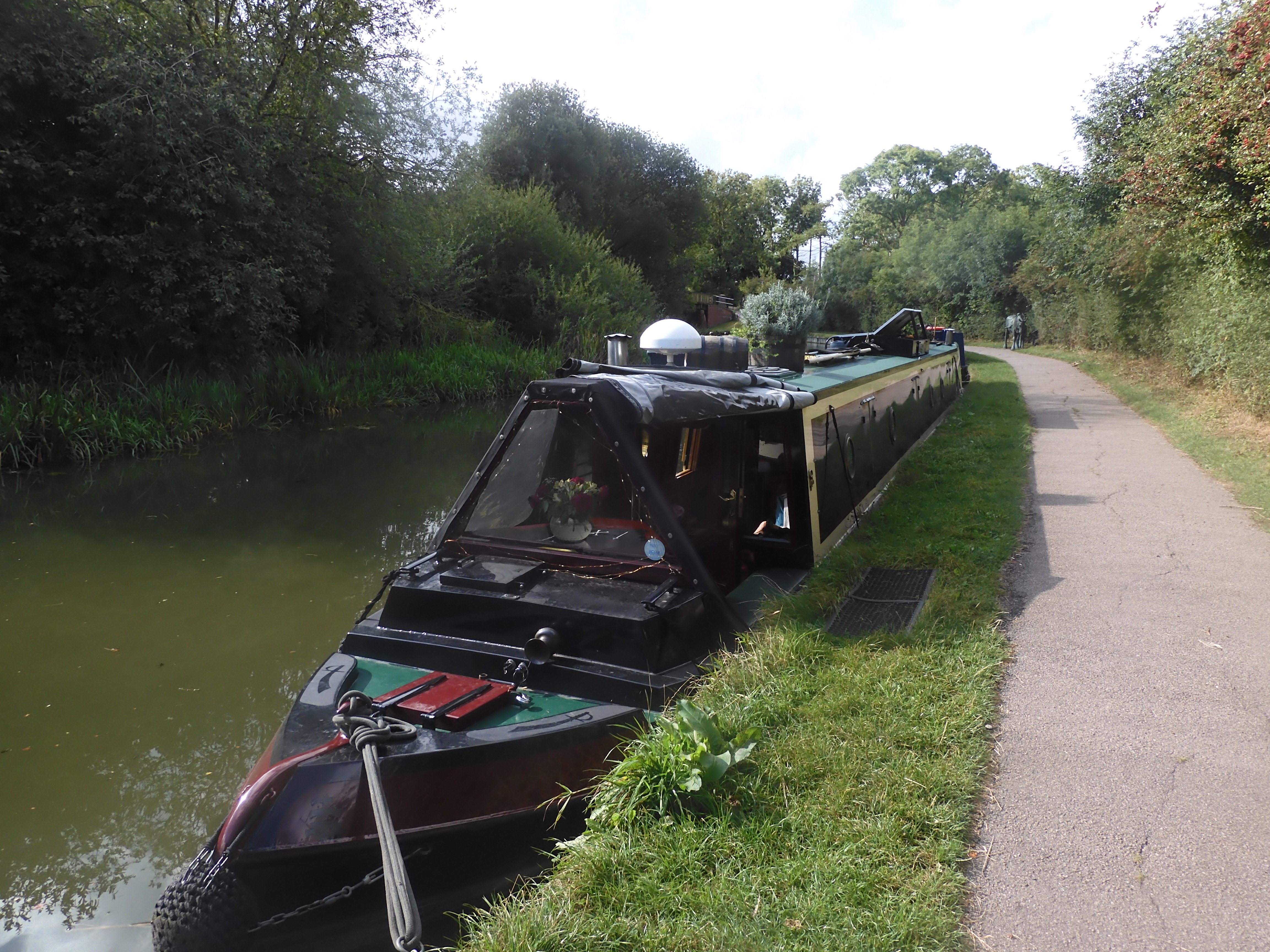
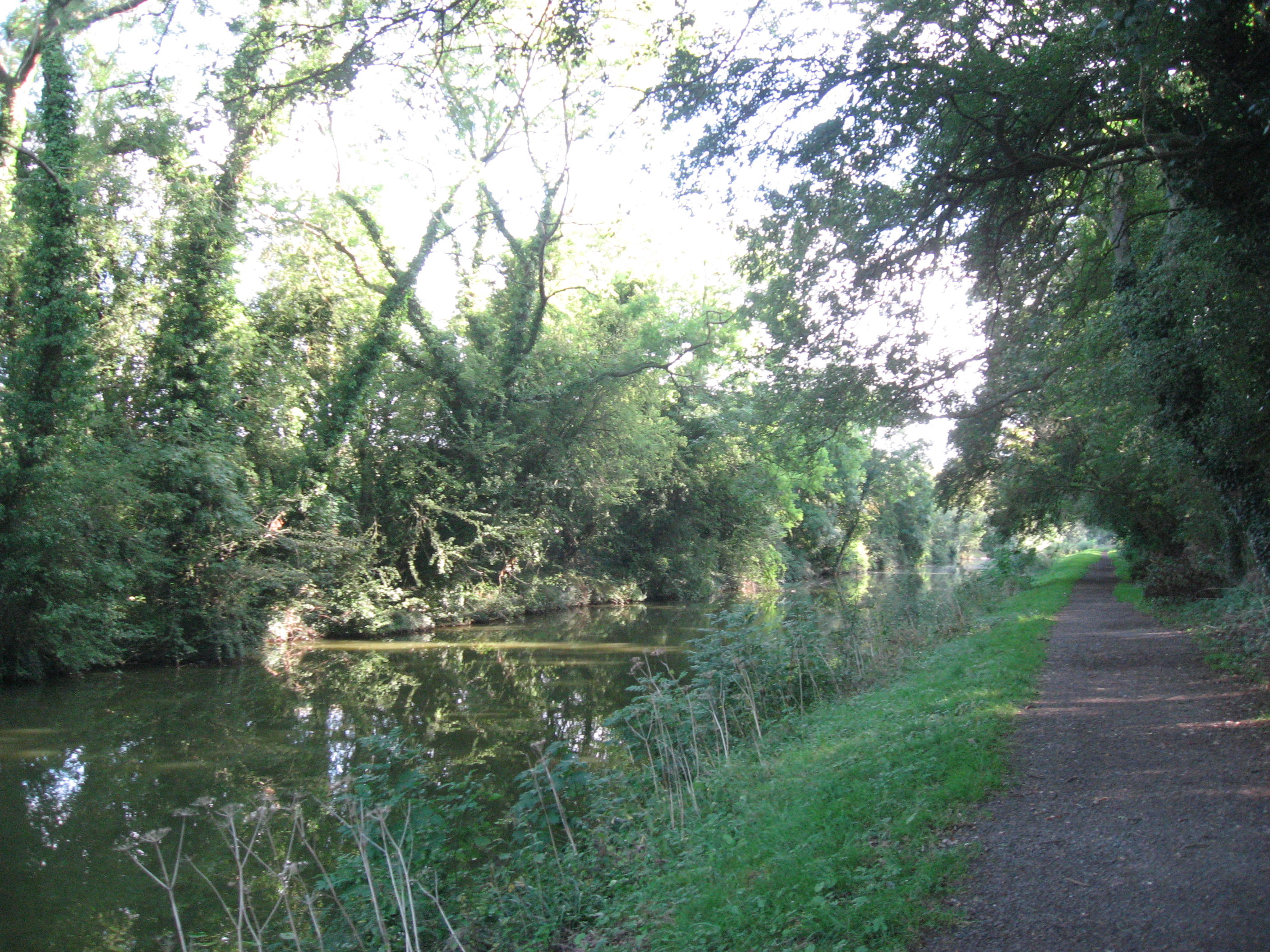
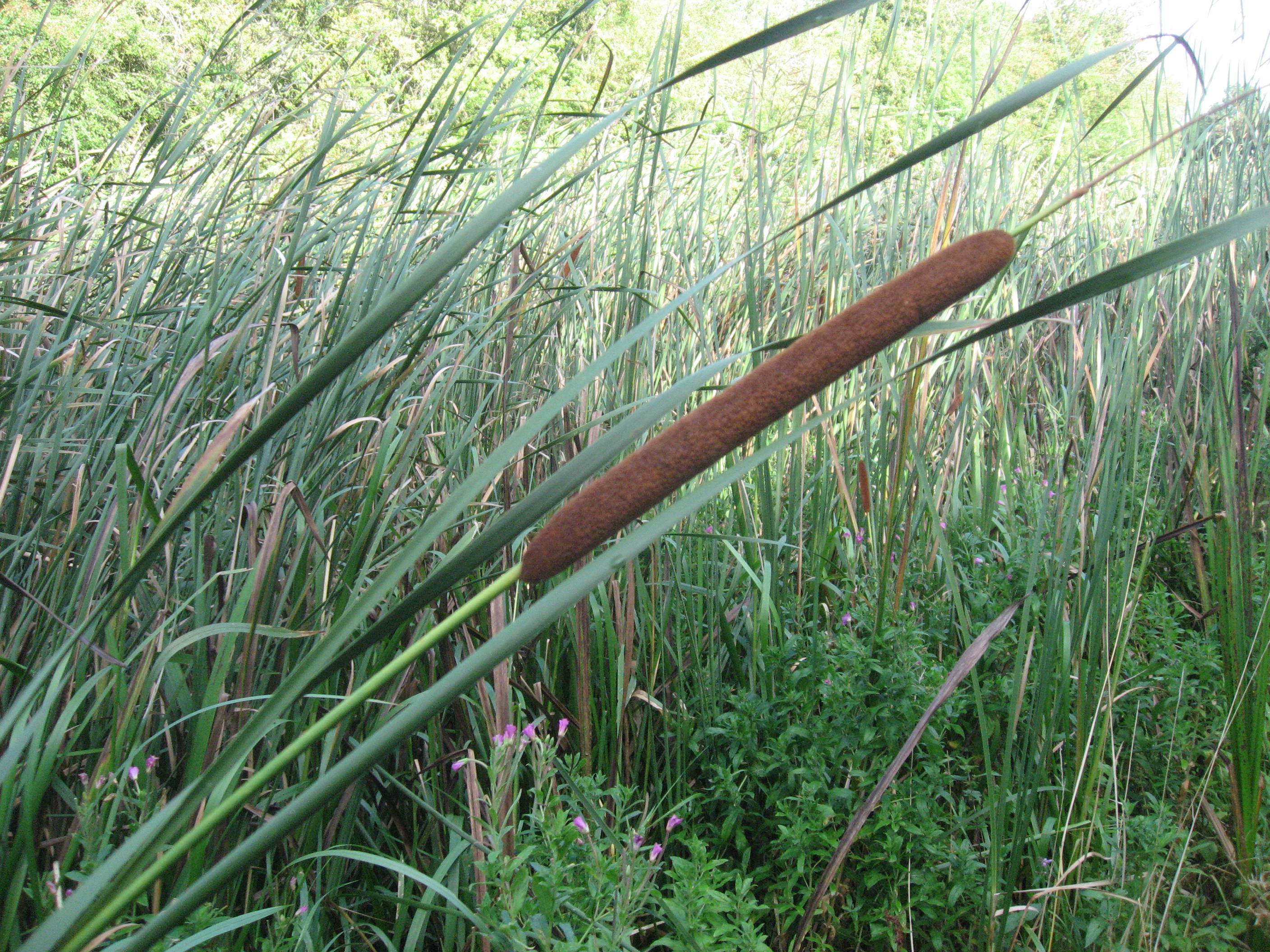
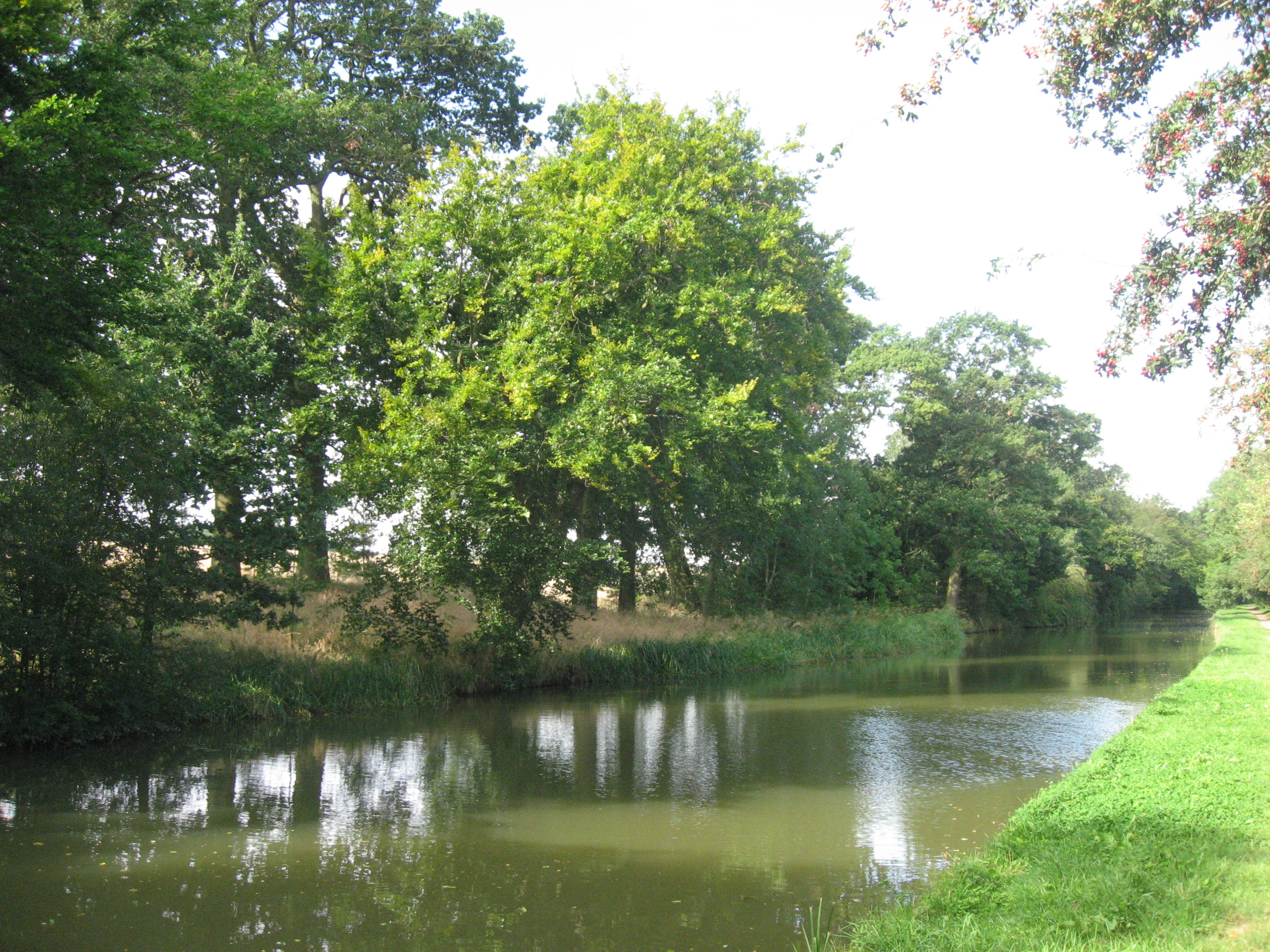
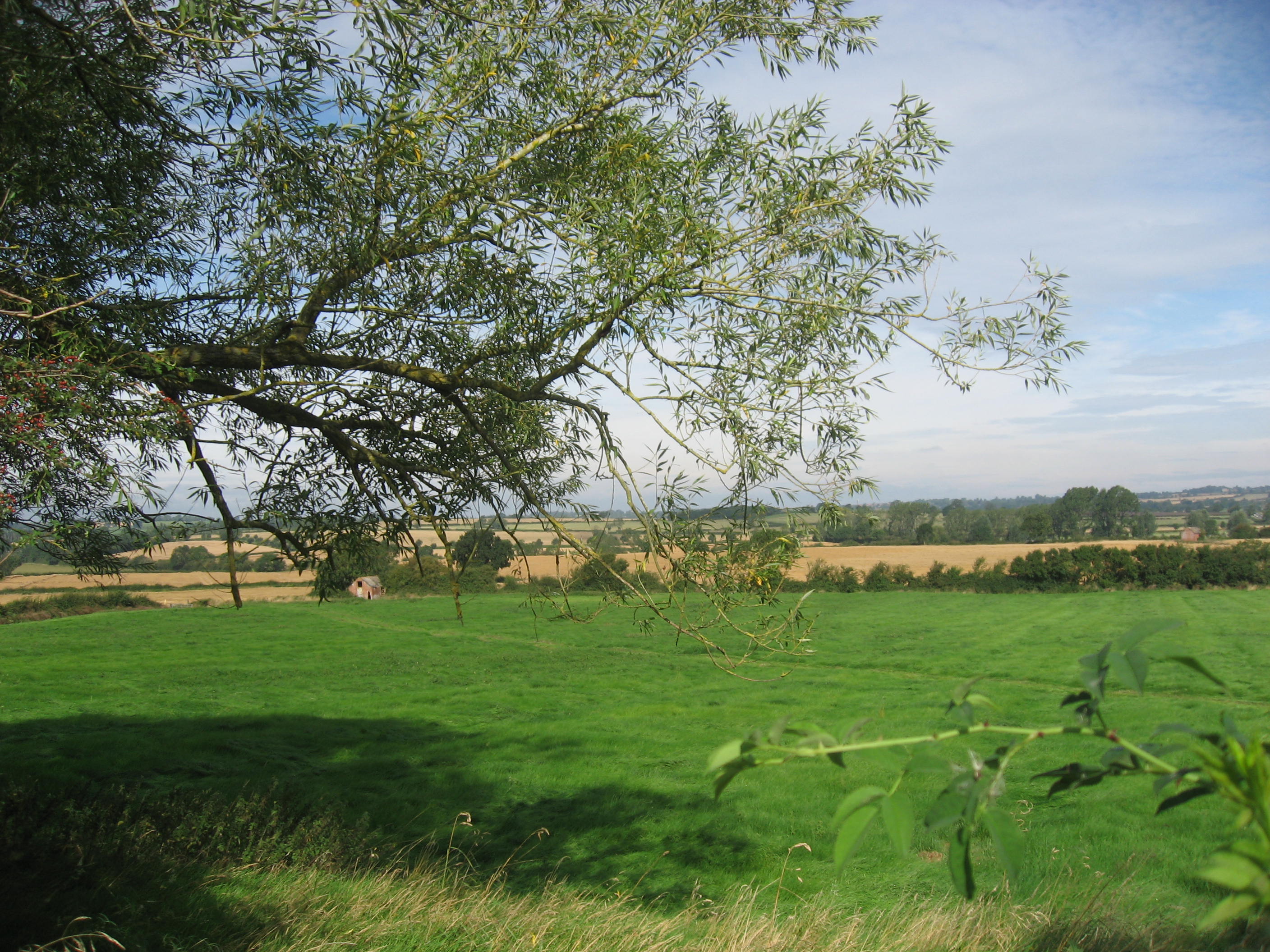
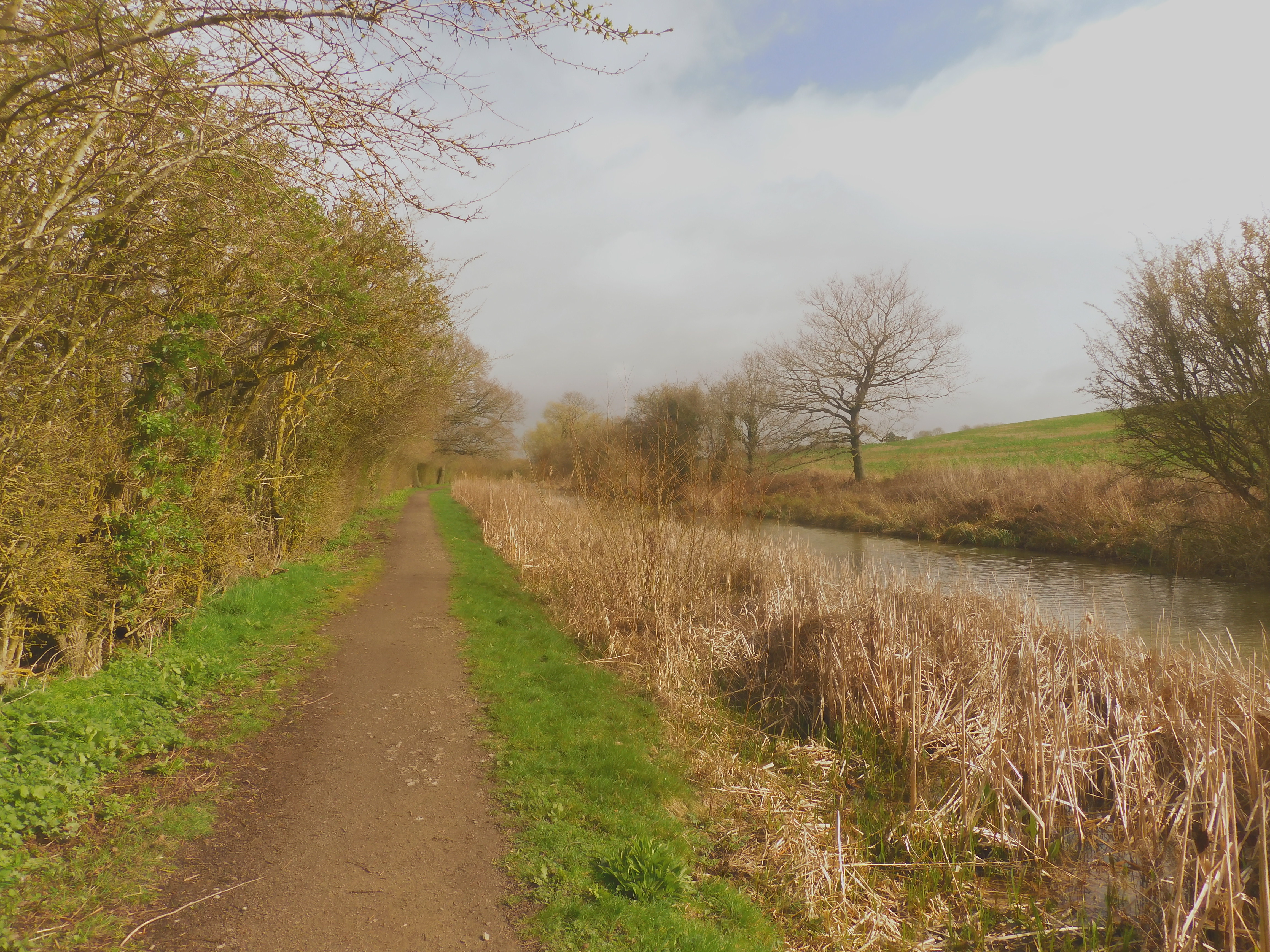
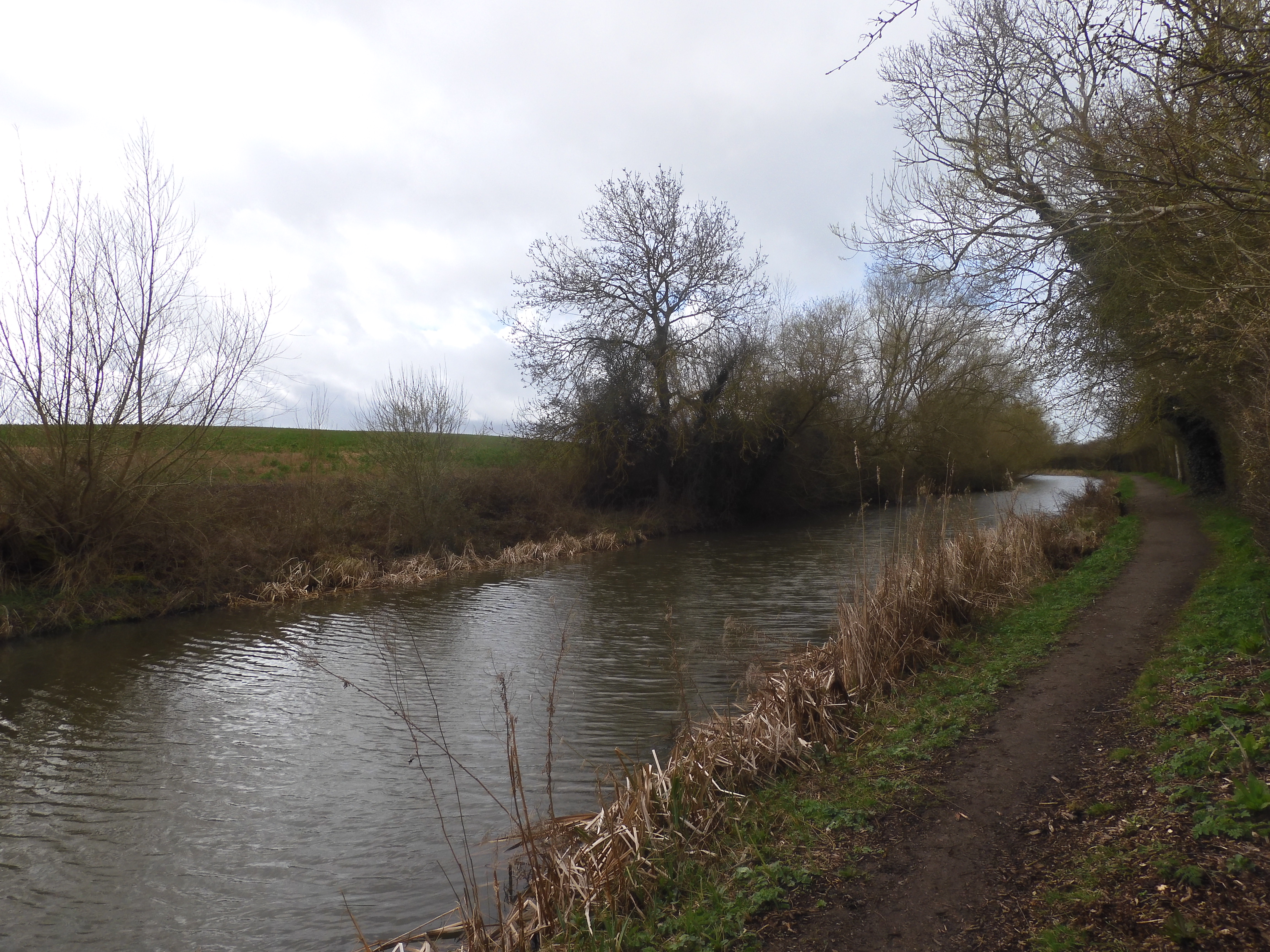
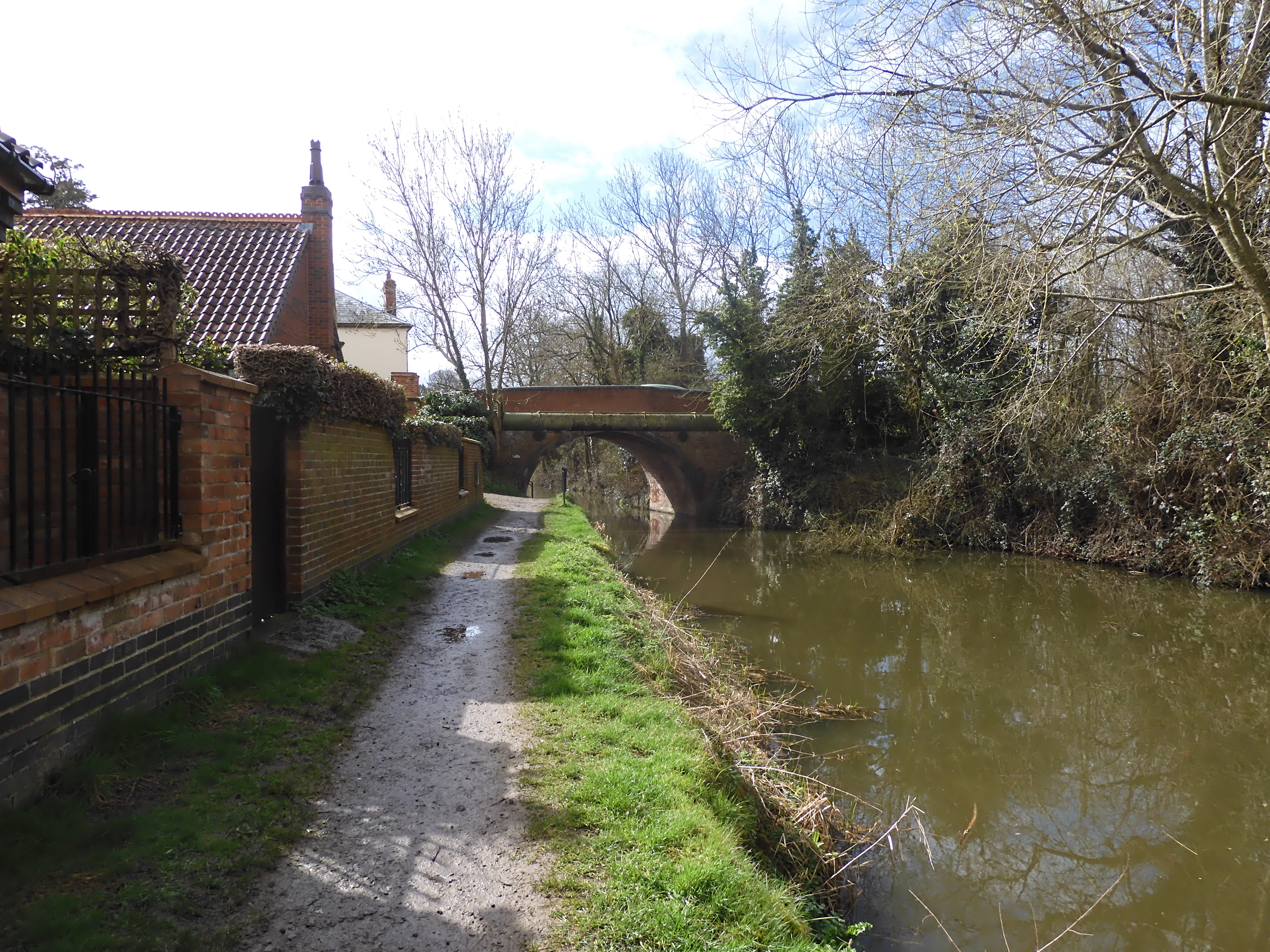
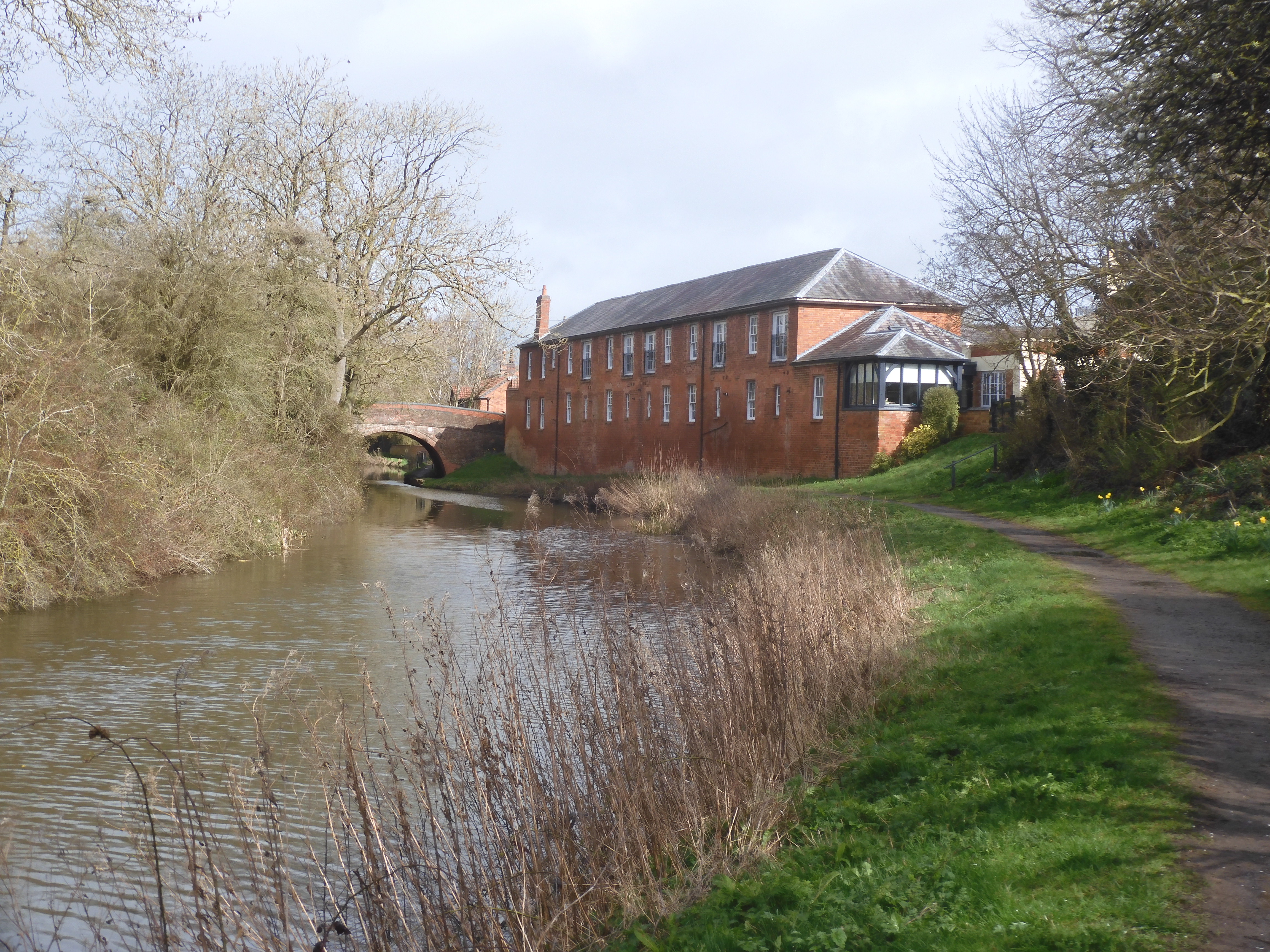
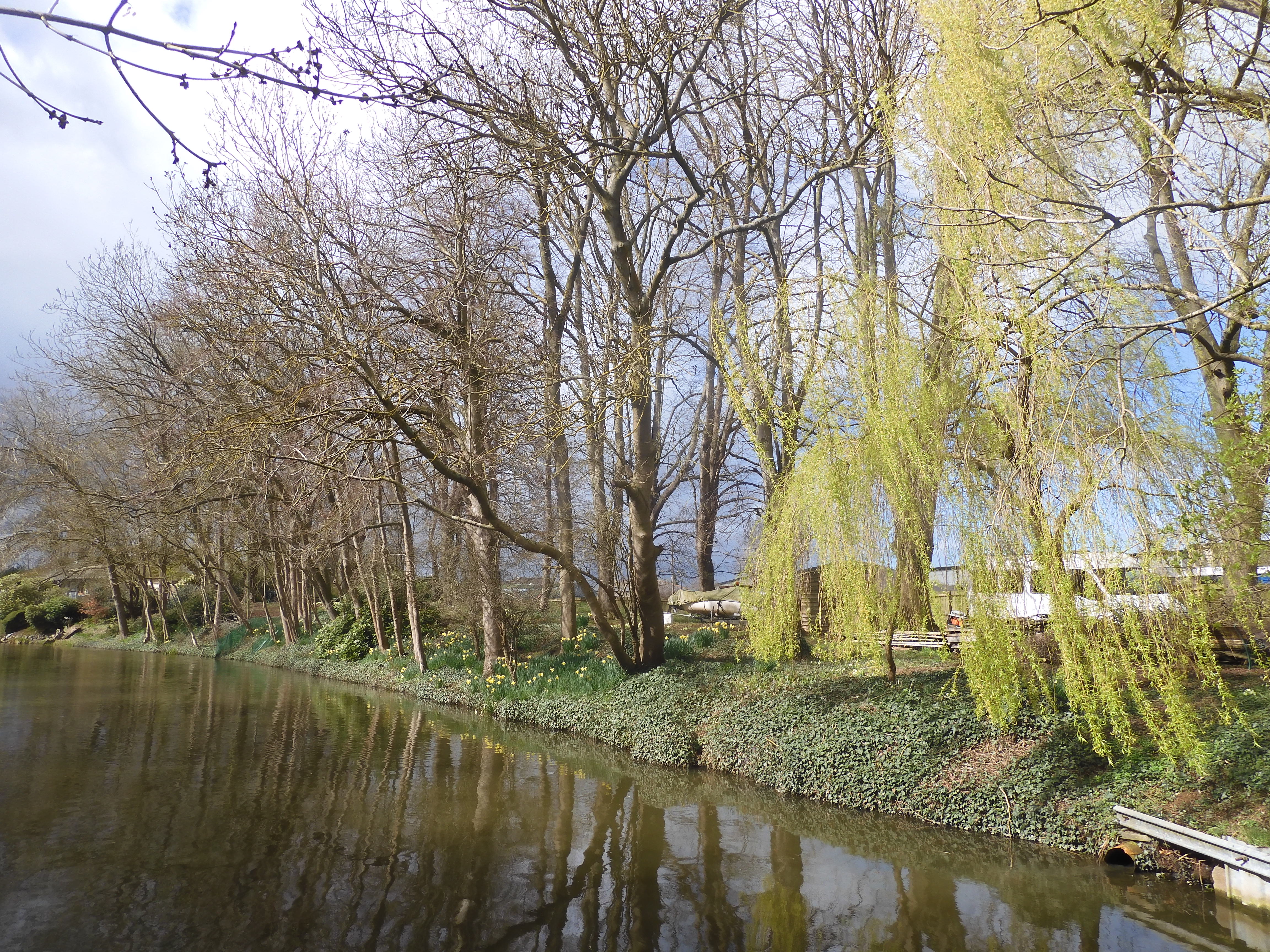
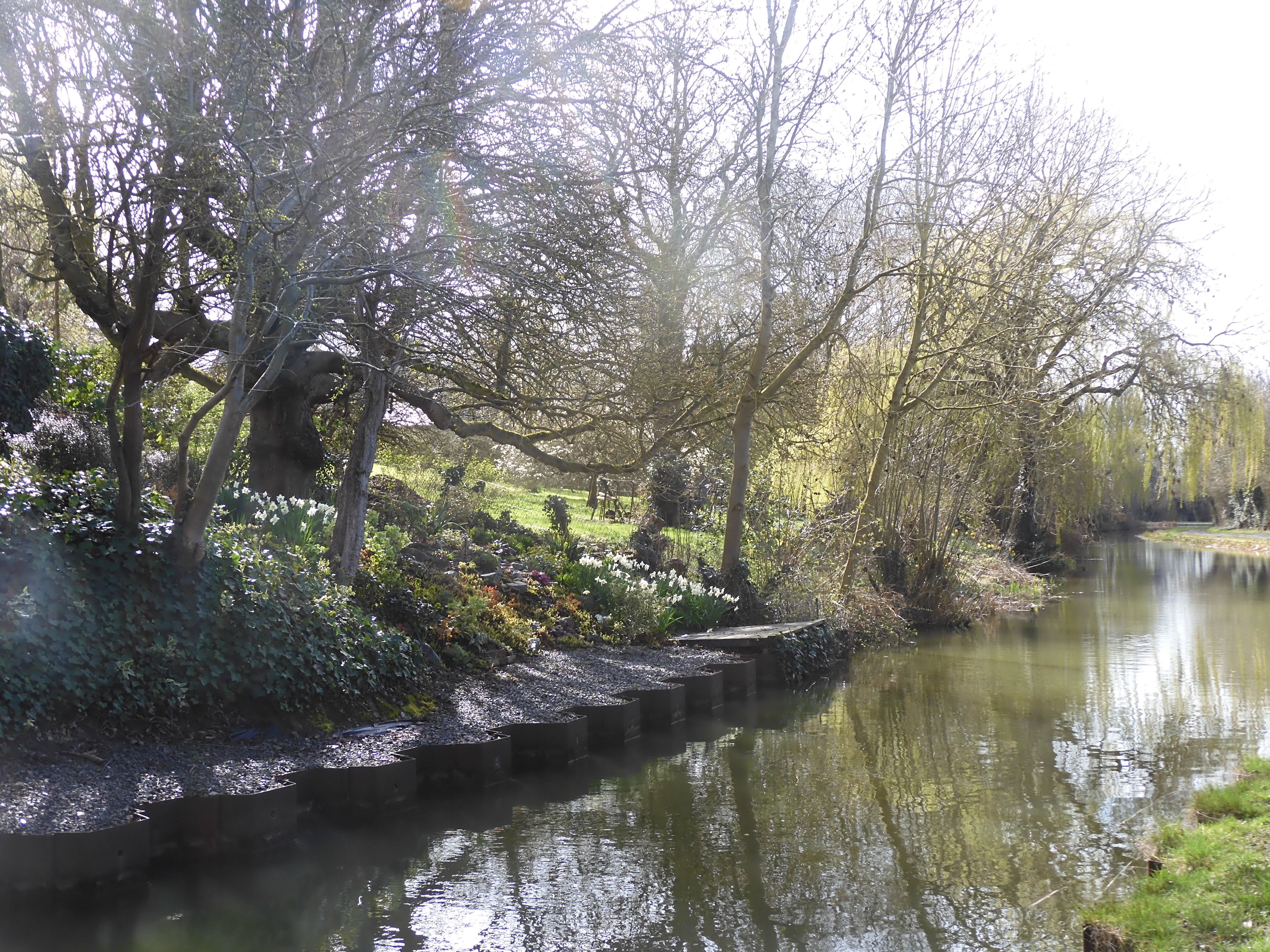
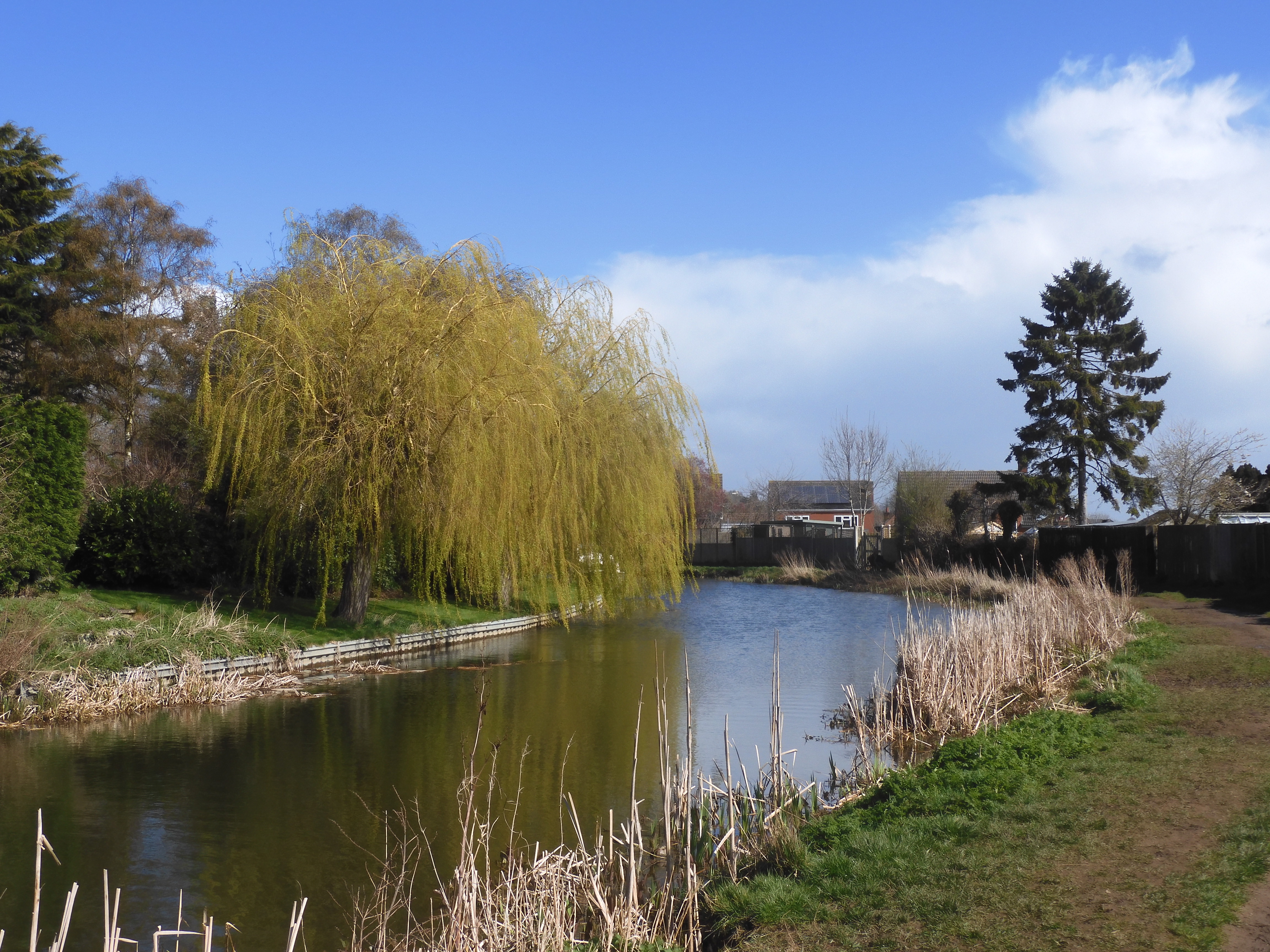
But, for those of us who have not yet taken to the waterways in order to write our first book, it is still possible to observe and enjoy all that the canals have to offer from walks along the footpaths along which the horses used to tow the boats (ie towpaths) to the nature of the surrounding countryside.

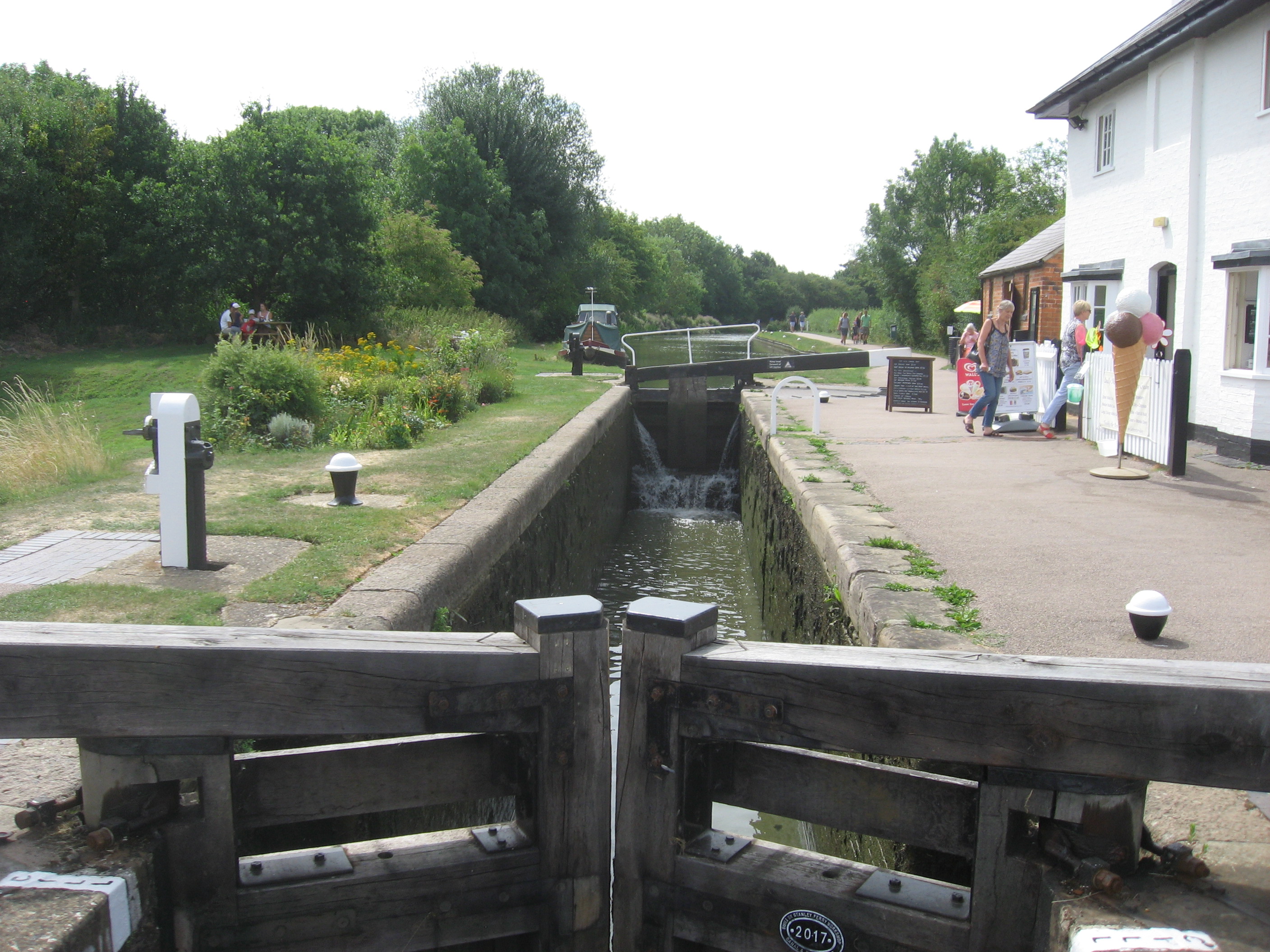
Another engineering feat was to design a way of moving down or uphill in the waterways which were built to correspond to the elevations of the surrounding environment. Locks were the answer where the boat entered a fixed chamber in which the water levels were raised or lowered through a system of opening and closing underwater ‘paddles’ and allowing the boats to proceed.

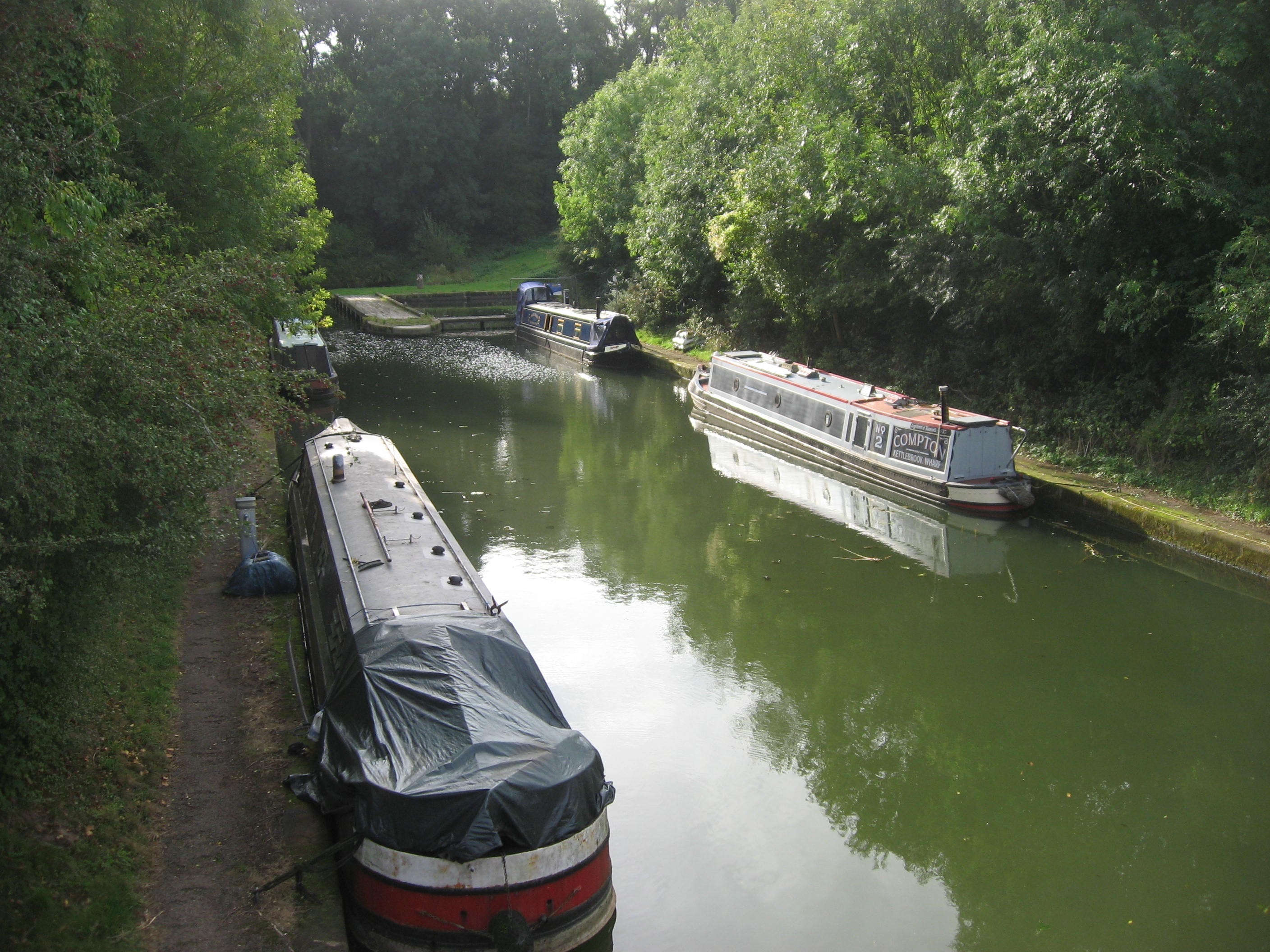
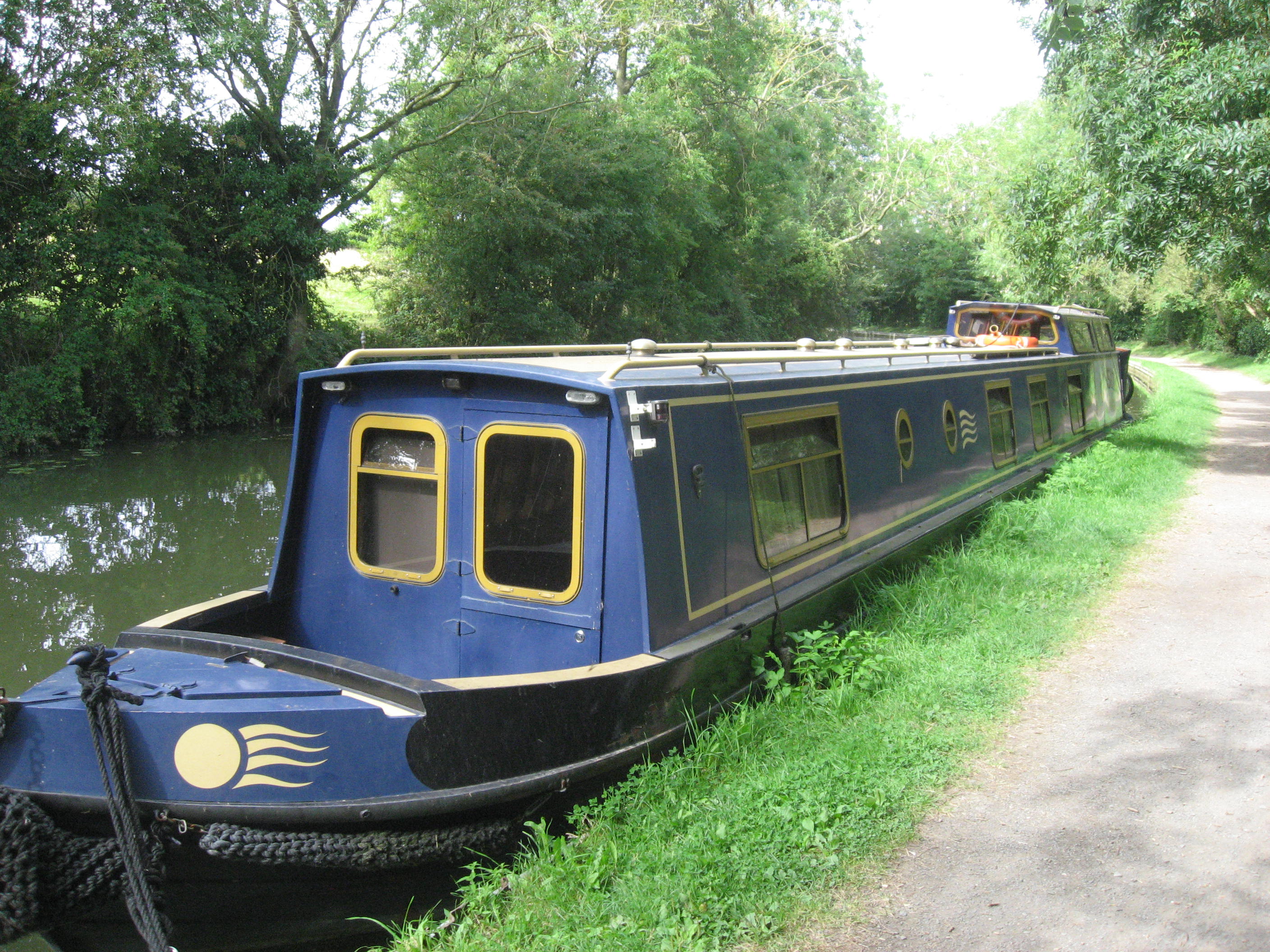
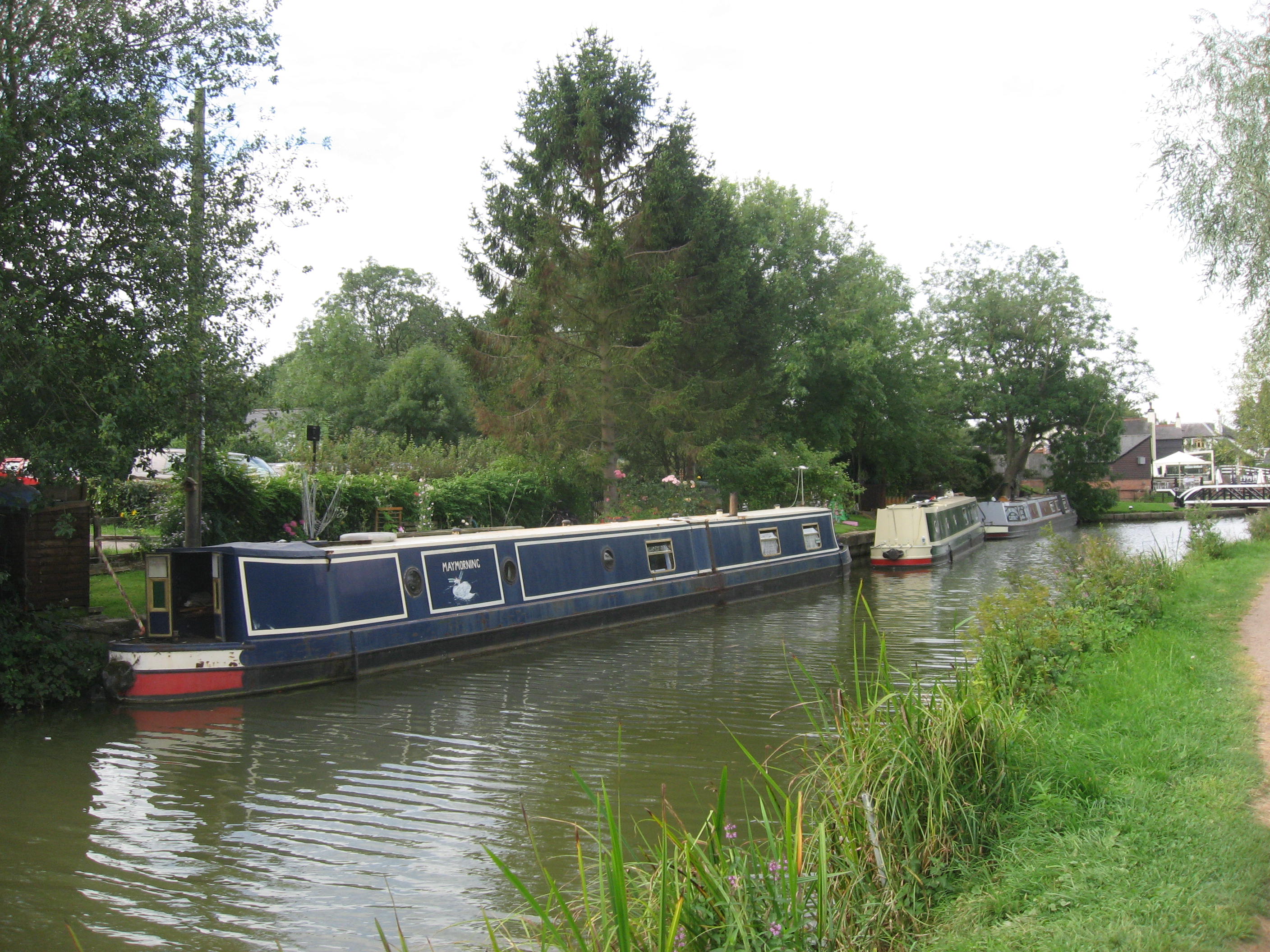
I am fortunate that my UK home base in the East Midlands is close to the Grand Union Canal, which stretches 147 miles (235km) from Paddington in West London to Gas Street in Birmingham passing through Northamptonshire and Leicestershire including an ‘arm’ into Market Harborough.

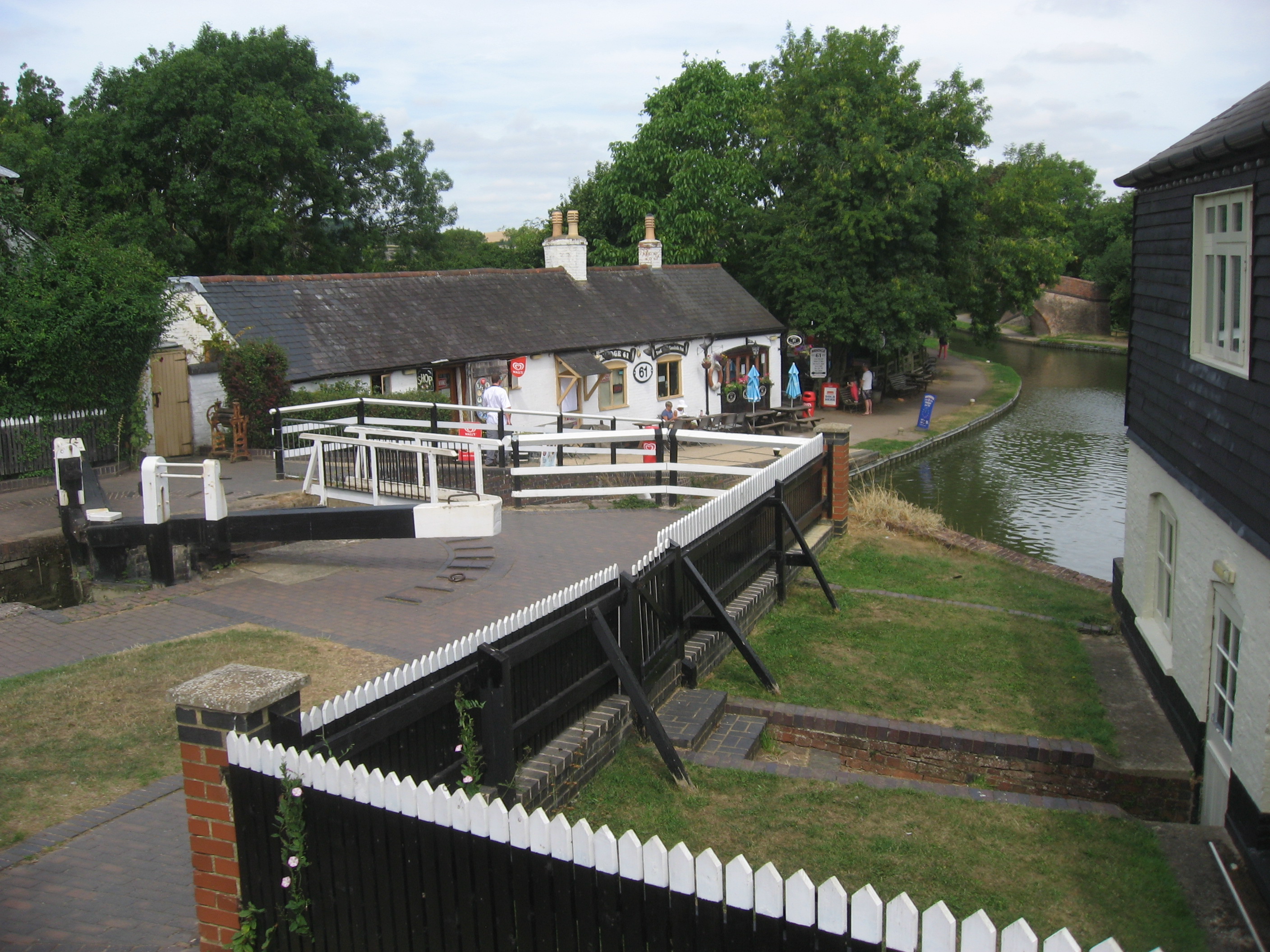
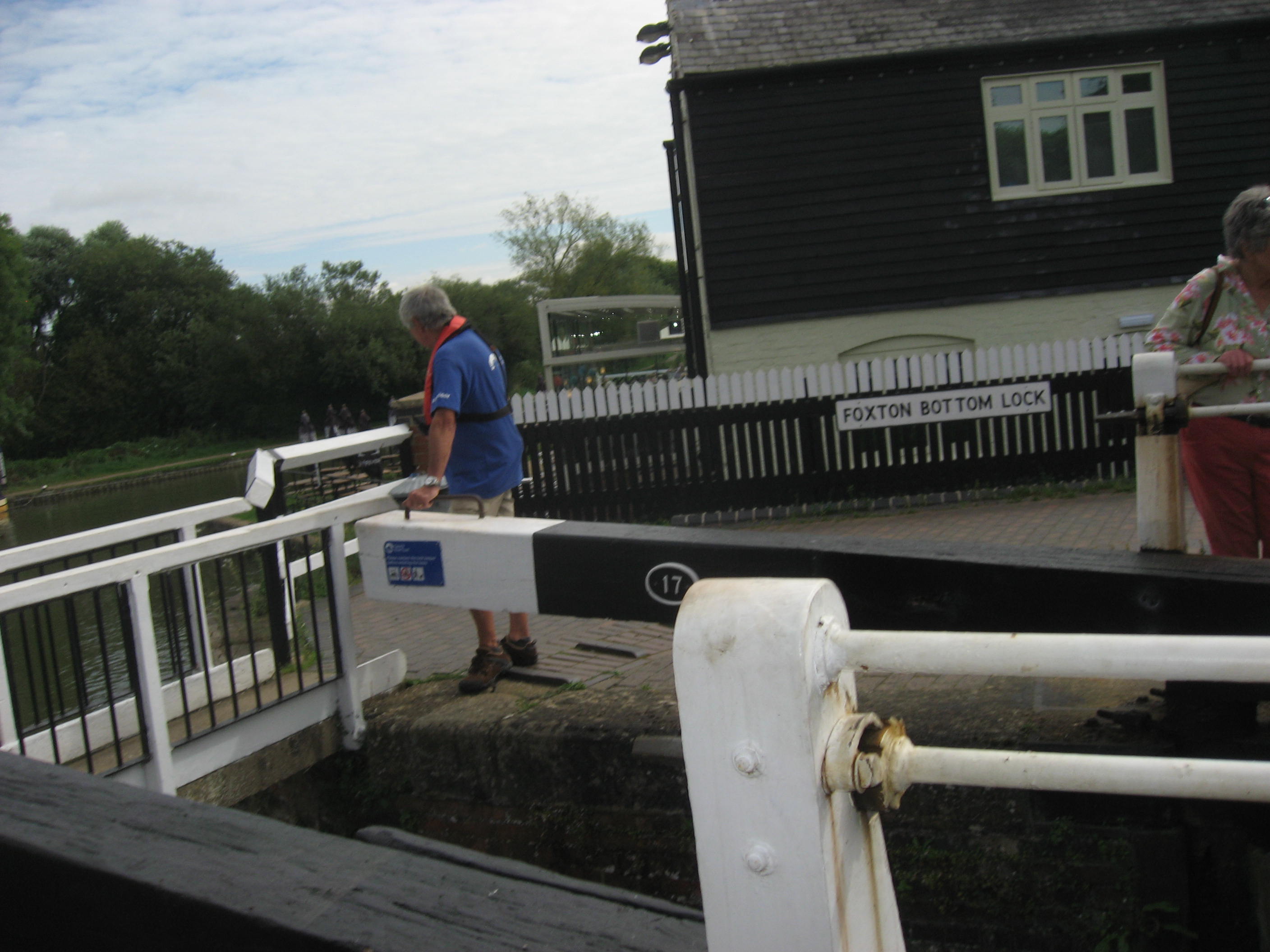
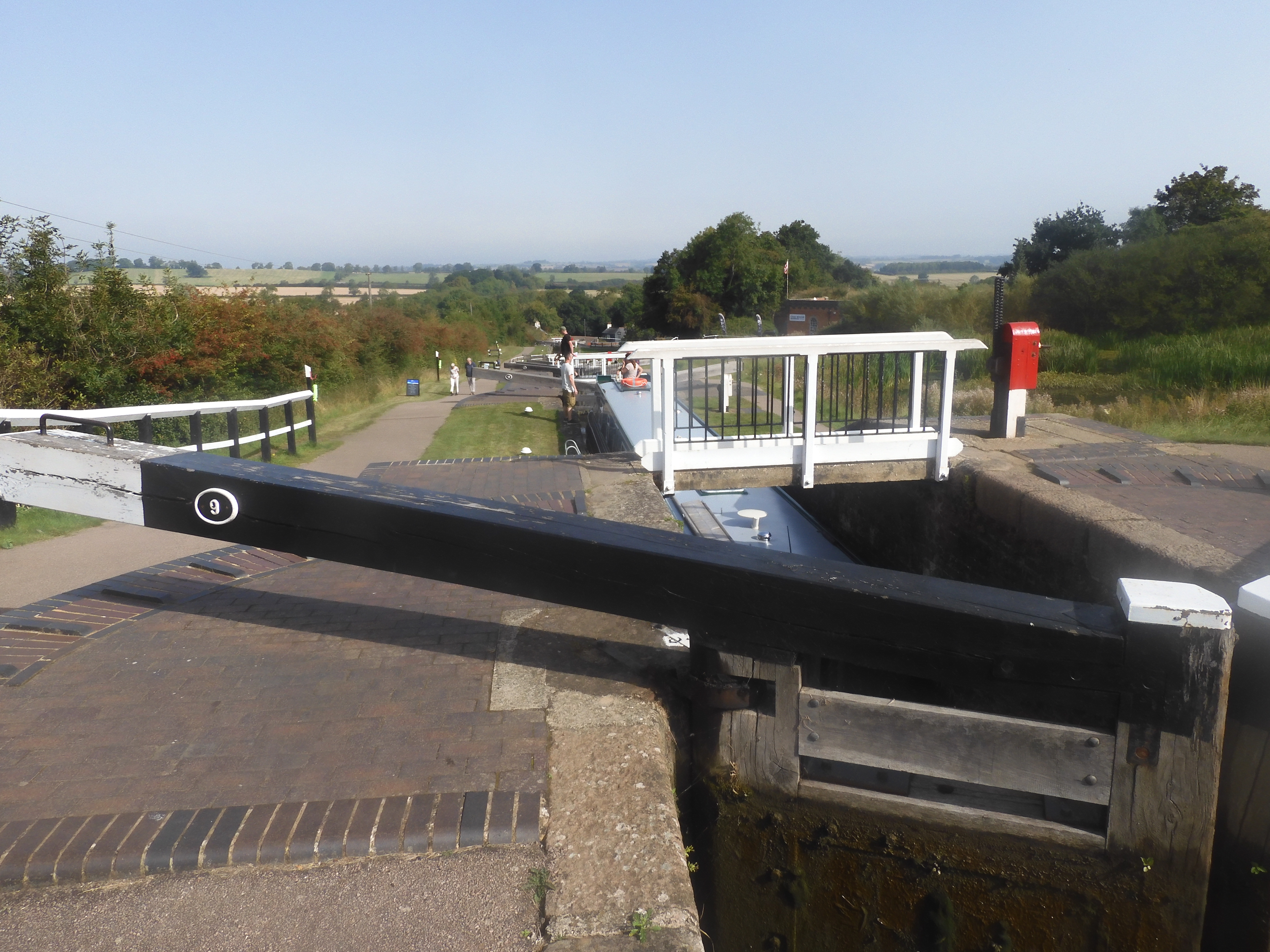
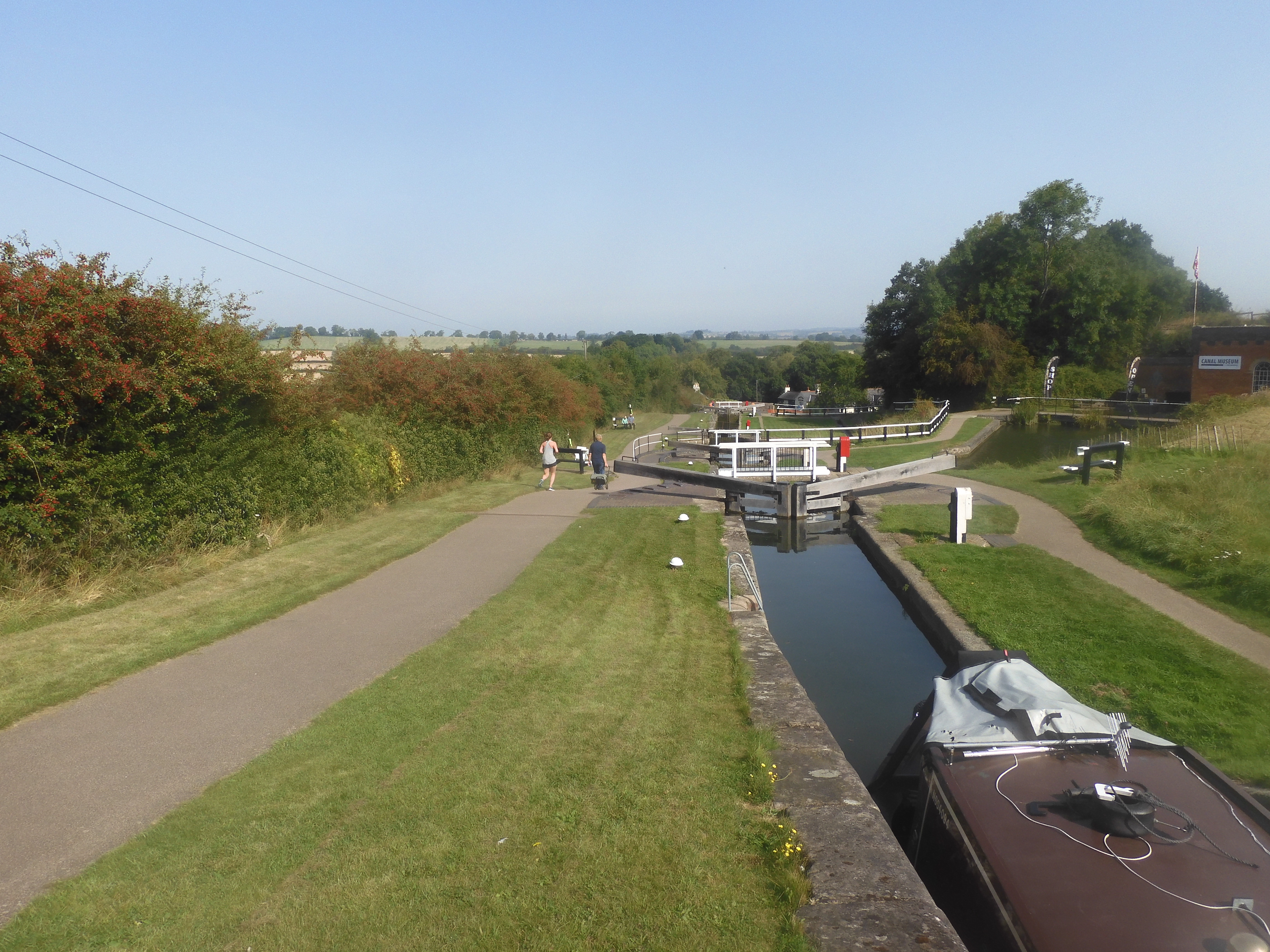
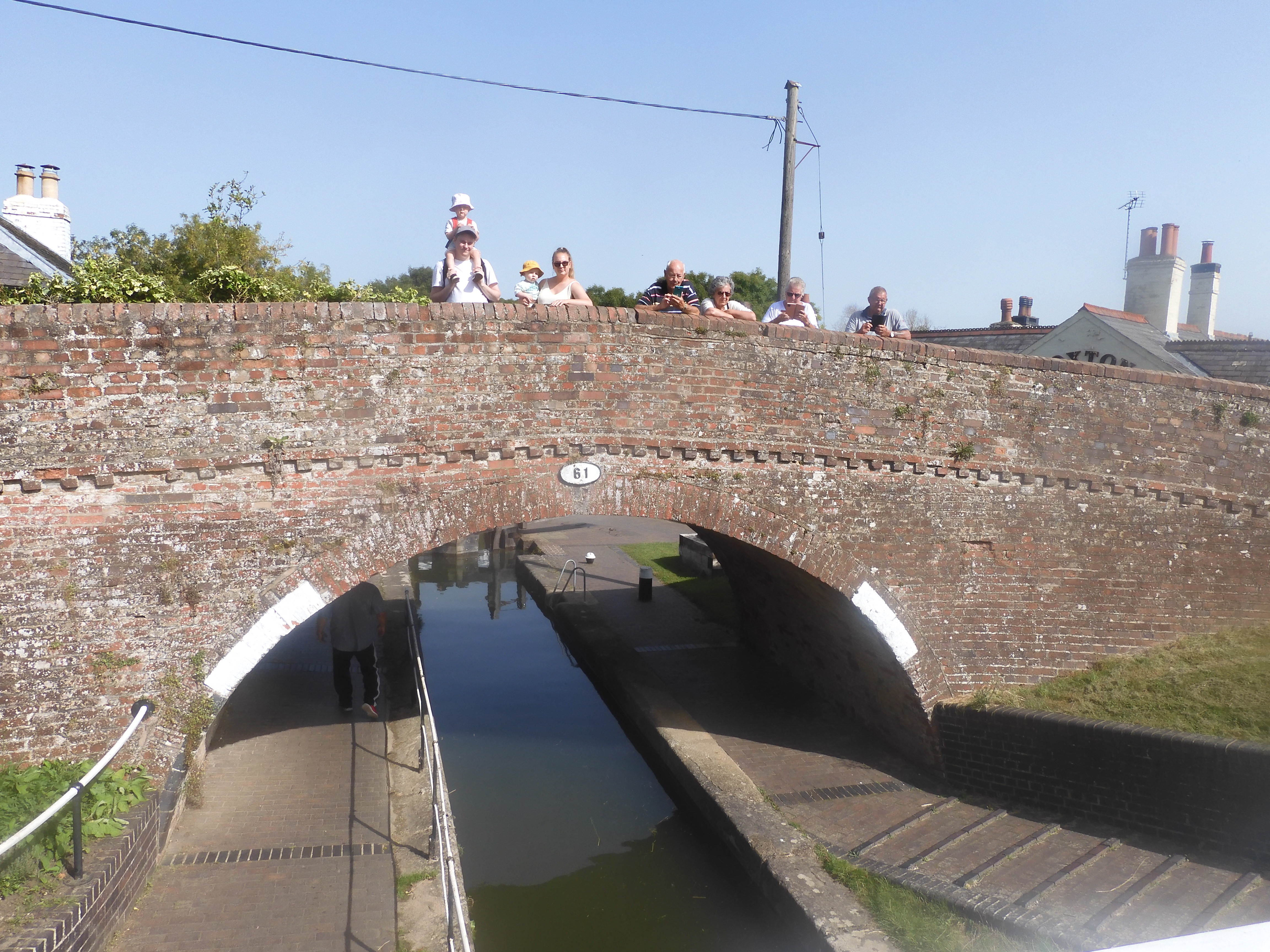
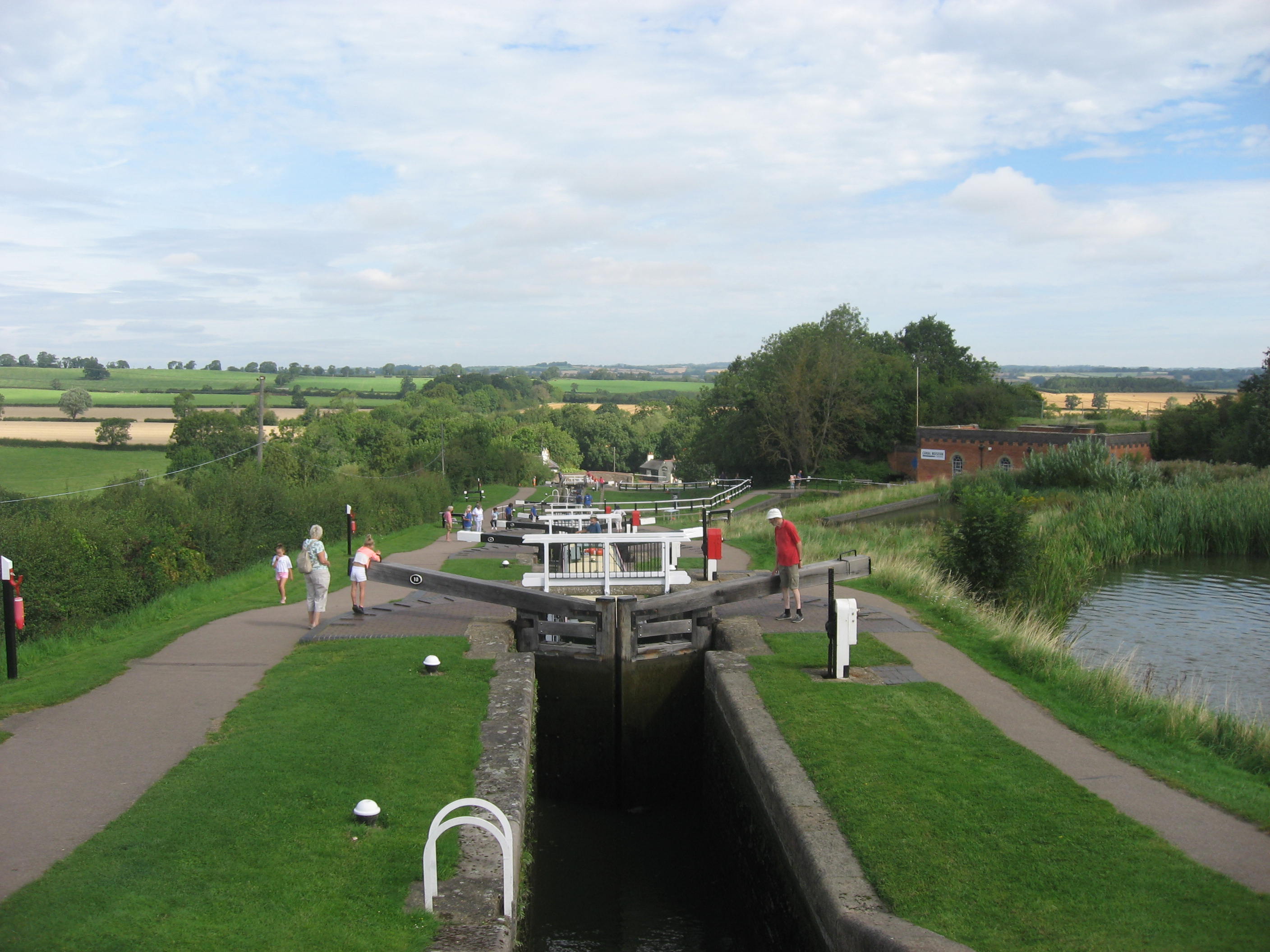
A popular tourist attraction is Foxton Locks with its flight of 10 locks from the ‘Top Lock’ where there’s also a cafe serving light refreshments to the Bridge 61 pub and Foxton locks Inn at the bottom with a wider range of food and drinks. Much needed by the boaters for whom it can take from 45-60 minutes to navigate the whole flight.

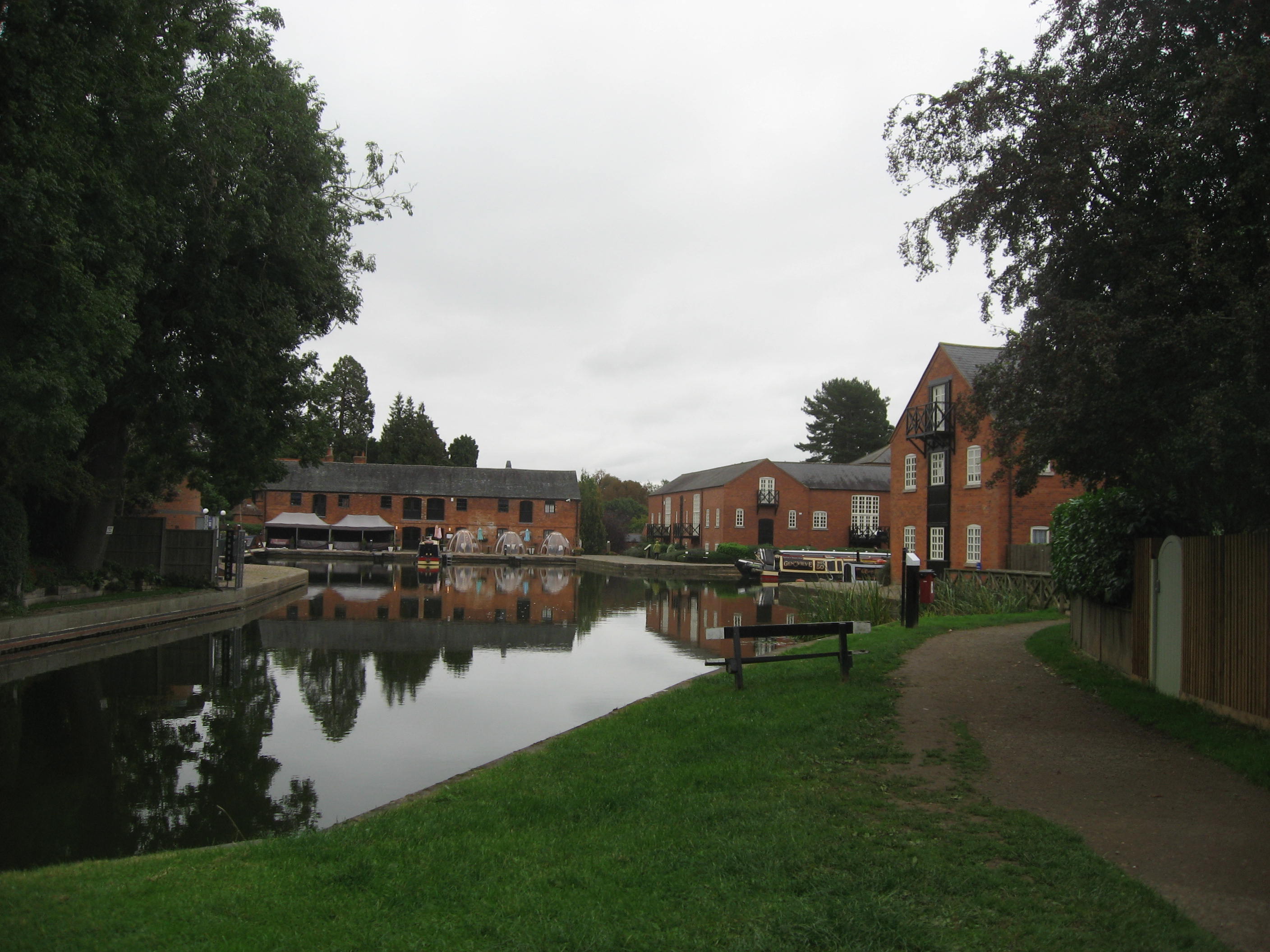
It’s only a 10 minute bus ride from Harborough to Foxton, but the winding route of the canal travels through 6 miles (10km) of the Leicestershire countryside making for a very pleasant stroll which I often do starting with a ‘bacon butty’ at the Top Lock and finishing at the Waterfront Restaurant at the Union Wharf in Market Harborough.

The Union Wharf in Market Harborough – nearly home!

While it can usually be a solitary walk there’s sometimes plenty of company along the way.

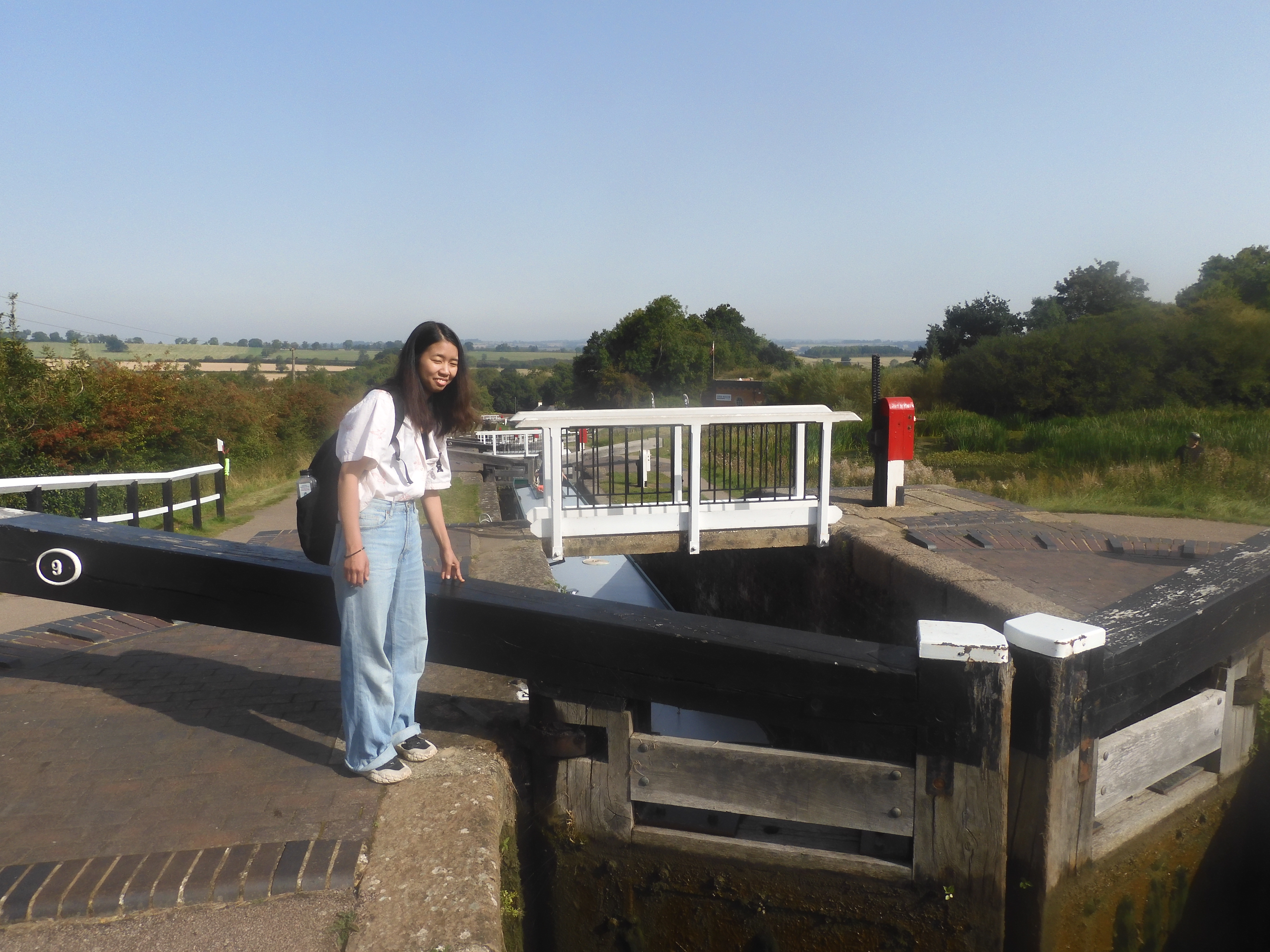
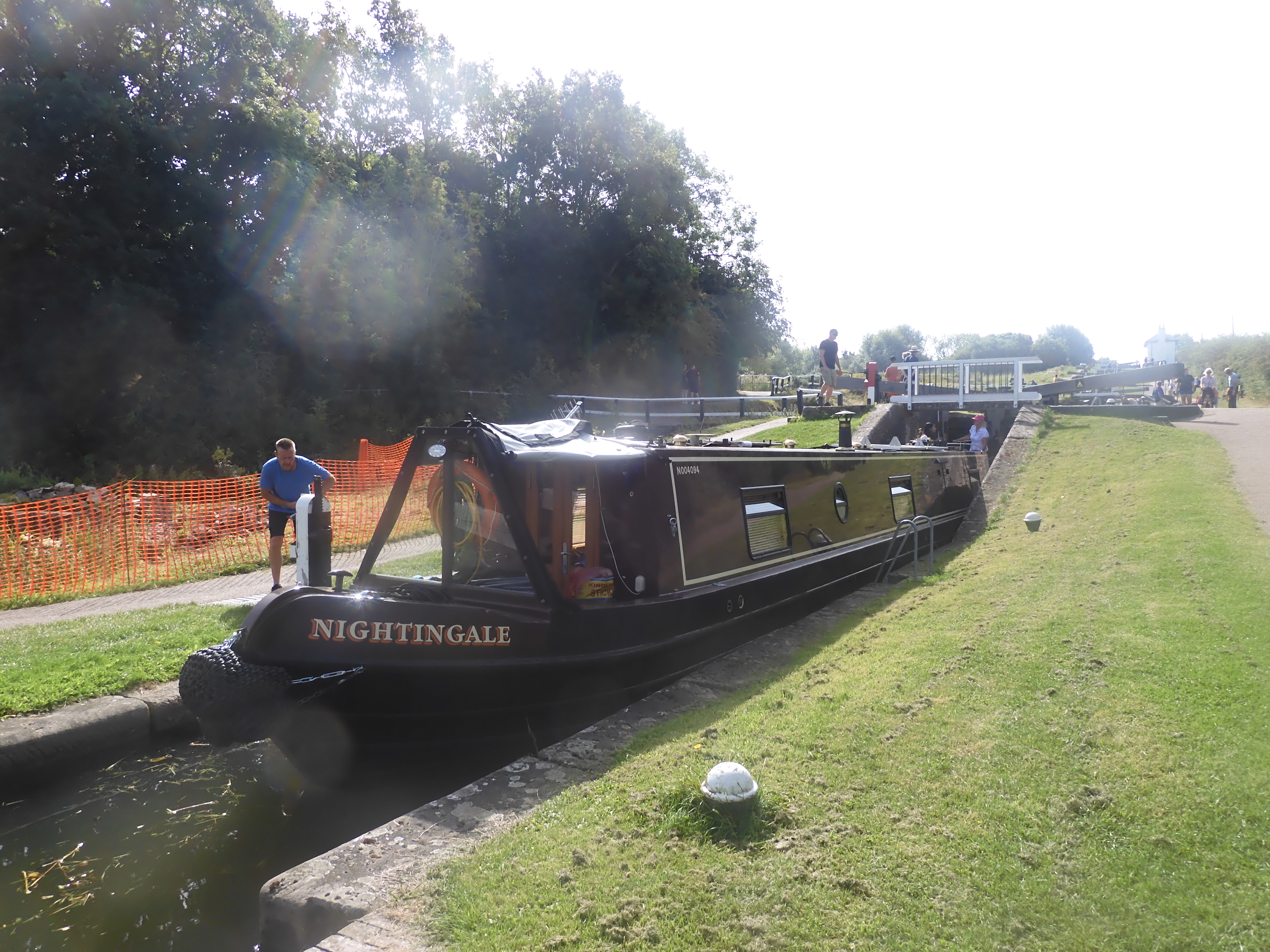
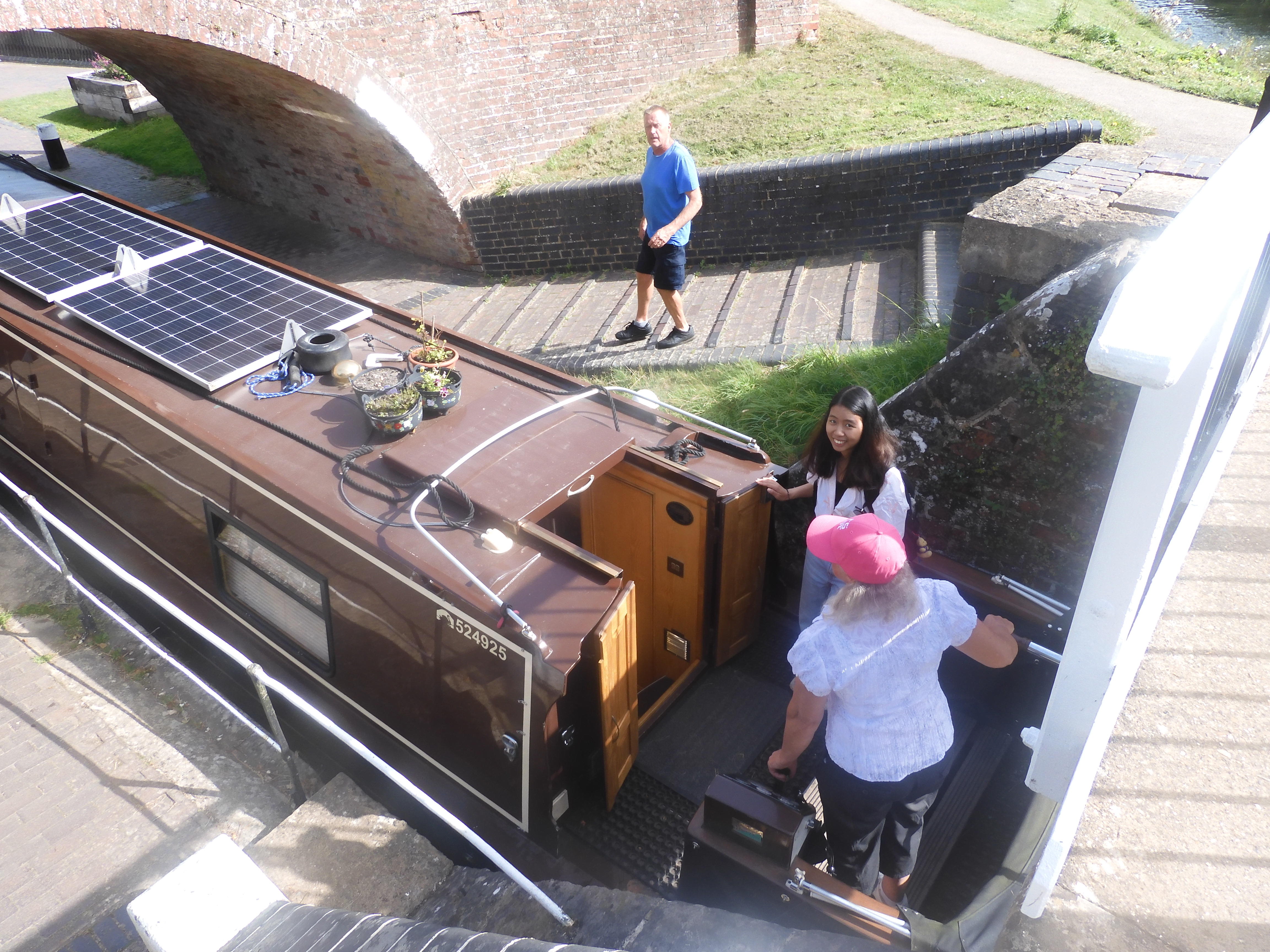
For the less energetic, standing and watching the hale and hearty navigate their vessels either up or down the flight, or visiting the canal side museum can also be an interesting day out and I try to do so when I have visitors who don’t fancy the walk. A young Japanese student friend who was visiting me recently was offered the chance to follow the locks down and ride the flight with a kindly couple aboard their houseboat the ‘Nightingale’  watched and encouraged by visitors from near and far who are collectively known as Gongoozlers.

As a ‘local’ I try to be more active and help the process opening or closing gates as required. And, as I’ve discovered on my return to the UK, so do an organised band of volunteers giving up their free time to work for the Canal and River Trust (https://canalrivertrust.org.uk/) either in the operation of the locks or in regularly cleaning and maintaining the canals themselves for our continuing pleasure and recreation. But, once again the politicians intervene and the Trust has been subject to recent Government spending cuts, and the debate over funding for the country’s transportation whether that will be for a high-speed rail network, expansion of an airport or better use of low emission vehicles will rage on into the next General Election and could even affect its outcome.

I’ll watch the politics from the sidelines – a true Gongoozler.